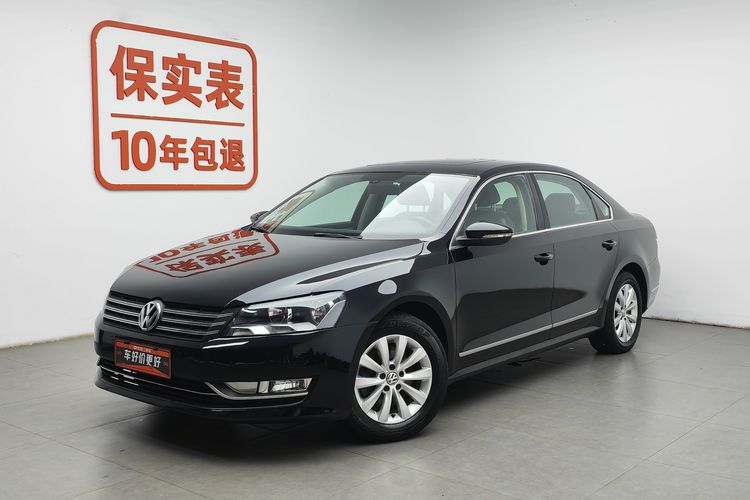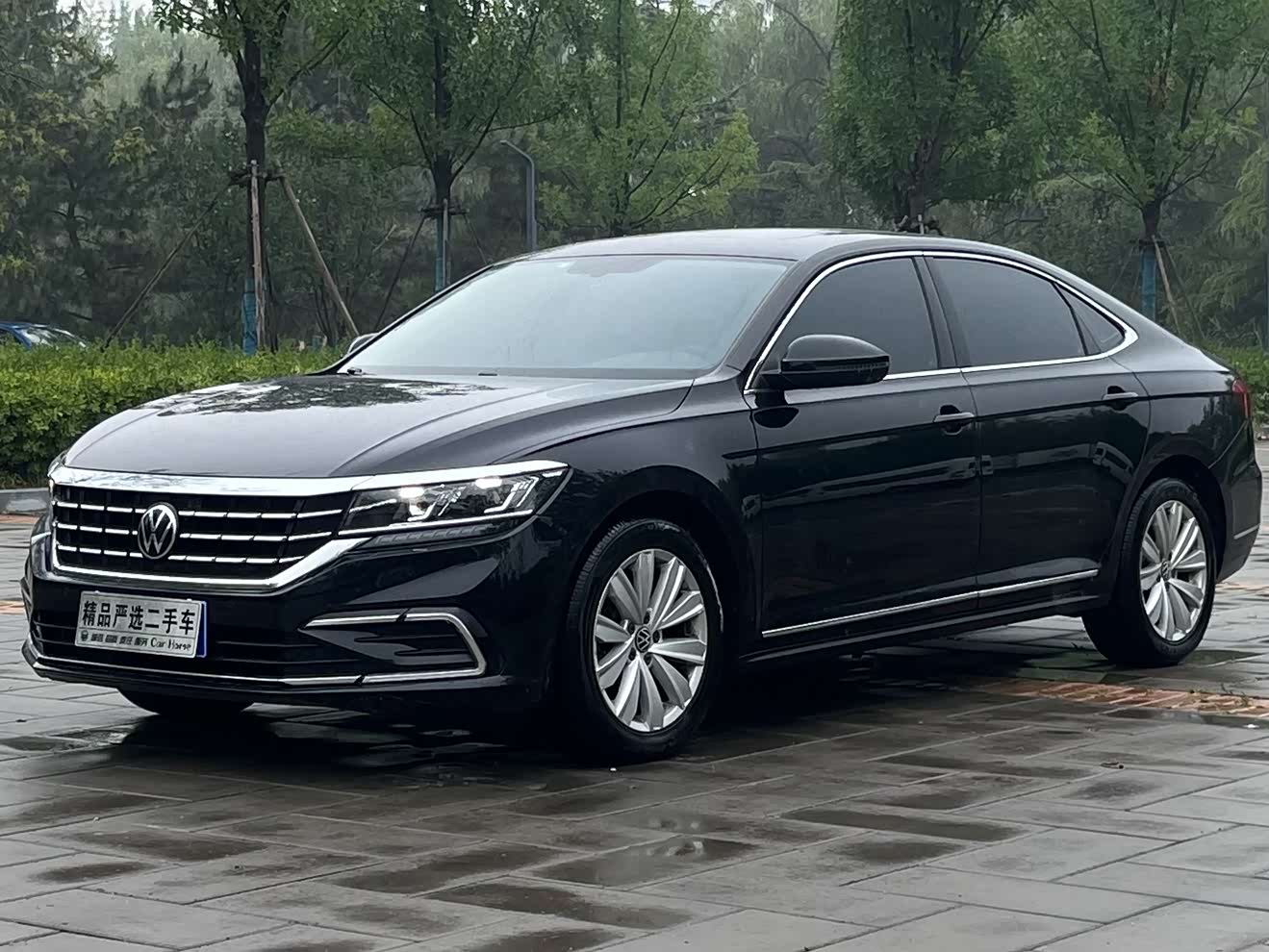
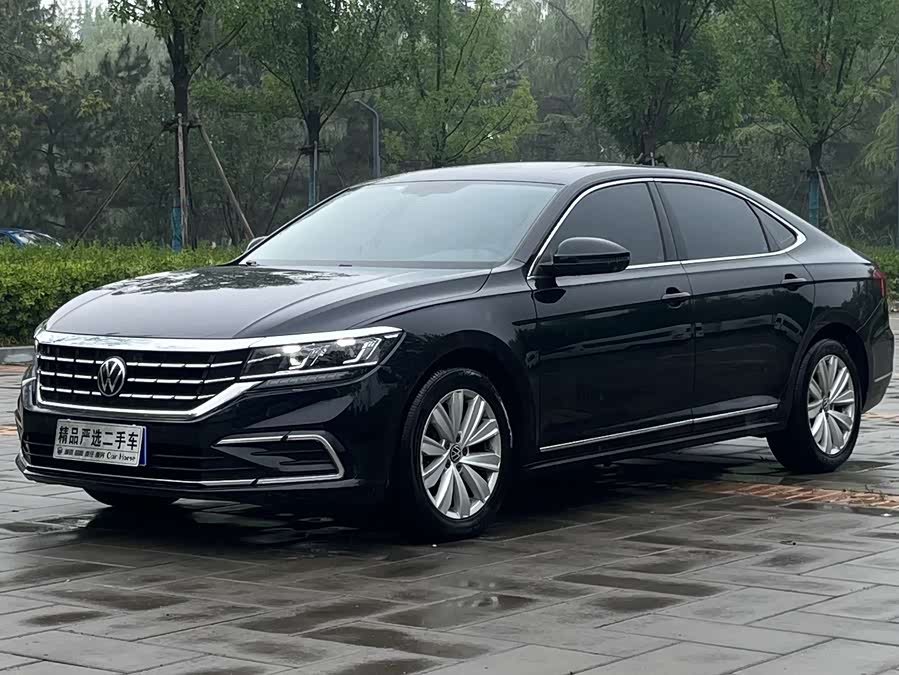
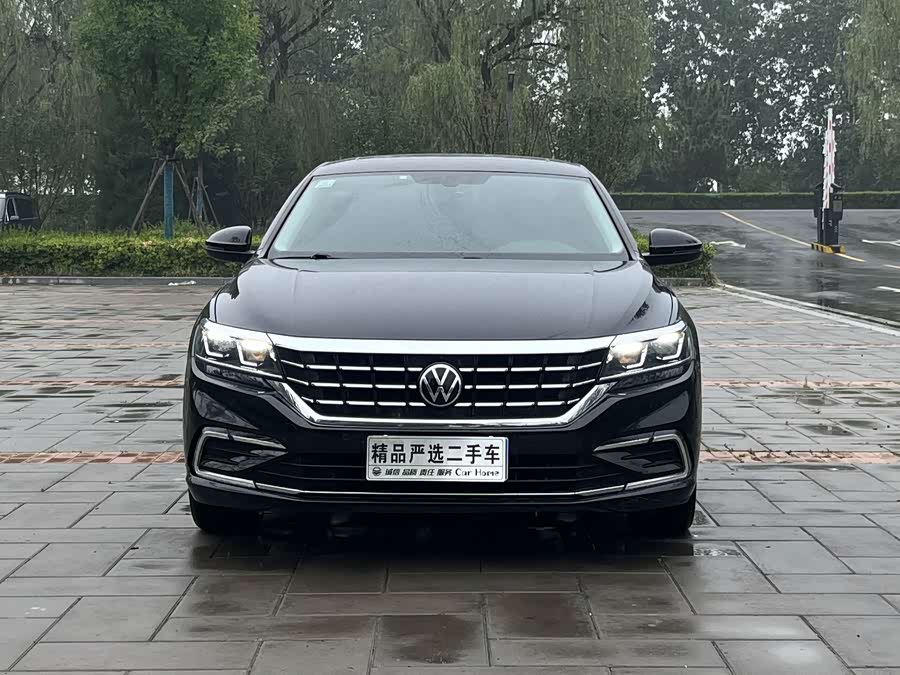
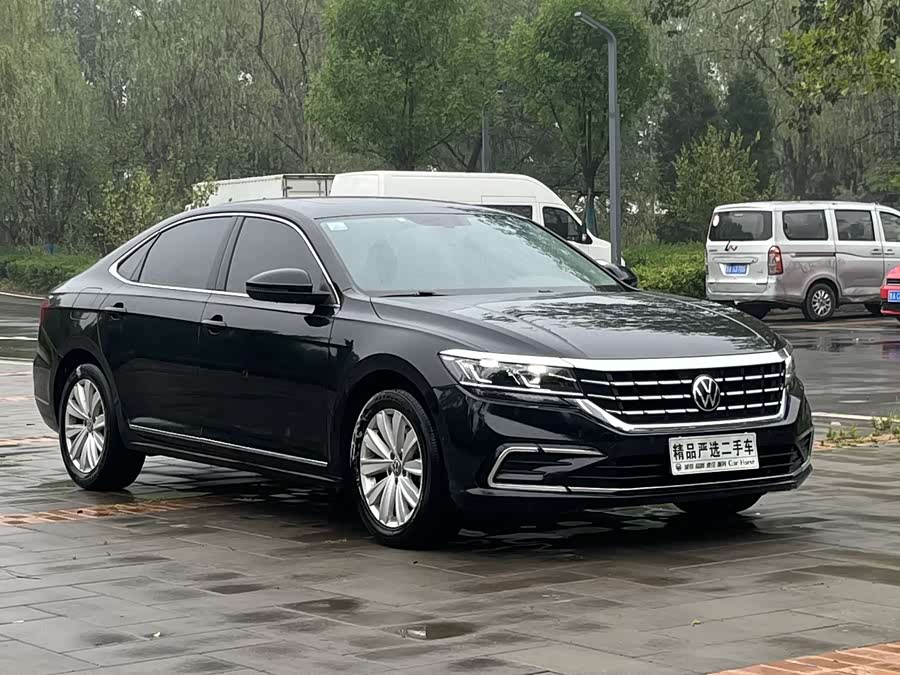
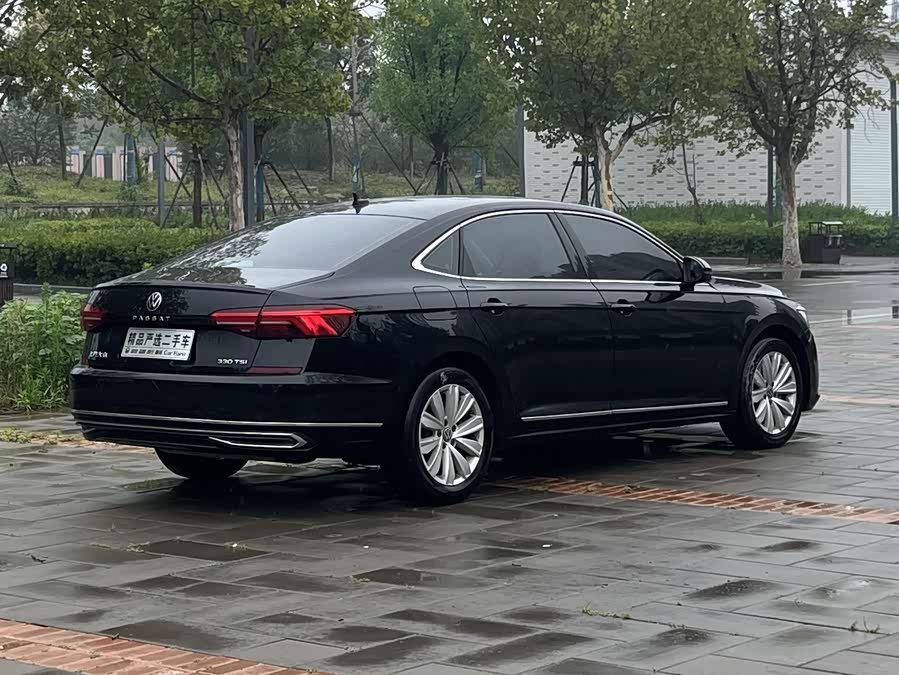
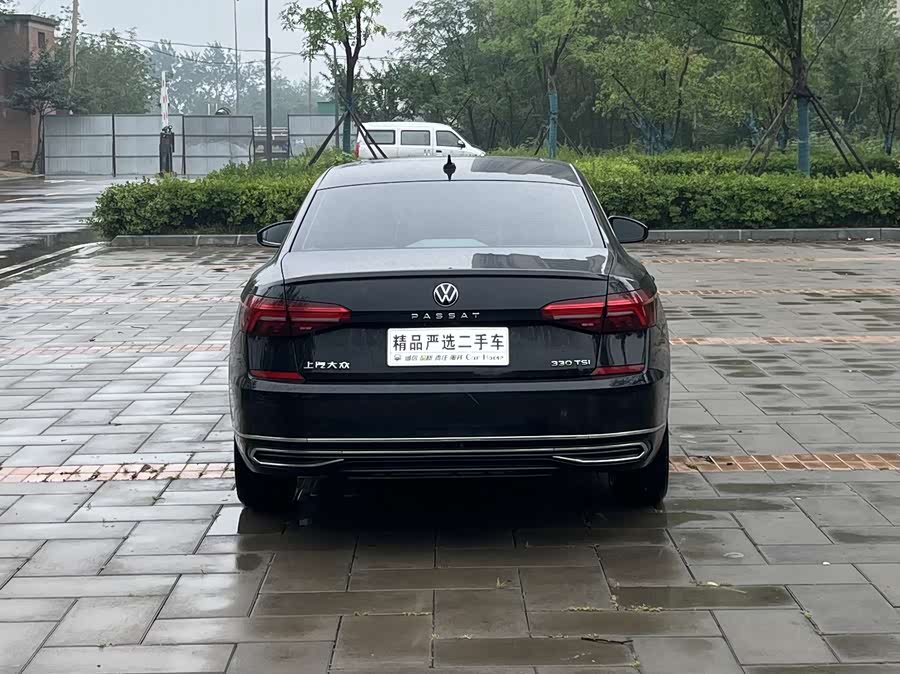
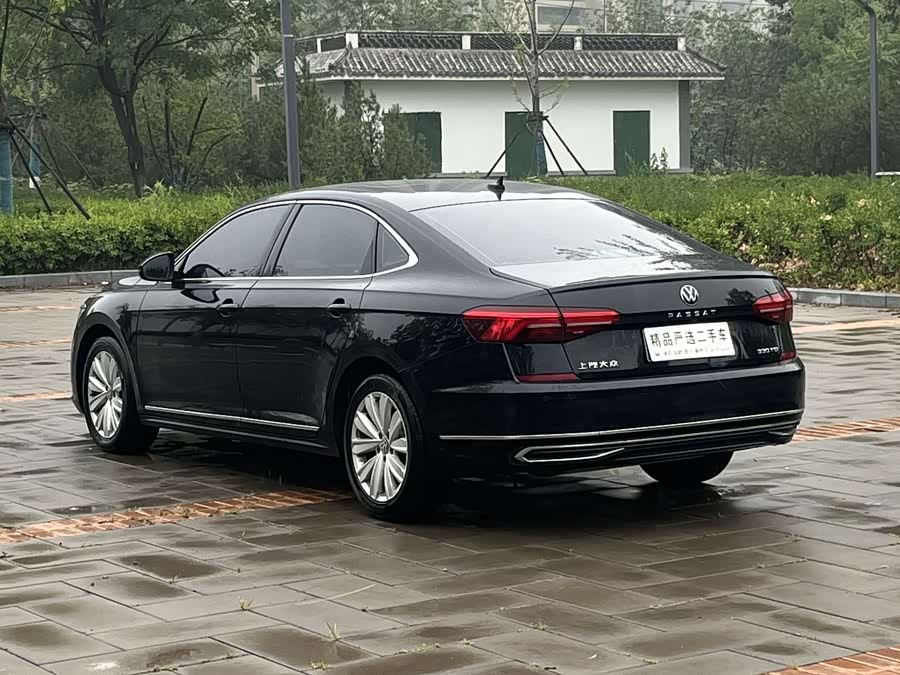
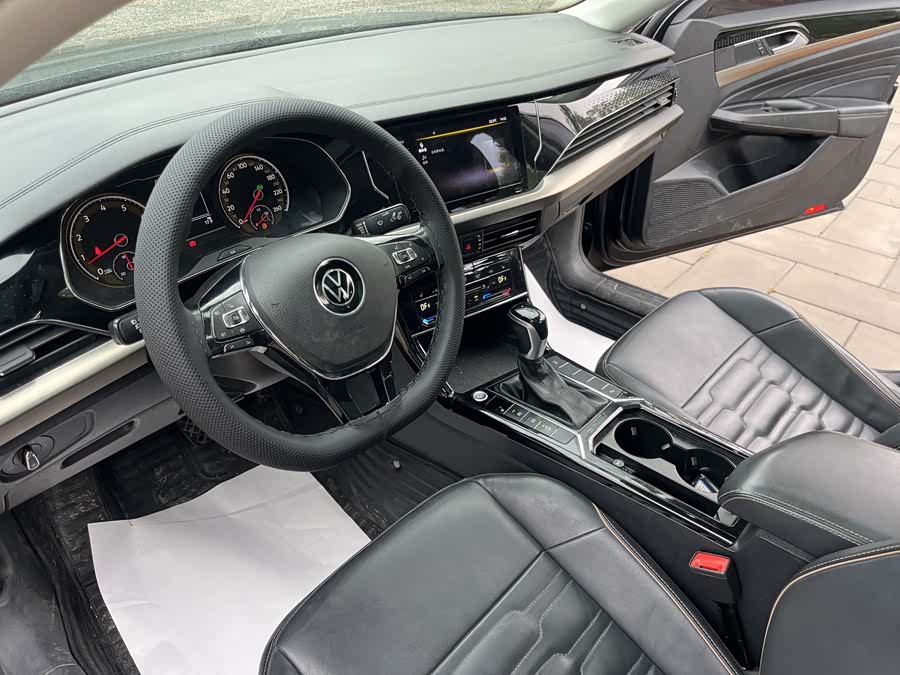
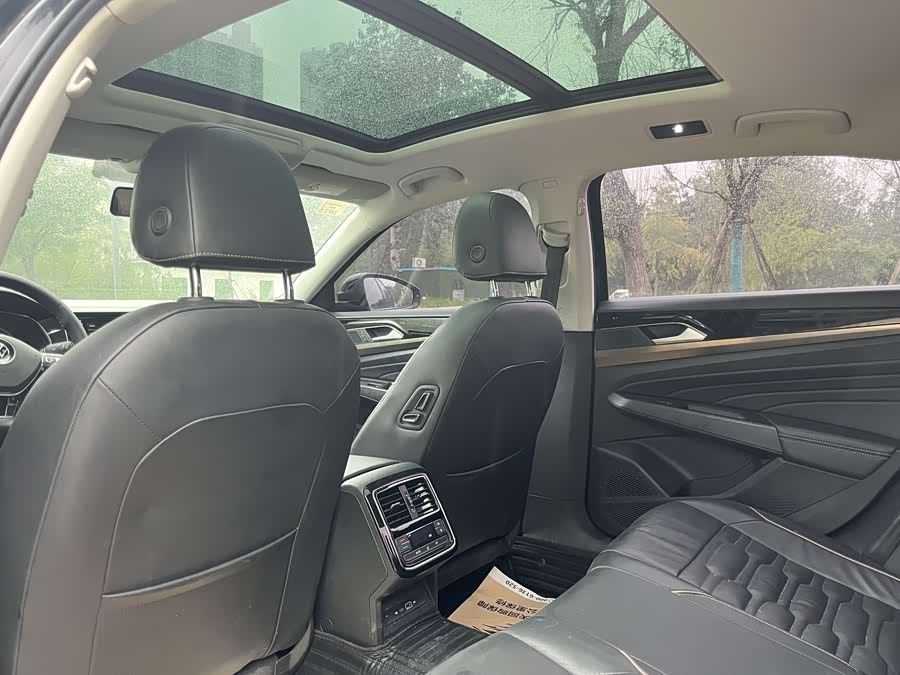
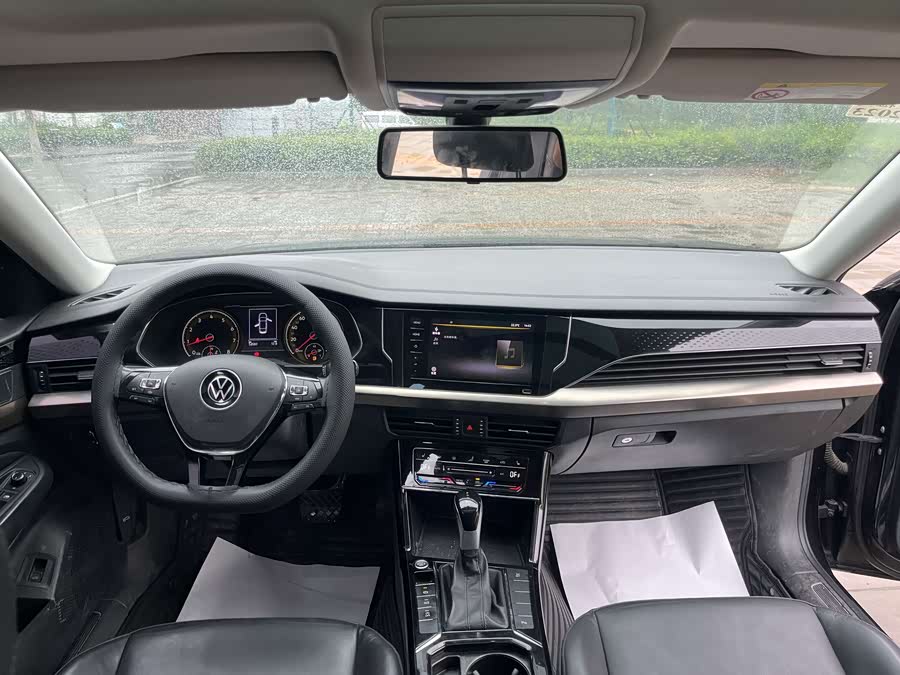



Basic Information

BrandVolkswagen
SeriesPassat
Year2021
First Registration2021/06
Mileage50,000km
Transfer Count-
FuelGasoline
TransmissionDCT
Engine2.0T 186 L4
ColorBlack
Seats-

Condition Description

very good

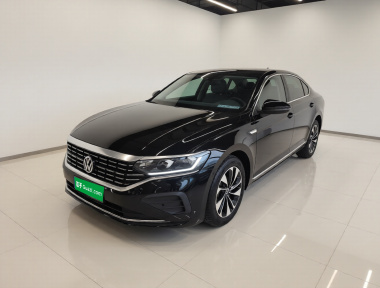
This 2021 Volkswagen Passat 330TSI Elite Edition was first registered in June 2021 and currently has 50,000 kilometers on the odometer. In terms of features, it includes ISOFIX child seat anchors, auto hold, keyless start, Bluetooth/hands-free calling, connected car services, an in-car PM2.5 filter, an in-car air purifier, independent rear air conditioning, and rear air vents. The car is in good condition; welcome to visit our showroom!

0 transfers

Configuration Highlights

✓ISOFIX Child Seat Anchors
✓Auto Hold
✓Keyless Start System
✓Bluetooth/Hands-free
✓Connected Car
✓PM2.5 Air Filter
✓Air Purifier
✓Rear Independent Climate Control
✓Rear Air Vents

Accident & Maintenance Records

Accident Record

🔗 Open Link

Maintenance Record

🔗 Open Link

Document Information

Inspection Expiry Date2025/06
Warranty Expiry Date-
Insurance Expiry Date2025/06

Q&A

More

Will B2B customers receive a detailed technical inspection report for each vehicle when purchasing a container of vehicles at once?

Yes. Even if you purchase 100 vehicles, we adhere to "one inspection per vehicle, one file per vehicle." Each vehicle will have its own independent inspection report with a unique VIN code, which serves as the sole proof for quality traceability.

What are the core advantages of buying used luxury cars (like Porsche, BBA) in China compared to purchasing them directly overseas?

China has a large number of luxury cars and a fast turnover rate. For luxury cars of the same year and mileage, the FOB offshore price in the Chinese market usually still has a 10%-15% arbitrage opportunity after deducting shipping costs, especially for models with high depreciation rates.

When calculating the total cost of a used car, what percentage of the car price do you recommend setting aside for "unforeseen local preparation costs"?

Based on practical risk assessment, we strongly recommend setting aside 3% to 5% of the car price as a buffer fund for even the highest-rated used cars, to cover oil changes, new tires, minor shipping scratches, and local inspection labor costs.