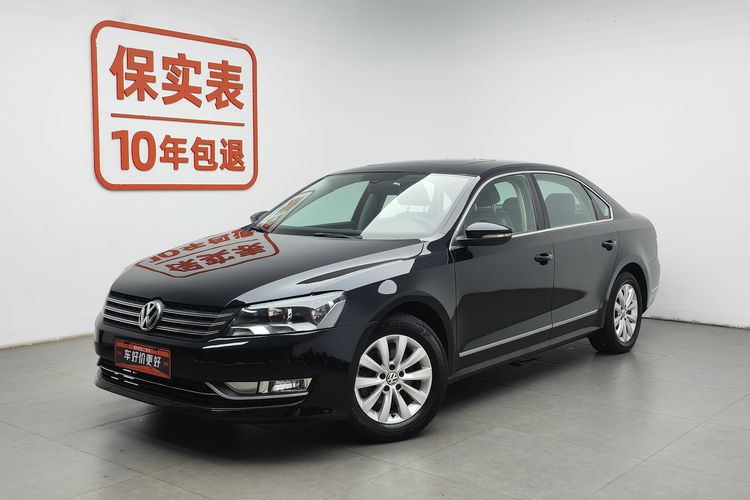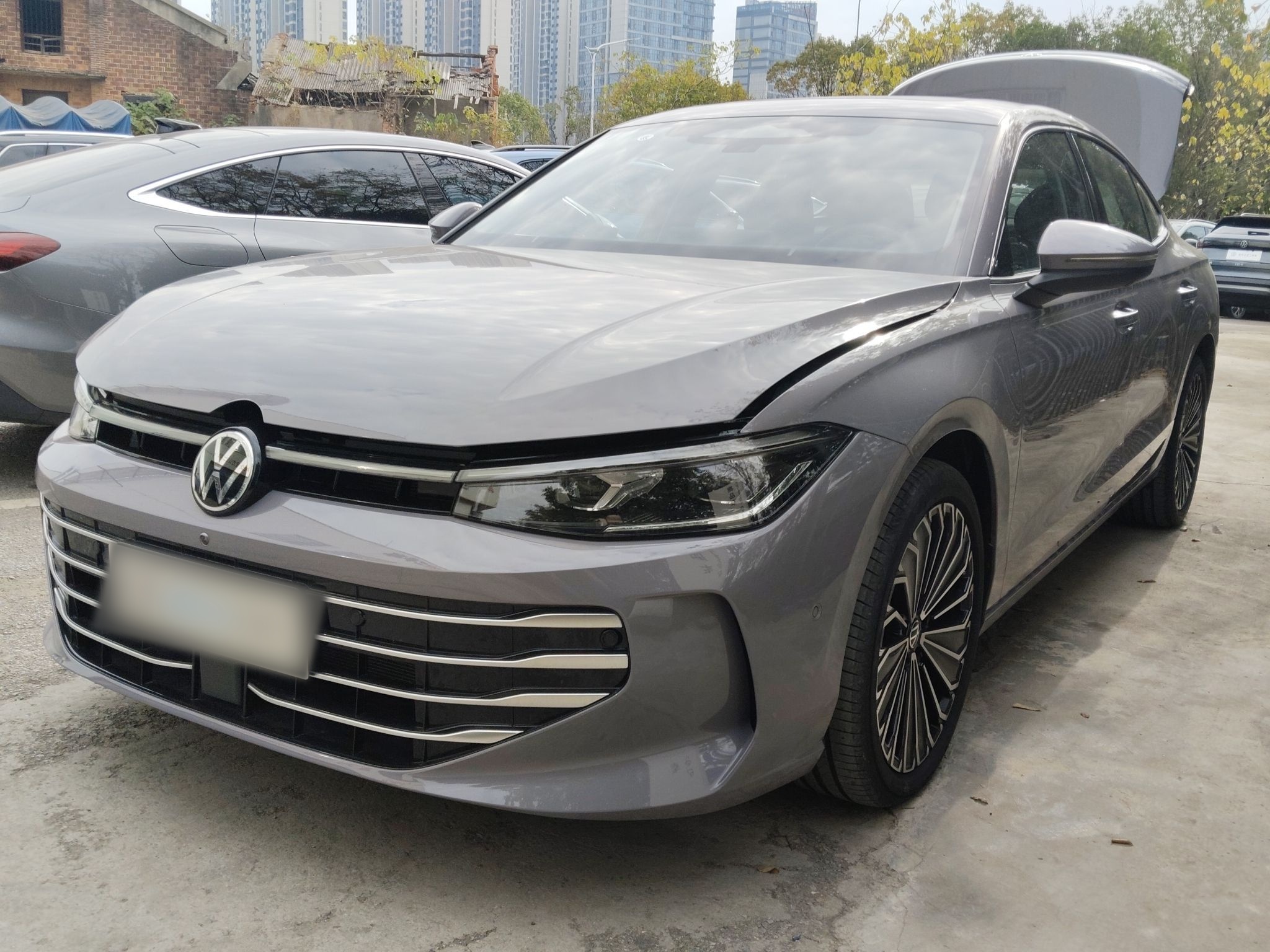
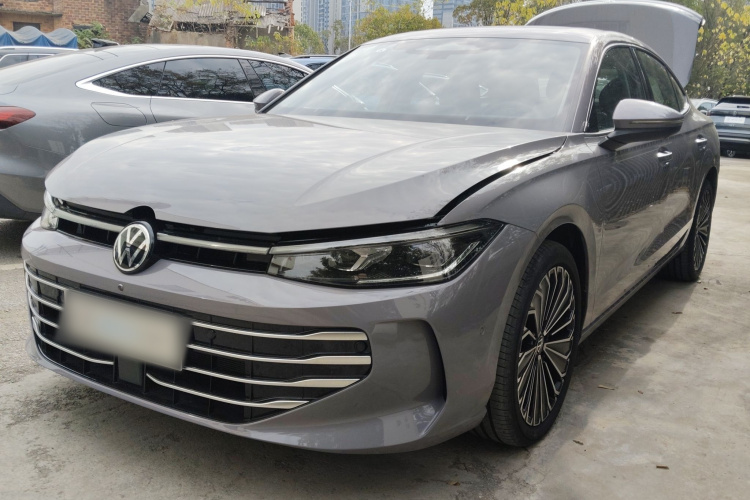
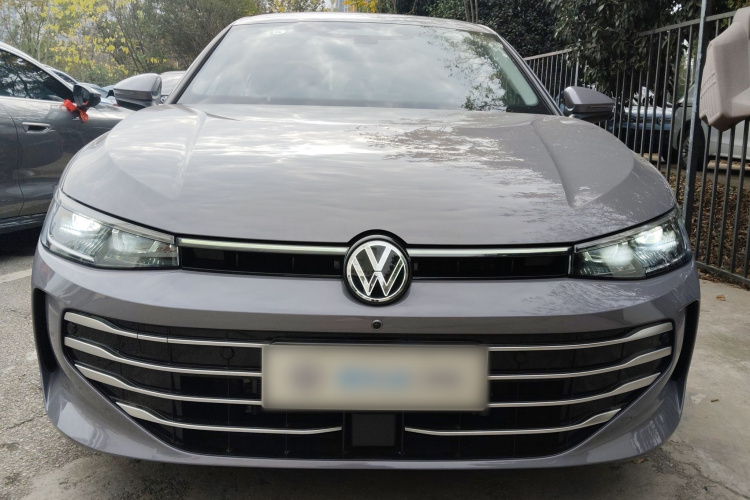
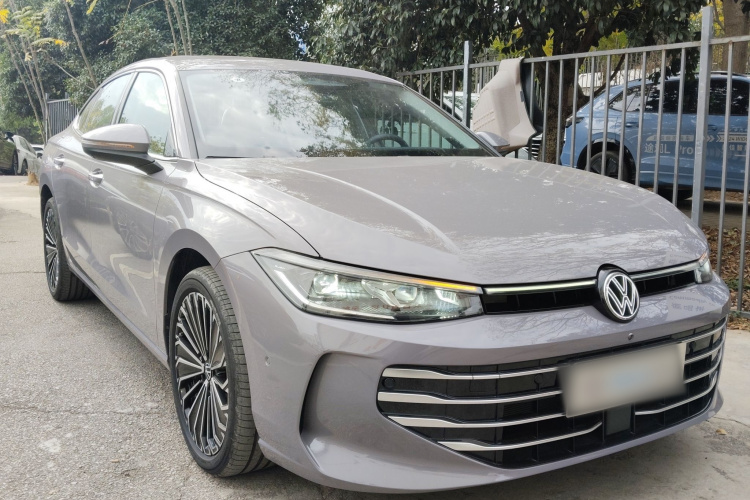



Basic Information

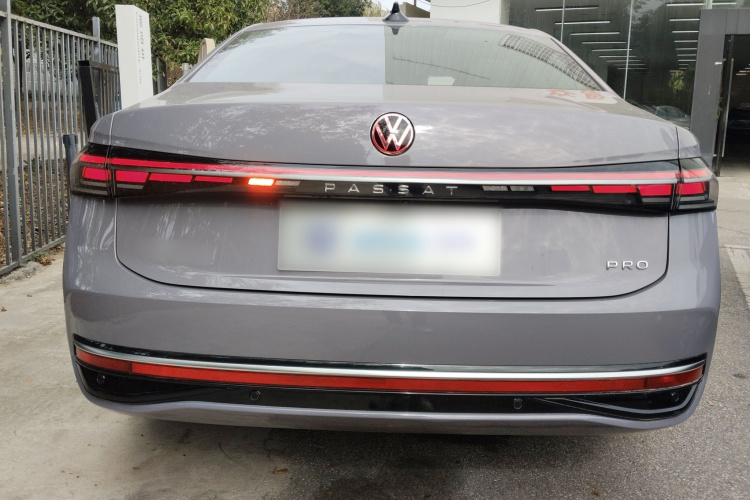
BrandVolkswagen
SeriesPassat
Year2024
First Registration2024/09
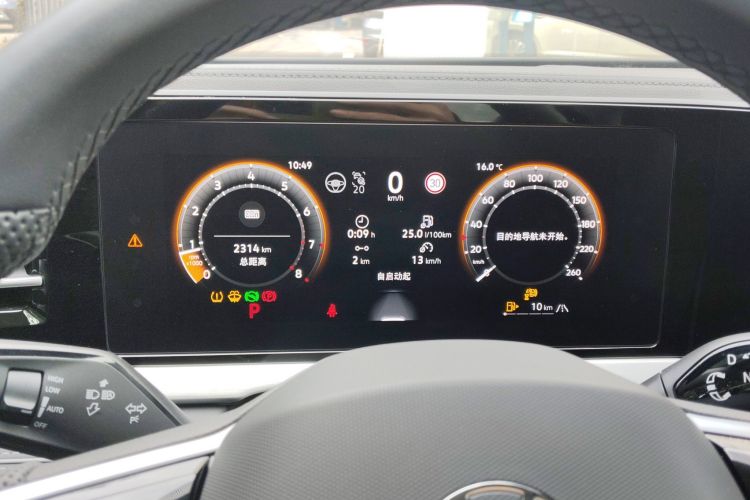
Mileage2,300km
Transfer Count-
FuelGasoline
TransmissionDCT
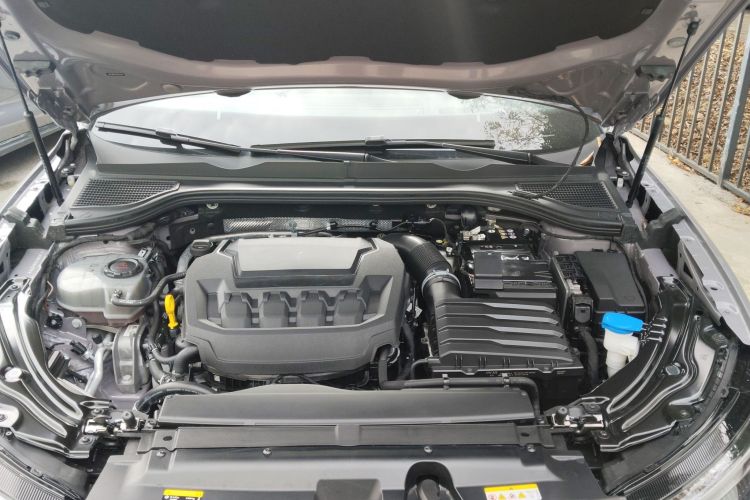
Engine2.0T 220 L4
ColorGrey
Seats5seats

Condition Description

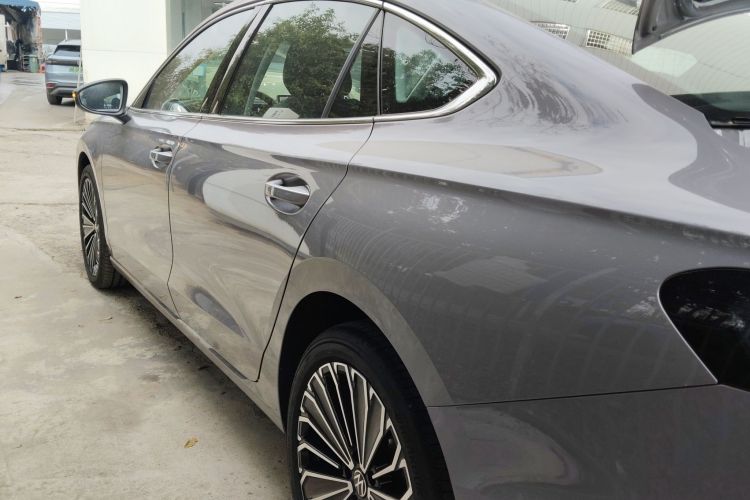
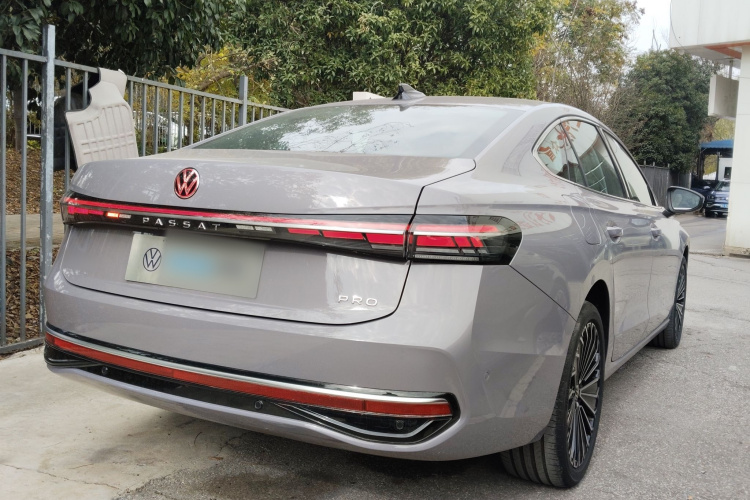
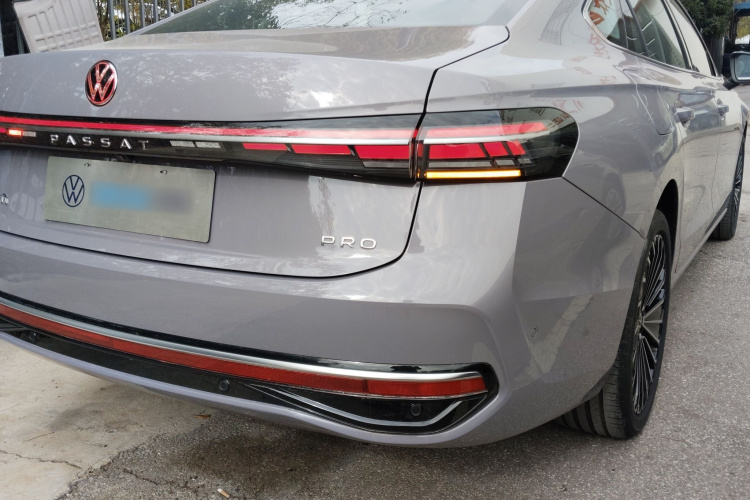
Excellent vehicle condition. Inspection passed. Vehicle condition better than 95% of vehicles for sale. Excellent vehicle condition. 0 claims. 0 ownership transfers.

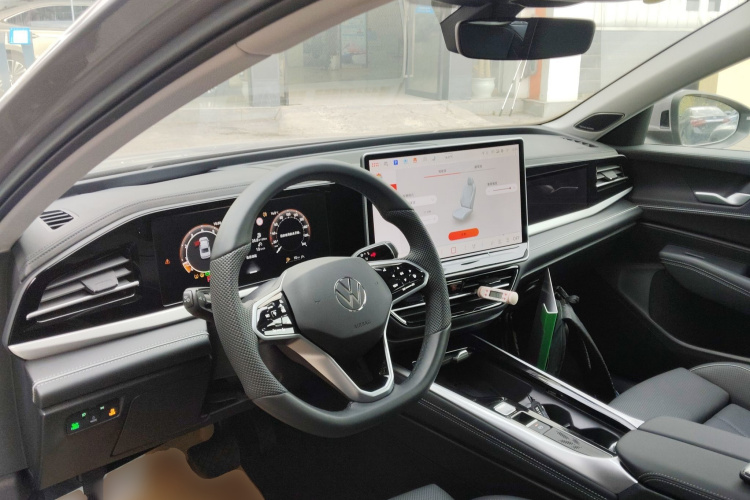
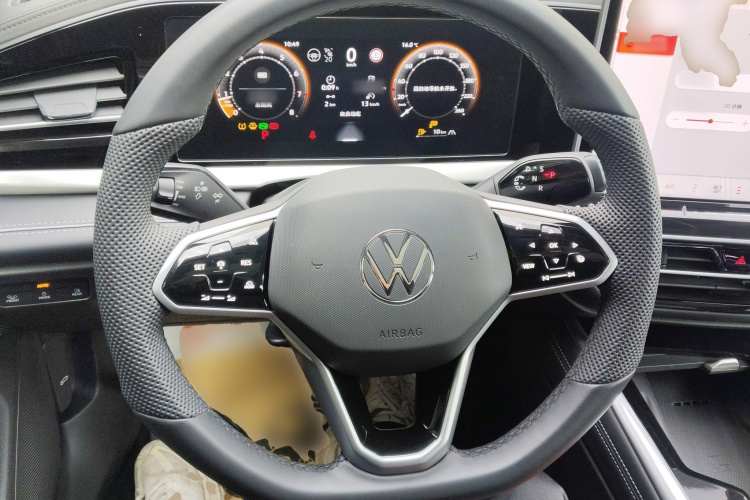
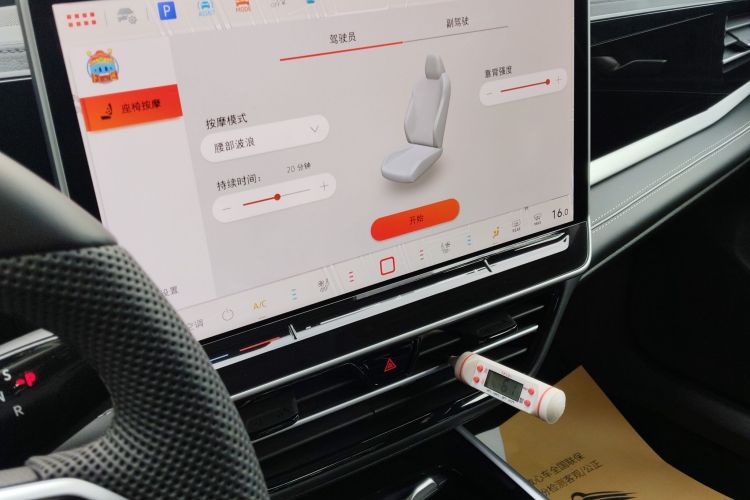
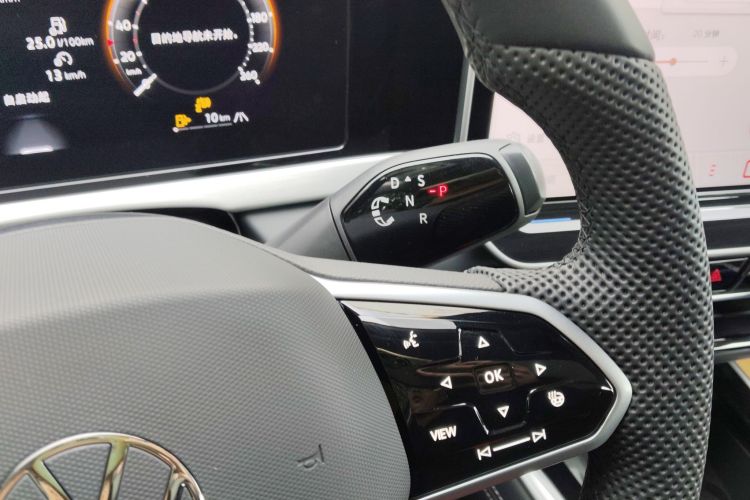
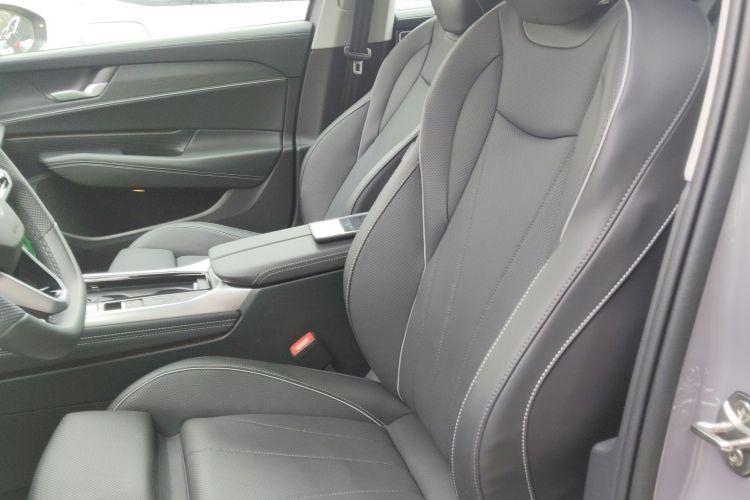
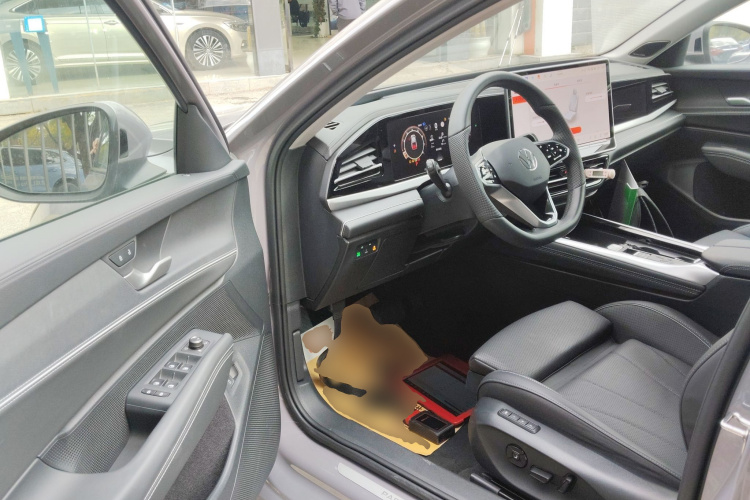
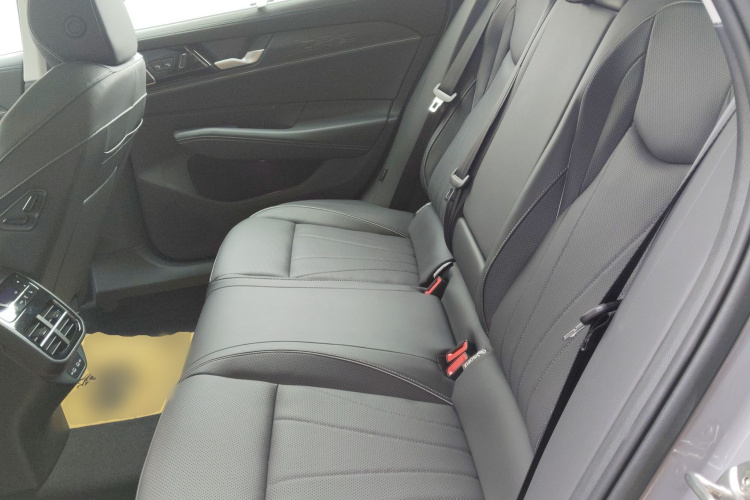
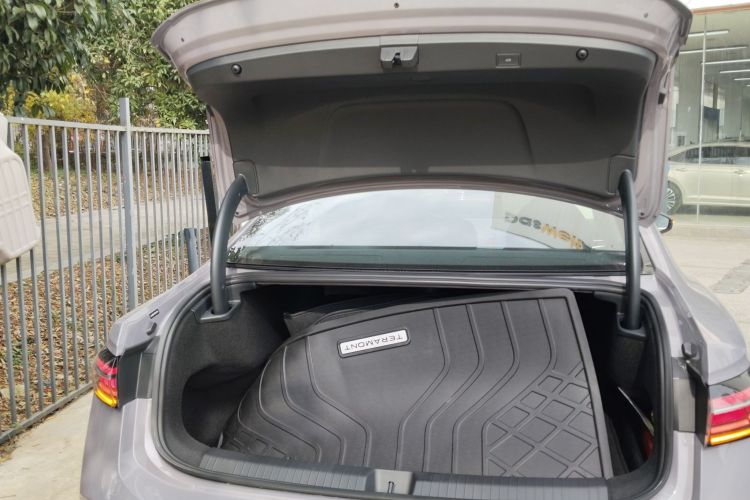
This vehicle is 1 year old, with a short usage period and an average annual mileage of 0.23 million kilometers. It has been used very infrequently and has never been transferred to another owner, making it a good first-hand vehicle. The exterior is in excellent condition, with a glossy paint finish but possibly some minor scratches. The interior is clean and tidy, with no obvious signs of use. The overall body frame is intact and without any abnormalities. The fluids are normal with no leaks, and the powertrain operates smoothly without any abnormalities.

Configuration Highlights

✓Heated Steering Wheel
✓Rear Control Passenger Seat
✓Kick-sensor Trunk
✓Adaptive Cruise Control
✓Adaptive Headlights
✓Blind Spot Assist
✓Surround View Camera
✓Lane Departure Warning
✓Digital Instrument Cluster
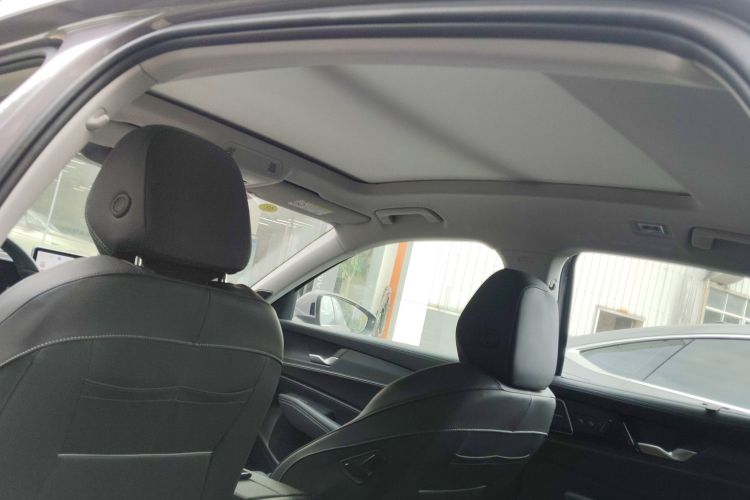
✓Panoramic Sunroof
✓Auto Park
✓Rear Independent Climate Control
✓Power Trunk
✓Cornering Lights
✓Knee Airbags
✓Driver Seat Memory
✓Ambient Lighting
✓Smartphone Connectivity
✓High Beam Assist
✓Front Radar
✓Auto Hold
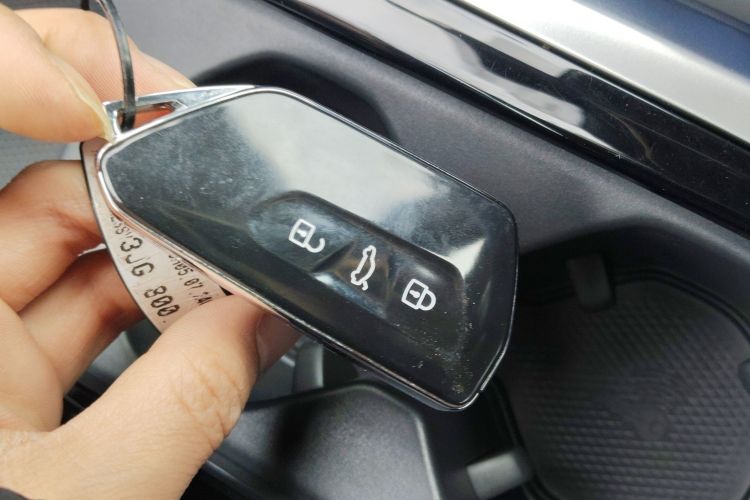
✓Keyless Entry
✓Rain-sensing Wipers
✓High-definition Low Beam
✓Power Folding Mirrors
✓Engine Start-Stop
✓Power Seats
✓Auto Headlights
✓Keyless Start
✓Rear Air Vents
✓Tire Pressure Monitoring
✓Heated Mirrors
✓Hill Start Assist
✓Rear Parking Sensors
✓Anti-pinch Windows

Q&A

More

How can I verify a used car's accident and repair history in China from overseas?

China has centralized vehicle records you can check remotely before paying anything. Ask the exporter for the 17-digit VIN, then request two reports. First, the maintenance history: third-party platforms pull 4S dealership records showing service dates, mileage and repair items. A mileage line that goes down over time is a red flag for odometer tampering. Second, the insurance claim history: it lists accident dates, claim amounts and repaired parts. Heavy claims involving frame rails or airbags should end the deal. Practical tips: run the reports yourself instead of accepting screenshots from the seller, make sure the report date is close to the delivery date, and cross-check with physical wear such as the steering wheel, pedals and seat bolsters, which cannot lie about high mileage. Keep in mind that small private repairs never enter these databases, so combine history checks with a physical inspection before shipping.


How can I check if a used car from China has been in a major accident, and what records actually exist?

China does not have a single public accident database like CARFAX, but you can still verify history from several sources. First, ask the exporter for the insurance claim records (出险记录). Major repairs go through insurance, and the claim history shows the date, amount, and damaged parts. A car with large claim amounts (over half its value) is effectively a total loss rebuild. Second, check the vehicle's registration certificate (机动车登记证书) for transfer history — multiple transfers in a short period often follow an accident. Third, run a VIN check through commercial platforms (paid, around 20-50 RMB) which aggregate insurance, maintenance, and auction data. Cross-check everything against a physical inspection: paint thickness readings on structural points, weld quality under the seals, and underbody photos. If the records and the physical condition do not match, walk away or demand a large discount.

What does the real landed cost of importing a used car from China look like, and which line items do buyers most often underestimate?

A realistic landed cost has five layers: the car price, export-side fees (deregistration, export license, inland trucking to the port), international freight and insurance, destination duties and taxes, and local charges (port handling, inspection, registration). Buyers most often underestimate three items. First, destination duties are calculated on the customs value, which may include freight, so a cheap car can still attract significant tax. Second, port and terminal charges at both ends add up; demurrage fees apply quickly if documents are late. Third, compliance costs such as homologation, emissions testing, or translation of documents can run into hundreds of dollars depending on the country. Ask every exporter for a written, itemized quote to your port, not just an FOB price, and keep a 5% contingency. Quotes that look unusually cheap usually hide costs in the freight or handling lines.