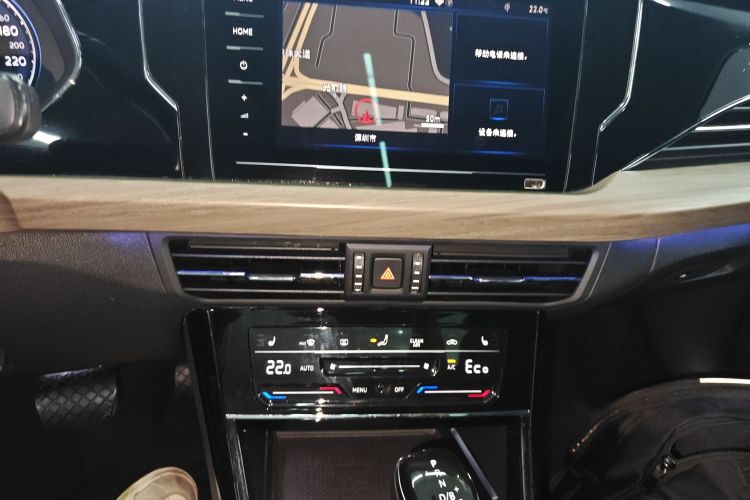
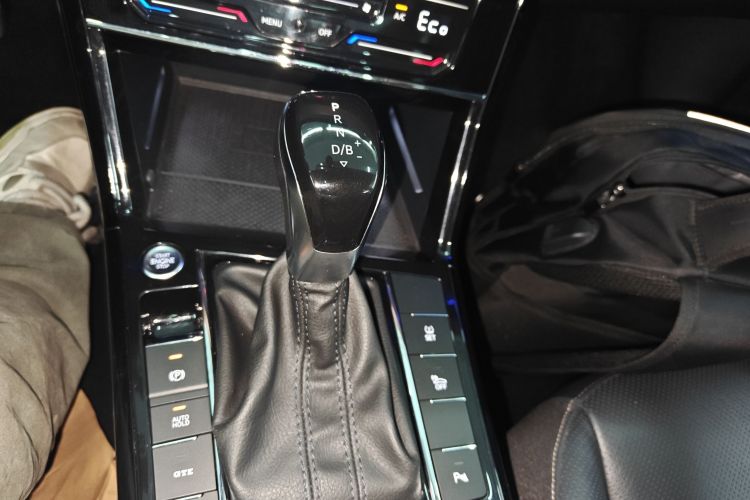
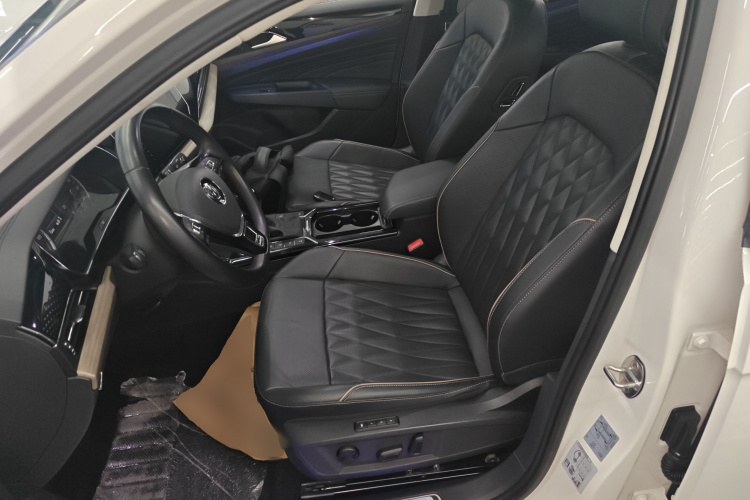
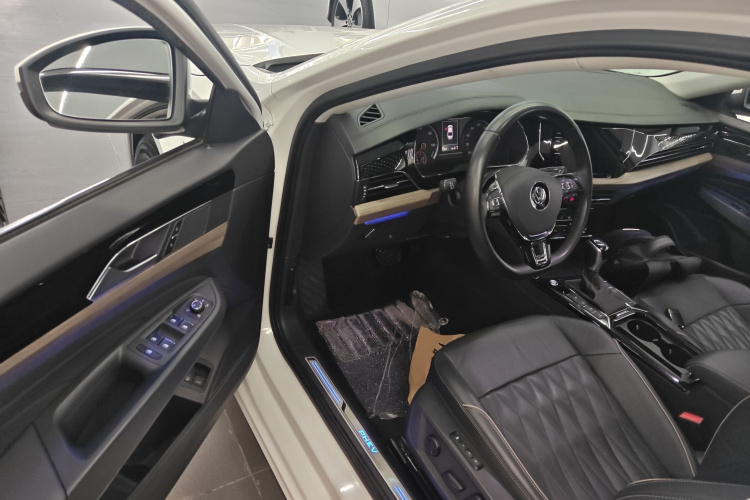



Basic Information

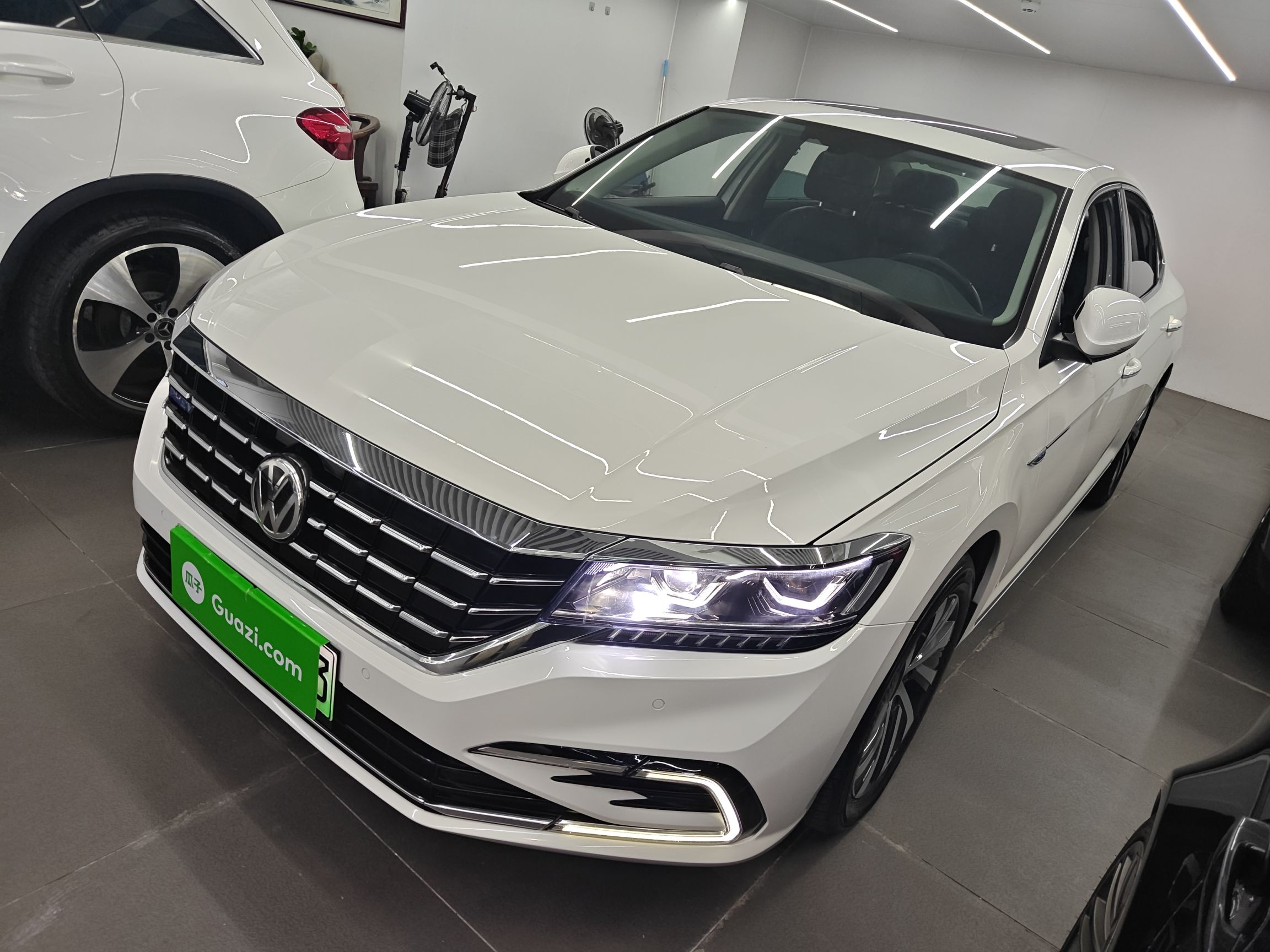
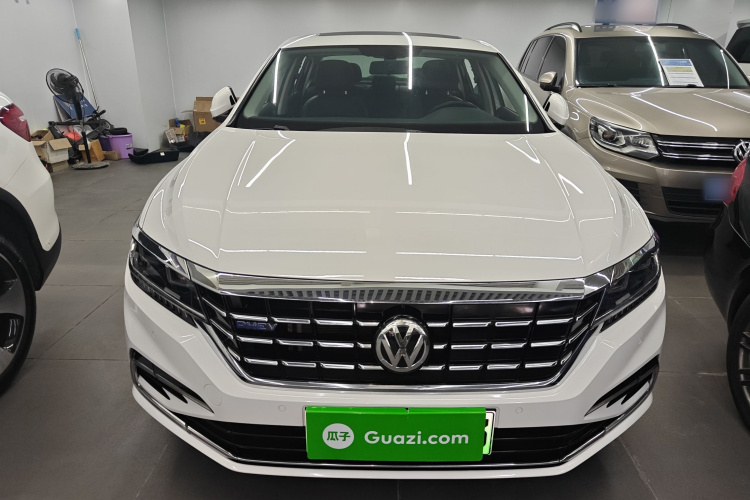
BrandVolkswagen
SeriesPassat New Energy
Year2020
First Registration2020/08
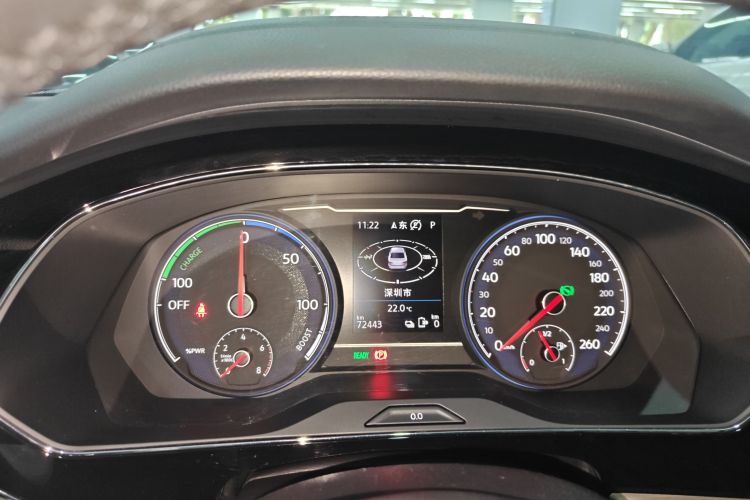
Mileage72,400km
Transfer Count2times
FuelPHEV
TransmissionDCT
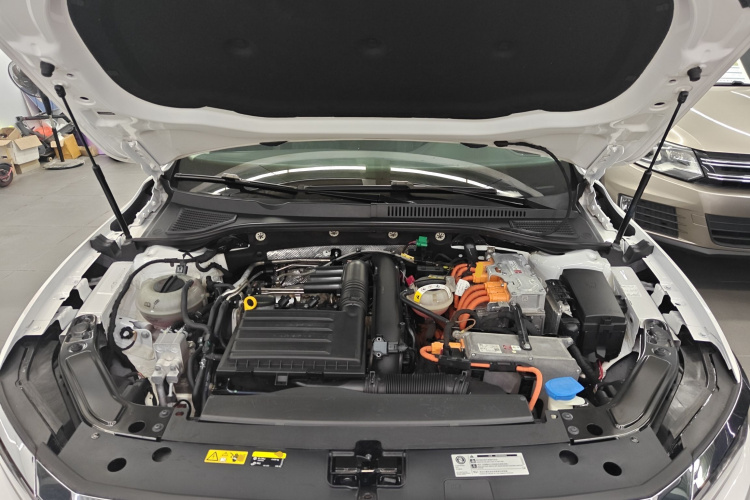
Engine1.4T 150 L4
ColorWhite
Seats-

Condition Description

Vehicle in good condition, passed inspection. Vehicle in good condition, 2 claims filed, 2 ownership transfers.

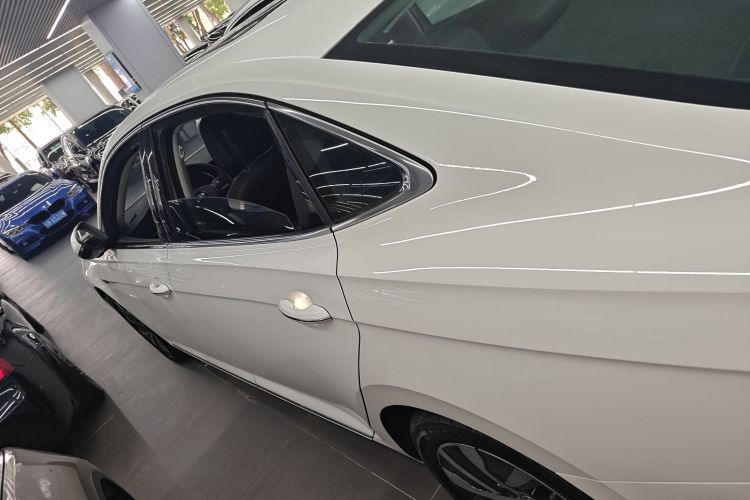
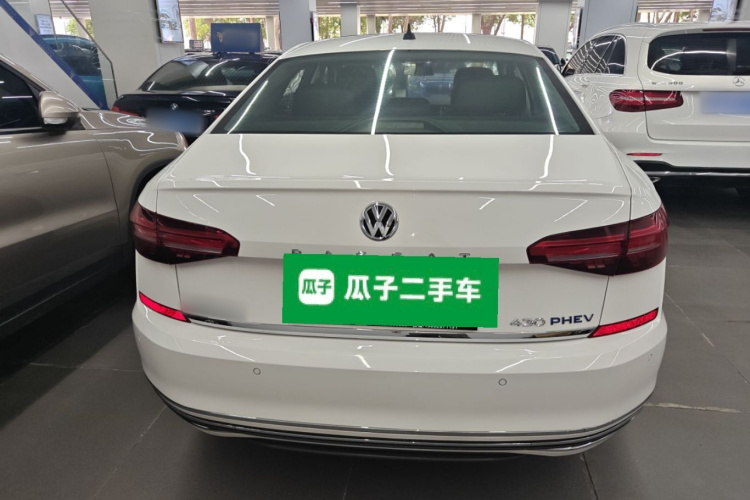
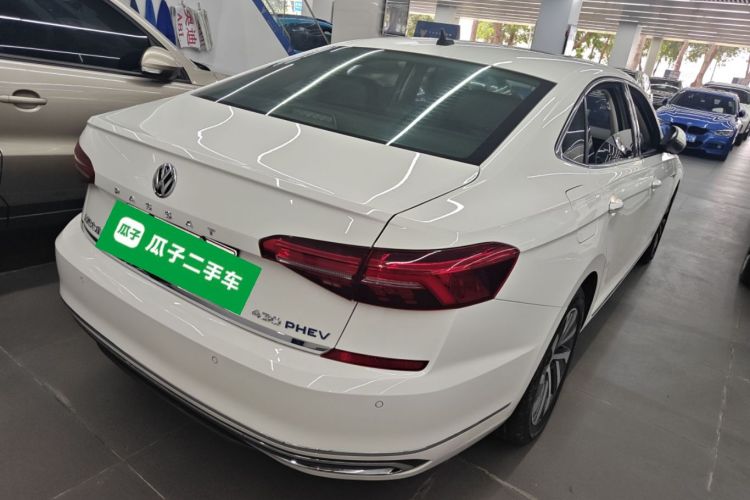
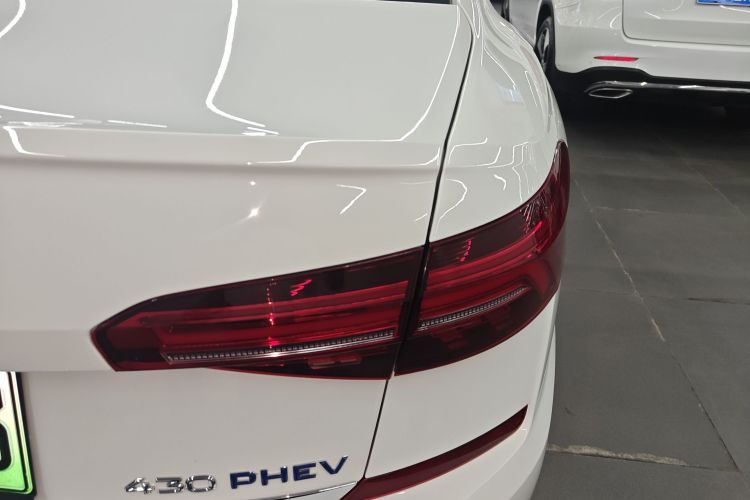
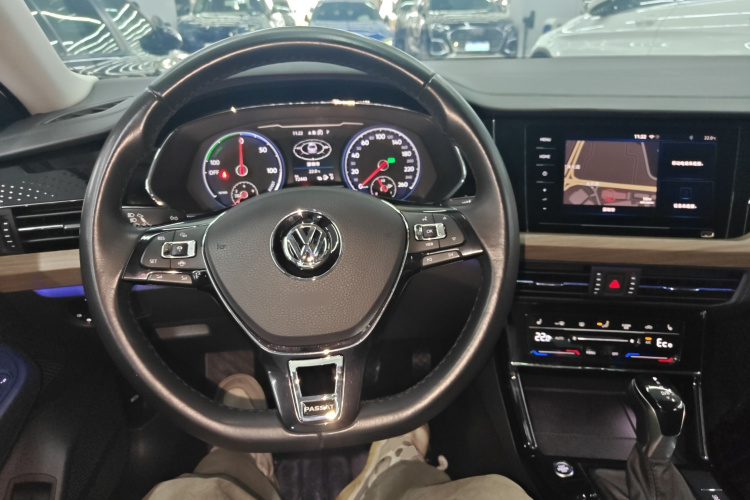
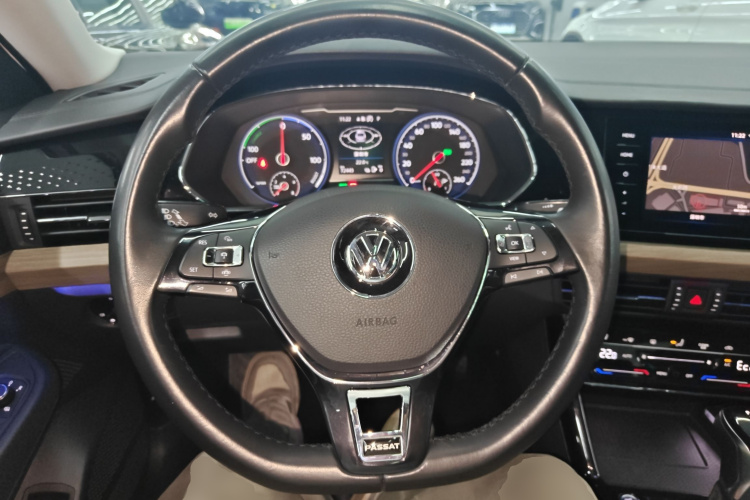
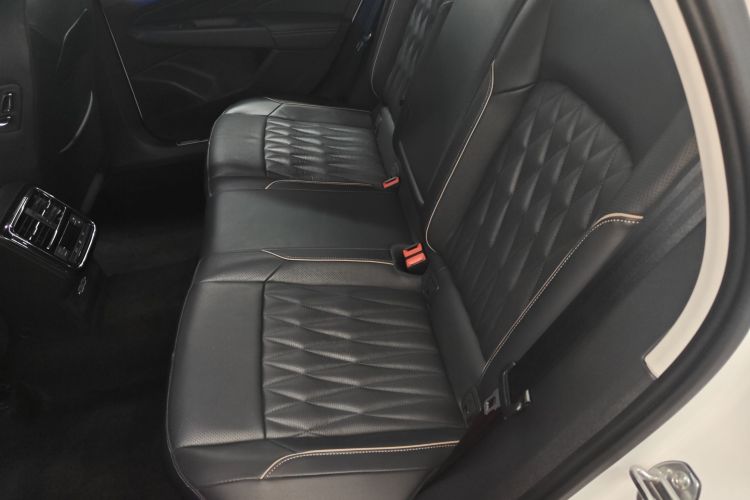
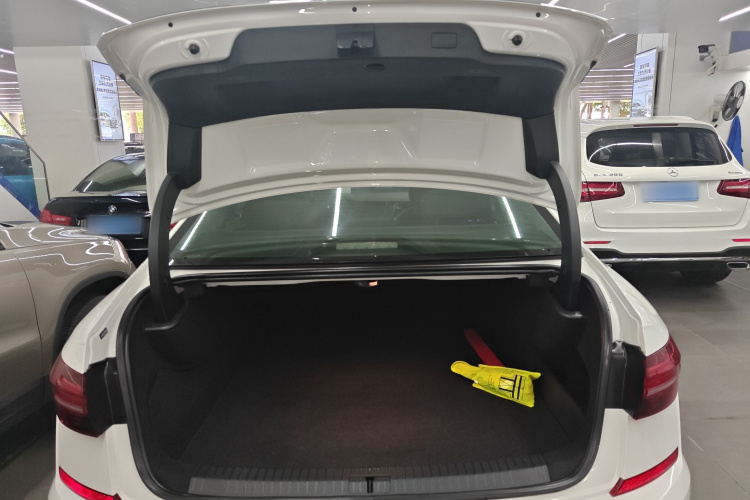
This vehicle is 5 years old, with an average annual mileage of 14,500 kilometers, and is used with normal family daily frequency. It has been transferred twice. The exterior paint is in good condition, but there may be a few minor marks. The interior is in good condition, with normal signs of use on the surface. The overall body frame is intact, but there are a few abnormal issues. The fluids are normal, and the power system is working well.

Configuration Highlights

✓Rear Control Passenger Seat
✓Adaptive Cruise Control
✓Blind Spot Assist
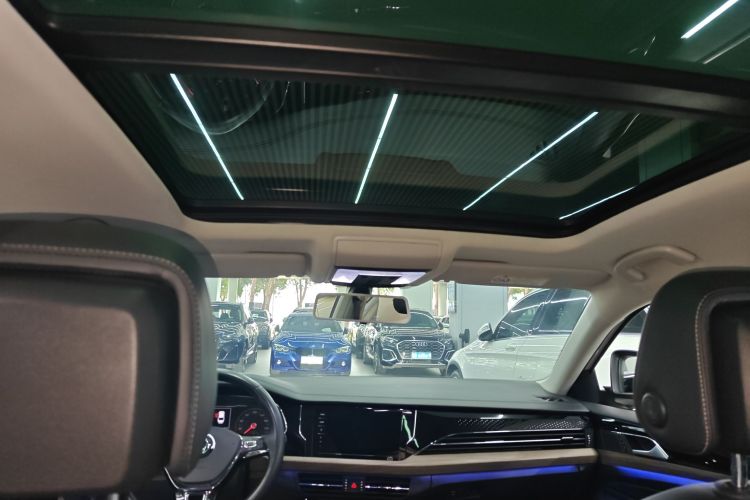
✓Panoramic Sunroof
✓Rear Independent Climate Control
✓Cornering Lights
✓Driver Seat Memory
✓Ambient Lighting
✓Smartphone Connectivity
✓High Beam Assist
✓Front Radar
✓Auto Hold
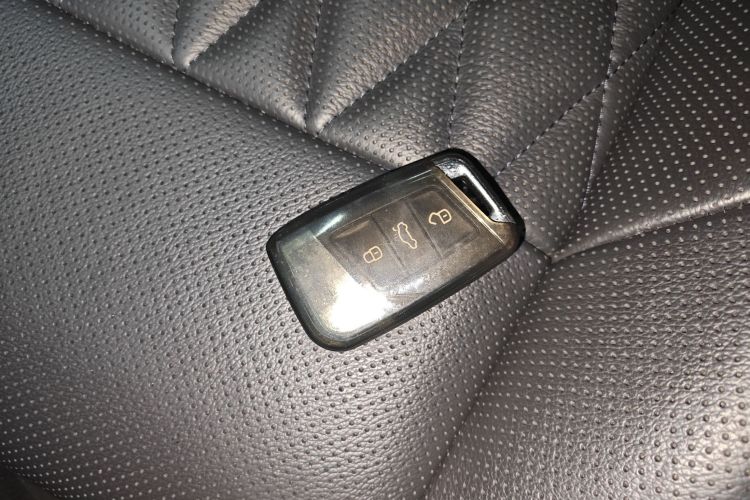
✓Keyless Entry
✓Rain-sensing Wipers
✓Backup Camera
✓High-definition Low Beam
✓Power Folding Mirrors
✓Engine Start-Stop
✓Power Seats
✓Auto Headlights
✓Keyless Start
✓Rear Air Vents
✓Tire Pressure Monitoring
✓Heated Mirrors
✓Hill Start Assist
✓Rear Parking Sensors
✓Anti-pinch Windows

Q&A

More

Will a used Chinese EV's apps, OTA updates and connected services work in my country?

It depends on the brand and model, so verify before you buy. Three things to check. First, connectivity: many Chinese EVs use embedded SIMs tied to Chinese carriers. Abroad, remote app control, live navigation and some cloud services may stop working unless the car can switch to a local SIM or the brand operates servers in your region. Second, language and navigation: ask the exporter to show the system menu in English or your language, and confirm the maps can be switched to your region — some head units carry China-only map data. Third, charging: verify the charge port standard (GB/T, CCS or Type 2) and whether the onboard AC charger accepts your local grid voltage and frequency. Also ask about OTA updates: official overseas models usually receive them; grey-import cars often do not. Get these answers in writing from the seller, and test the connected features over a video call before shipping.


How can I detect signs that a used Chinese car was used for heavy towing, ride-hailing, or overloaded work when buying remotely?

Heavy-use vehicles often look clean in photos but show specific wear patterns. Here's what to check: 1. Rear sag and suspension: ask for a side-profile photo of the car on level ground. If the rear sits noticeably lower than the front, the rear springs or shocks may be worn from constant heavy loads. Compare with factory ride height specs. 2. Pedal and seat wear: accelerator and brake pedals with polished metal patches, and a driver's seat bolster that is flattened or cracked, indicate high mileage or intensive commercial use — even if the odometer says otherwise. 3. Hitch and tow bar marks: check the rear bumper area in close-up photos for scratches, bolt holes, or a removed tow bar mount. Ask the seller directly whether the car ever towed. 4. Underbody and frame: request underbody photos. Look for bent or scraped crossmembers, fresh undercoating hiding damage, or uneven tire wear across the rear axle. 5. Data check: many ride-hailing cars in China have records in maintenance databases — a professional inspection agency can flag cars with commercial fleet history. If the seller refuses underbody or close-up photos, treat it as a warning sign and consider another vehicle.

Which documents prove a used car exported from China is legal to import, and how do I verify them?

Key documents to request and verify: 1. Export declaration (报关单): proves the car legally left China. Check the VIN, model and exporter name match the car. 2. Commercial invoice: must match your payment amount; customs uses it to assess duties. 3. Bill of lading: confirm the consignee is you or your agent, and the VIN/container number is correct. 4. Certificate of origin: needed for tariff preferences in some markets. 5. Condition/inspection report: ideally from an independent third party, with photos and dates. Verification tips: cross-check the VIN on every document — any mismatch causes customs holds. Ask your destination customs broker to review scanned copies before the car ships, and release the final payment only after documents pass that review. A legitimate exporter will provide all of these without hesitation.

Volkswagen Passat New Energy 1.4T 150 L4

大众 帕萨特新能源 2020款 430PHEV 混动豪华版 国VI

EXW: $14,900
Car CodeSWA1575314
Publish Date
