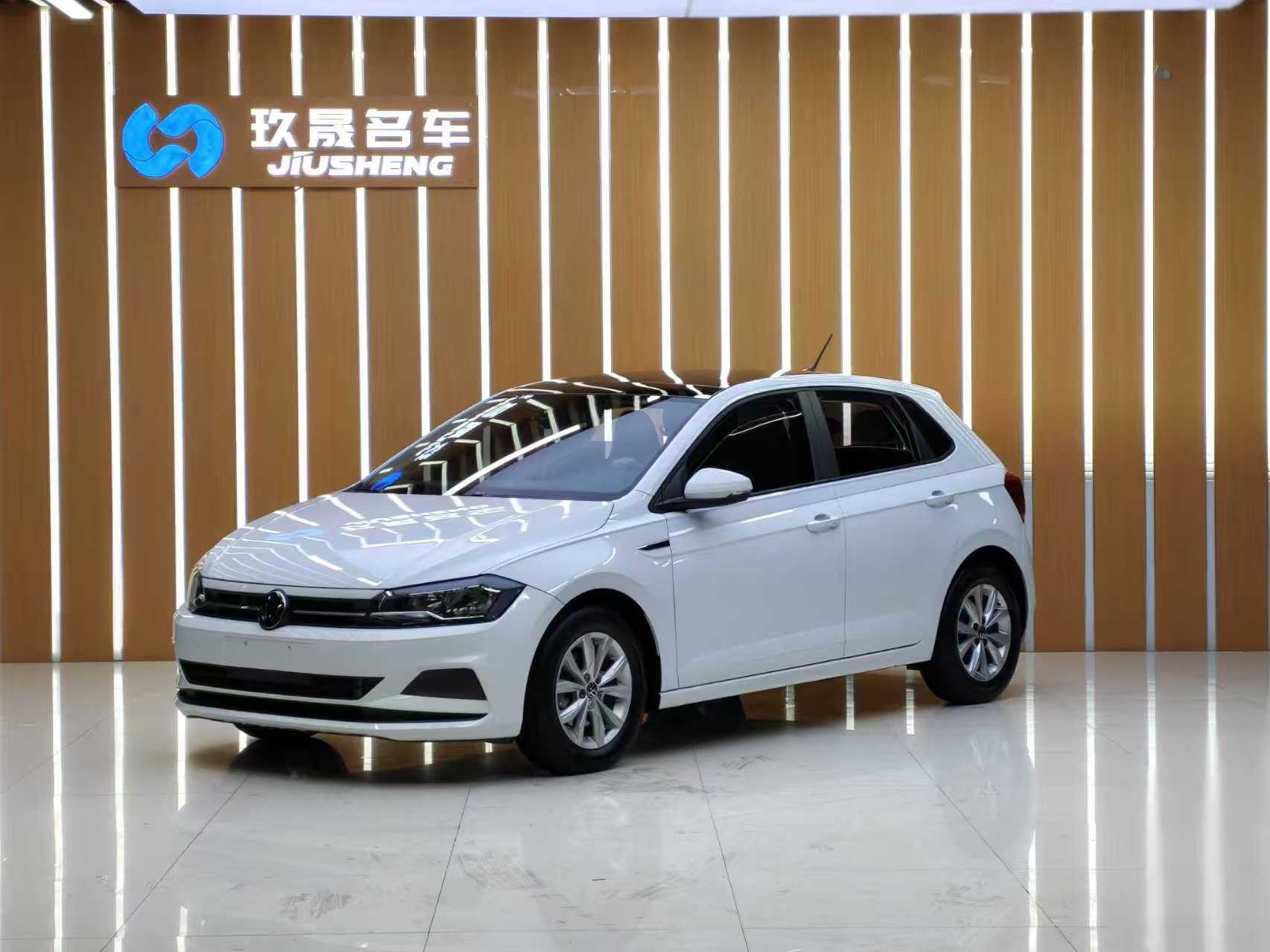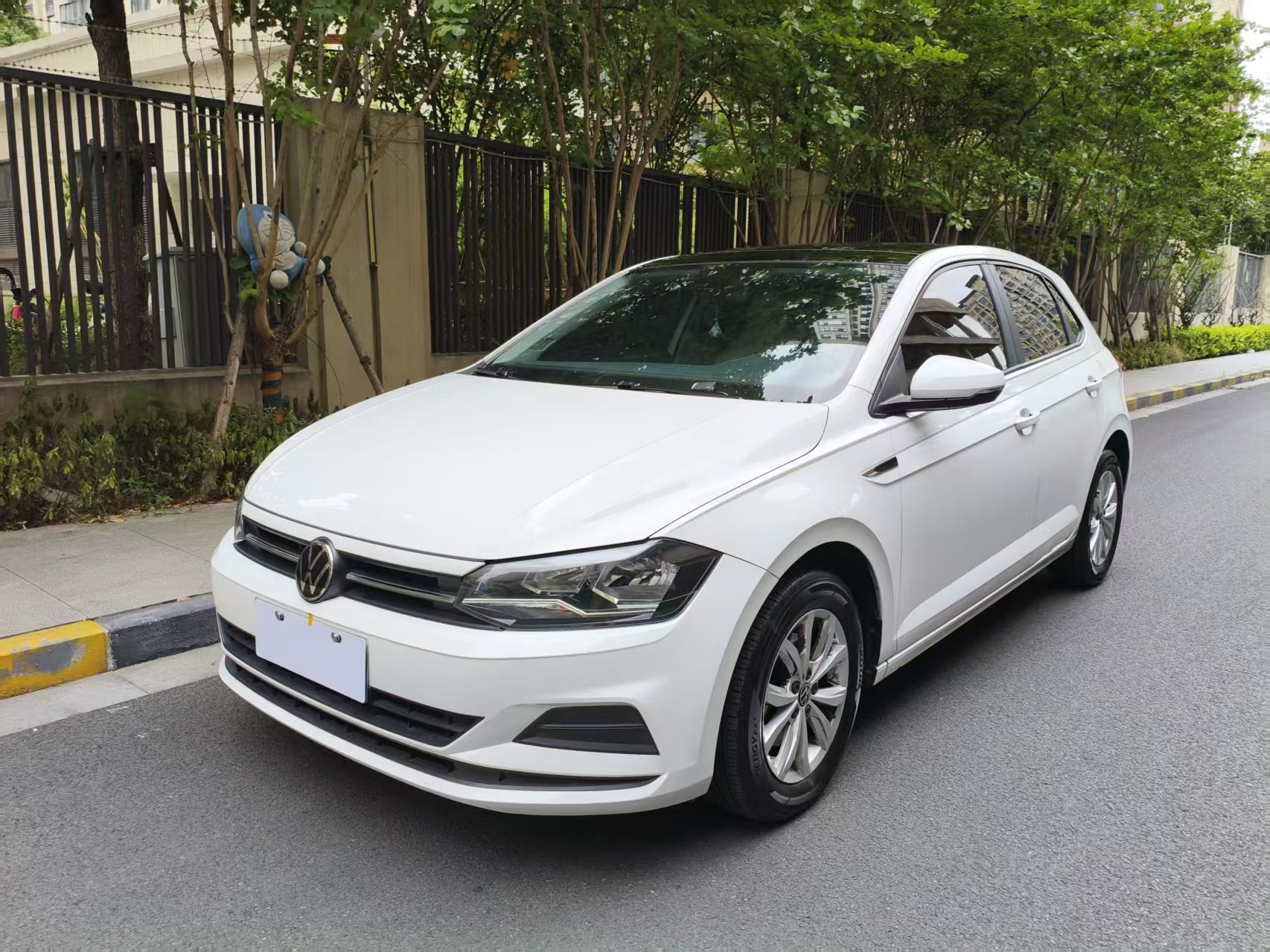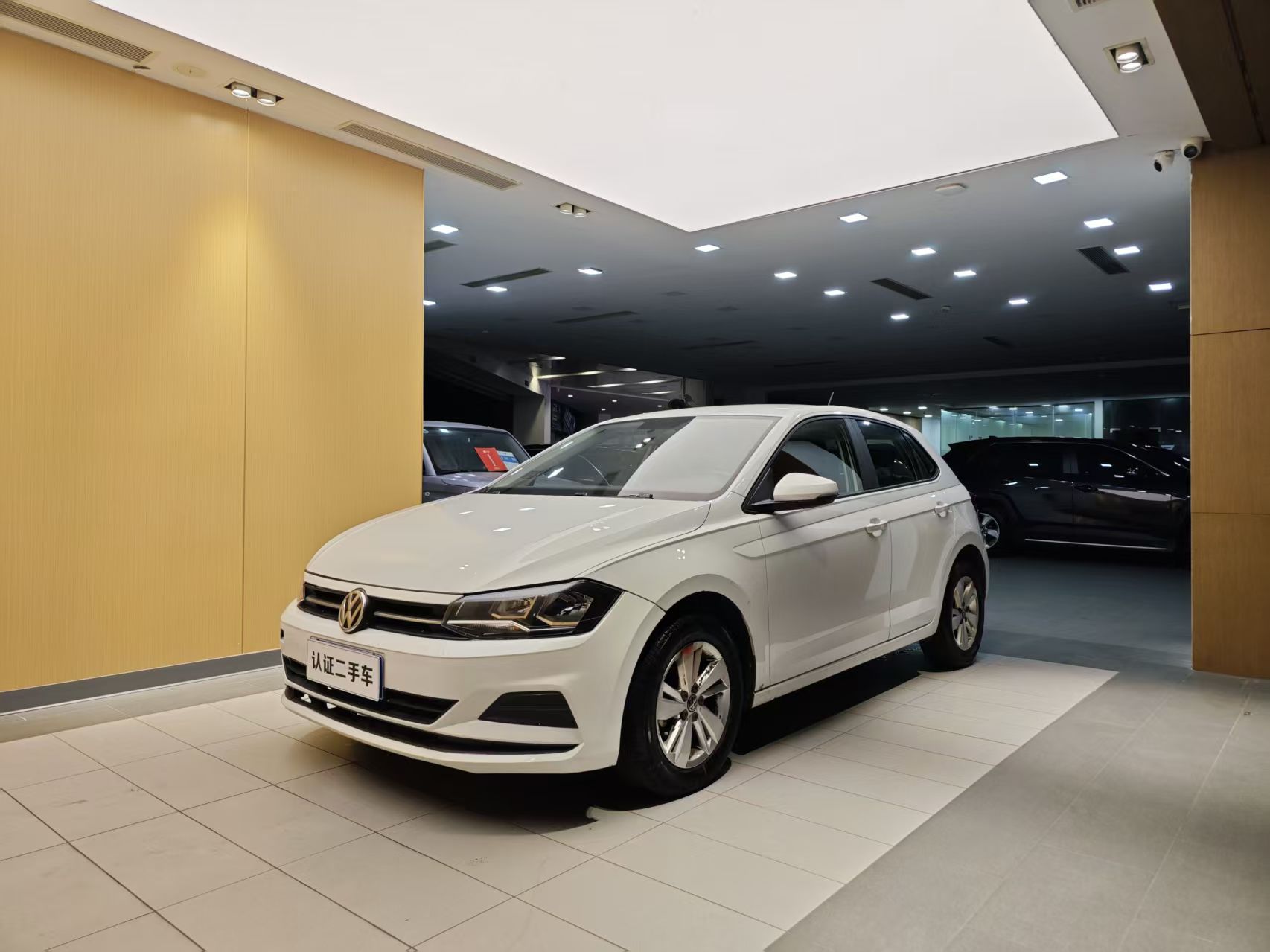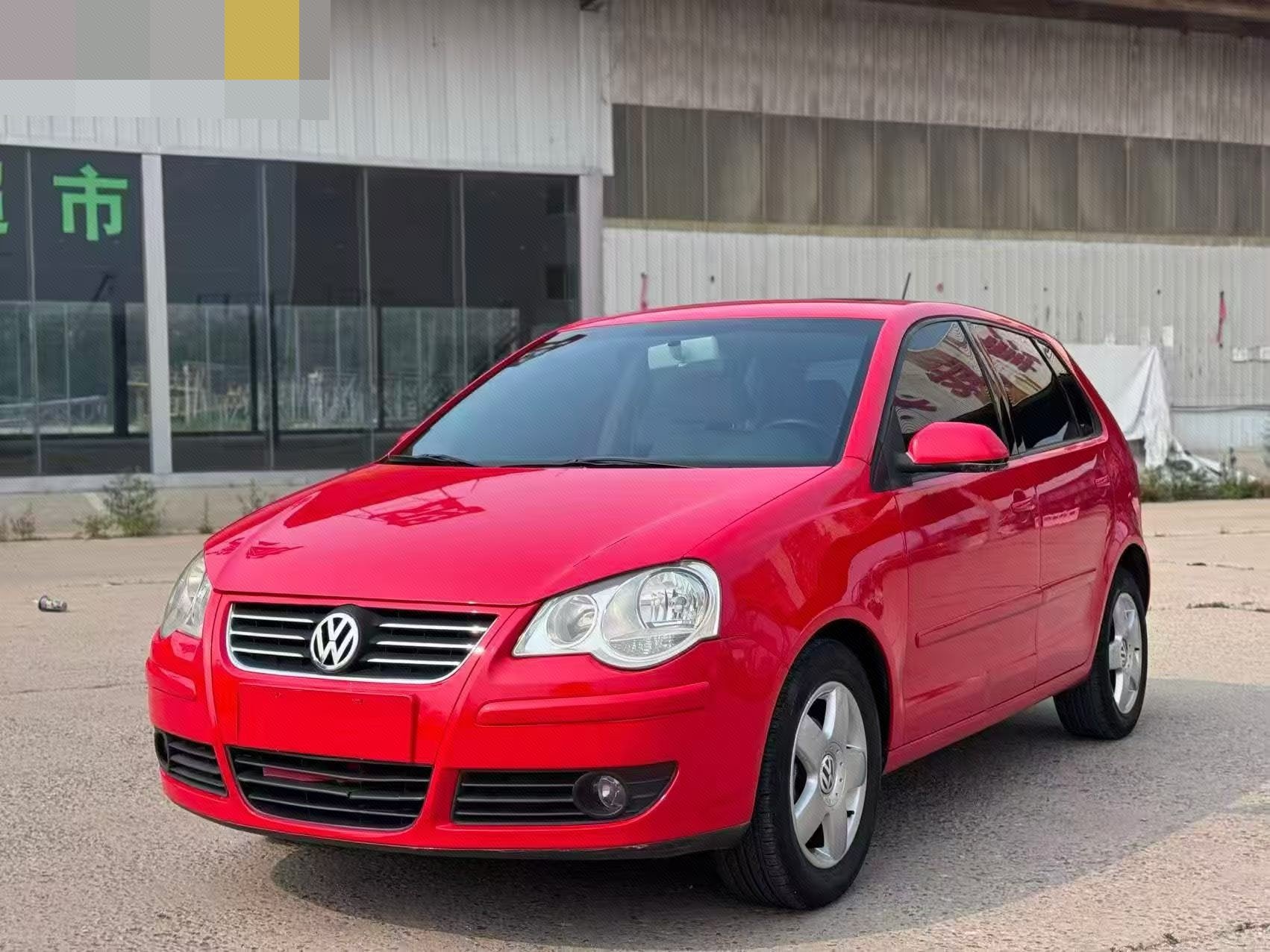



48H

Basic Information

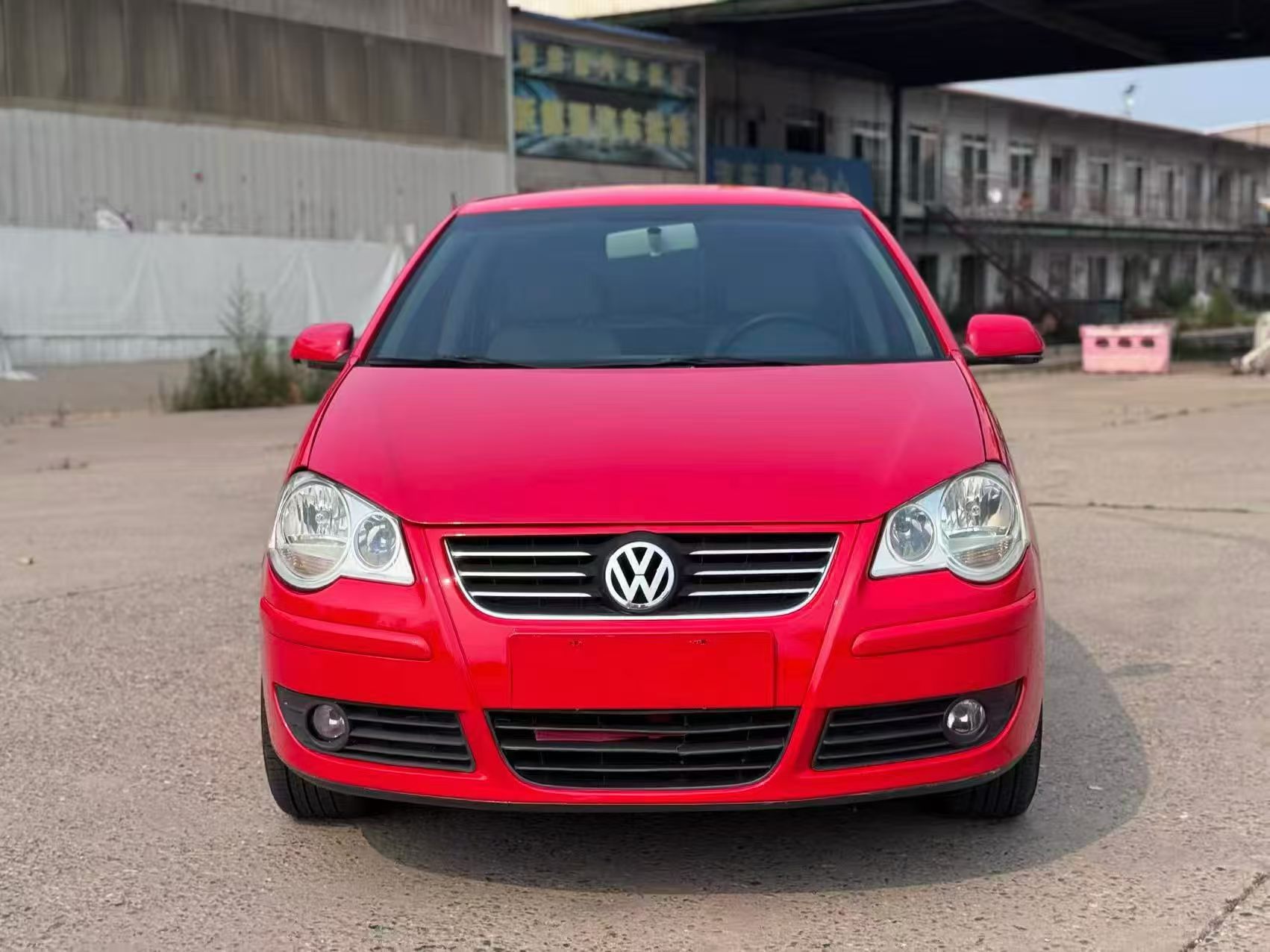
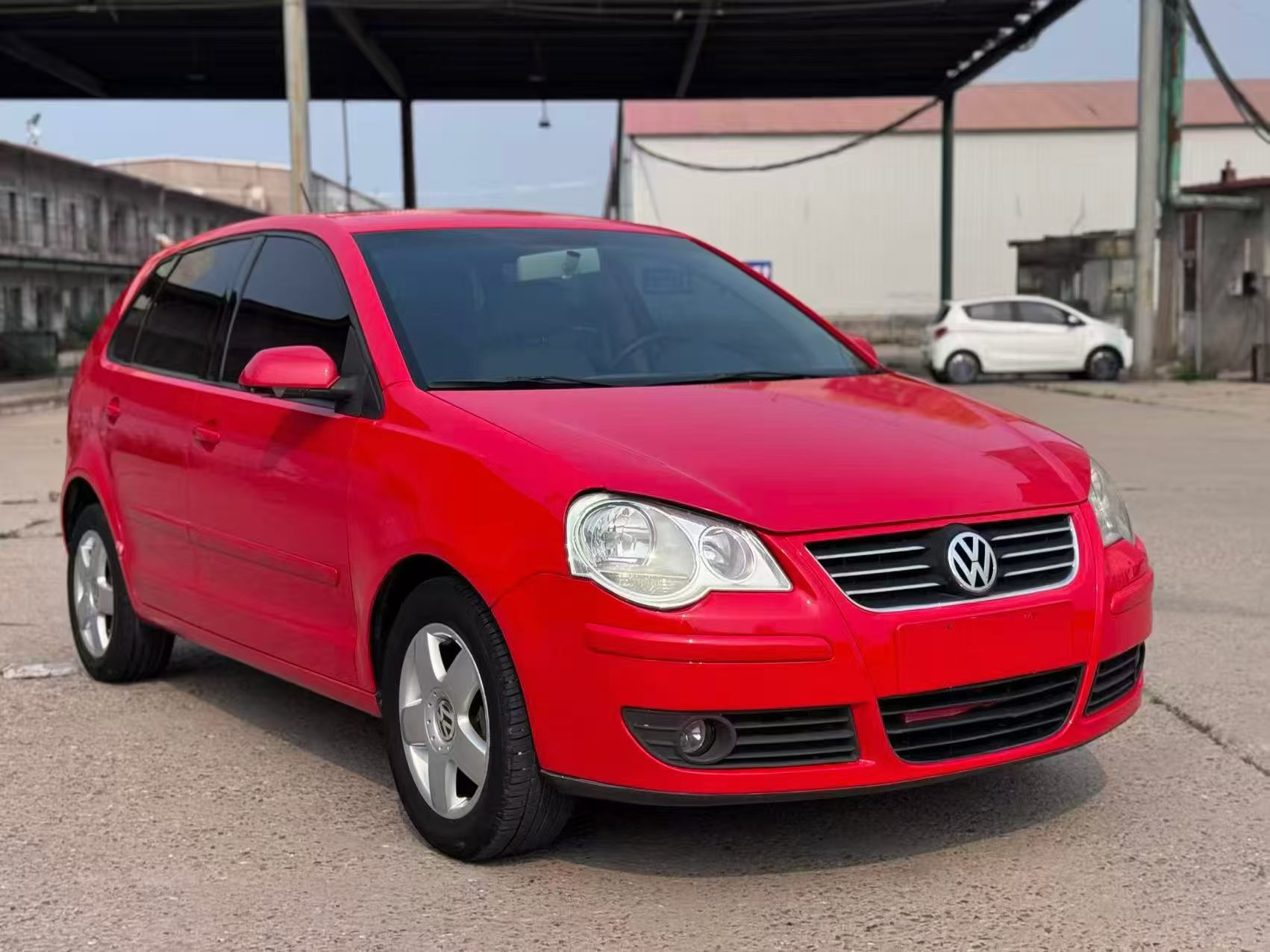
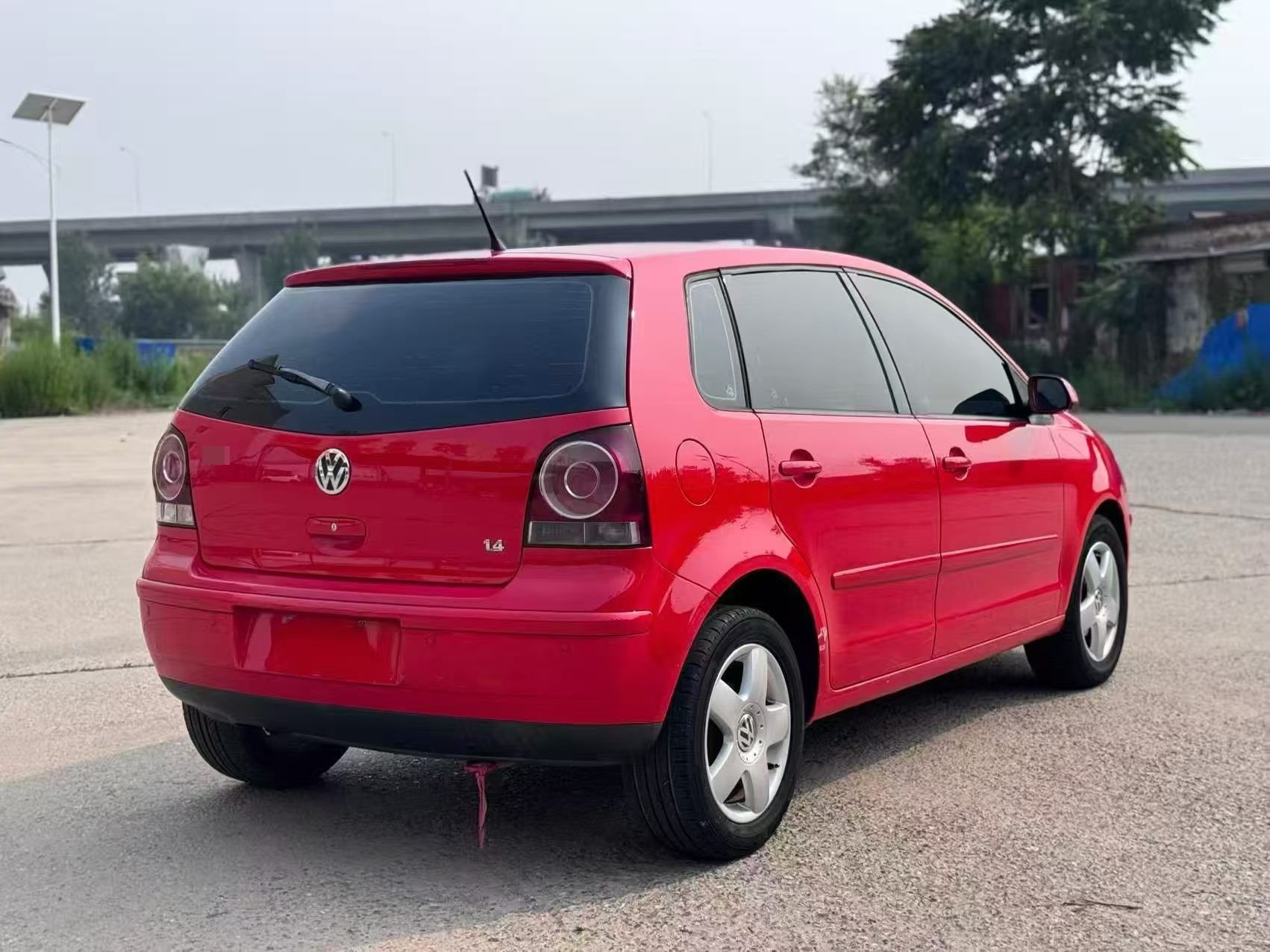
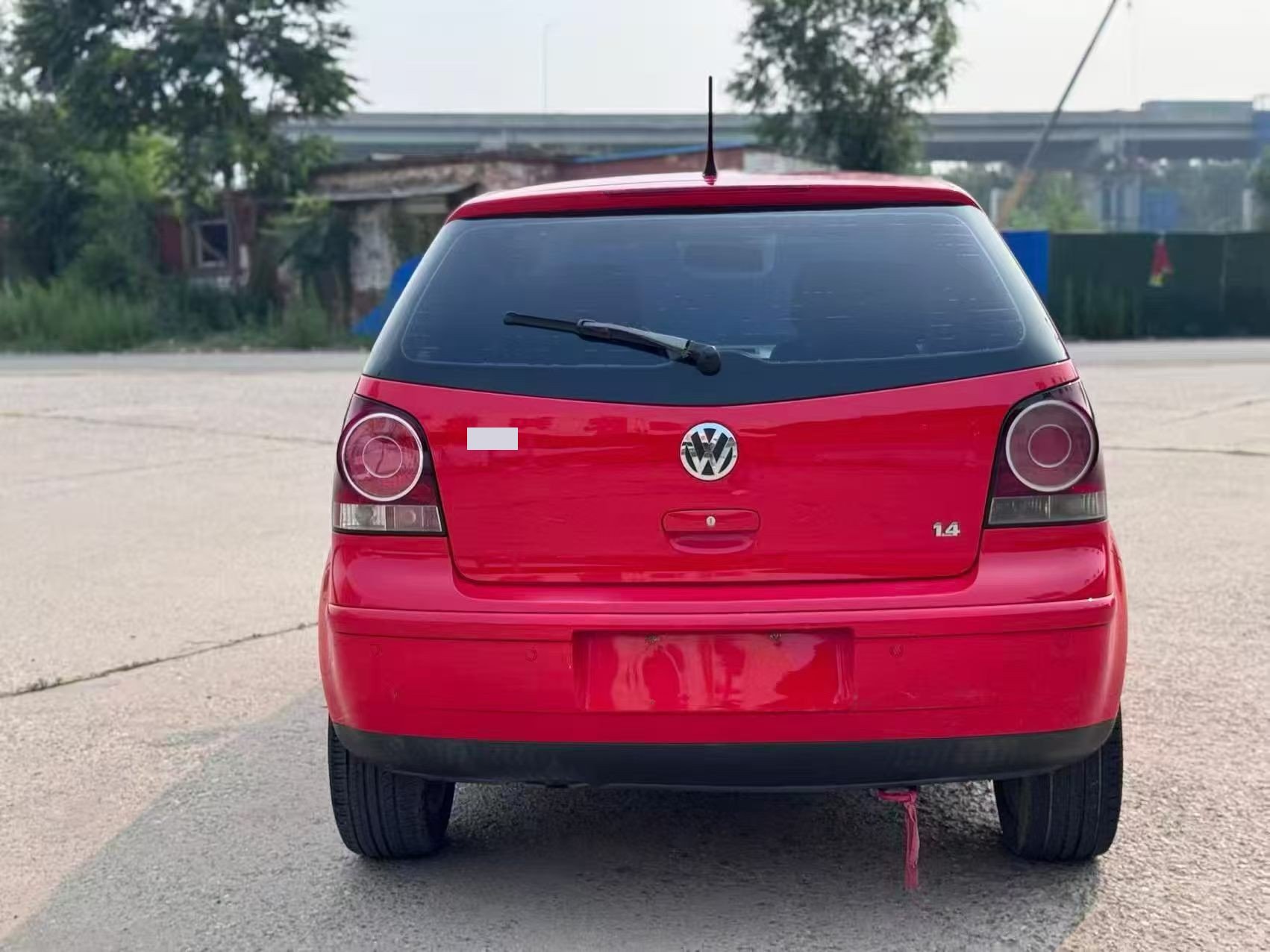
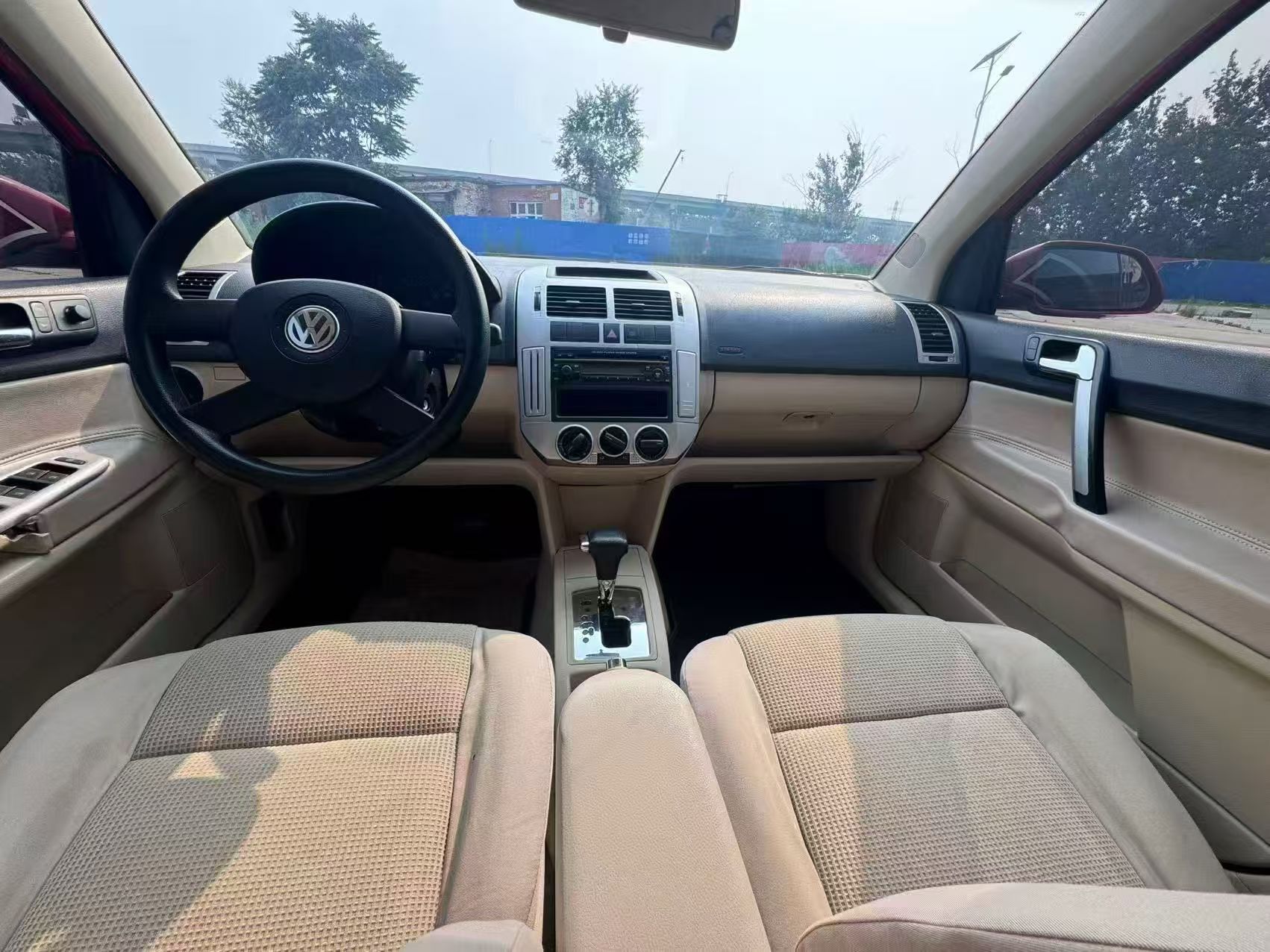
BrandVolkswagen
SeriesPolo
Year2007
First Registration2007/01
Mileage170,000km
Transfer Count0times
FuelGasoline
TransmissionManumatic
Engine1.4L 75 L4
ColorRed
Seats-

Condition Description

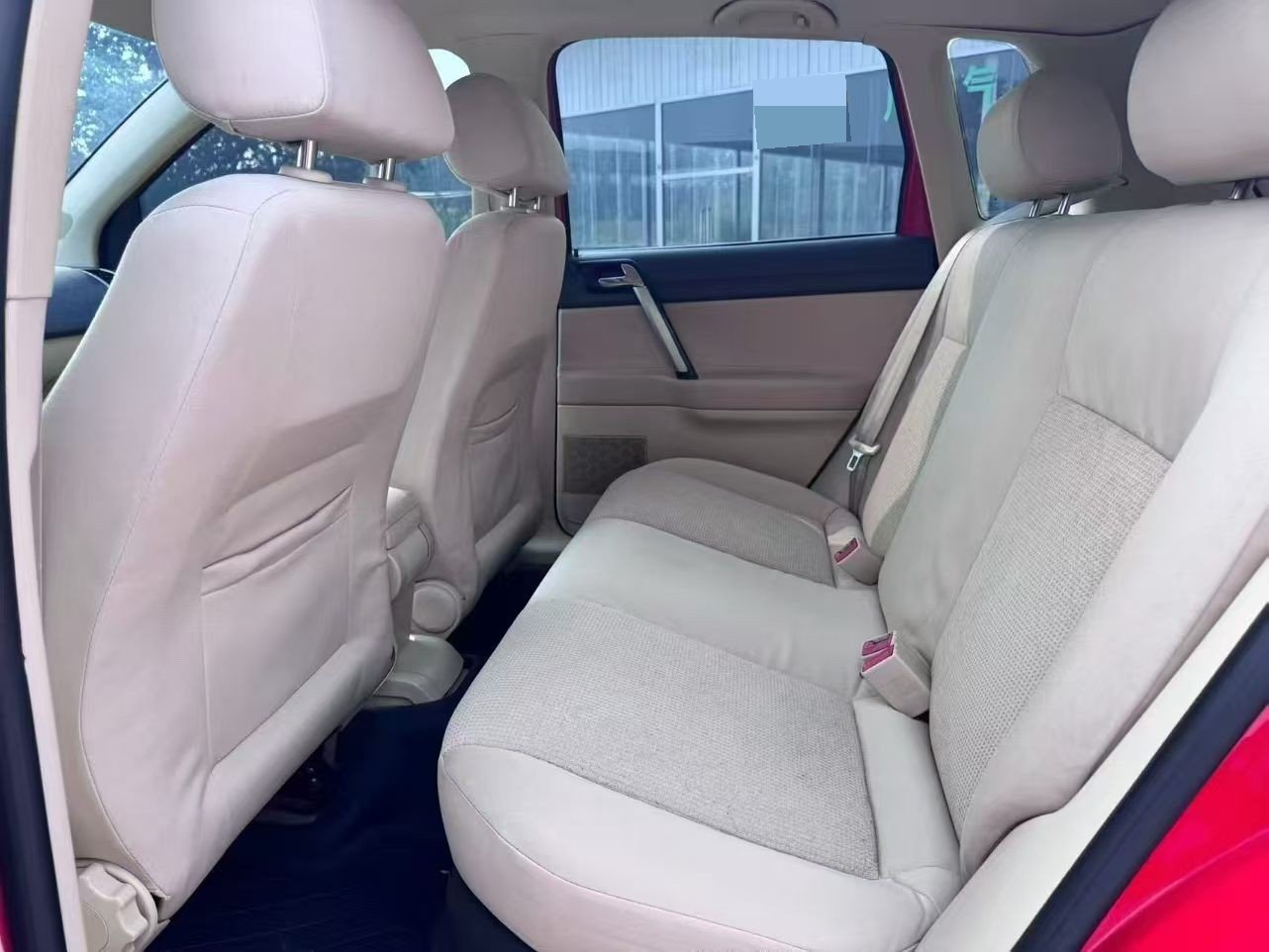
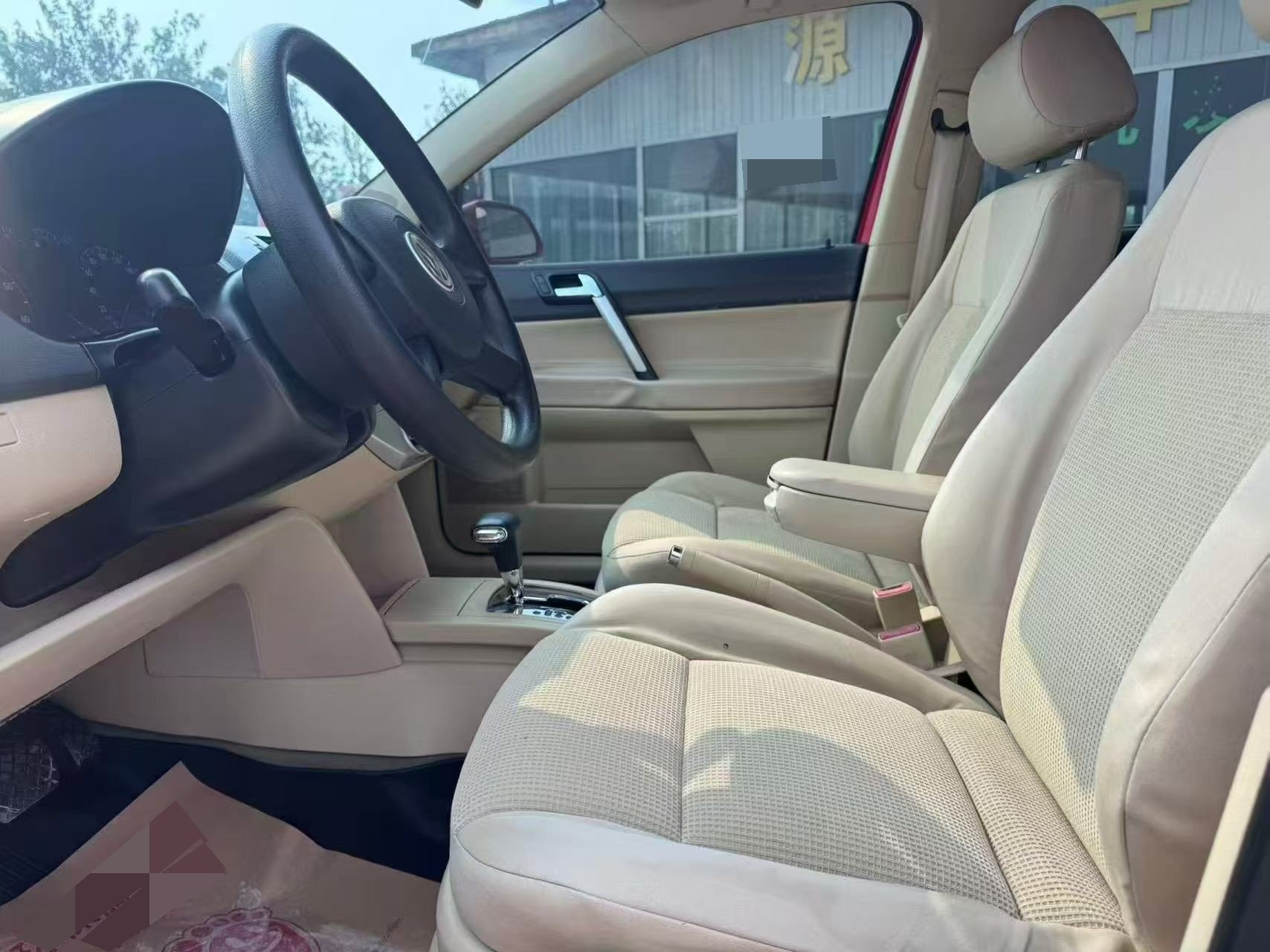
Original condition throughout, automatic transmission

Document Information

Inspection Expiry Date-
Warranty Expiry Date-
Insurance Expiry Date2027/01

Q&A

More

Will the manufacturer's smartphone app and connected services work in my country after I import a used Chinese EV?

This is one of the most common disappointments after importing a Chinese EV, so check before you buy. Many Chinese EVs rely on an embedded SIM that only works on Chinese carrier networks. Once the car leaves China, remote functions — battery status, pre-conditioning, charging control, and locating the car — may stop working entirely. Some brands let you transfer the account to a foreign phone number, but many require a Chinese ID or Chinese phone number for registration, which you cannot provide. What to do before purchase: ask the exporter to test the app functions live on video while the car is still in China, including remote air-conditioning and battery percentage reading. Ask the brand's official customer service (in writing) whether overseas account activation is supported for your specific model and year. Workarounds if the official app does not work: some functions may still operate locally through the car's own settings, such as scheduled charging from the dashboard. Third-party OBD dongles with companion apps can sometimes restore battery monitoring and pre-conditioning. The car itself drives fine without connected services, but if app functionality matters to you, treat it as a purchase criterion, not an afterthought.


What maintenance schedule should I follow for my imported Chinese car, and where can I find the official service intervals?

Start with the owner's manual for your exact model and year—it lists the official service intervals and the required fluid specifications. If the manual is only in Chinese, ask the exporter for the English version, or check the manufacturer's website and owner community forums for your region. After the car arrives, do a baseline service even if the seller says it was just serviced: engine oil and filter, air filter, cabin filter, brake fluid check, coolant, and a 12V battery test. From then on, follow the "severe" or "extreme conditions" schedule rather than the normal one—dusty roads, short trips, and hot or very cold climates all count as severe duty, and intervals are usually shorter. Keep every invoice and record. A documented maintenance history makes warranty claims easier and protects resale value.

What is the difference between EXW, FOB, and CIF prices from a Chinese exporter, and which incoterm should I choose as a first-time buyer?

EXW means you pay only for the car at the seller's yard—you handle everything else, including inland transport in China and export clearance, which is impractical from overseas. FOB includes delivery to the port and export customs clearance; you pay for ocean freight and insurance. CIF adds freight and basic insurance to a named destination port. For a first-time buyer, FOB is usually the best balance: the exporter, who knows Chinese logistics, handles the complicated part, while you control the freight booking and can shop rates among forwarders. Watch for exporters quoting unrealistically low FOB prices and making margin on inflated 'shipping services' later. Get a separate freight quote before signing, and compare the exporter's CIF offer against FOB plus your own freight estimate. Ask explicitly whether the price includes inspection, export license fees, and port charges—ambiguity here is the most common source of disputes.