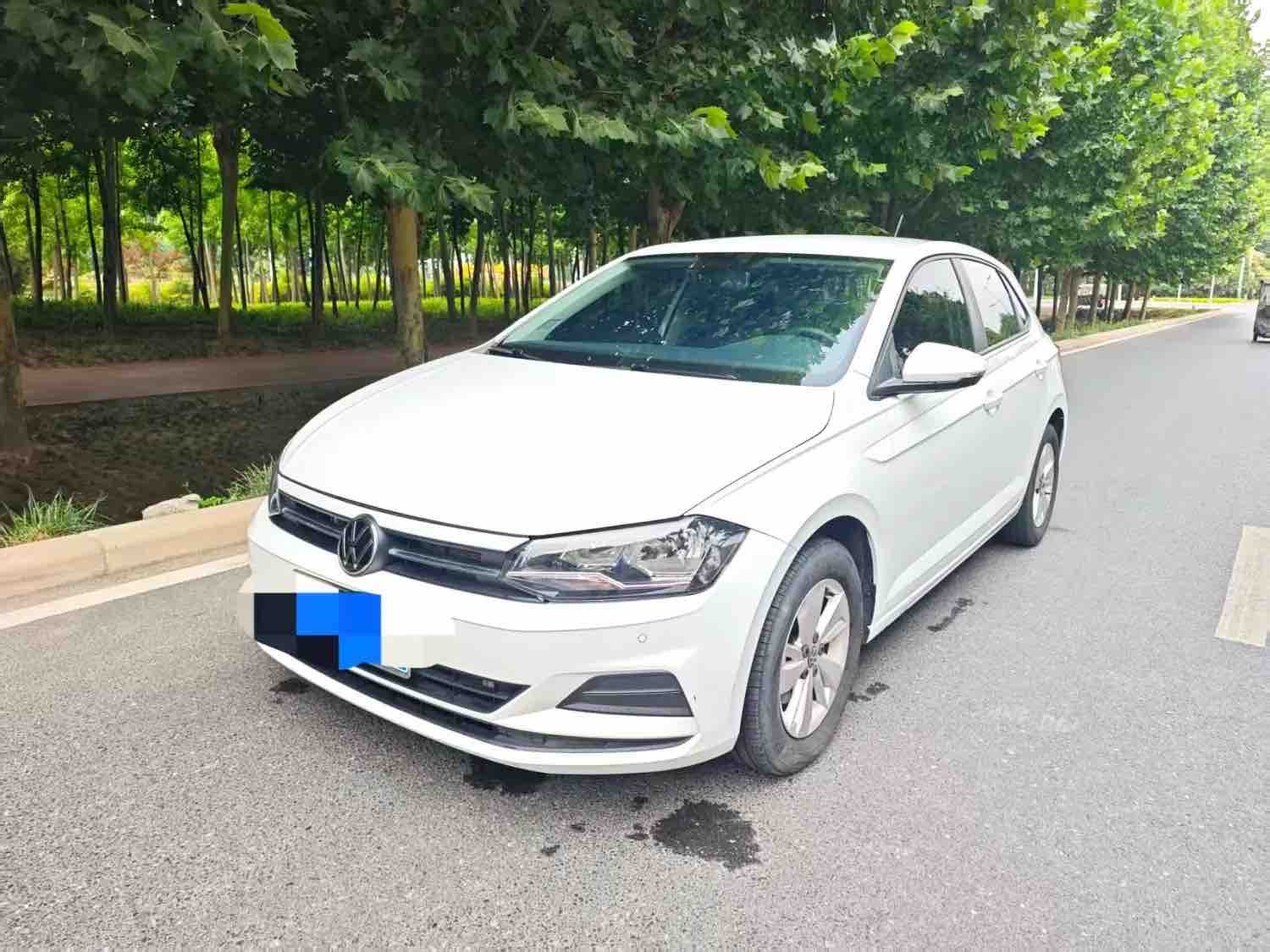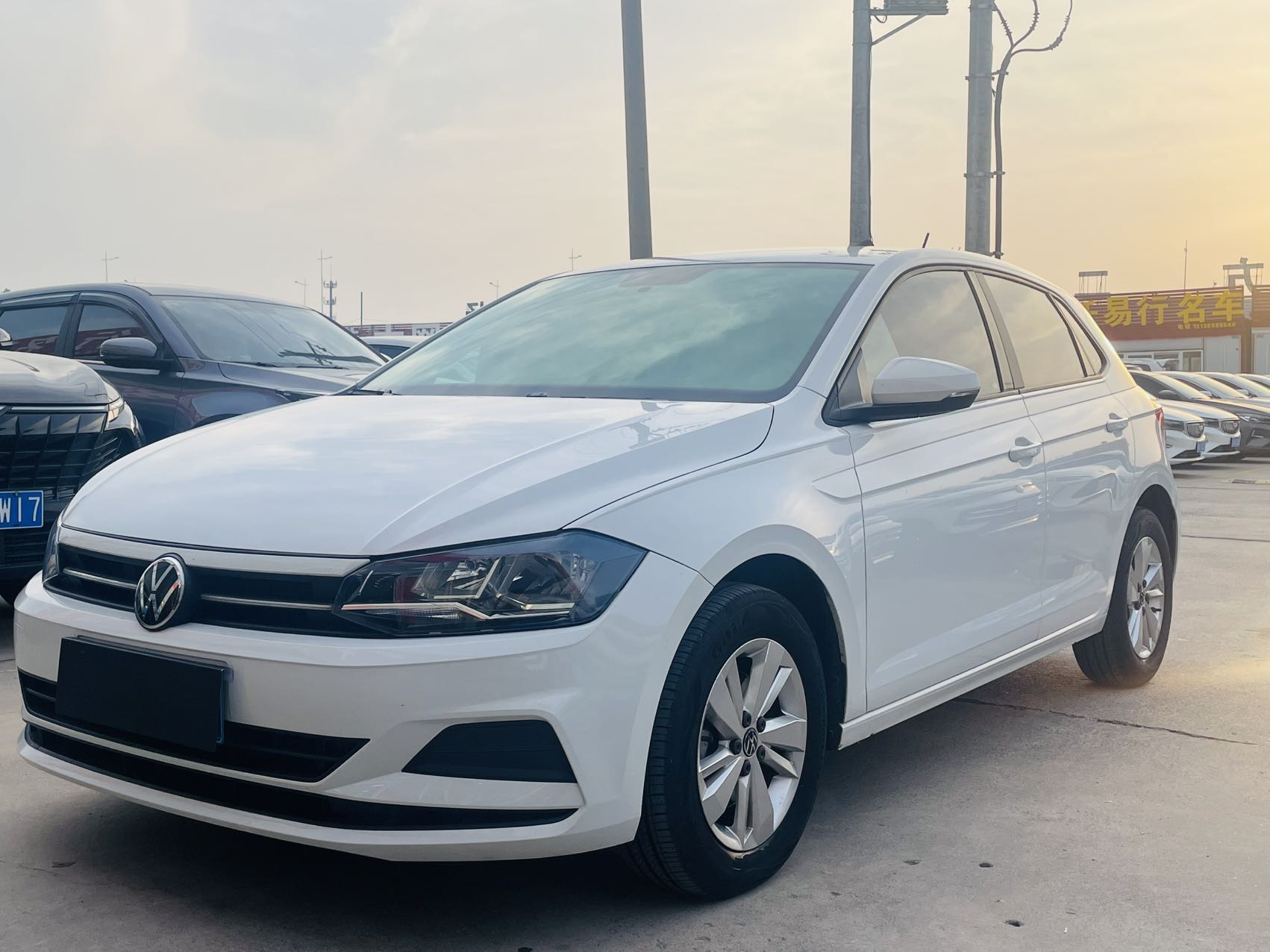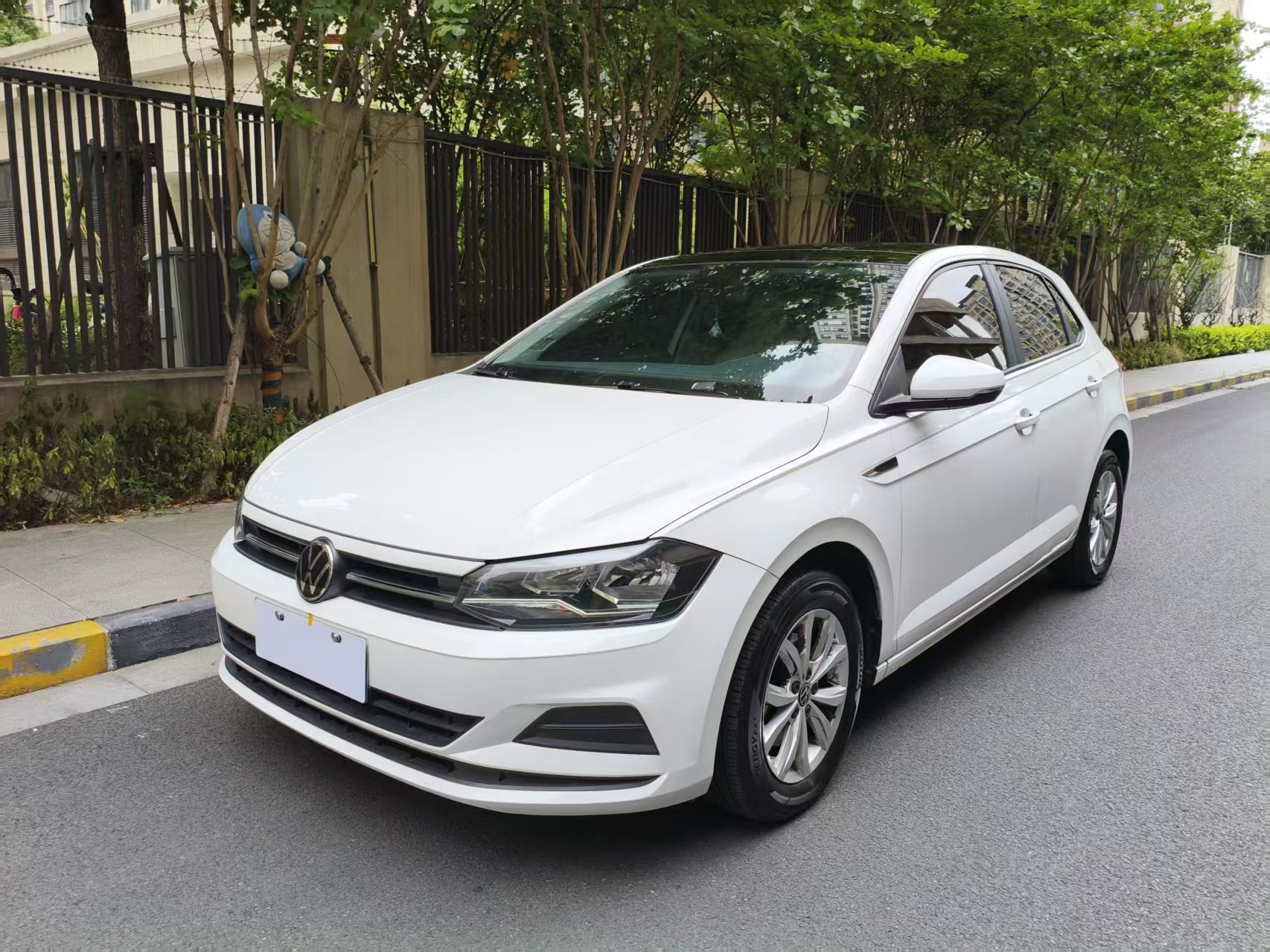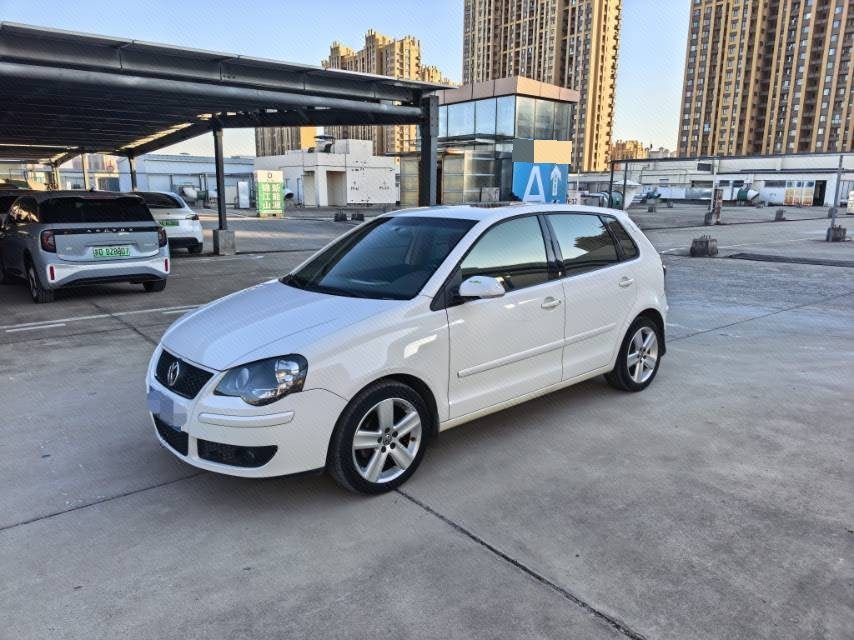



Basic Information

BrandVolkswagen
SeriesPolo
Year2010
First Registration2010/04
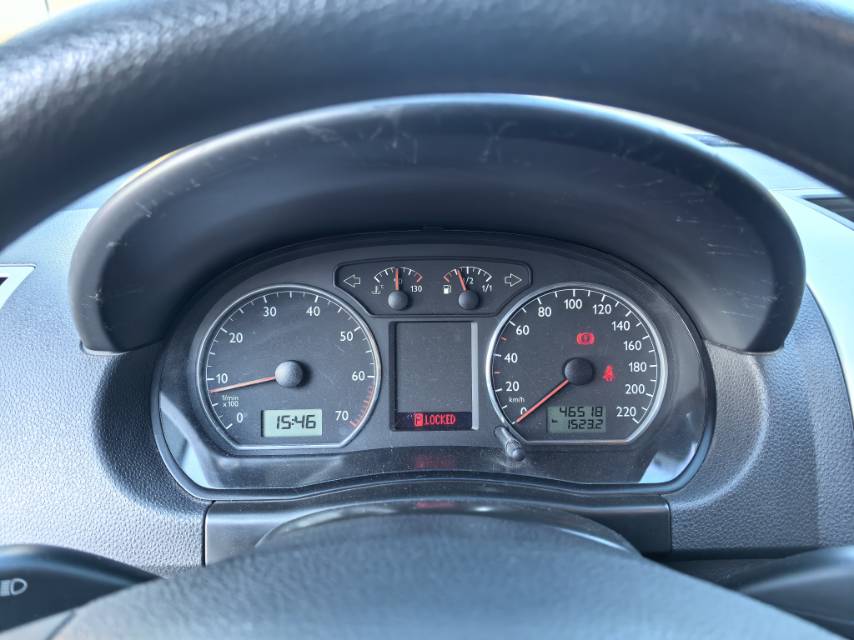
Mileage40,000km
Transfer Count0times
FuelGasoline
TransmissionManumatic
Engine1.6L 105 L4
ColorWhite
Seats-

Condition Description

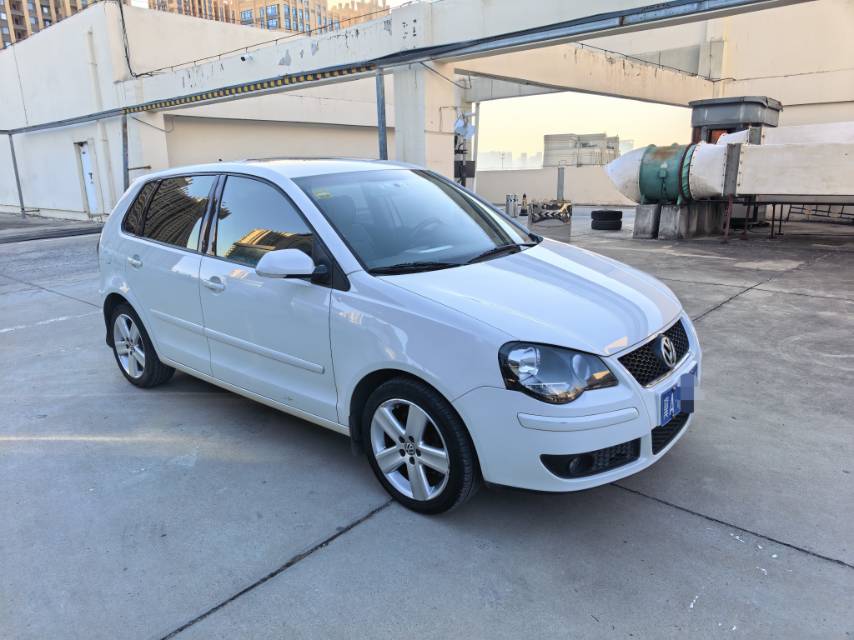
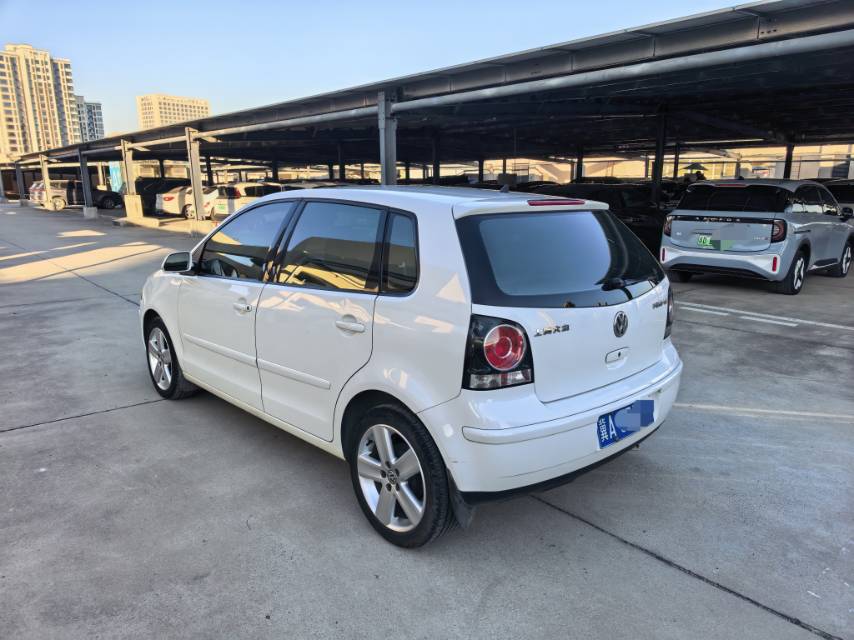
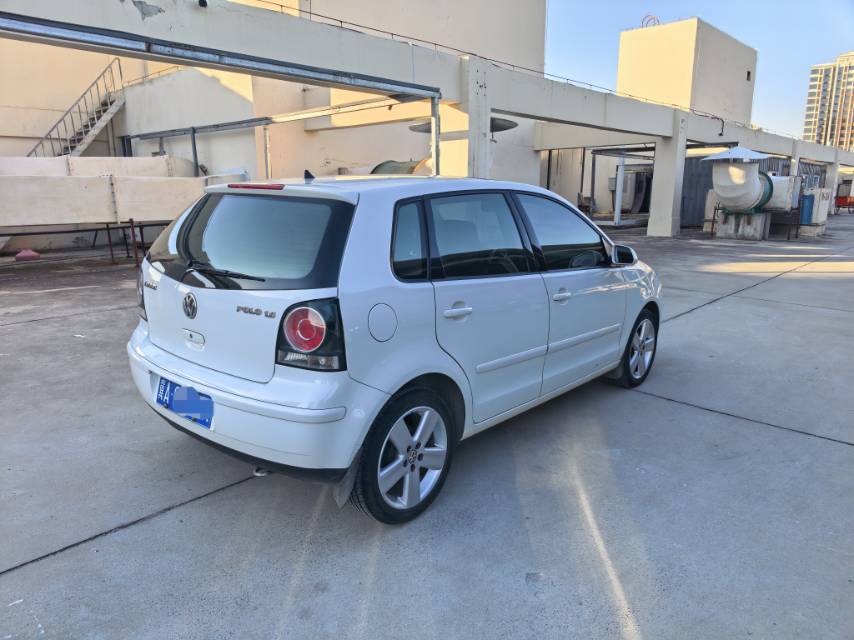
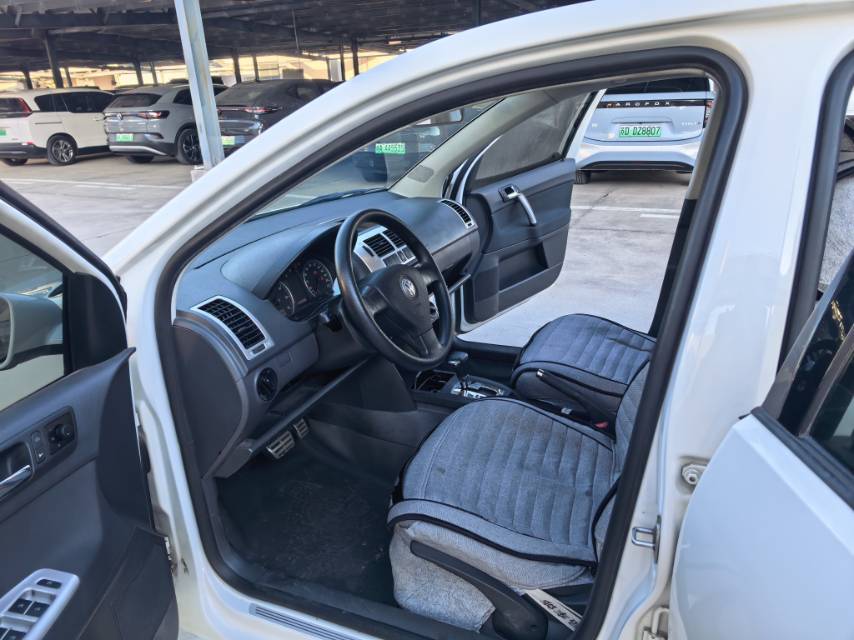
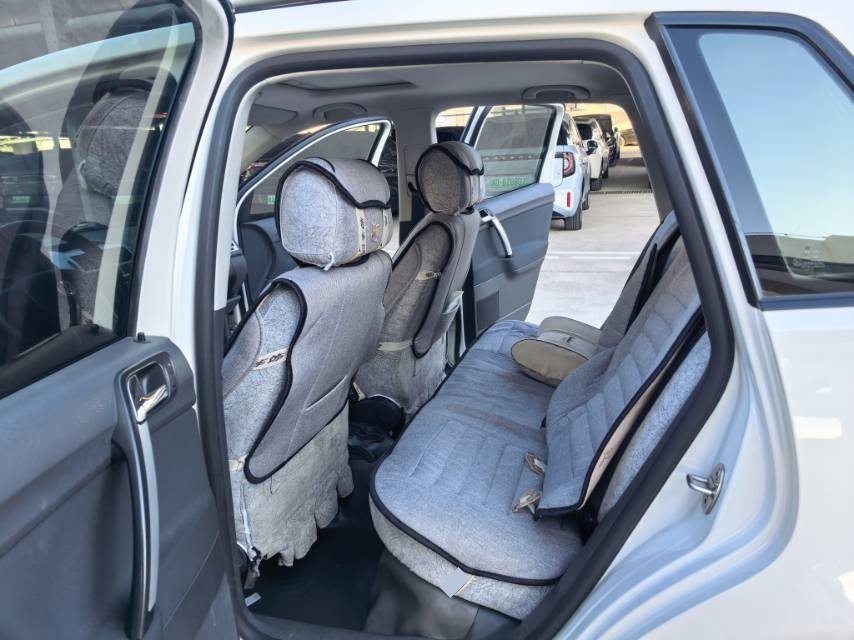
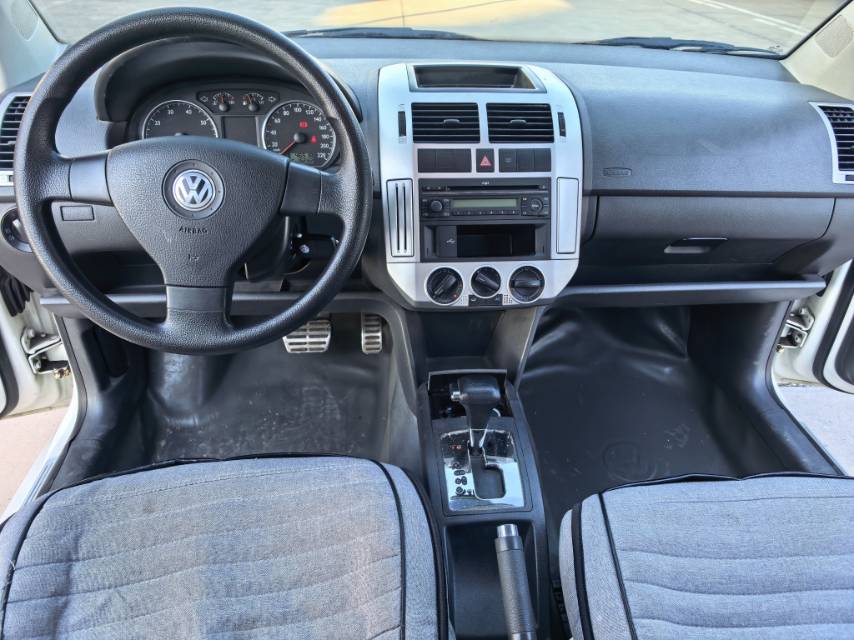
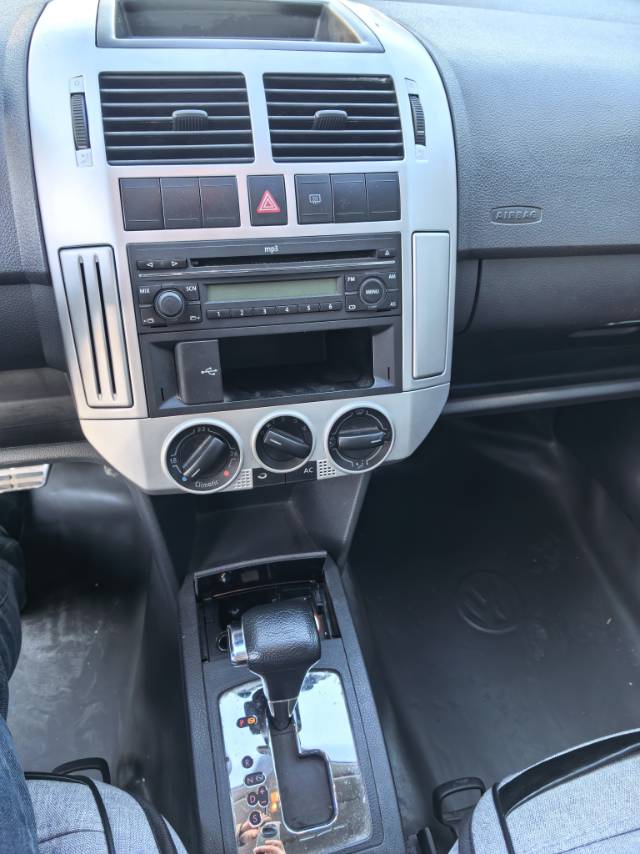
40,000 km, stored in an underground garage year-round. Original paint and original body panels, including front and rear bumpers. Zero ownership transfers. Interior and exterior in 99% new condition.

Document Information

Inspection Expiry Date-
Warranty Expiry Date-
Insurance Expiry Date2027/04

Q&A

More

If there is a conflict between the historical report from Dr. Cha or Dongche Di and the backend data from the 4S store, which one do you rely on?

Always rely on the original factory network data from the 4S store. Third-party platforms may have delays or errors when capturing data (such as incorrect VIN entry). In case of a conflict, we rely on physical verification of the actual vehicle to resolve the data discrepancies.


How are import duties on used cars from China calculated, and which HS code applies?

Used cars are classified under HS heading 8703 (motor vehicles for transport of persons), with the last four digits determined by engine type and size. Gasoline cars usually fall in 8703.21–8703.80 depending on displacement; pure EVs fall under 8703.80; hybrids have their own subheadings. The duty amount depends on your country's tariff schedule: 1. Most countries charge duty on the CIF value (car price + freight + insurance), not the FOB price. 2. Many developing markets levy higher duties on used vehicles than new ones, and some add a surcharge based on age — older cars can cost significantly more to clear. 3. After duty, you typically pay VAT/GST on the CIF + duty total, plus port and customs fees. Practical tips: ask your exporter to state the exact HS code on the commercial invoice and confirm it with a local customs broker before shipping. A wrong code can trigger reclassification, penalties, or delays. Also budget for any excise tax tied to engine capacity — in several markets a 2.5L car clears far cheaper than a 3.5L one.

How to ensure compliance for countries that strictly prohibit the import of vehicles containing any asbestos (like Australia)?

Chinese passenger cars produced after 2005 have fully transitioned to asbestos-free brake pads, clutch plates, and gaskets. However, for export to countries with strict regulations, buyers must pay for sampling and testing by a NATA-accredited laboratory before shipment, and obtain an asbestos-free certificate.