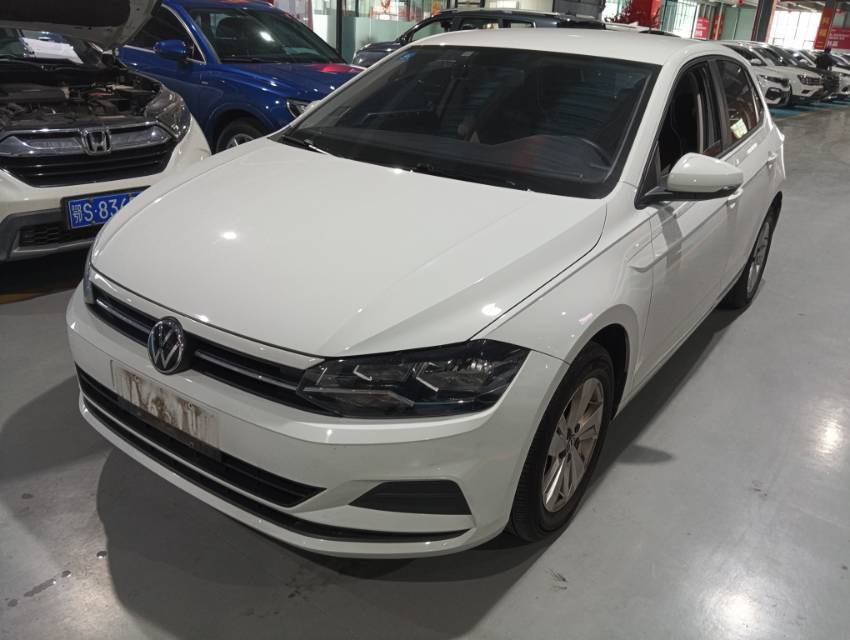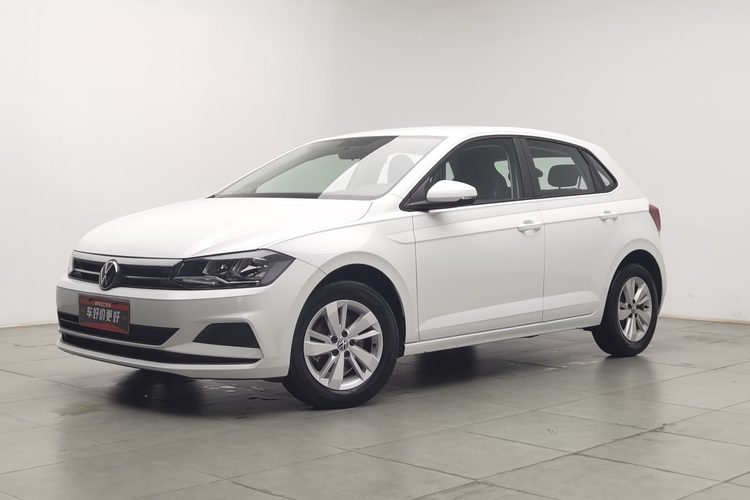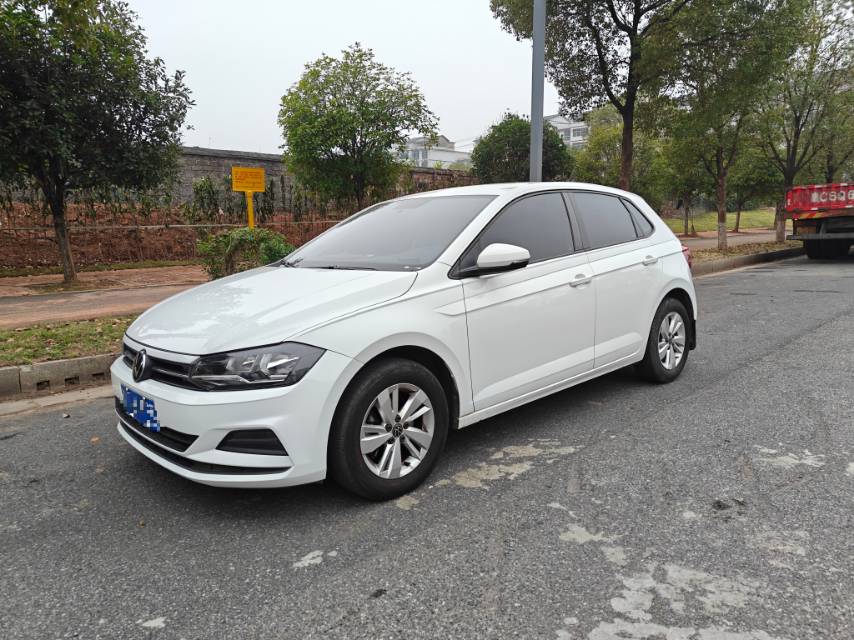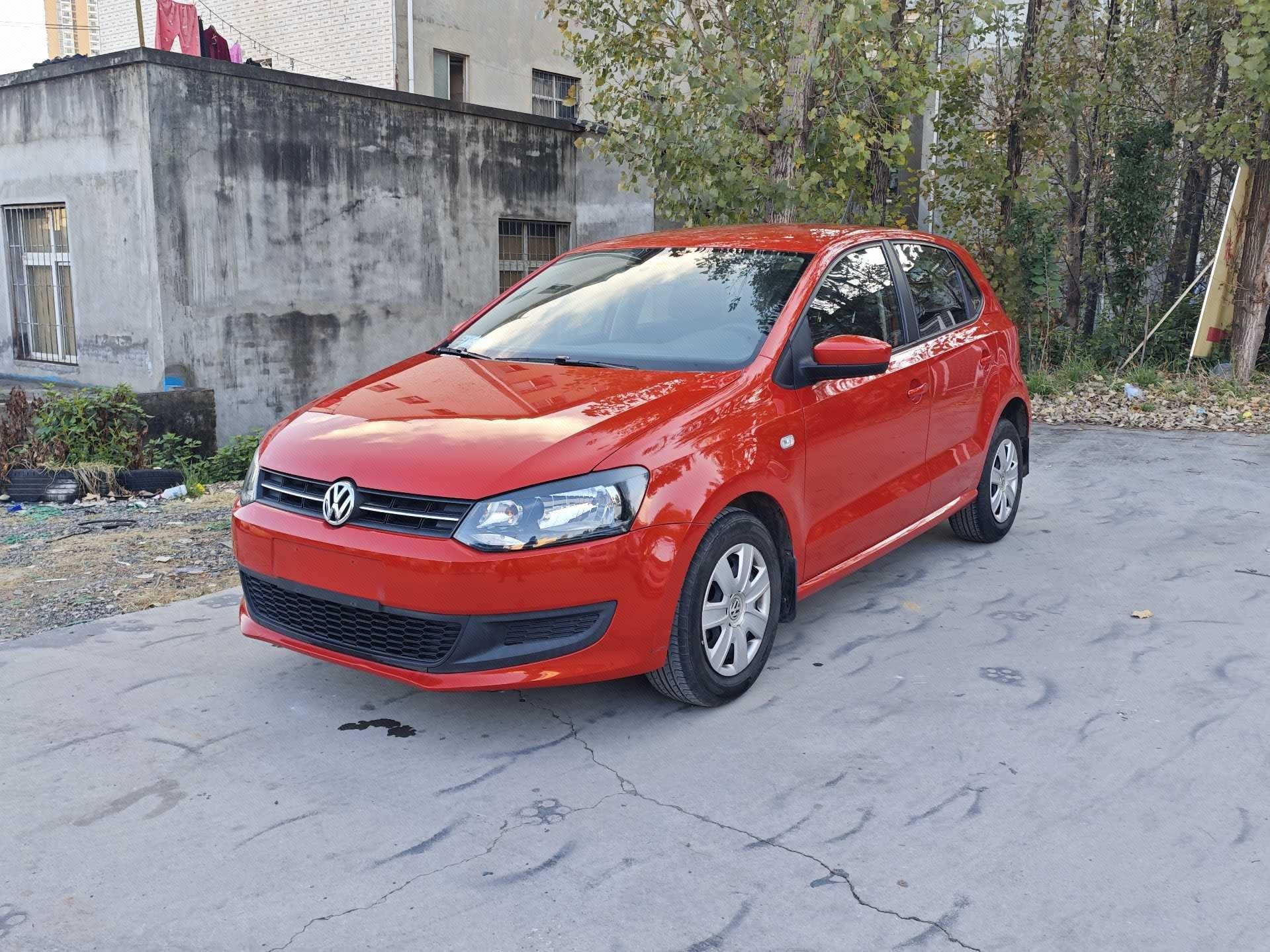



Basic Information

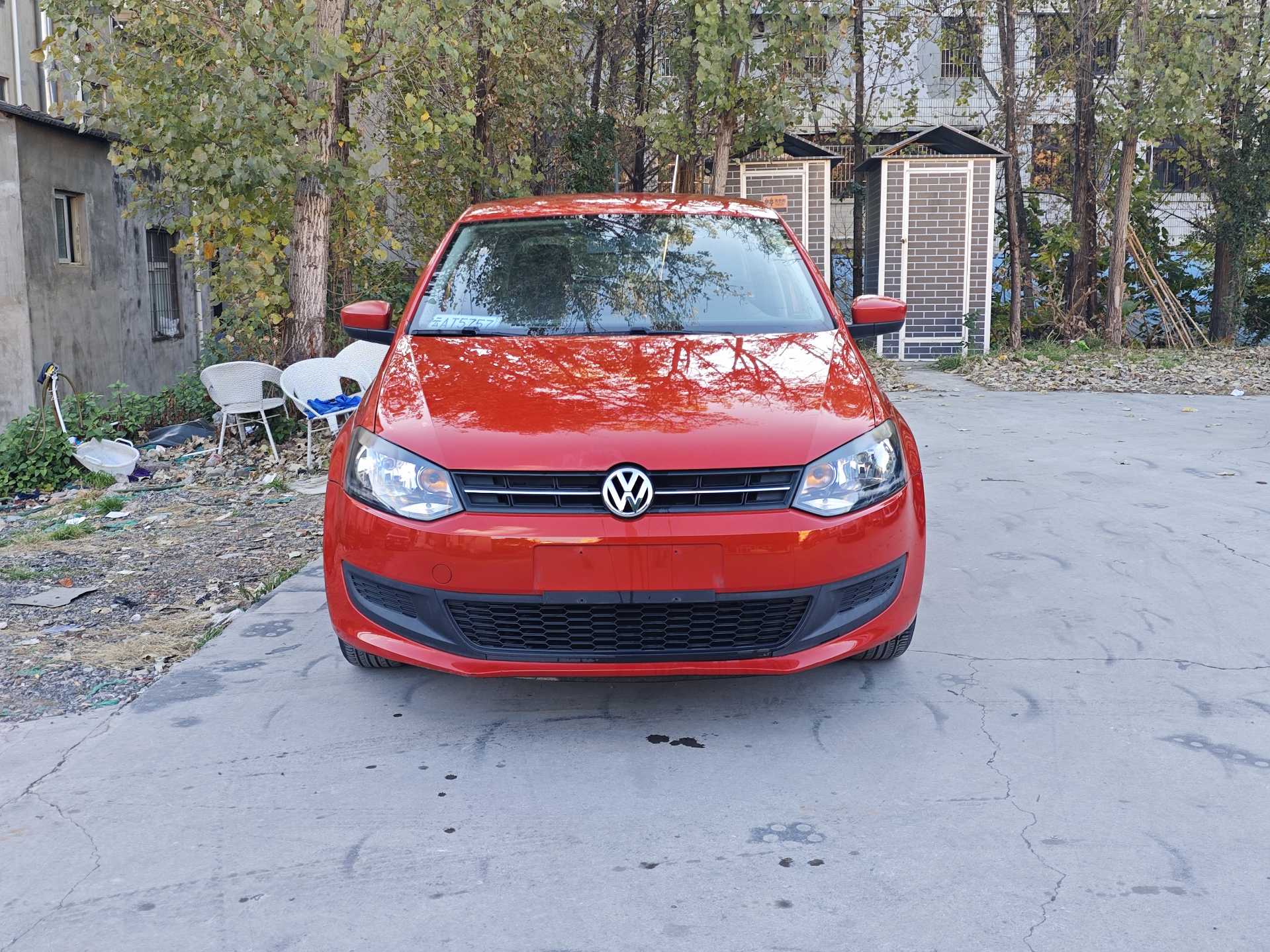
BrandVolkswagen
SeriesPolo
Year2011
First Registration2011/11
Mileage80,000km
Transfer Count0times
FuelGasoline
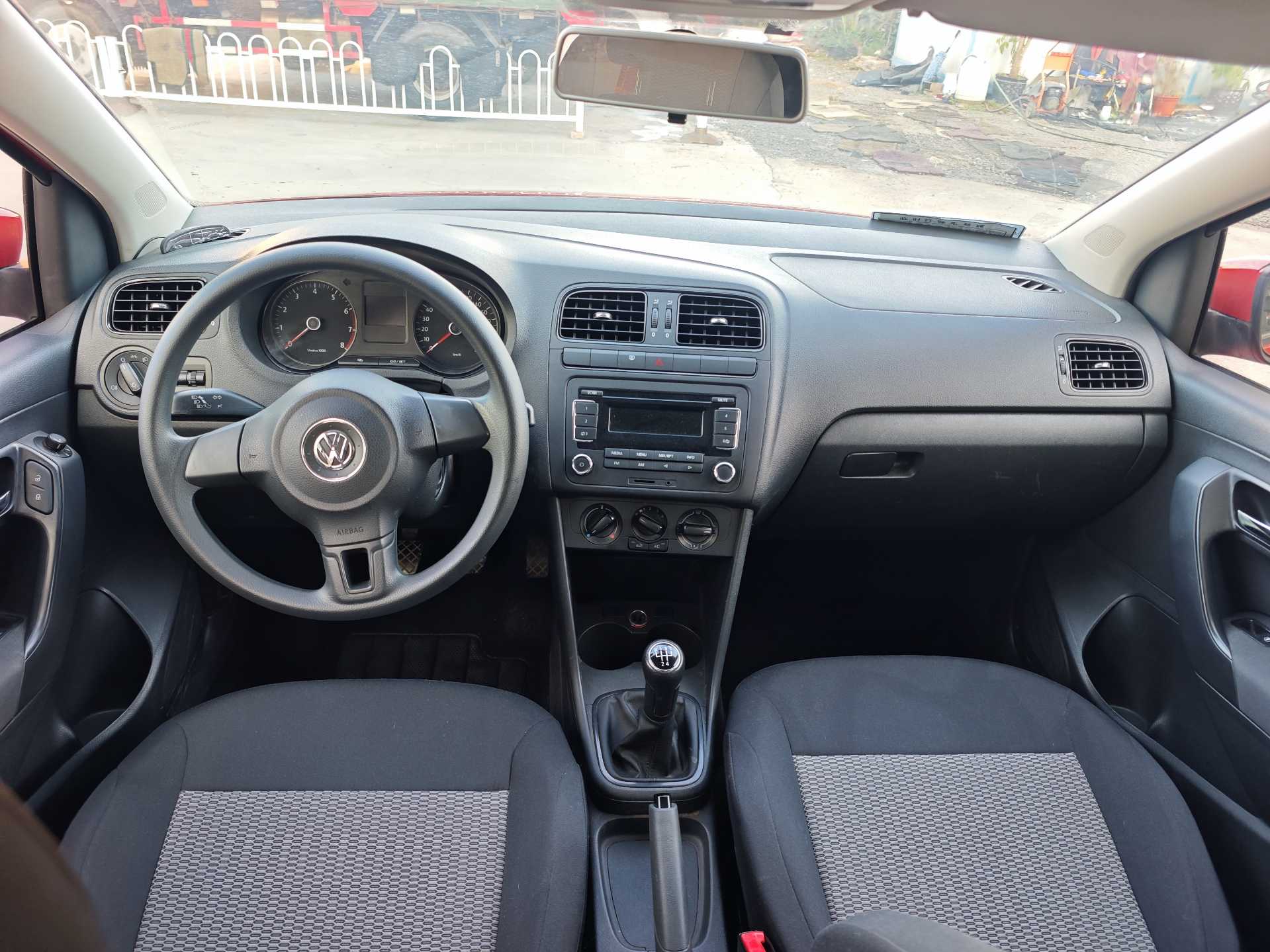
TransmissionManual
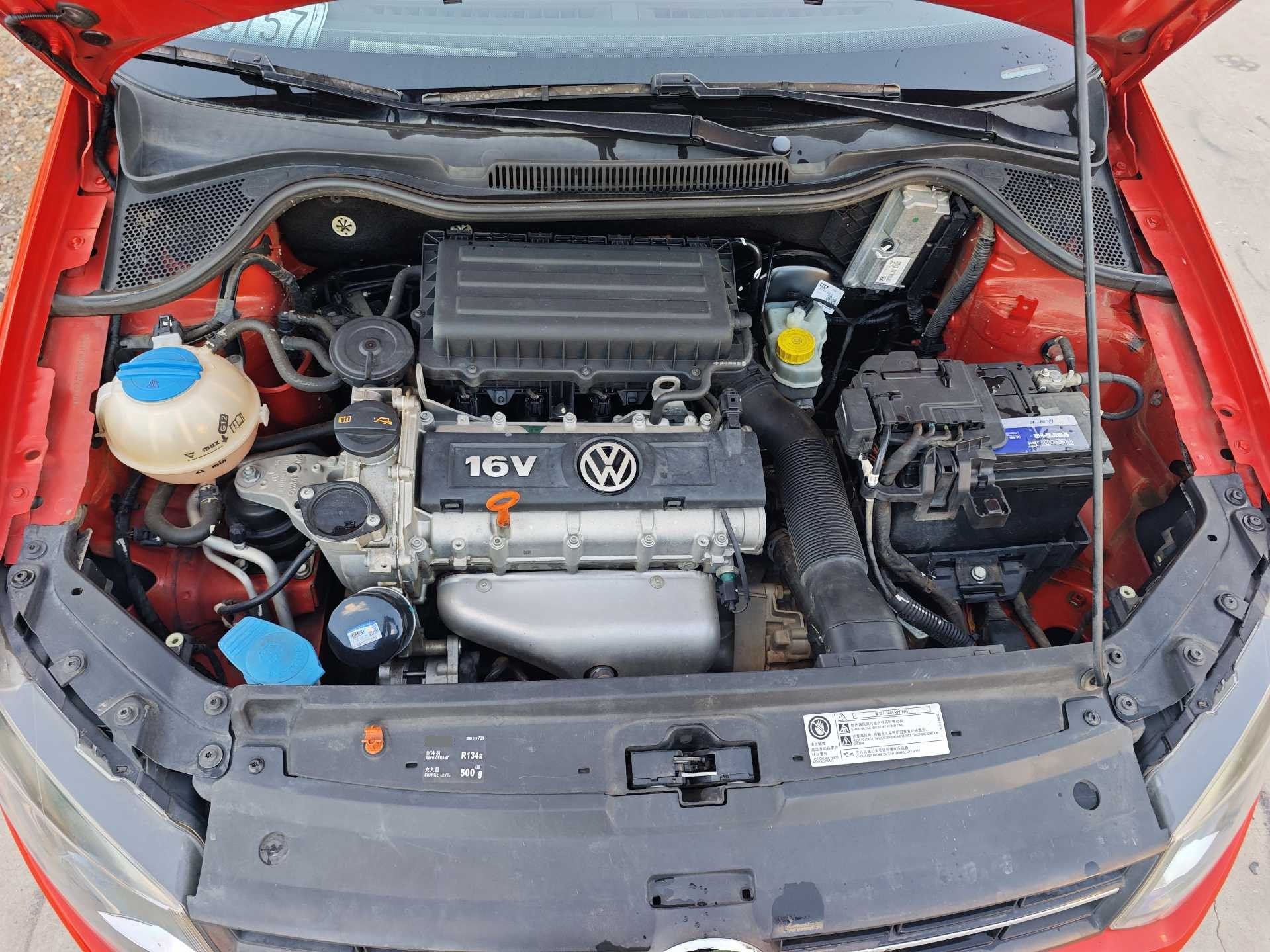
Engine1.4L 86 L4
ColorOrigin
Seats-

Condition Description

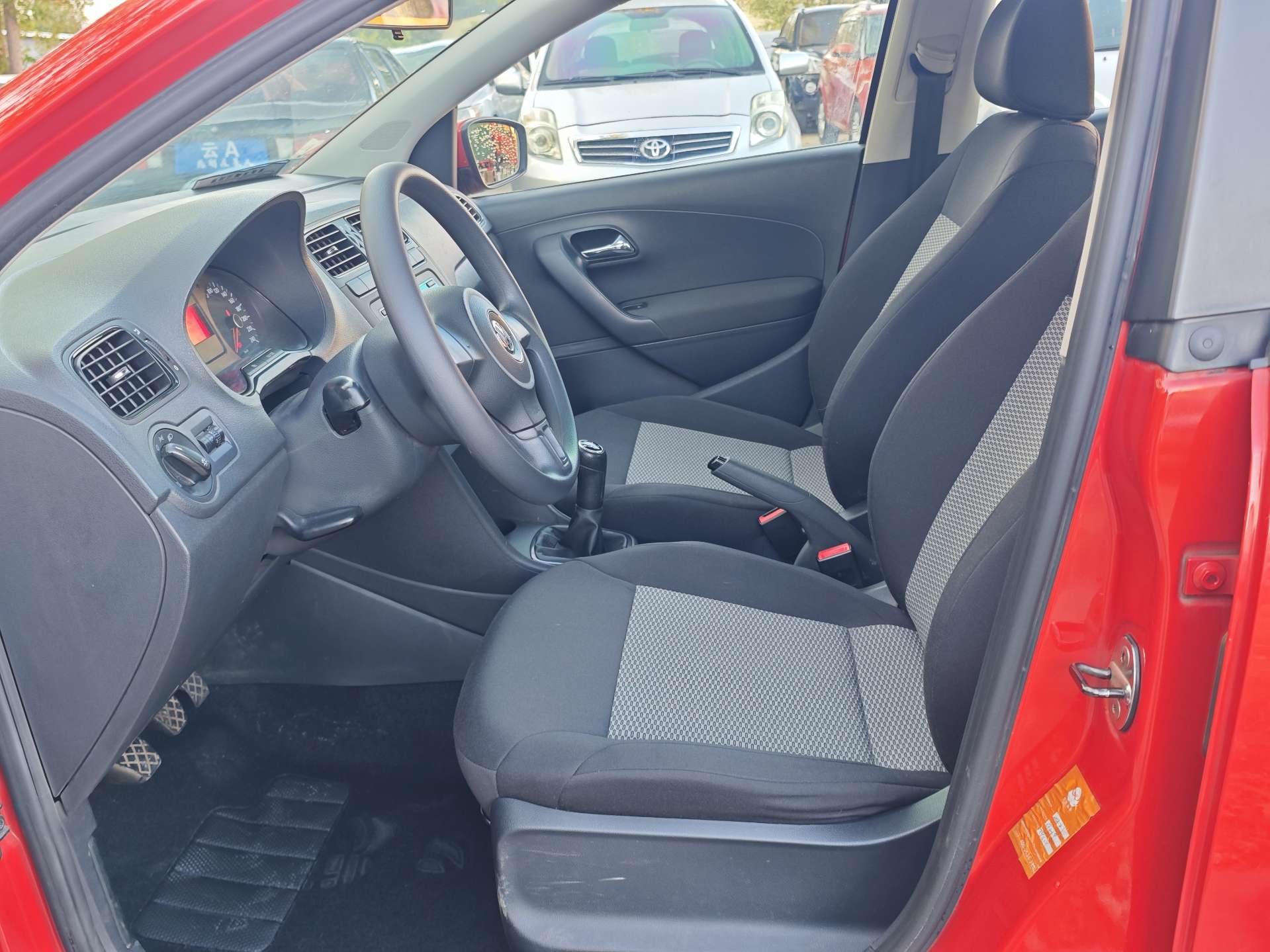
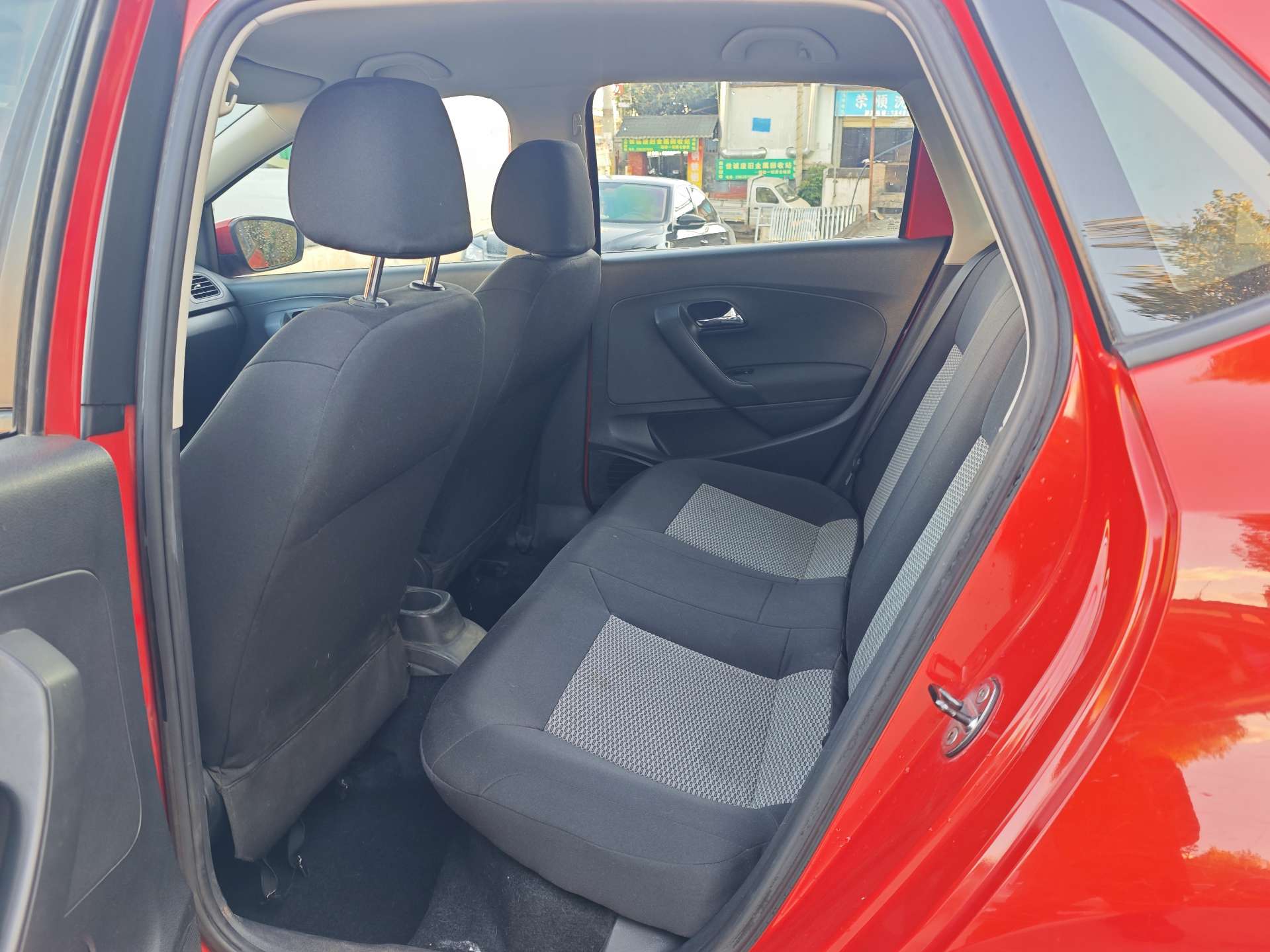
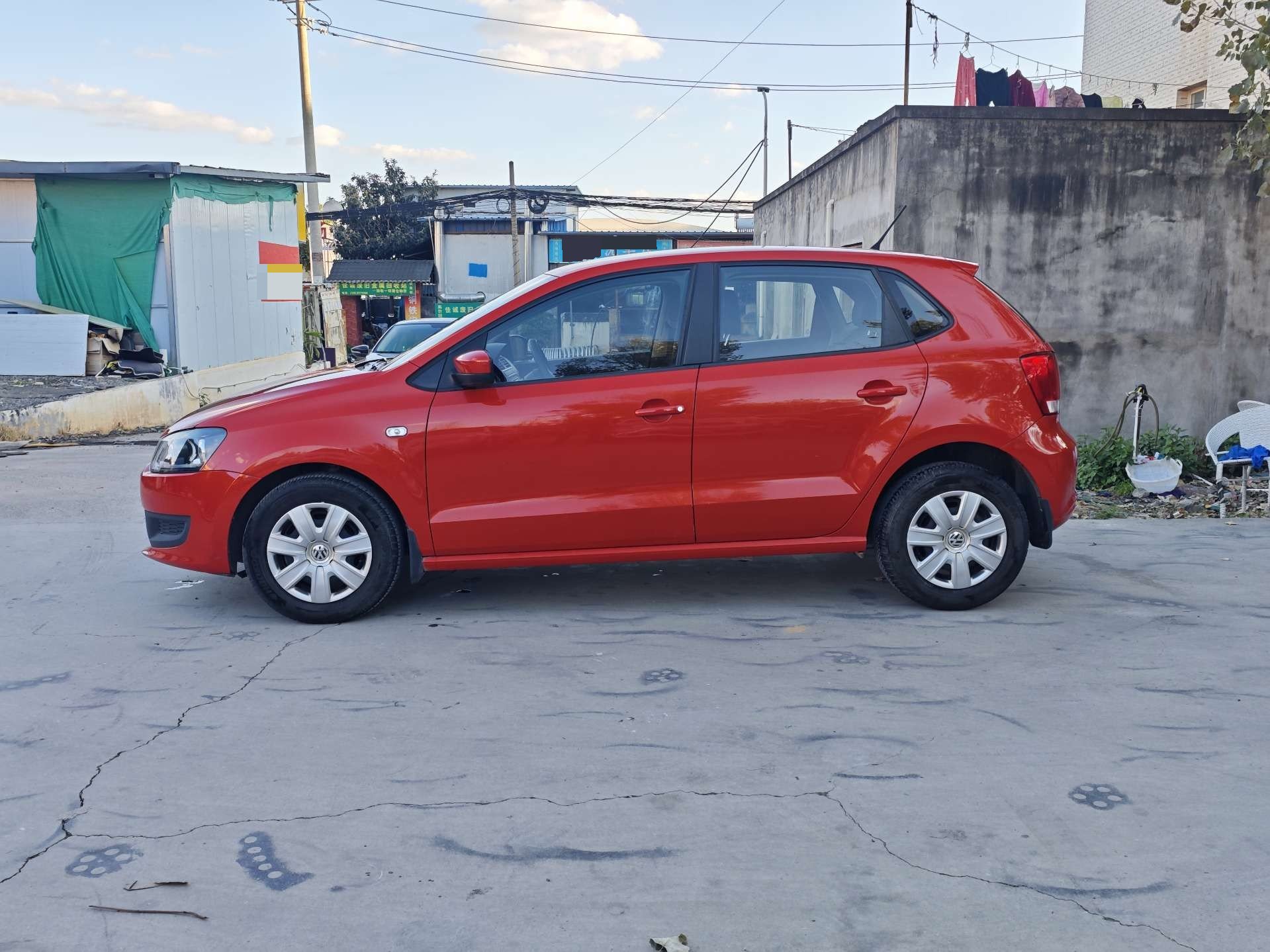
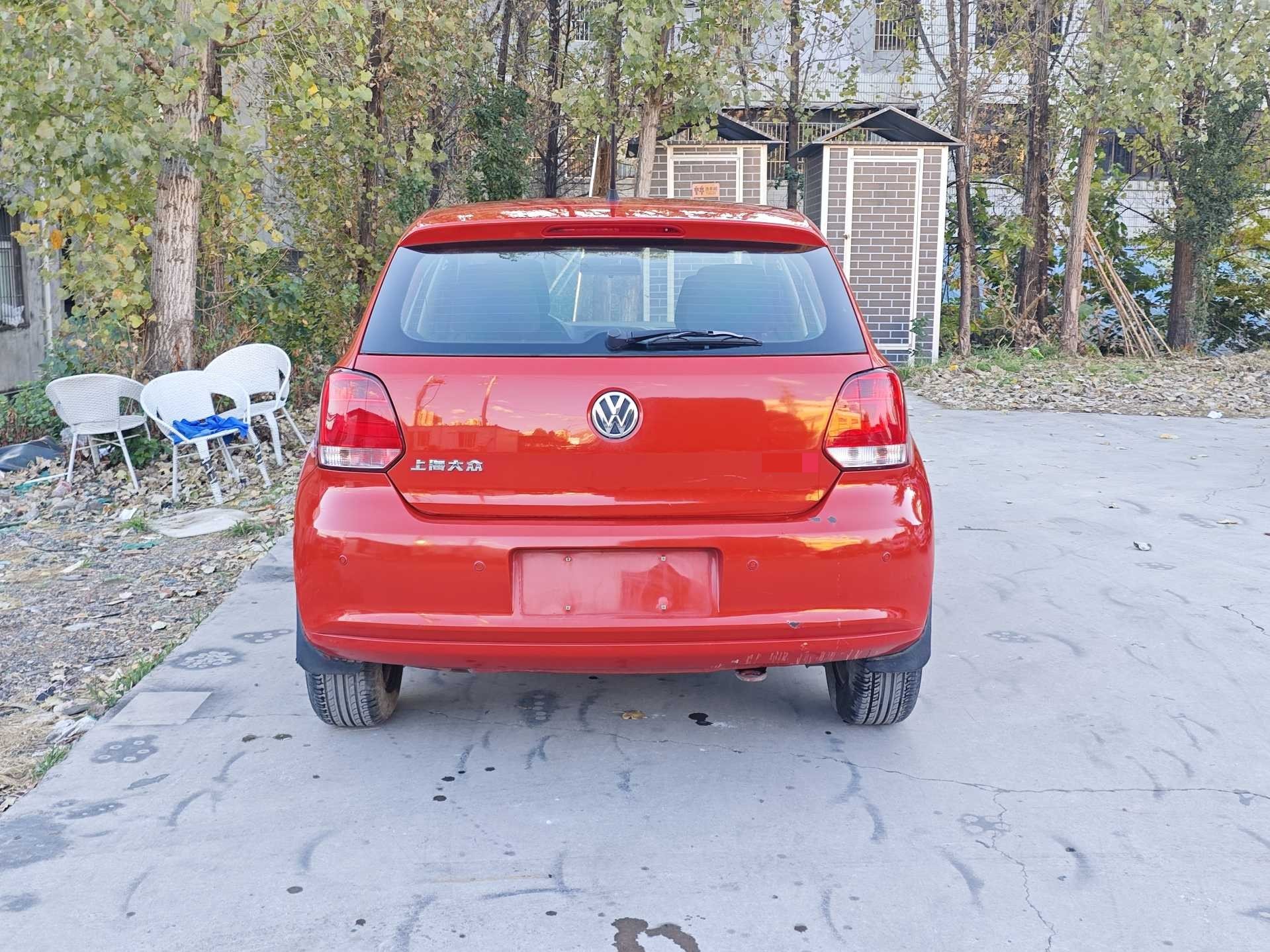
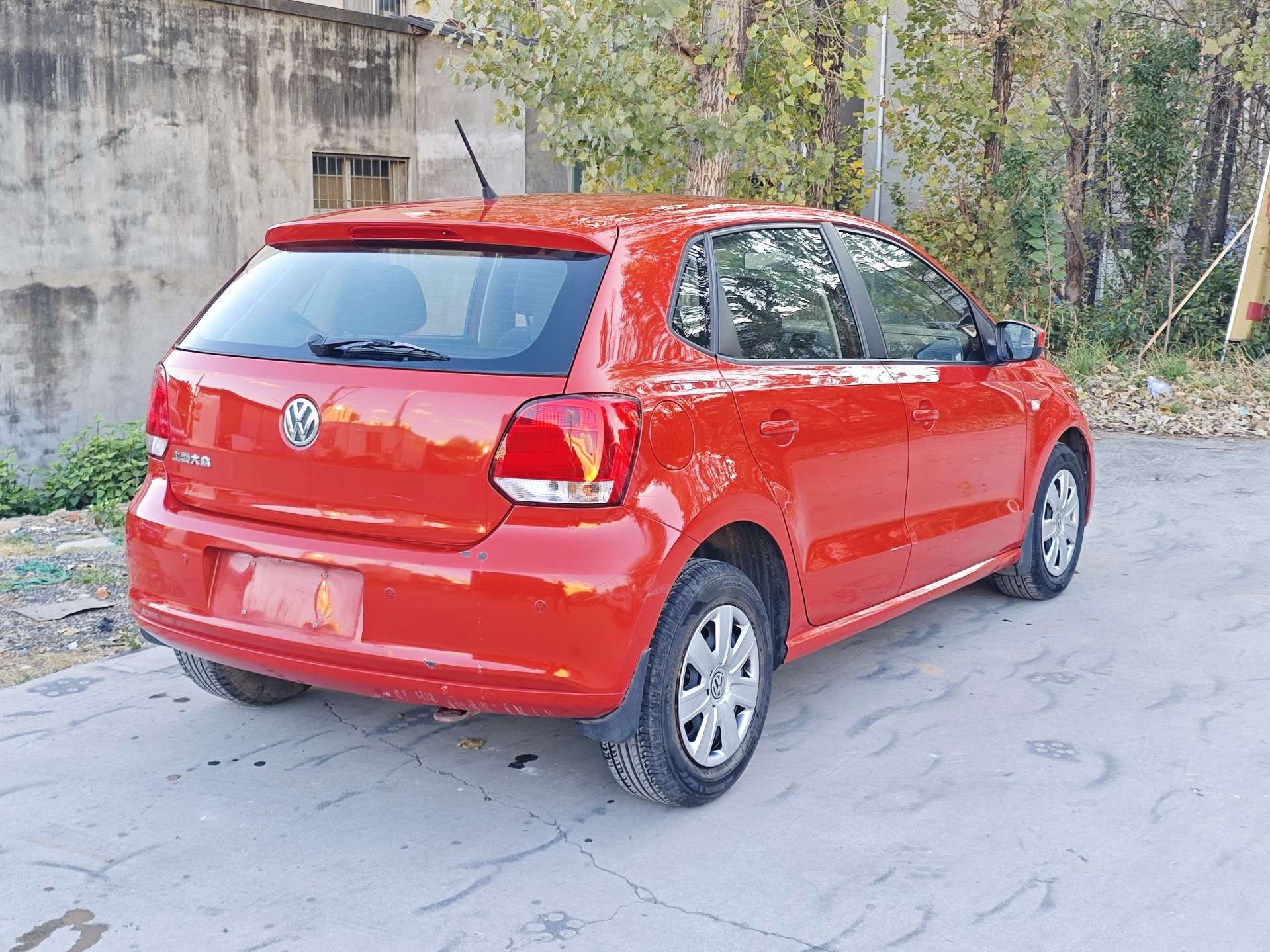
Local first-owner car, original body panels, mostly original paint on metal parts, no frame damage from collisions, engine and transmission in good working condition, no signs of major repairs, chassis is tight with no abnormal noises or looseness, interior shows no obvious wear.

Document Information

Inspection Expiry Date-
Warranty Expiry Date-
Insurance Expiry Date2027/11

Q&A

More

How do I evaluate interior wear on a used car from China to estimate real mileage and usage intensity?

Interior wear is harder to fake than an odometer and often reveals true usage better than any document. Focus on high-contact points the seller rarely restores. The driver's seat bolster shows creasing and cracking by 80,000-100,000 km even with covers. Steering wheel leather polishes smooth and darkens with hand oils; a shiny wheel with low claimed mileage is a red flag. Pedal rubbers wear through at similar rates — check accelerator, brake, and clutch depth. Second-row wear patterns tell you how the car was used: heavy child-seat indentations suggest family use (usually gentler), while uniform rear wear with clean front suggests commercial or ride-hailing duty. Check seat rails for rust (indicates water ingress) and look under floor mats for moisture staining or musty smell — flood cars often hide it there. Also examine the infotainment and instrument cluster: Chinese EVs log usage data internally, and a dealer diagnostic readout can cross-check driving hours against mileage. Request close-up, well-lit photos of these specific points during your live video inspection rather than relying on the seller's gallery.


What is a safe payment structure for buying a used car from China remotely—how much deposit, when is the balance paid, and should I use escrow?

The industry-standard structure protects both sides. Pay 20-30% deposit after signing the contract and verifying the exporter's license—never more. The balance is paid only after your independent inspection report confirms the car matches the contract, ideally against a copy of the bill of lading so the exporter can't ship a different vehicle. For extra protection, tie payments to milestones: deposit on contract, second tranche after inspection passes, final payment when shipping documents are released. Some buyers use escrow services or trade assurance platforms for the first transaction with a new supplier; fees run 1-3% but are worth it for large amounts. Always pay to a corporate bank account matching the exporter's registered name. Keep every agreement in the written contract—verbal promises like 'we'll fix that before shipping' are unenforceable. If an exporter demands 50%+ upfront or full payment before inspection, walk away; that structure leaves you with no leverage.

How to manage overseas buyers' expectations for continuous software updates of Chinese new energy vehicles (especially from new car manufacturers)?

We repeatedly confirm and emphasize to buyers before sale: after leaving mainland China, most Chinese smart electric vehicle ecosystems (such as cloud voice assistants, online maps, OTA updates) will be permanently offline. You are purchasing a hardware platform with excellent mechanical quality and a three-electric system; please use it as a "standalone" vehicle. Do not trust false promises from other channels claiming "perfect overseas unlocking and continuous official OTA updates."