


48H

Basic Information

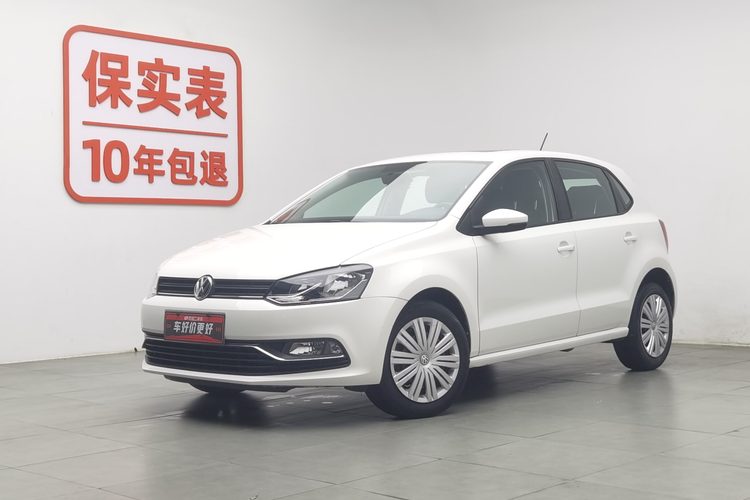
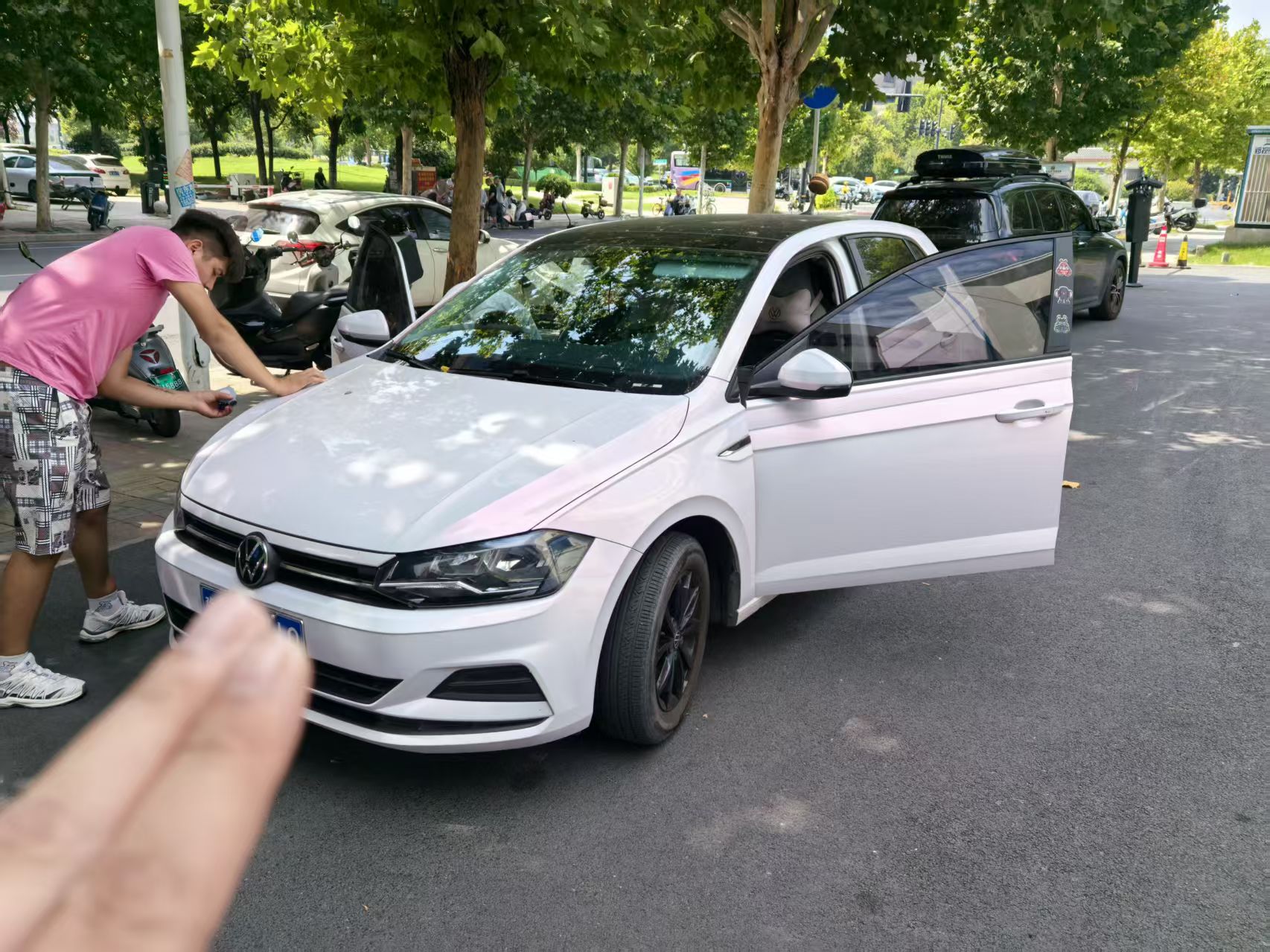
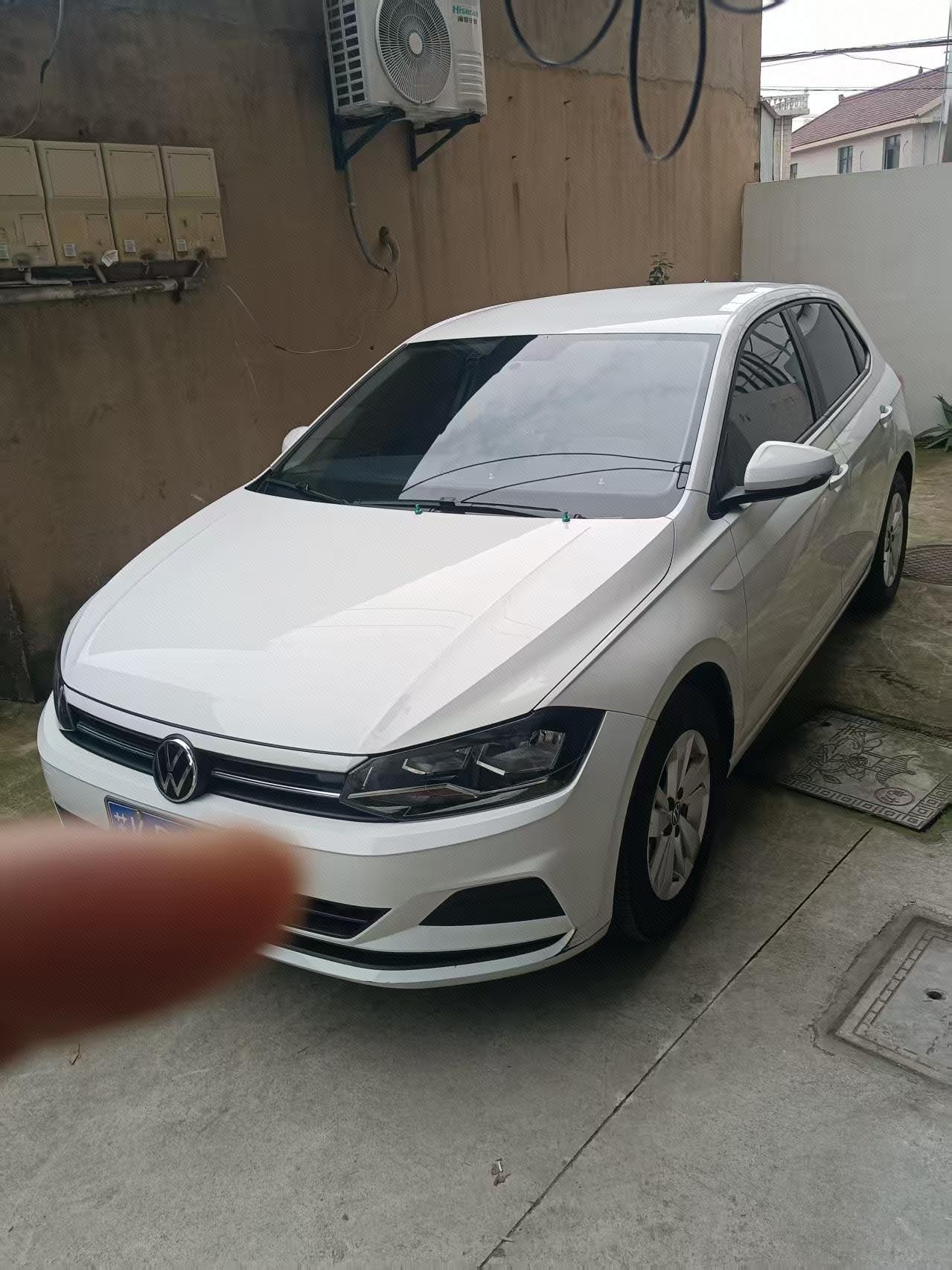
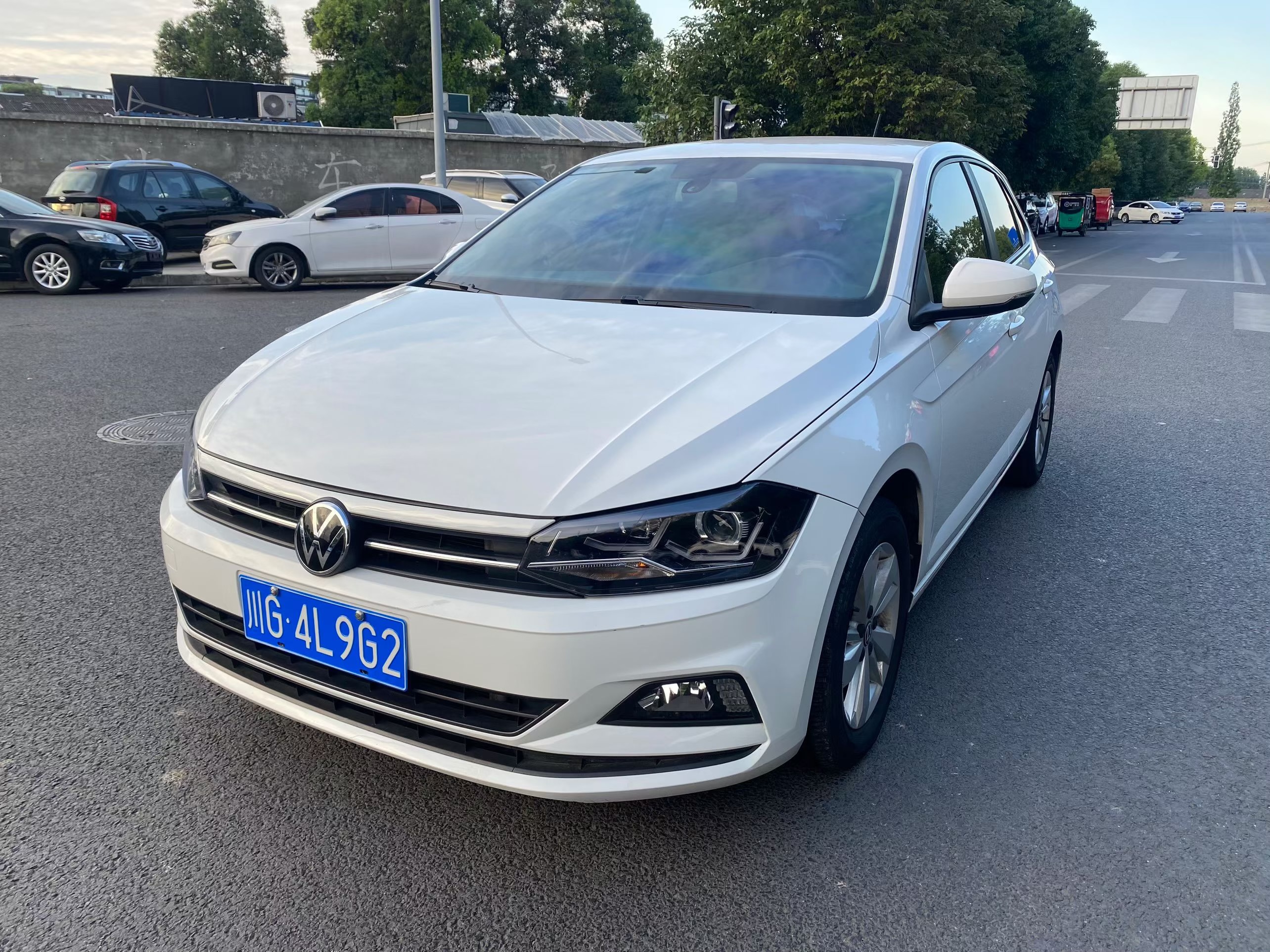
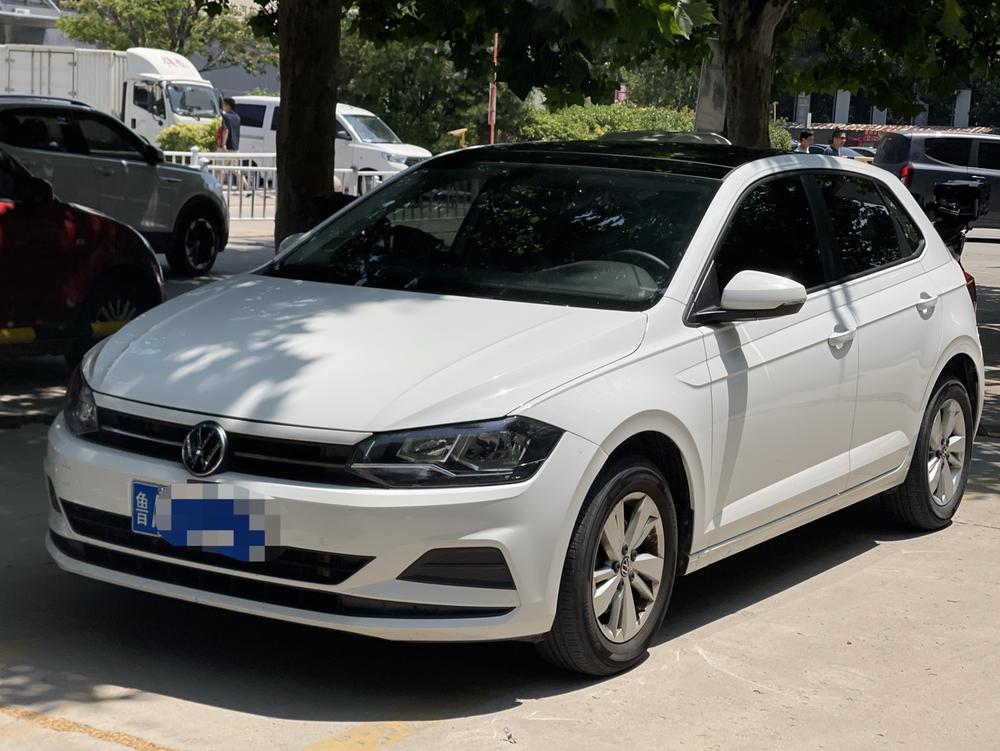
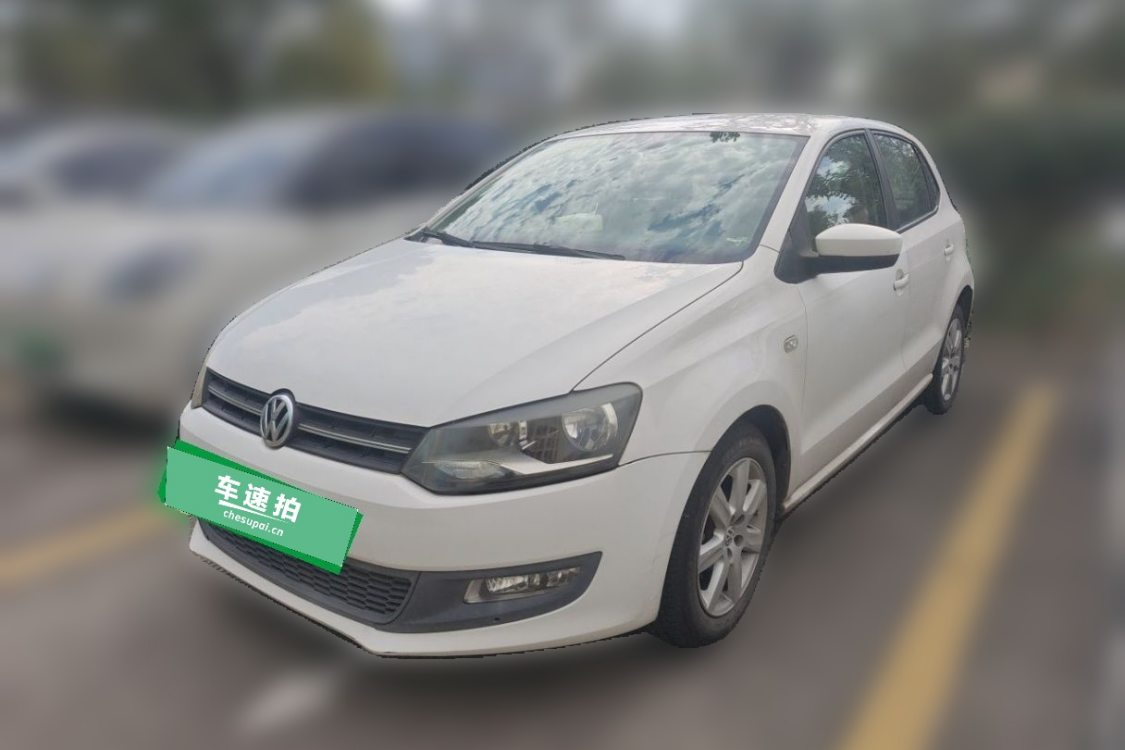
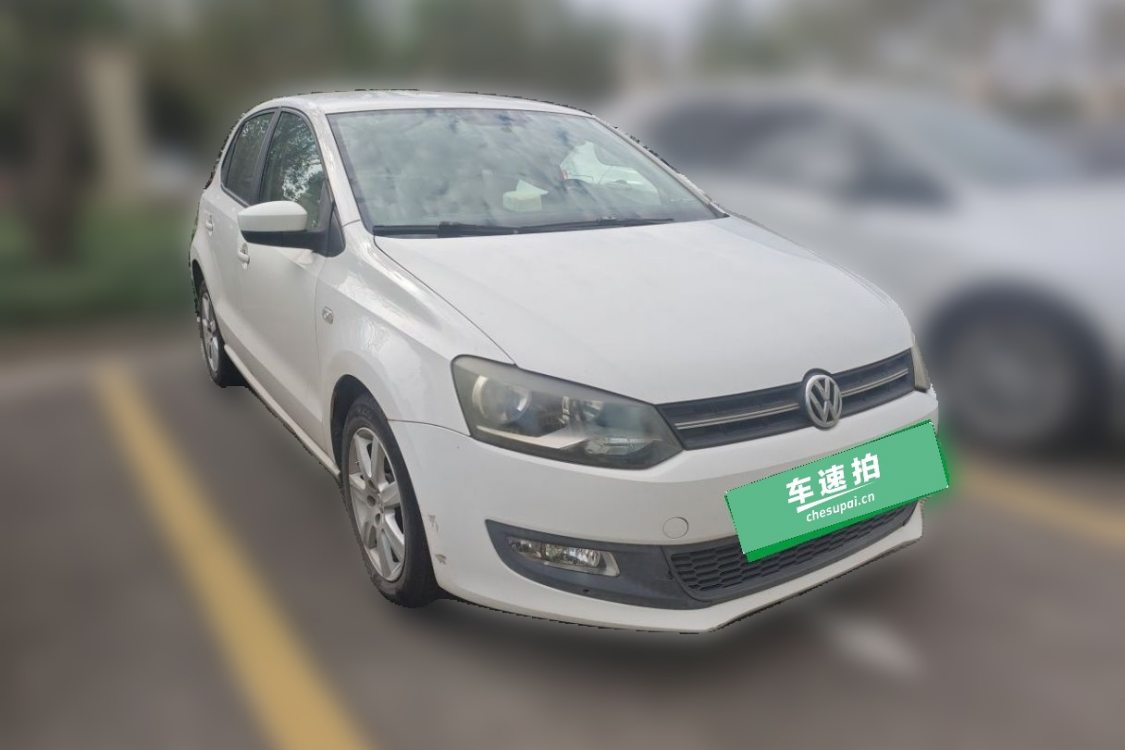
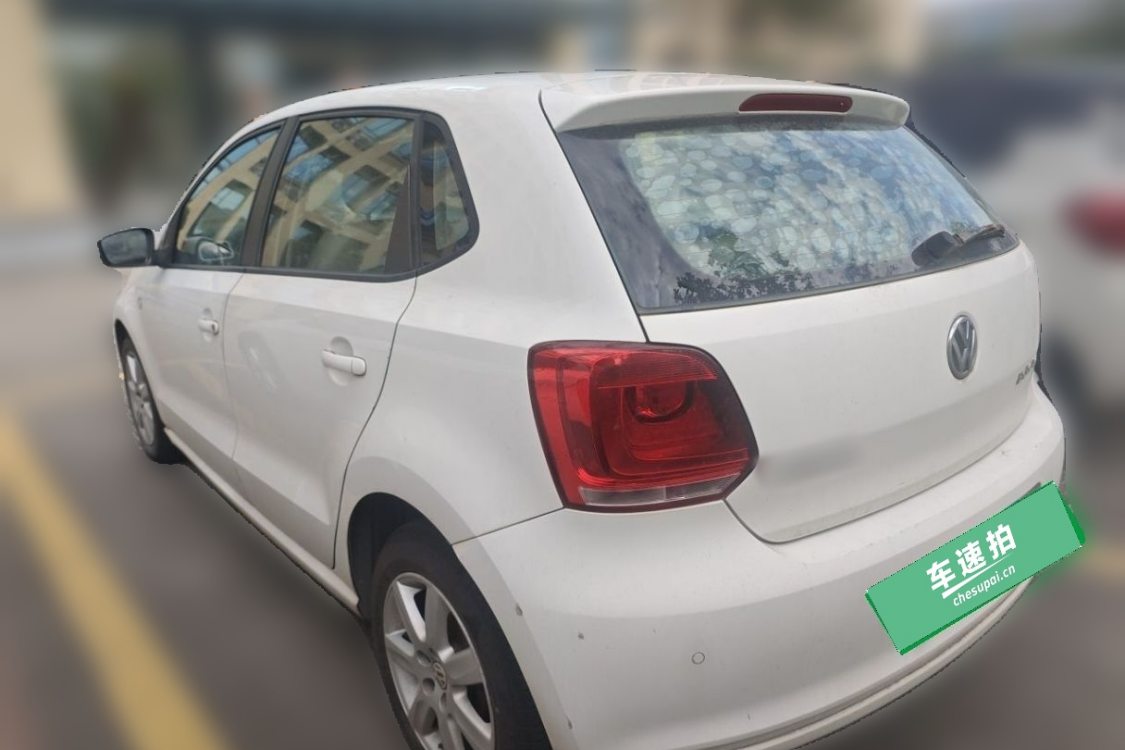
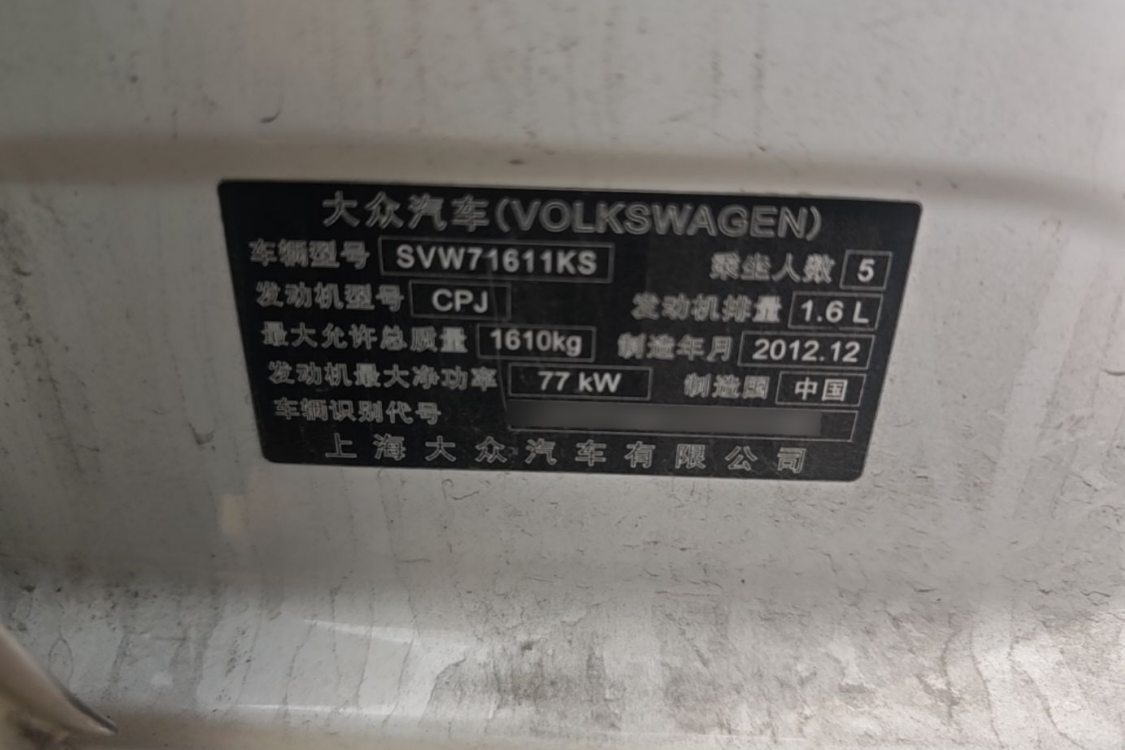
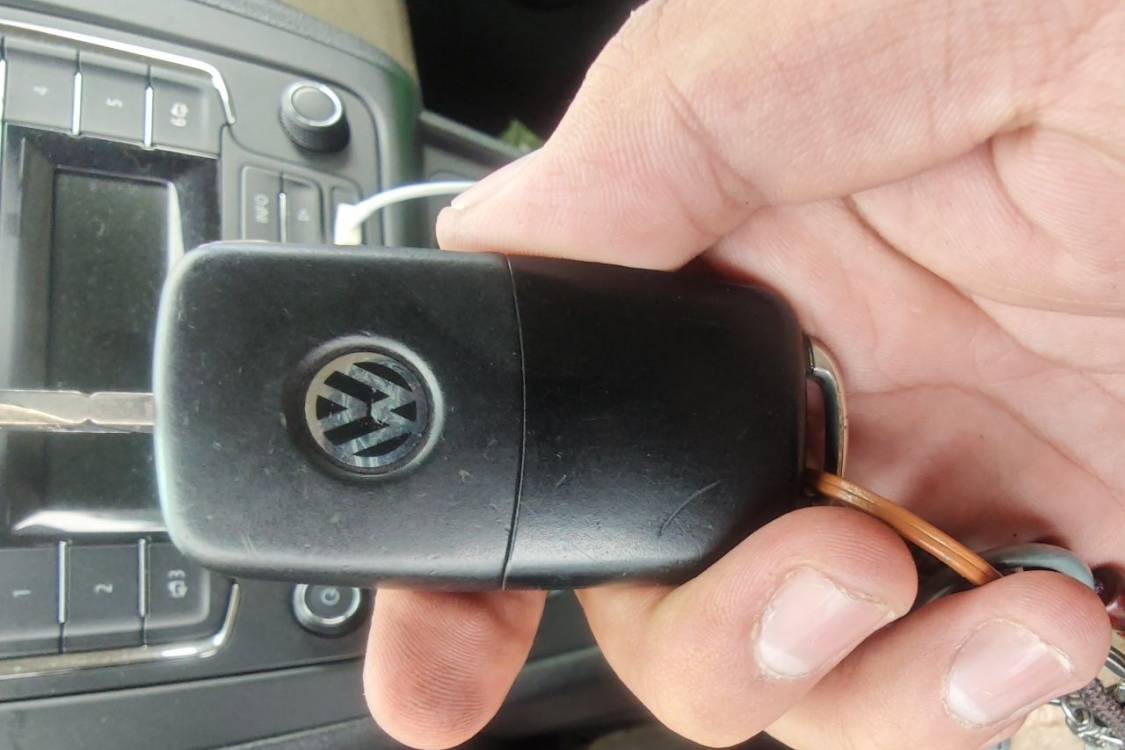
BrandVolkswagen
SeriesPolo
Year2013
First Registration2013/01
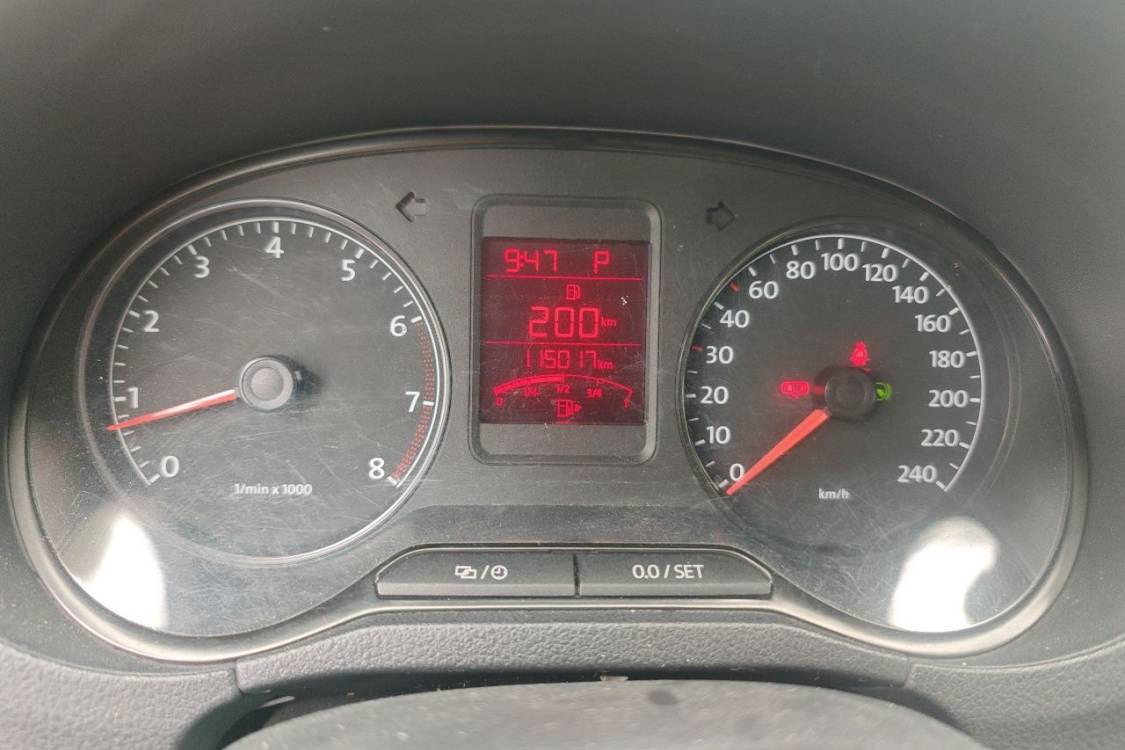
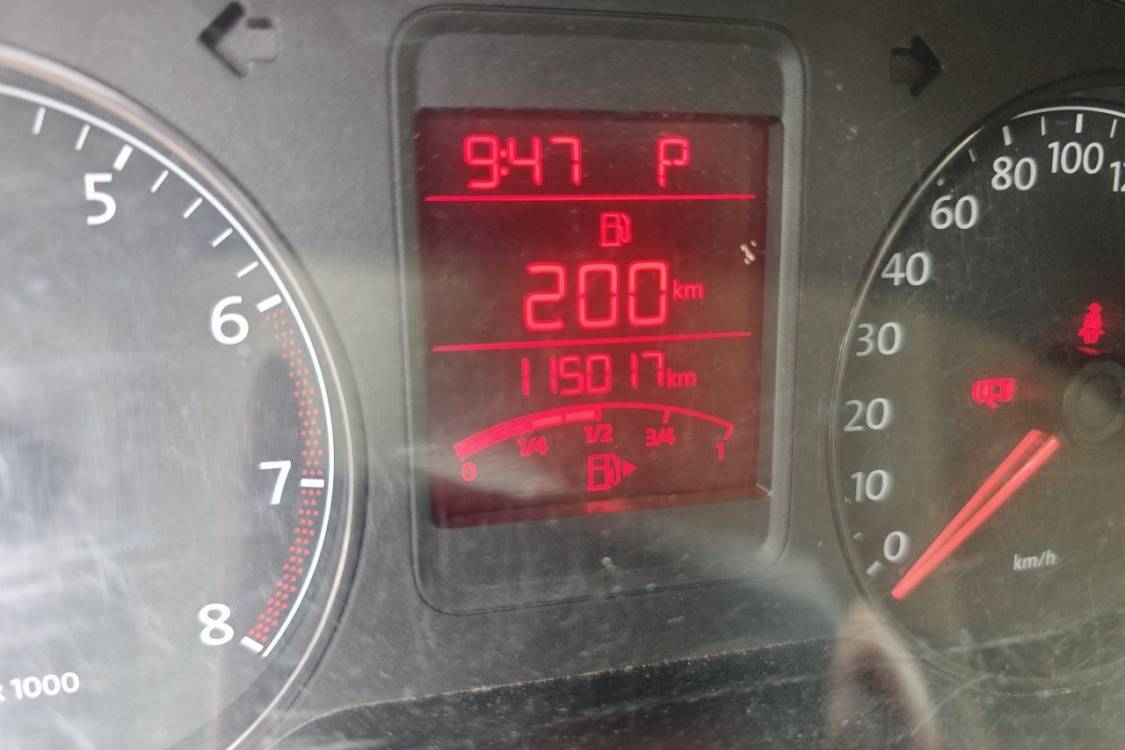
Mileage115,000km
Transfer Count-
FuelGasoline
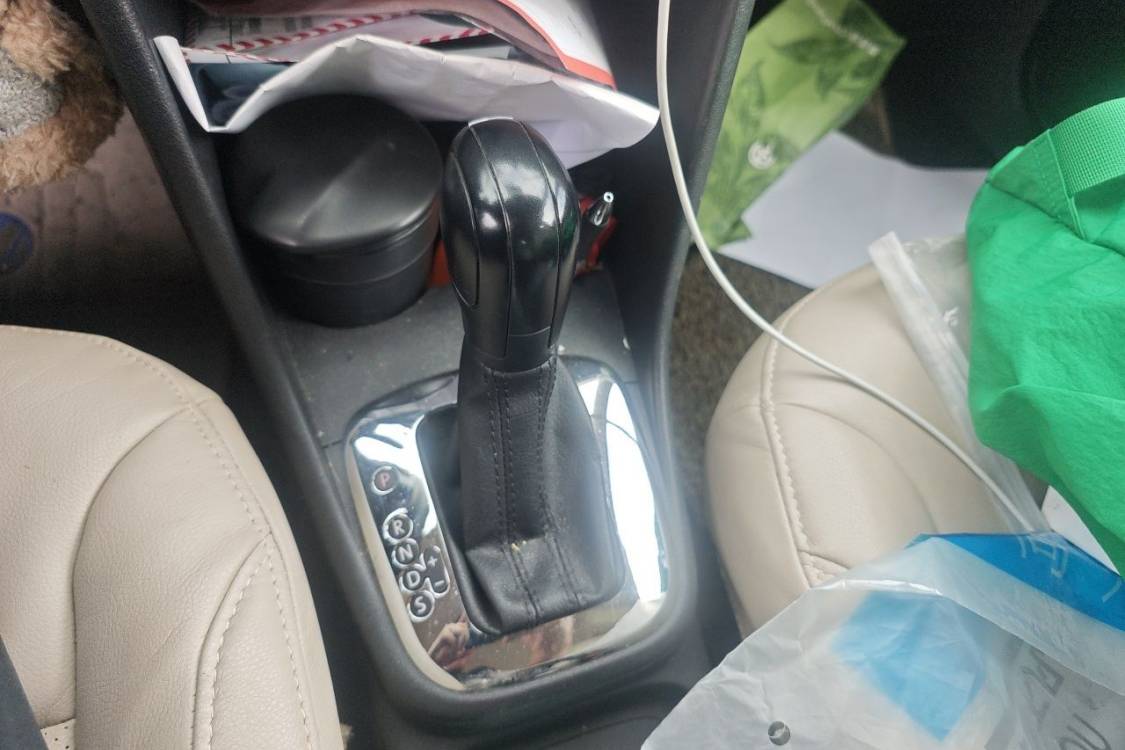
TransmissionManumatic
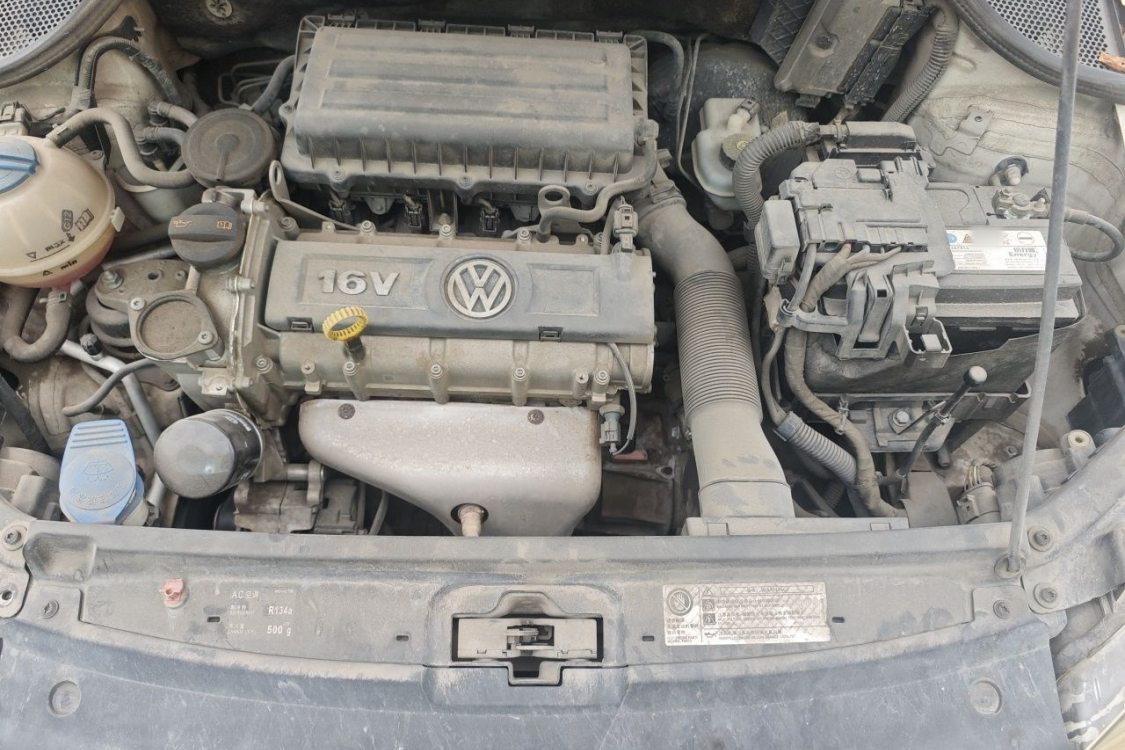
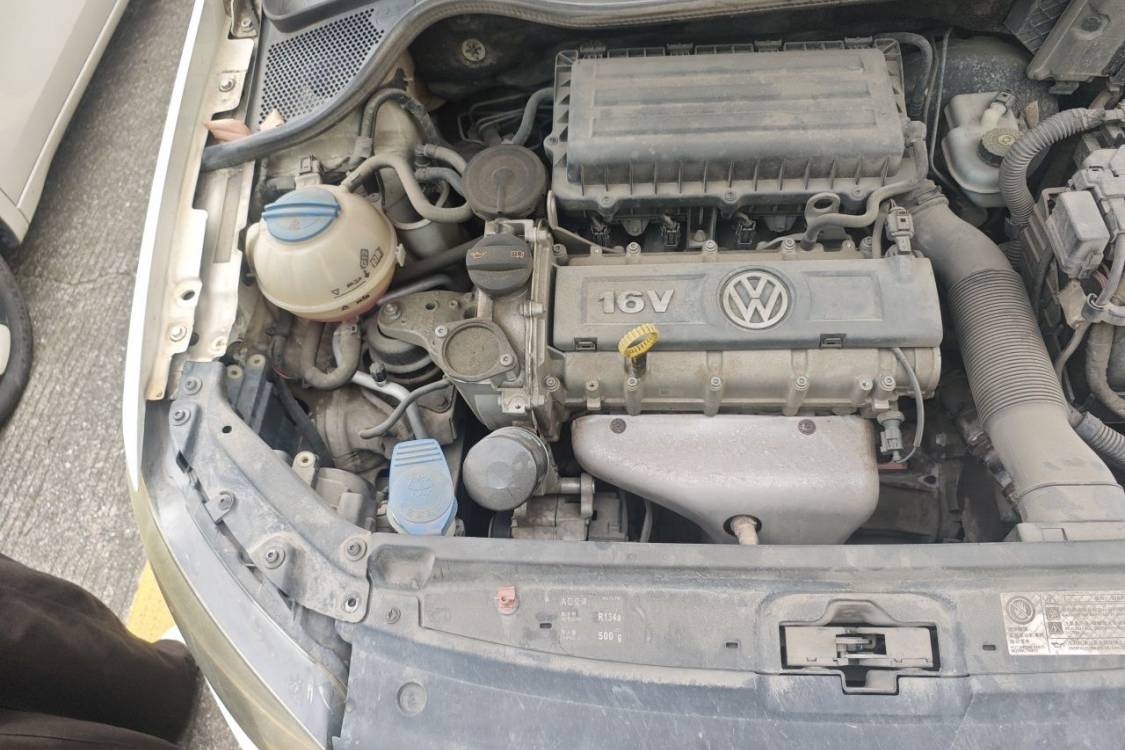
Engine1.6L 105 L4
ColorWhite
Seats-

Condition Description

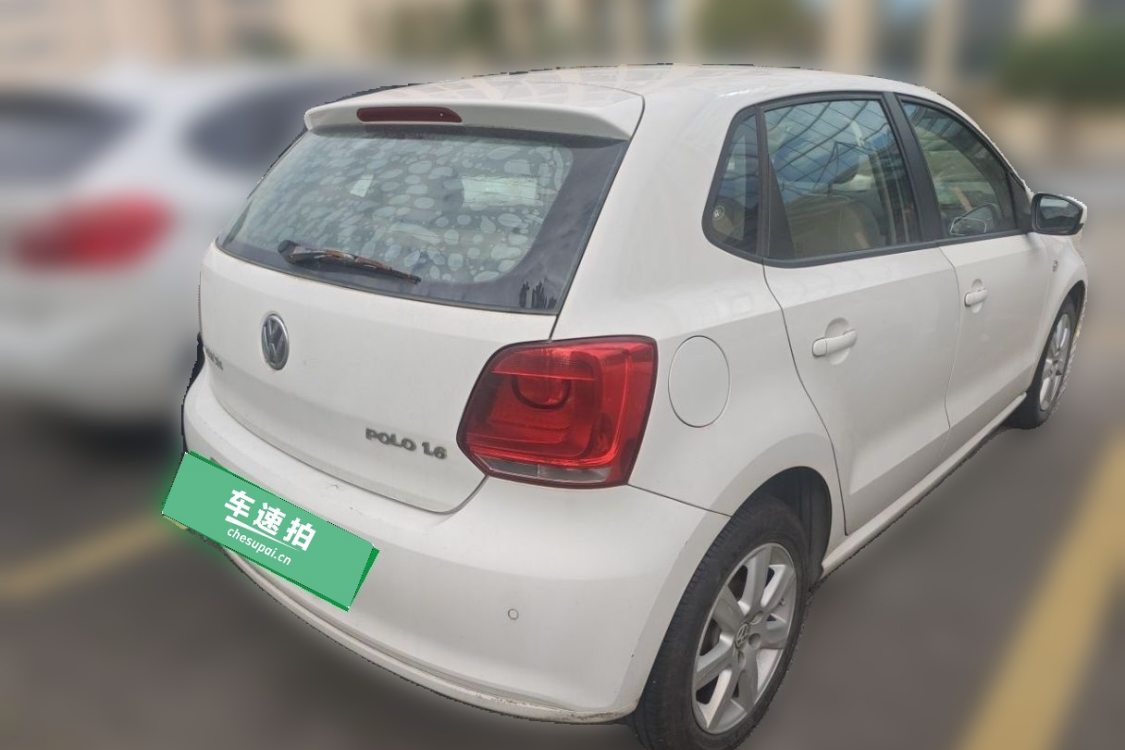
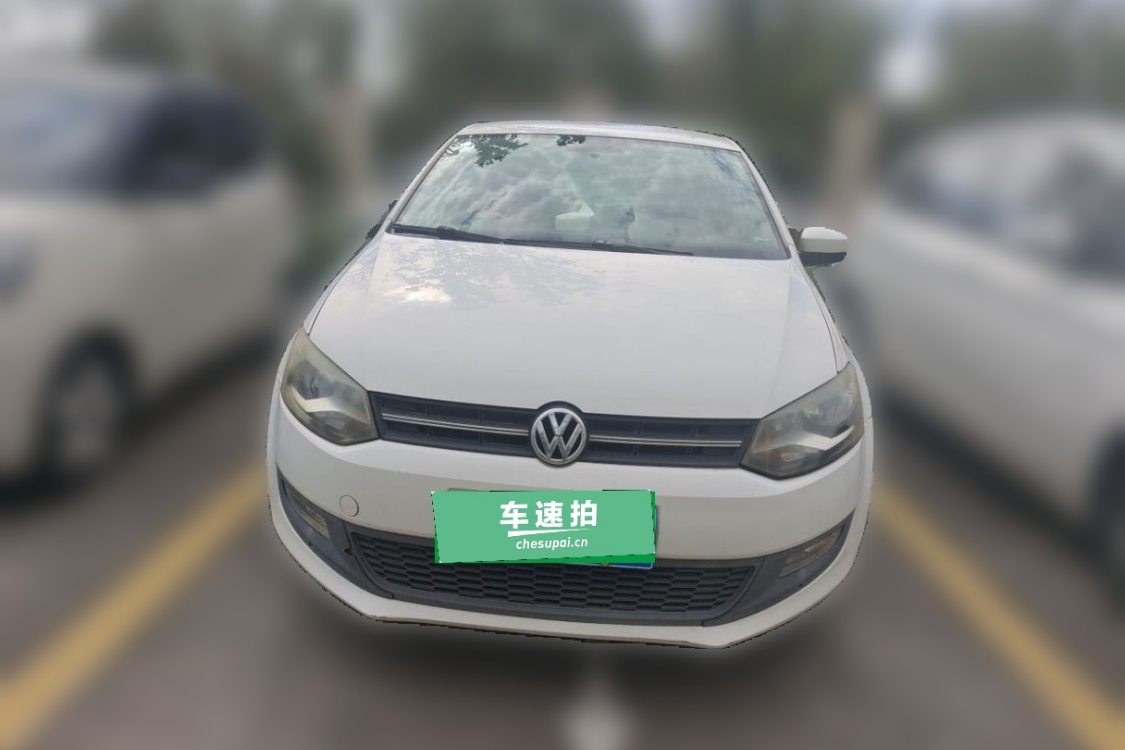
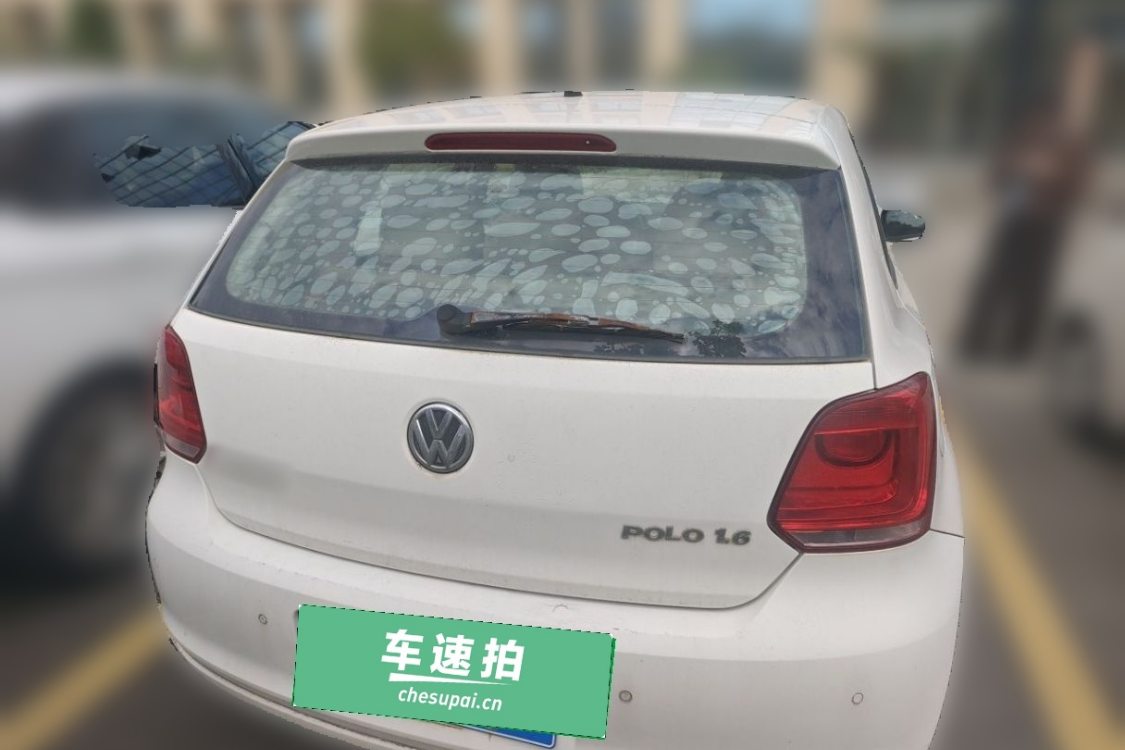
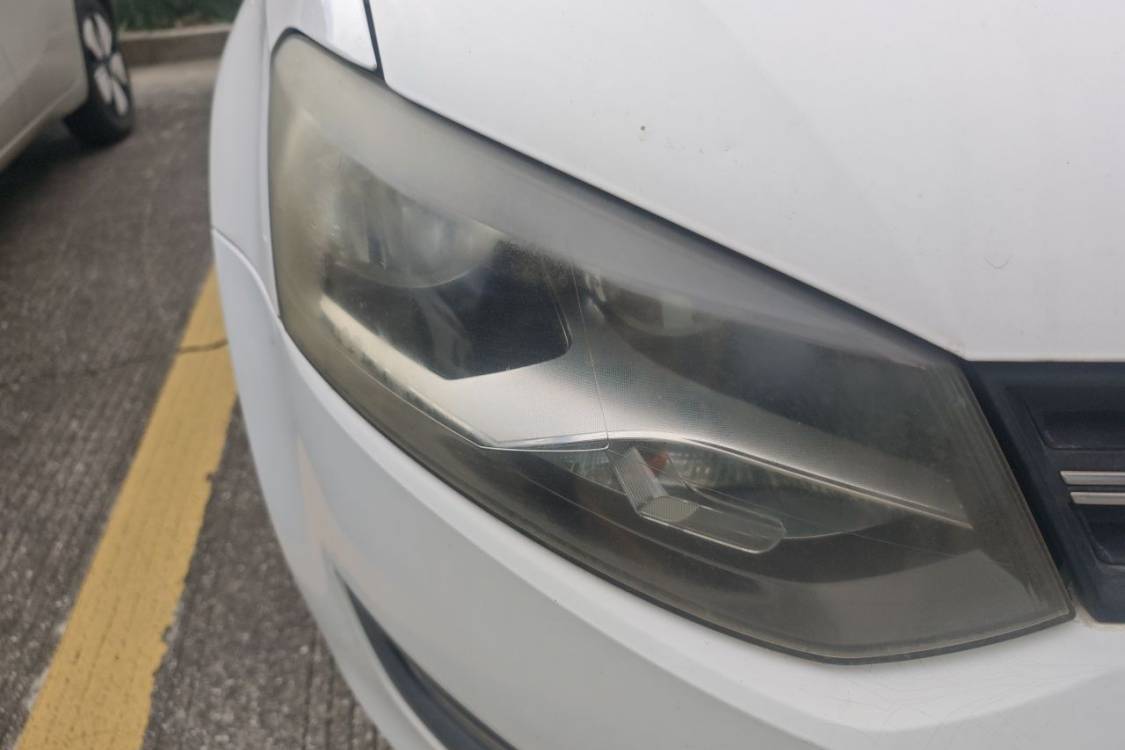
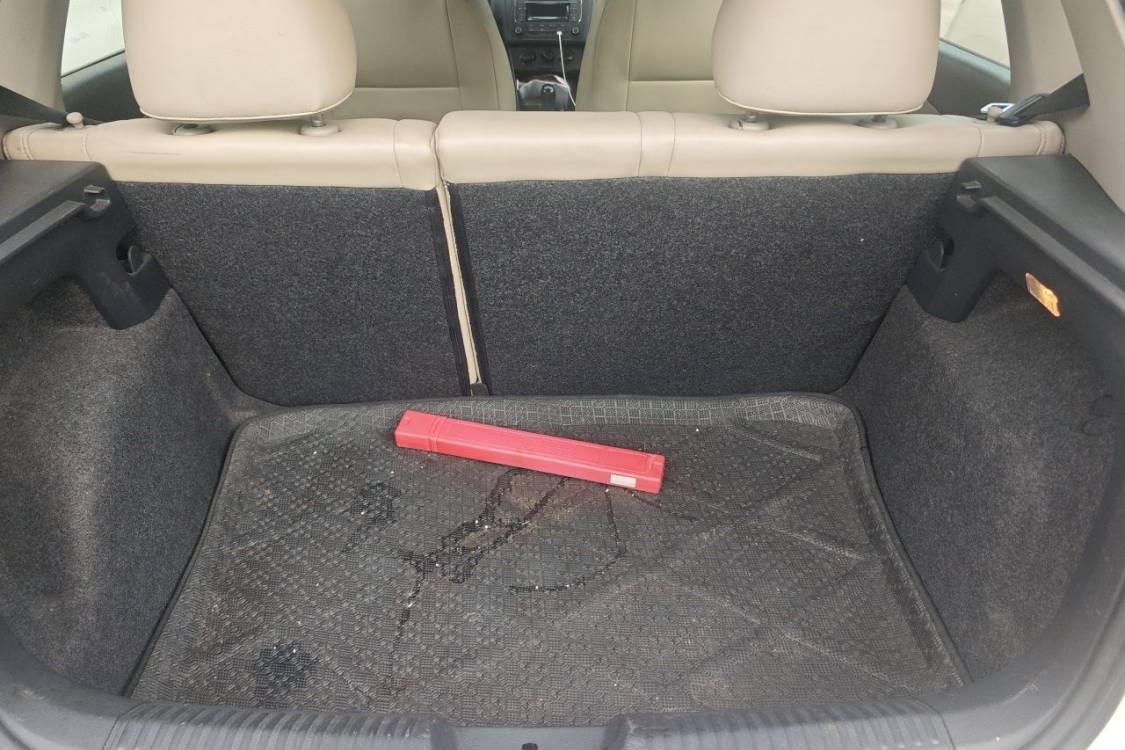
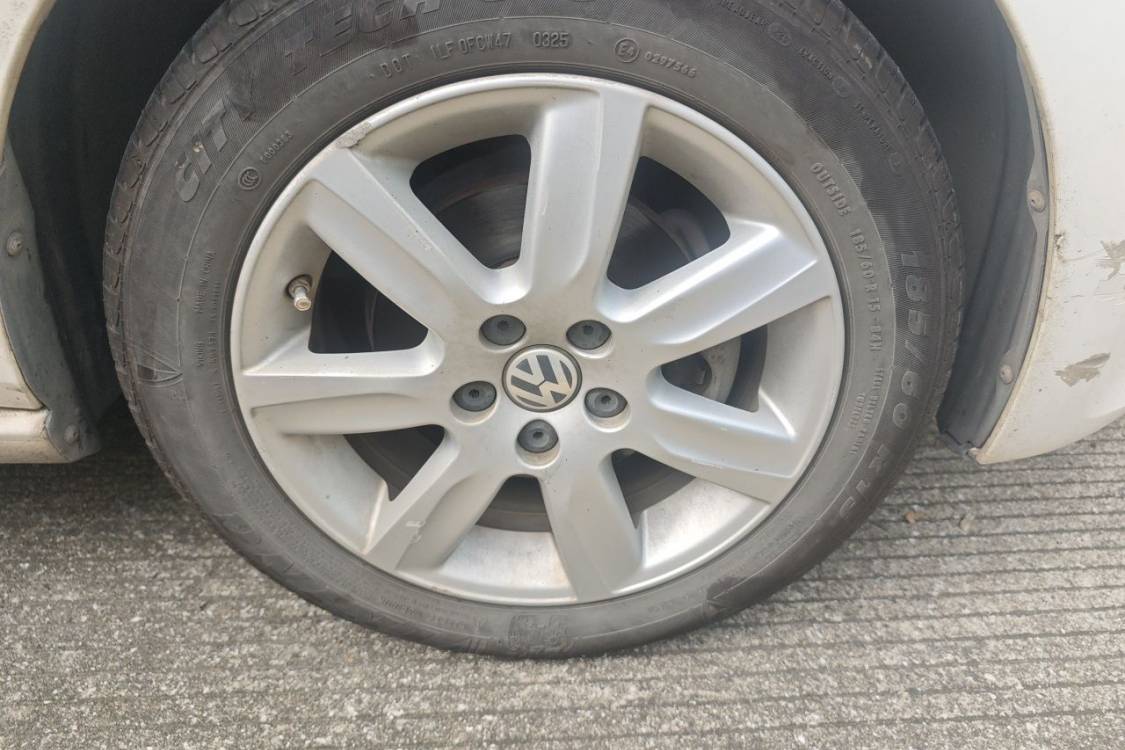
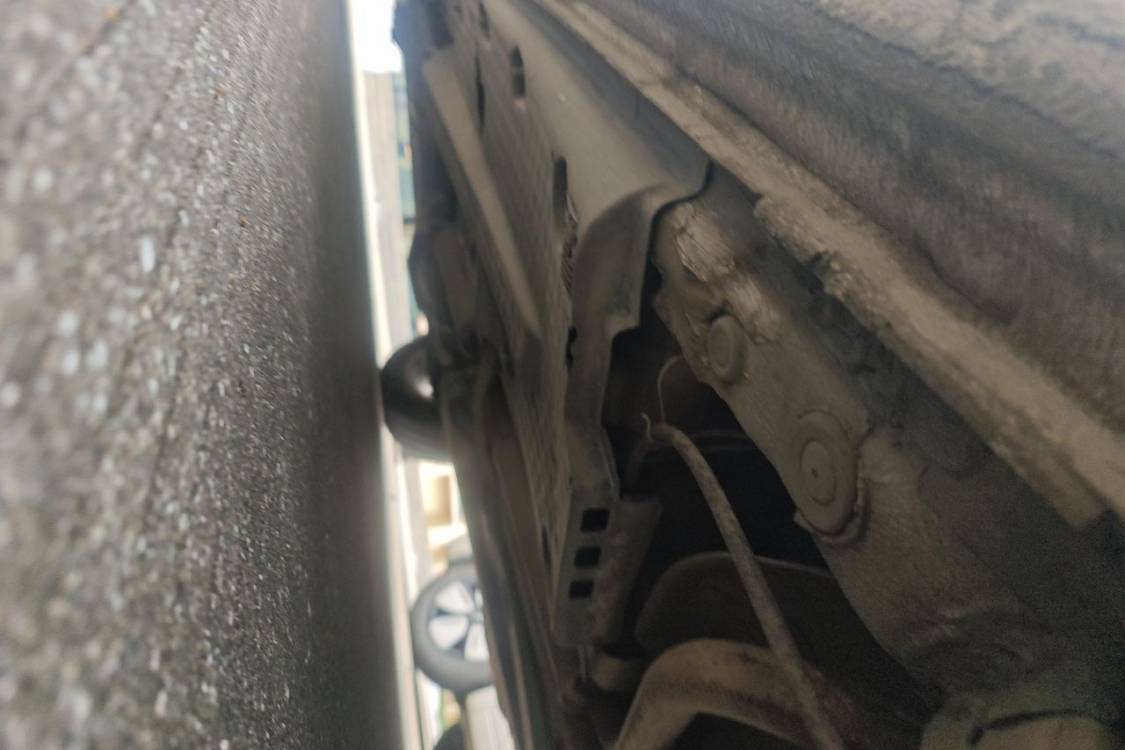
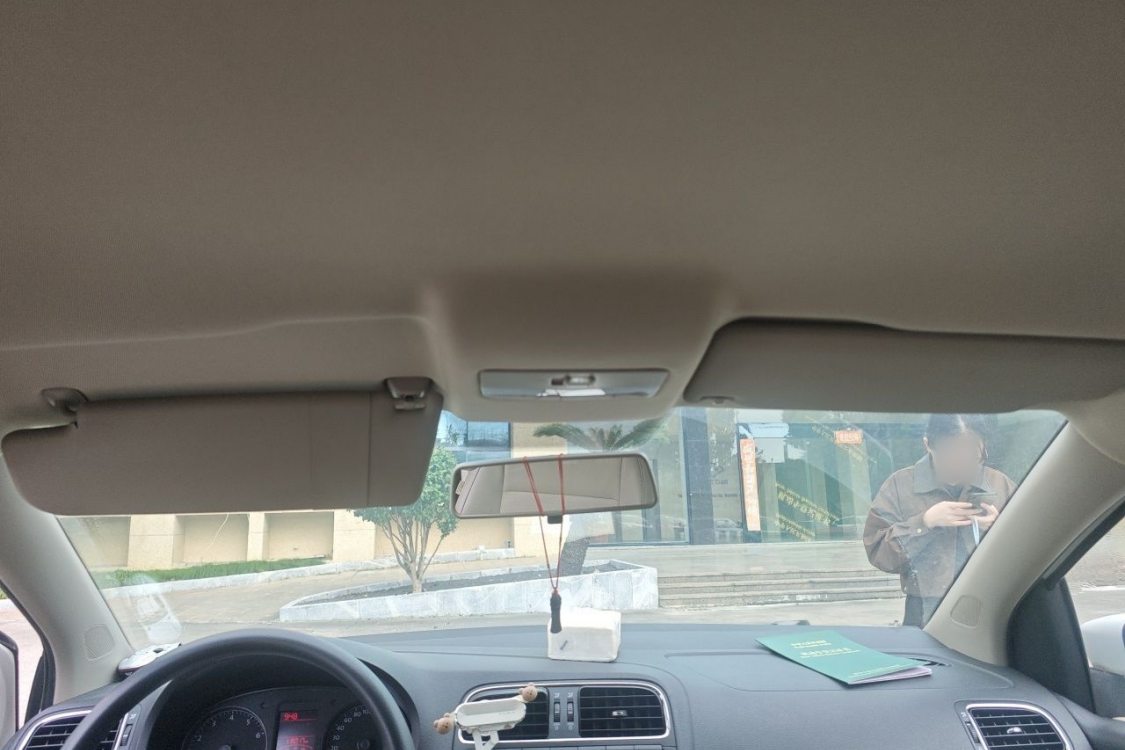
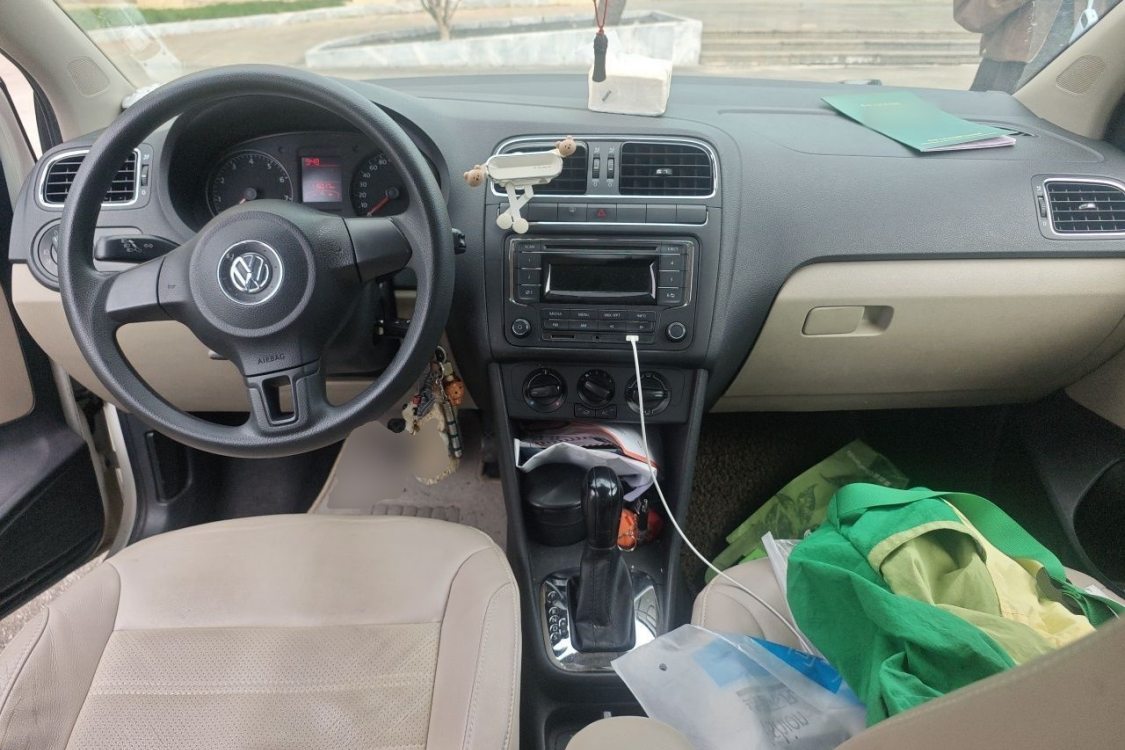
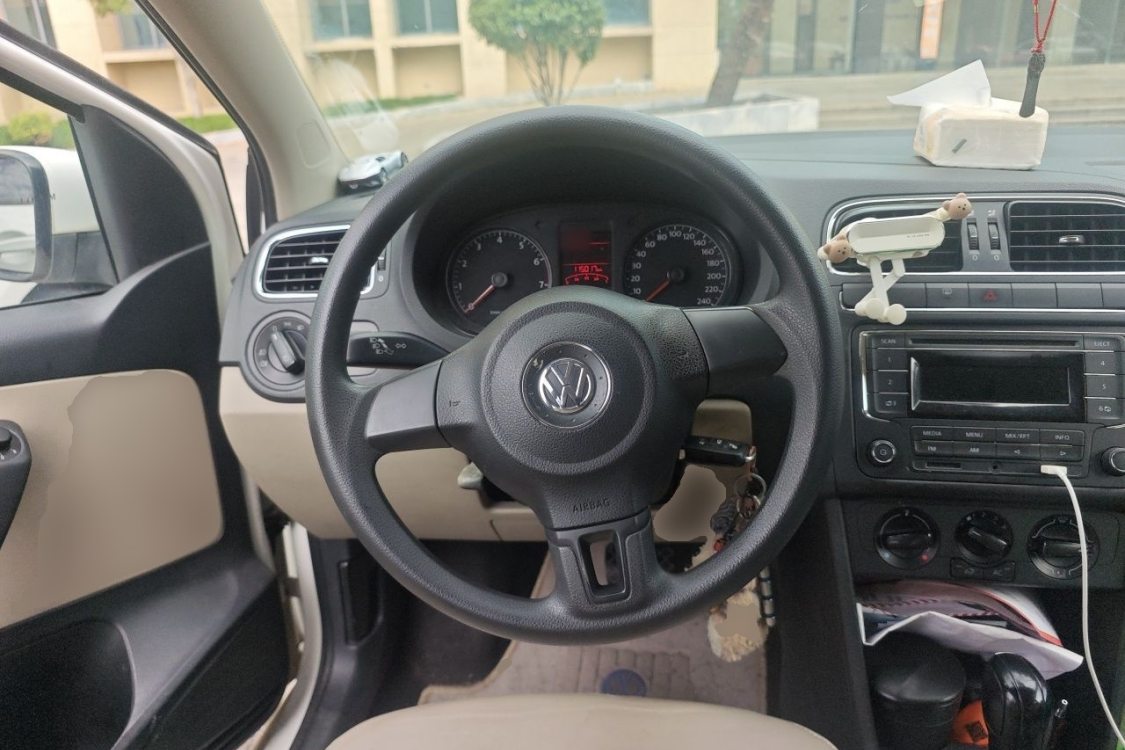
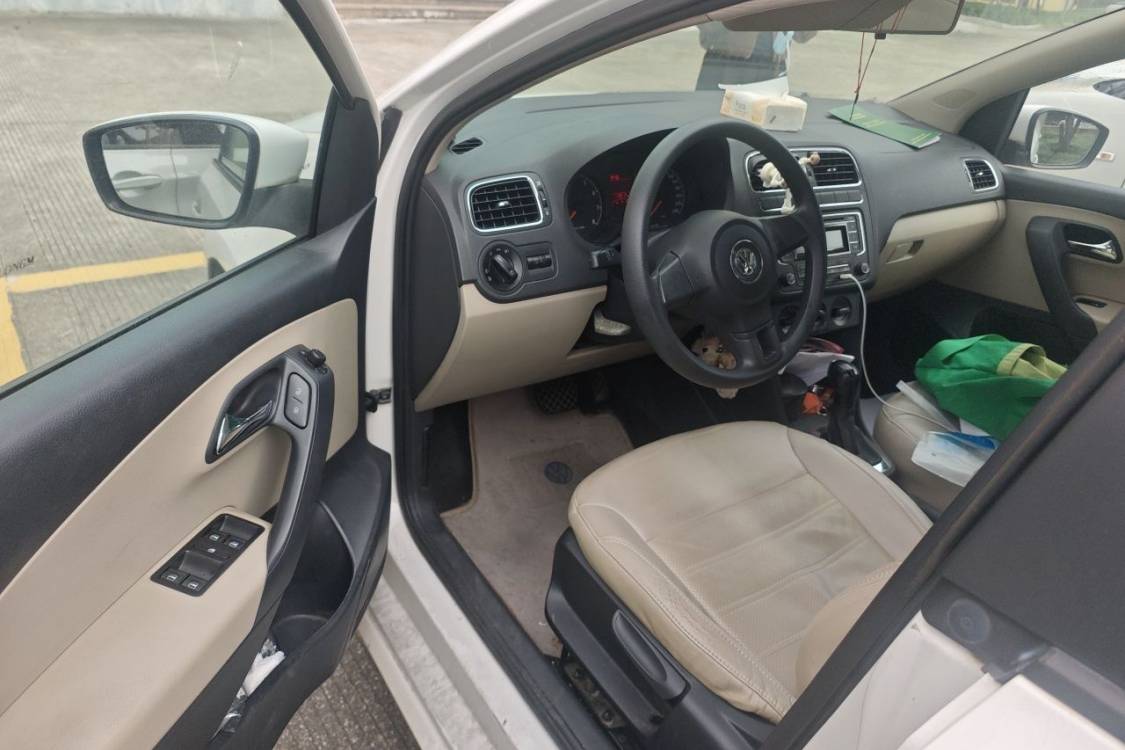
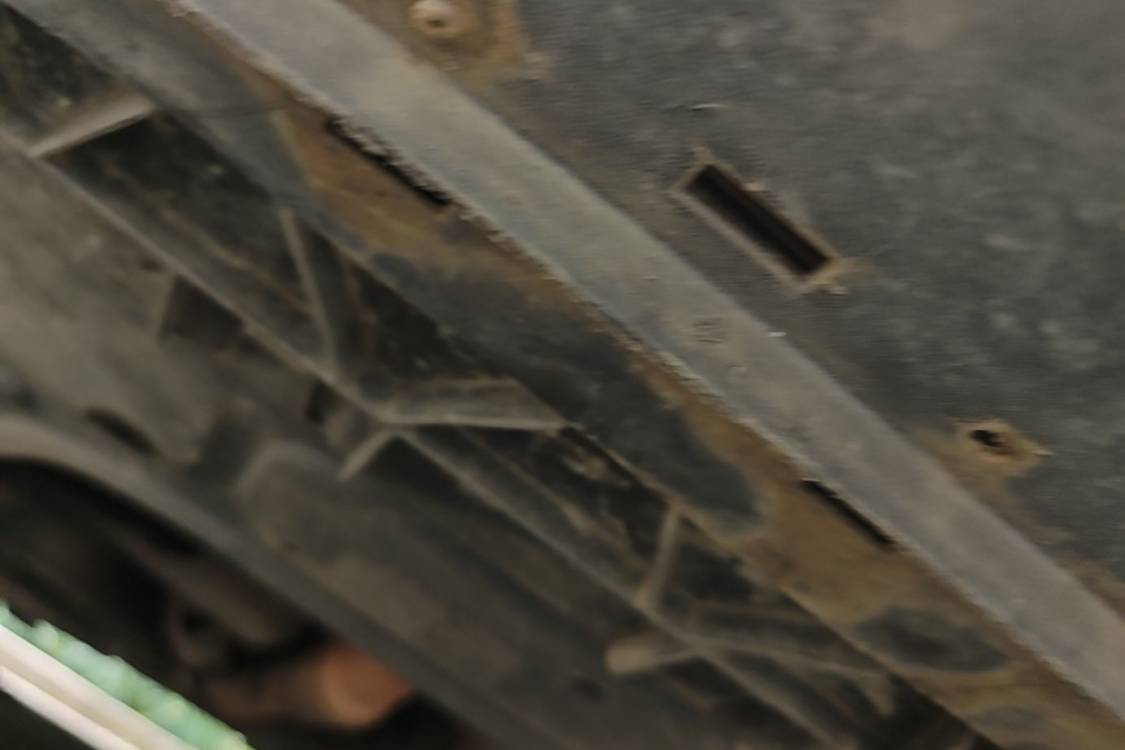
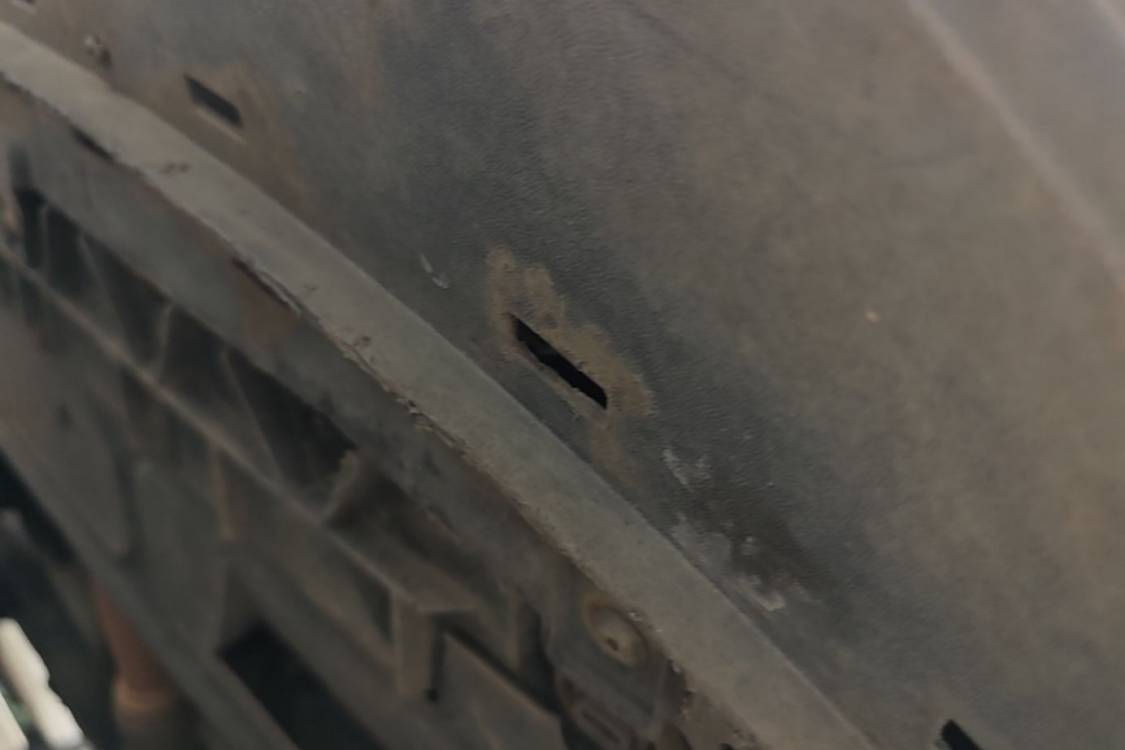
Body components (structural/reinforcement/panels) have accident-type damage; passive safety devices defective; vehicle performance (including three-electric system) degraded or performance limited even after repairs.

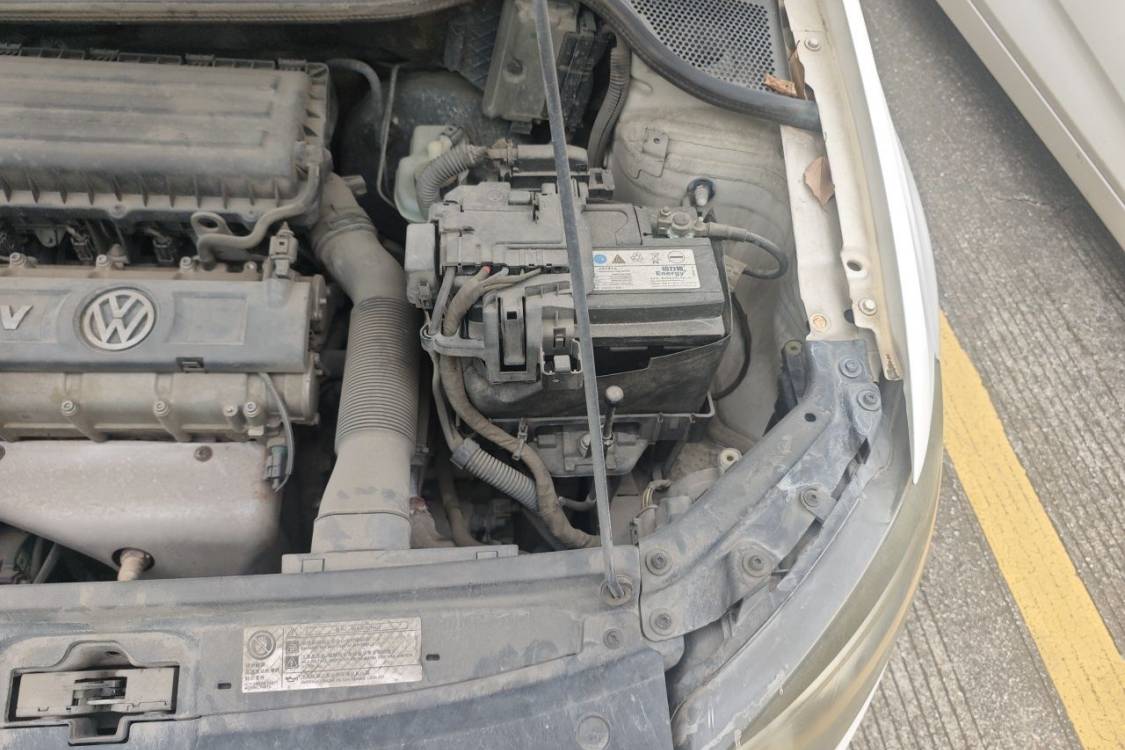
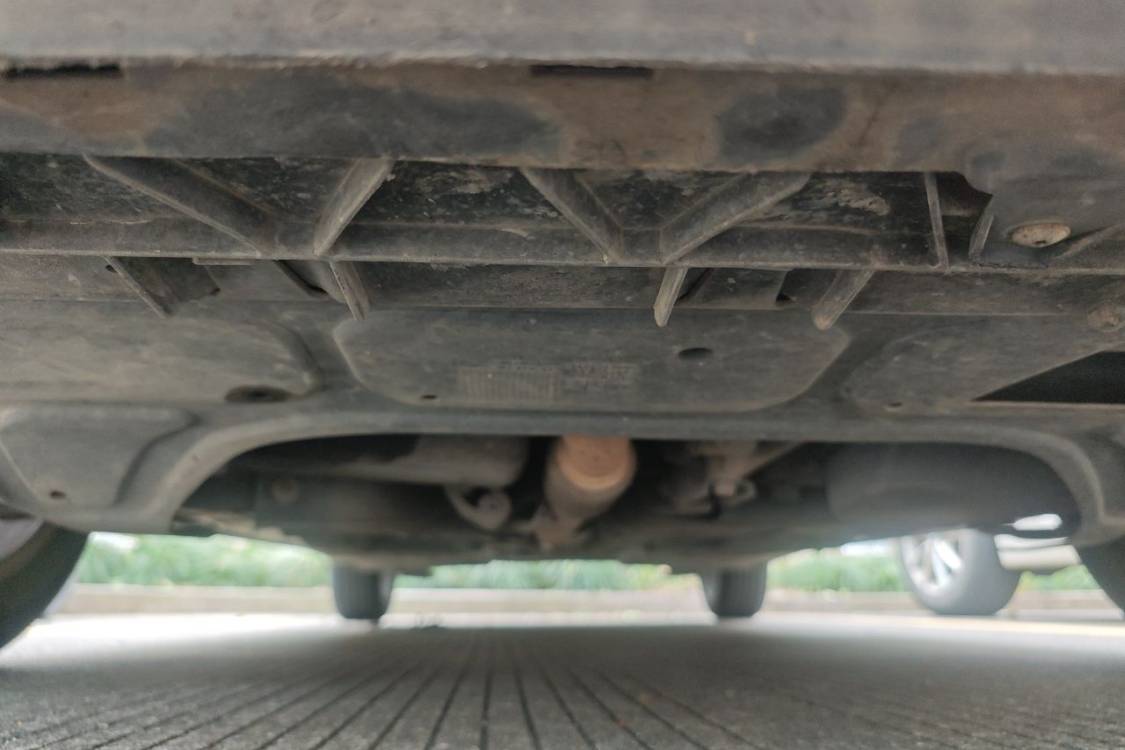
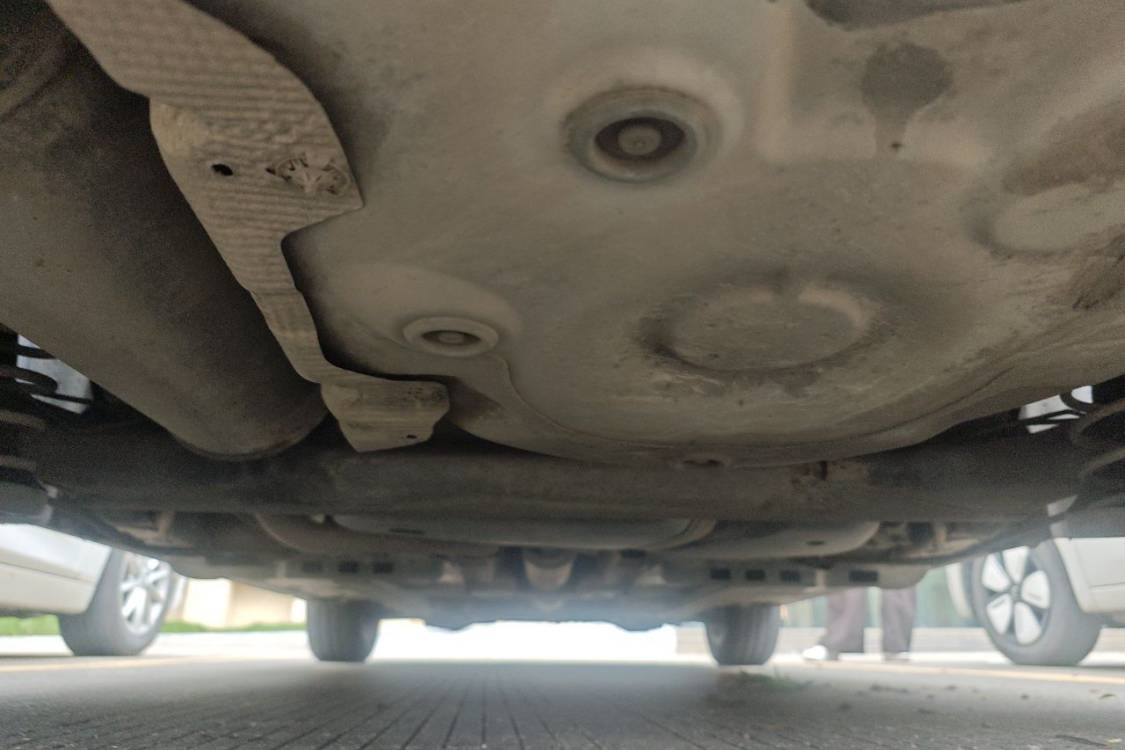
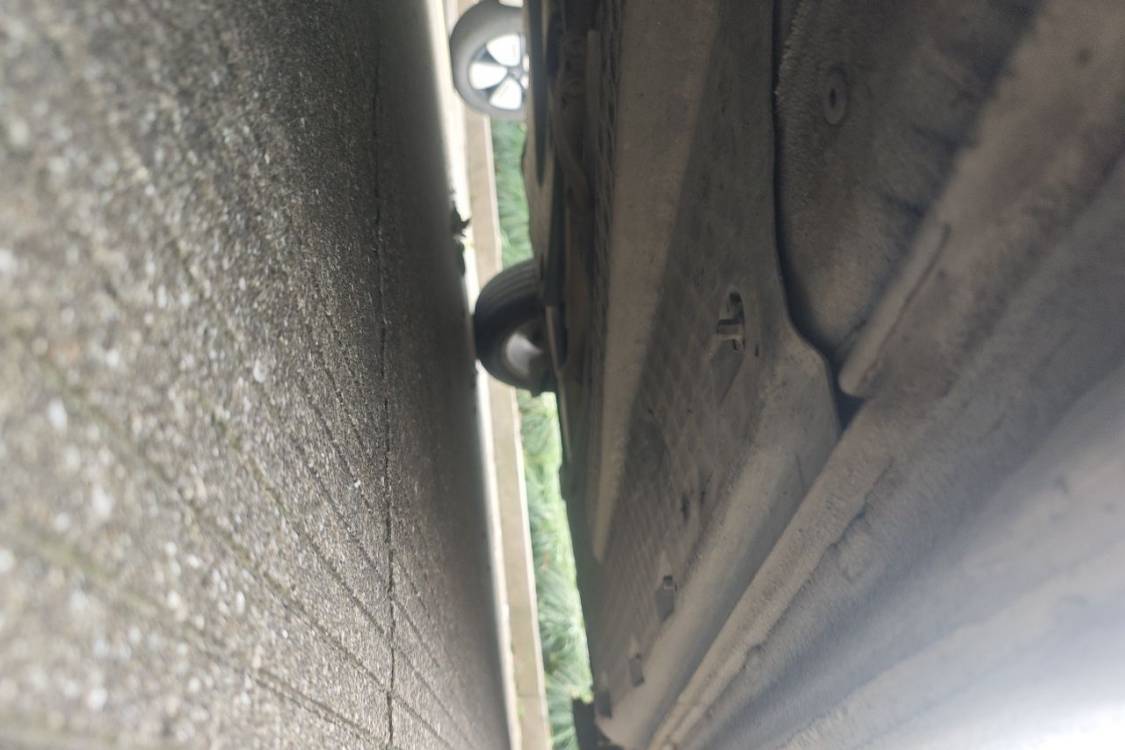
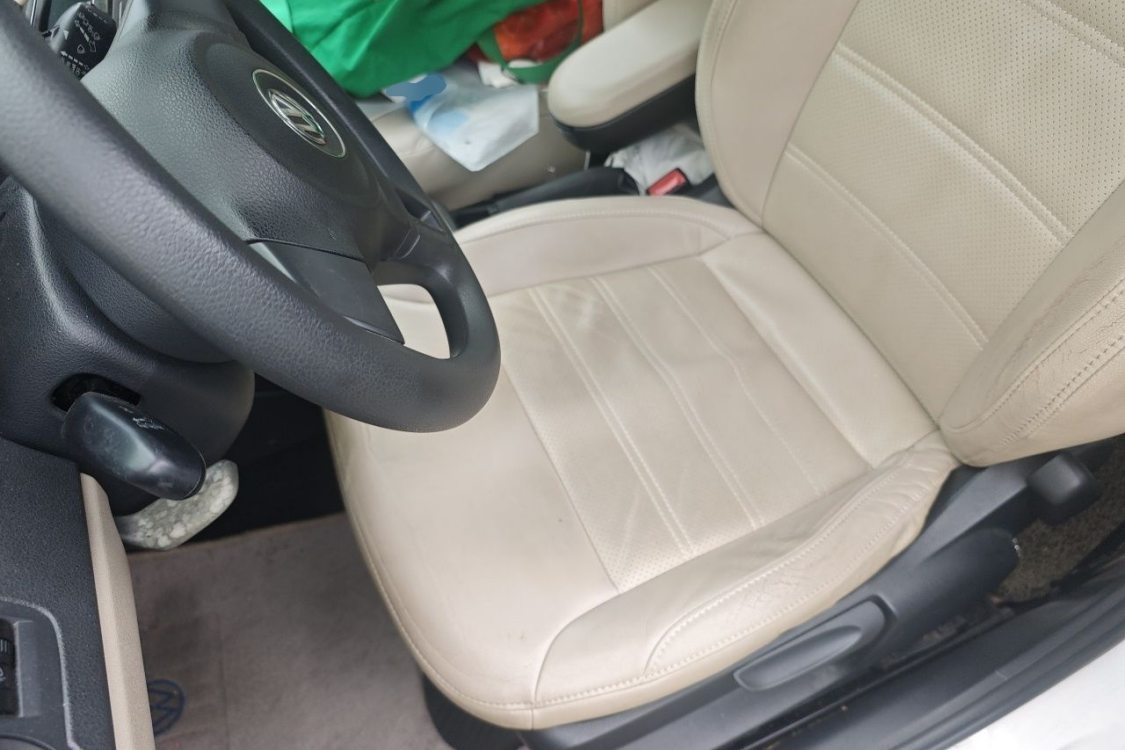
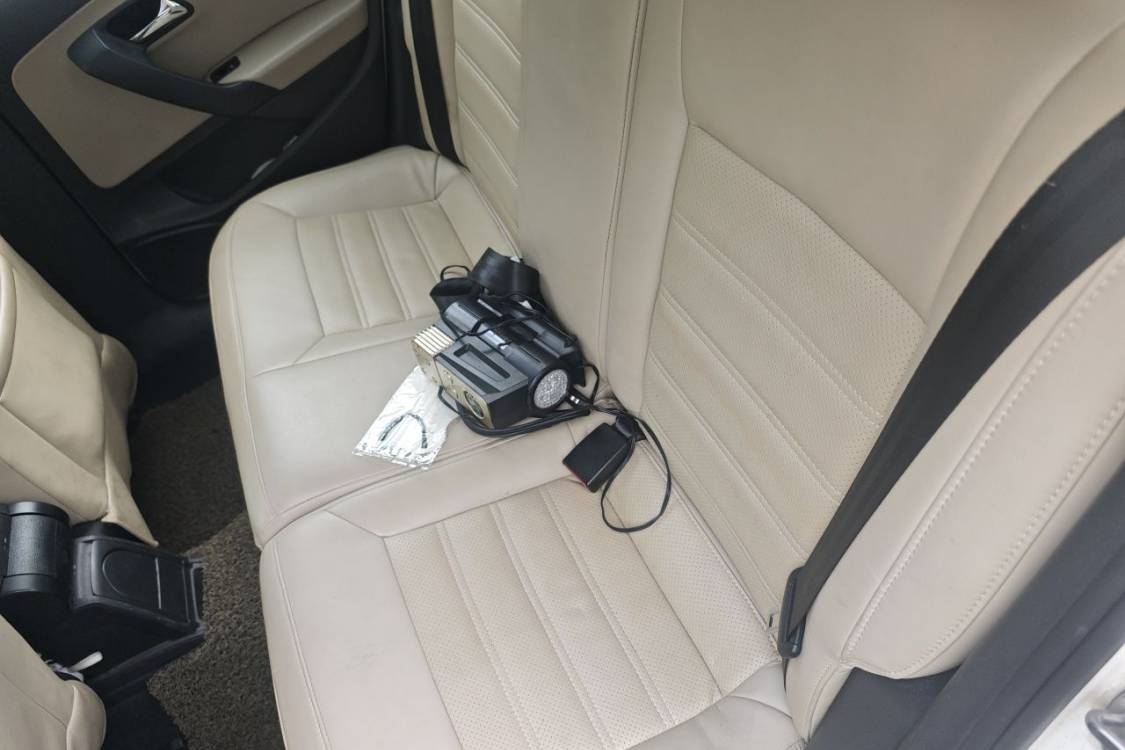
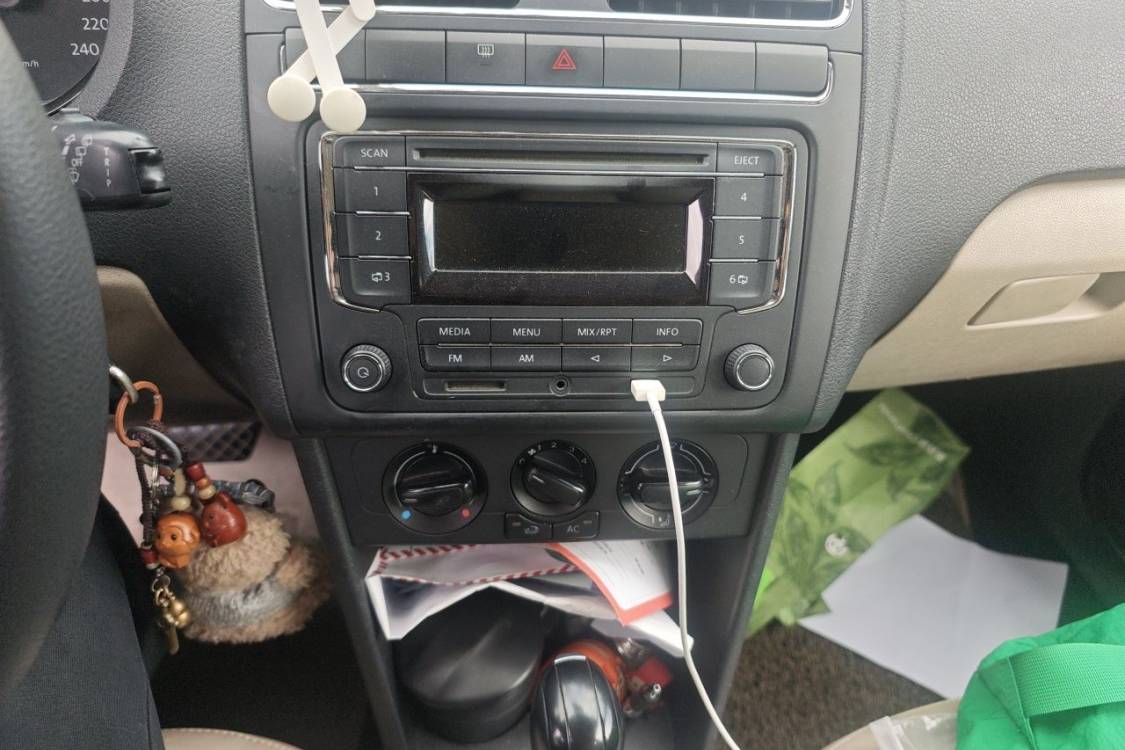
Accident inspection: main structure damaged, reinforcement parts damaged, panels damaged, hinges abnormal; engine bay: key mechanical components normal; exterior: 1 replacement, 2 panel repairs, 3 paint repairs; interior: most features normal, airbag normal, seatbelt normal, dashboard normal, instrument readings normal, lighting system normal; start-up check: main components normal; on-board tools: none.

电话直连
可讲价
平台物流
可转售
零过户
新检测标准升级>
非泡水

Document Information

Inspection Expiry Date2027/01
Warranty Expiry Date-
Insurance Expiry Date2027/01

Q&A

More

How do you assess the leak risk of vehicles with panoramic sunroofs?

We maintain an absolute skeptical attitude. In addition to regular visual inspections, we focus on checking for sediment accumulation around the sunroof drainage channels and look for water stains under the A-pillar trim and front floor mats. This is the only effective physical evidence to determine if the sunroof drainage holes are blocked, leading to hidden leaks.


What battery diagnostics should be included in the inspection of a used Chinese EV before it ships?

The battery pack is 30–50% of an EV's value, so its inspection should be the most detailed part of the pre-shipment check. Require these items: 1. BMS data readout: state of health (SOH), full-charge voltage, cell voltage deviation, cycle count, and fast-charging percentage. SOH above 90% is good; below 80% means a costly pack replacement is approaching. 2. Physical inspection: check the underbody for pack dents, coolant leaks from the battery cooling circuit, and corrosion on high-voltage connectors. 3. Range test: a real drive of at least 30–50 km, comparing energy consumption against the rated figure. A pack with poor cells overheats and depletes fast. 4. Charging test: verify both AC and DC charging work, and record charging speed and any error messages. Get the raw diagnostic data, not just a summary. If the inspector won't share the BMS report, assume the battery is the reason why.

What maintenance schedule should I follow for a used Chinese car during its first year after import?

Treat the first year as a baseline period. Do a full fluid service immediately after registration: engine oil and filter, coolant, brake fluid, and transmission fluid, since you don't know when they were last changed in China. First 1,000 km: check for loose trim, retorque wheel nuts, and listen for new noises as the car adapts to local fuel and roads. At 5,000-10,000 km: inspect brake pads and rotors, rotate tires, and scan the ECU for stored fault codes even if no warning light shows. Annually or every 15,000 km: replace the cabin and engine air filters, check the battery health (especially for hybrids and EVs), and verify that software updates from the Chinese brand's international channel apply to your car. Keep a simple log with dates and receipts. It protects any warranty claim and makes the car far easier to sell later.