


48H

Basic Information

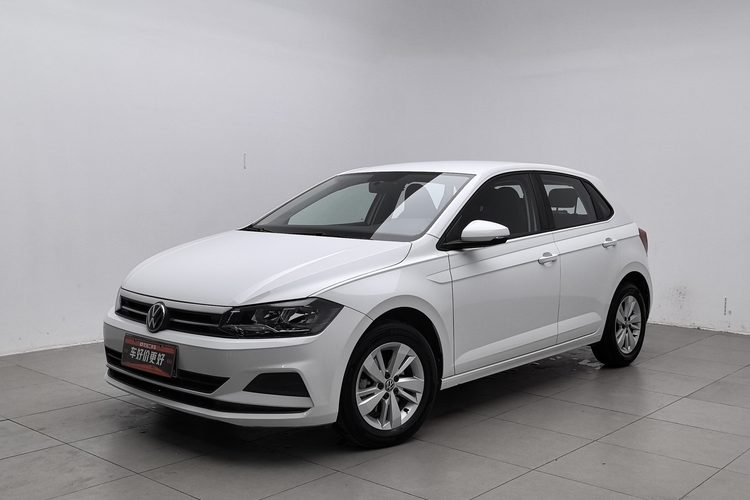
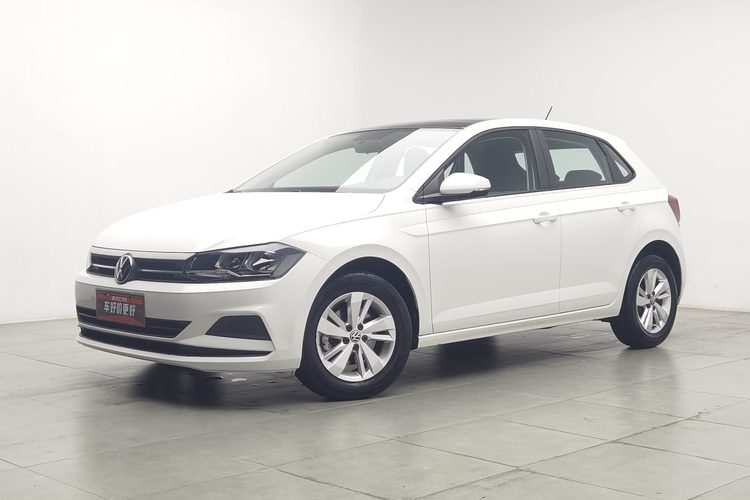
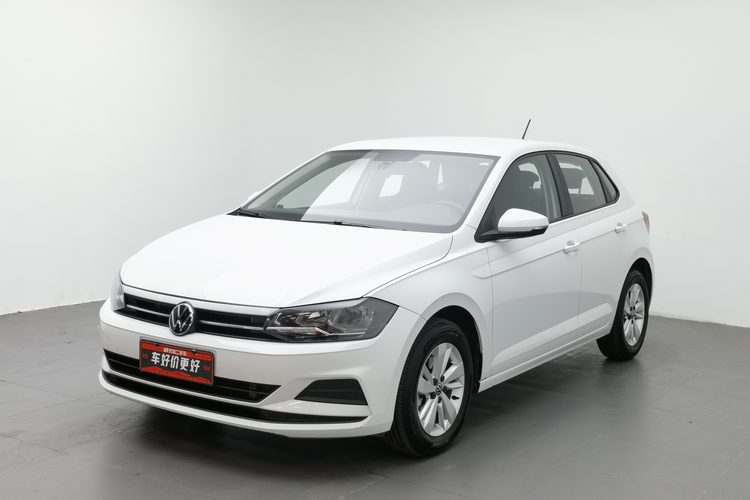
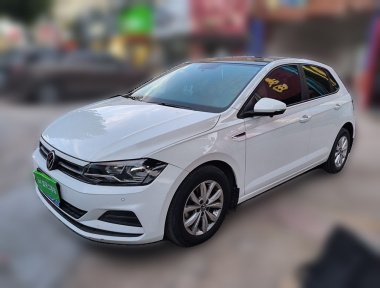
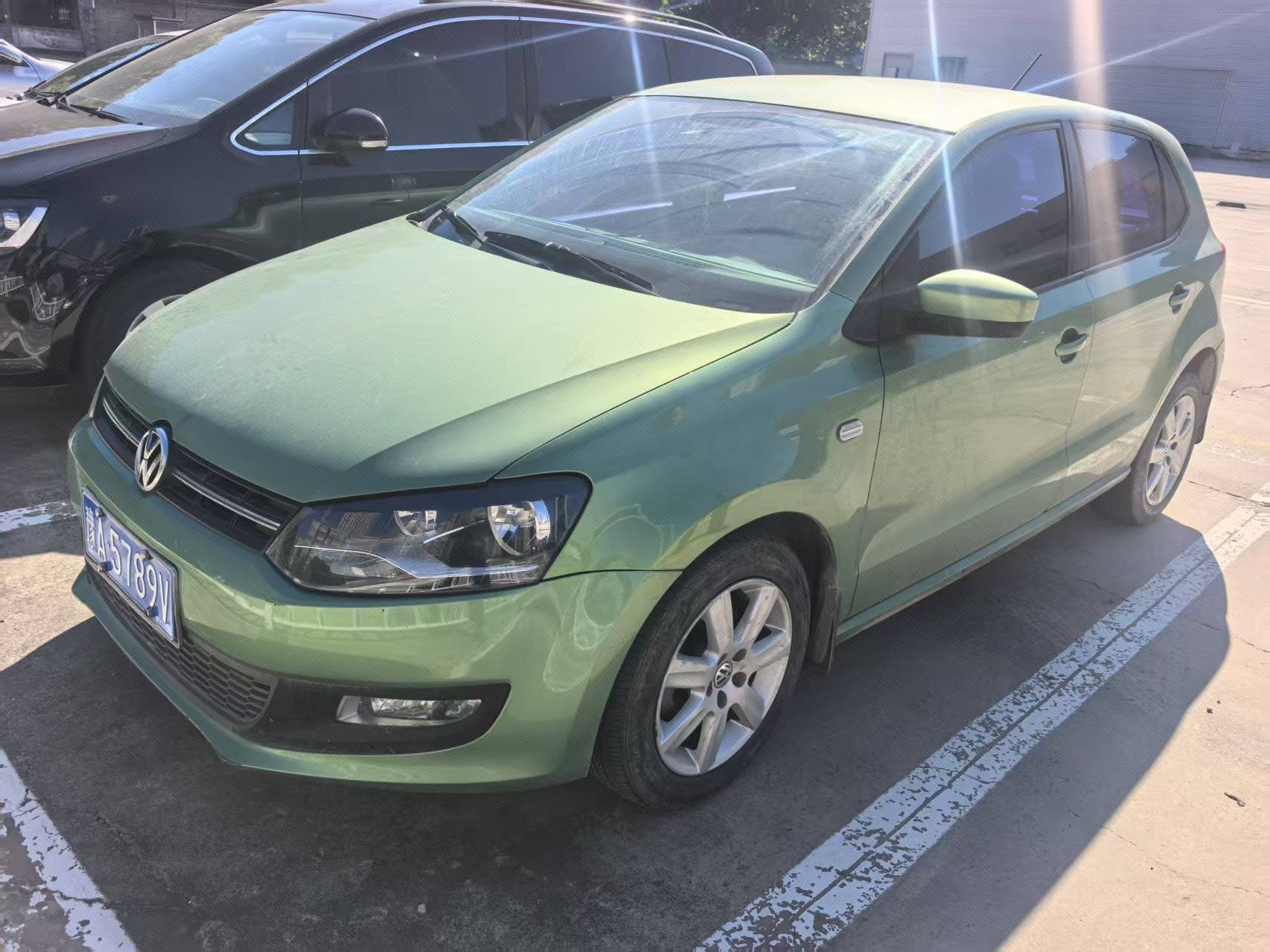
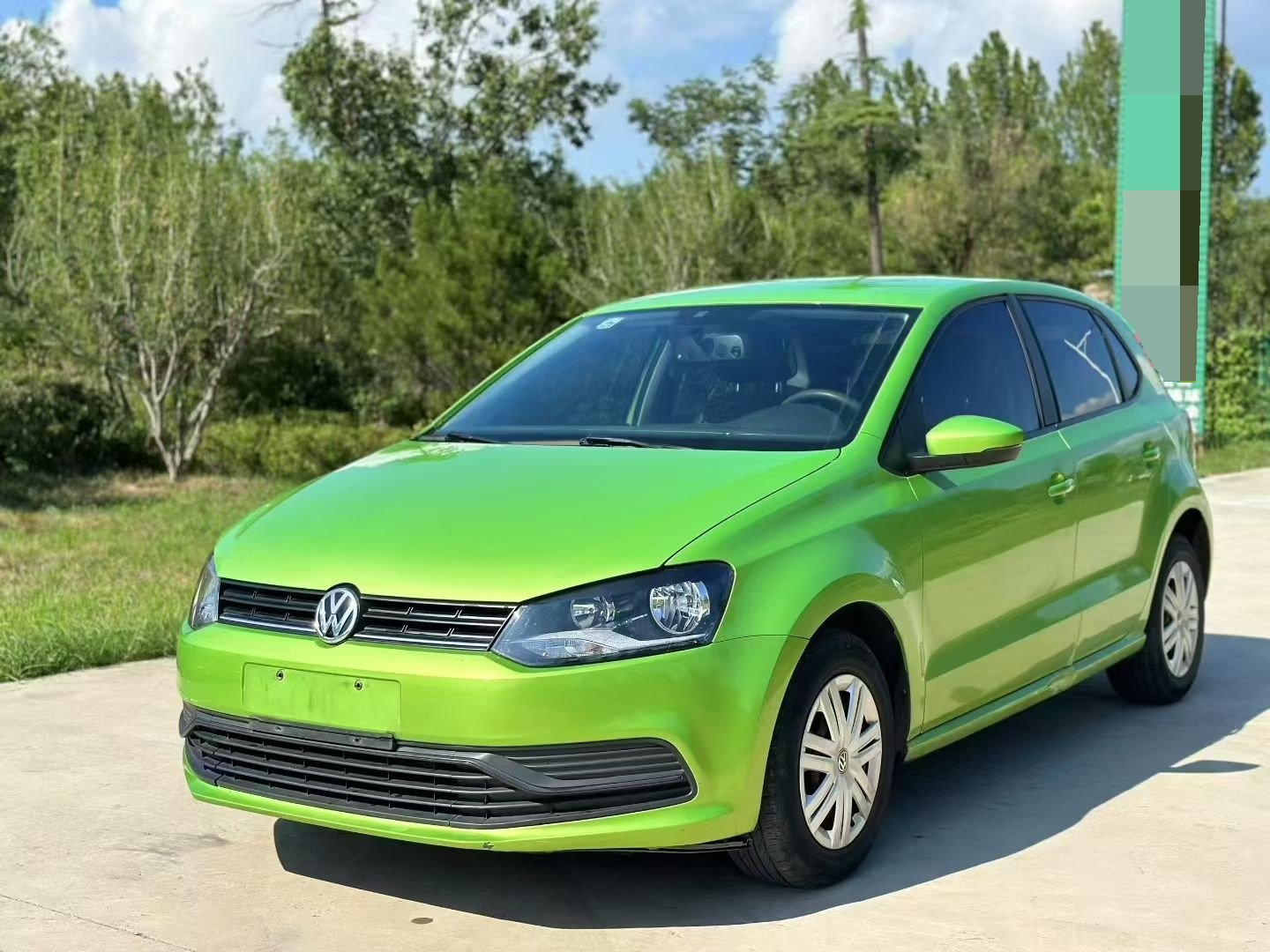
BrandVolkswagen
SeriesPolo
Year2013
First Registration2013/04
Mileage180,000km
Transfer Count0times
FuelGasoline
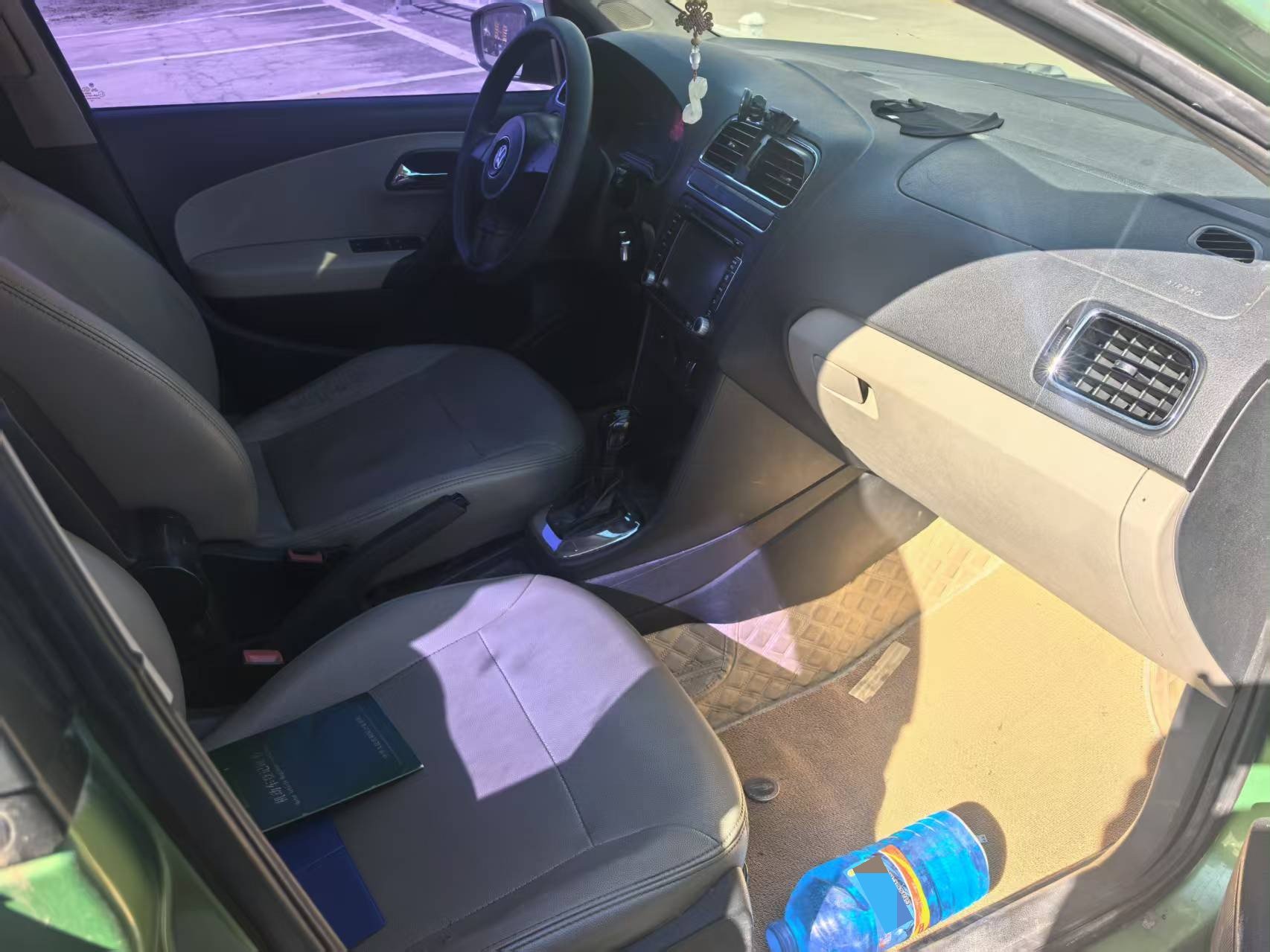
TransmissionManumatic
Engine1.4L 86 L4
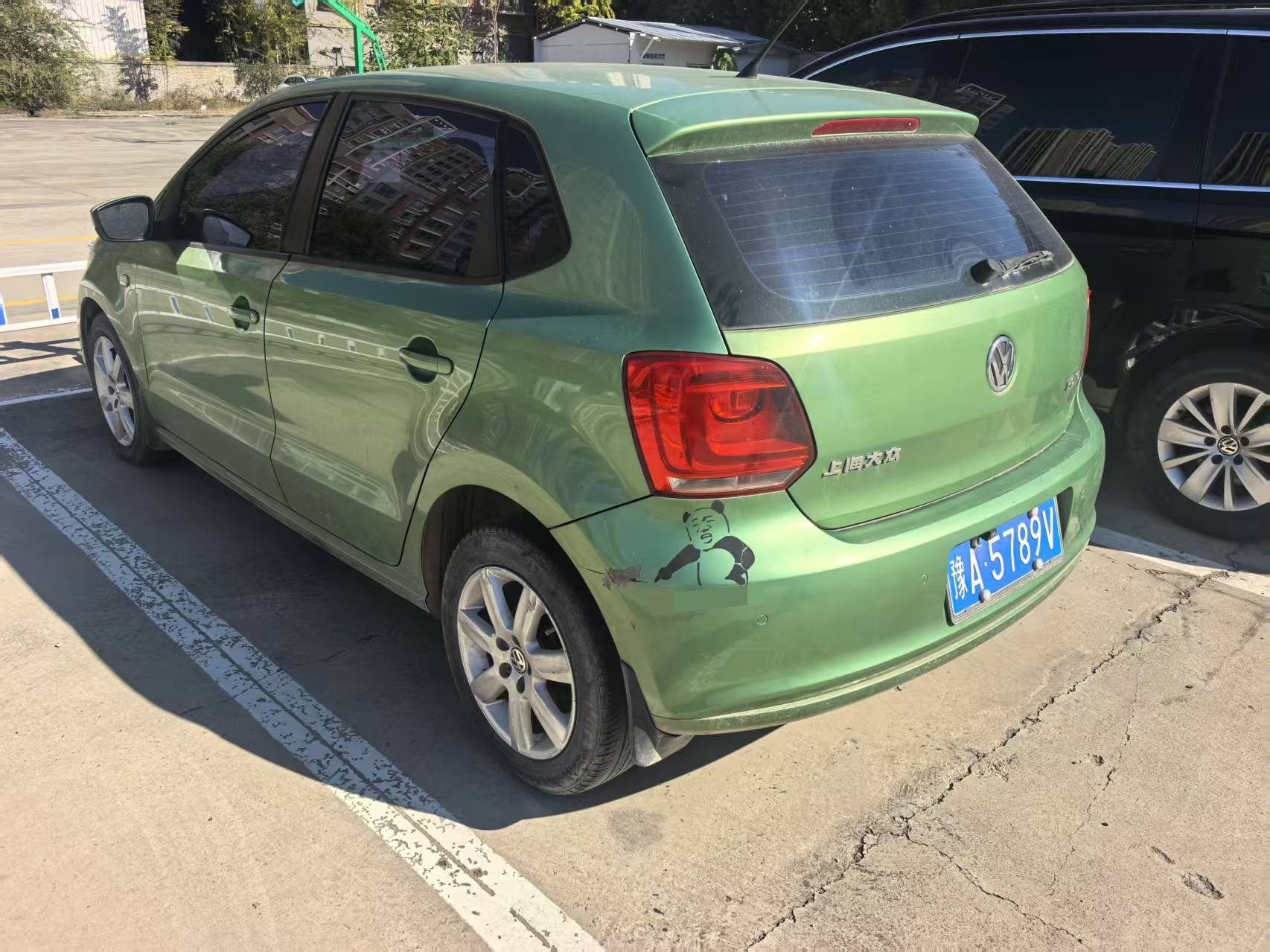
ColorGreen
Seats-

Condition Description

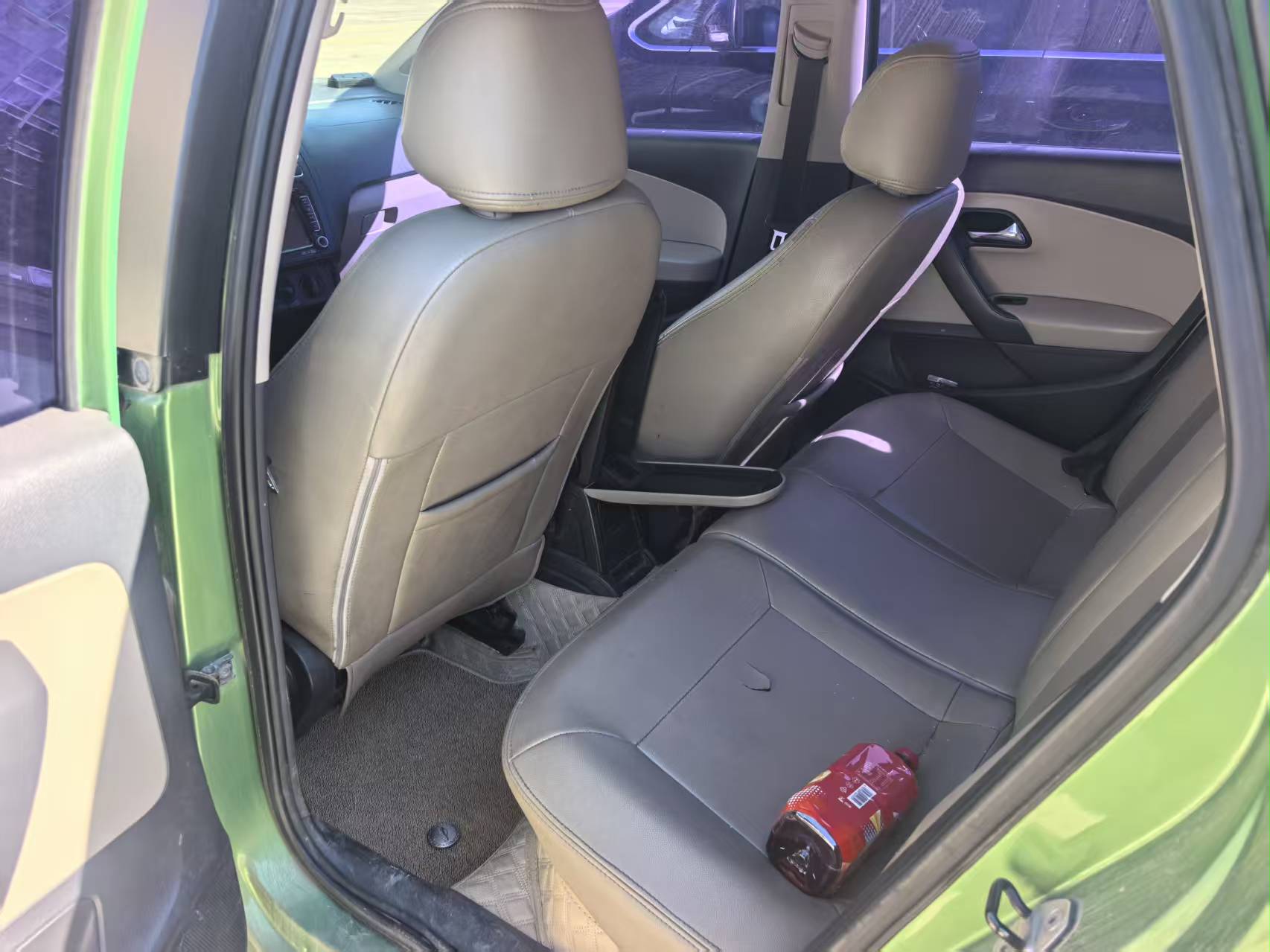
No accidents. Rear bumper requires investment (repair/replacement).

Document Information

Inspection Expiry Date-
Warranty Expiry Date-
Insurance Expiry Date2027/11

Q&A

More

How do I verify the ownership and registration history of a used car in China before buying it for export?

Verifying ownership protects you from buying a car that can't legally be exported. Start with the registration certificate (机动车登记证书), China's title document. It lists every owner change with dates. Ask the seller for clear photos of all pages — check that the current seller's name matches the latest entry. Next, ask for the seller's ID (or business license for a dealer) and confirm it matches the registration certificate. A mismatch is a red flag unless there's a documented agency arrangement. Also verify the vehicle isn't mortgaged or seized: the registration certificate has a section for mortgage records, and your inspection agent can check the official vehicle management system by VIN. Finally, confirm the car is deregistered (or can be) before export — Chinese law requires deregistration and an export certificate for used cars leaving the country. Summary: title photos, seller ID match, no mortgage flags, export-ready status. Any gap in this chain should stop the deal.


What should I check about the 12V auxiliary battery in a used Chinese EV before shipping?

The 12V battery is small but critical: when it dies, the car cannot start, unlock, or charge. Used EVs often have weak 12V batteries because they sit on lots for months. Before shipping, ask the exporter to: 1. Measure the battery voltage after the car has rested overnight. It should read around 12.4-12.8V; anything under 12.2V means the battery is degraded. 2. Start the car and check that the charging system holds 13.8-14.4V, confirming the DC-DC converter works. 3. Scan for stored fault codes related to low voltage, which indicate the battery has been deeply discharged repeatedly. During ocean freight, the battery slowly self-discharges. Ask that it be disconnected or kept on a maintainer before loading, and budget for a replacement after arrival if the battery is over 3 years old. A new 12V battery costs little compared to being stranded at the port.

What engine checks beyond a cold start should a pre-purchase inspection of a used Chinese car include?

A cold start tells you a lot, but it isn't enough. Ask your inspector for these additional checks: Compression test: measures cylinder pressure in each cylinder. Consistent readings across cylinders mean healthy piston rings and valves; one low cylinder suggests internal wear. Timing system: listen at idle and at 2000 rpm for chain rattle or belt squeal. On turbo engines, check for play in the turbo shaft and oil in the intake piping. Exhaust analysis: blue smoke means oil burning (worn rings or valve seals); white sweet-smelling smoke can mean head gasket issues; black smoke points to running too rich. Fluid condition: engine oil on the dipstick should not smell burnt or look milky; coolant should be clean without oil traces. Fault codes: a full OBD scan beyond pending codes — look at misfire counters, fuel trim values, and any history codes that were recently cleared. Ask for photos of the dipstick, exhaust at idle and revving, and the live OBD data. These give you an objective engine health record.