


24H

Basic Information

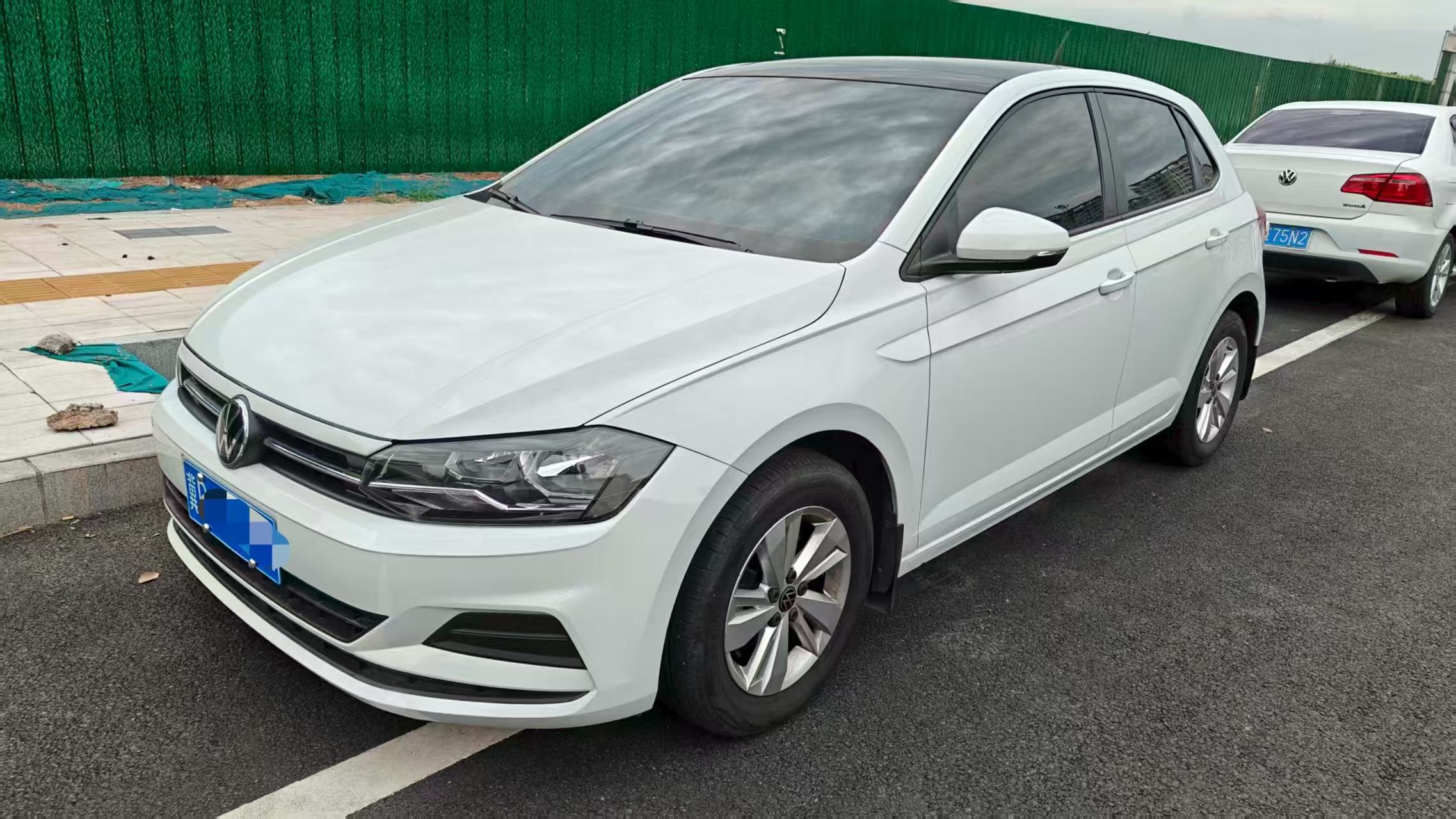
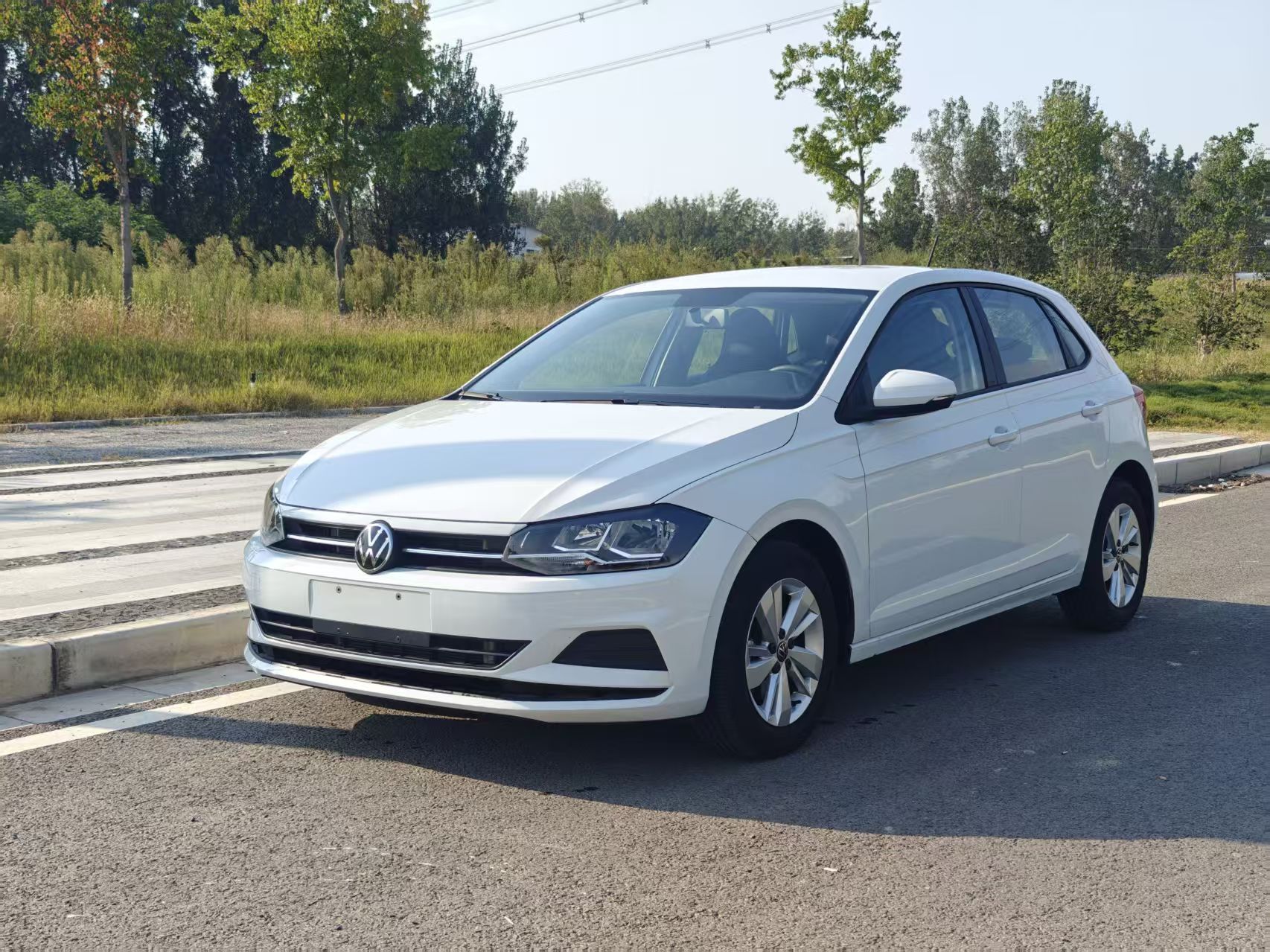
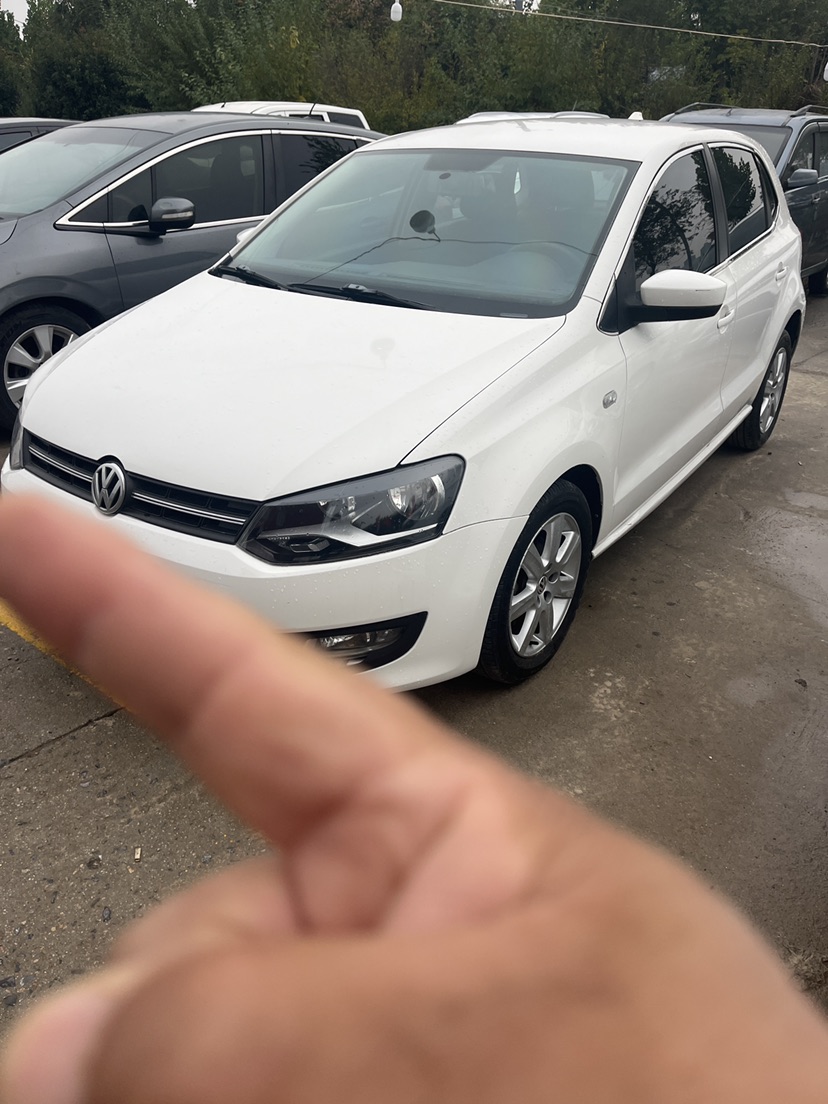
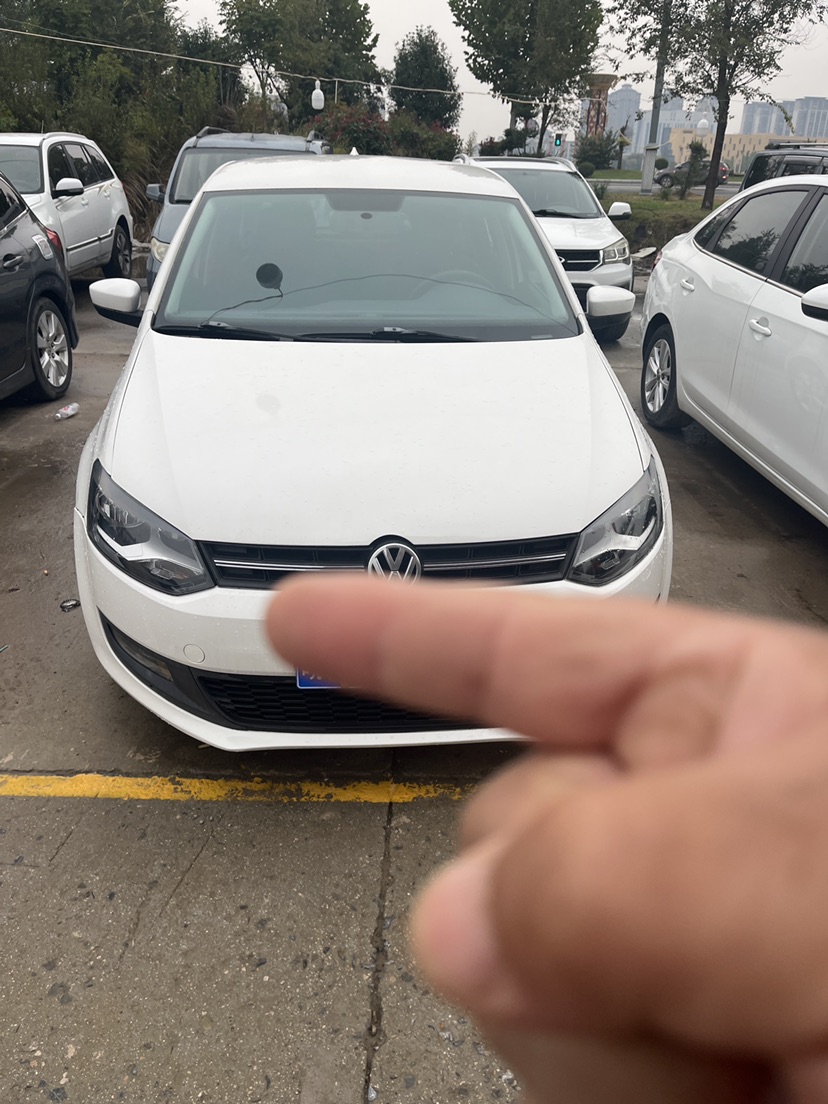
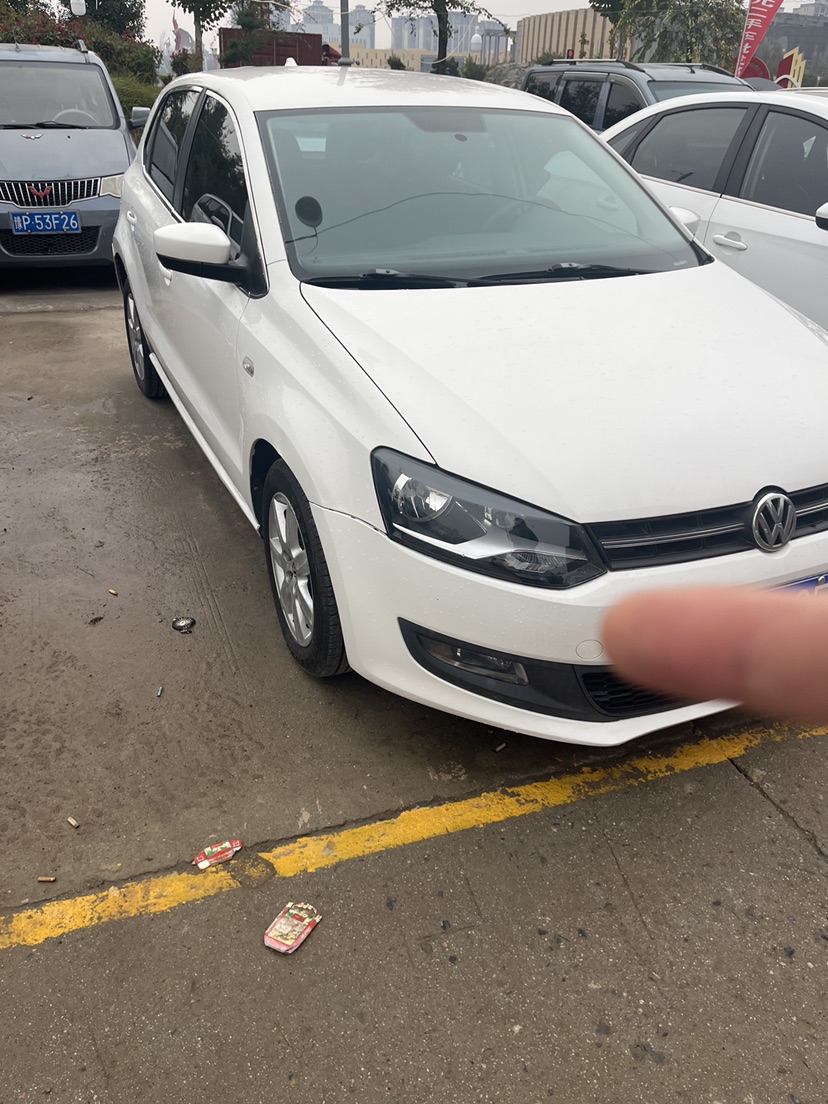
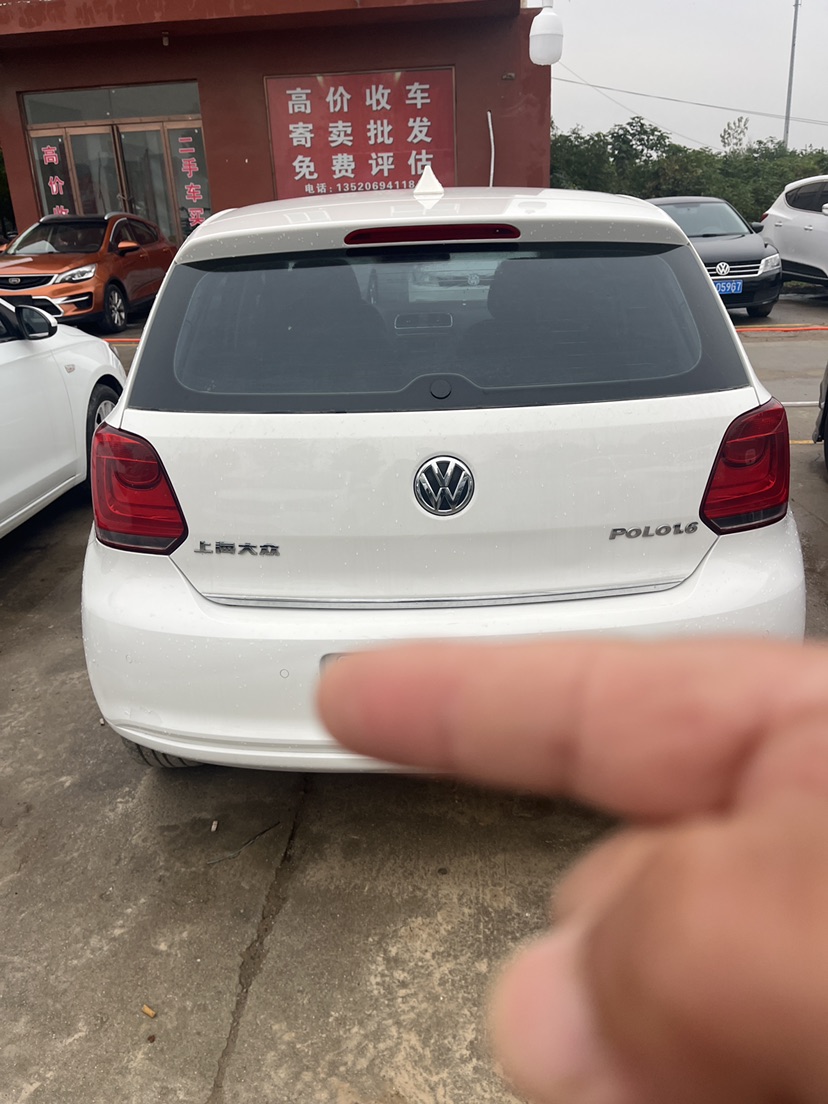
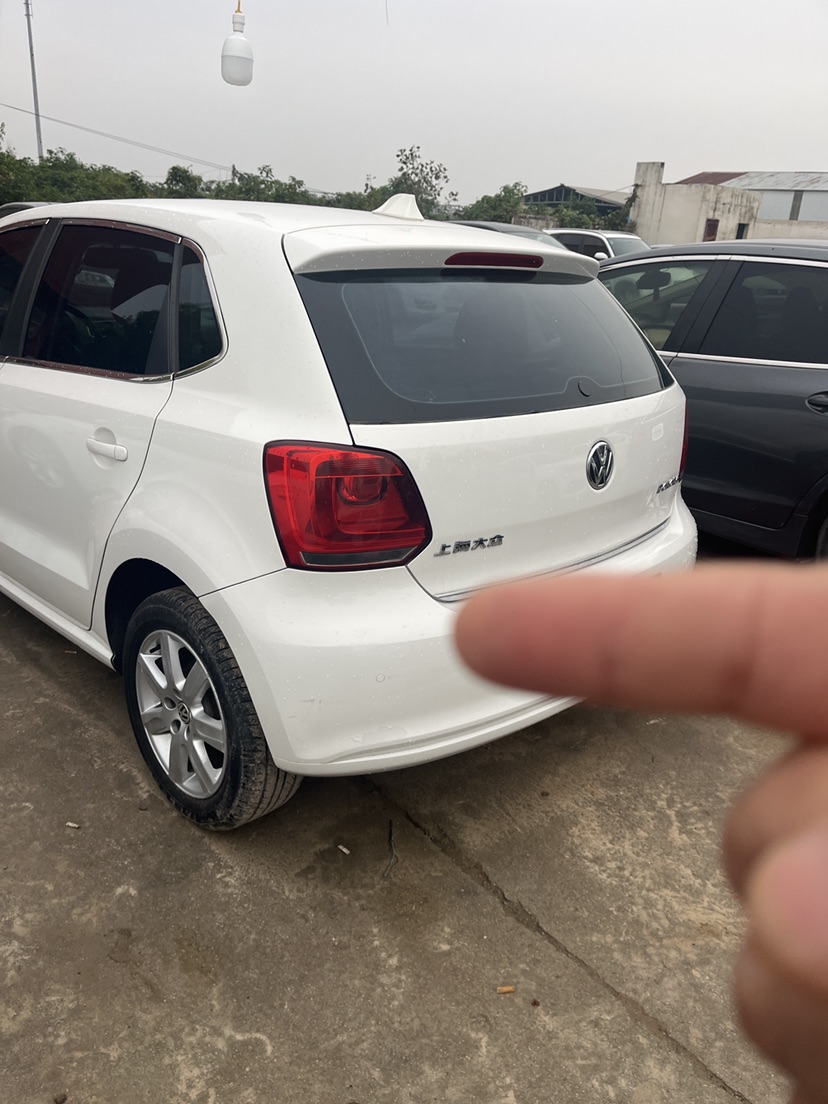
BrandVolkswagen
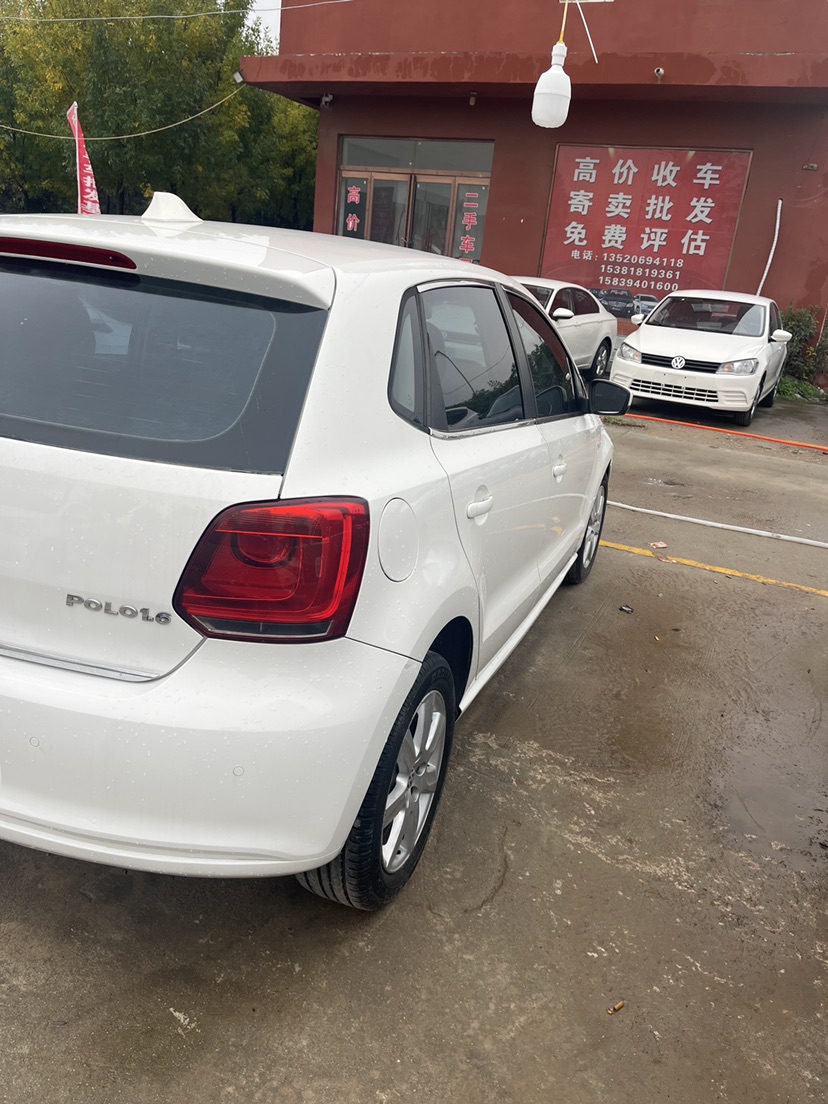
SeriesPolo
Year2013
First Registration2013/04
Mileage100,000km
Transfer Count1times
FuelGasoline
TransmissionManumatic
Engine1.6L 105 L4
ColorWhite
Seats-

Condition Description

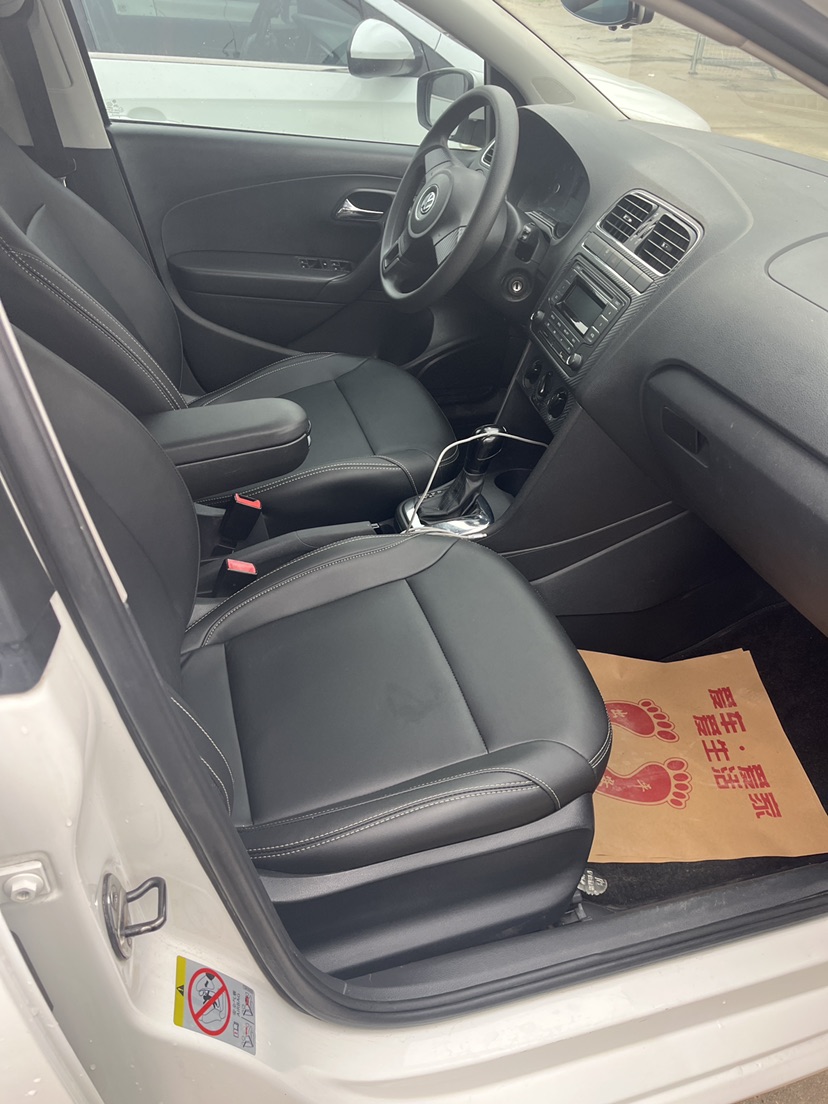
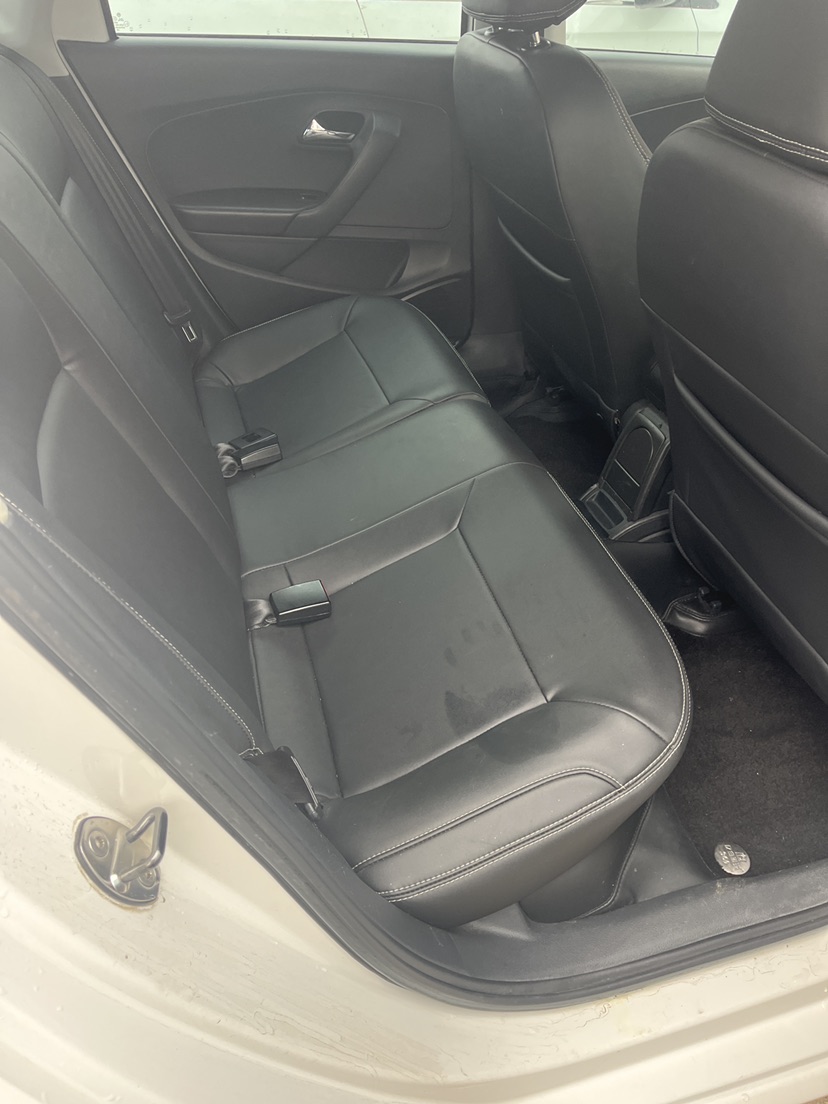
Original condition, actual odometer 100,000 km

燃油车
轿车
自动
维保开放
事故开放
查验开放

Configuration Highlights

✓品牌: 大众
✓车系: Polo
✓车型: 2013款 1.6L 自动舒适版
✓车身类型: 轿车
✓座位数: 5
✓排量: 1.6L
✓变速箱: 自动
✓能源类型: 燃油车
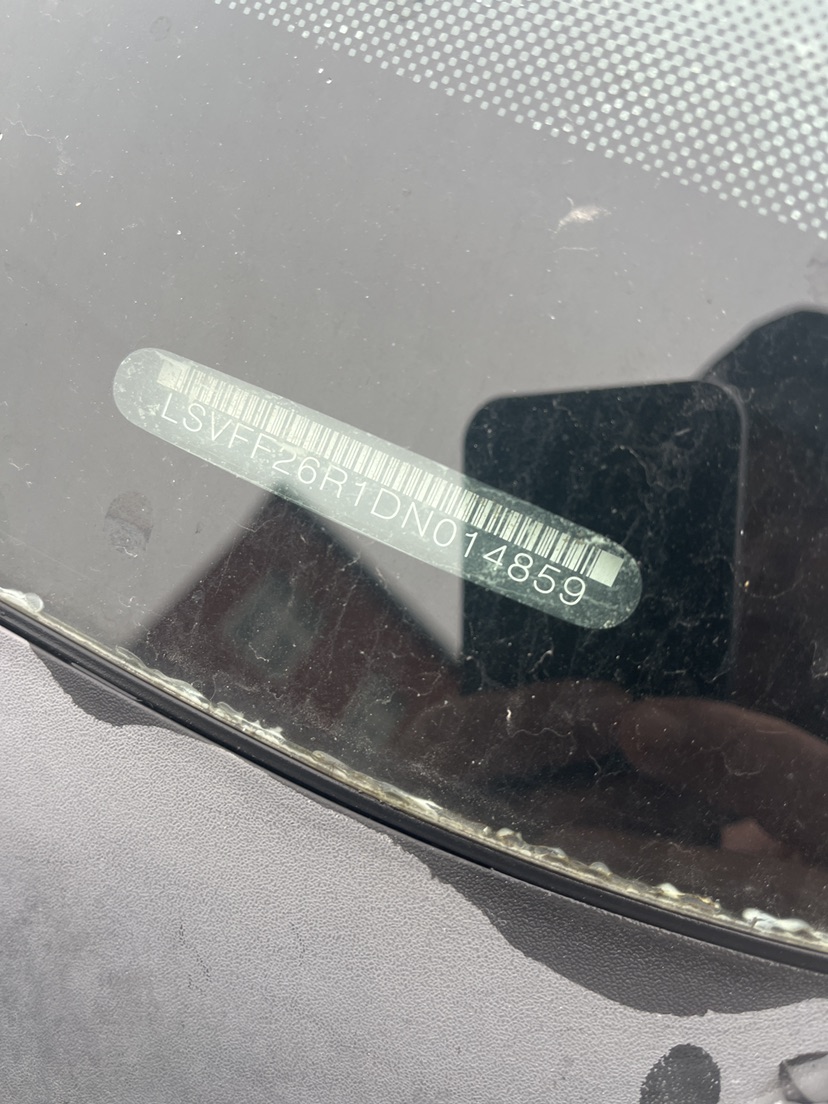
✓VIN: LSVFF26R1DN014859
✓搜索关键词: 大众Polo 2013款Polo1.6L自动舒适版

Document Information

Inspection Expiry Date2027/04
Warranty Expiry Date-
Insurance Expiry Date2027/04

Q&A

More

How long is your quotation valid? What is the basis for re-quoting after it expires?

Our FOB vehicle quotes are typically valid for 72 hours (as domestic retail vehicle sources can be sold at any time); sea freight quotes are valid for 7 to 14 days (depending on shipping line changes). After expiration, prices need to be recalculated based on real-time exchange rates and domestic procurement conditions.


How do I assess rust and underbody condition in a used car from China when buying remotely?

Rust is one of the most underestimated problems in remote buying. Request specific evidence: photos of the underbody, wheel arches, door sills, and around the windshield seal; close-ups of suspension mounting points; and ideally paint thickness readings across panels (factory paint is typically 80-120μm; heavy patches suggest bodywork). Northern Chinese cars may have winter road-salt corrosion; coastal cars can show surface rust on exposed metal. Surface rust on exhaust and bolts is normal—structural rust on frame rails, subframes, or brake lines is a deal-breaker, especially if the car is headed to a humid or coastal market. Have the inspector tap suspicious areas during the video call: flaky or bubbling metal sounds hollow. Walk away if the seller refuses underbody photos.

How to check the condition of the turbocharger (oil leaks, unusual noises, insufficient pressure) for turbocharged vehicles?

Experience turbo lag and power surge during road tests; check for significant oil accumulation at the turbo intake and intercooler connections (slight oil vapor is normal); and use OBD to read the real-time boost pressure peak to see if it meets factory settings.