Basic Information

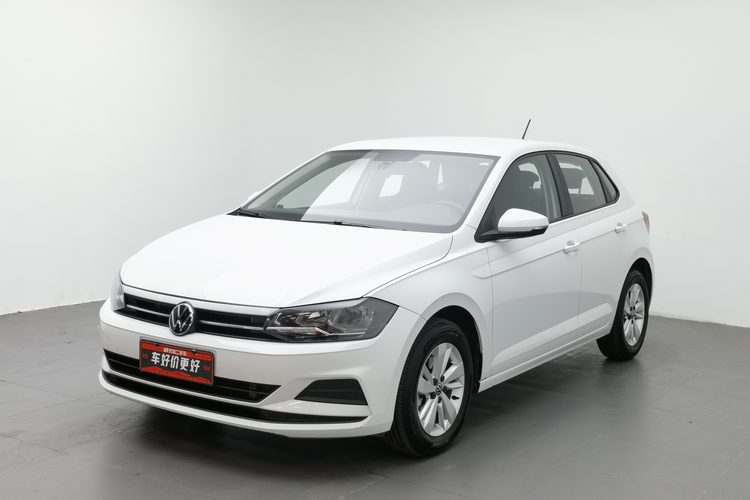
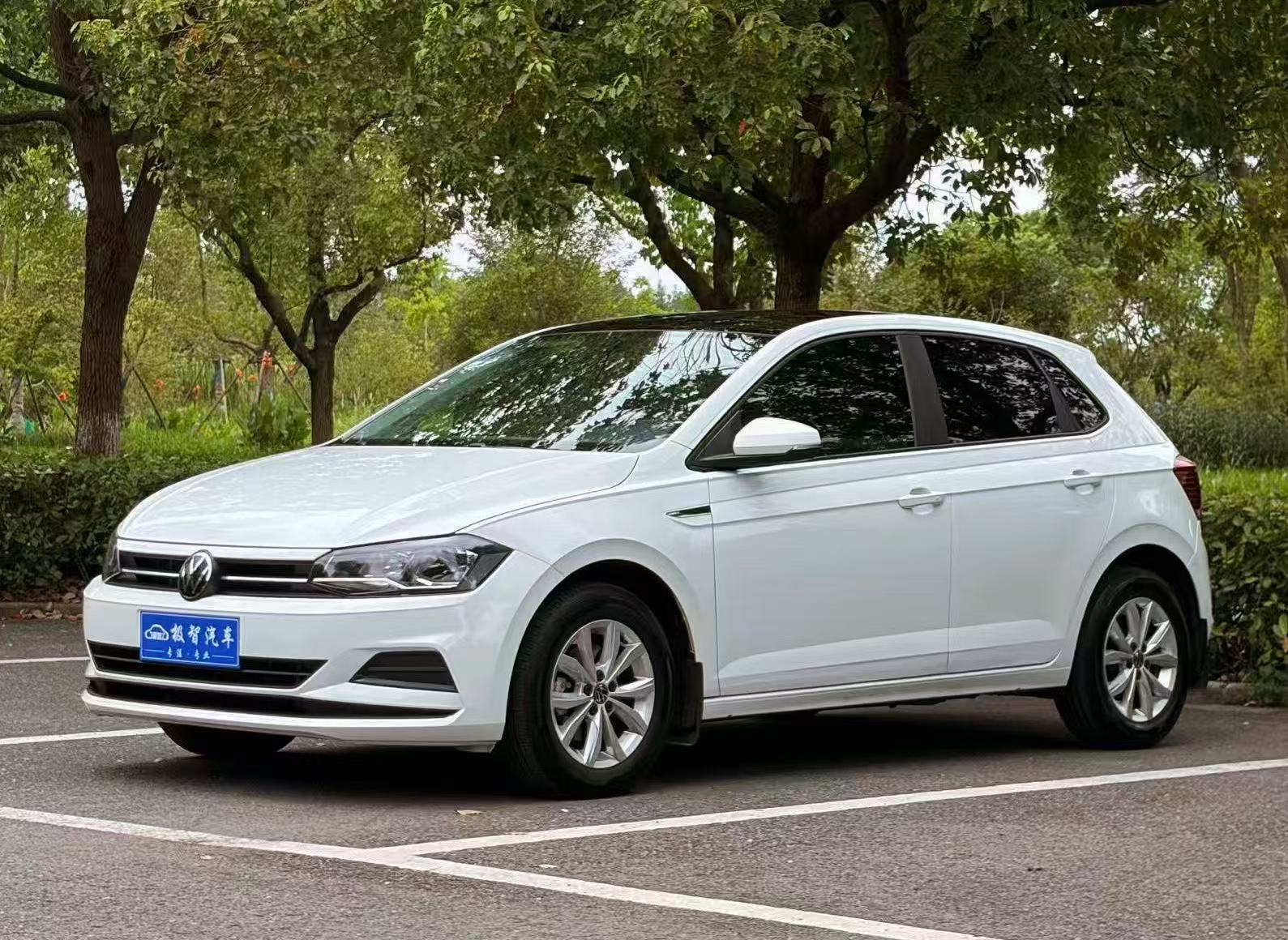
BrandVolkswagen
SeriesPolo
Year2013
First Registration2013/09
Mileage99,900km
Transfer Count1times
FuelGasoline
TransmissionManumatic
Engine1.6L 105 L4
ColorWhite
Seats-

Condition Description

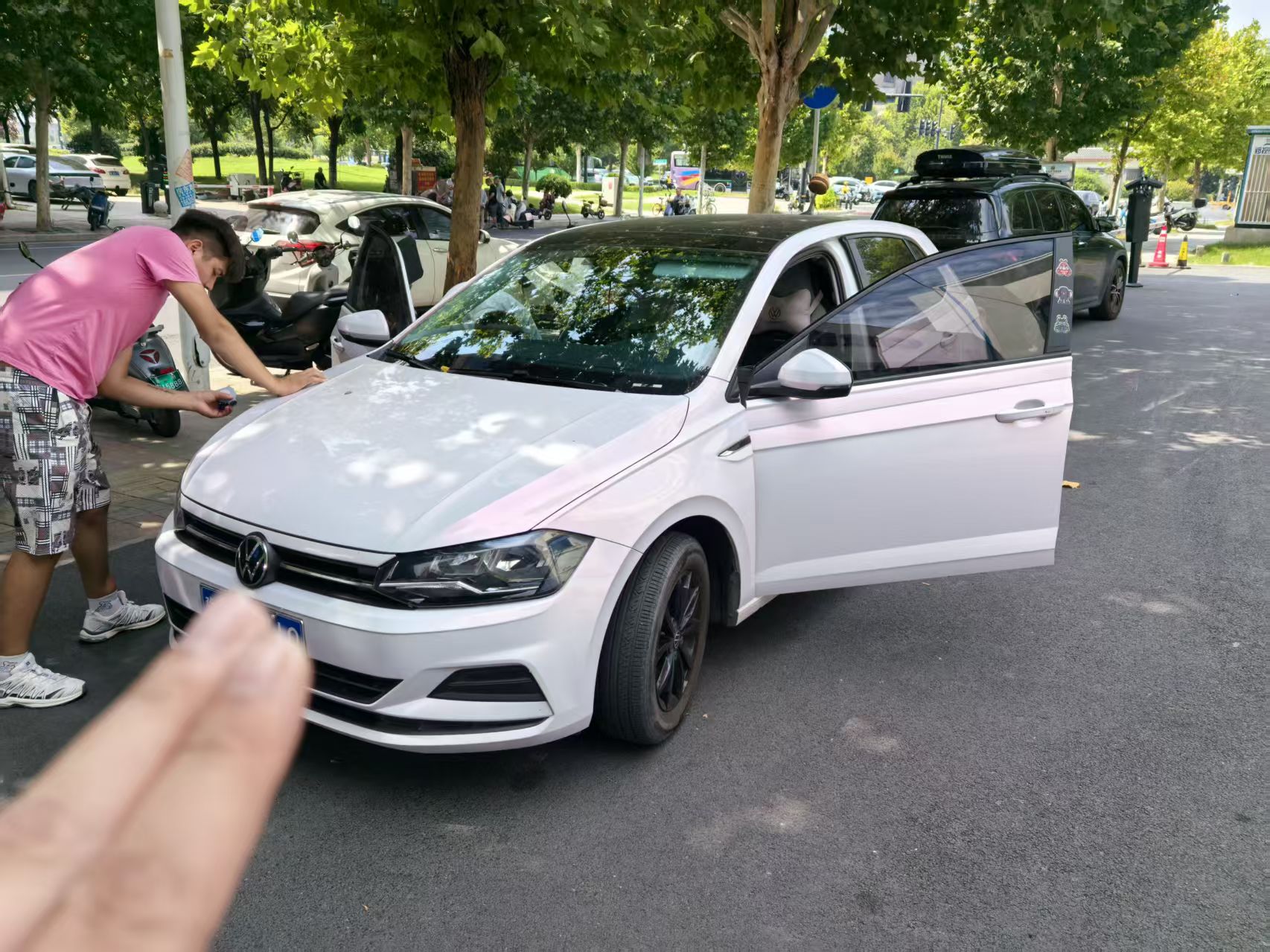
Localized body damage or repair marks present. No accident-related damage or repairs to structural or reinforcement components. Vehicle performance (including three-electric system) has degraded or is limited.

Accident inspection: main structure damaged, reinforcement parts undamaged, cover panels damaged, hinges abnormal. Engine bay: key mechanical components normal. Exterior: 1 replaced part, 3 sheet metal repairs, 4 repainted areas. Interior: most features normal, airbags normal, seatbelts normal, dashboard normal, instrument cluster normal, lighting system normal. Startup inspection: main components normal. Onboard tools: none.

电话直连
可讲价
平台物流
可转售
新检测标准升级>
非泡水

Document Information

Inspection Expiry Date2027/09
Warranty Expiry Date-
Insurance Expiry Date-

Q&A

More

Will my SWIFT international wire transfer be delayed due to intermediary bank issues, causing the vehicle to be resold?

As long as you provide us with a genuine and valid bank SWIFT MT103 wire transfer message (receipt) within the payment deadline specified in the contract, we will reserve the vehicle and continue with the port operations, even if the funds are held up in the intermediary bank for several days.


I need a complete historical background report on this car. Can you provide an English version?

The core background report we provide (including basic information, mileage verification, and accident investigation conclusions) supports both Chinese and English outputs to ensure that overseas buyers or your end customers can read it without barriers.

What is a battery SOH certificate and why does it matter when buying a used EV from China?

SOH (State of Health) measures the battery's remaining capacity as a percentage of its original capacity. Two EVs with the same mileage can have very different SOH depending on charging habits and climate exposure, and since the battery represents 30-50% of a used EV's value, the SOH number is effectively the real price tag. A proper certificate includes current SOH percentage, cell voltage balance, charge cycle counts, battery management system fault codes, and often a projected range estimate. In hot-climate markets like the Gulf, a degraded battery degrades even faster, so a documented SOH above 85-90% is strongly recommended. Exporters who provide verified SOH certificates close deals faster and command better prices, so treat the certificate as a core purchase document, not an extra.