Basic Information

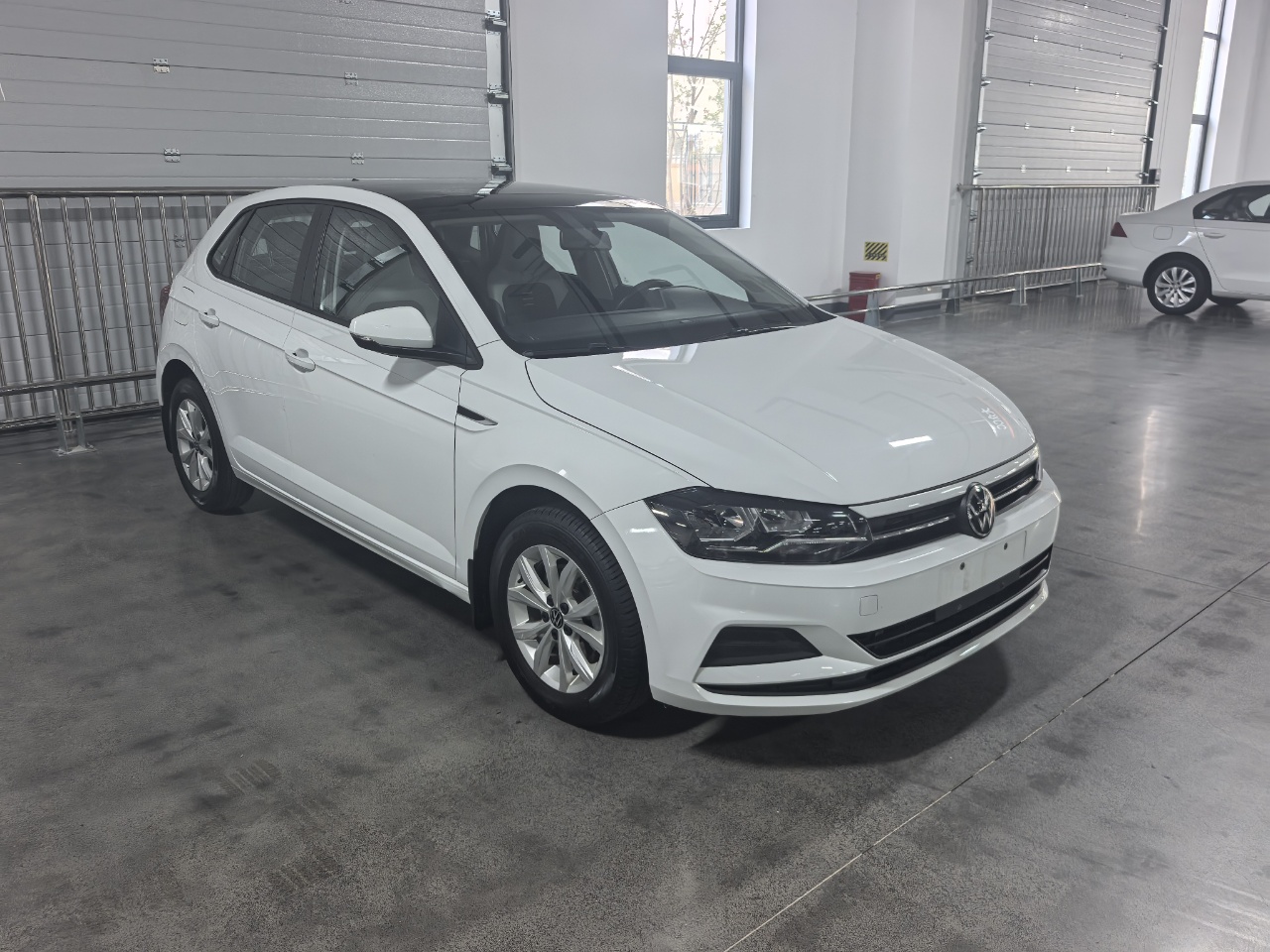
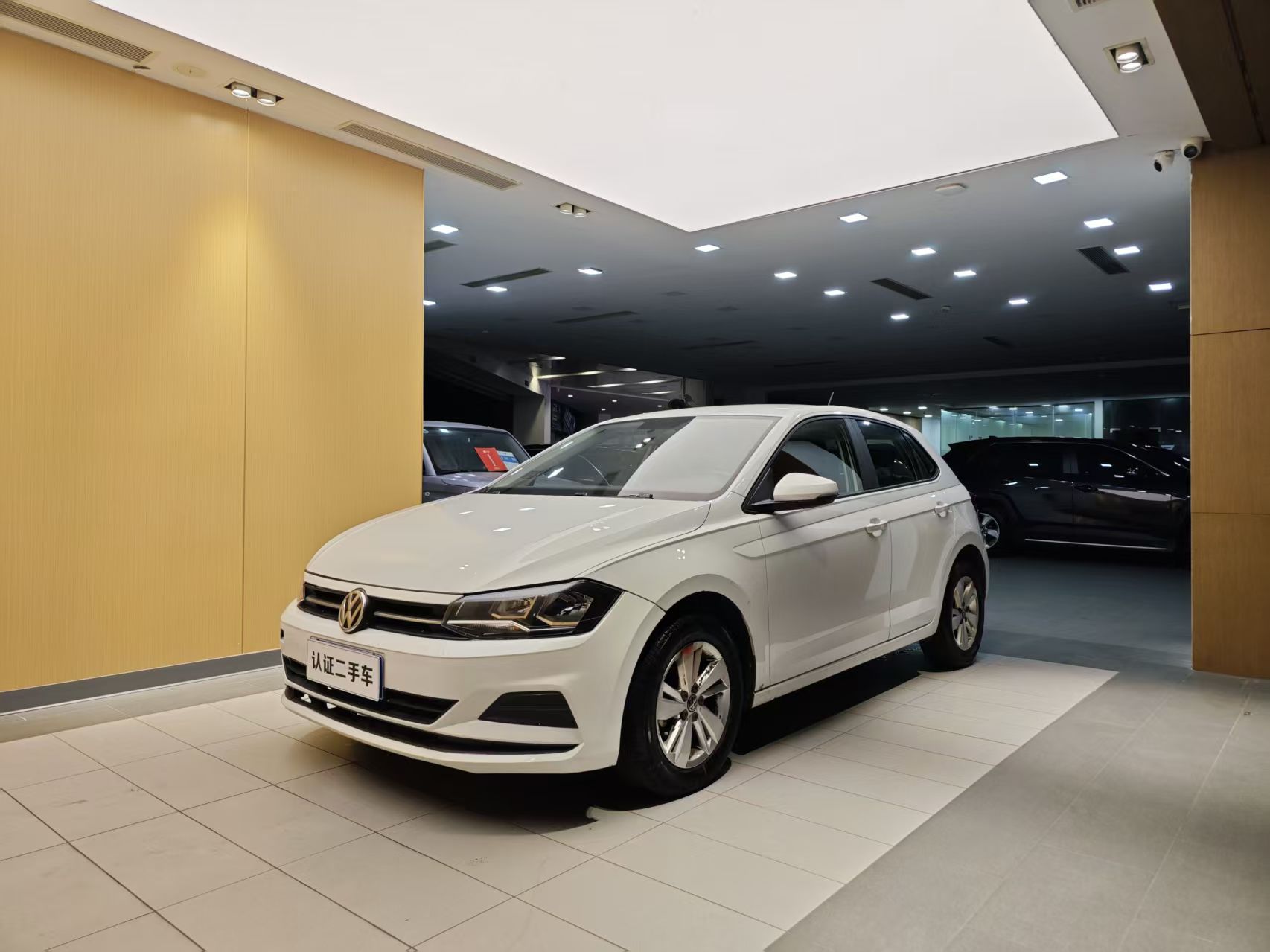
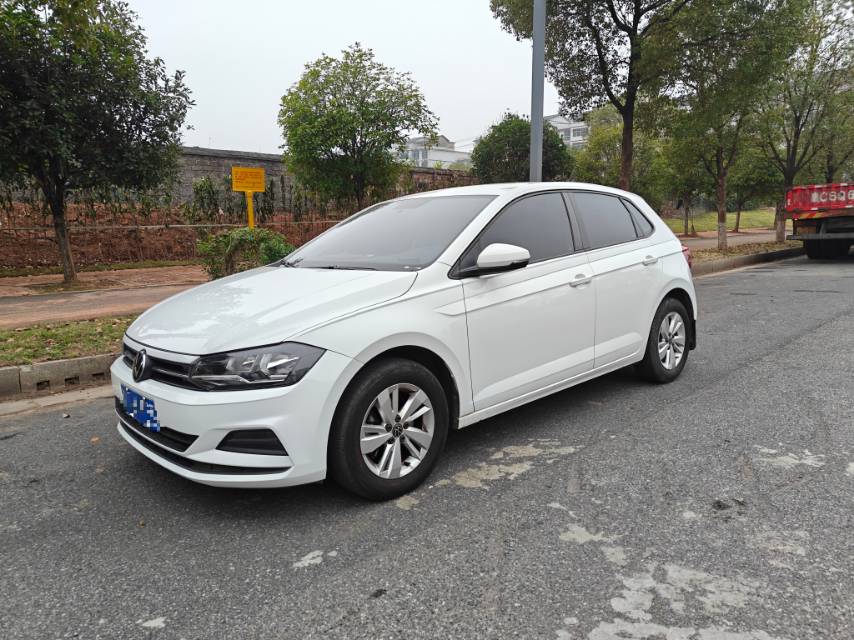
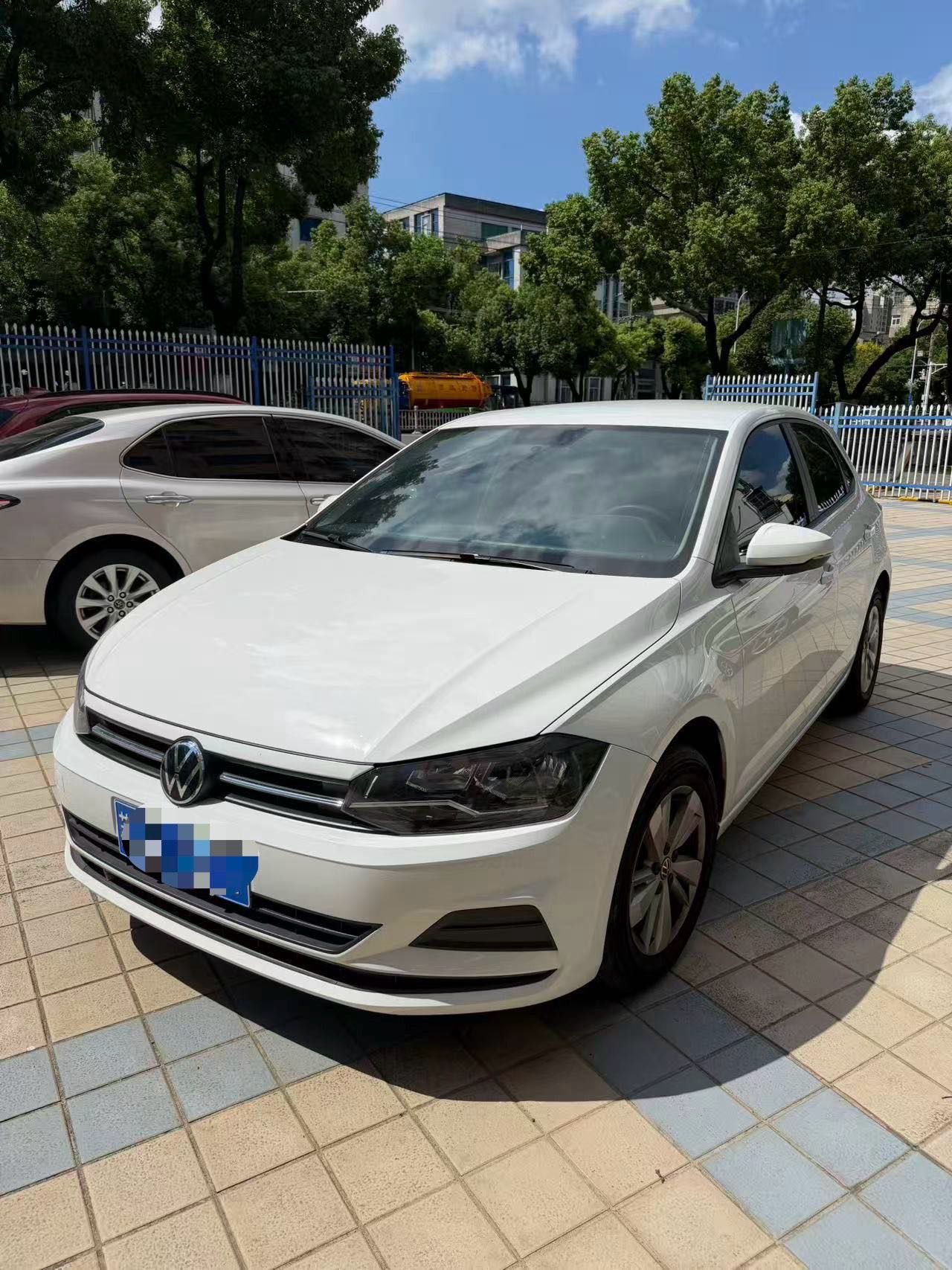
BrandVolkswagen
SeriesPolo
Year2013
First Registration2013/09
Mileage82,100km
Transfer Count-
FuelGasoline
TransmissionManumatic
Engine1.6L 105 L4
ColorYellow
Seats-

Condition Description

Localized body damage or repair marks present. No accident damage or repairs to structural or reinforcement components. Vehicle performance (including three-electric system) has degraded or is limited.

Accident inspection: main structure undamaged, reinforcement components undamaged, cover panels damaged, hinges normal. Engine bay inspection: key mechanical components normal. Exterior: none. Interior: most features normal, airbag system normal, seatbelts normal, dashboard normal, instrument cluster normal, lighting system normal. Startup inspection: main components normal. Onboard tools: none.

电话直连
可讲价
平台物流
可转售
车主降价
零过户
新检测标准升级>
非泡水

Document Information

Inspection Expiry Date2027/09
Warranty Expiry Date-
Insurance Expiry Date2027/09

Q&A

More

How to use technology to verify that a vehicle's emissions standards comply with our country's import regulations.

Our technical report will read the environmental information from the vehicle's factory-issued documentation (including certifications like National V, National VI, etc.). You need to submit the specific emission limit data we provide (such as grams of CO, THC, NOx emissions) to your country's environmental or customs authorities for compliance comparison.


What are the specific thresholds for tiered pricing (Volume Discount) in B2B bulk purchasing?

Our bulk discounts are not simply calculated by the number of units, but by shipping batches. Typically, consolidating enough for a 40-foot container (which can hold 2-3 vehicles, depending on size) can waive some logistics fees; purchasing more than 5 units at once triggers tiered discounts.

Why are the shipping costs for used electric vehicles (EVs) usually higher than for internal combustion engine vehicles (ICEs)?

Pure electric vehicles are classified as Class 9 Dangerous Goods due to their large lithium batteries, leading to strict shipping regulations. Shipping companies have high requirements for the loading position and fire isolation measures for dangerous goods, and some roll-on/roll-off ships refuse to accept used EVs. As a result, EVs often require more expensive special container shipping and incur additional handling fees for hazardous materials.