



24H

Basic Information

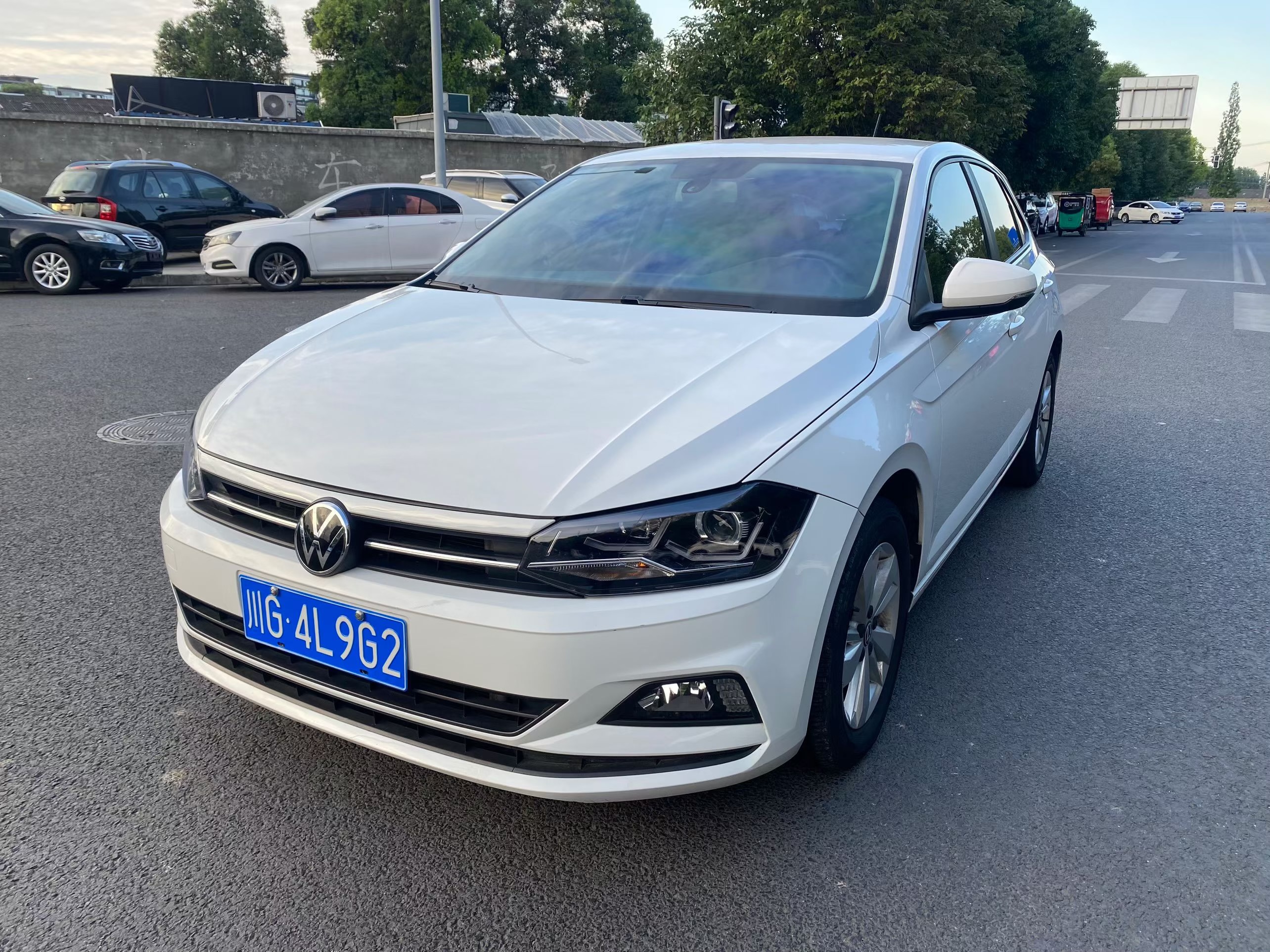
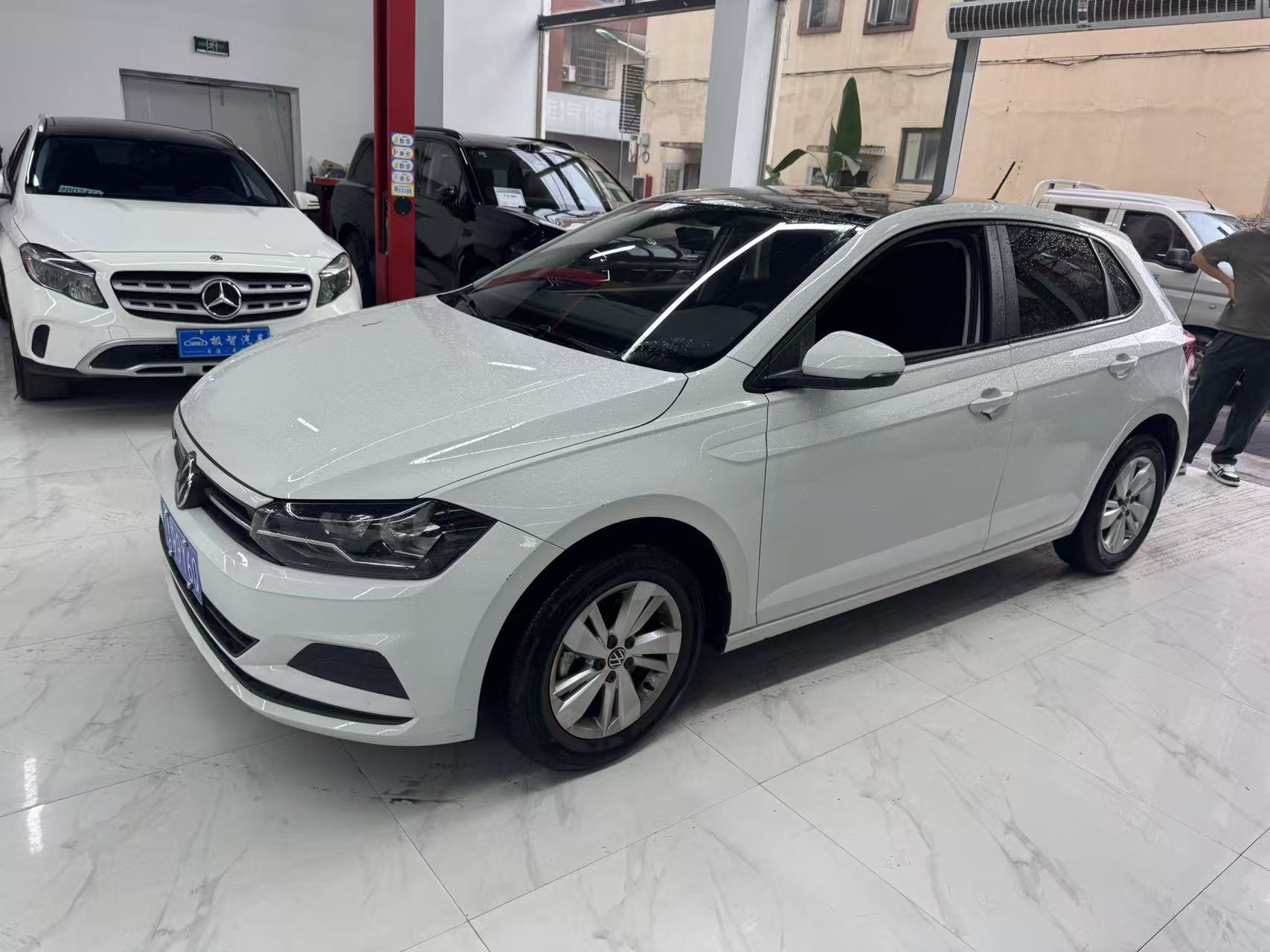
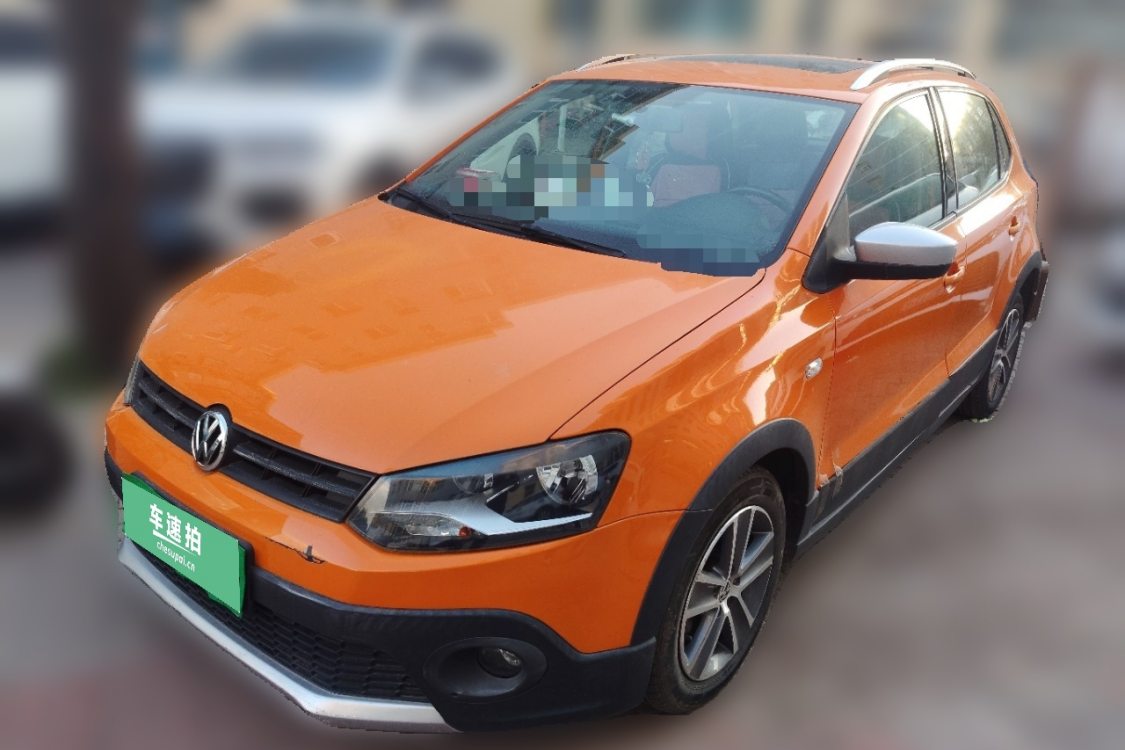
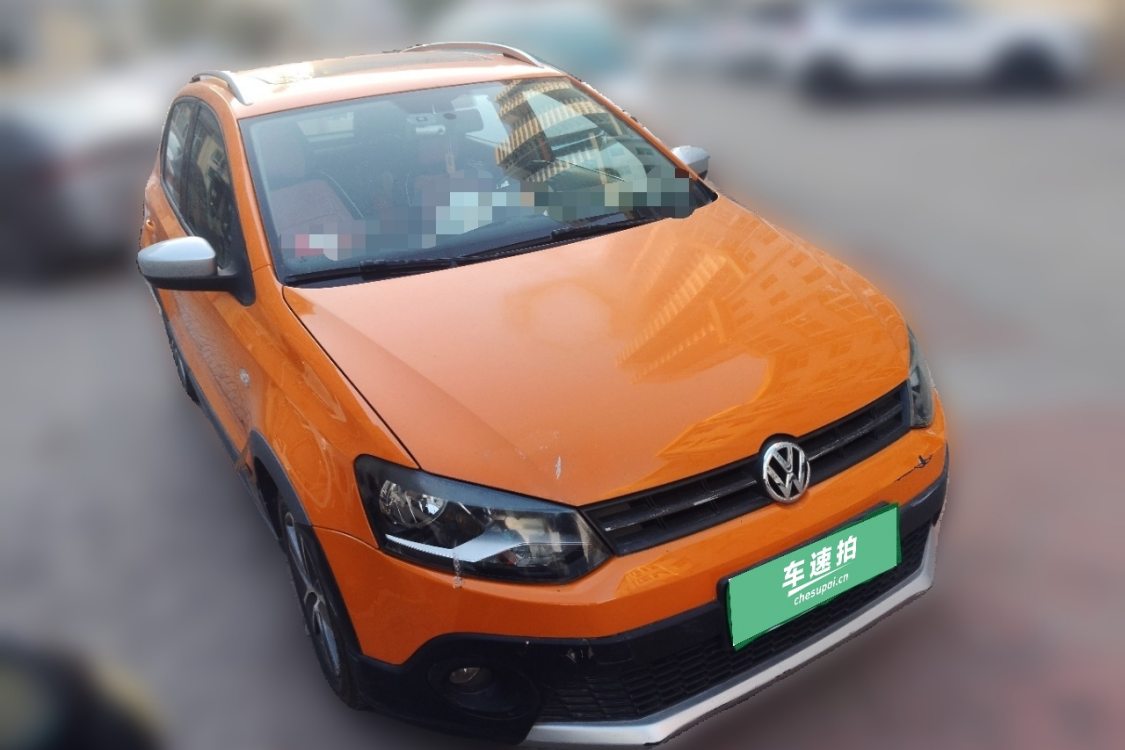
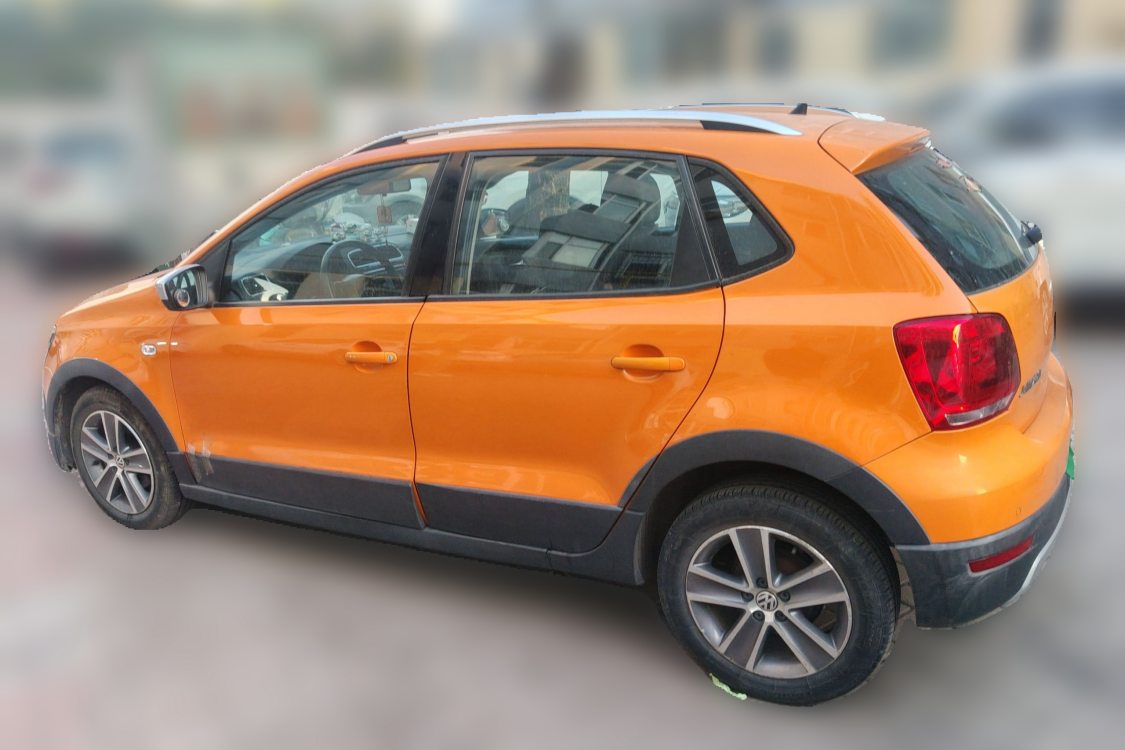
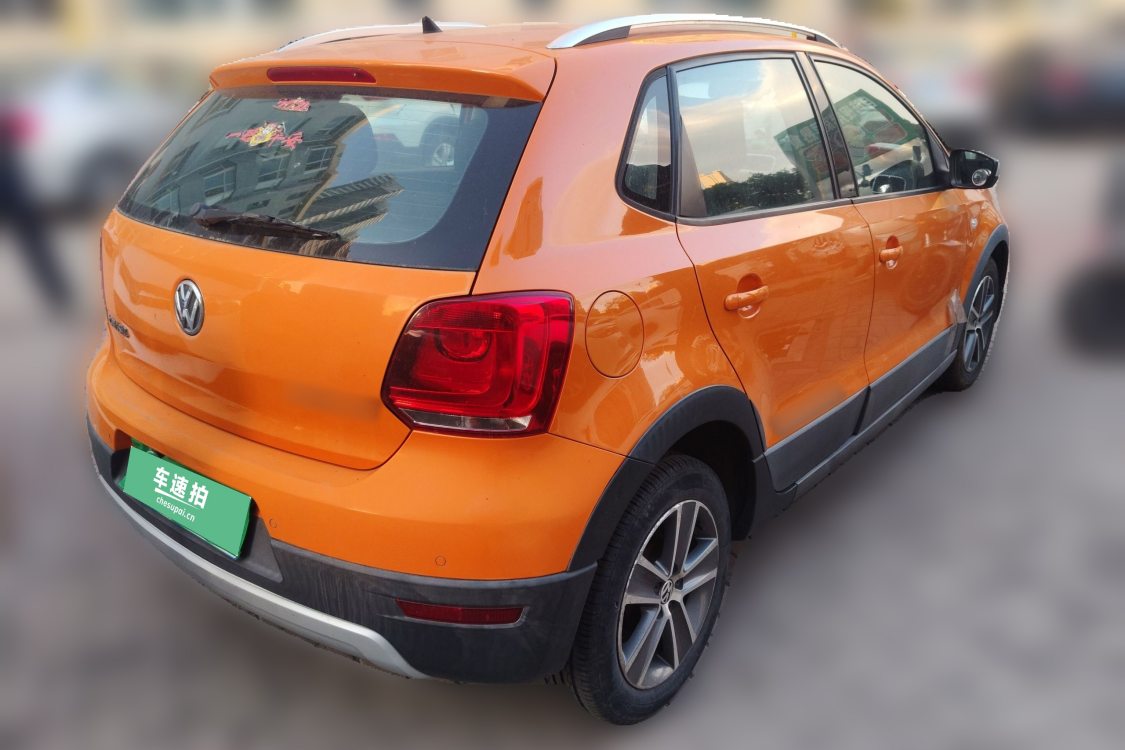
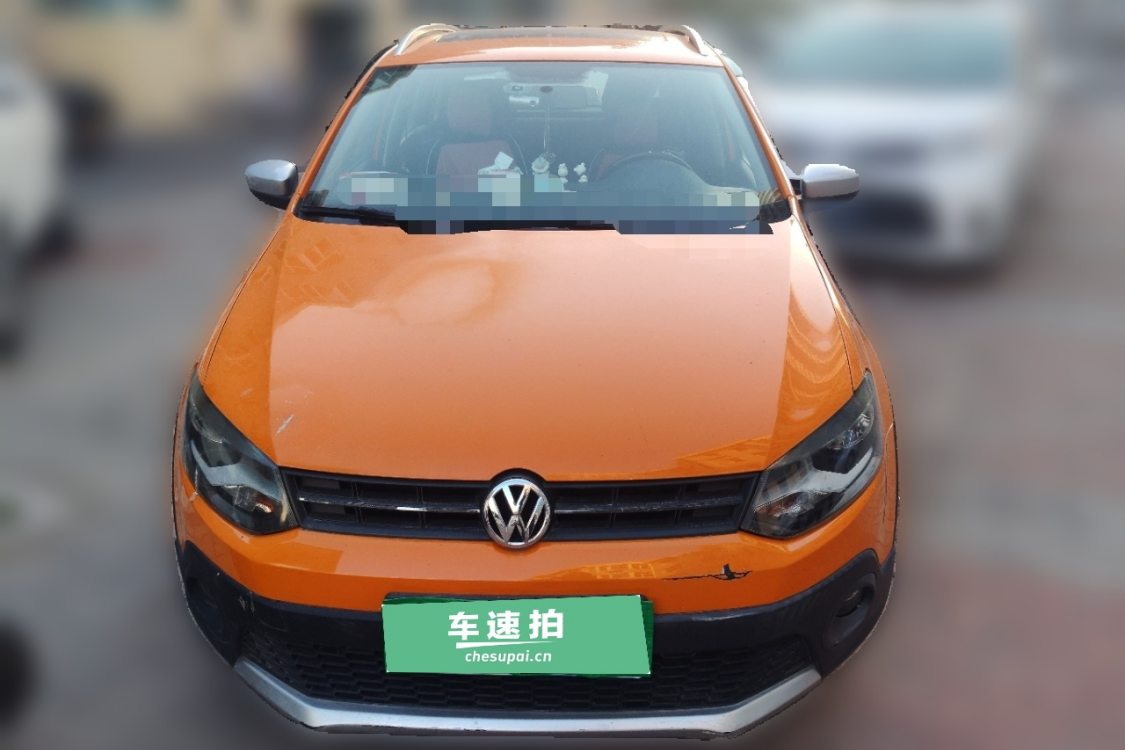
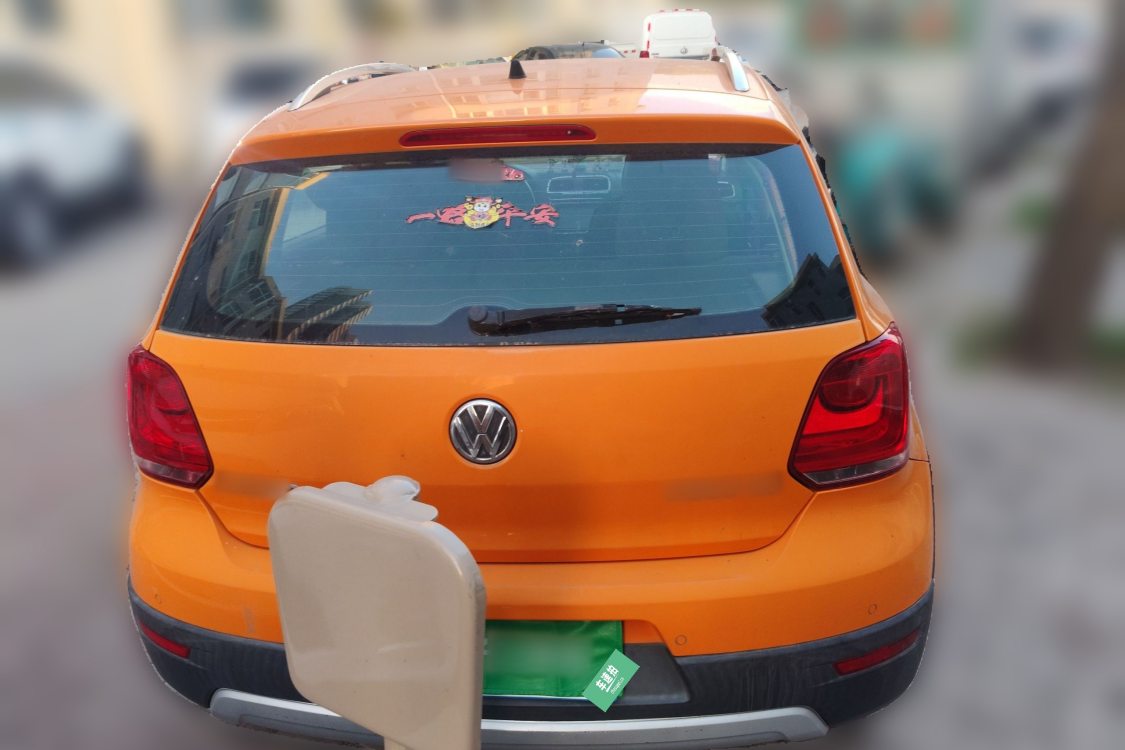
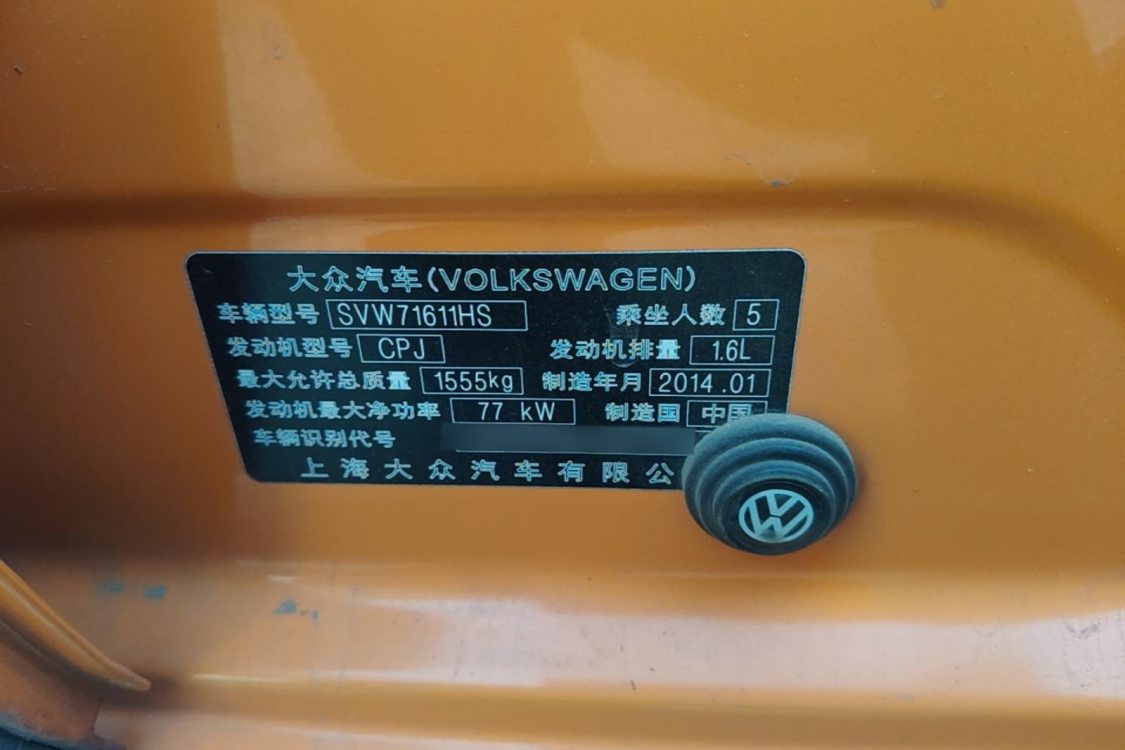
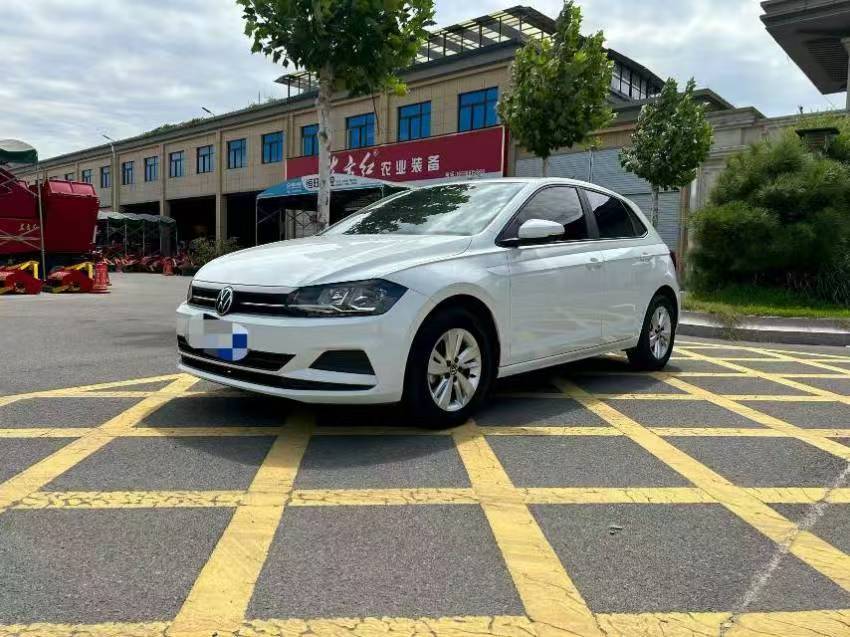
BrandVolkswagen
SeriesPolo
Year2014
First Registration2014/06
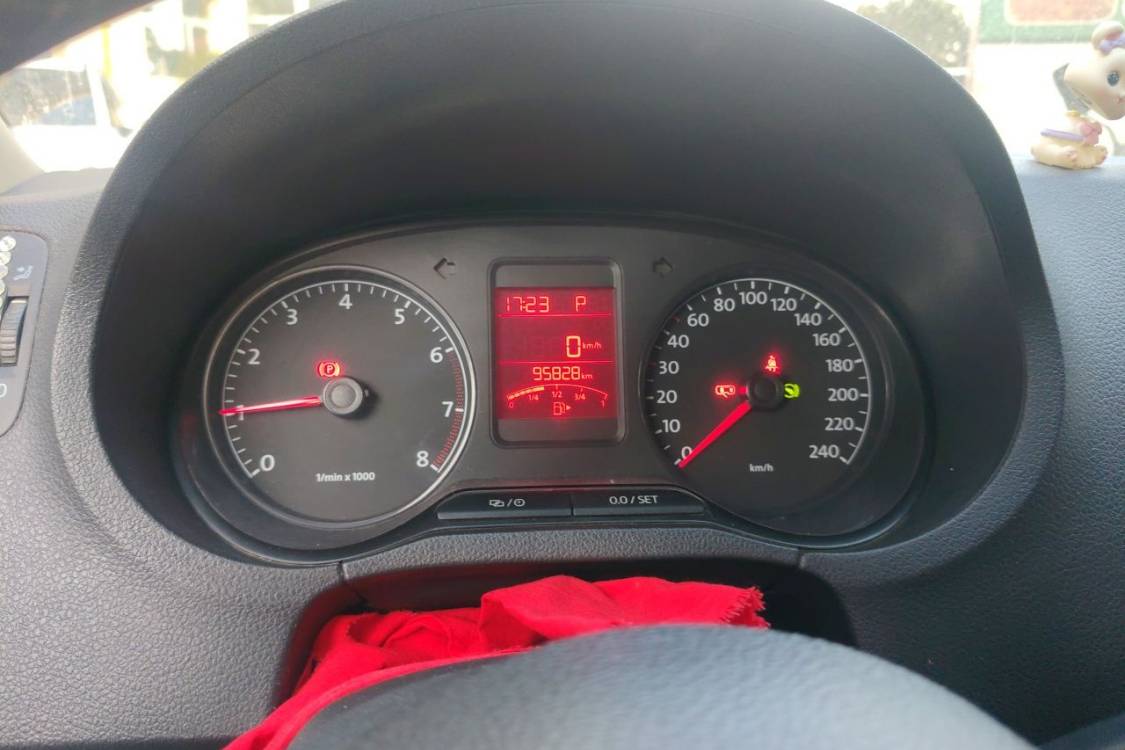
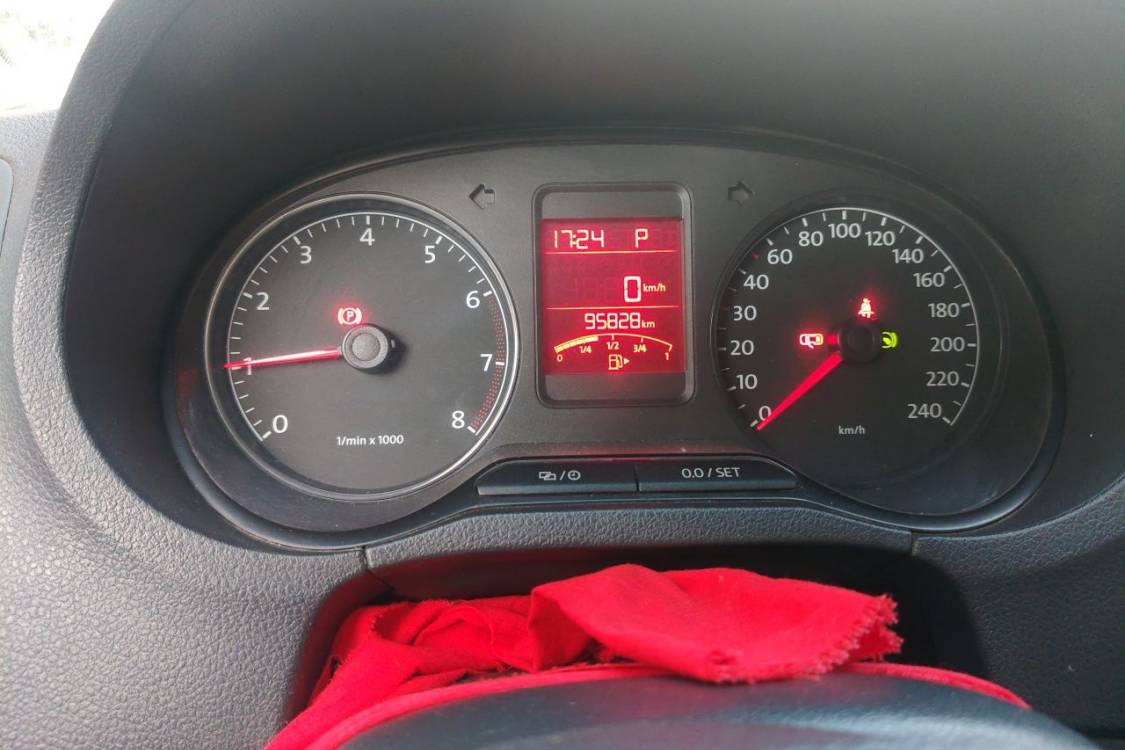
Mileage-
Transfer Count5times
FuelGasoline
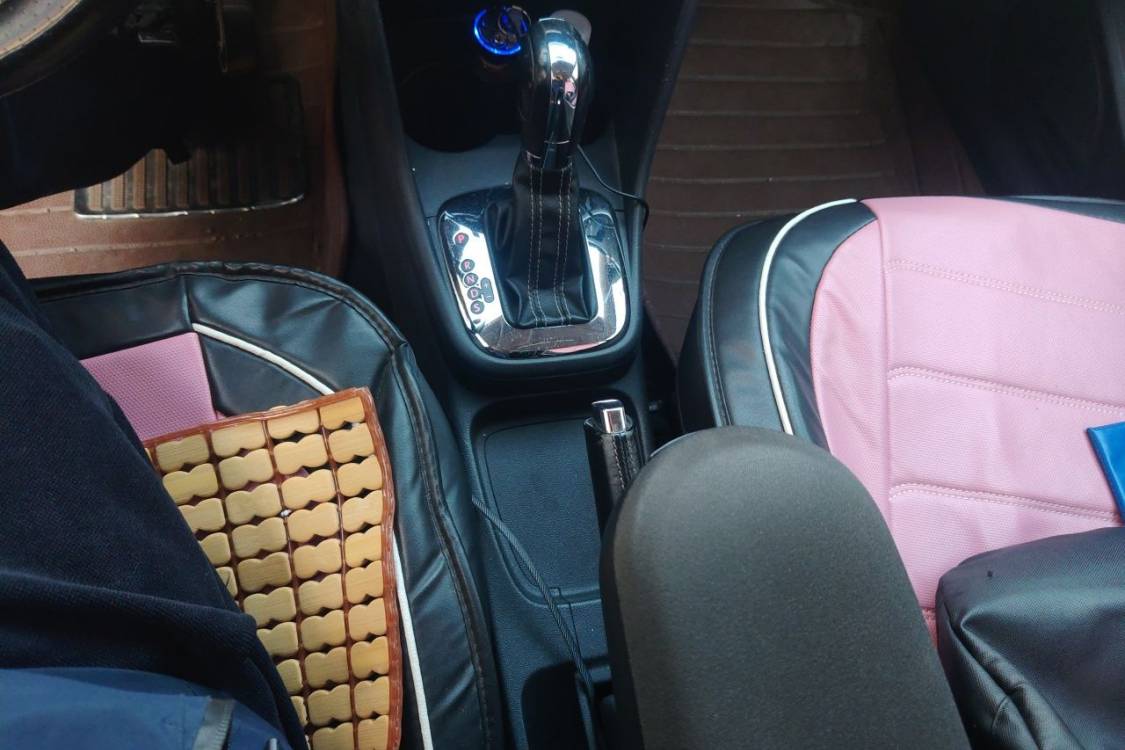
TransmissionManumatic
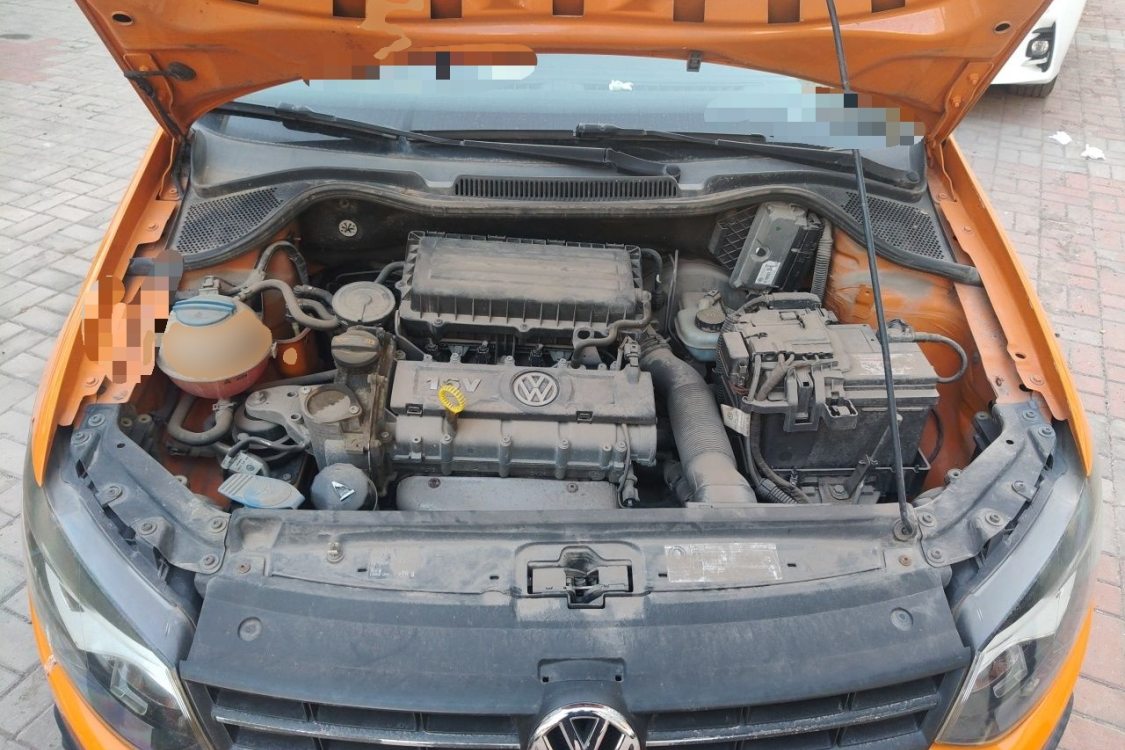
Engine1.6L 105 L4
ColorOther
Seats-

Condition Description

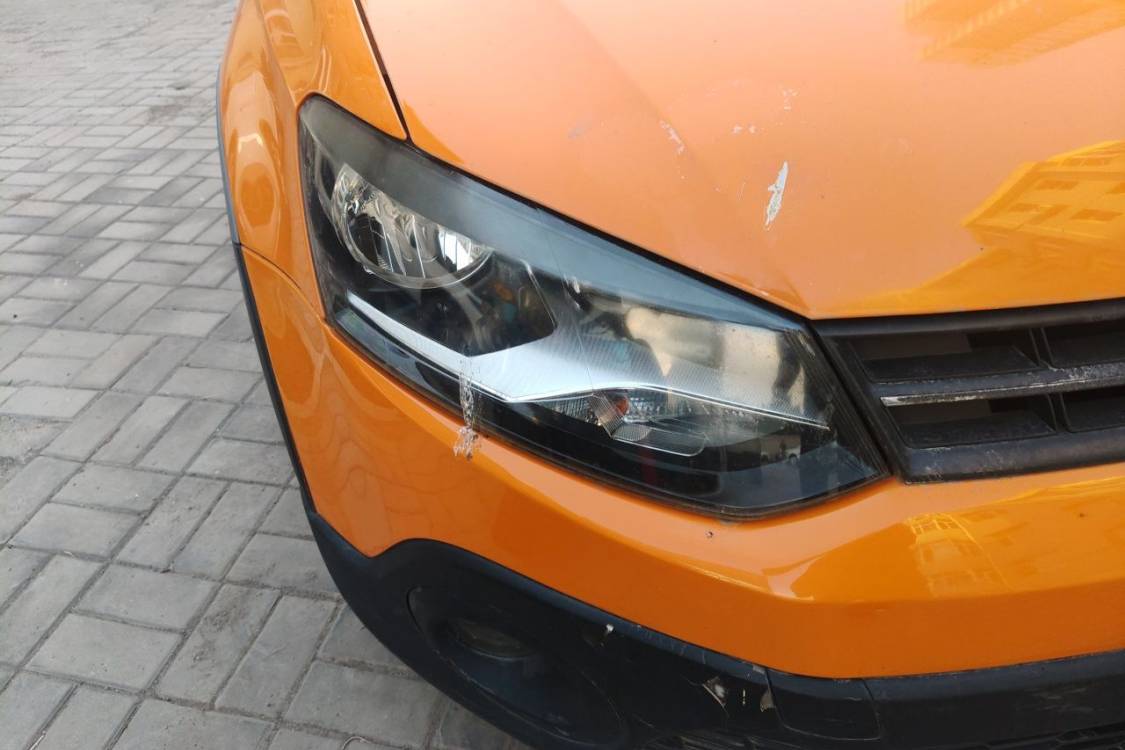
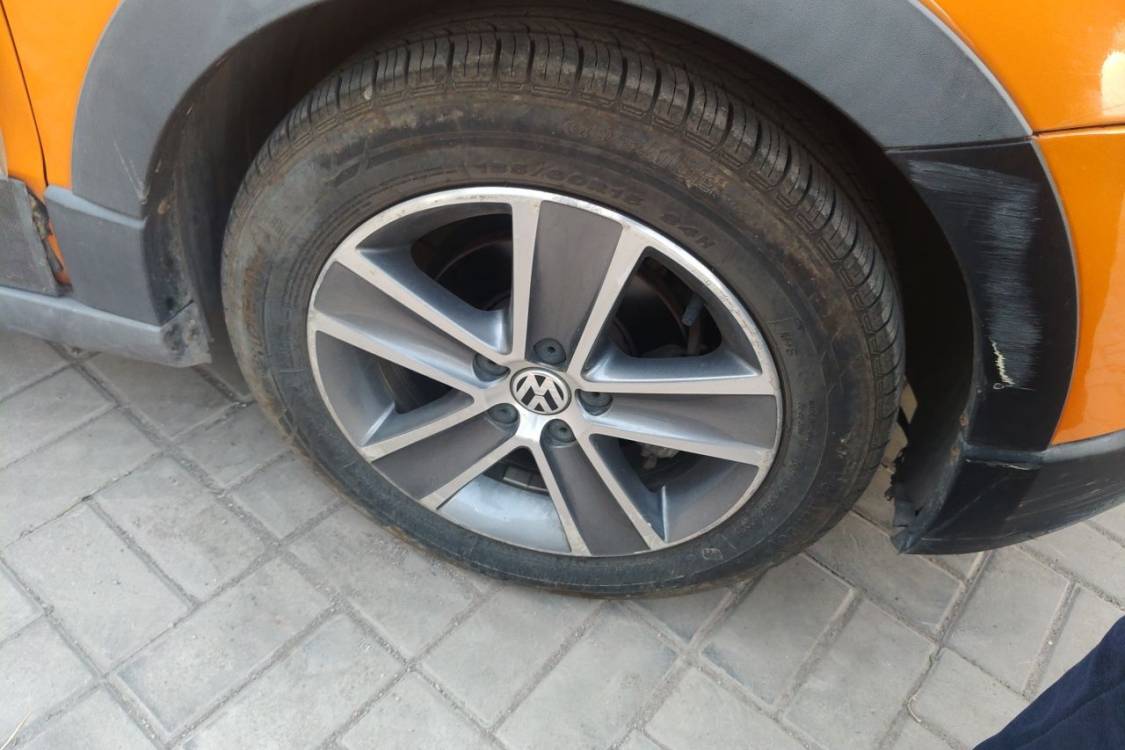
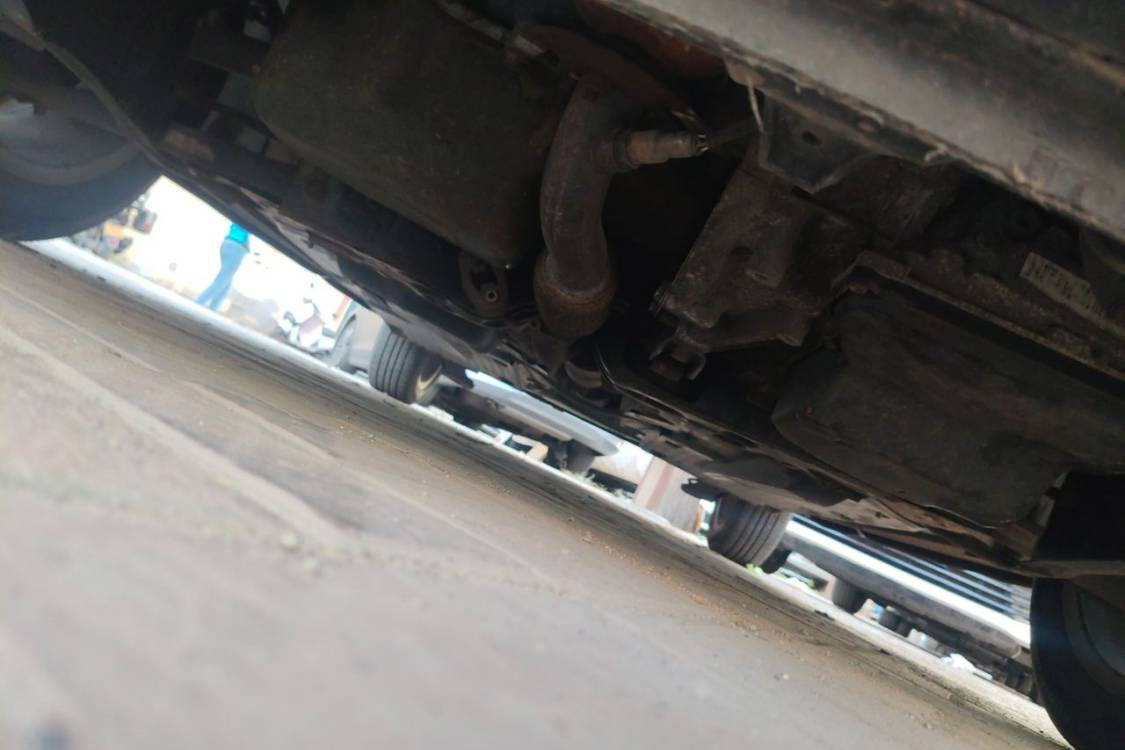
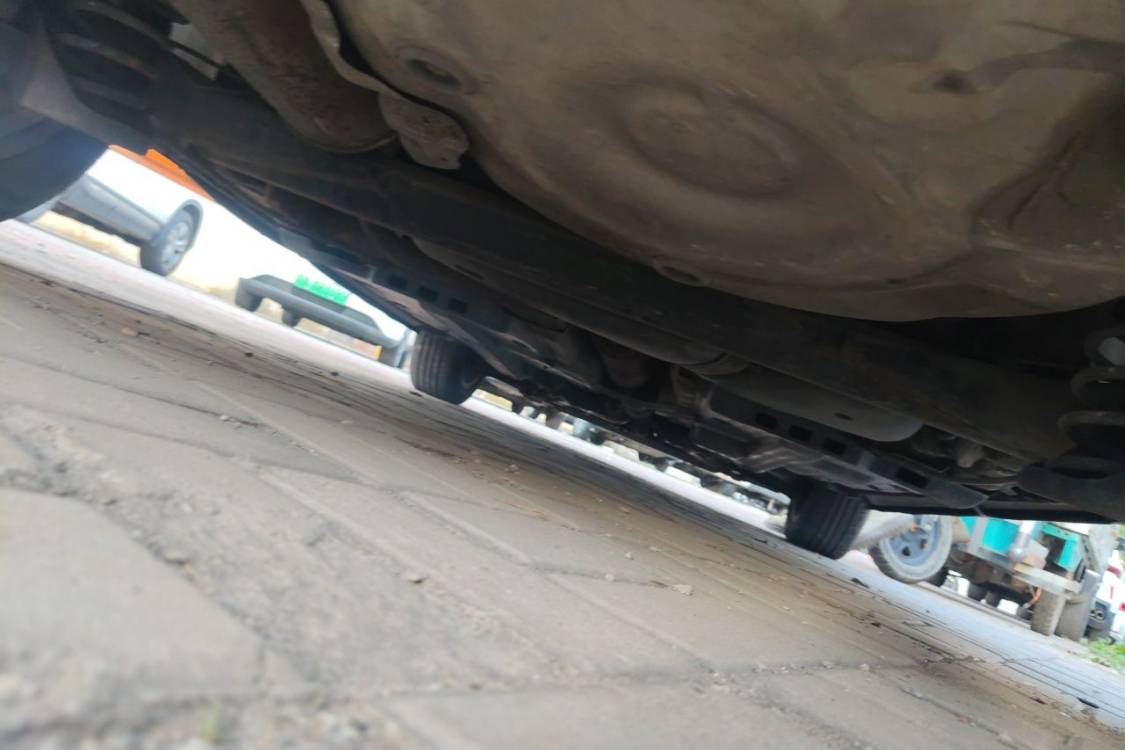
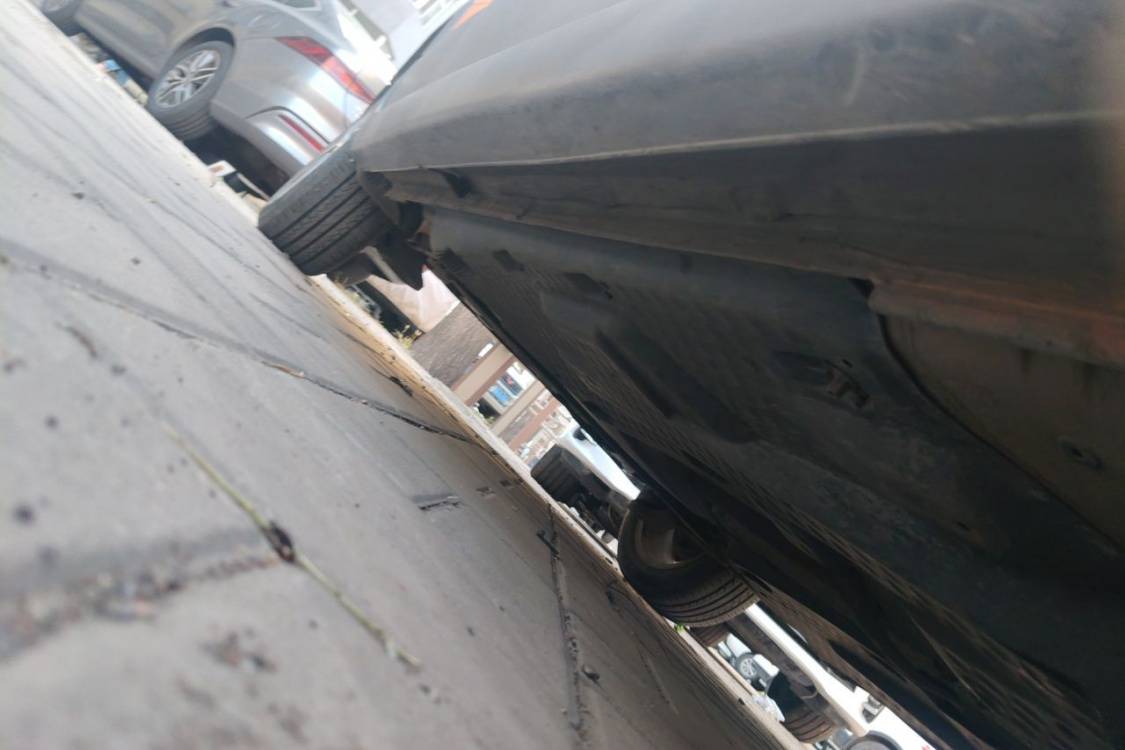
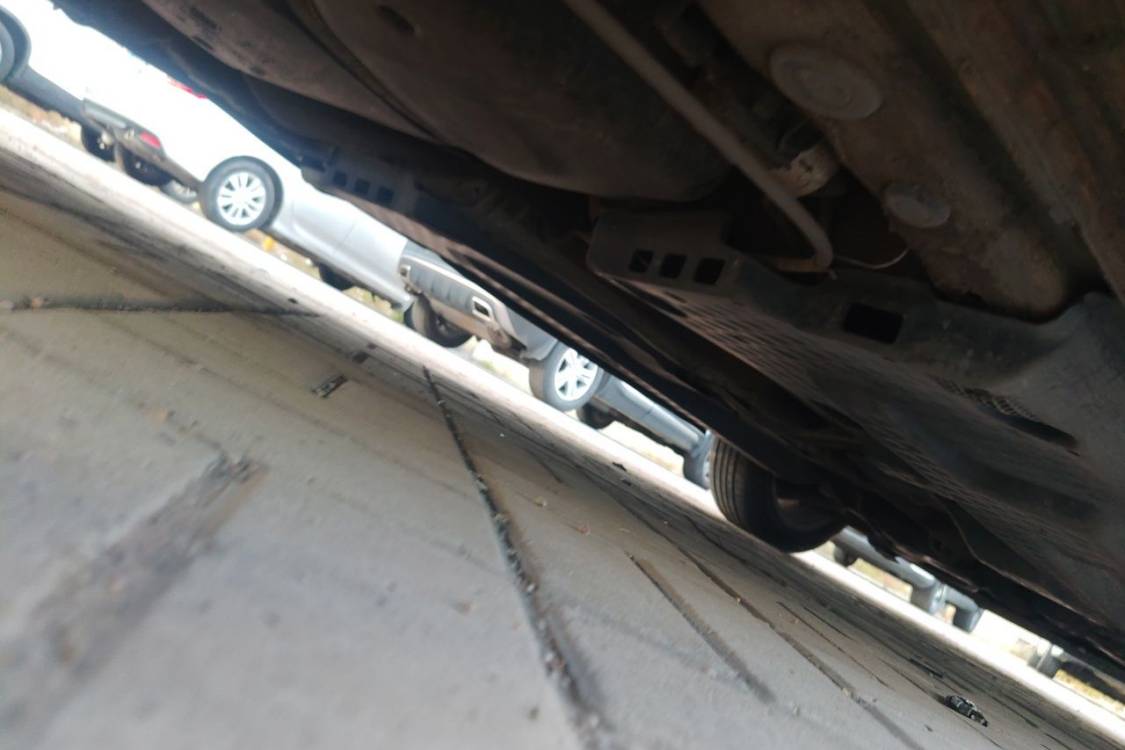
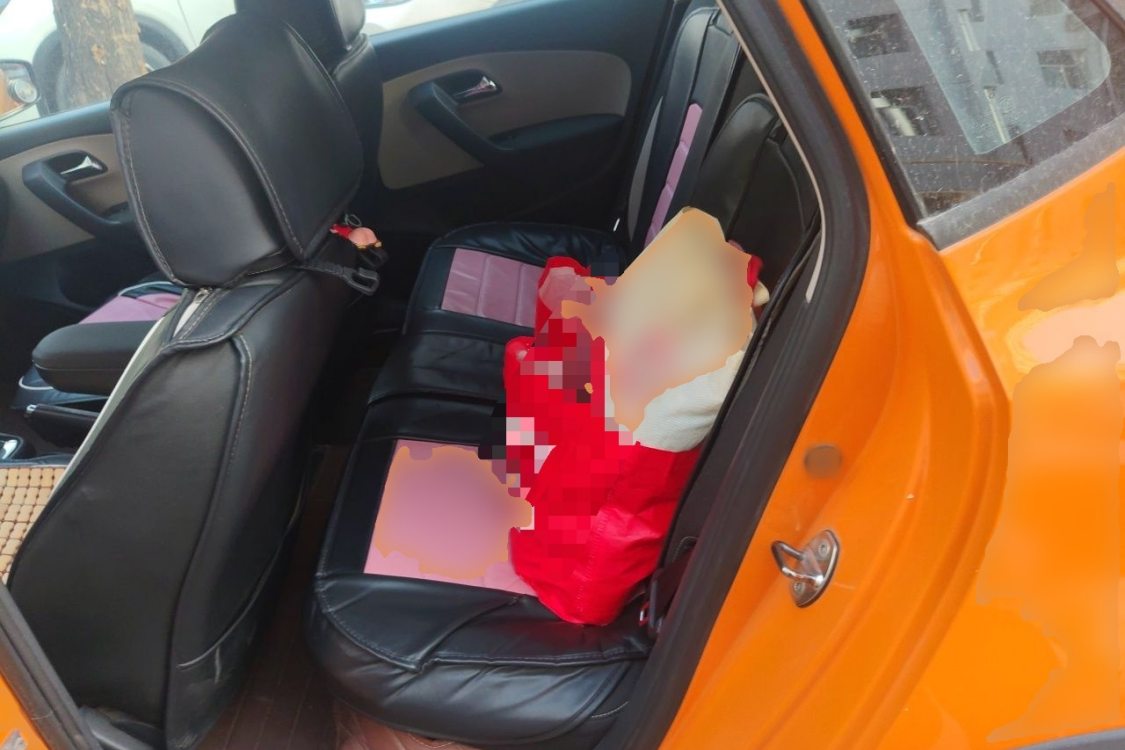
Accident damage to body components (structural/reinforcing/panels), passive safety devices defective, vehicle performance (including three-electric system) degraded or performance limited after repair.

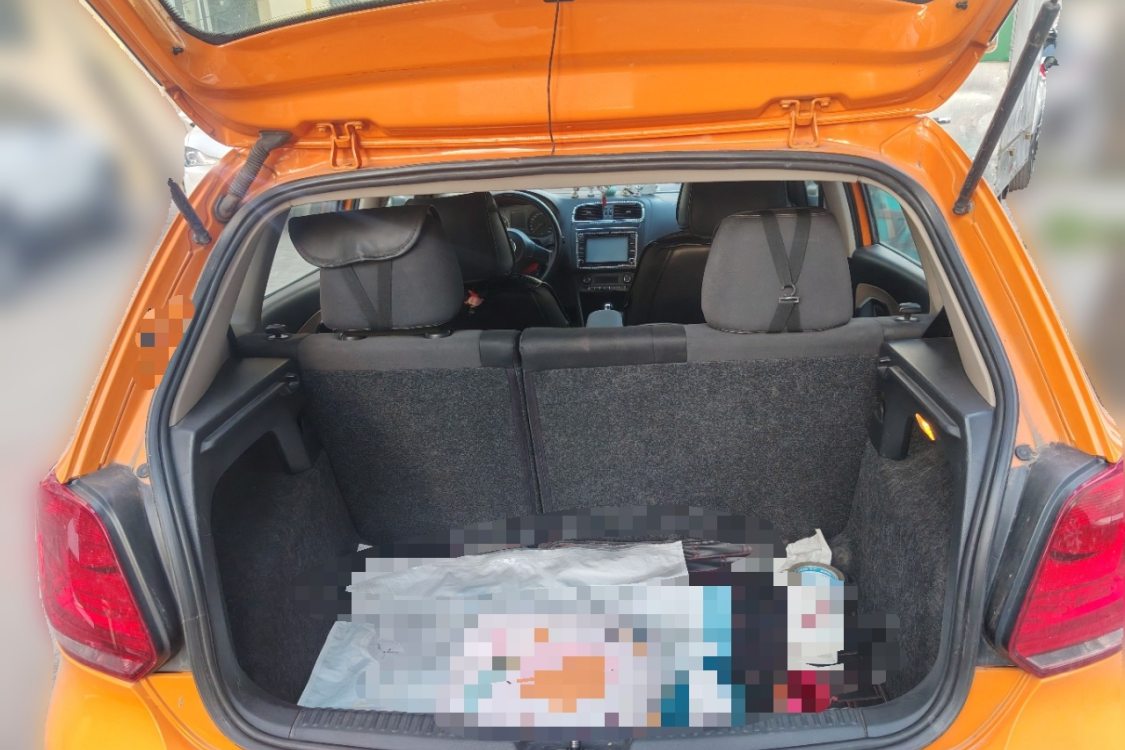
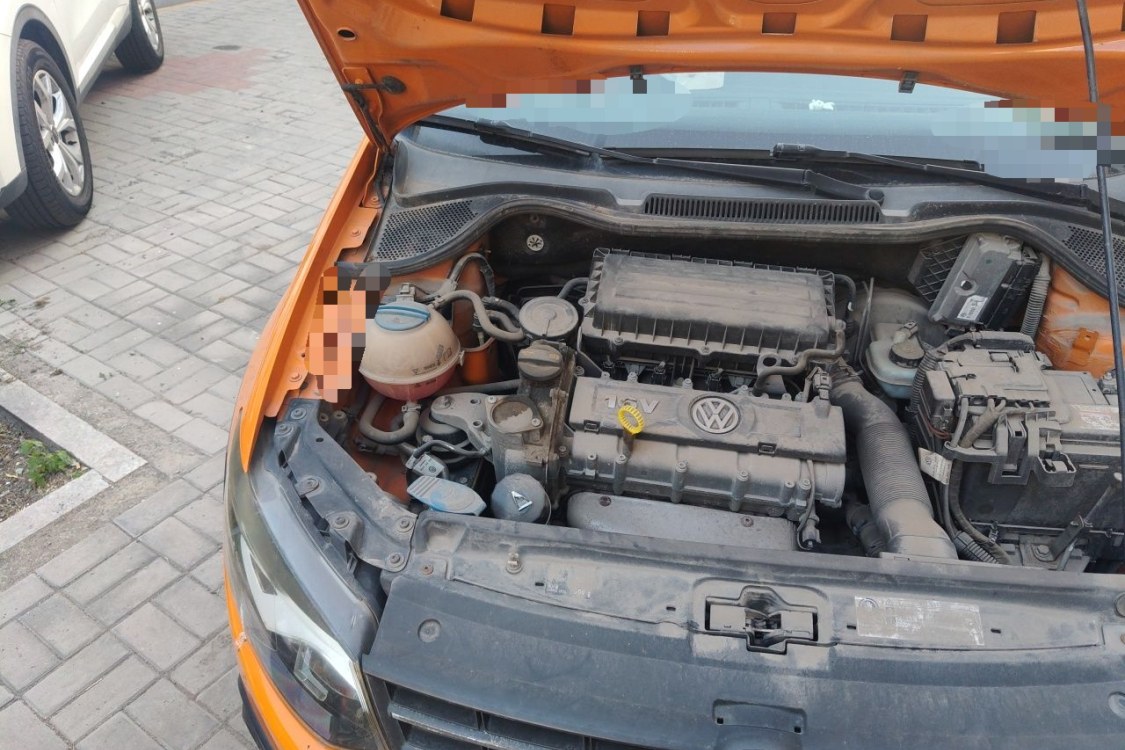
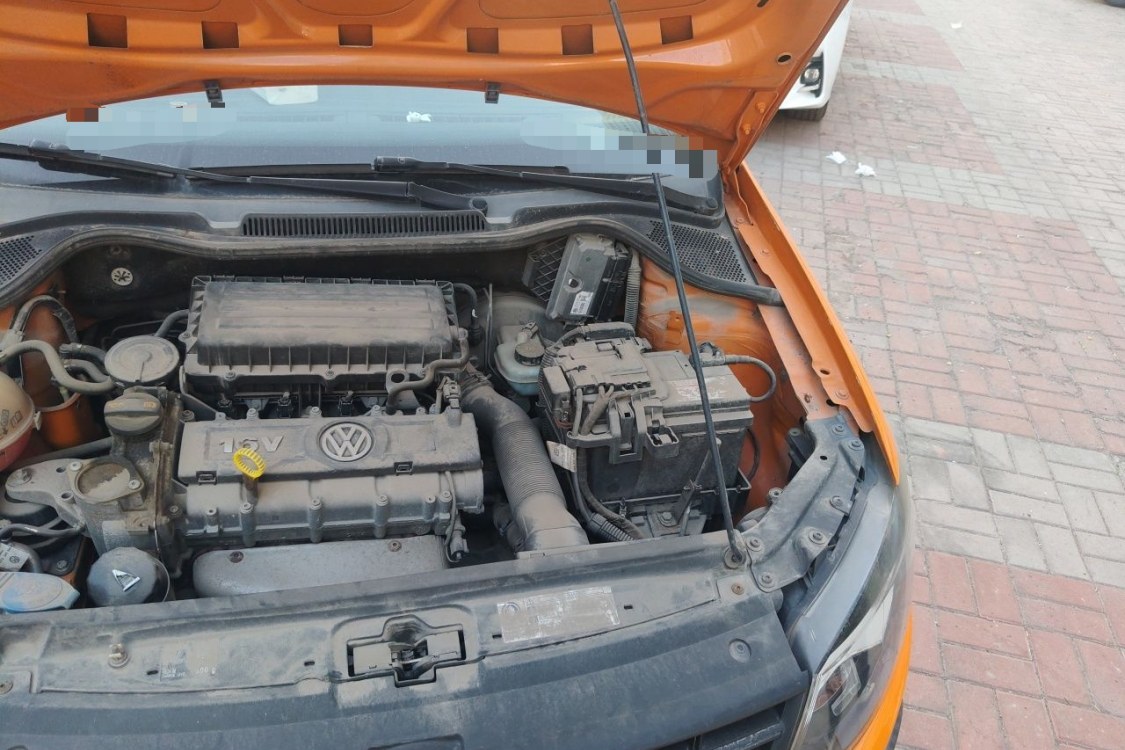
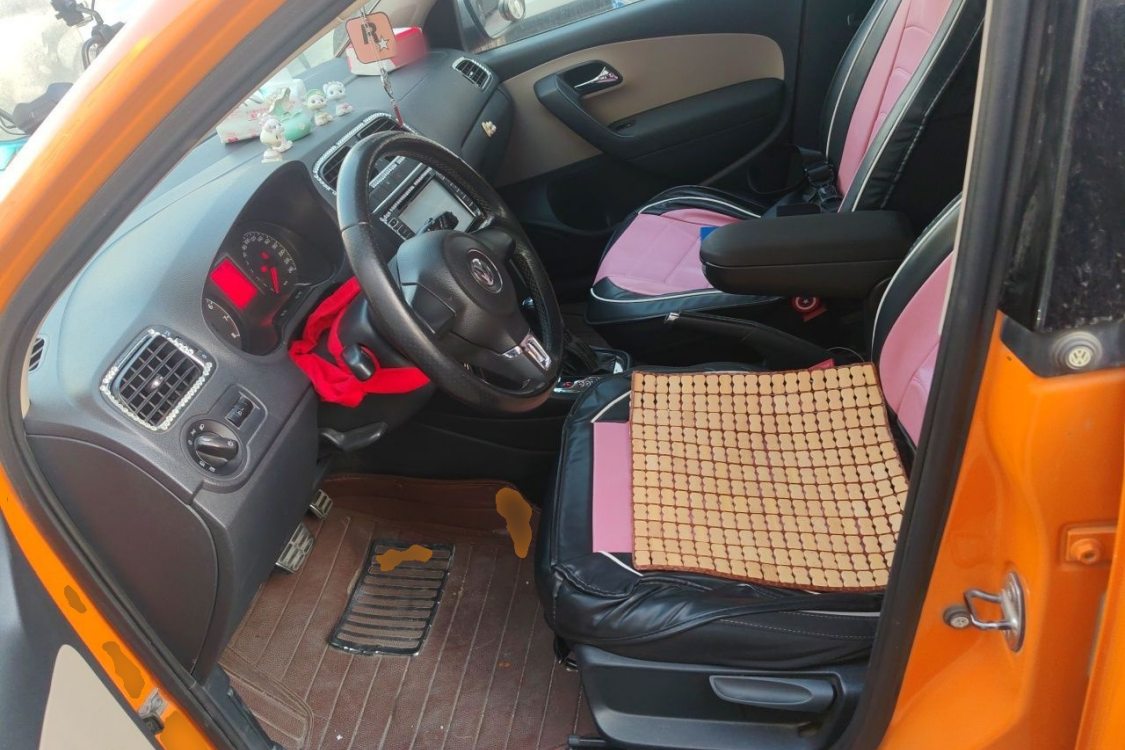
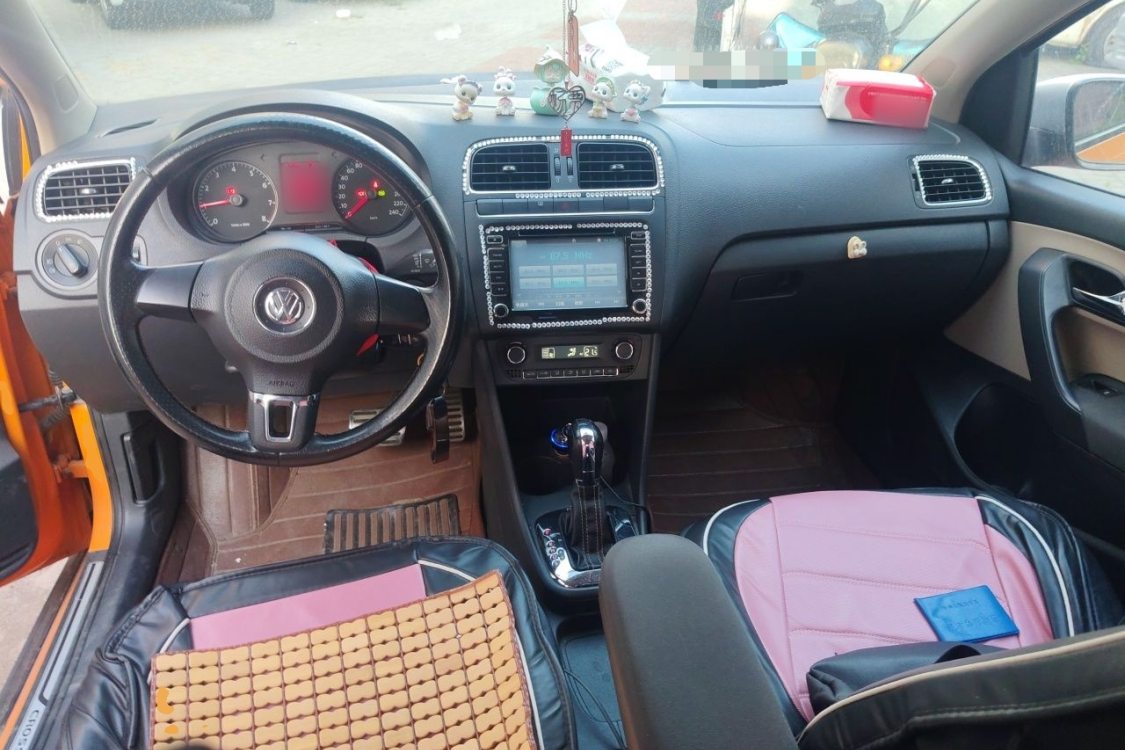
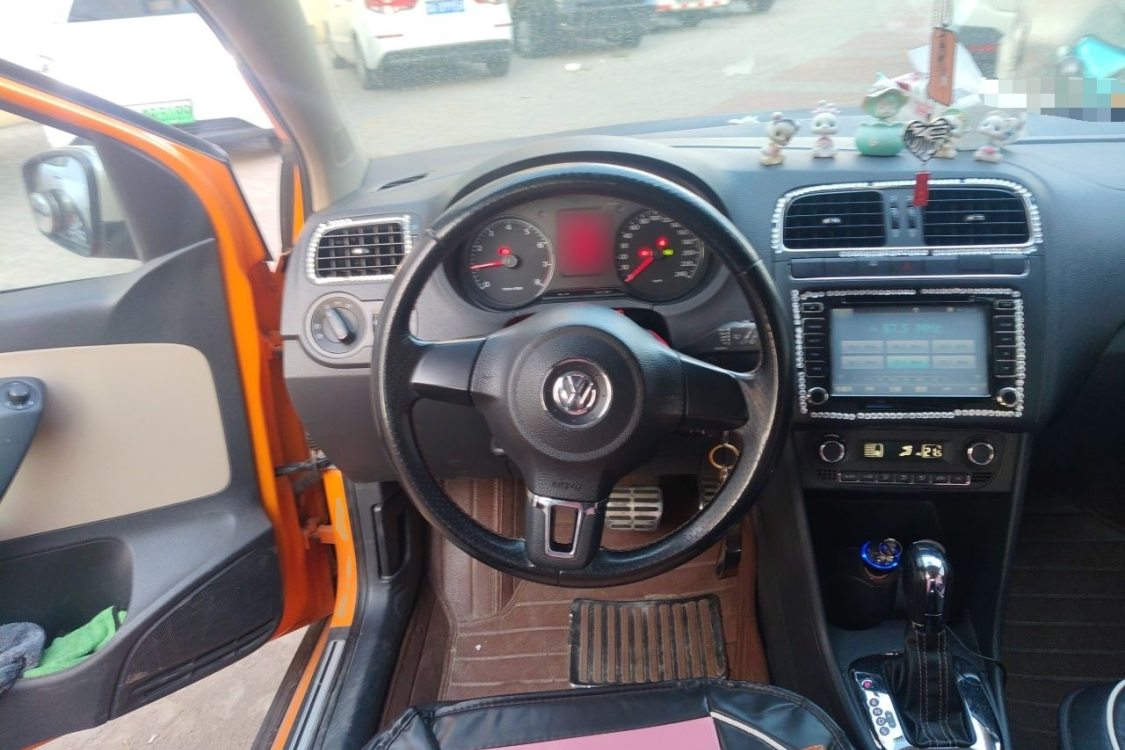
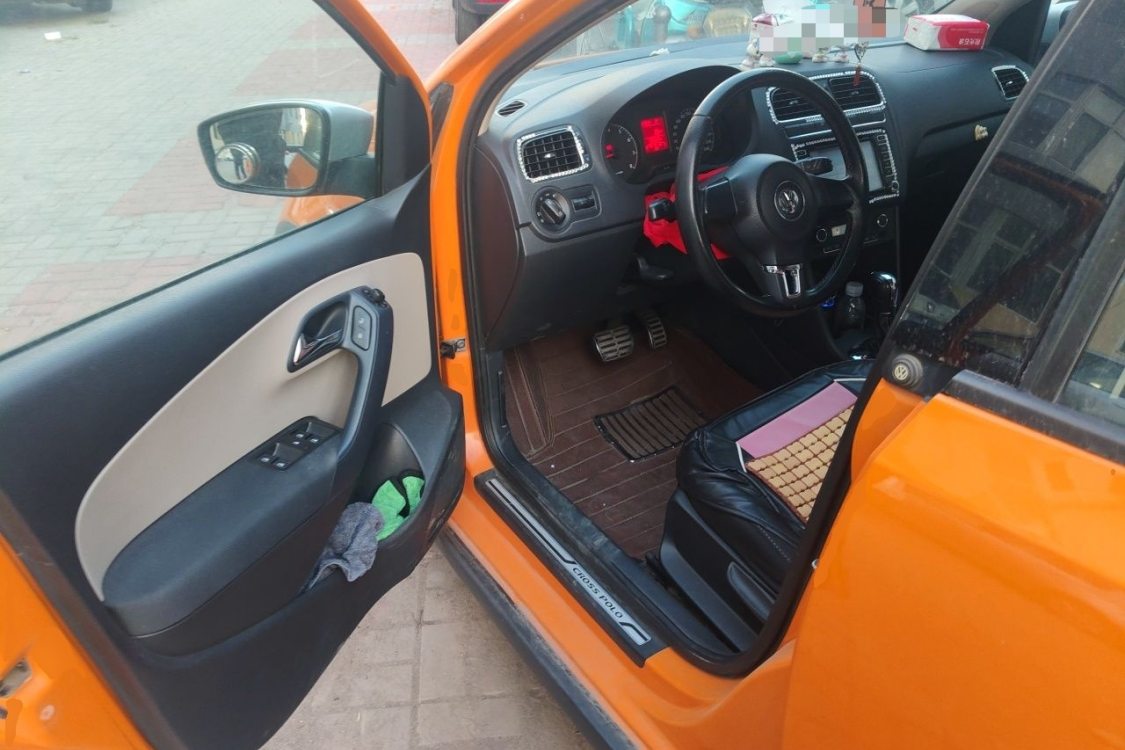
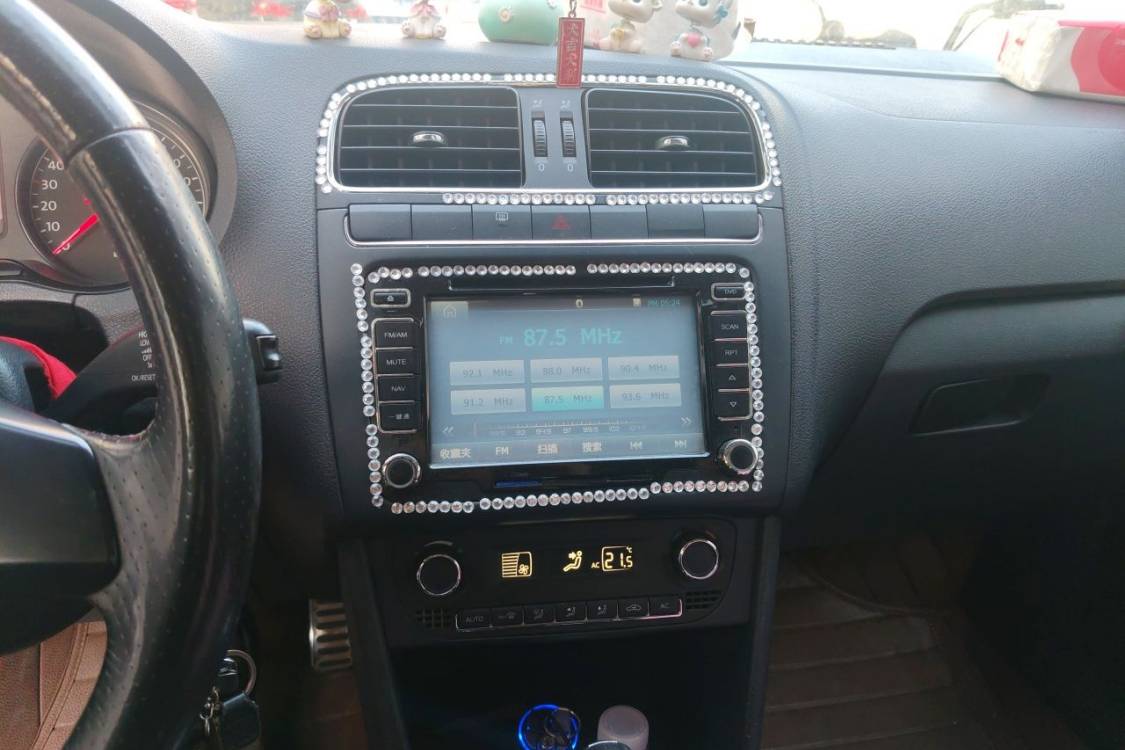
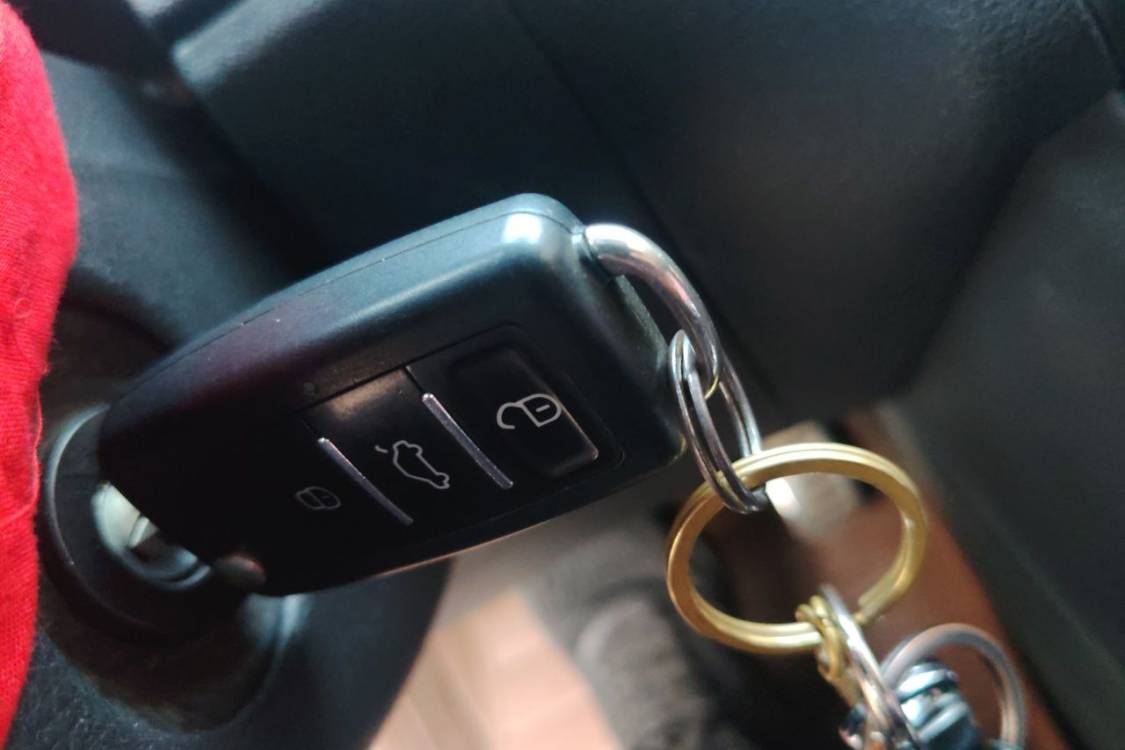
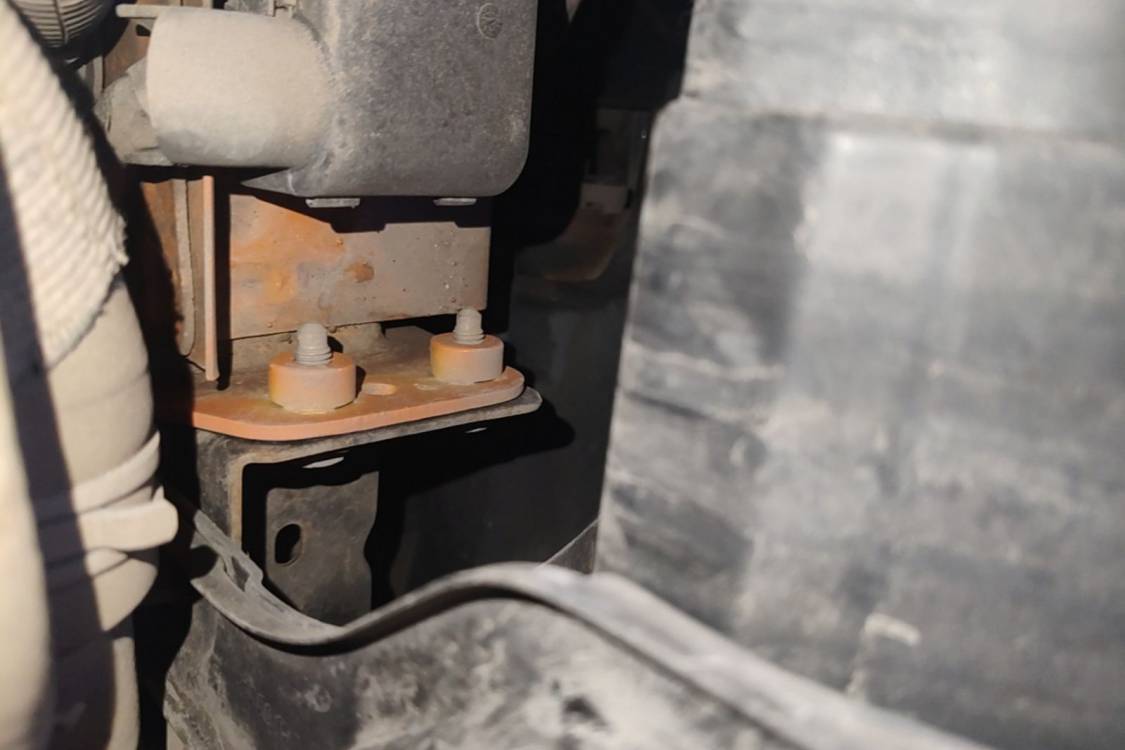
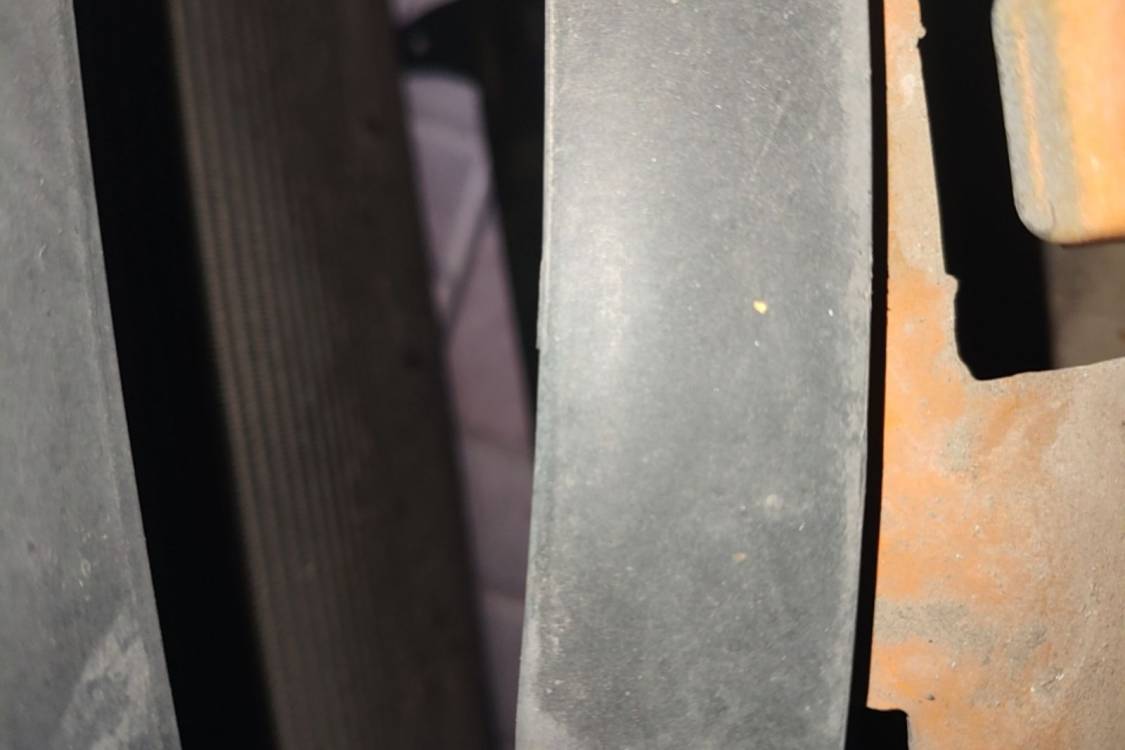
Accident inspection: main structure damaged, reinforcing parts damaged, panels damaged, hinges abnormal; engine bay: key mechanical components normal; exterior: 3 replacements, 3 sheet metal repairs, 3 paint jobs; interior: most features normal, airbags normal, seatbelts normal, dashboard normal, instrument check normal, lighting system normal; start-up check: main components normal; tool kit: absent.

电话直连
可讲价
平台物流
可转售
公转私
新检测标准升级>
非泡水

Document Information

Inspection Expiry Date2027/06
Warranty Expiry Date-
Insurance Expiry Date2027/06

Q&A

More

If our country has a Free Trade Agreement (FTA) with China, can you provide a specific certificate of origin?

Yes. We will apply to customs or the trade promotion agency for a specific version of the certificate of origin (such as ASEAN Form E, China-ASEAN FTA certificate, etc.) to assist you in legally enjoying significant or even zero tariff treatment at the destination port.
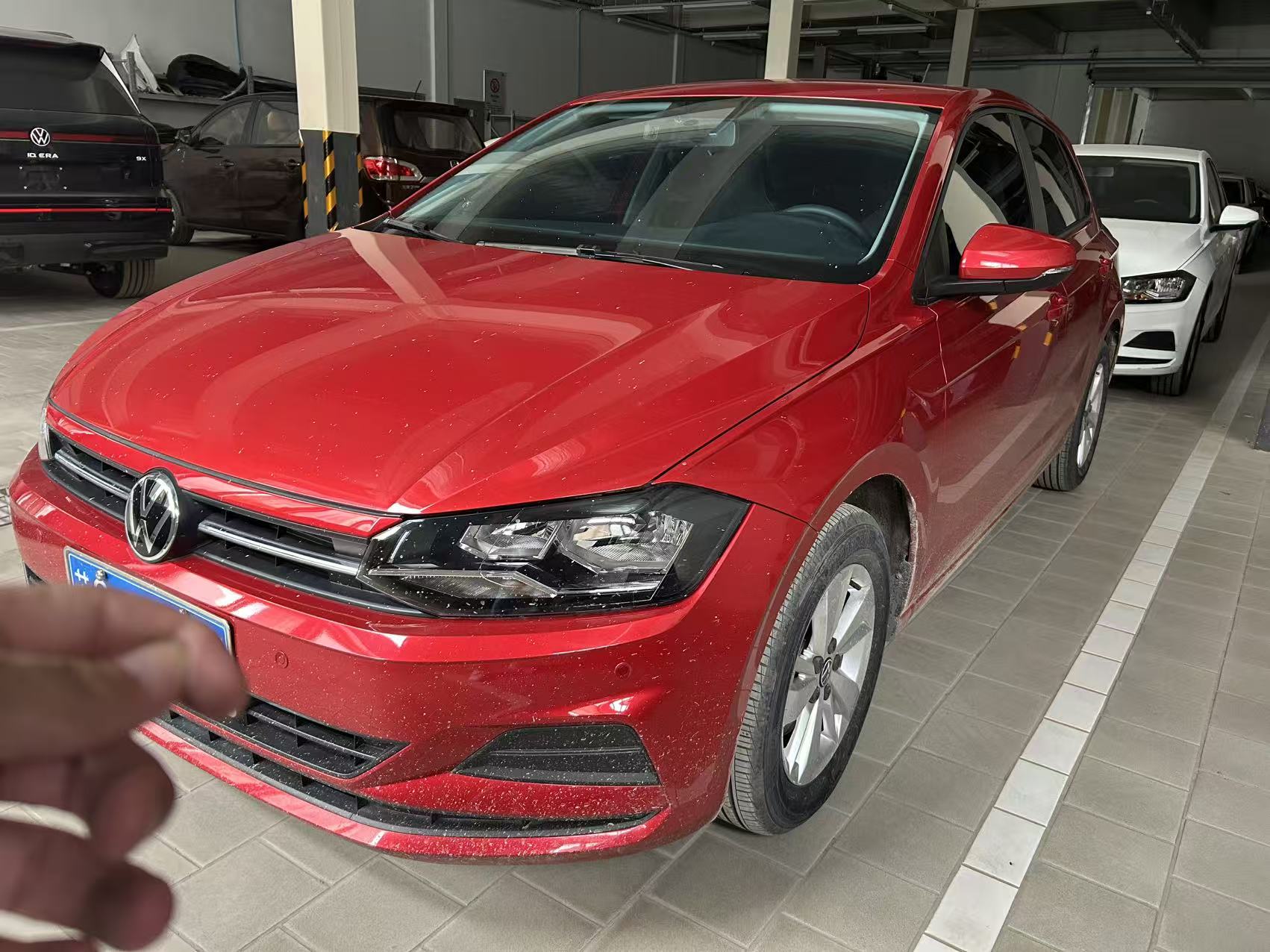
What should I check during a live video test drive of a used car in China, and which sounds or behaviors are red flags?

Request a live video call during the test drive rather than a pre-recorded one. Cold start first: listen for rattling or metal scraping in the first seconds — possible timing chain or hydraulic lifter issues. During acceleration, a whining from the gearbox area can mean bearing wear; hesitation or jerking in an automatic suggests transmission problems. Braking: the pedal should feel firm, not spongy, and the car must not pull to one side. Turn the wheel fully in both directions and listen for clicking — a classic CV joint fault. Insist on a highway segment too: vibrations above 100 km/h often point to unbalanced wheels or bent rims. Ask the driver to film the dashboard throughout — warning lights that flicker on briefly are still faults that OBD will record.

Why are the shipping costs for used electric vehicles (EVs) usually higher than for internal combustion engine vehicles (ICEs)?

Pure electric vehicles are classified as Class 9 Dangerous Goods due to their large lithium batteries, leading to strict shipping regulations. Shipping companies have high requirements for the loading position and fire isolation measures for dangerous goods, and some roll-on/roll-off ships refuse to accept used EVs. As a result, EVs often require more expensive special container shipping and incur additional handling fees for hazardous materials.