Basic Information

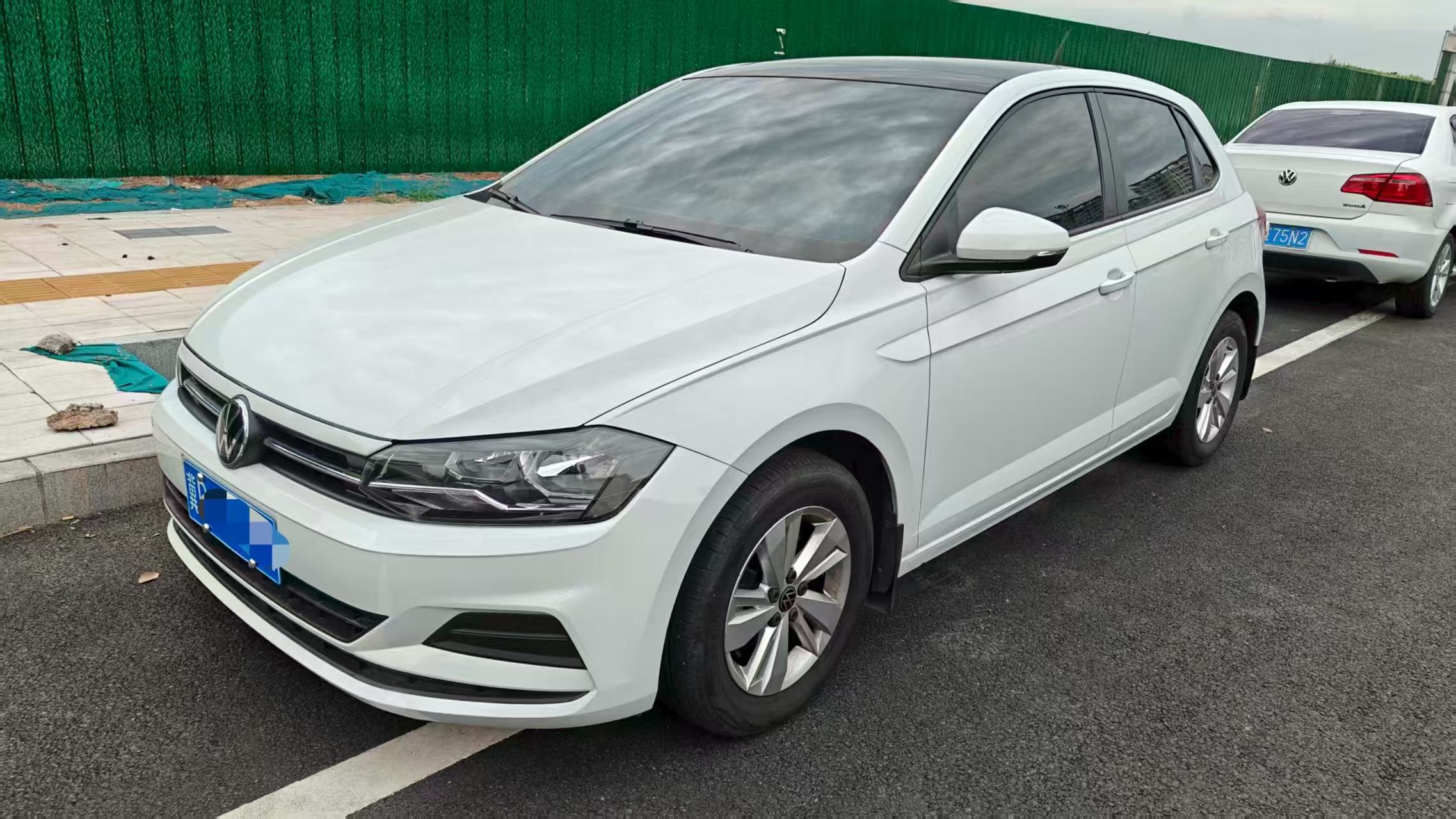
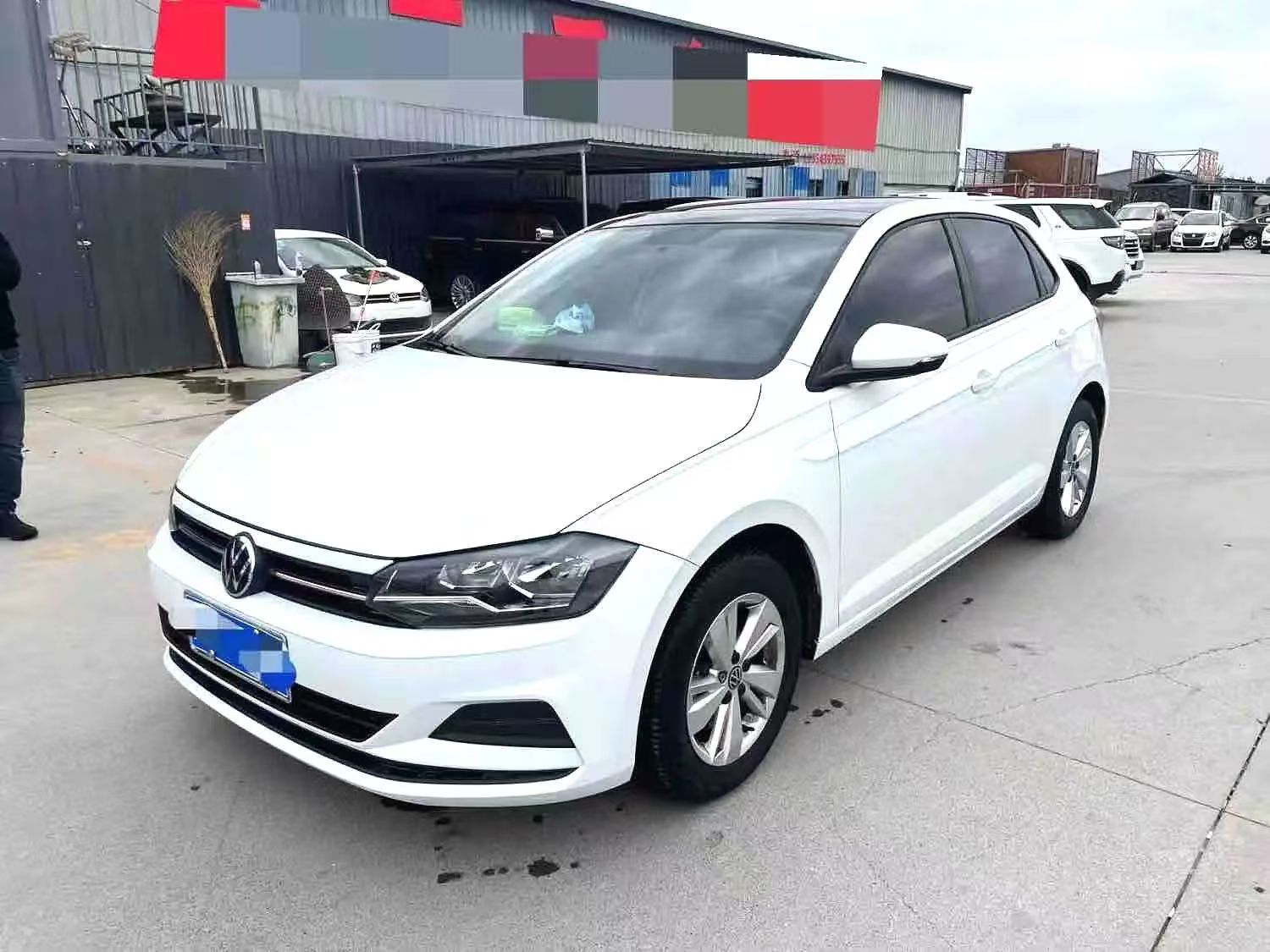
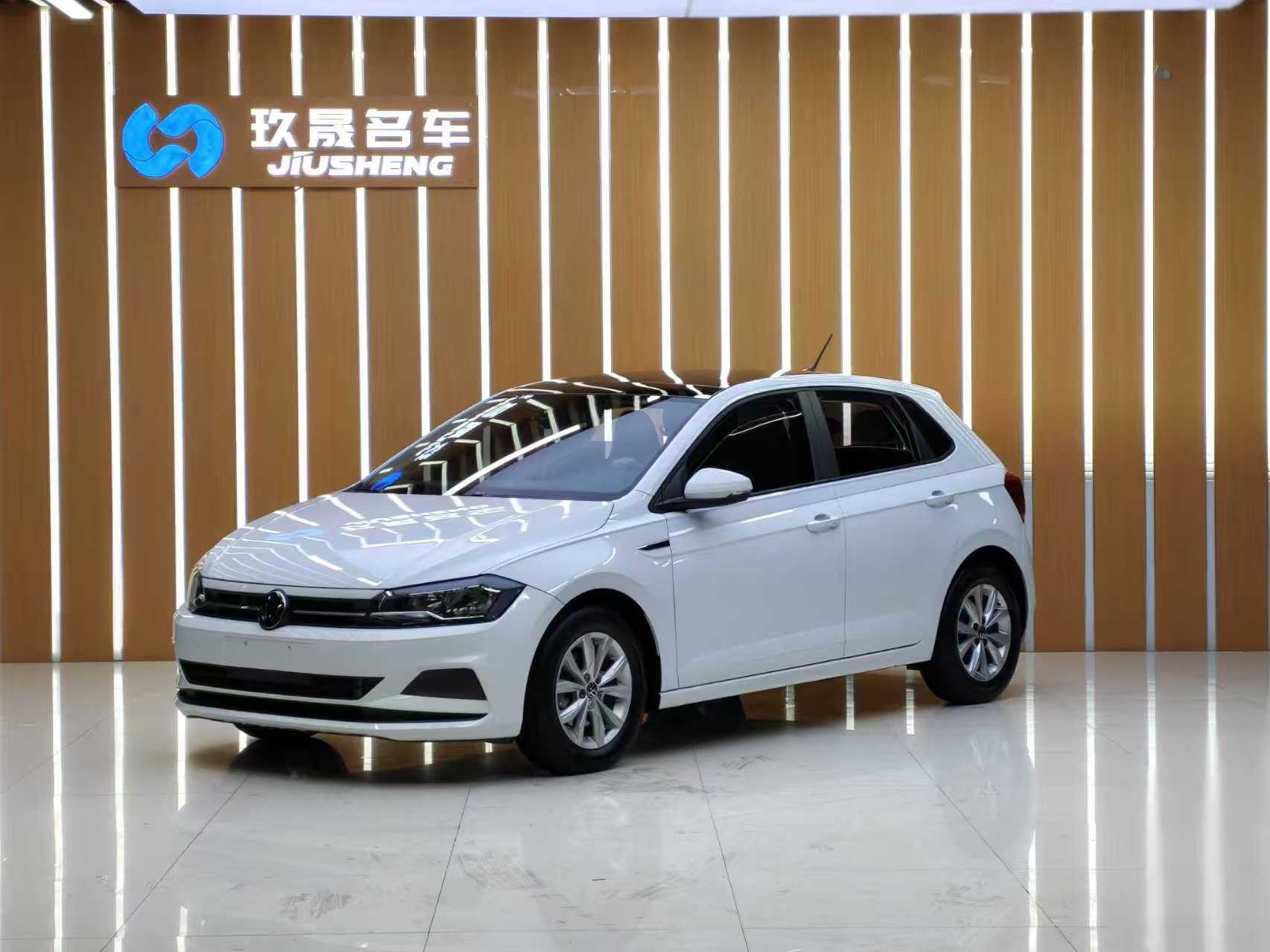
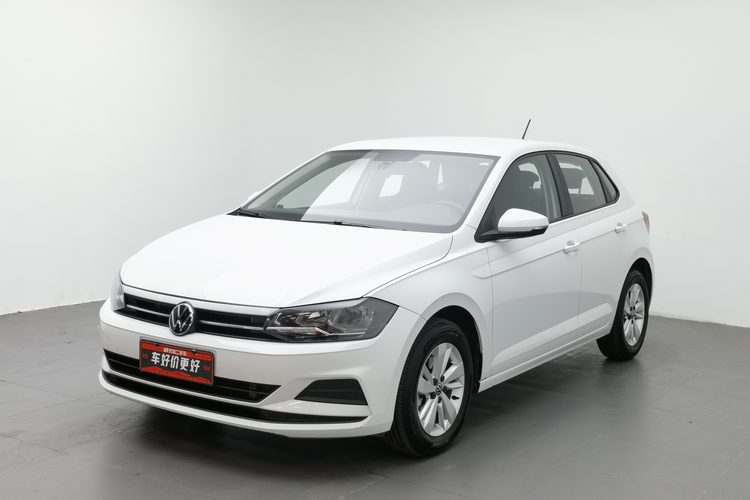
BrandVolkswagen
SeriesPolo
Year2014
First Registration2014/08
Mileage105,800km
Transfer Count-
FuelGasoline
TransmissionManumatic
Engine1.6L 110 L4
ColorBlue
Seats-

Condition Description

Localized body damage or repair marks present; structural and reinforcement components have no accident-related damage or repairs. Vehicle performance (including three-electric system) has degraded or is limited.

Accident inspection: main structure undamaged, reinforcement parts undamaged, cover panels damaged, hinges abnormal. Engine bay inspection: key mechanical components normal. Exterior: 3 parts replaced, 6 areas repainted. Interior: most features normal, airbags normal, seatbelts normal, dashboard normal, instrument readings normal, lighting system normal. Startup inspection: main components normal. Onboard tools: none.

电话直连
可讲价
平台物流
可转售
车主降价
零过户
新检测标准升级>
非泡水

Document Information

Inspection Expiry Date2027/08
Warranty Expiry Date-
Insurance Expiry Date2027/08

Q&A

More

How do I transfer the connected-car account and smartphone app of a used Chinese EV to my name after import?

Connected services are tied to the first owner's account, so transferring them is a real step you must plan for. Before purchase: ask the seller whether the car's telematics account can be unbound and re-registered. Most Chinese brands (BYD, NIO, XPeng, etc.) allow a dealership or the owner's app to do a ownership transfer — but some export cars were registered to the export company, which complicates things. Check region lock: many connected features depend on backend servers in China. After export, remote AC, app locking, and OTA updates may stop working if the car has a Chinese-spec head unit and SIM. Some brands offer international app versions; others require a hardware change. Practical fallback: even without the app, core functions work from the car itself. For remote charging and climate, third-party tools exist but use them carefully. Ask your seller to confirm in writing: (1) account unbinding before shipment, (2) which connected features will keep working in your country, and (3) whether the head unit can be switched to your language and region.


Which Chinese ports are best for exporting used cars, and how do I choose the right one for my destination?

The main export hubs are Shanghai, Guangzhou/Shenzhen, Qingdao, Tianjin, and Ningbo. Shanghai has the most RoRo and container sailings to Europe, Africa, and the Americas. Southern China (Guangzhou/Shenzhen) is best for Southeast Asia and Oceania. Qingdao and Tianjin serve Korea, Japan, and northern routes efficiently. Choose based on three factors: sailing frequency to your port (weekly is ideal), total inland logistics cost from the car's location to the port, and whether your exporter has used-car export qualification at that port—some only operate from one or two ports. Also confirm the terminal handles used-car export declarations, since not every port processes them. Your exporter should recommend the optimal port-to-port combination with a written quote breakdown.

What is a Chinese vehicle registration certificate and how do I verify the seller actually owns the car?

The key document is the 机动车登记证书 (Vehicle Registration Certificate), the green booklet proving ownership. Along with it, the seller should provide the 行驶证 (driving license for the vehicle) and their ID. Verification steps: 1. Check that the VIN/chassis number on the certificate matches the car exactly, stamped on the dashboard and door frame 2. The certificate's 所有人 (owner) field must match the seller's company name or the export agent they claim to work with 3. Look at the registration history pages—frequent transfers in a short period can indicate problem cars being flipped 4. Confirm the car is not marked 抵押 (mortgaged/pledged to a bank) Be cautious if the seller only shows photos of these documents and refuses a live video panning across the original booklet with the day's newspaper. Also verify the export company has 二手车出口资质 (used-car export qualification)—a legitimate exporter will share their license number, which you can cross-check on Chinese commerce bureau websites.