


Basic Information

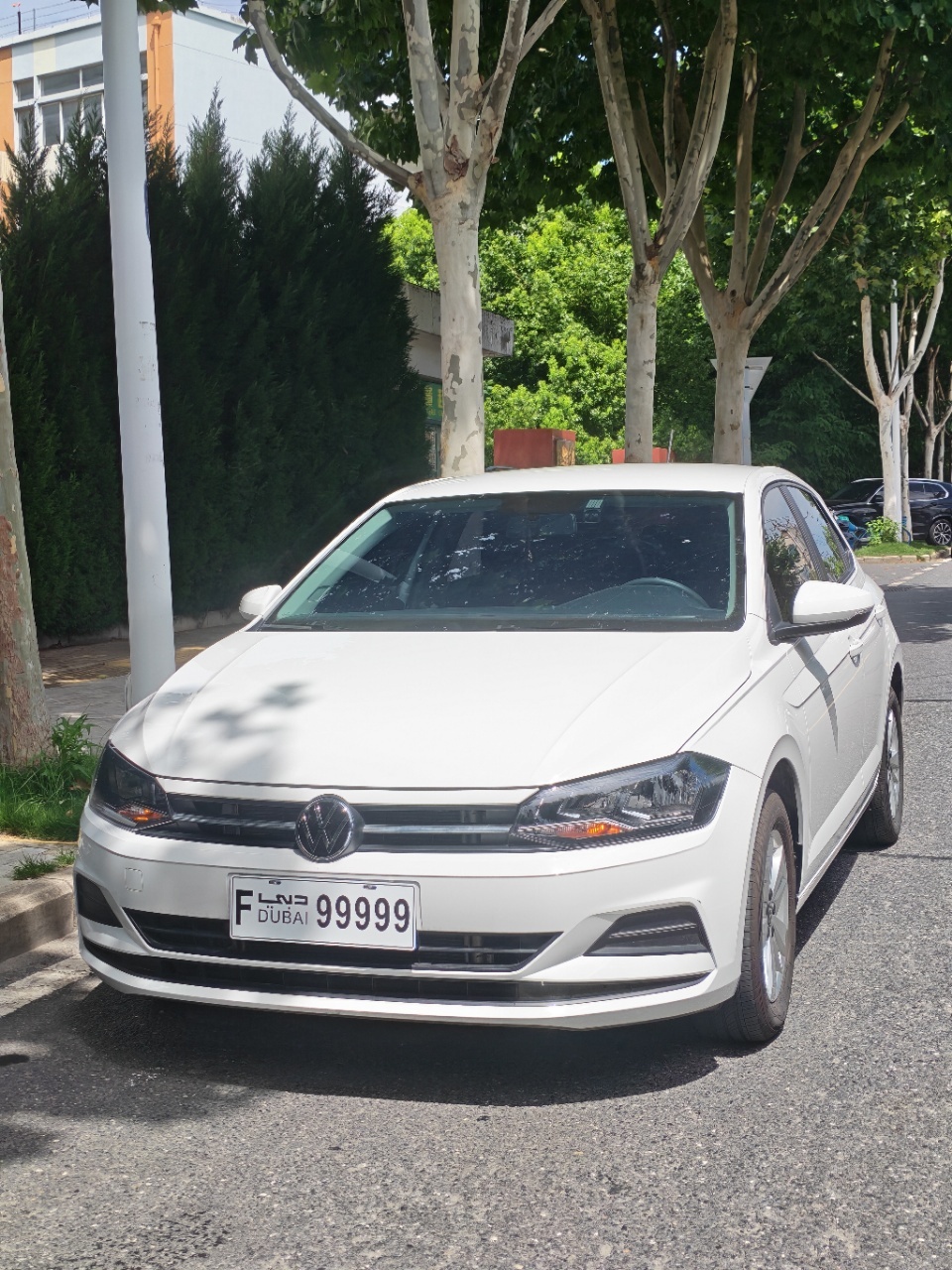
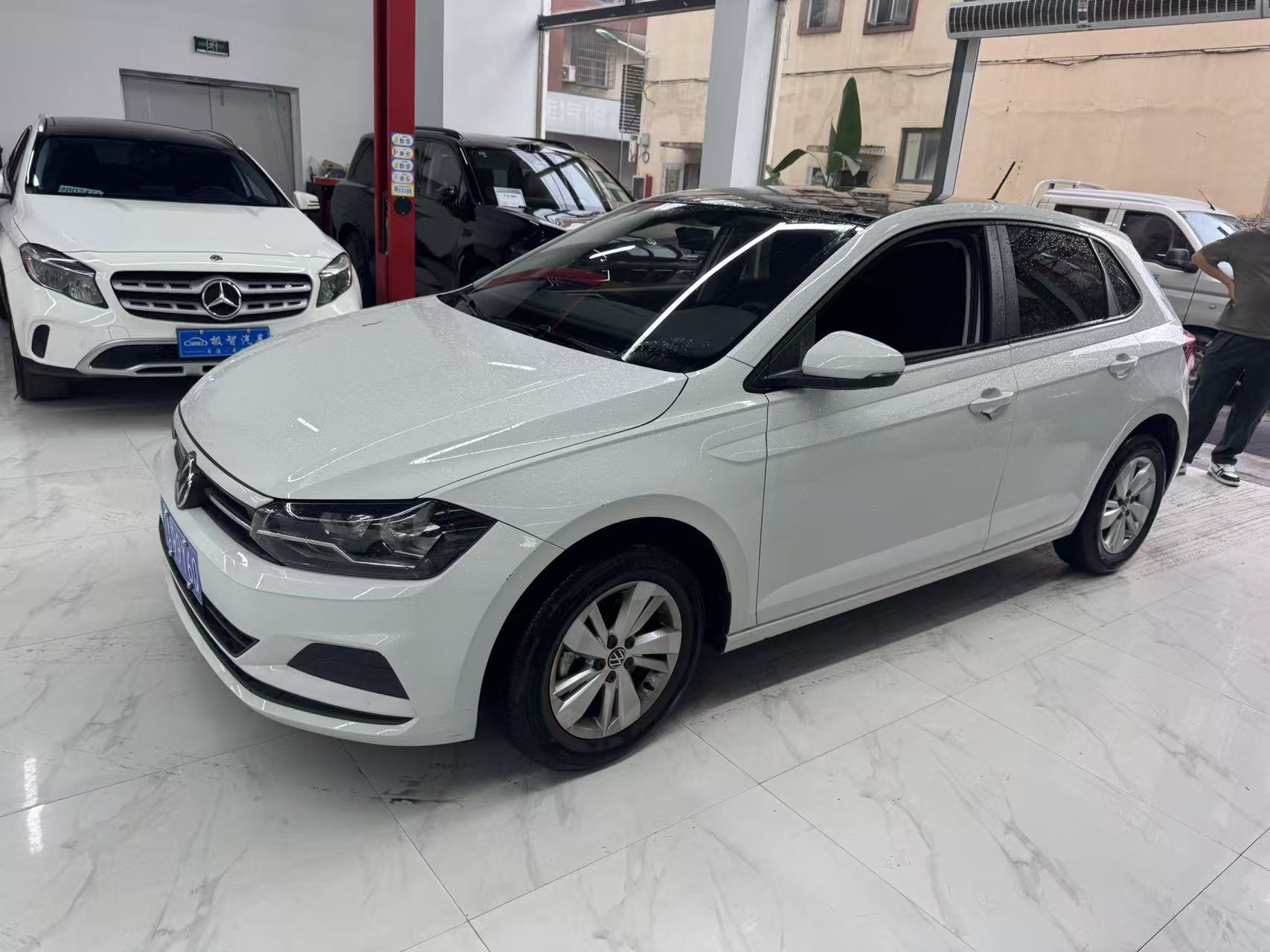
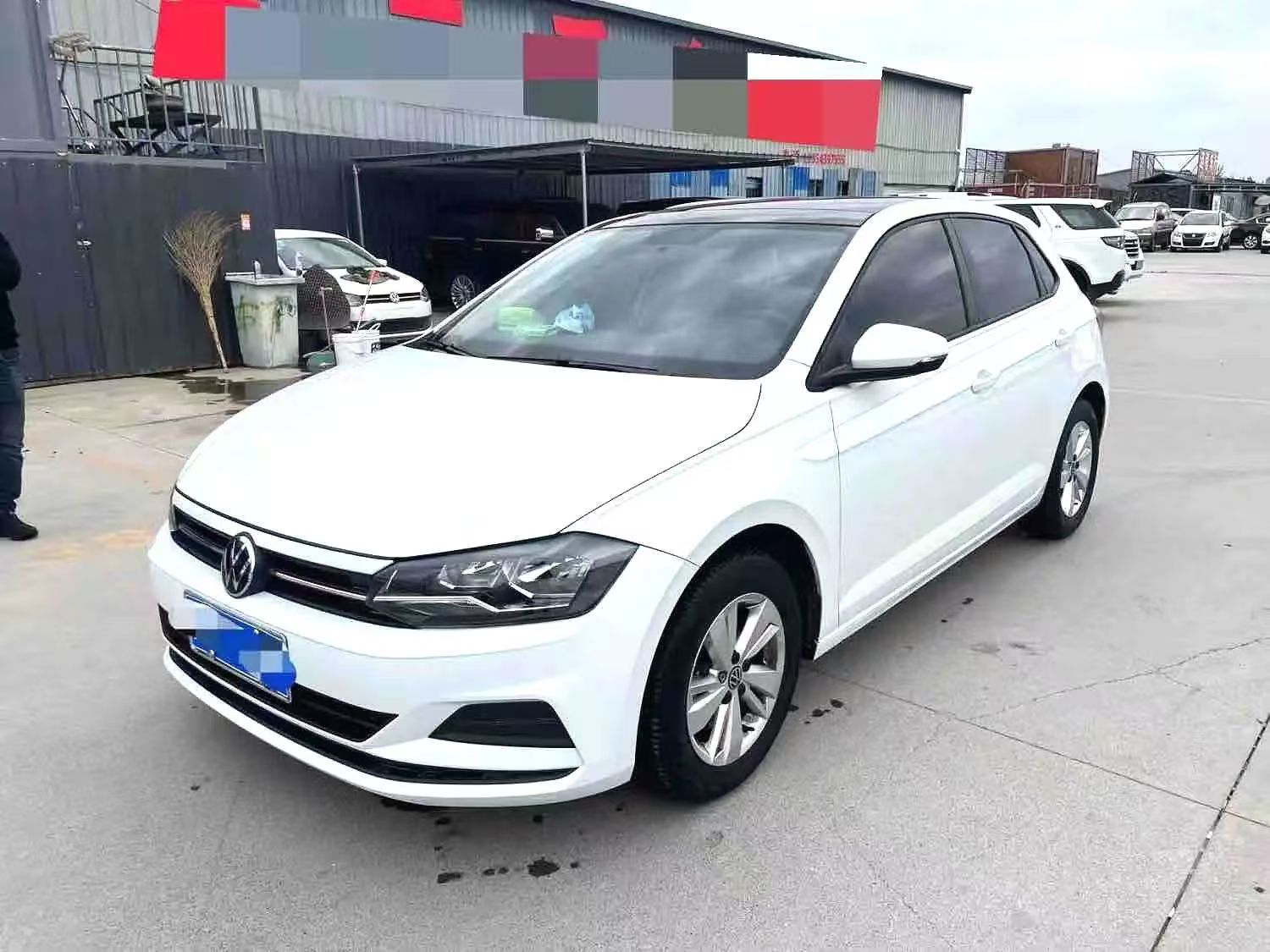
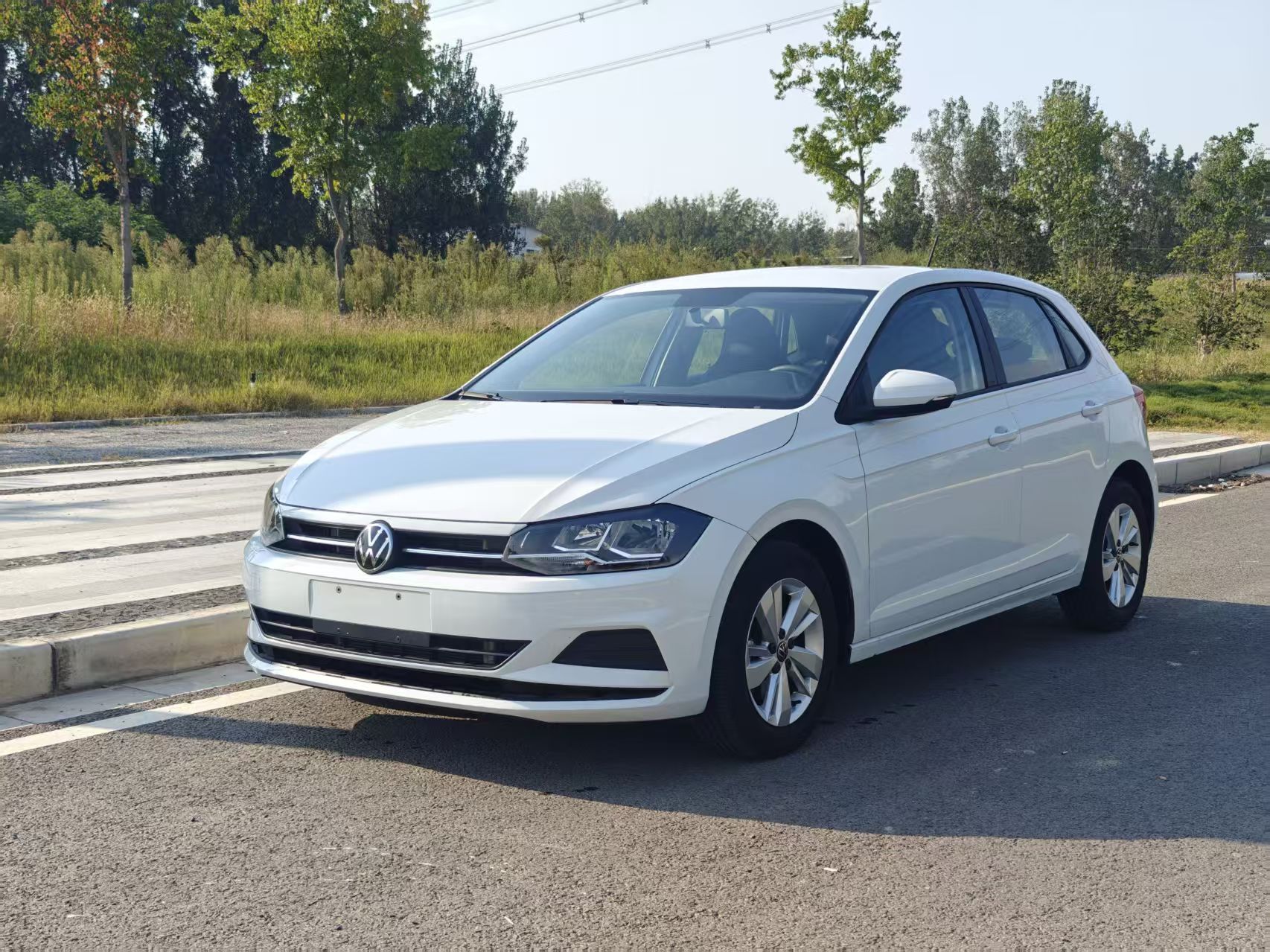
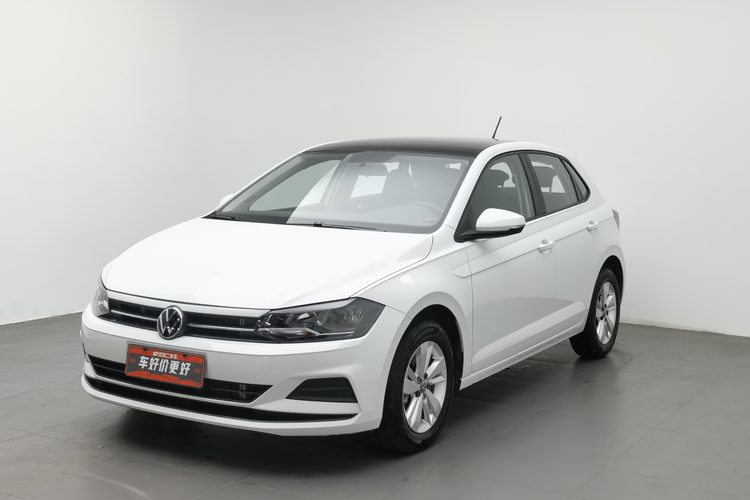
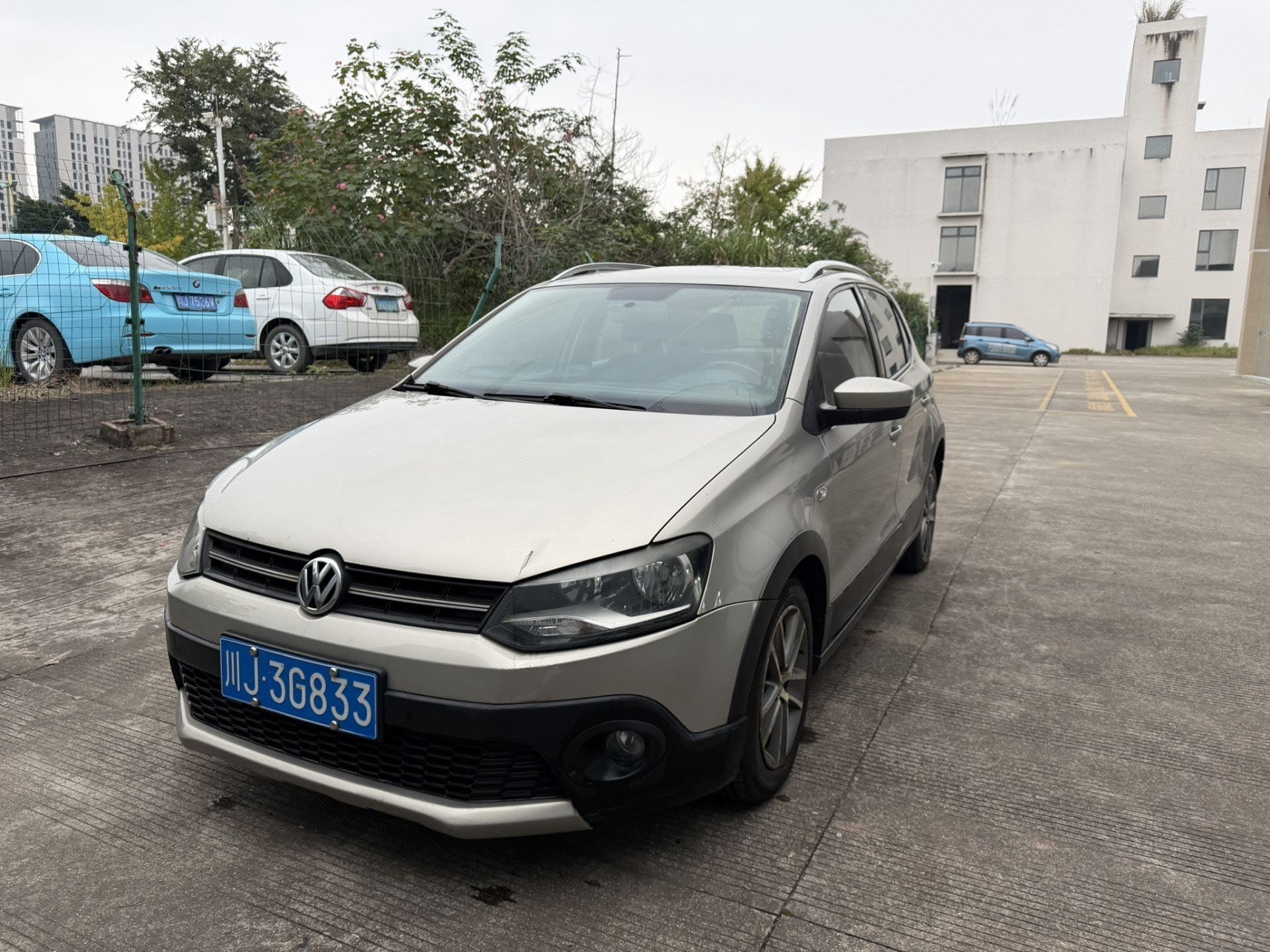
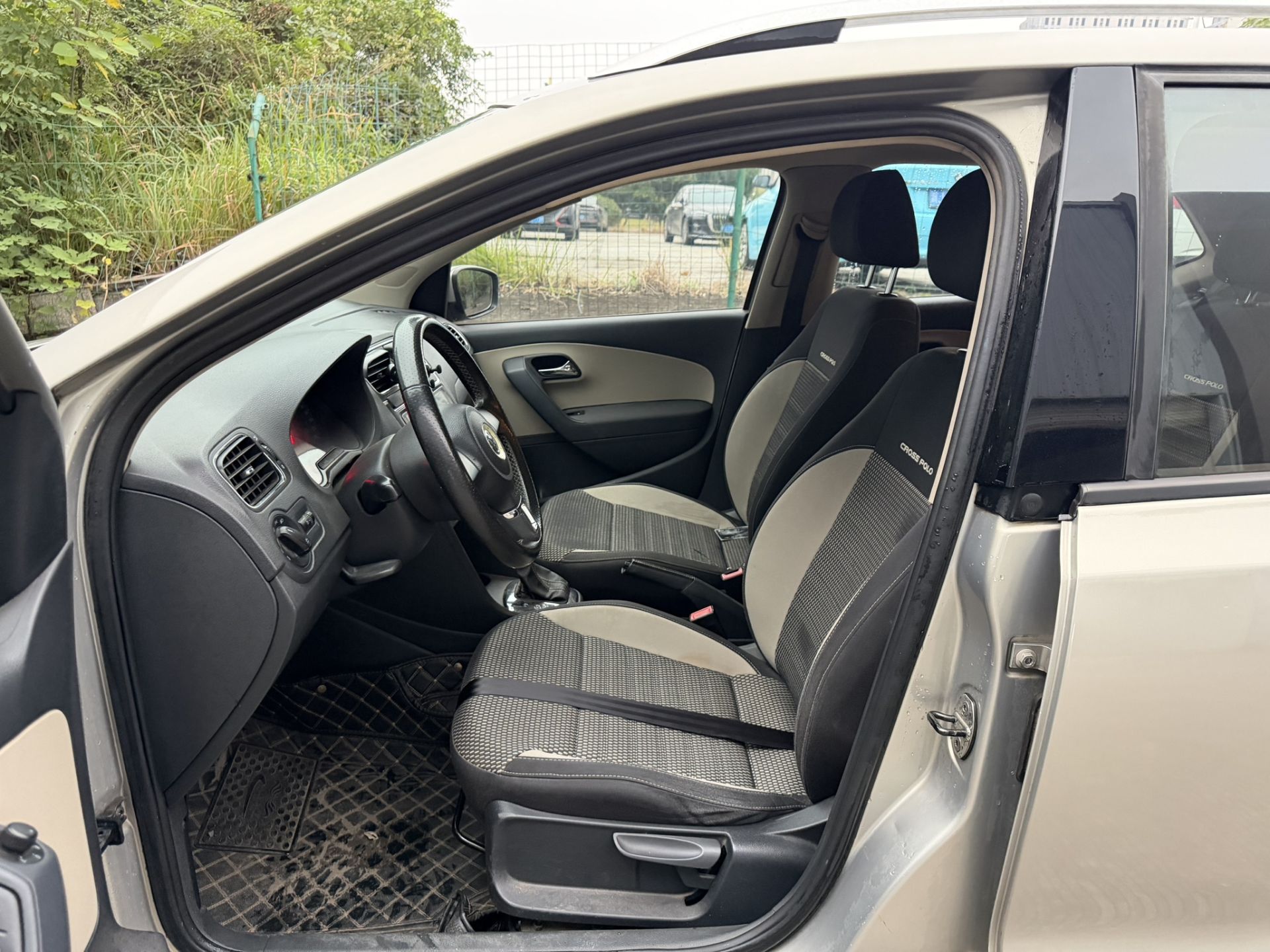
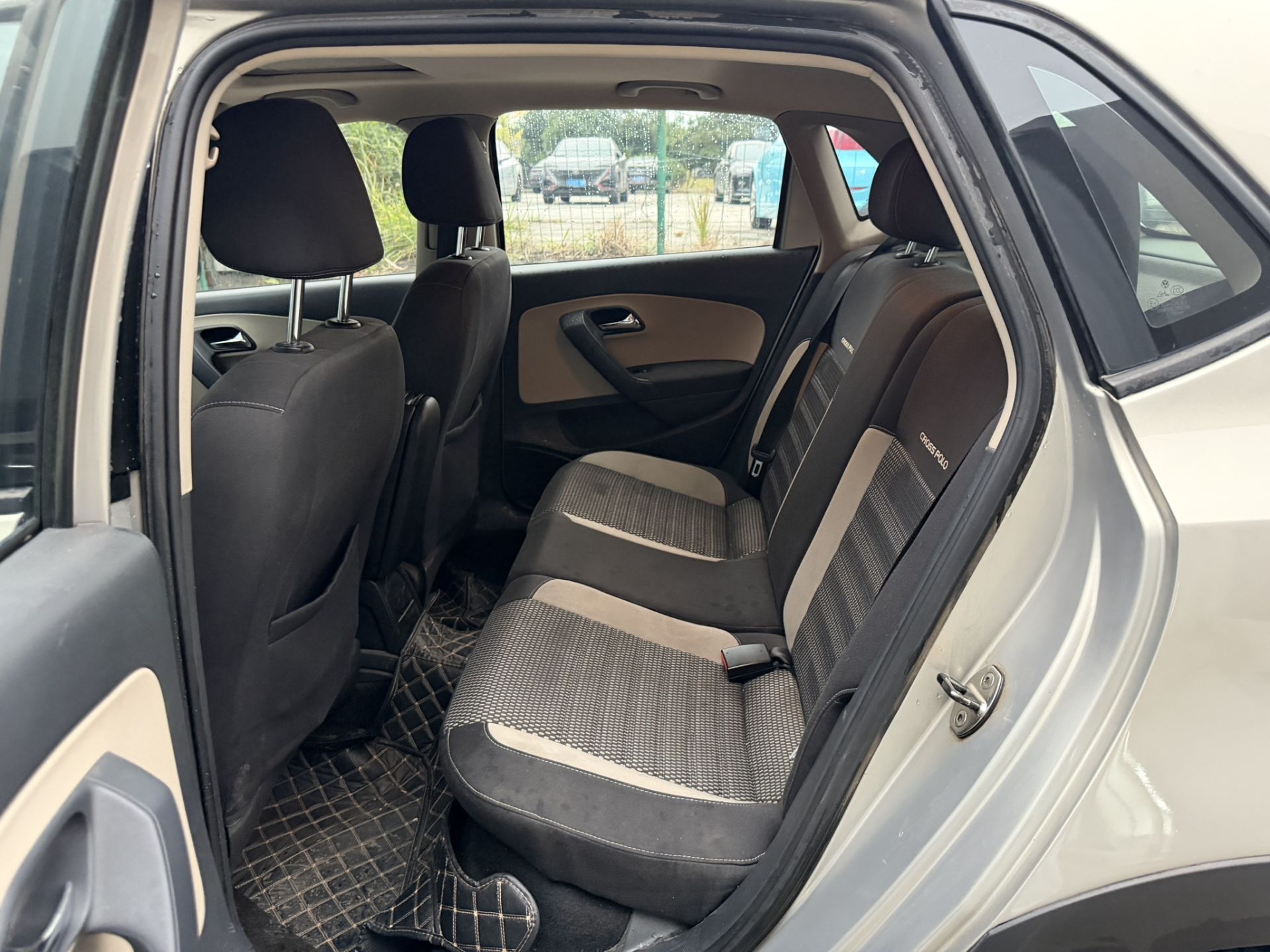
BrandVolkswagen
SeriesPolo
Year2014
First Registration2014/02
Mileage101,000km
Transfer Count0times
FuelGasoline
TransmissionManumatic
Engine1.6L 110 L4
ColorGrey
Seats-

Condition Description

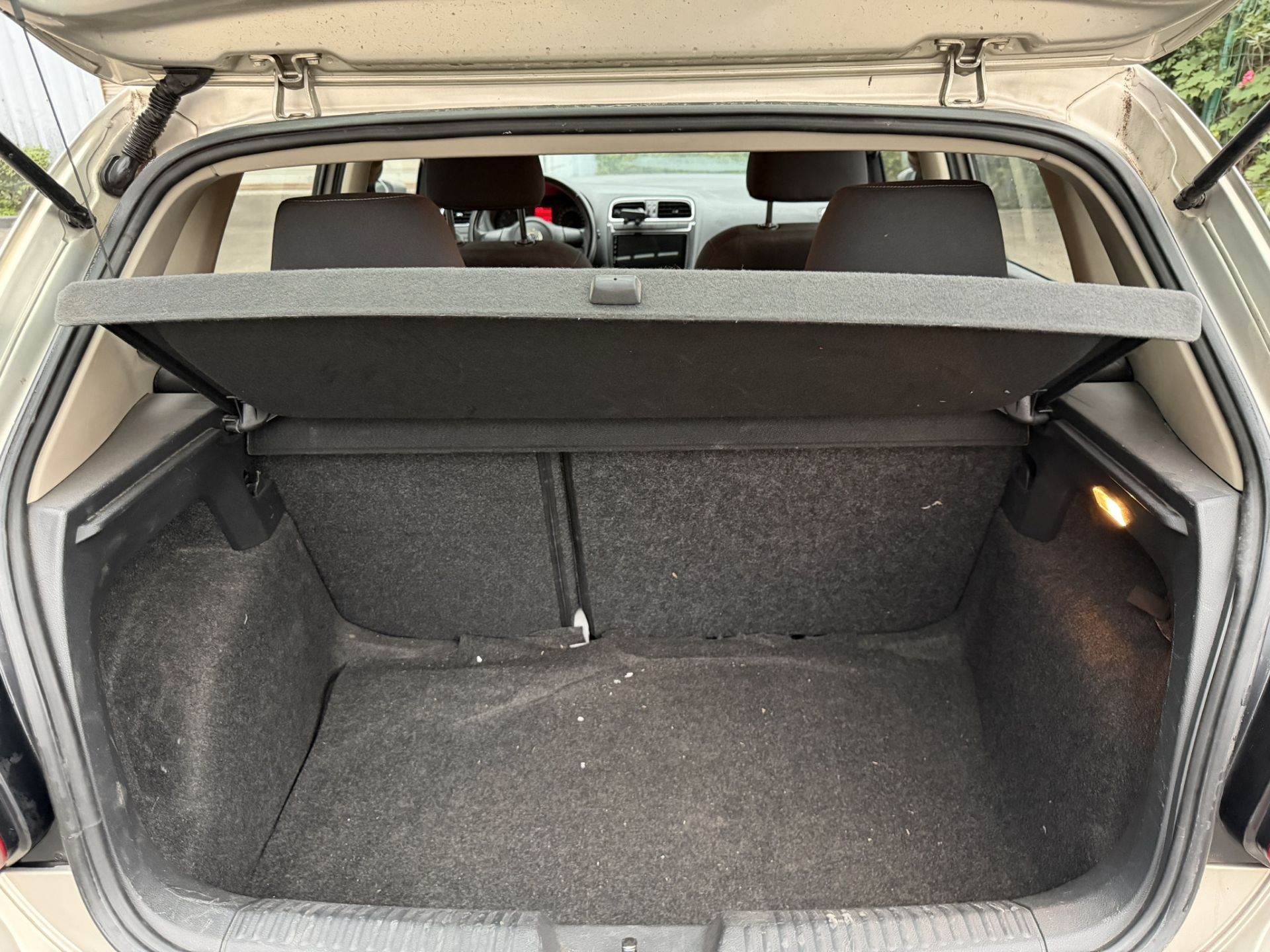
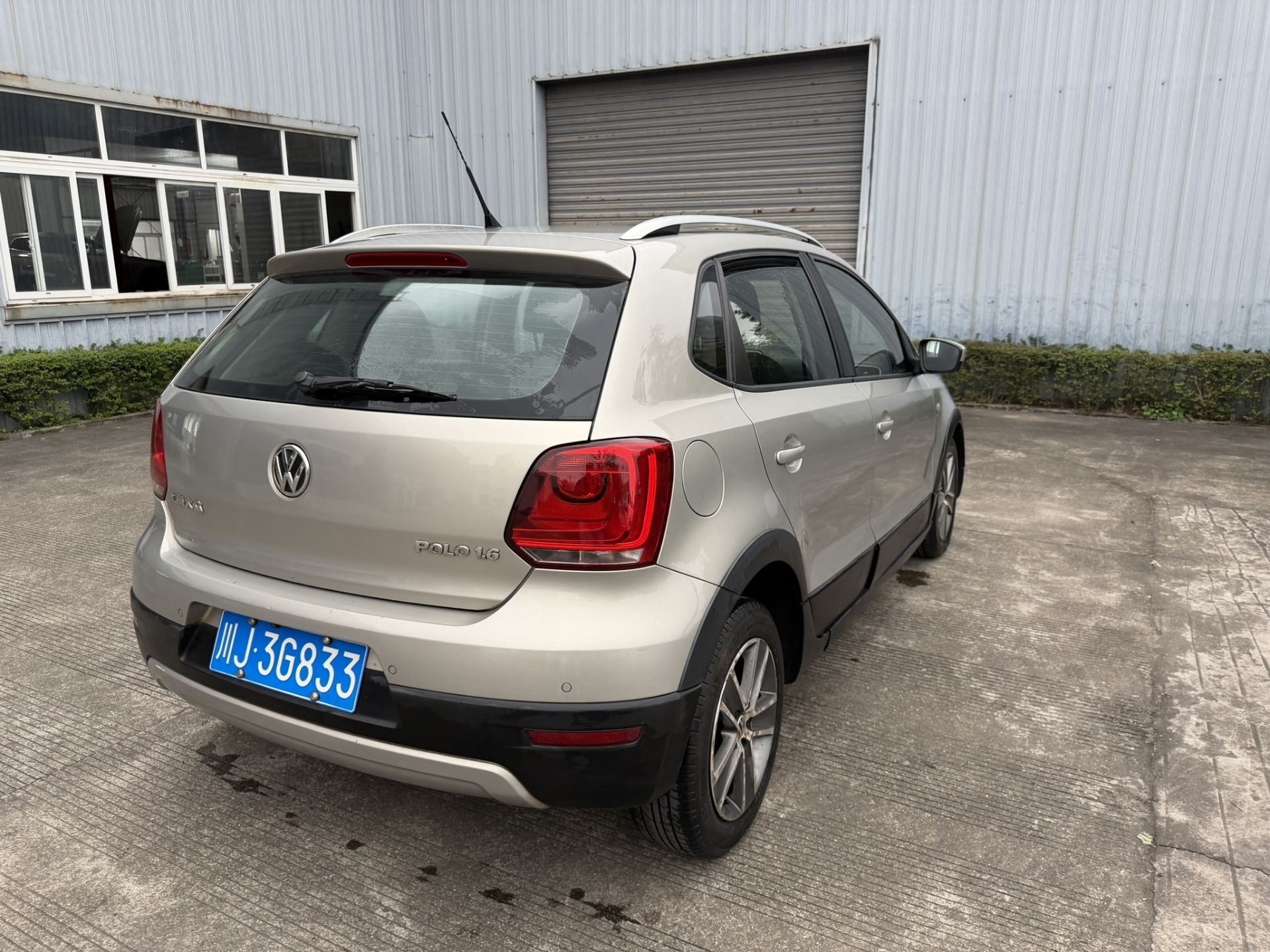
Full body panel repair and repaint except roof and hood. Front and rear bumpers and front headlights replaced. Scratches on hood, front and rear bumpers, and right front fender. Paint needed on 4 panels. Right rear window regulator faulty, window does not close tightly.

Document Information

Inspection Expiry Date-
Warranty Expiry Date-
Insurance Expiry Date2027/02

Q&A

More

Can I request the original factory parameter sheet for the vehicle (such as the standard camber angles and toe values) from your after-sales service so I can do a four-wheel alignment locally?

This is after-sales support we are very happy to provide. Since overseas alignment machines often lack databases for Chinese brand vehicles, we will send you screenshots of the core chassis parameters from the service manual, making it easier for your technician to manually input the data for precise adjustments.


How to confirm that the bank mortgage status of a vehicle in China has been completely lifted and the ownership is clear?

The vehicle's "Motor Vehicle Registration Certificate" will clearly print the records of the mortgage and its release. Our legal and documentation team will strictly review during the vehicle collection process to ensure that the ownership is completely free and clear, preventing any future ownership disputes.

Beyond the car price, what costs should I budget when importing a used car from China?

A realistic budget has several layers beyond the vehicle price. First, inland logistics in China: moving the car to the export port typically costs $300-$800. Second, export handling: inspection, customs declaration and paperwork usually add $500-$1,000. Third, ocean freight. A 20ft container to most destinations runs $1,200-$3,000 depending on route; RoRo shipping can be cheaper for driveable cars. Add marine insurance, usually 0.3%-0.5% of the car value. Fourth, destination charges: port handling, customs duties, VAT/GST and local registration fees. These vary widely; some countries charge duties of 20%-80% of the vehicle value plus an excise based on engine capacity. Finally, any compliance work: inspection certificates, modifications to meet local standards, or homologation. Ask your exporter for a full CIF quote and have a local customs broker confirm destination taxes before you commit.