


Sold

Basic Information

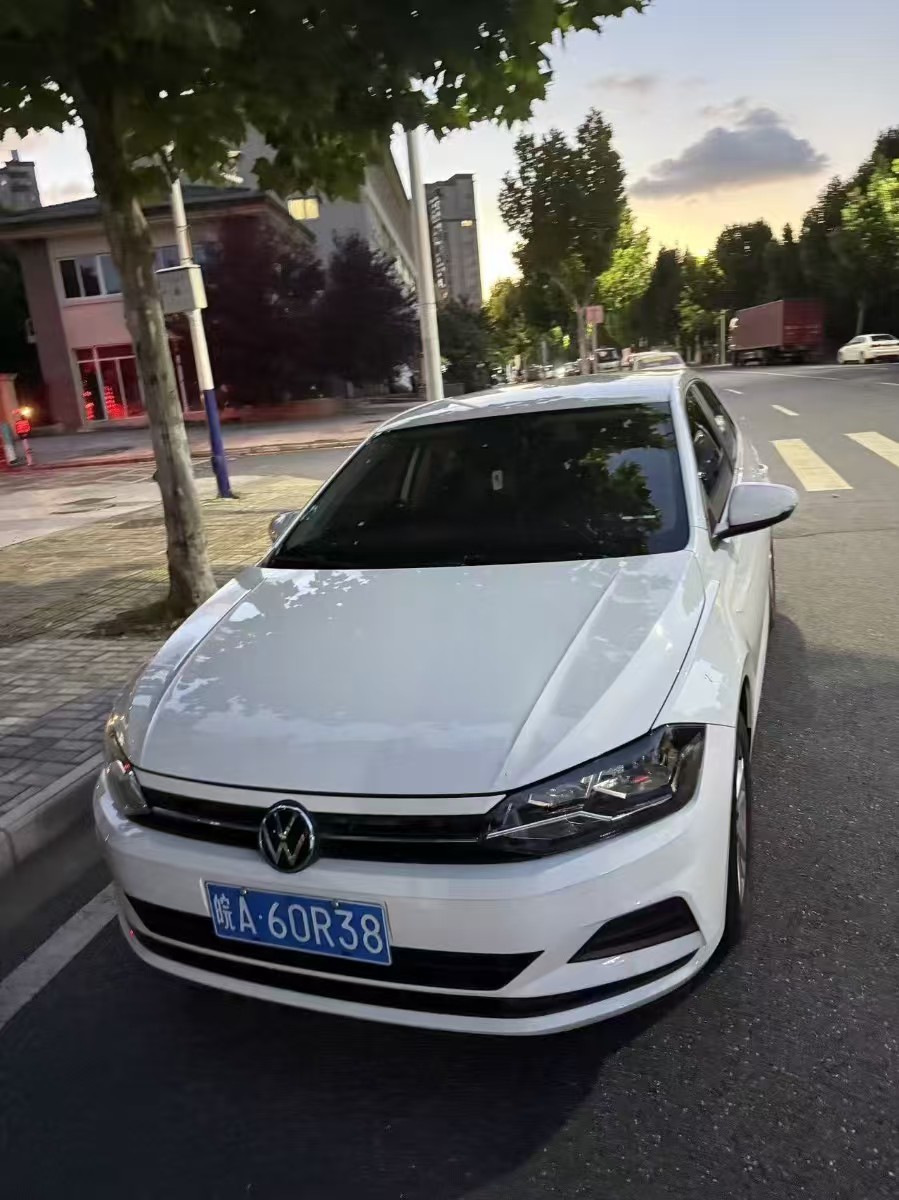
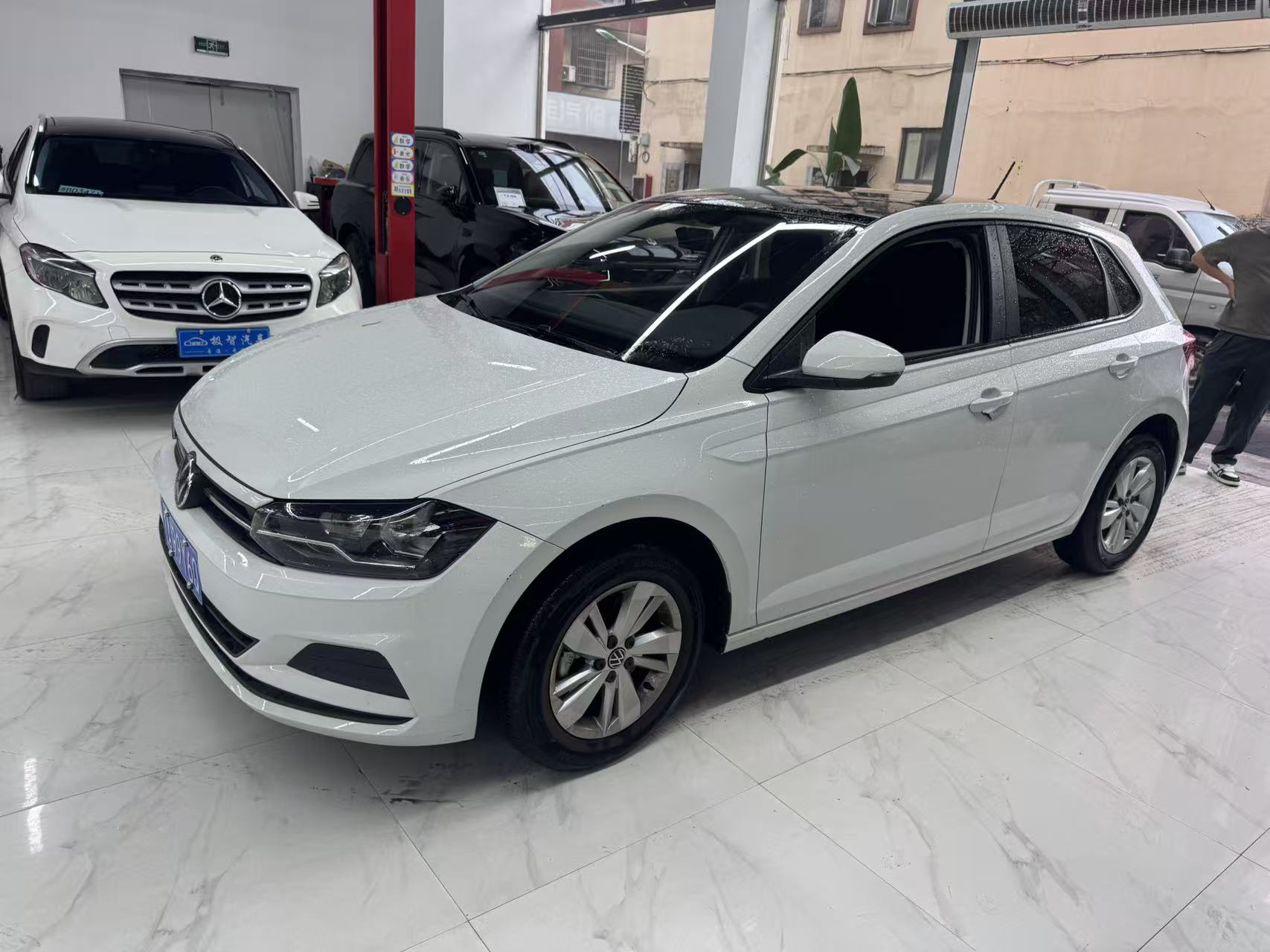
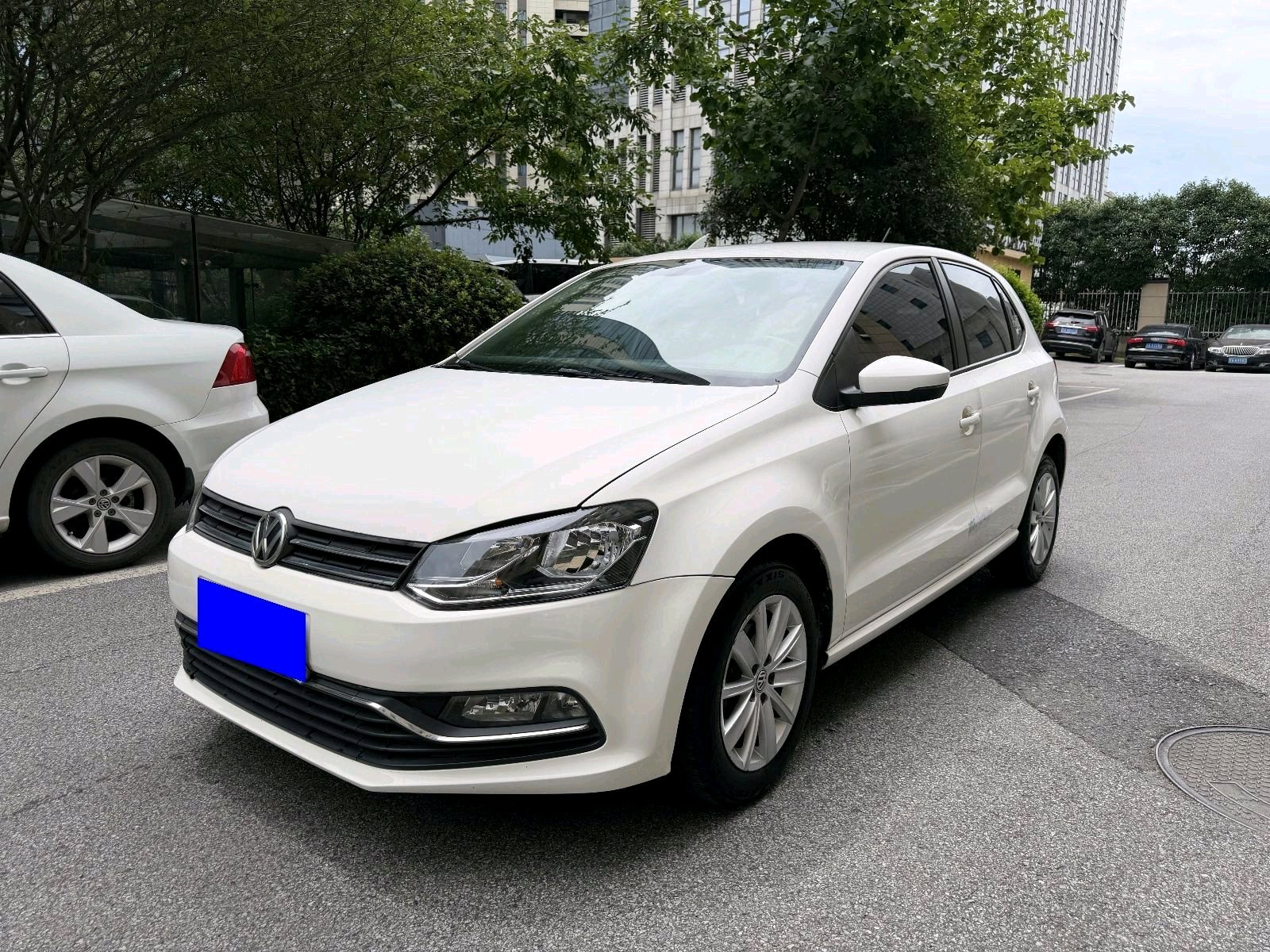
BrandVolkswagen
SeriesPolo
Year2014
First Registration2014/07
Mileage151,000km
Transfer Count0times
FuelGasoline
TransmissionManumatic
Engine1.6L 110 L4
ColorWhite
Seats-

Condition Description

Repainted/replaced: front bumper, front headlight, grille, hood, removable radiator frame, right rear door. Both front fenders removed and repaired. Slight deformation at front longitudinal beam connection plate (see photo). Right C-pillar first section has high body repair/paint thickness, depth exactly 1.5 cm (see photo). Over 150,000 km; OBD reading intentionally not performed.

Document Information

Inspection Expiry Date-
Warranty Expiry Date-
Insurance Expiry Date2027/07

Q&A

More

What should I do if I find obvious defects on the exterior that were not mentioned in the inspection report after receiving the car?

Please take timestamped photos and videos at the first opportunity when picking up the car at the destination port (before leaving the port area). We will compare these with the final archived images taken at the Chinese port before shipping. If it is confirmed that we missed reporting it during the pre-shipment inspection, we will provide compensation for parts or labor costs based on the severity of the defect; if it is new physical damage incurred during shipping, the insurance claim process will need to be initiated.
What are the differences in power loss performance of used lithium iron phosphate (LFP) and ternary lithium (NMC) batteries in cold countries?

If your market is in extremely cold regions (like Russia or Northern Europe), we strongly recommend purchasing ternary lithium (NMC) models equipped with heat pump air conditioning. The range achievement rate of used LFP batteries typically plummets at minus 15 degrees, and we will alert you accordingly.

If the customs of the destination country values the vehicle higher than your commercial invoice amount, leading to a surge in duties, who is responsible?

The customs of the destination country has the right to disregard the commercial invoice and reassess the value based on its internal database (such as the customs valuation red book). Any additional duties incurred are a result of the importing country's policy and are fully borne by the buyer (importer).