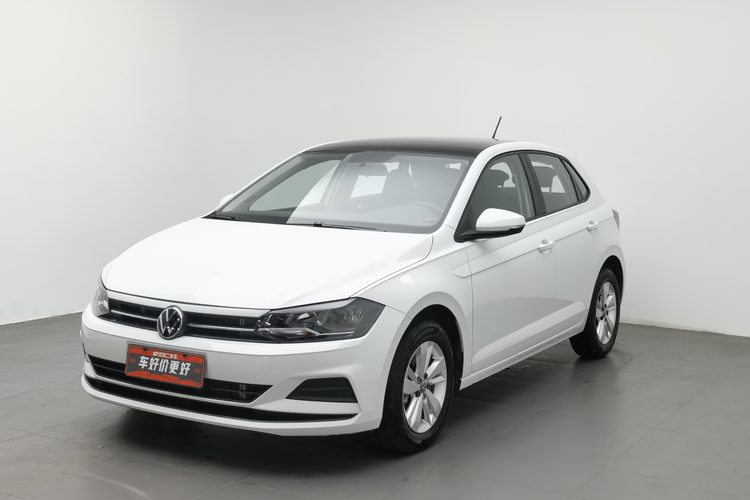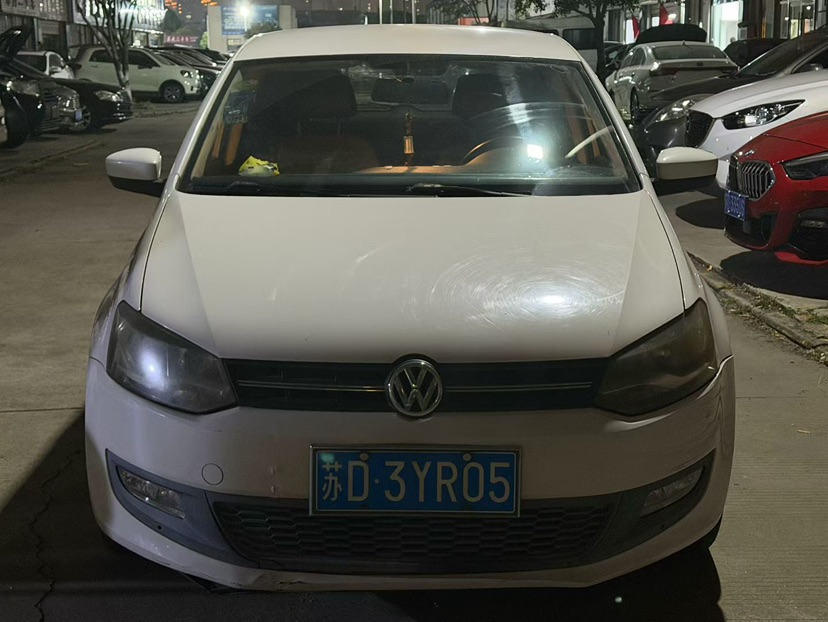
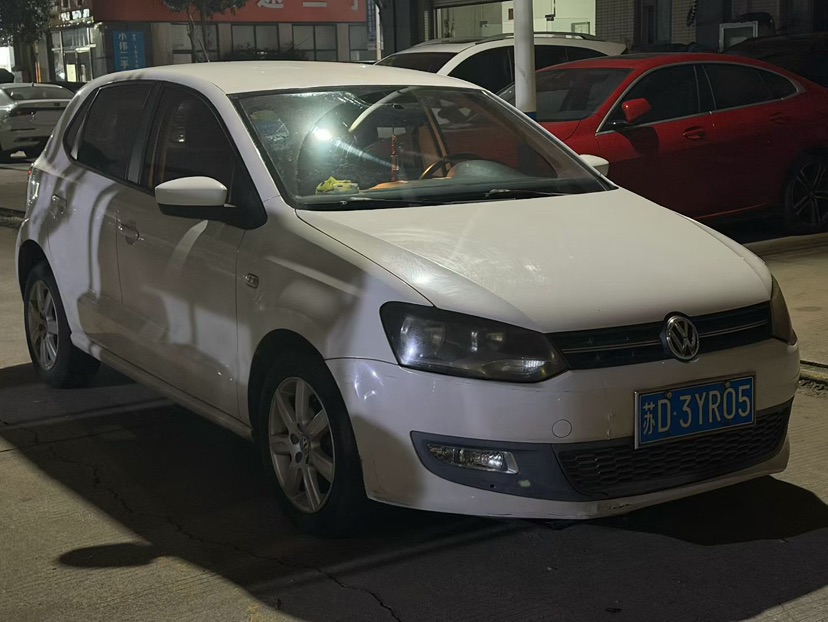
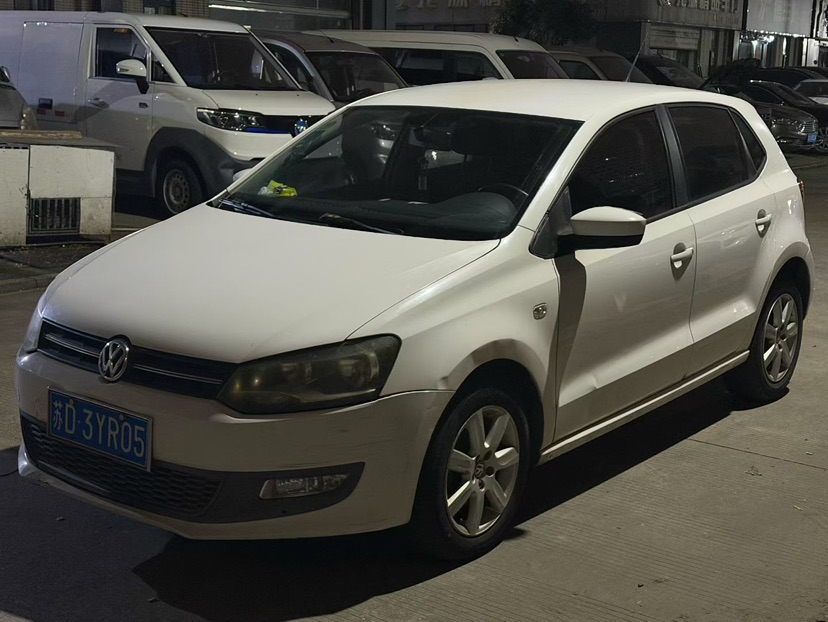
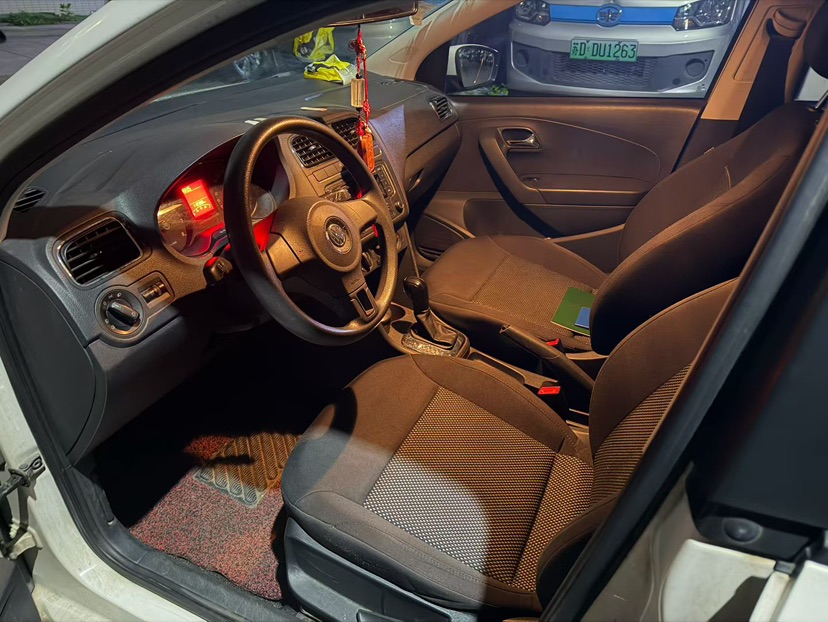
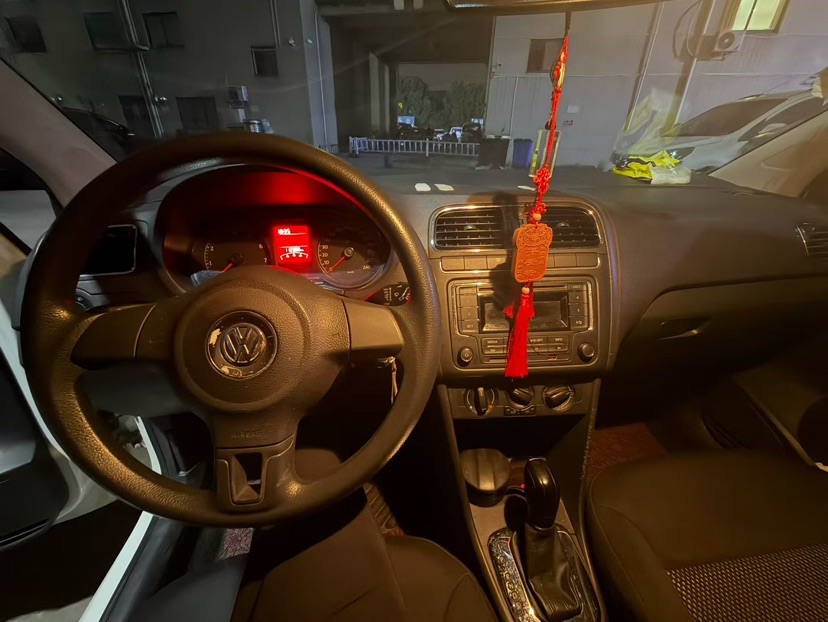
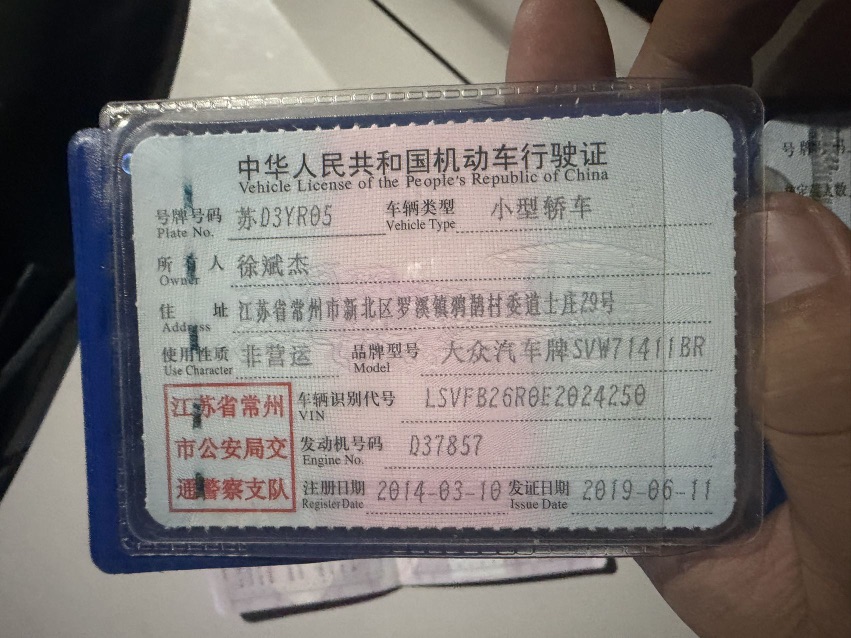



Basic Information

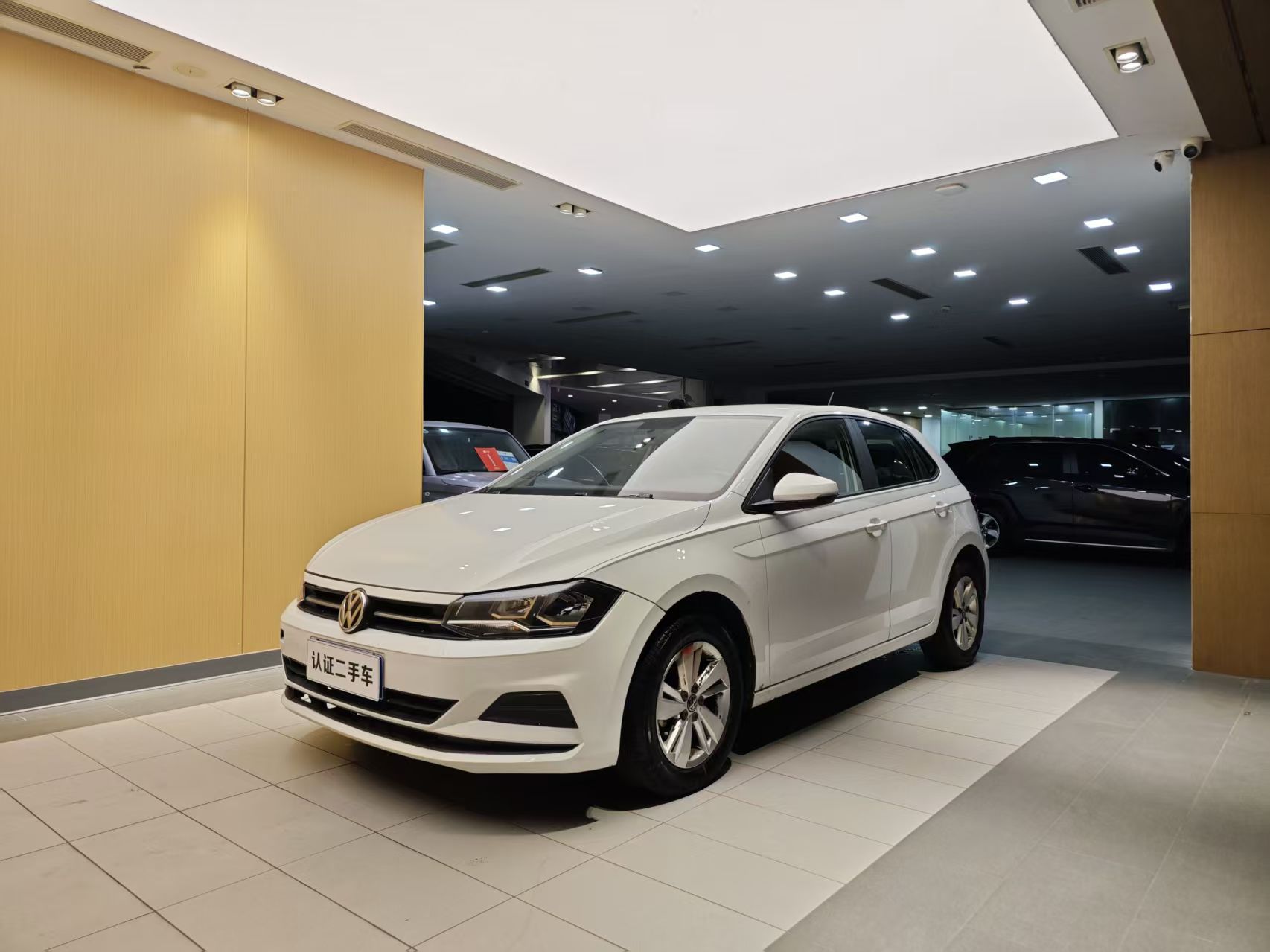
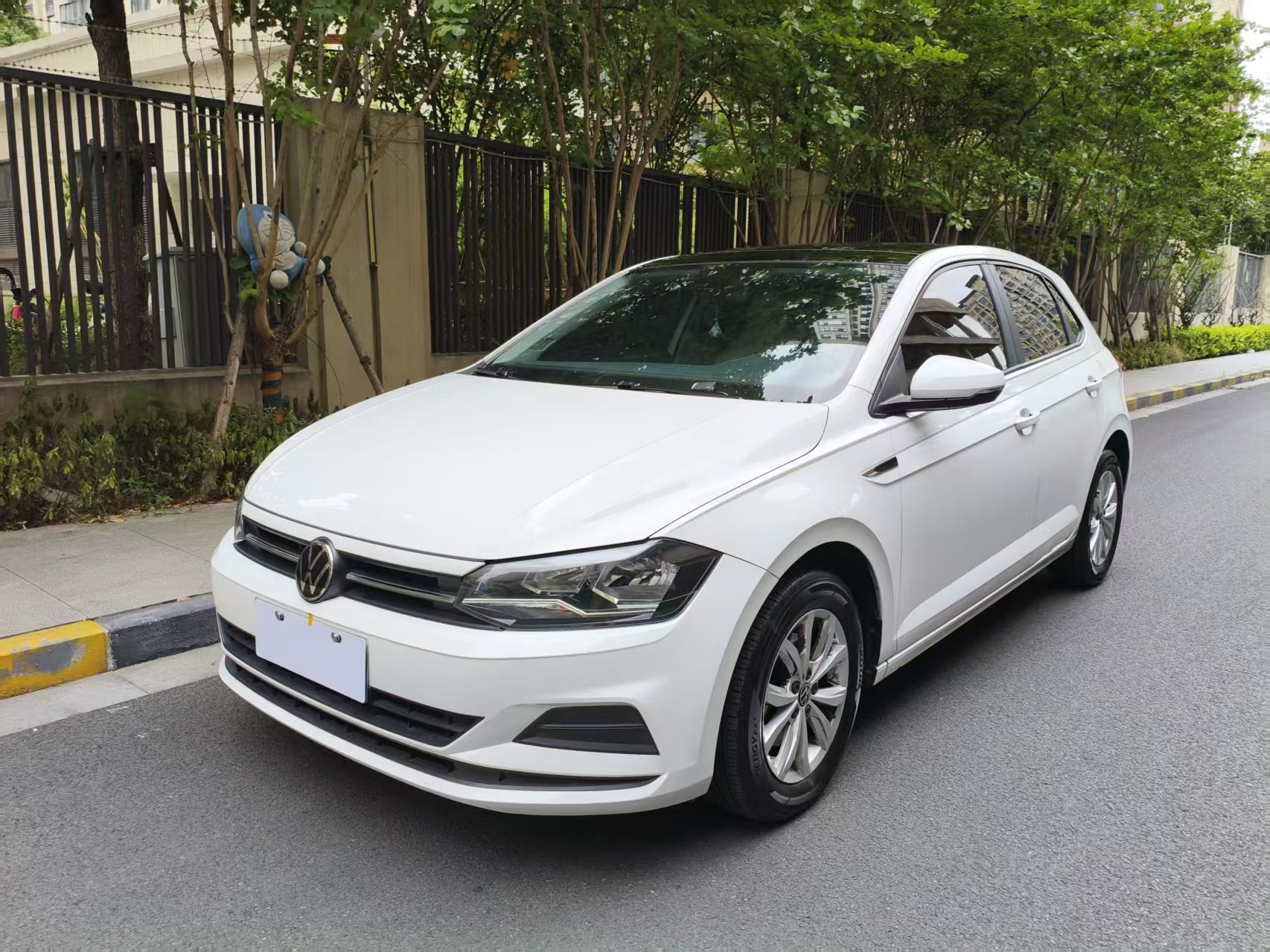
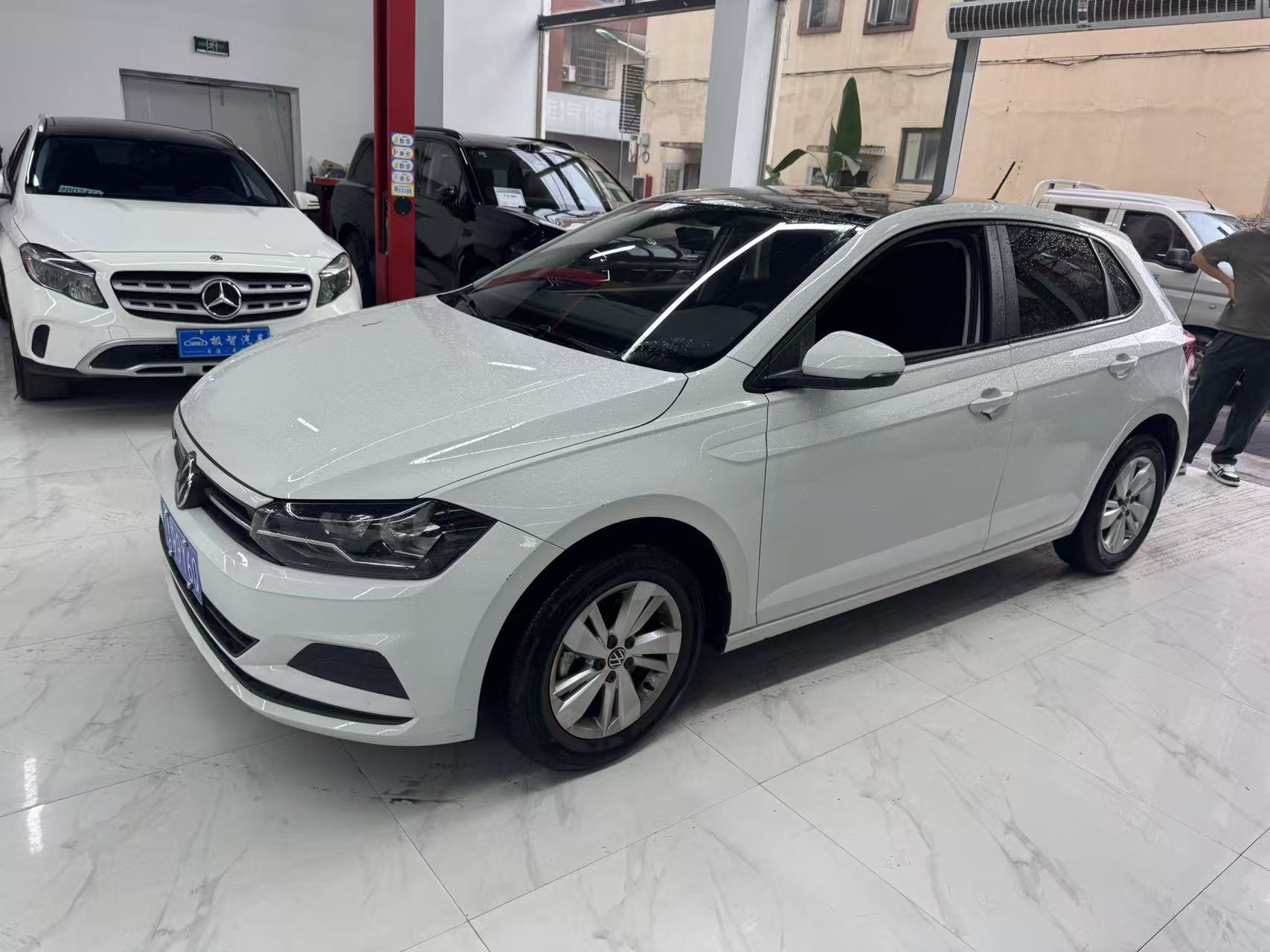
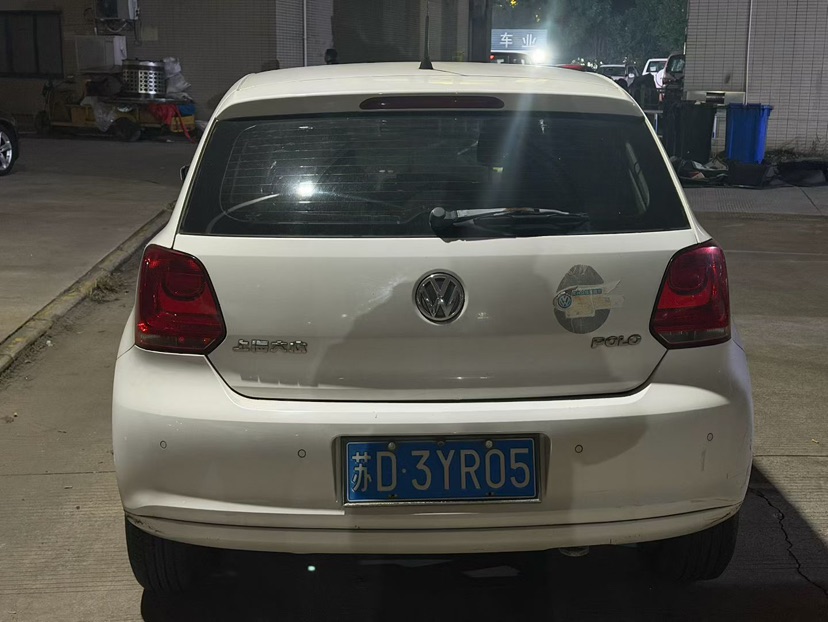
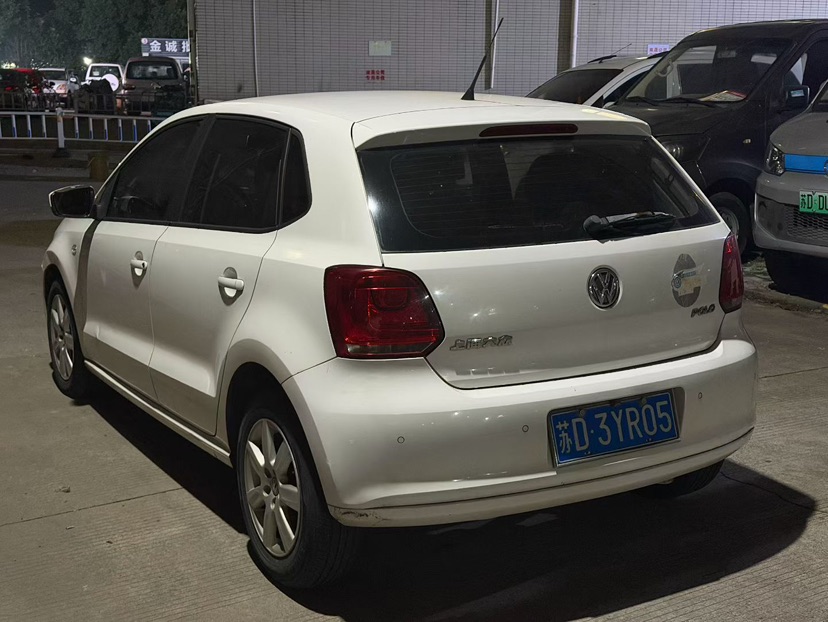
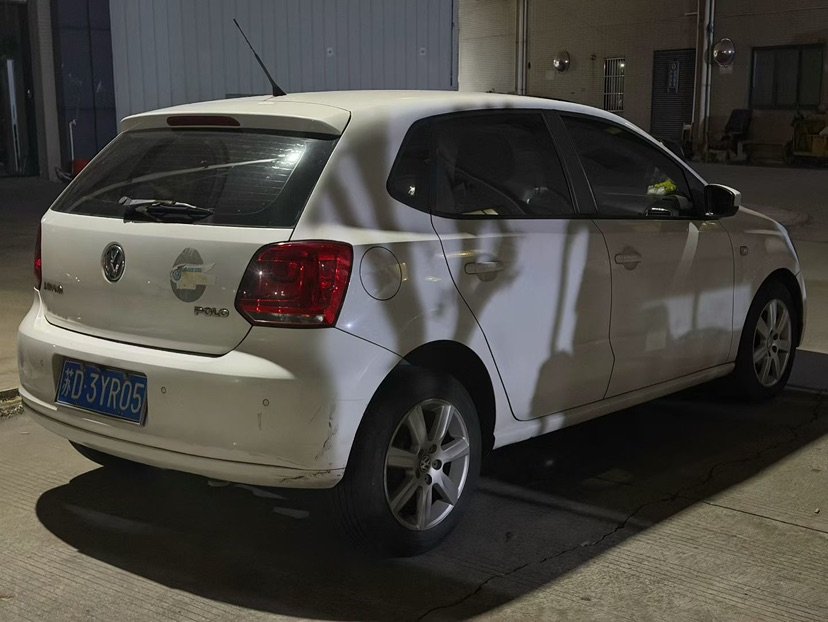
BrandVolkswagen
SeriesPolo
Year2014
First Registration2014/03
Mileage110,000km
Transfer Count1times
FuelGasoline
TransmissionManumatic
Engine1.4L 86 L4
ColorWhite
Seats-

Condition Description

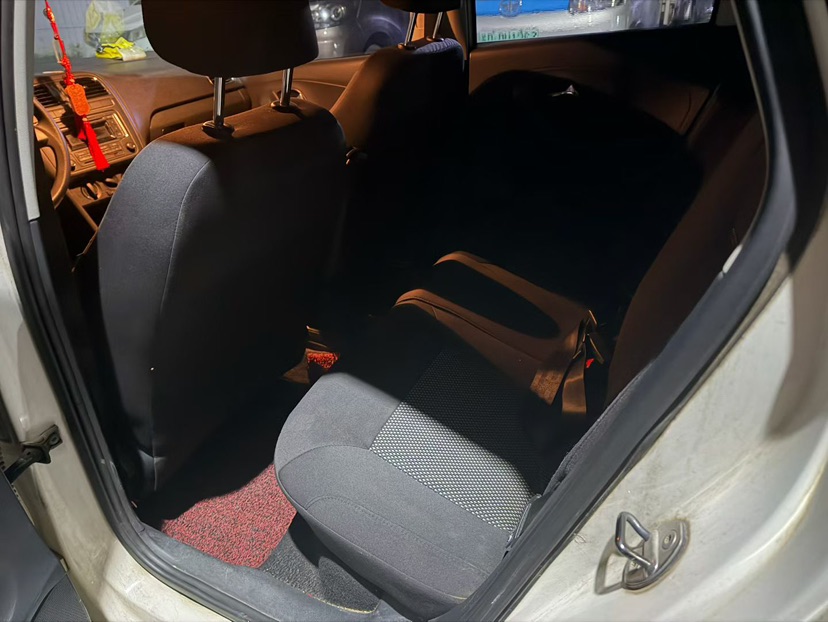
Original paint, no repairs or investments needed.

燃油车
轿车
自动
维保开放
事故开放
查验开放

Configuration Highlights

✓品牌: 大众
✓车系: Polo
✓车型: 2013款 1.4L 自动舒适版
✓车身类型: 轿车
✓座位数: 5
✓排量: 1.4L
✓变速箱: 自动
✓能源类型: 燃油车
✓VIN: LSVFB26R0E2024250
✓搜索关键词: 大众Polo 2013款Polo1.4L自动舒适版

Document Information

Inspection Expiry Date2027/03
Warranty Expiry Date-
Insurance Expiry Date2027/03

Q&A

More

If I cancel my order, how long should a refund of my deposit take, and what if the exporter keeps delaying?

A reasonable refund timeline is 5-15 business days after written cancellation, provided the car hasn't shipped or incurred costs. Legitimate deductions may apply: inspection fees, storage, or transport already spent on your order. To protect yourself, put refund terms in the contract before paying: state the refund amount, the deadline, and the payment method (same account you paid from). If delays occur, escalate in writing—email plus your messaging channel—and set a firm deadline referencing the contract clause. If the exporter keeps stalling beyond 30 days, your leverage is small from abroad, which is why the contract matters most. For large amounts, consider whether your bank can initiate a recall of the wire, or use escrow for future transactions so funds are only released against delivery milestones.


Can the used cars you export meet the SASO certification or GSO standards required by the Middle Eastern market?

It must be stated objectively: used cars in China are produced according to national standards (GB) and have not been originally certified by Saudi SASO or GSO of Gulf countries. Buyers must find a local agent with customs clearance capabilities to complete the clearance through exemption documents or compliant modifications after arrival (such as wrapping or adding specific alarms).

Should I ship my used car from China in a container or by roll-on/roll-off (RORO)?

It depends on the car's value, type and destination. RORO means the car is driven onto the vessel and secured on deck or in the hull. It is usually cheaper per car and does not involve container packing fees. The downside: the car sits exposed to salt air for weeks, and RORO service is limited to ports with dedicated terminals. Container shipping (one 20ft or 40ft container per 1-2 cars) costs more but gives much better protection. It is strongly recommended for electric vehicles (battery safety regulations), luxury cars, and vehicles going on long voyages or rough sea routes. Practical tips: whichever method you choose, ask for the car to be shipped with a full battery charge disconnected at the terminals, tire pressures adjusted, and a condition report with photos signed at loading. For EVs, confirm the shipping line accepts used electric vehicles and what state-of-charge limits apply.