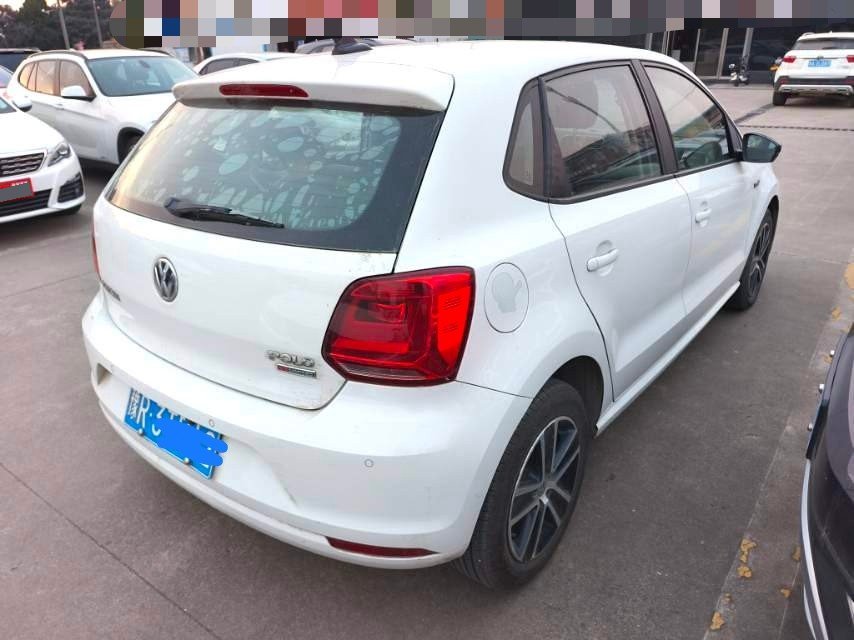



Basic Information

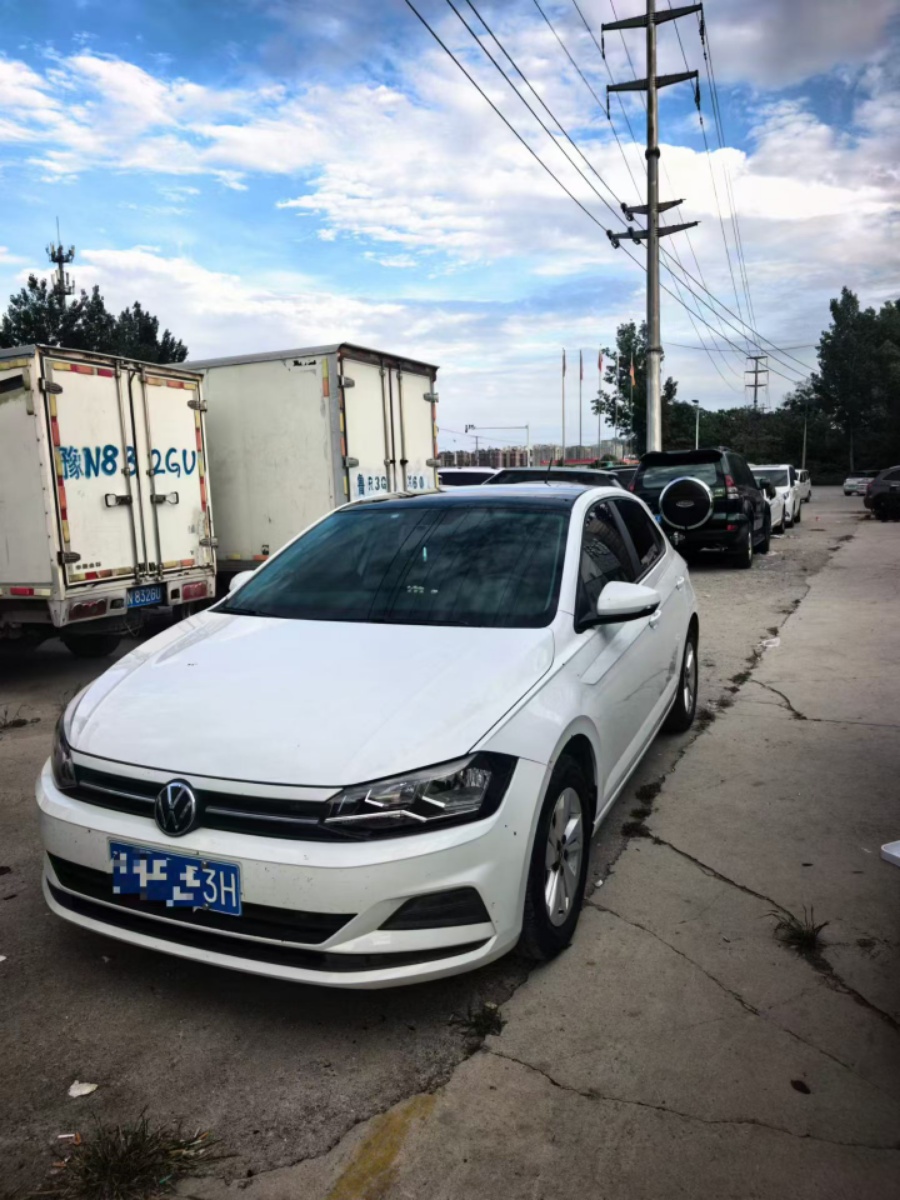
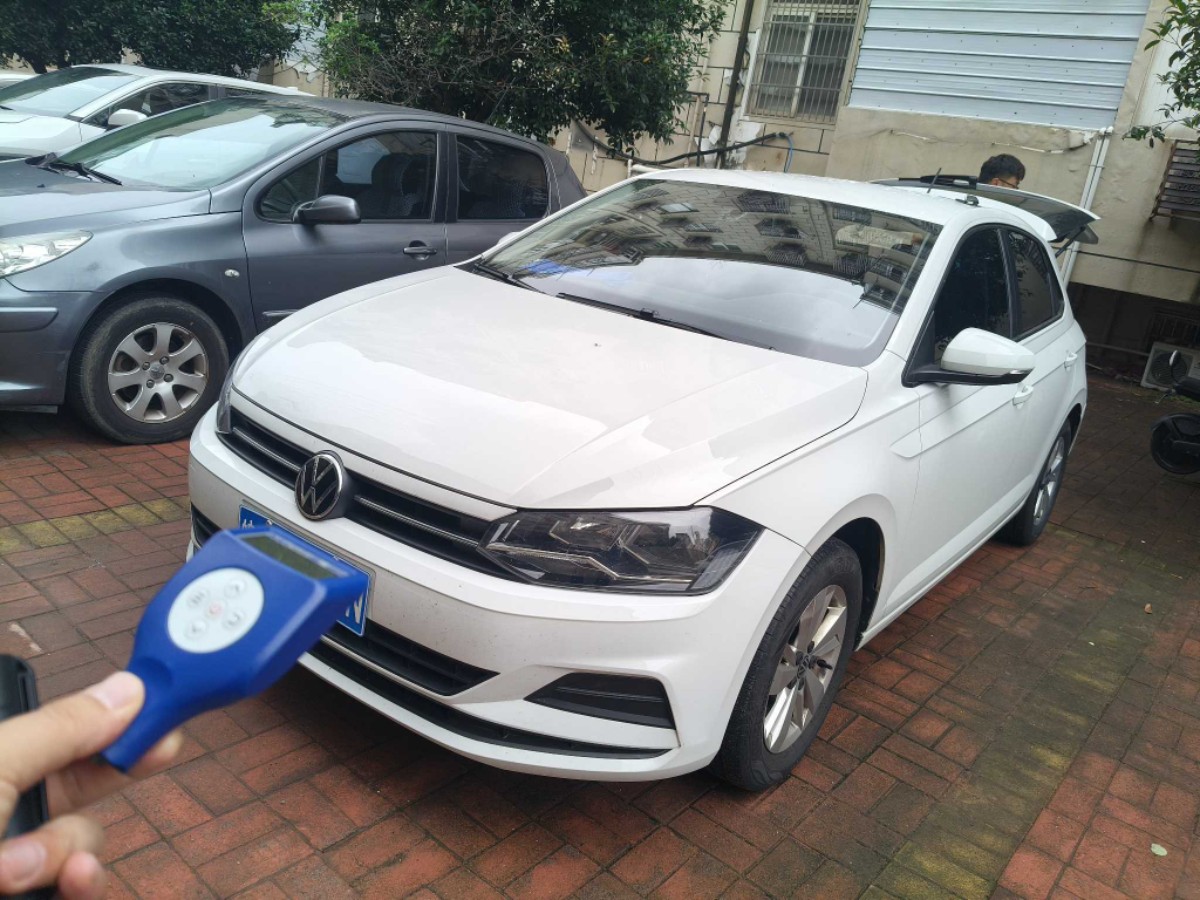
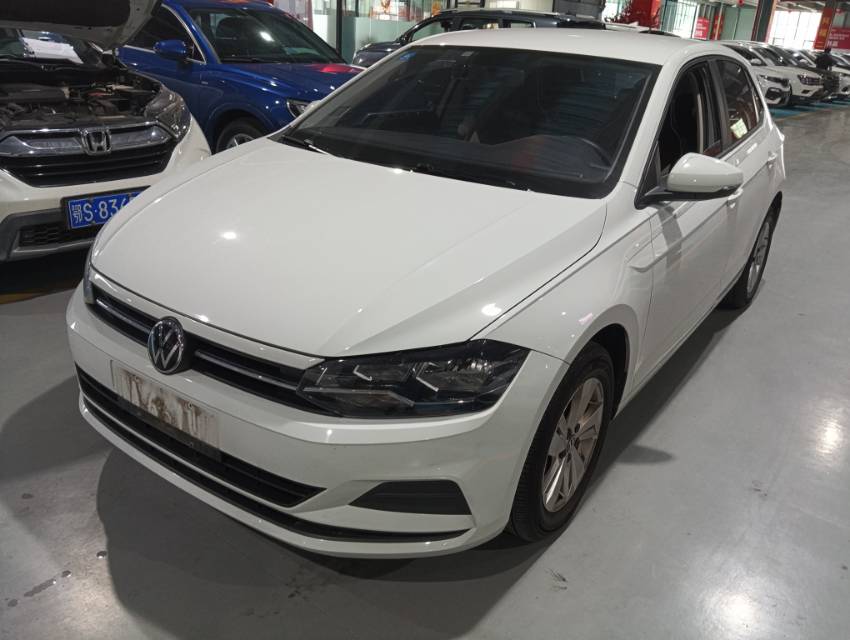
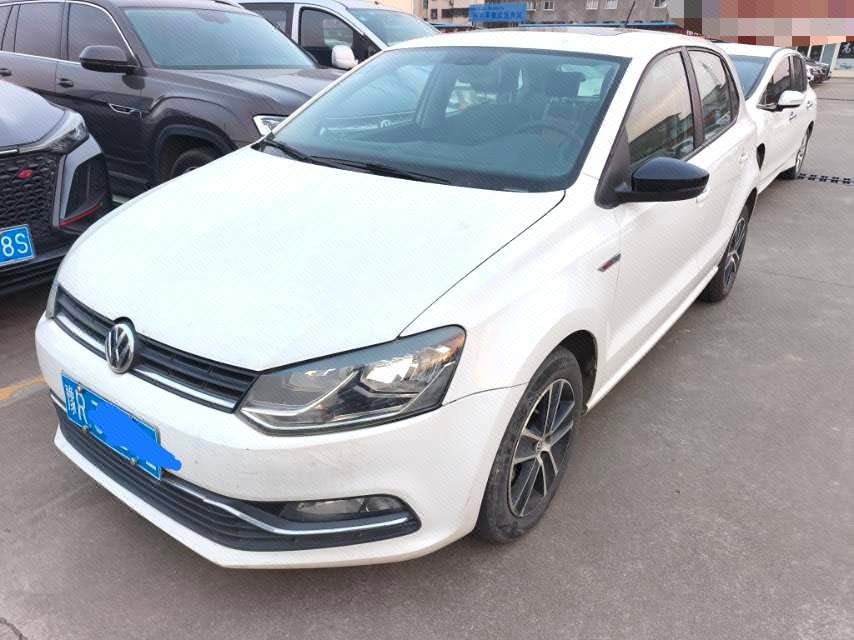
BrandVolkswagen
SeriesPolo
Year2014
First Registration2014/12
Mileage140,000km
Transfer Count0times
FuelGasoline
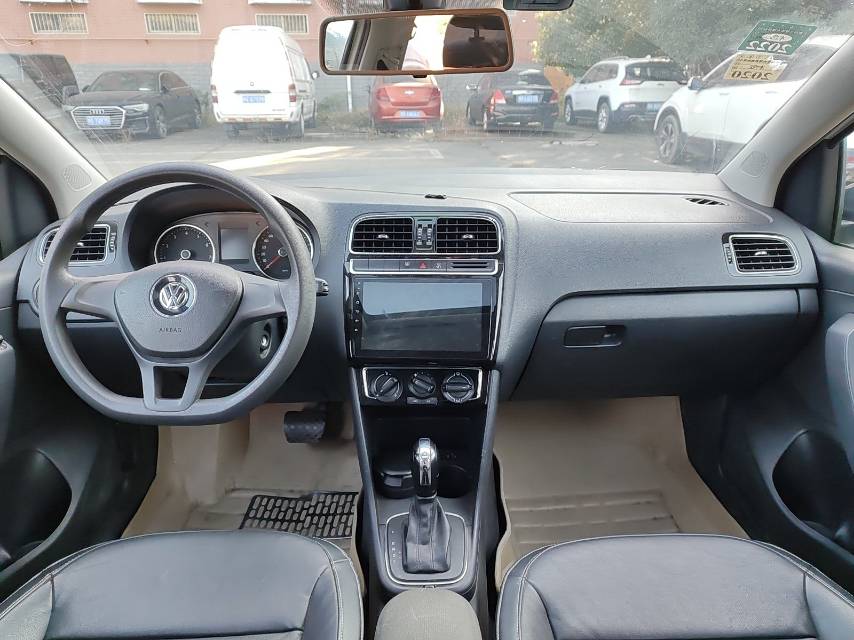
TransmissionManumatic
Engine1.6L 110 L4
ColorWhite
Seats-

Condition Description

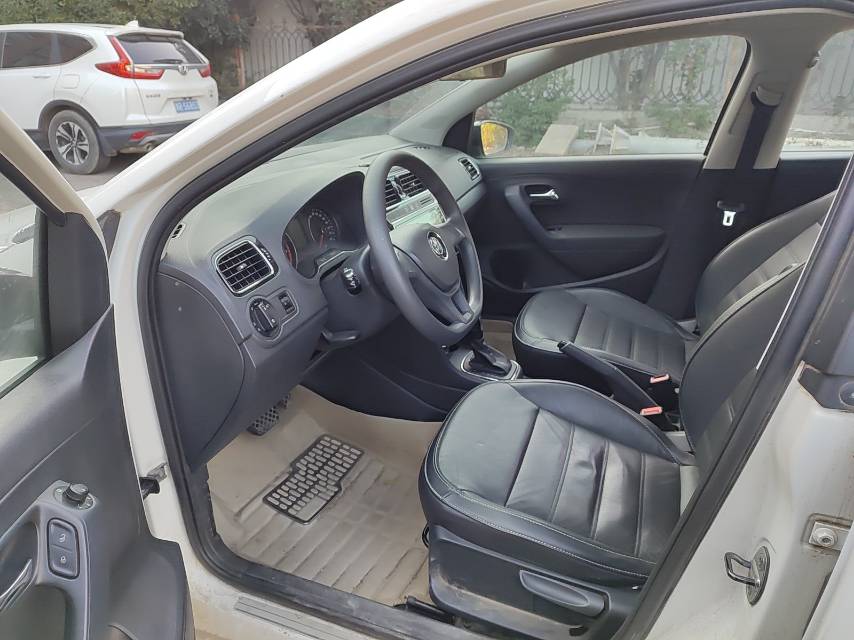
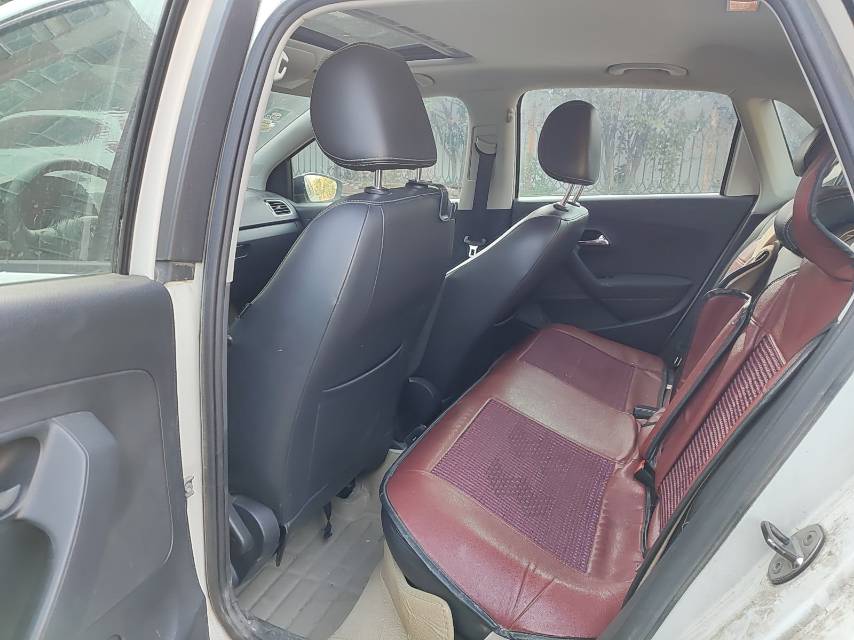
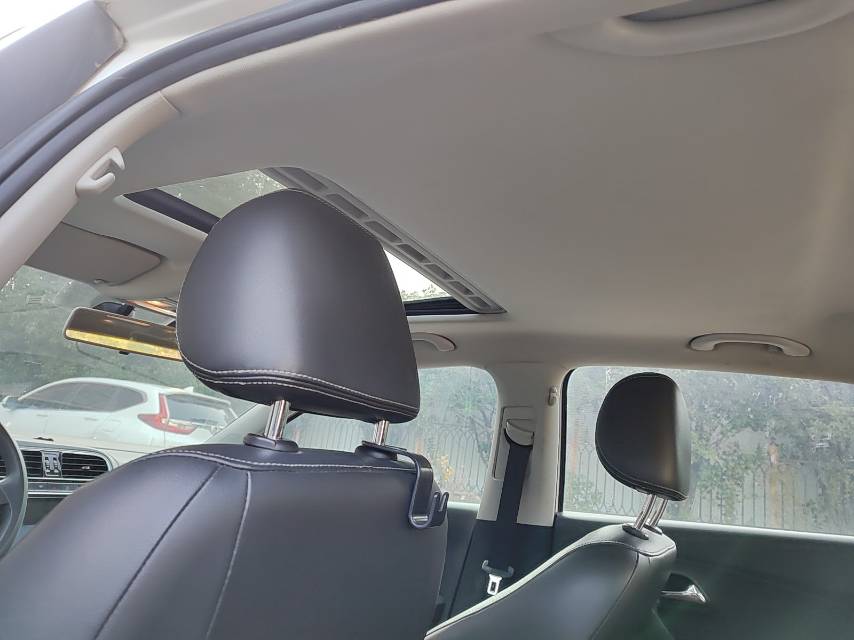
Original condition, minor touch-up paint

Document Information

Inspection Expiry Date-
Warranty Expiry Date-
Insurance Expiry Date2026/12

Q&A

More

What is a Chinese customs export declaration, and why do I need it to register the car in my country?

The export declaration (报关单) is the official Chinese customs document recording that the vehicle legally left China: VIN, HS code, declared value, origin port and date. Most destination countries ask for it—or for the certificate of origin—during registration to prove the car was legally exported, not stolen or smuggled. Practical points: ensure the VIN on the declaration matches your car exactly; a single digit mismatch can block registration. The declared value also anchors customs valuation in many countries, so an undervalued declaration may save the seller tax but can raise your import duty or trigger a re-valuation penalty. Ask the exporter for a stamped copy before shipping, verify the VIN yourself, and check that the document shows the correct consignee. Keep the original—some registries require it, and you'll need it again if you ever sell the car. If the exporter hesitates to provide it, treat that as a red flag.


What brake system checks should a pre-shipment inspection of a used car from China include?

Brakes are safety-critical, yet many basic inspections only glance at pad thickness. A proper inspection should cover: 1. Pad and disc measurement: front pads below 3 mm or discs below the minimum thickness stamped on the disc hat mean replacement before shipping. 2. Brake fluid: test moisture content with a strip or meter. Over 3 percent water content means a full fluid flush, especially important for sea freight in humid containers. 3. Hydraulic check: the inspector presses the pedal firmly for 30 seconds; a sinking pedal indicates a master cylinder or hose leak. 4. ABS and stability systems: a diagnostic scan should show no fault codes, and on a short test drive the ABS self-test should complete normally. 5. Parking brake: hold the car on a slope in both directions, particularly important for automatics shipped on RoRo ramps. Ask for photos of each measurement with the tool visible, not just a brakes-OK summary.

If a coup occurs in the destination country or if import regulations are suddenly changed, preventing the vehicle from clearing customs, does this count as force majeure?

It completely falls under force majeure. After the delivery is completed (crossing the ship's rail) under FOB or CIF terms, the seller (us) bears no liability for refunds or compensation due to political risks or legal changes in the destination country that hinder customs clearance or lead to confiscation.