Basic Information

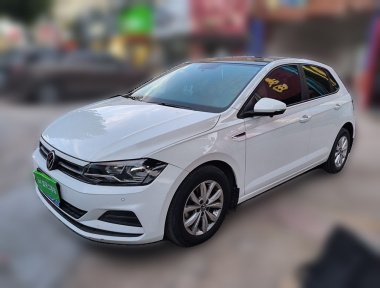
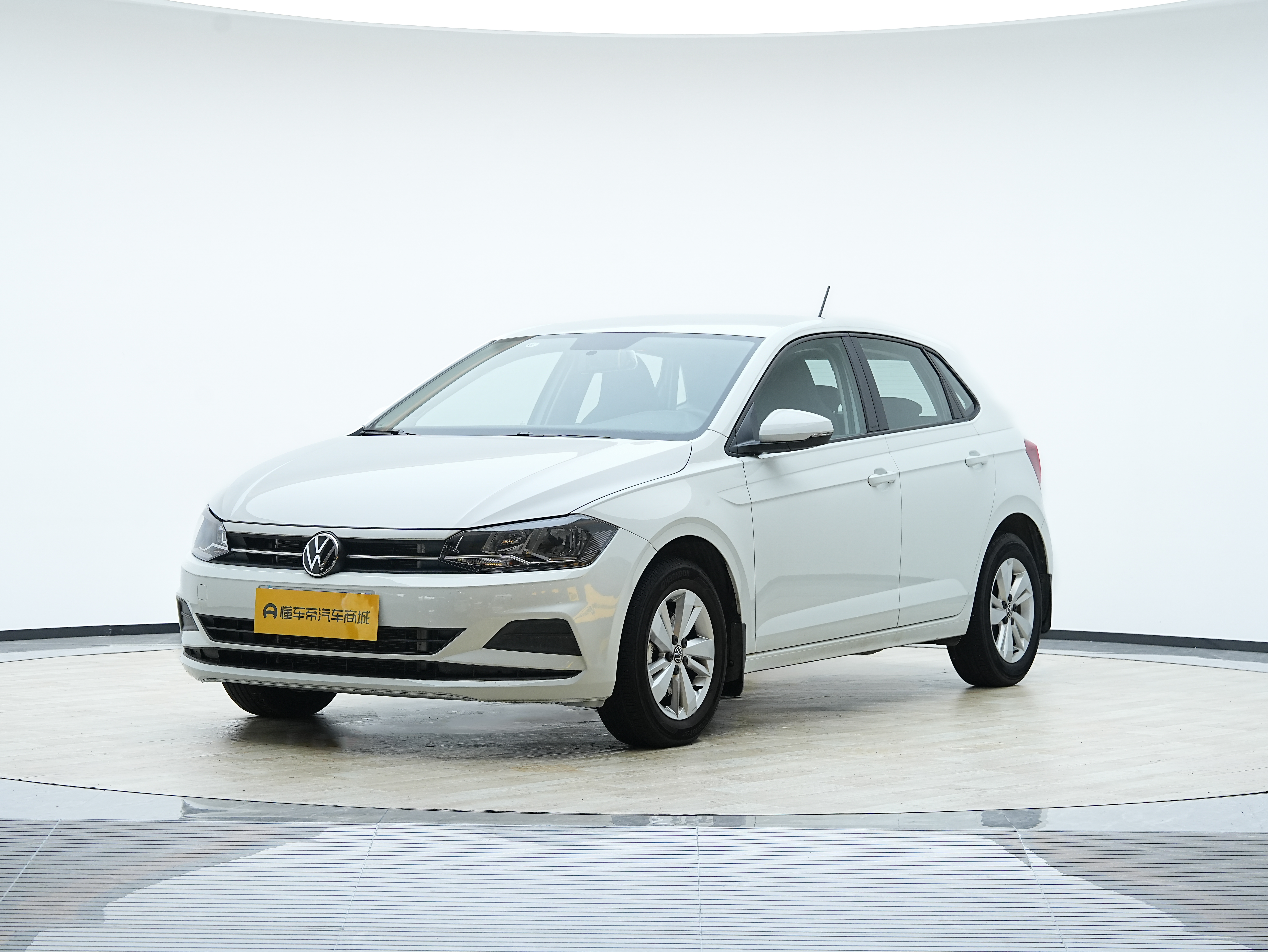
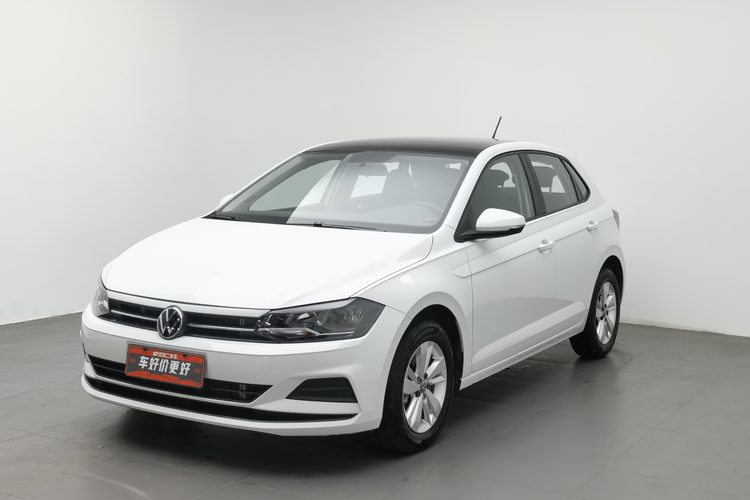
BrandVolkswagen
SeriesPolo
Year2014
First Registration2014/08
Mileage149,300km
Transfer Count-
FuelGasoline
TransmissionManumatic
Engine1.6L 110 L4
ColorYellow
Seats-

Condition Description

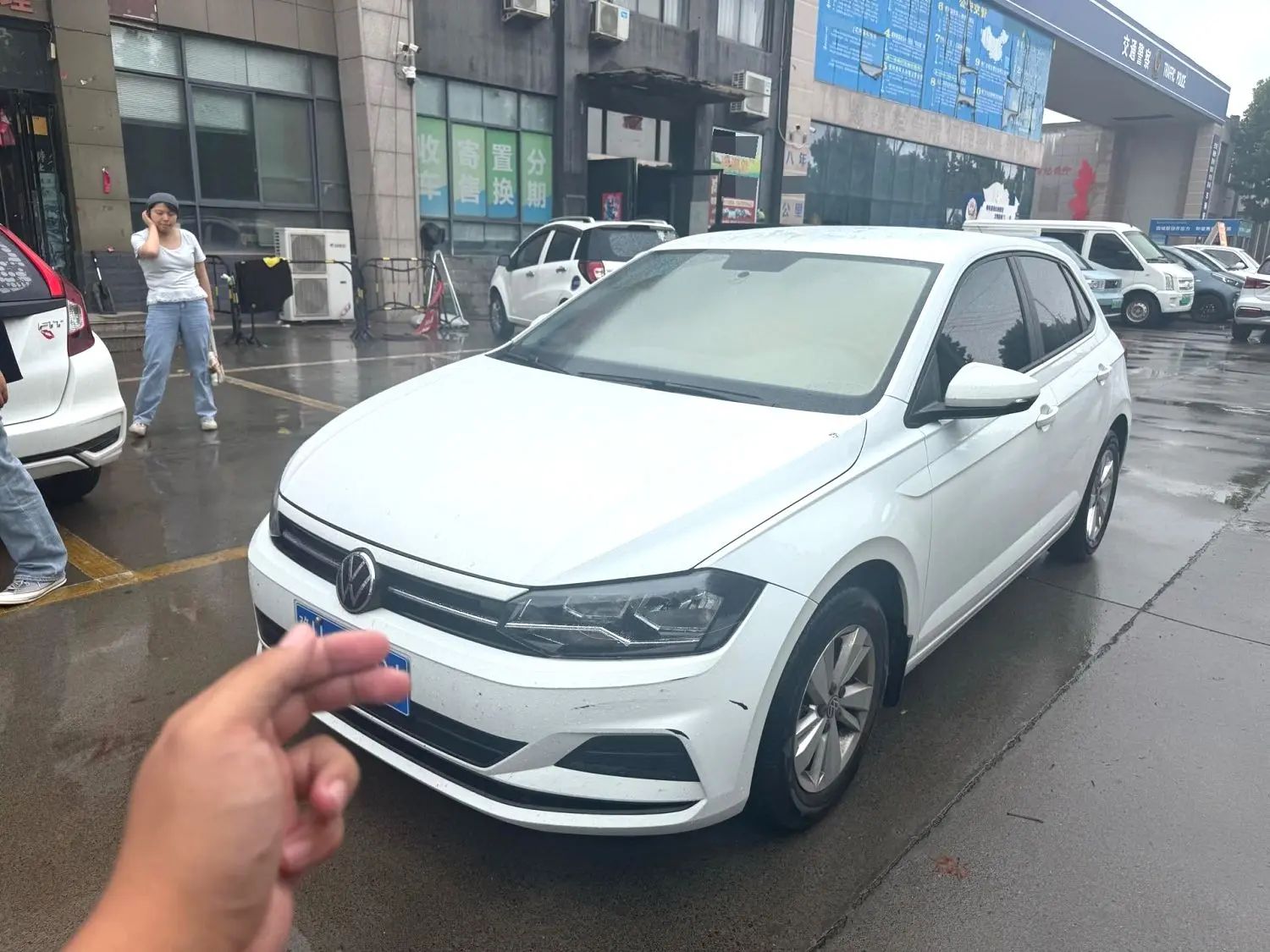
Localized body damage or repair marks; no accident damage or repairs to structural or reinforcement components. Vehicle performance (including three-electric system) has degraded or is limited.

Accident inspection: main structure damaged, reinforcement components undamaged, cover panels damaged, hinges normal. Engine bay: key mechanical components normal. Exterior: 3 sheet metal repairs. Interior: left front seat torn, most features normal, airbag system normal, lighting system normal. Startup inspection: major components normal. Tool kit: absent.

电话直连
可讲价
平台物流
可转售
3个工作日内过户
零过户
新检测标准升级>
非泡水

Document Information

Inspection Expiry Date2027/08
Warranty Expiry Date-
Insurance Expiry Date2027/08

Q&A

More

Beyond the car price, what costs should I budget for when importing a used car from China?

Plan for roughly 25-40% on top of the vehicle price. The main items are: 1. Pre-purchase: deposit (10-30%), third-party inspection fee (100-300 USD). 2. In China: inland trucking to the port, export declaration fees. 3. Shipping: ocean freight (container 20ft usually 1,500-4,000 USD depending on destination), marine insurance (about 0.3-0.5% of car value). 4. In your country: customs duty, VAT/GST, port handling and storage, customs broker, quarantine or pre-shipment inspection if required, registration and plates. Always ask the exporter for an itemized landed-cost estimate for your specific port before paying the deposit, and confirm which Incoterm the quote is based on (FOB, CIF or DDP makes a big difference).


How do I evaluate rust and corrosion on a used car from China, especially for coastal cities or snowy regions?

Rust is a deal-breaker that photos can hide, so be systematic. High-risk areas to check: 1. Underbody and frame rails—surface rust is normal, but flaking or bubbling paint means advanced corrosion 2. Wheel arches and rocker panels—these trap mud and salt 3. Door bottoms and the trunk floor—water collects here; lift the trunk mat and look for dampness or repair welds 4. Around the windshield and sunroof drains—leaks cause hidden rust in the A-pillars Ask the inspector to do a magnet test: filler-repaired areas won't hold a magnet, indicating past accident repairs. A paint thickness gauge reveals resprayed sections—uniform readings around 80-150 microns are normal; spikes over 300 suggest bodywork. Cars from northern China (salted roads in winter) or coastal cities need extra scrutiny on the underbody. If structural members show corrosion, walk away—repairs rarely restore original strength.

Has this vehicle been regularly maintained within the specified mileage and time?

We can only infer from the existing connected maintenance records. If the records show continuity and adhere to the recommended maintenance schedule, we will assign a high credit score; if there are gaps of tens of thousands of kilometers, we will assume it was not well maintained during that period and alert you.