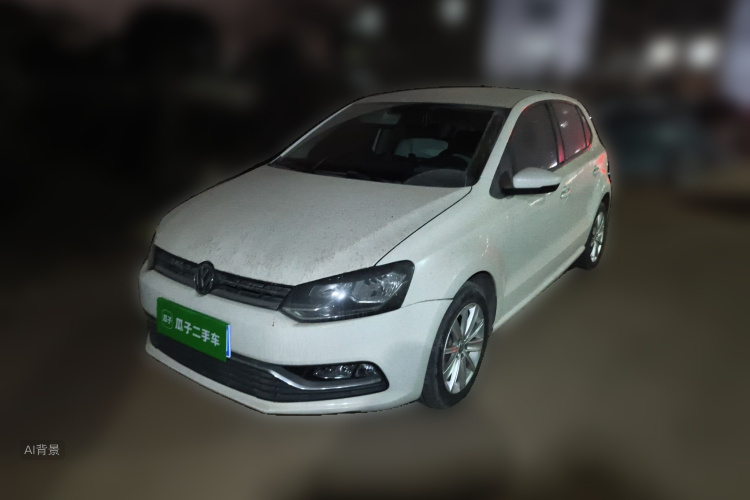
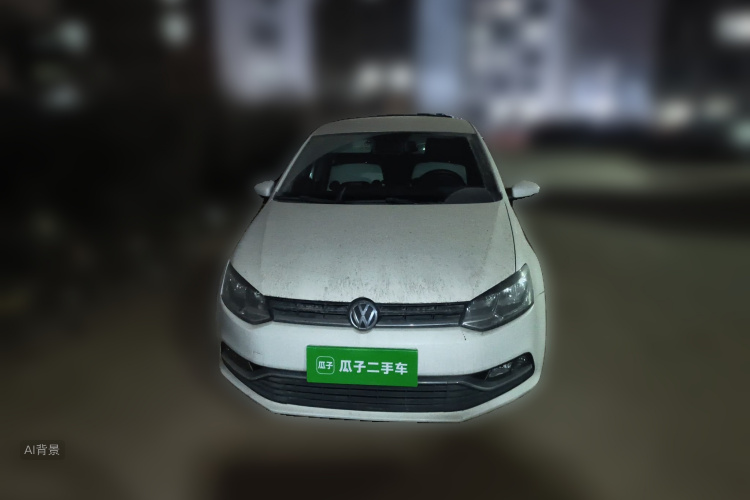
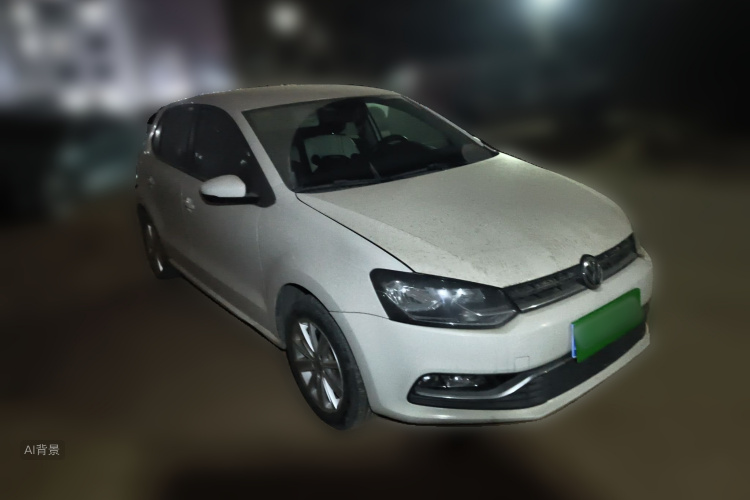
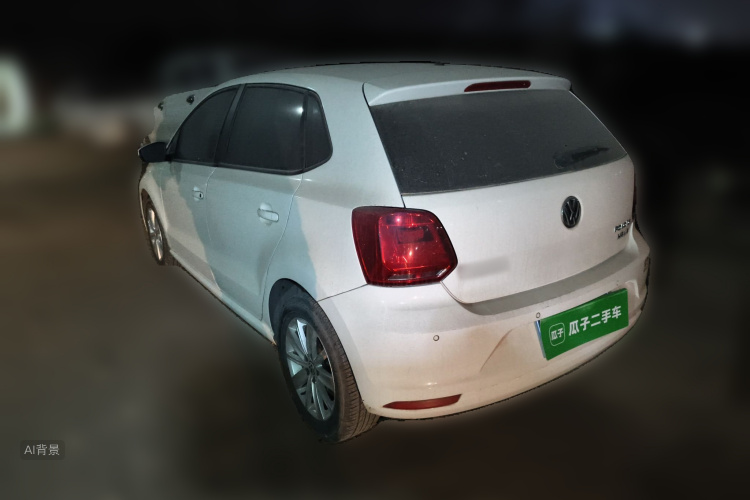
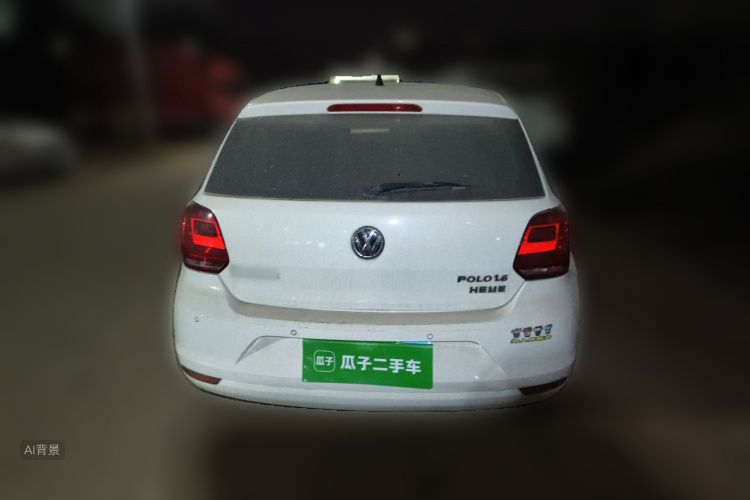
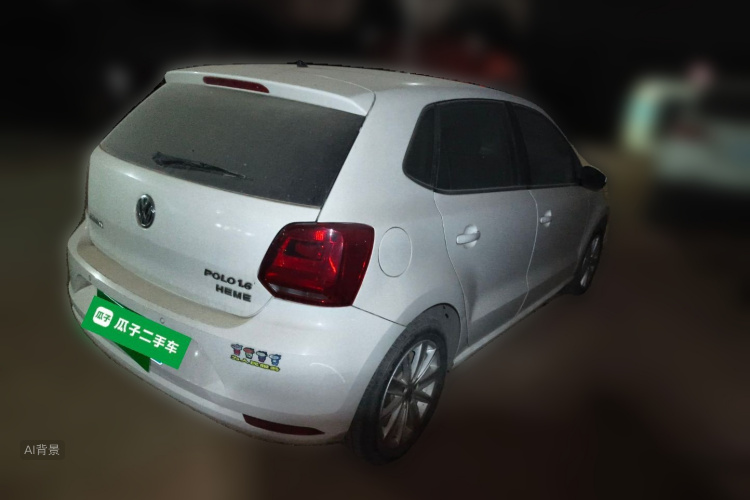
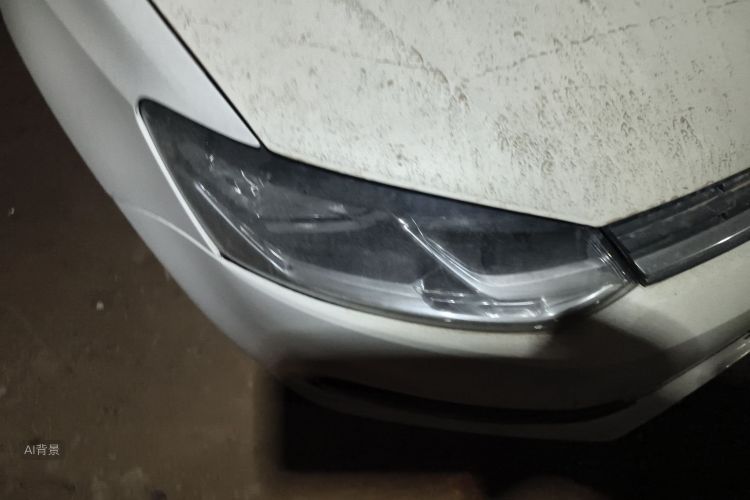
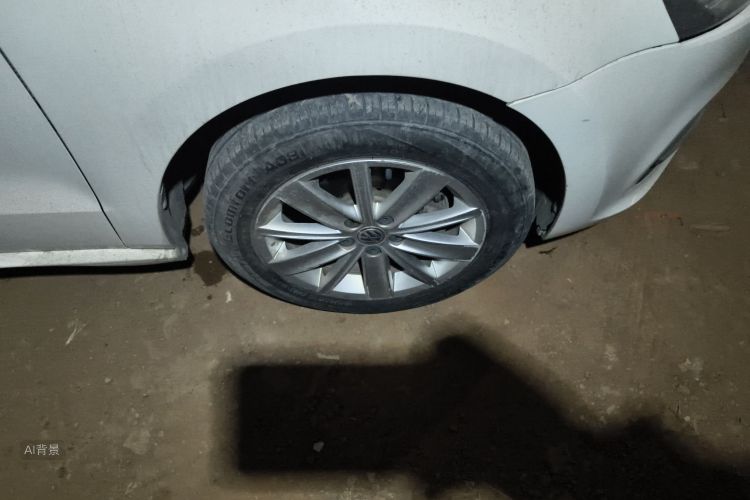
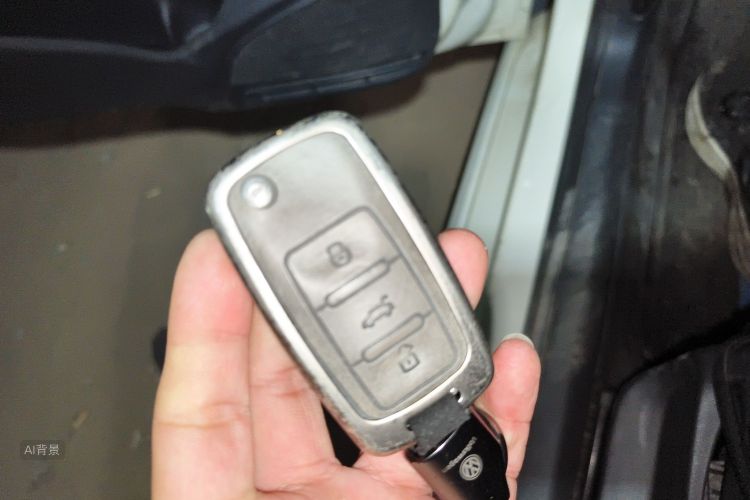
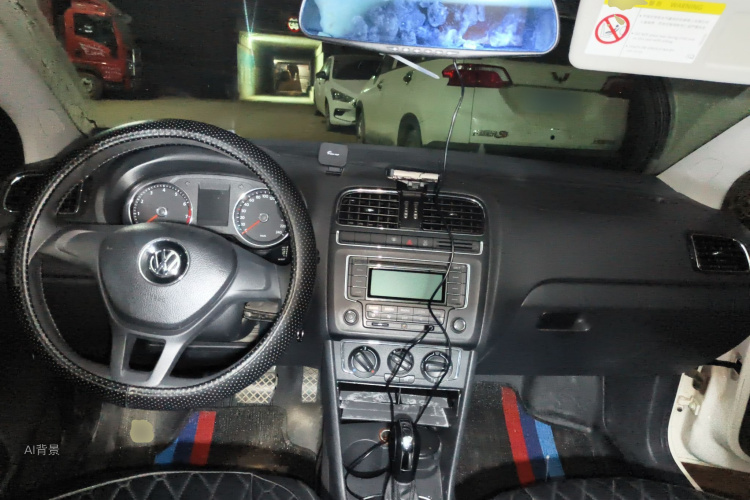
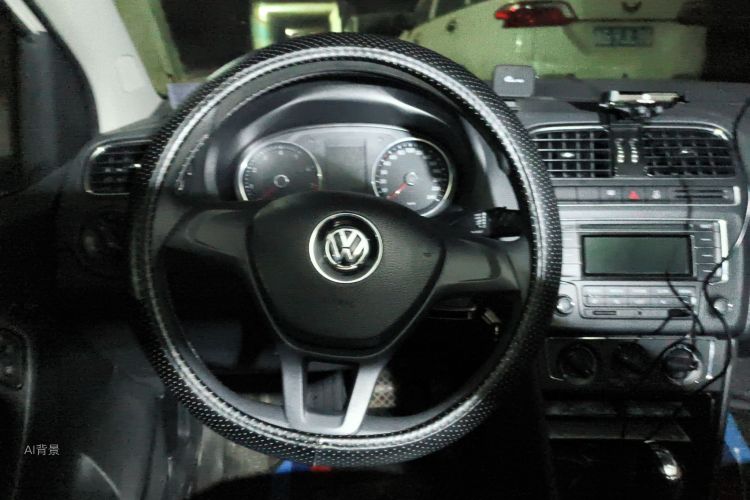
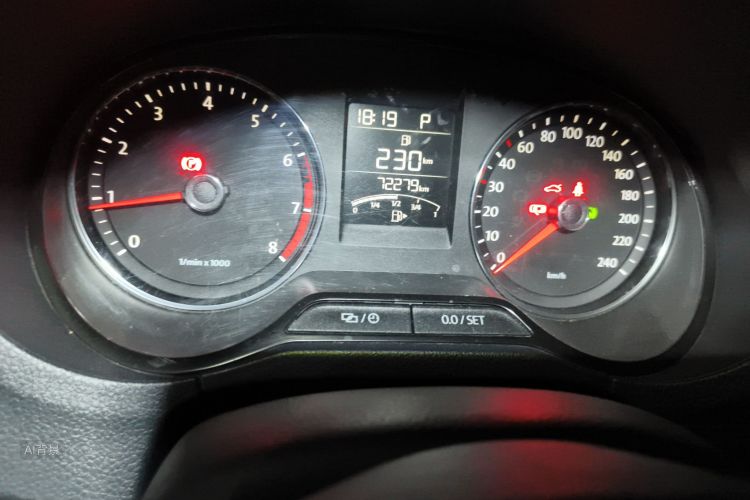



Basic Information

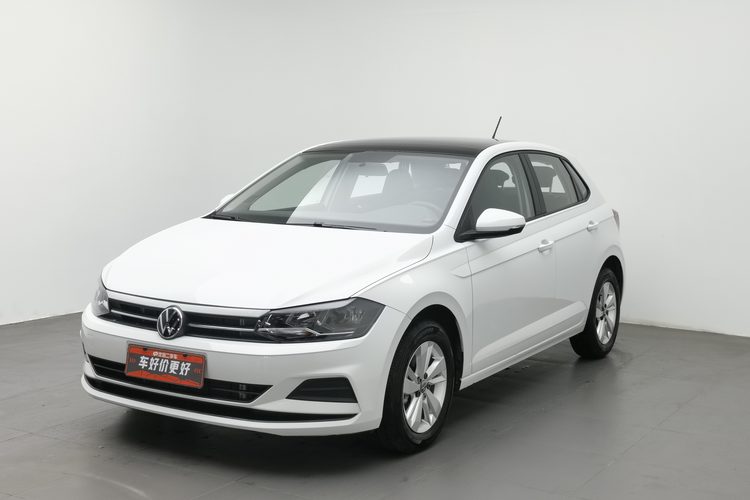
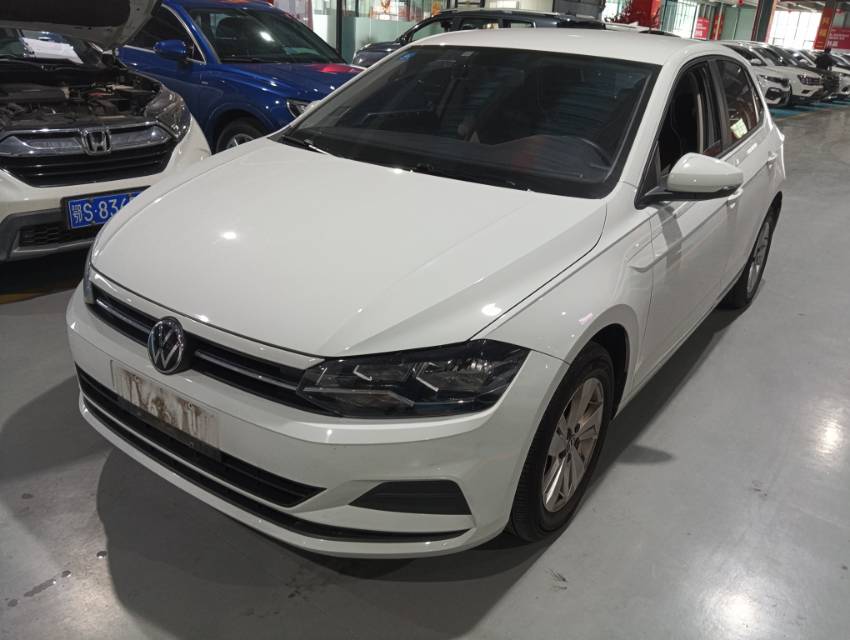
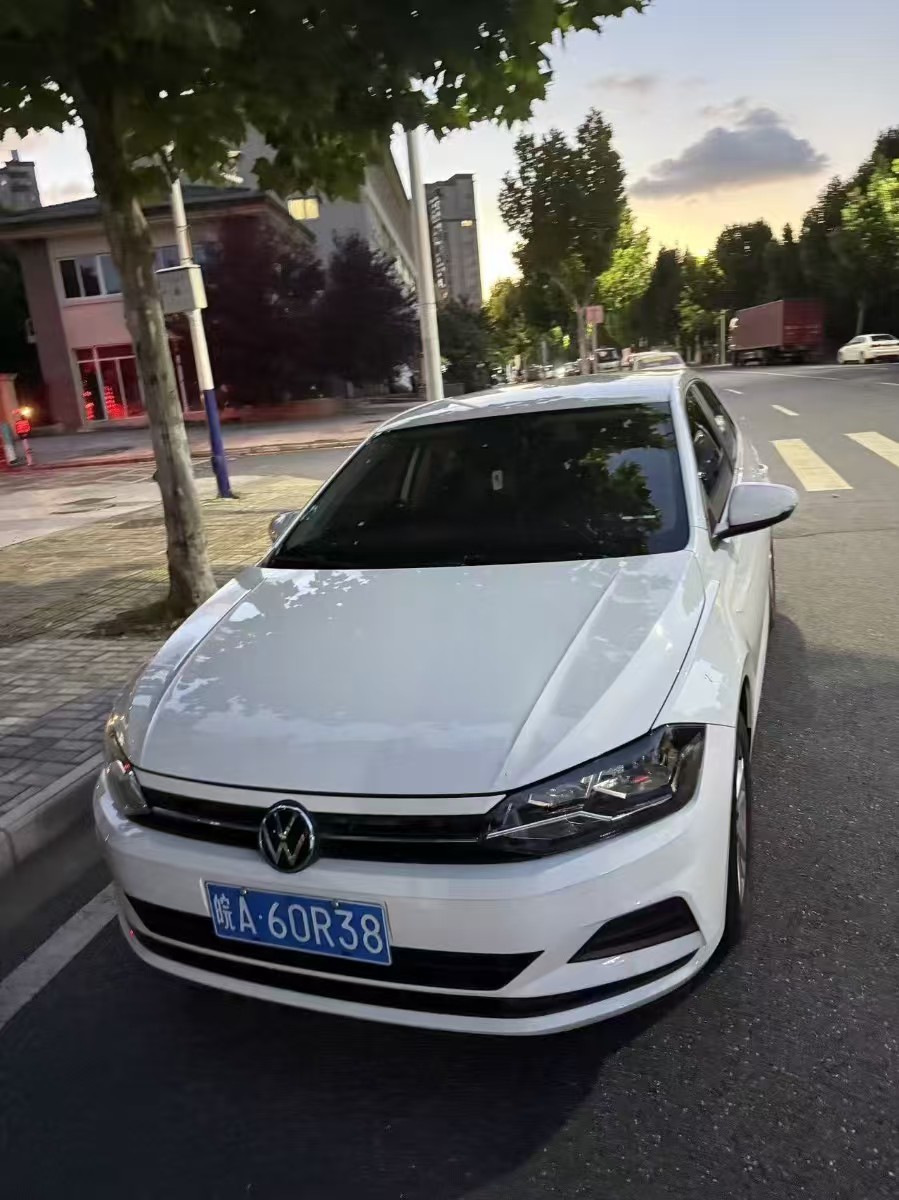
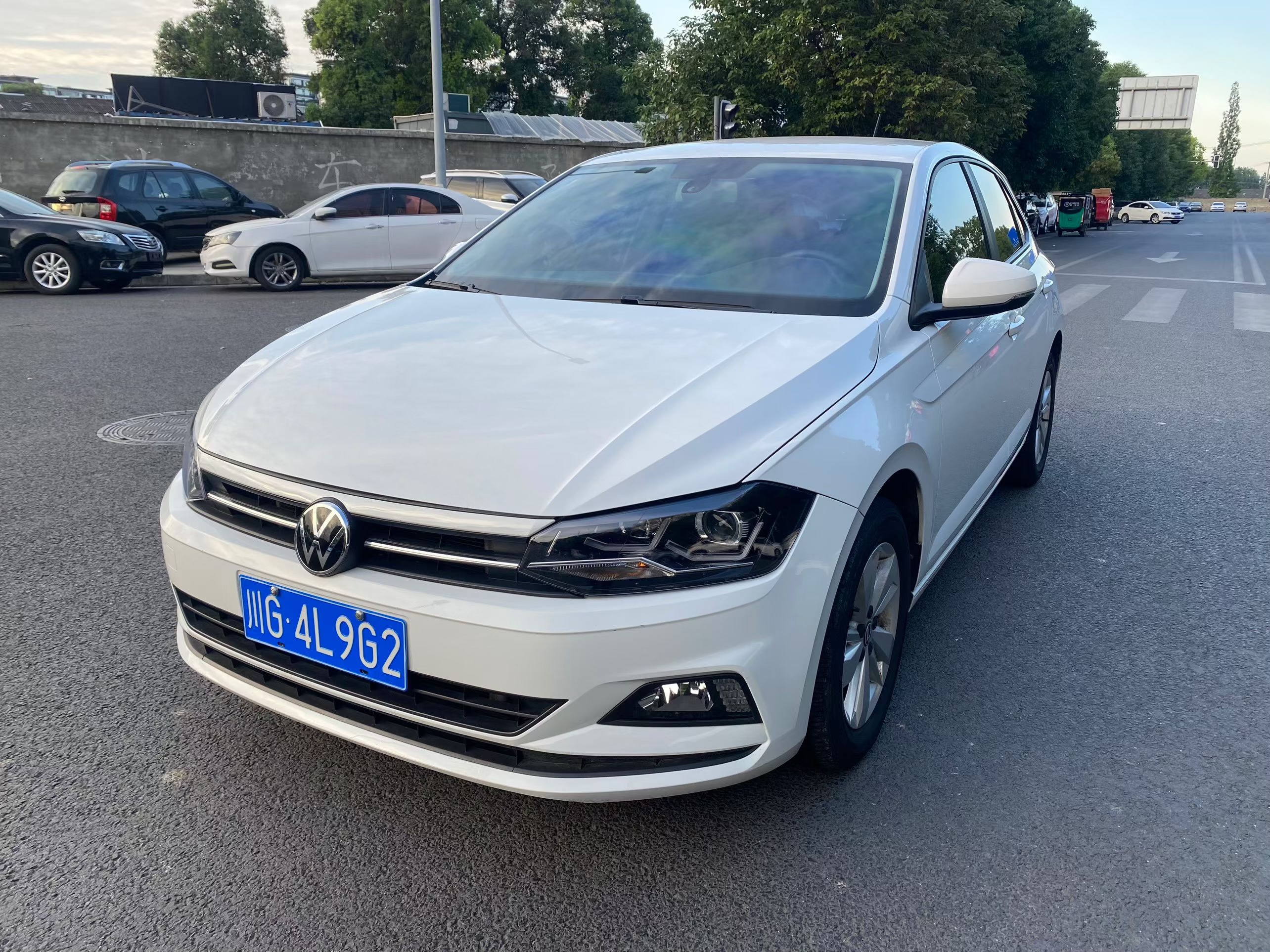
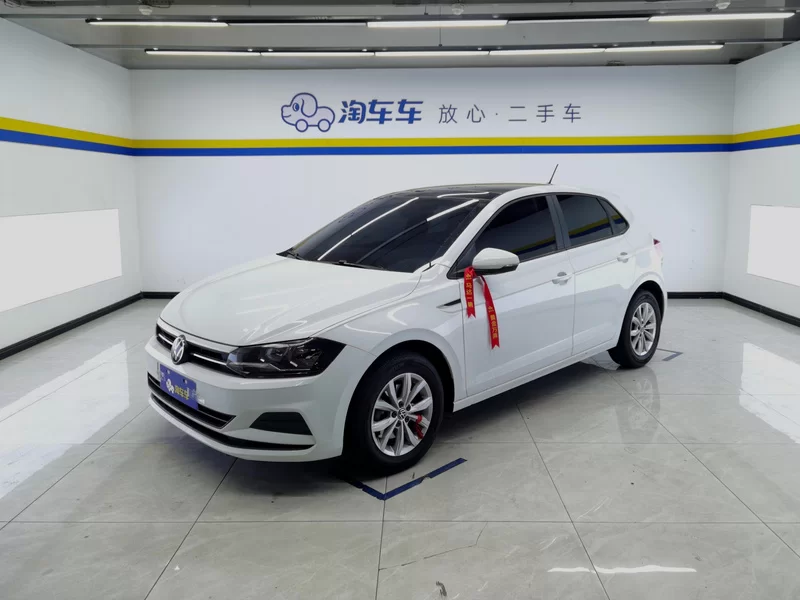
BrandVolkswagen
SeriesPolo
Year2014
First Registration2014/09
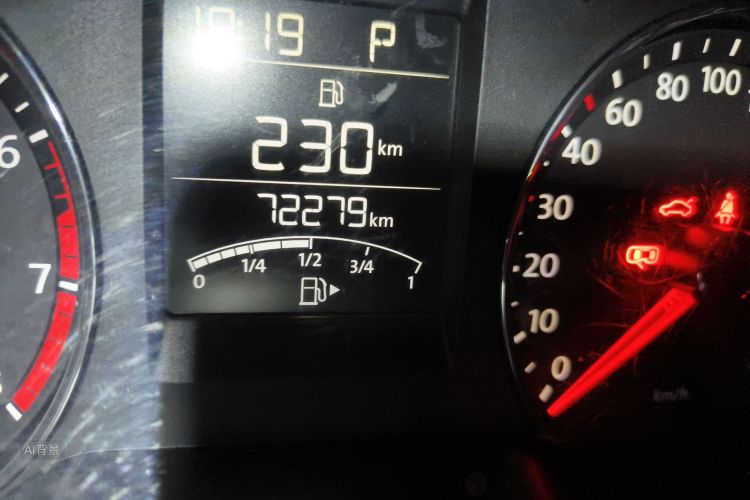
Mileage72,200km
Transfer Count2times
FuelGasoline
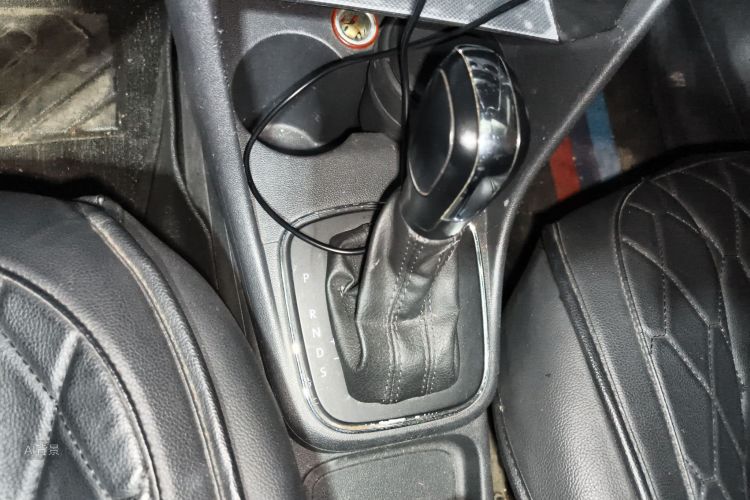
TransmissionManumatic
Engine1.6L 110 L4
ColorWhite
Seats-

Condition Description

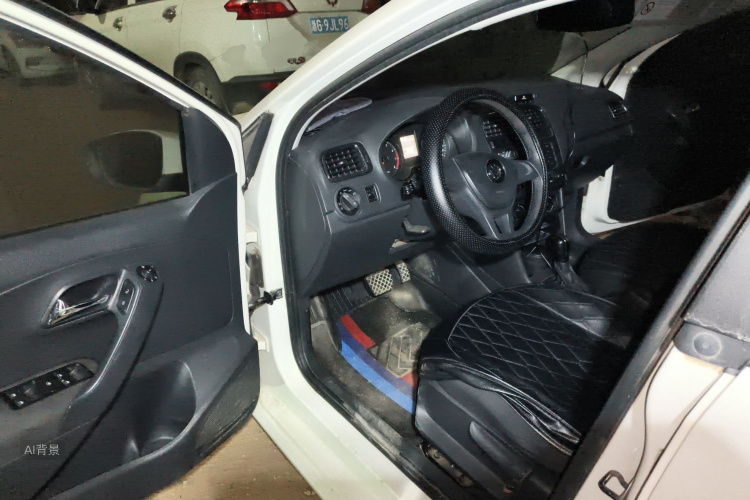
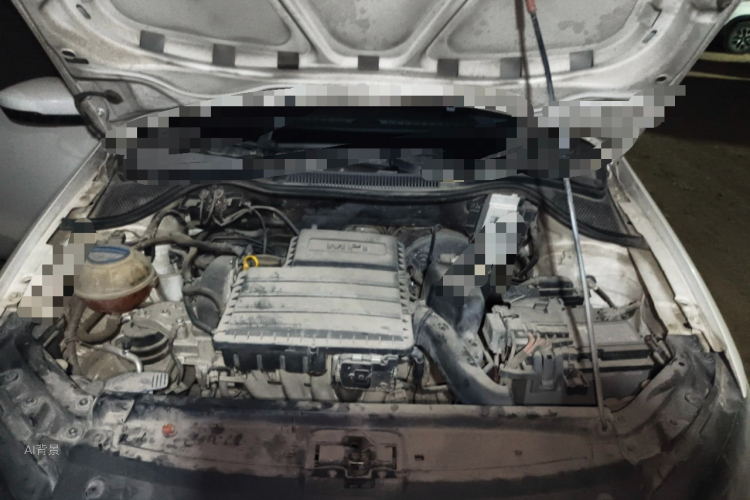
Vehicle condition meets standards, passed inspection; vehicle condition is average; 4 claims filed; 2 ownership transfers.

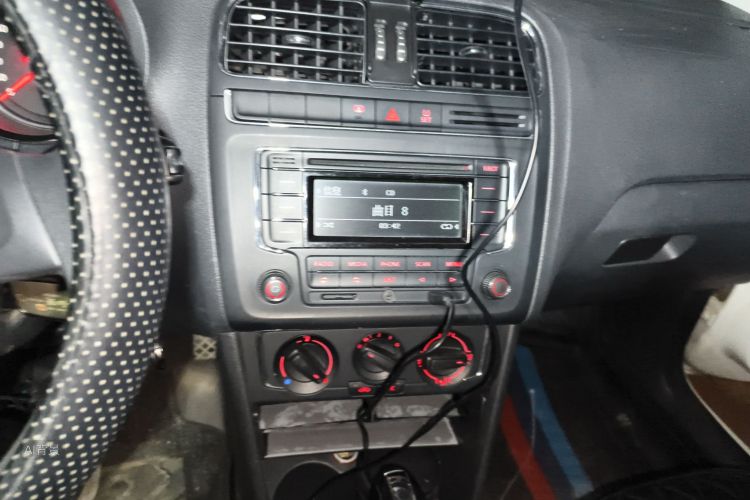
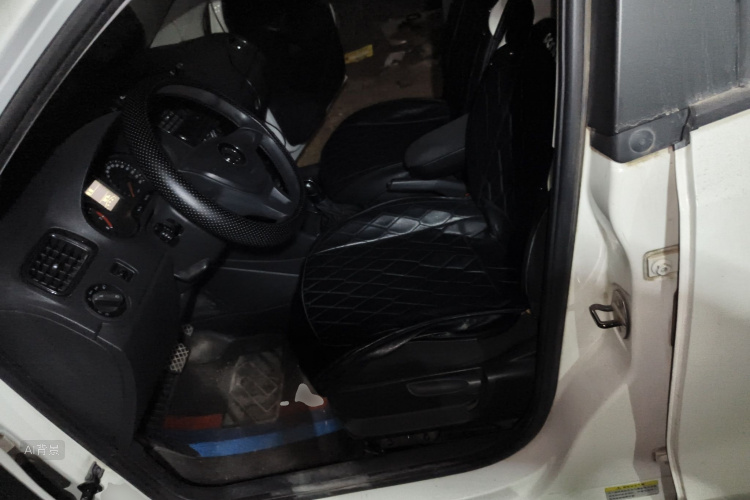
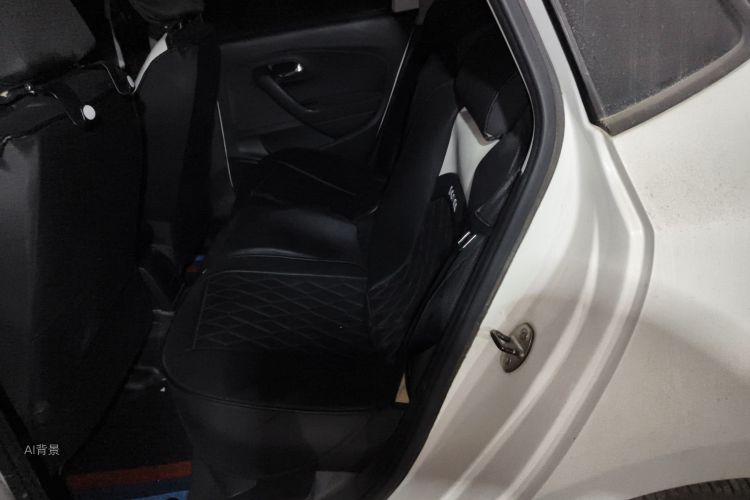
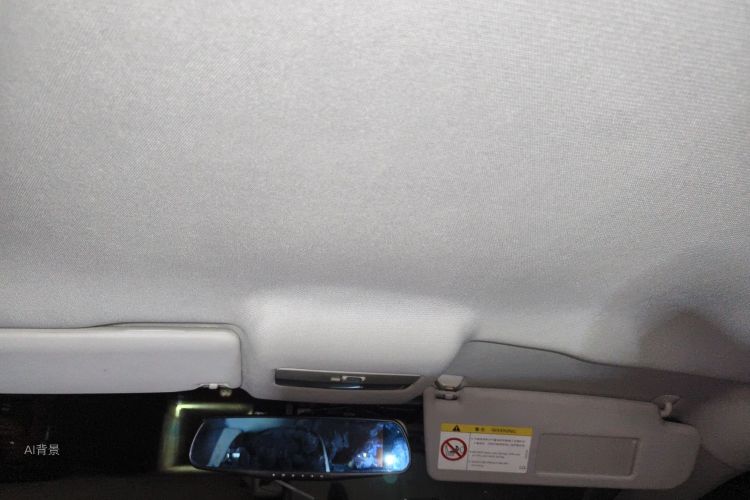
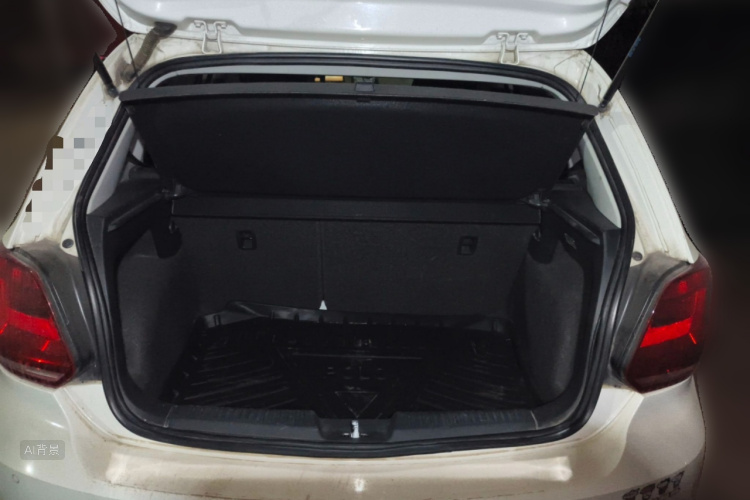
This vehicle is 12 years old, with an average annual mileage of 6,000 kilometers. It has been used infrequently and has been transferred to another owner twice. The exterior may show obvious signs of wear and tear. The interior shows obvious signs of use or dirt. The overall body frame is intact, but there are many abnormal issues. The powertrain is functioning normally.

Configuration Highlights

✓Rain-sensing Wipers
✓Auto Headlights
✓Cruise Control
✓Tire Pressure Monitoring
✓Heated Mirrors
✓Rear Parking Sensors
✓Anti-pinch Windows

Q&A

More

After long-distance sea transport, does the vehicle's air conditioning refrigerant (Freon) need to be vacuumed and recharged?

If there is a minor leak in the lines due to bumps, it is possible that the cooling may not work upon arrival. This is a normal physical loss. The cost of vacuuming, pressure testing, and recharging refrigerant at a local auto repair shop is low and is the buyer's responsibility.
Why is there a time difference between the production date on the vehicle nameplate and the first registration date on the registration certificate?

The nameplate date is the absolute time when the vehicle leaves the factory; the registration date is when the vehicle is registered with the traffic management department after sale. The difference represents the time the vehicle spent in the dealer's warehouse or logistics. If the time difference exceeds 6-8 months, the vehicle is considered a "stock vehicle," and we pay special attention to the natural aging of its rubber components.

For vehicles equipped with LiDAR, will damage to the radar surface from stones affect driving?

It does not affect basic driving and regular speed cruise, but it will trigger a fault alert for advanced driver assistance on the dashboard. The LiDAR assembly is extremely expensive, so we focus on checking the integrity of the glass cover with a strong flashlight during inspections.