Basic Information

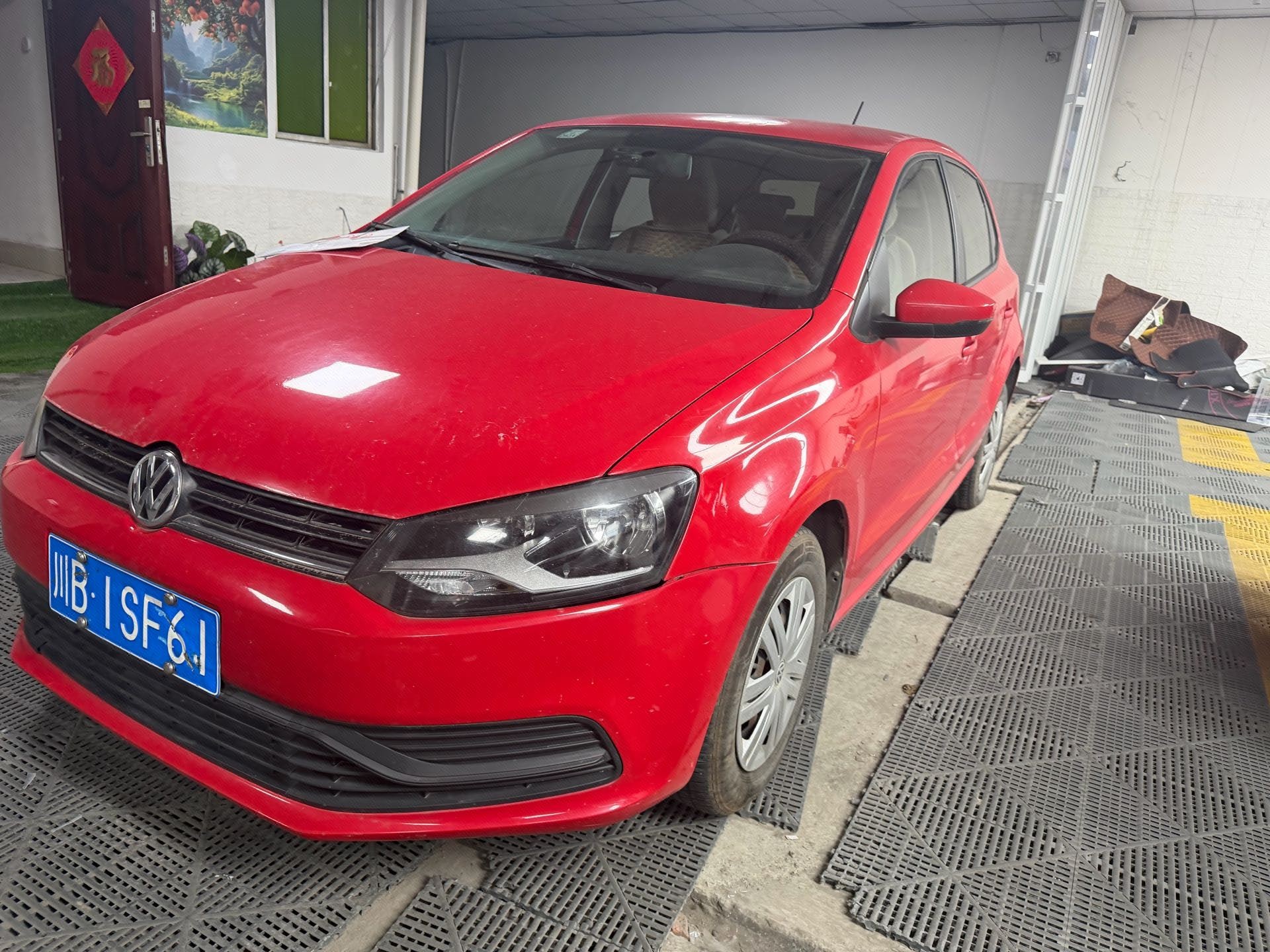
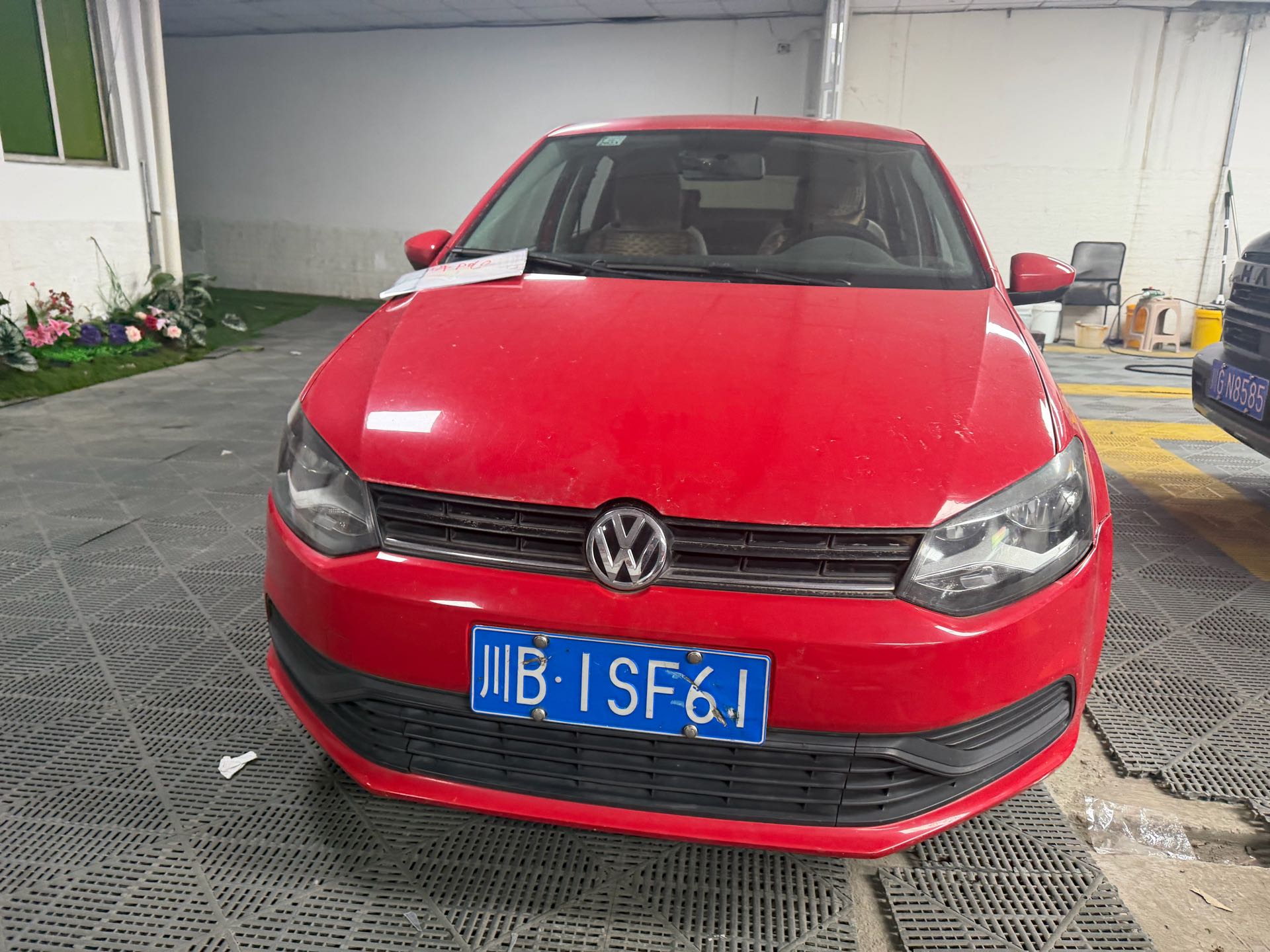
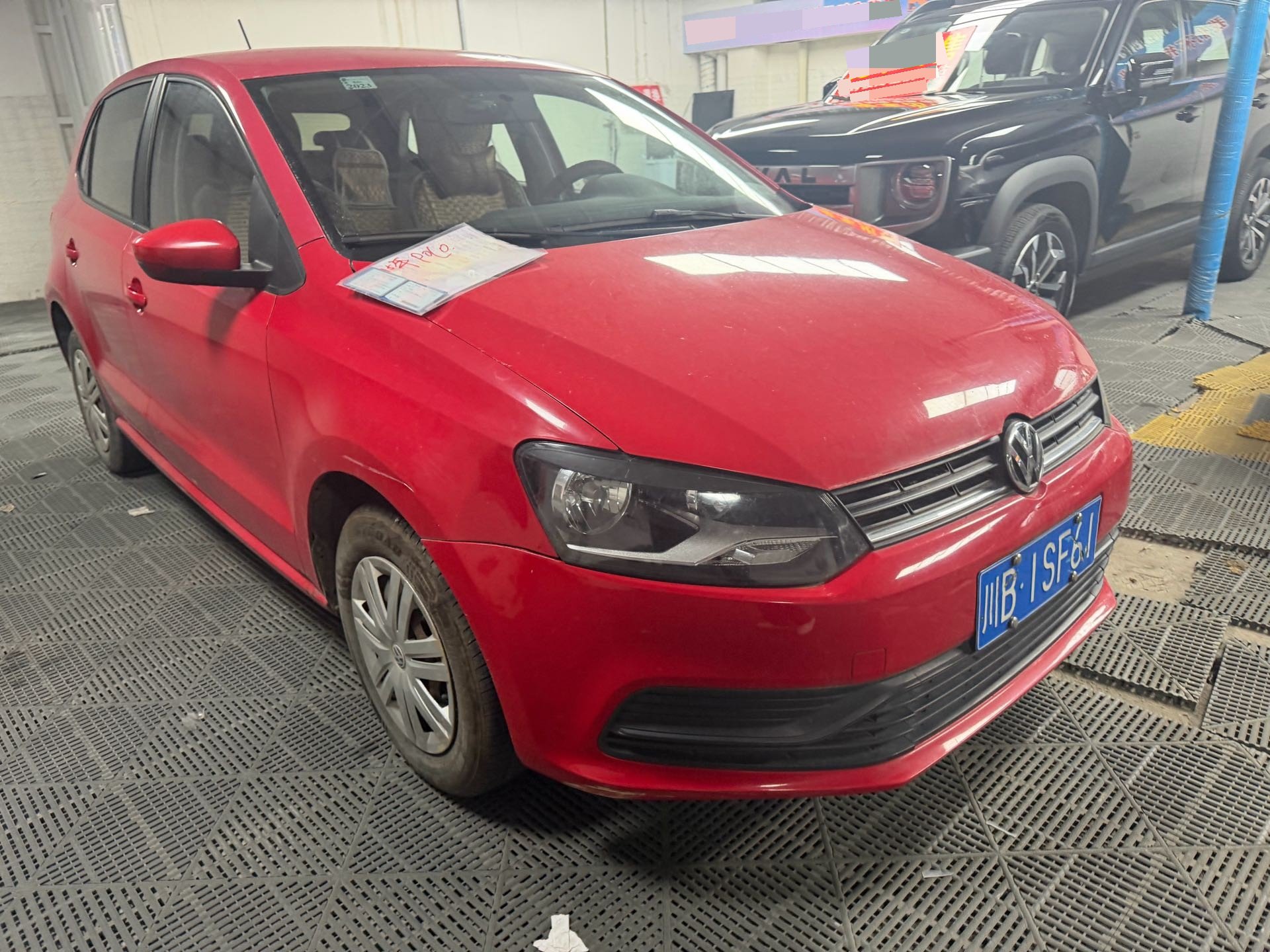
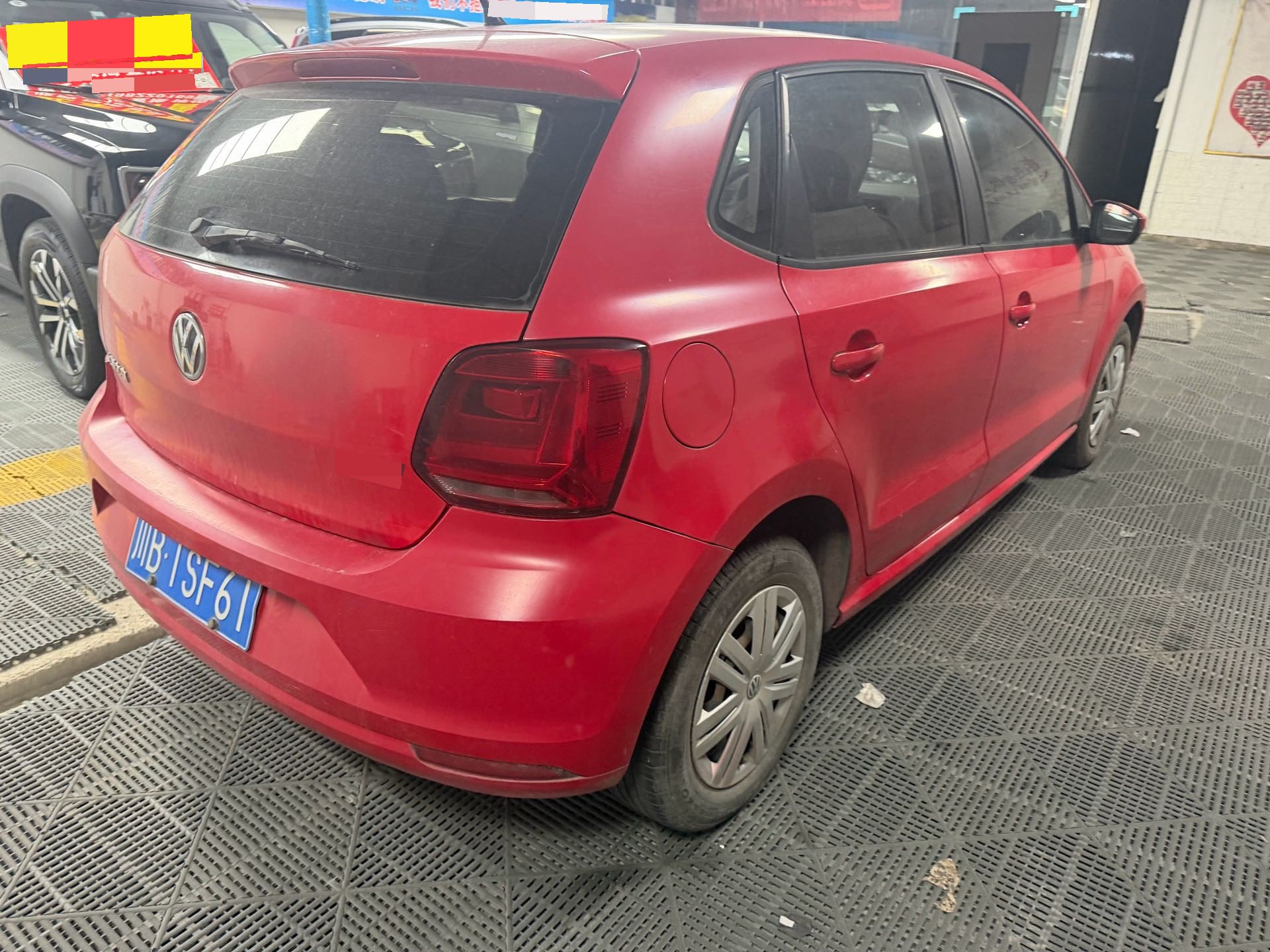
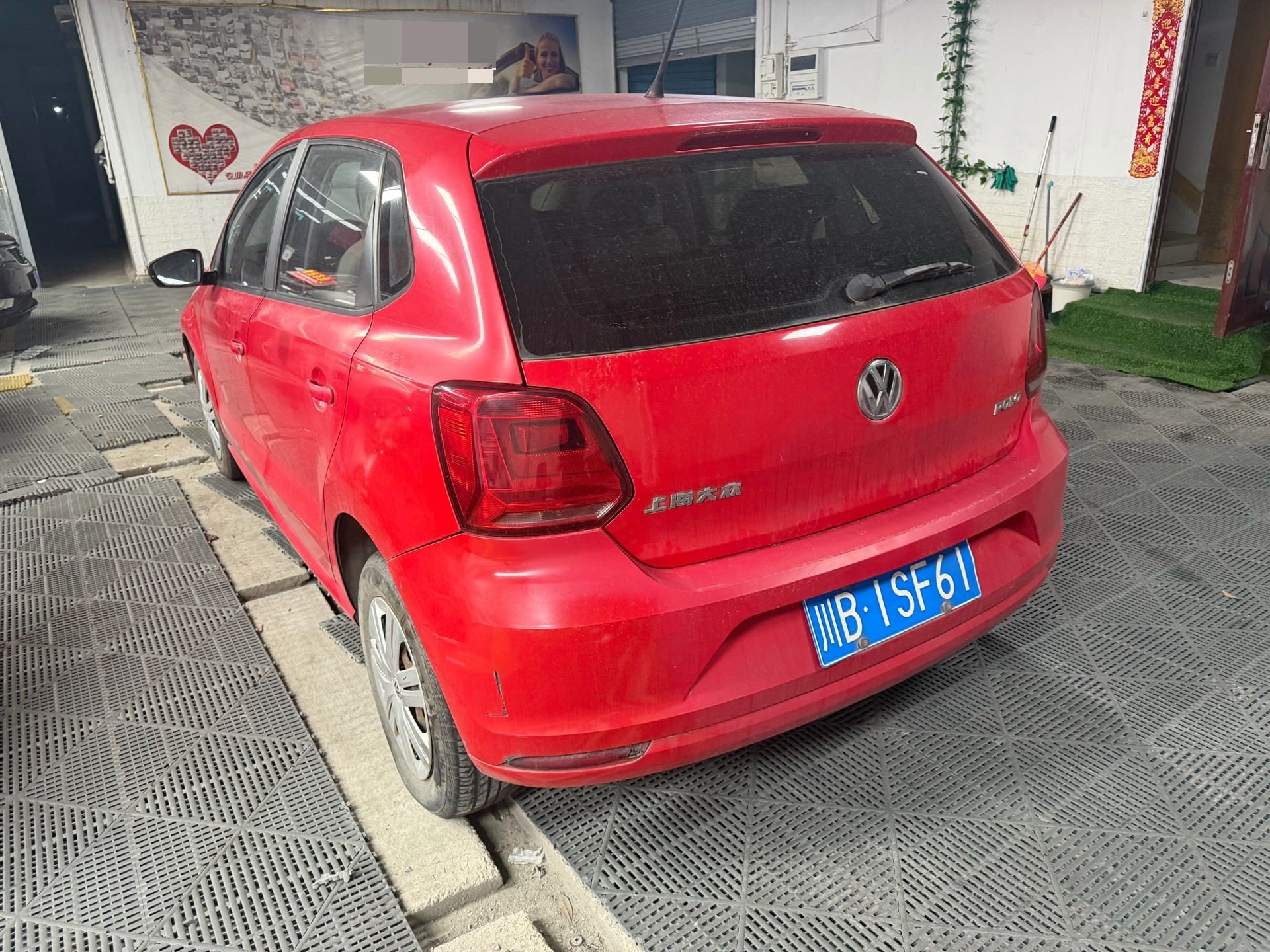
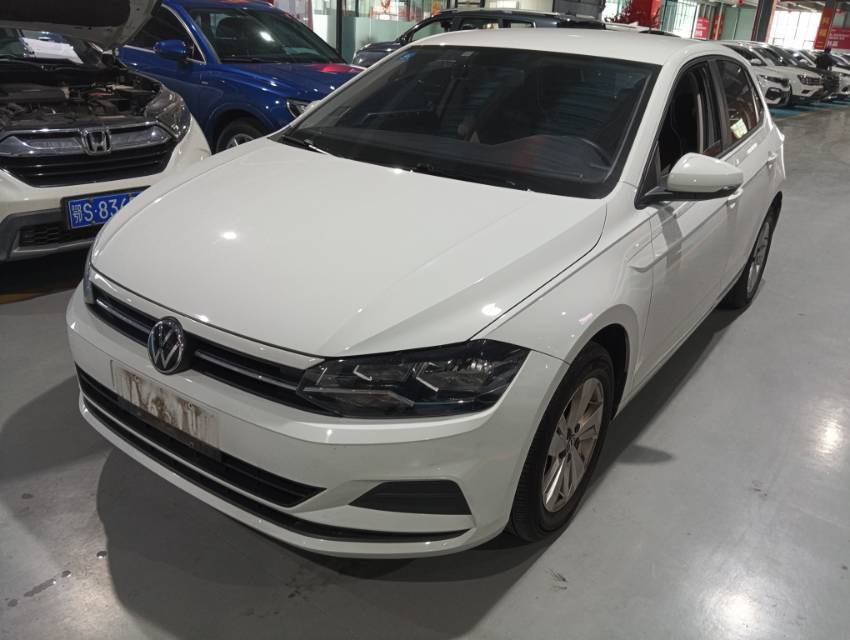
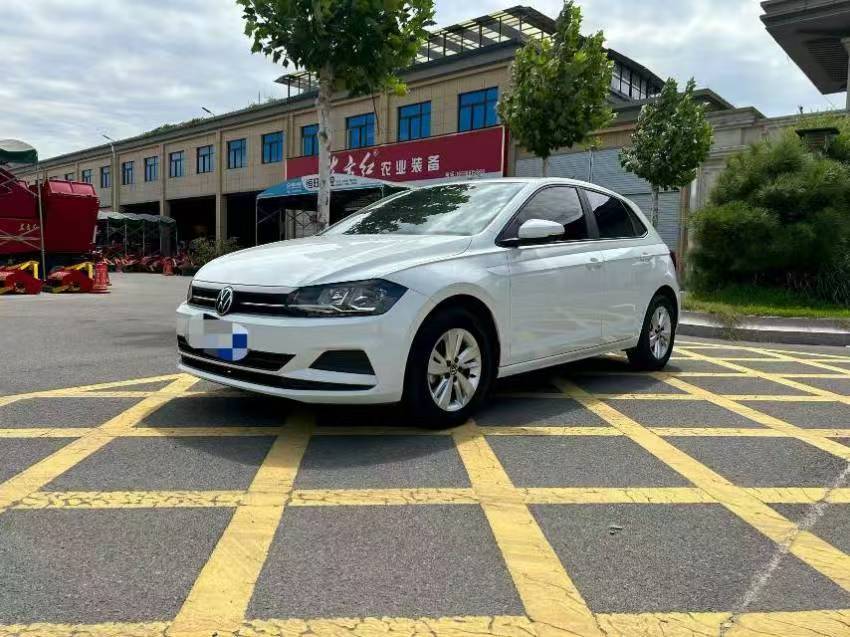
BrandVolkswagen
SeriesPolo
Year2015
First Registration2015/06
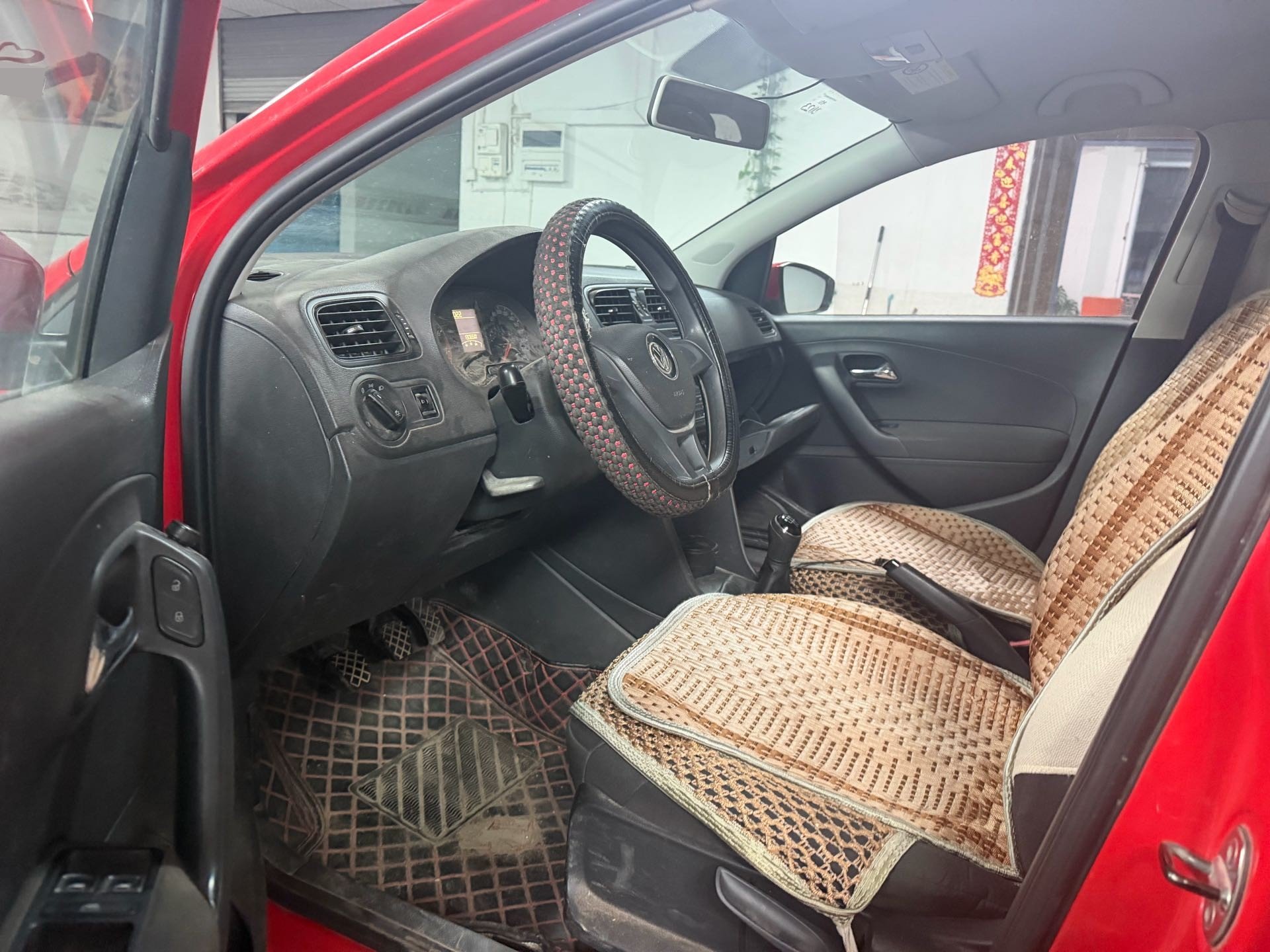
Mileage80,000km
Transfer Count0times
FuelGasoline
TransmissionManual
Engine1.4L 90 L4
ColorRed
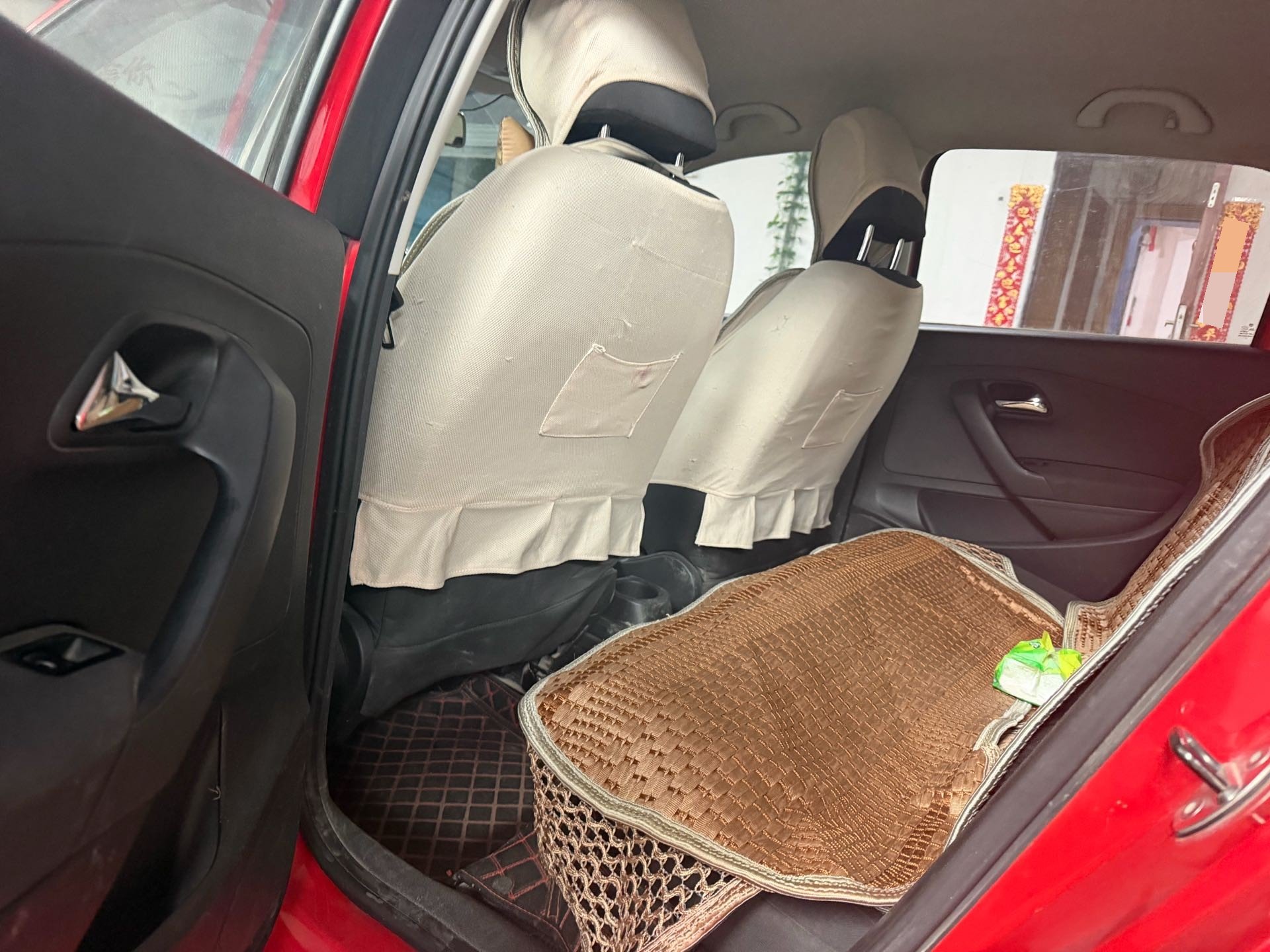
Seats-

Condition Description

Repainted exterior, one transfer of ownership, engine and transmission in good condition, dual insurance valid until December, inspection valid until June next year.

Document Information

Inspection Expiry Date-
Warranty Expiry Date-
Insurance Expiry Date2027/06

Q&A

More

If the technical report contains highly specialized automotive mechanical terms, are there easy-to-understand English explanations?

Our foreign versions of the report standardize terminology and include illustrations. For example, instead of just writing "control arm failure," we specify "Lower Control Arm Bushing Torn" to help your local technicians identify the issue directly.

What are the safest payment milestones when buying a used car from China for export?

Never pay 100% upfront. A widely used, safe structure is: 1. Deposit: 10-20% after the third-party inspection report confirms the car's condition. Pay only to the exporter's corporate bank account. 2. Balance: 70-80% after you receive scanned copies of the bill of lading, export license and deregistration proof — this confirms the car is genuinely on the ship. 3. Retention (recommended): hold back 5-10% until the car arrives and passes your own inspection at the destination port. Write these milestones into the sales contract with exact document requirements and deadlines for each step. Reject requests to split payments into personal accounts or to pay undocumented extra charges outside the contract.

How can I check the body and paint quality of a used car from China to spot hidden accident repairs?

Ask the exporter for a paint thickness gauge report, or request a live video where they measure the car in front of you. What to look for: · Factory paint on most Chinese cars measures 80–120 microns. Readings above 150–200 microns on a panel usually mean repainting; above 300 microns often means body filler (putty) underneath. · Inconsistent readings between panels (e.g., left door 95µm, right door 180µm) suggest the right side was repaired. · Check gaps between panels (doors, hood, trunk). Uneven gaps or misaligned headlights/bumper clips point to past collision repairs. · Look for overspray on rubber seals, plastic trim, or inside door jambs — a clear sign of repainting. · Check bolt heads on fenders, doors, and hood. Wrench marks or fresh paint over bolts mean the panel was removed. Combine these checks with an OBD scan for airbag or crash-related fault codes. Any repainting should be declared by the seller; if discovered undeclared, you have grounds to renegotiate or reject the car.