


Basic Information

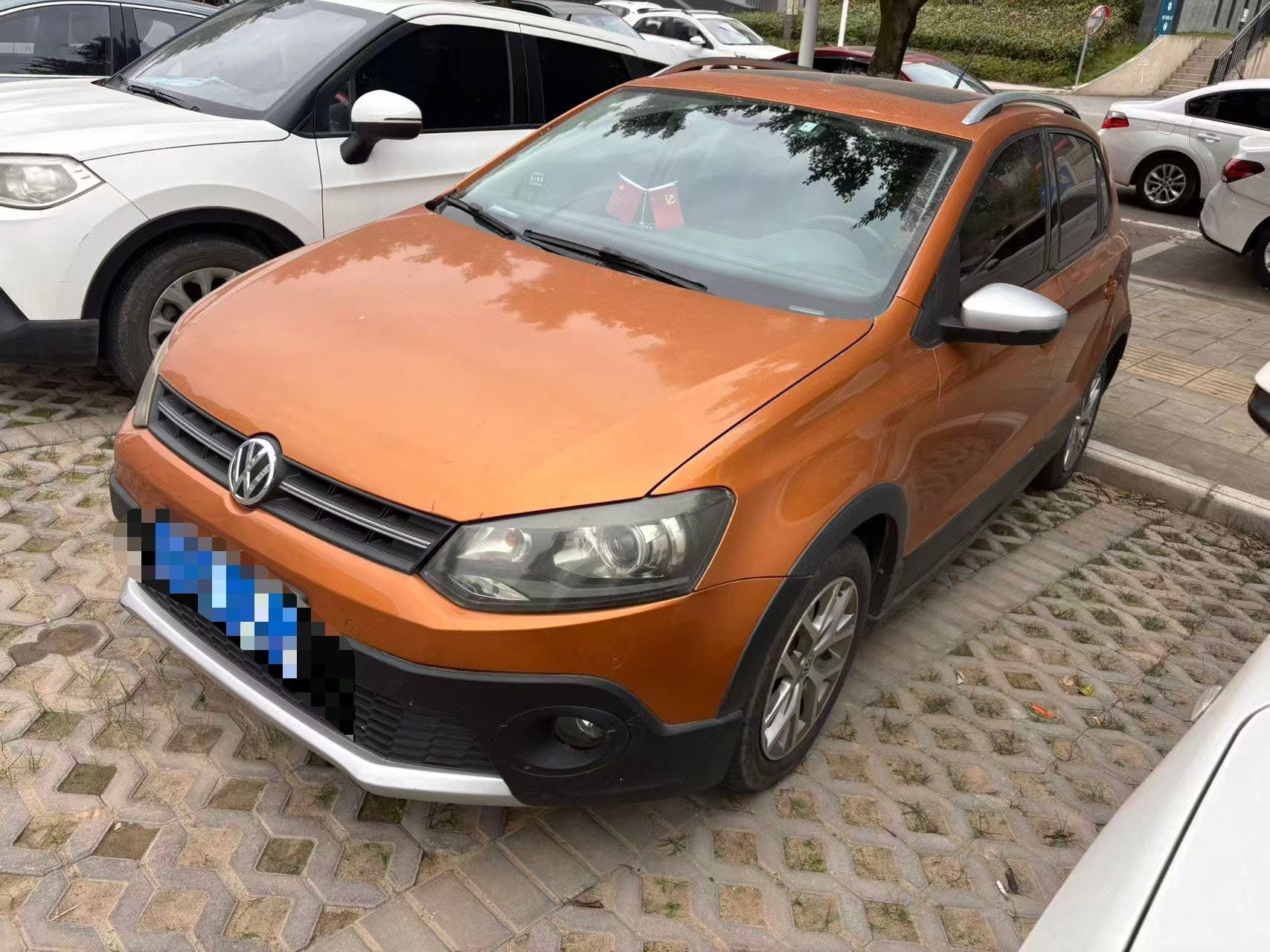
BrandVolkswagen
SeriesPolo
Year2016
First Registration2016/09
Mileage100,000km
Transfer Count0times
FuelGasoline
TransmissionManumatic
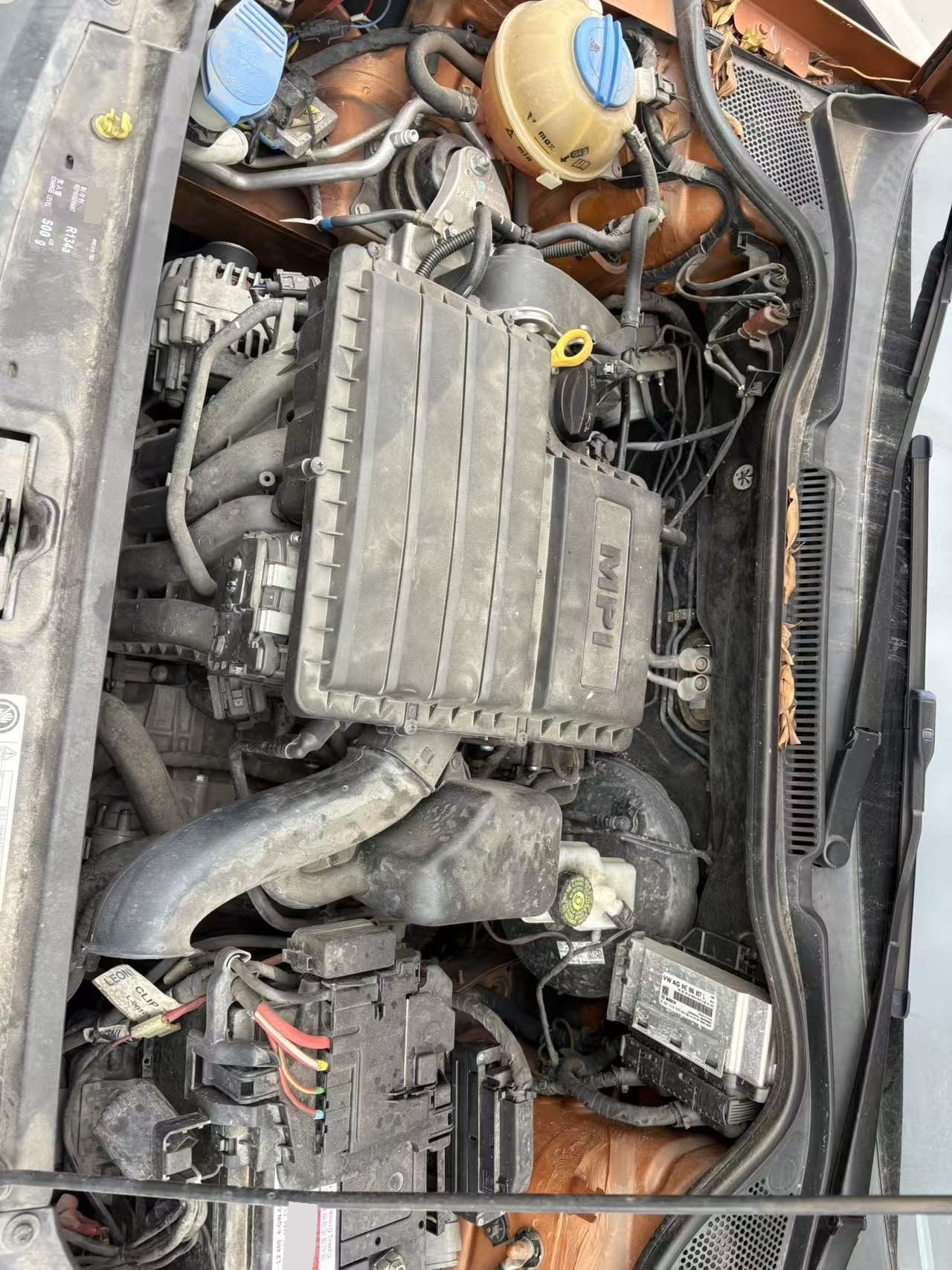
Engine1.6L 110 L4
ColorOrigin
Seats-

Condition Description

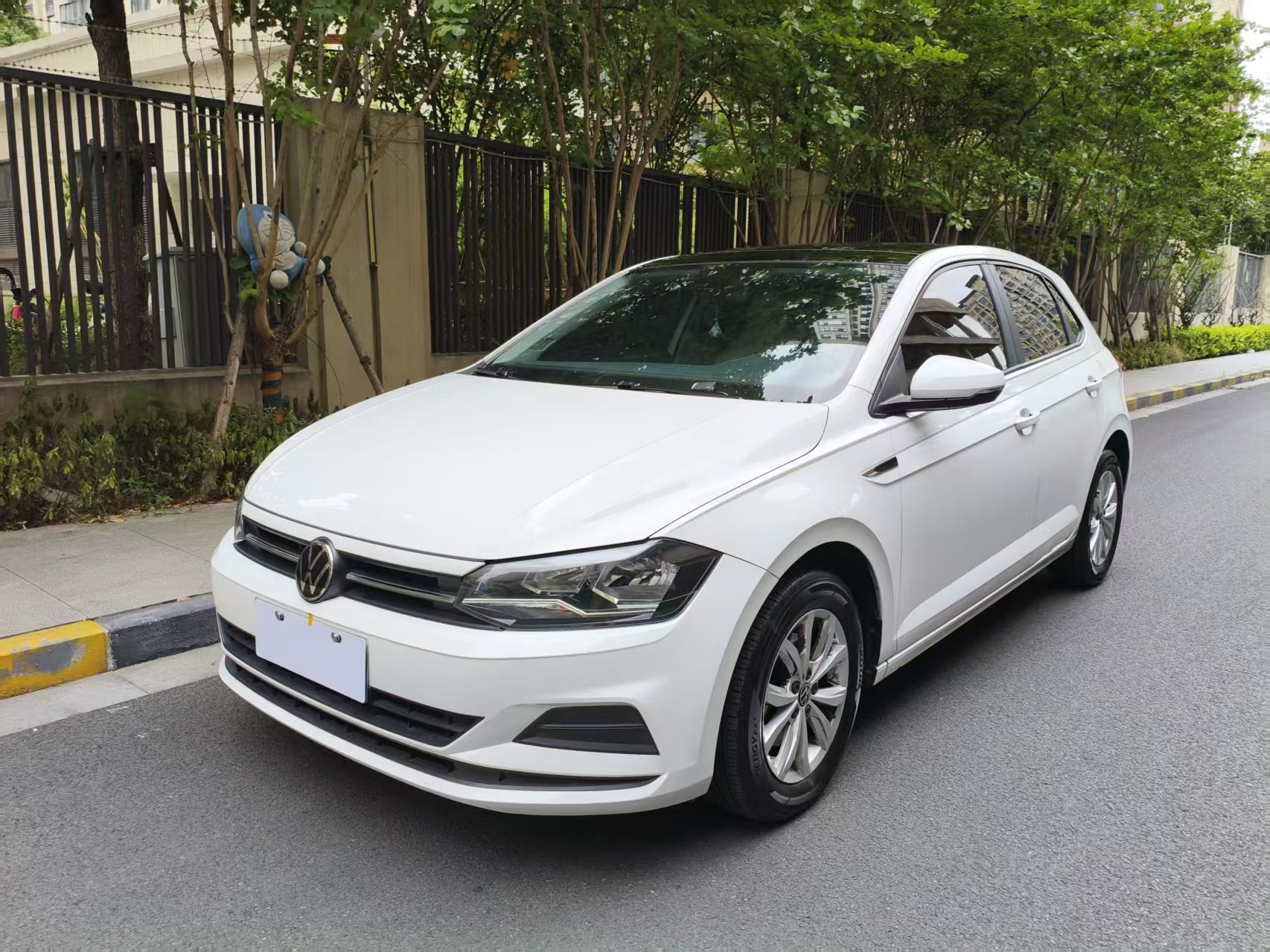
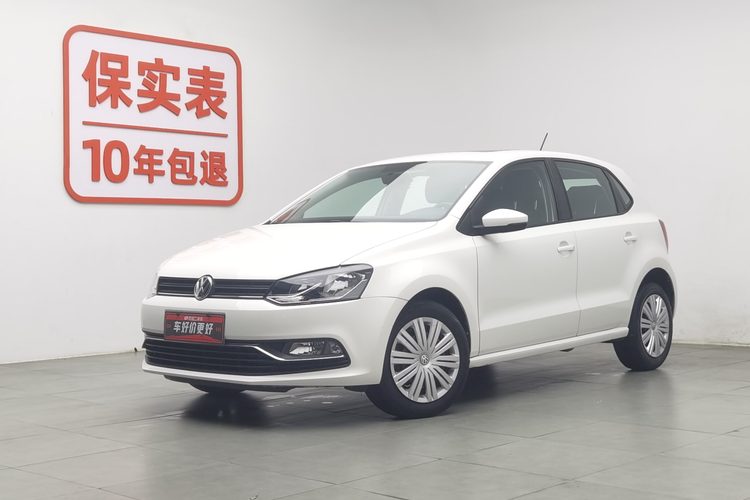
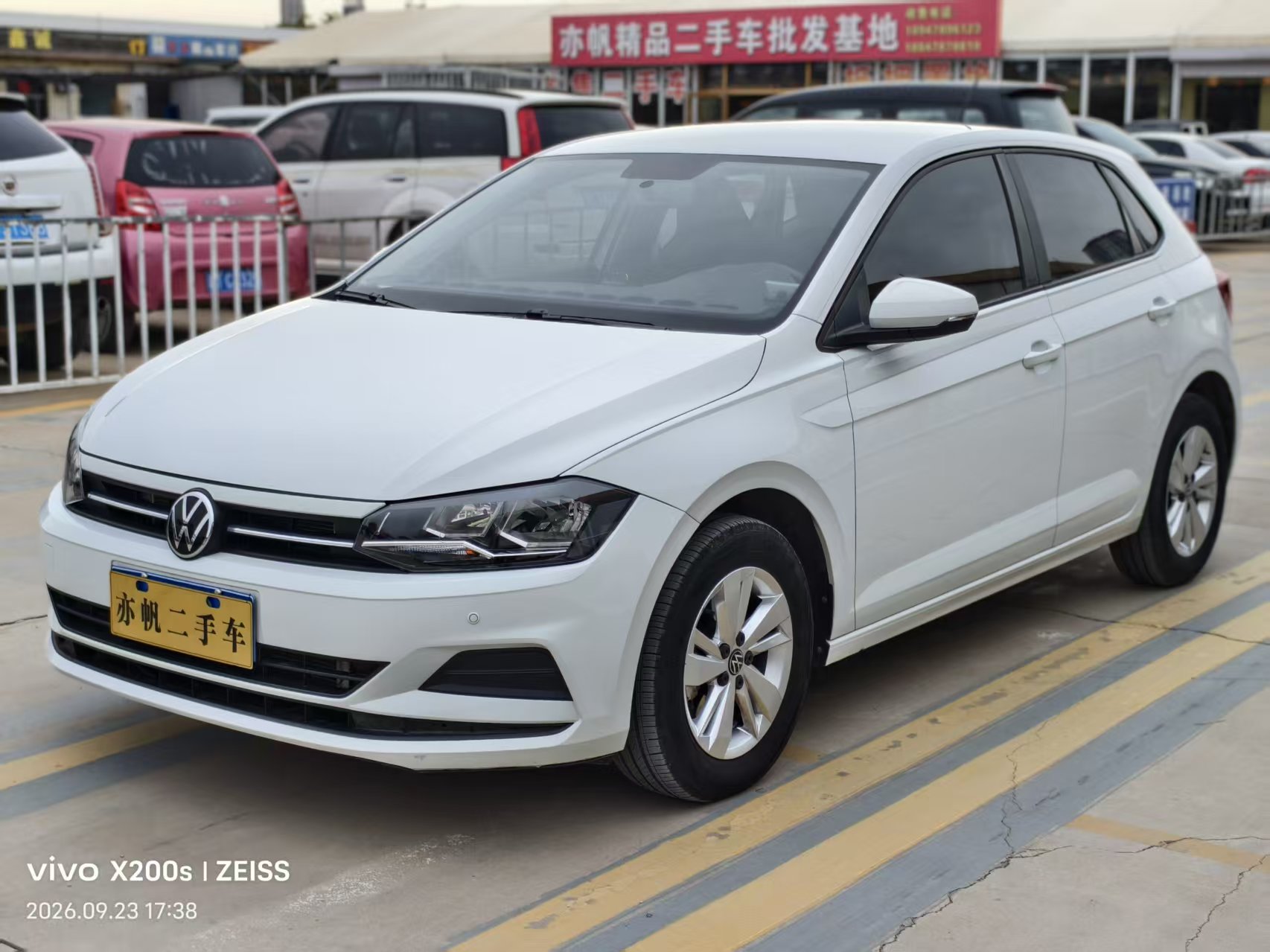
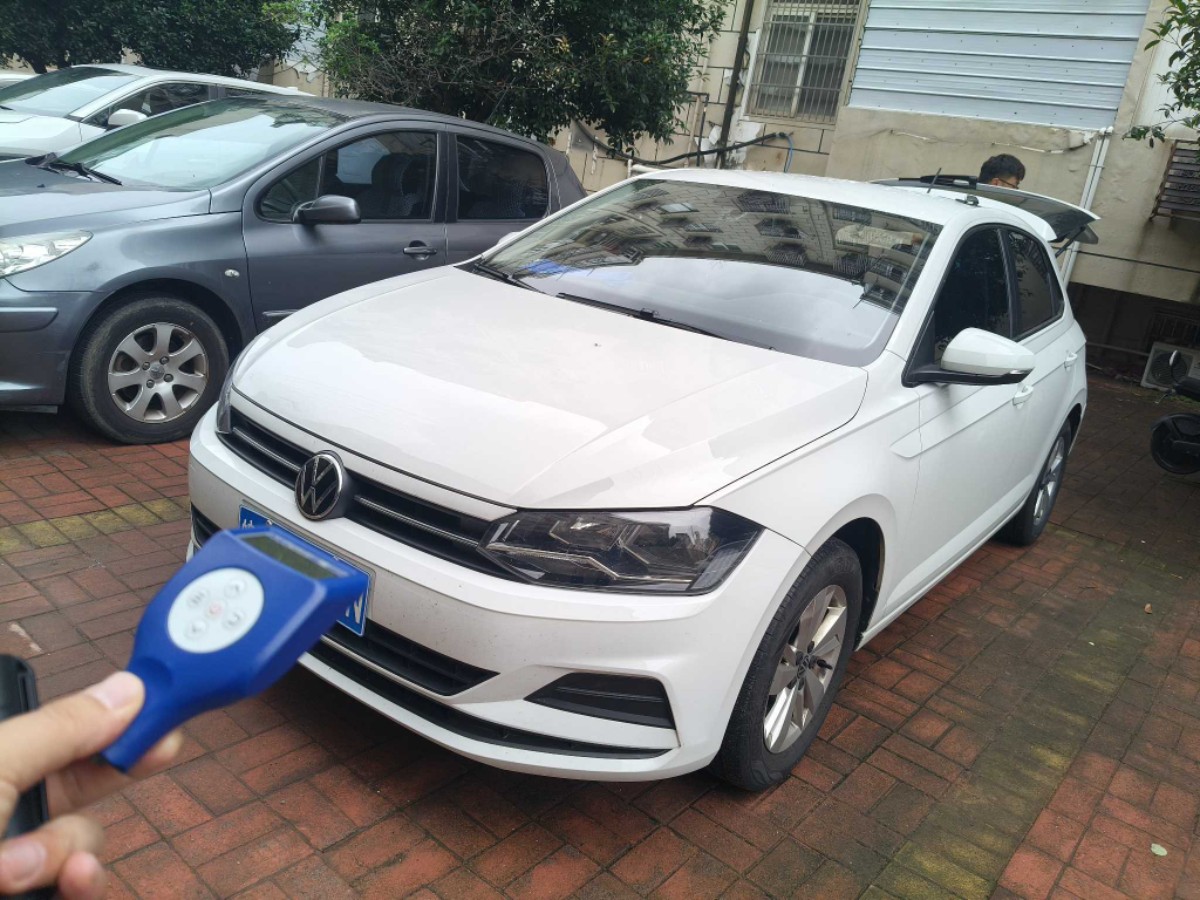
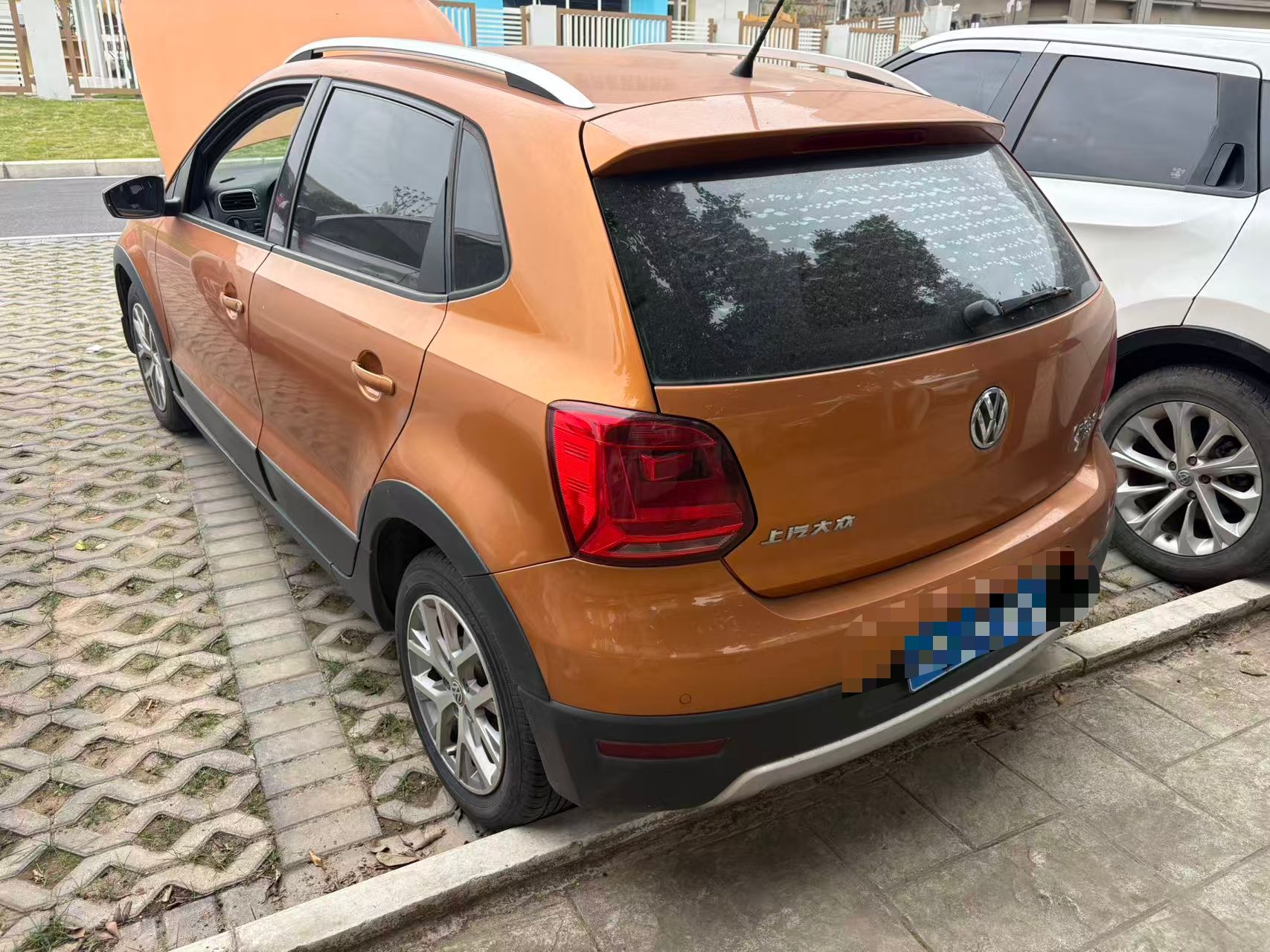
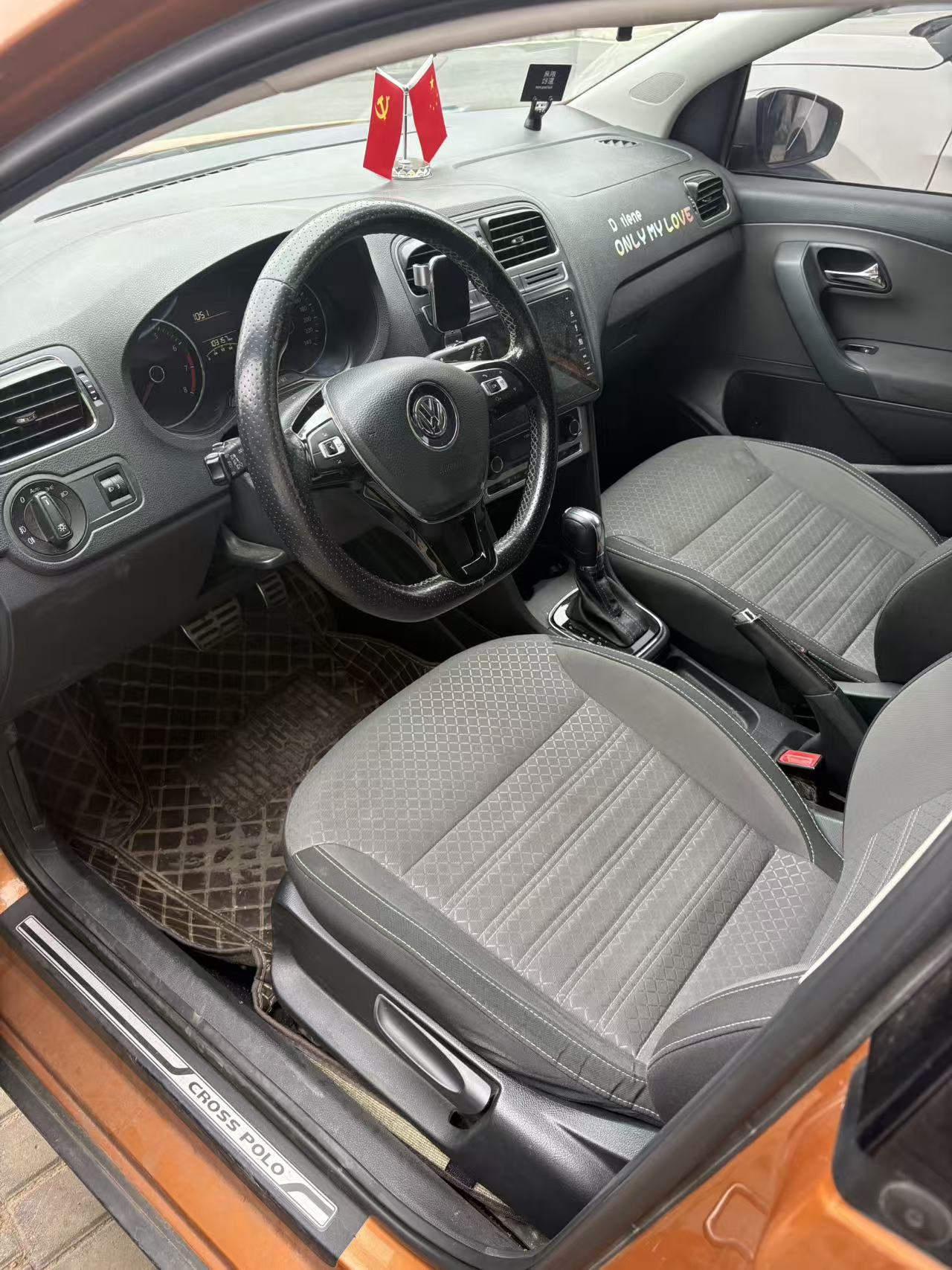
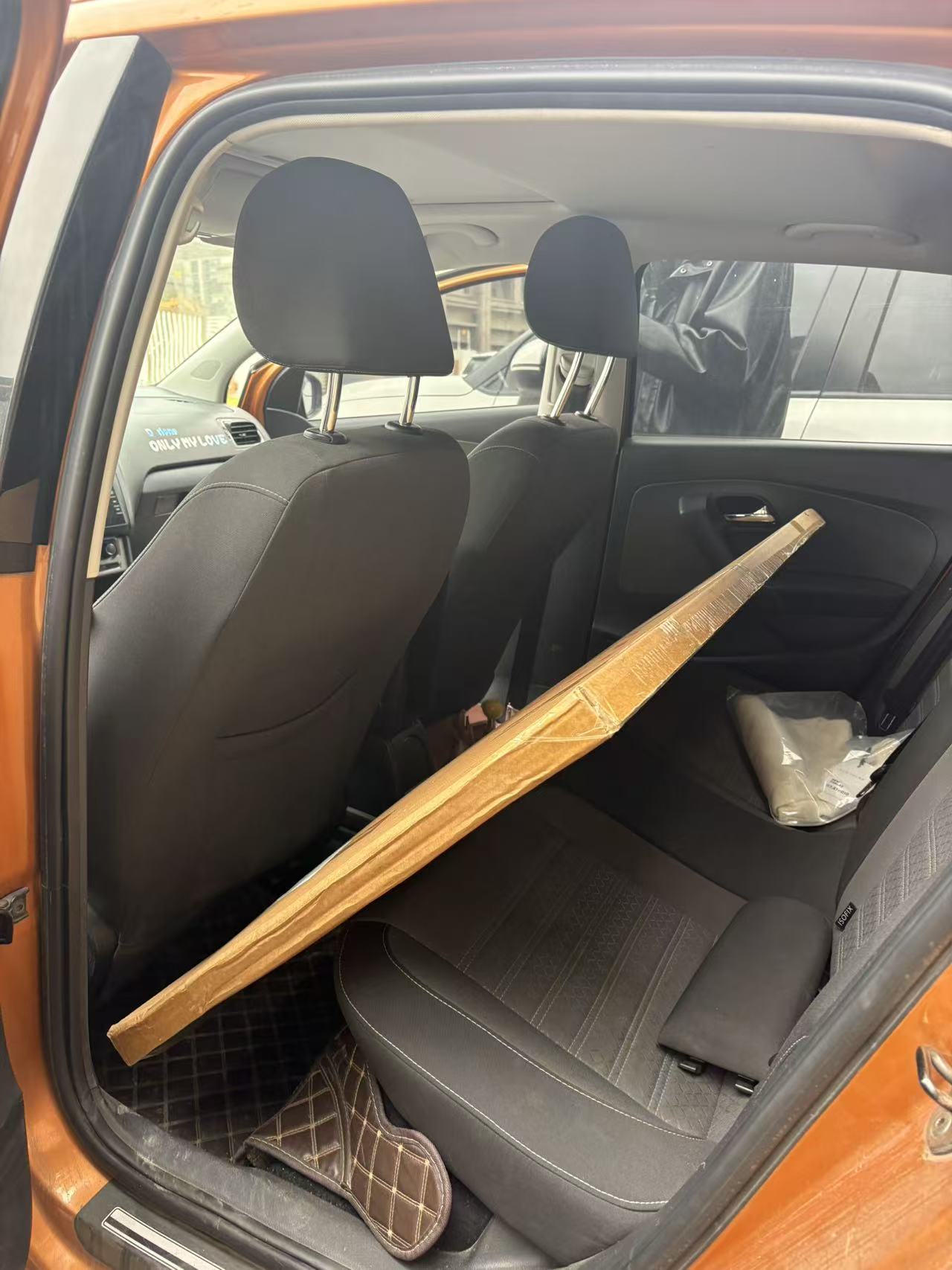
Fire/water damage: No Frame damage: Rear panel replaced! Exterior condition: Hood repaired (panel beating), both headlights and front bumper replaced, right front fender repaired (panel beating), rear bumper and rear lid replaced. Estimated 4.5 panels need repainting. Interior condition: Fair Odometer: Over 100,000 km

Document Information

Inspection Expiry Date-
Warranty Expiry Date-
Insurance Expiry Date2027/09

Q&A

More

Beyond the car price, what costs should I budget when importing a used car from China?

A realistic budget has several layers beyond the vehicle price. First, inland logistics in China: moving the car to the export port typically costs $300-$800. Second, export handling: inspection, customs declaration and paperwork usually add $500-$1,000. Third, ocean freight. A 20ft container to most destinations runs $1,200-$3,000 depending on route; RoRo shipping can be cheaper for driveable cars. Add marine insurance, usually 0.3%-0.5% of the car value. Fourth, destination charges: port handling, customs duties, VAT/GST and local registration fees. These vary widely; some countries charge duties of 20%-80% of the vehicle value plus an excise based on engine capacity. Finally, any compliance work: inspection certificates, modifications to meet local standards, or homologation. Ask your exporter for a full CIF quote and have a local customs broker confirm destination taxes before you commit.


Do used cars exported from China come with English service manuals, and how do I source parts for repairs in my country?

Most Chinese brands provide owner manuals in Chinese only, but you can usually get an English version through three channels: ask the exporter (many keep PDF copies), download from the brand's overseas website, or use the car's built-in infotainment system which is often switchable to English. For parts, start with the VIN. Send it to the exporter and ask for the OEM part numbers you need — many parts are shared across models sold domestically and abroad. Common wear items (filters, brake pads, suspension components) are increasingly stocked by international parts platforms and can be shipped within days. For body panels and brand-specific electronics, ordering directly from China via the exporter is often the only option, so factor a 2–6 week wait into your planning. Practical tip: before buying, ask the exporter for a parts price list for the specific model. If they cannot supply one, that is a warning sign about after-sales support. Keep a small stock of common consumables in advance to avoid downtime.

I need a complete historical background report on this car. Can you provide an English version?

The core background report we provide (including basic information, mileage verification, and accident investigation conclusions) supports both Chinese and English outputs to ensure that overseas buyers or your end customers can read it without barriers.