



Basic Information

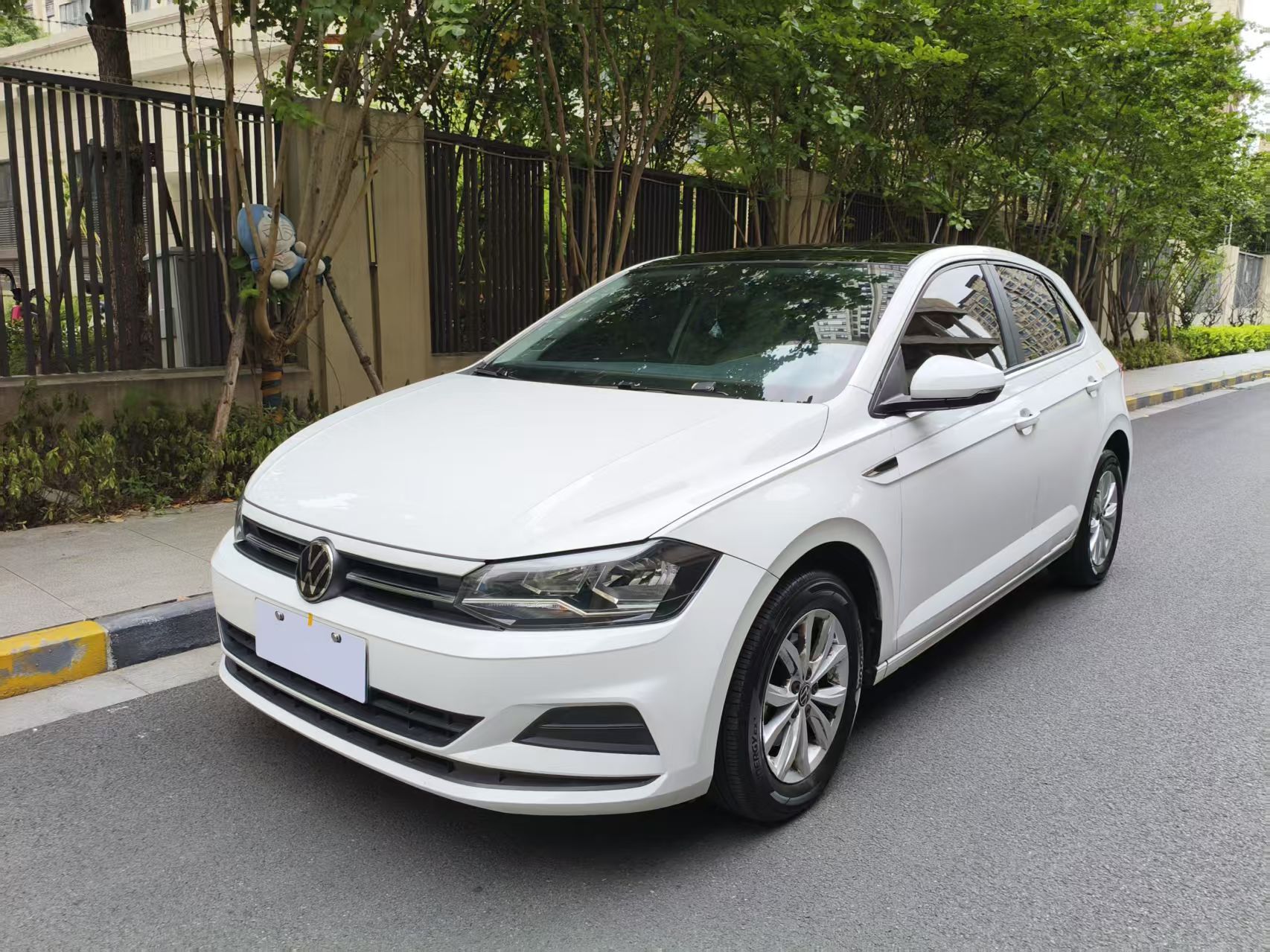
BrandVolkswagen
SeriesPolo
Year2016
First Registration2016/04
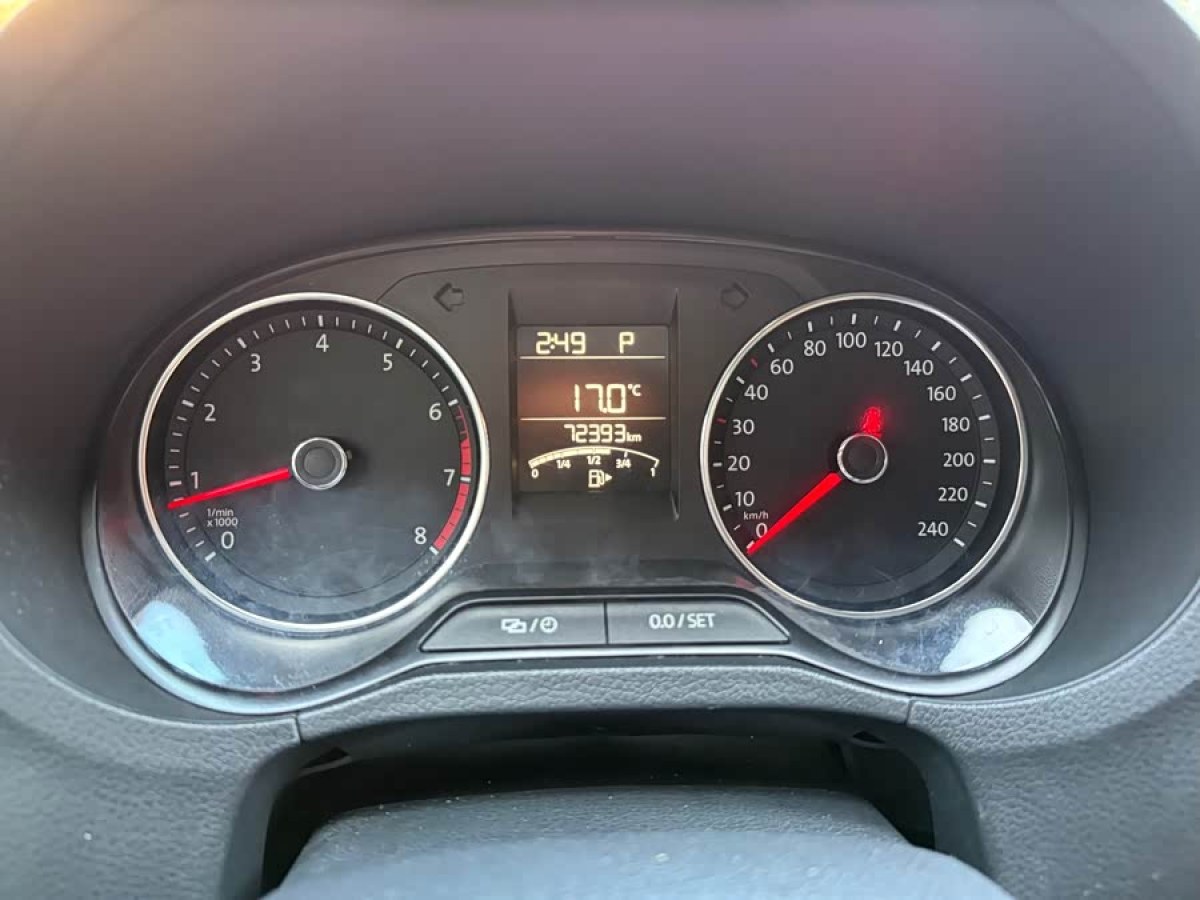
Mileage72,000km
Transfer Count-
FuelGasoline
TransmissionAutomatic
Engine1.6L 110 L4
ColorWhite
Seats-

Condition Description

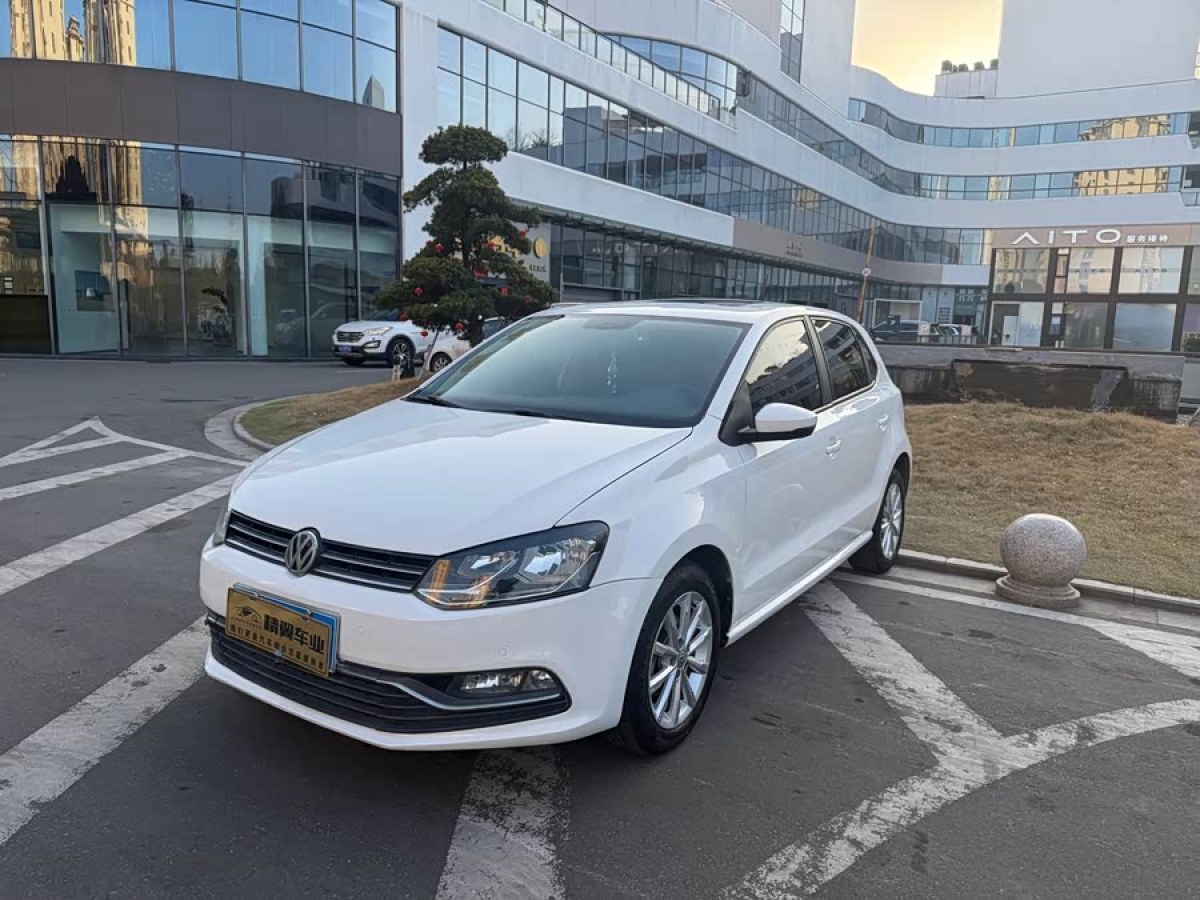
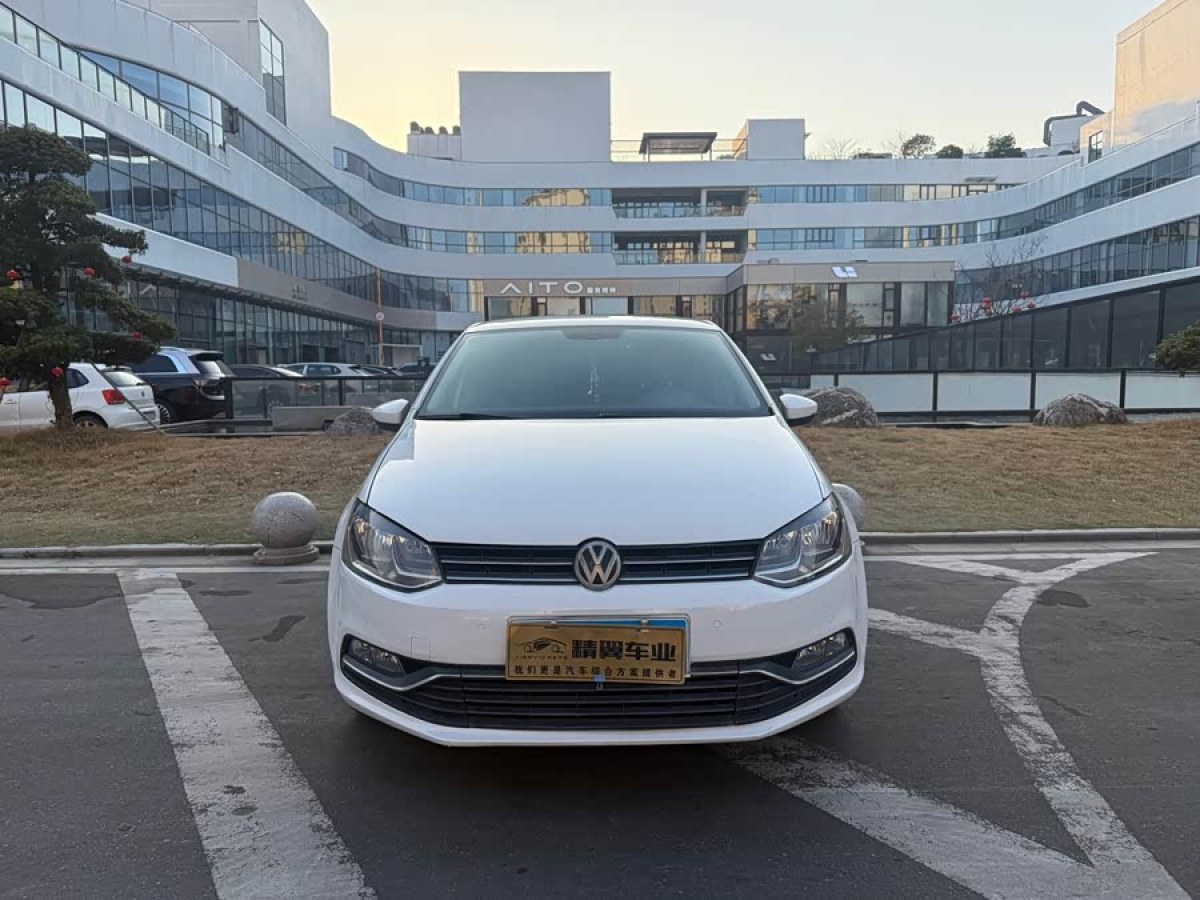
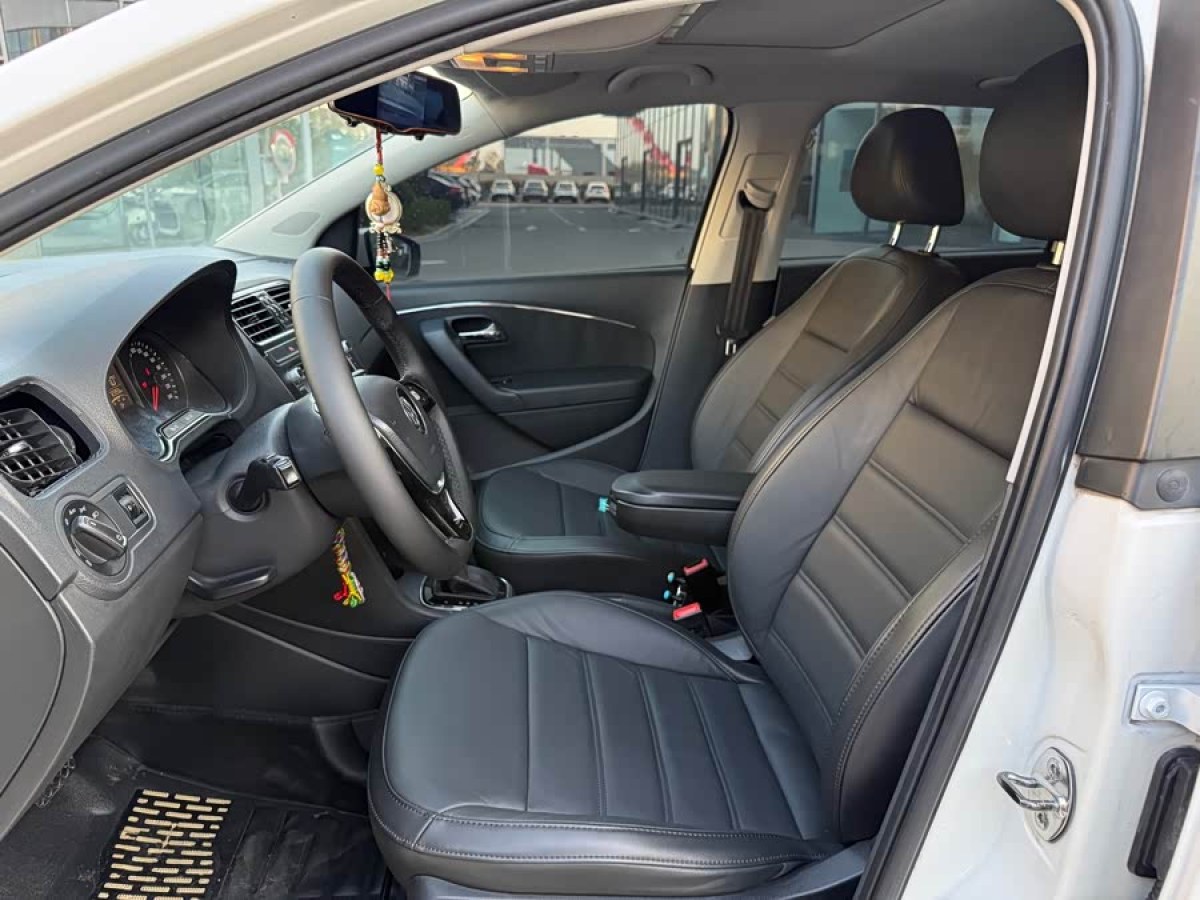
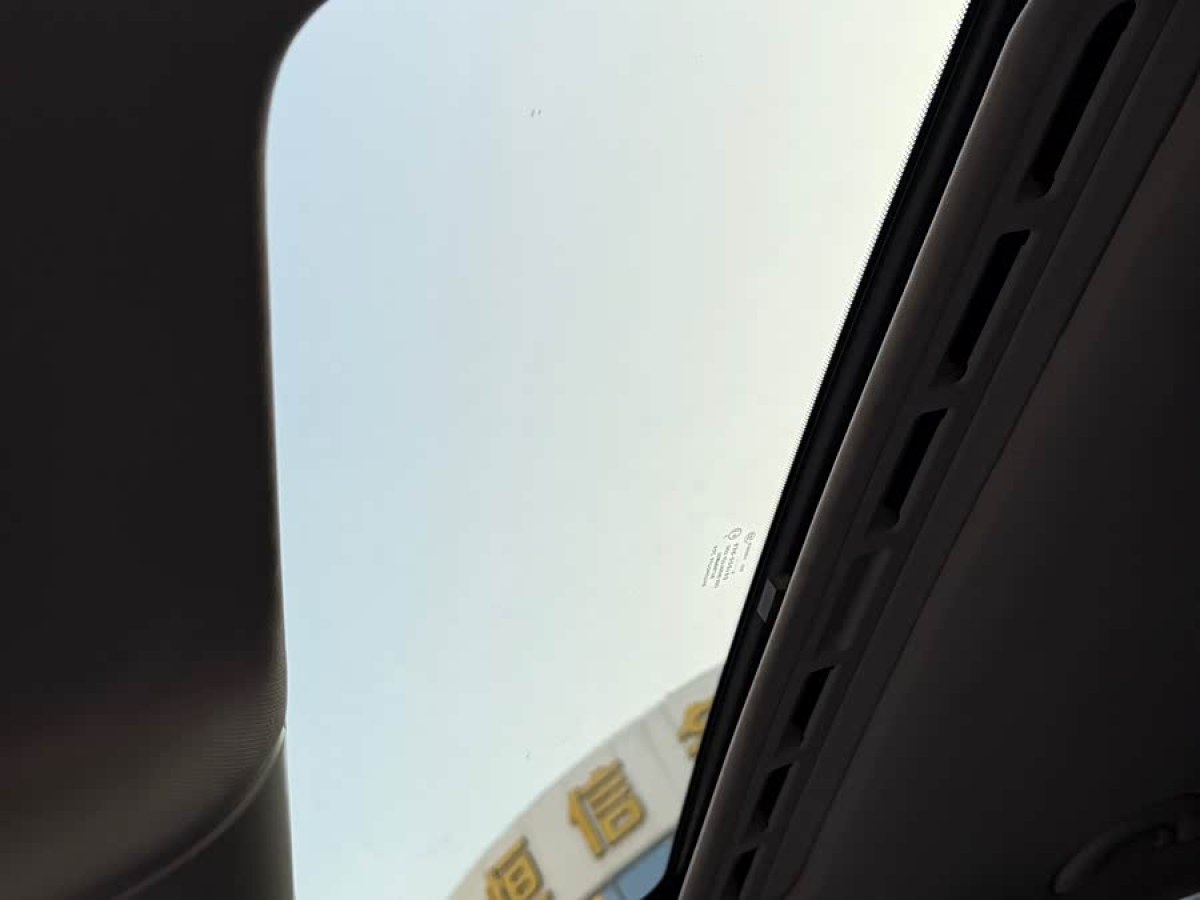
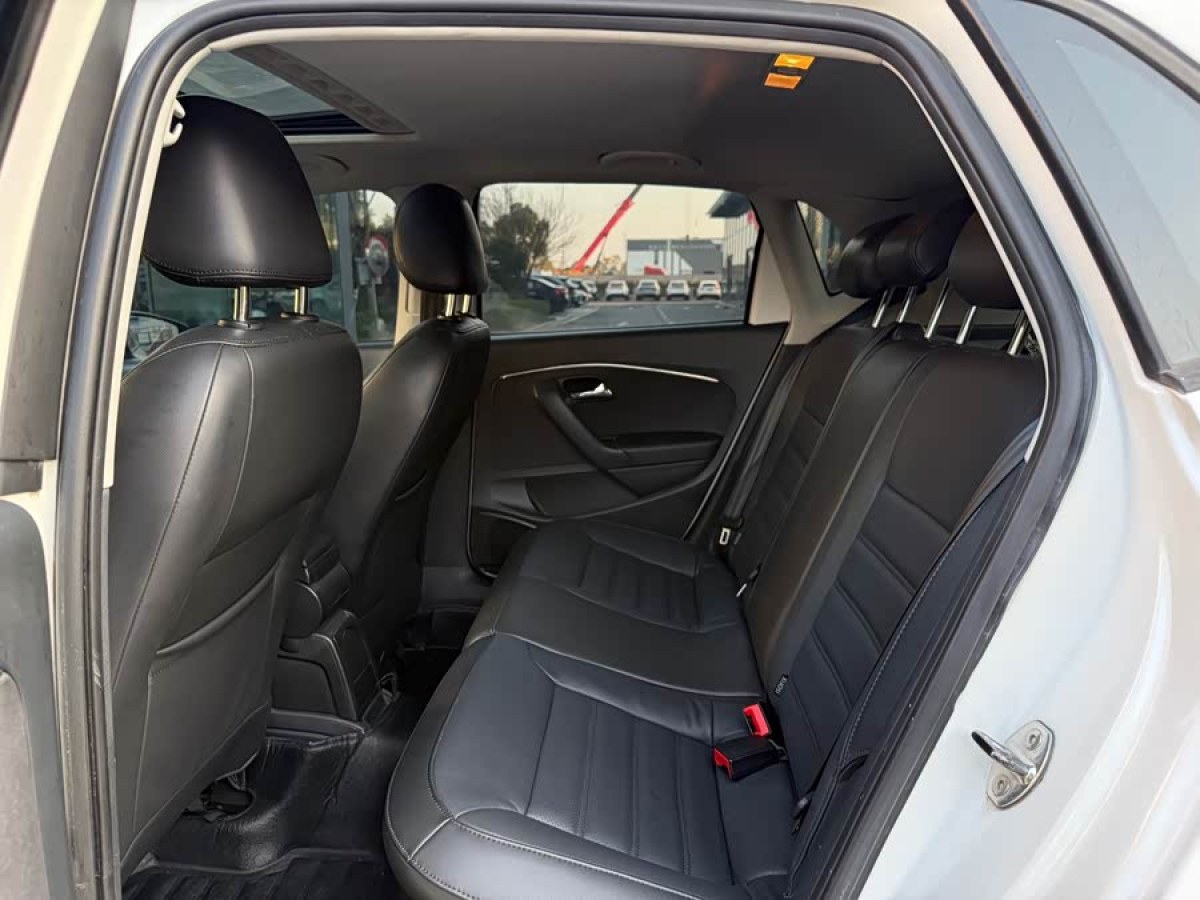
This Volkswagen Polo is a local young lady's privately owned, one-owner car. It boasts a dynamic and stylish exterior, a 1.6L engine, and a durable, reliable Aisin 6AT transmission. Crucially, it's incredibly fuel-efficient and features a sunroof, reversing camera, large screen navigation, Bluetooth music, and more. The car's fuel consumption is excellent, costing only 50 cents per kilometer. It's durable, reliable, and holds its value exceptionally well; you won't lose much money even after several years. All paperwork is complete, and ownership can be transferred immediately. Financing and trade-ins are available. A down payment of 5,000 yuan is all it takes to drive it home. Financing is simple; all you need is your ID card.

Newly launched

Q&A

More

How do you assess the leak risk of vehicles with panoramic sunroofs?

We maintain an absolute skeptical attitude. In addition to regular visual inspections, we focus on checking for sediment accumulation around the sunroof drainage channels and look for water stains under the A-pillar trim and front floor mats. This is the only effective physical evidence to determine if the sunroof drainage holes are blocked, leading to hidden leaks.

Will there be detailed information on the vehicle's consumable parts (such as tire tread depth and remaining brake pad thickness)?

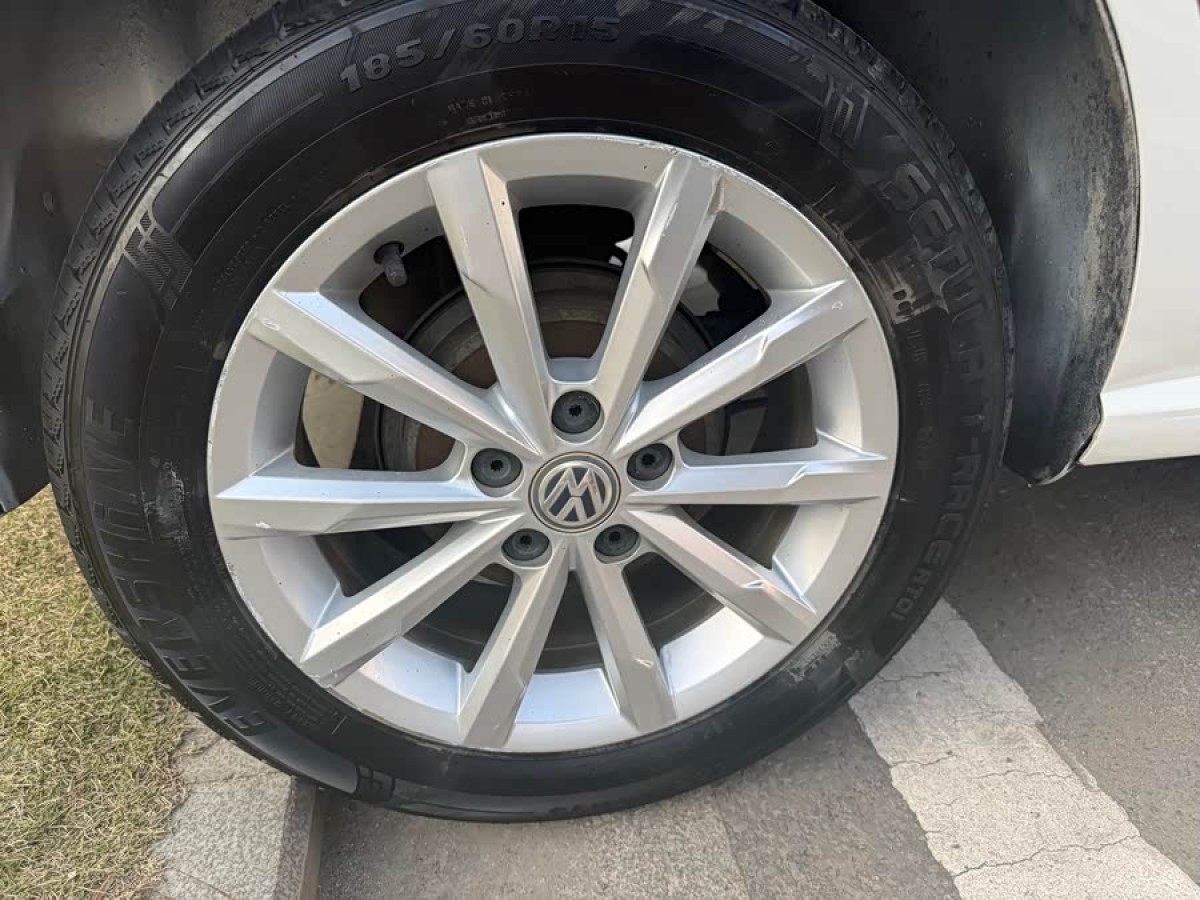
Yes. The inspection report includes a specific "consumable parts consumption list." We will measure the tire tread depth (in millimeters) and the remaining brake pad thickness using calipers. If the tire tread is below the legal wear limit of 1.6mm, we will note it as "recommended to replace immediately upon arrival."

How to assess wind noise and aging of sealing strips for coupe models with frameless doors at high speeds?

The lifespan of rubber sealing strips for frameless doors is usually only 4-5 years. We carefully press the sealing strip at the edge of the roof to check for loss of elasticity and use a high-pressure water gun to wash the seams of the windows to check for direct water leakage due to aging.