Basic Information

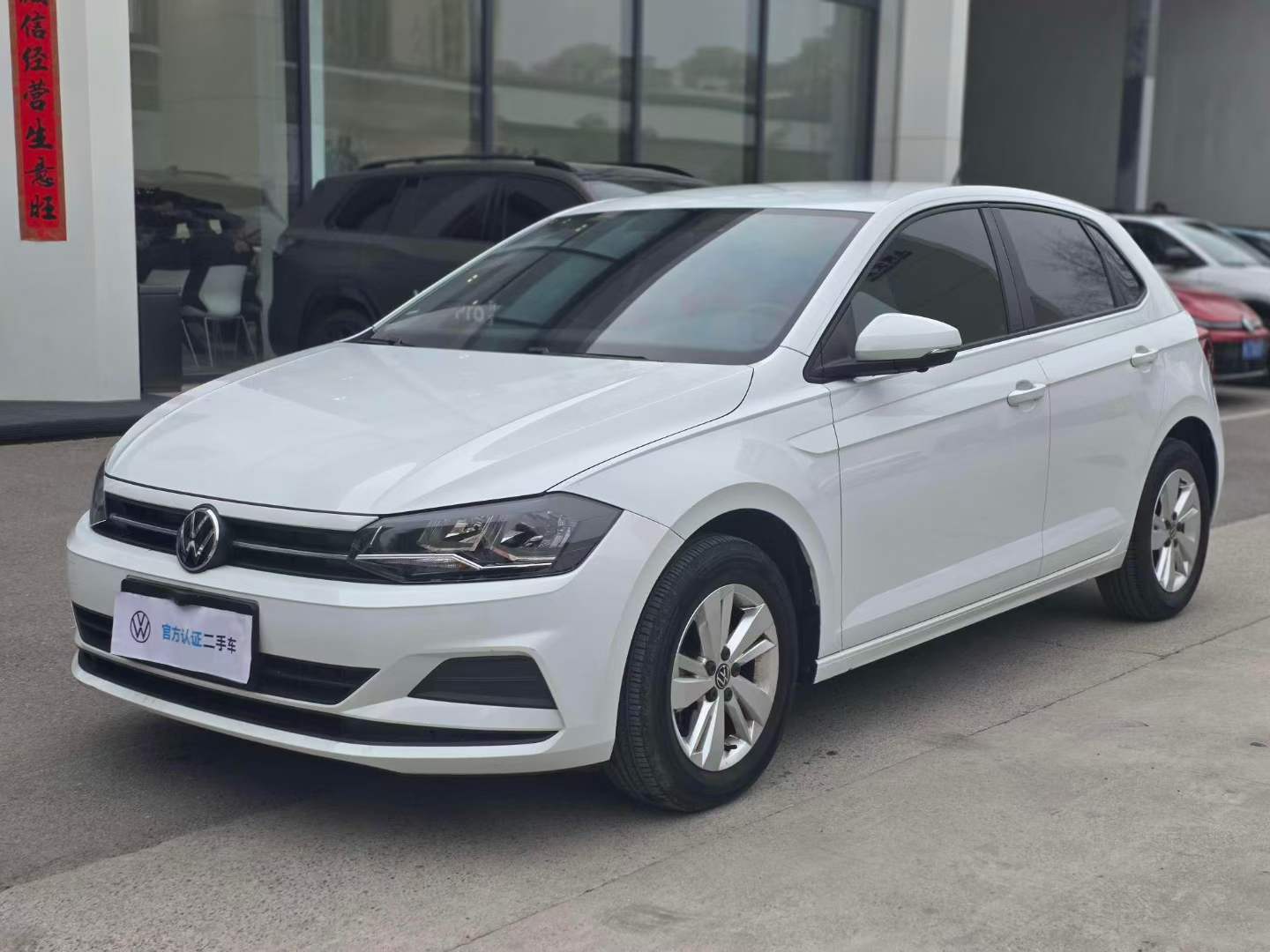
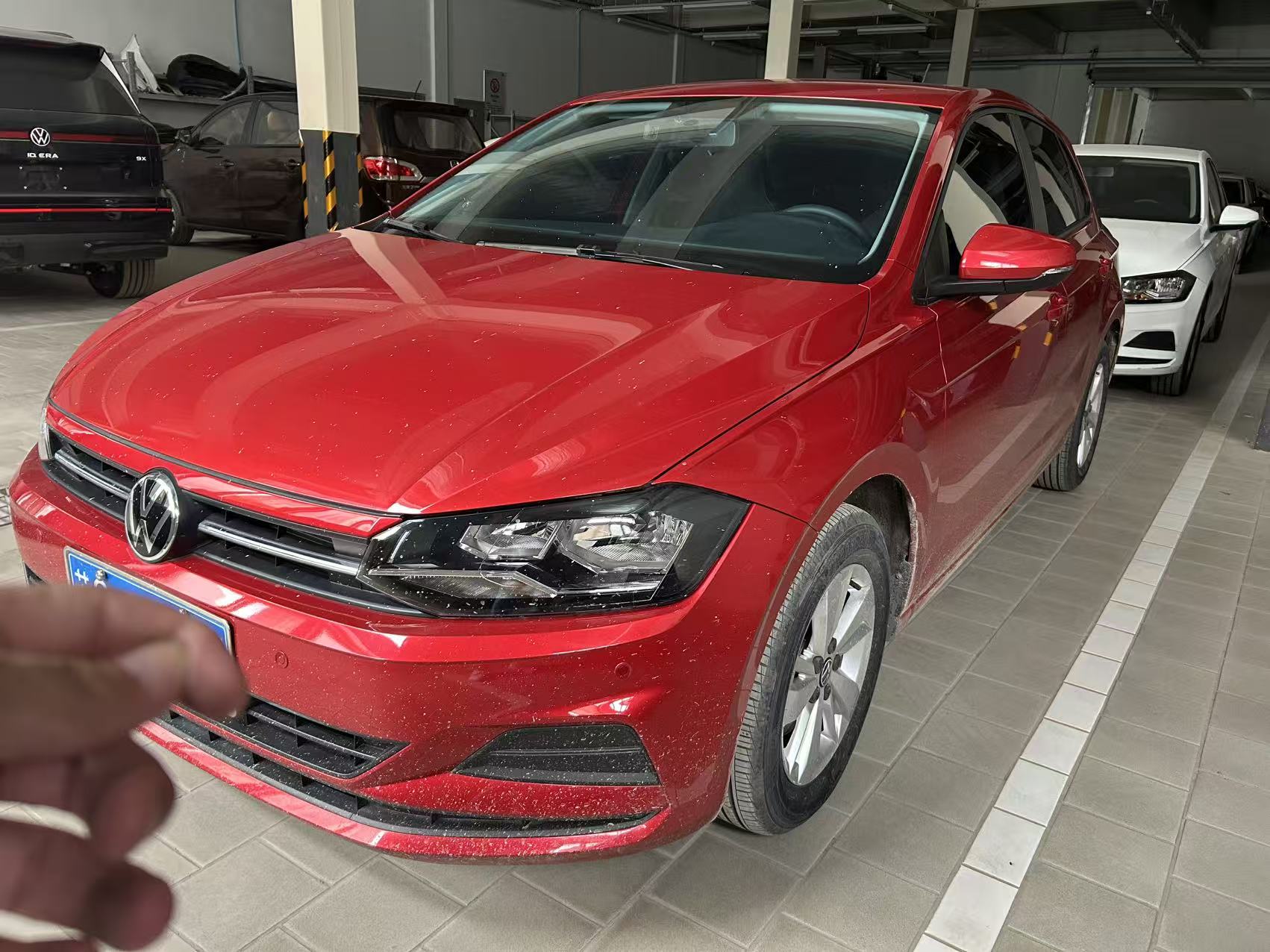
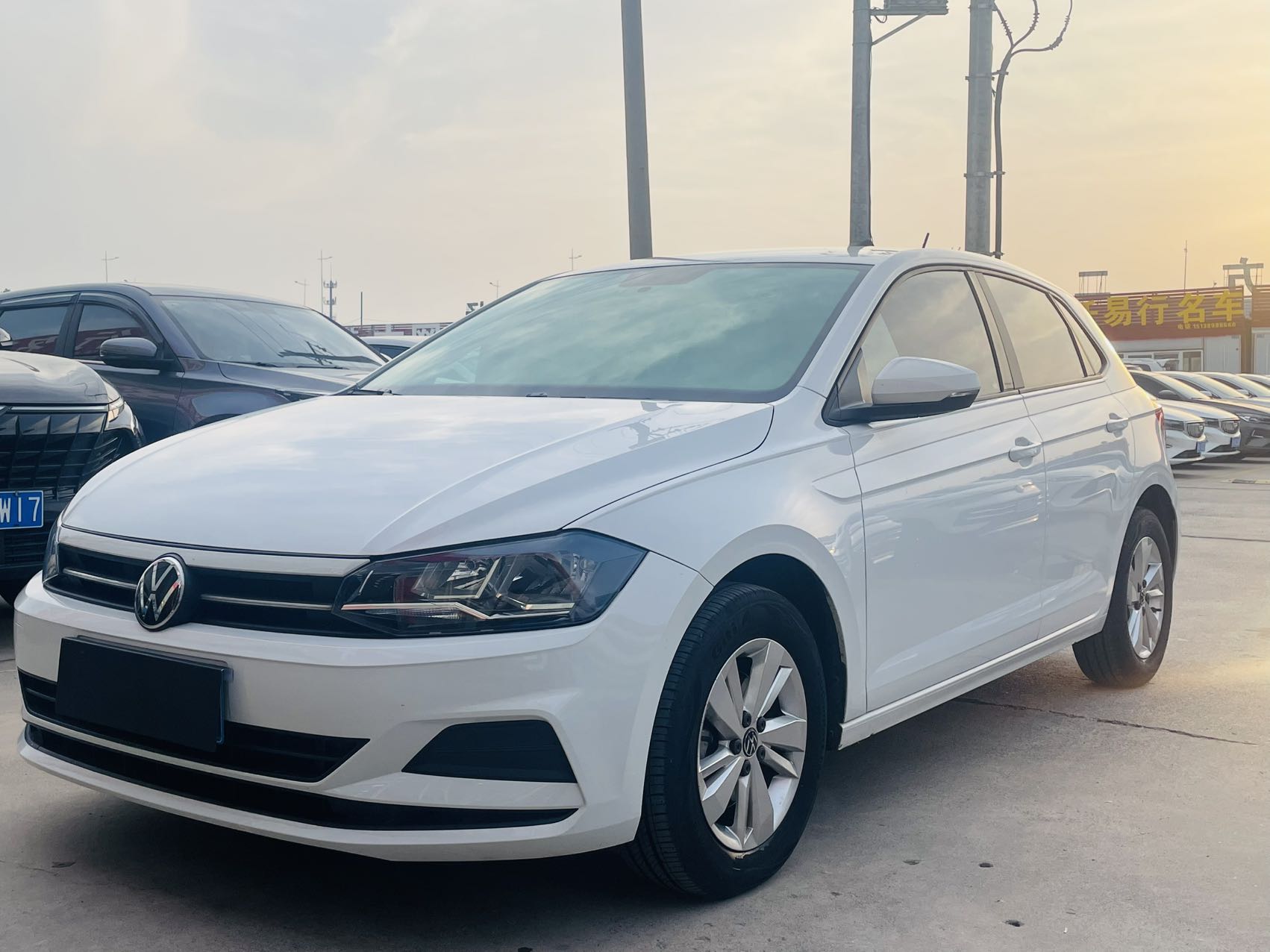
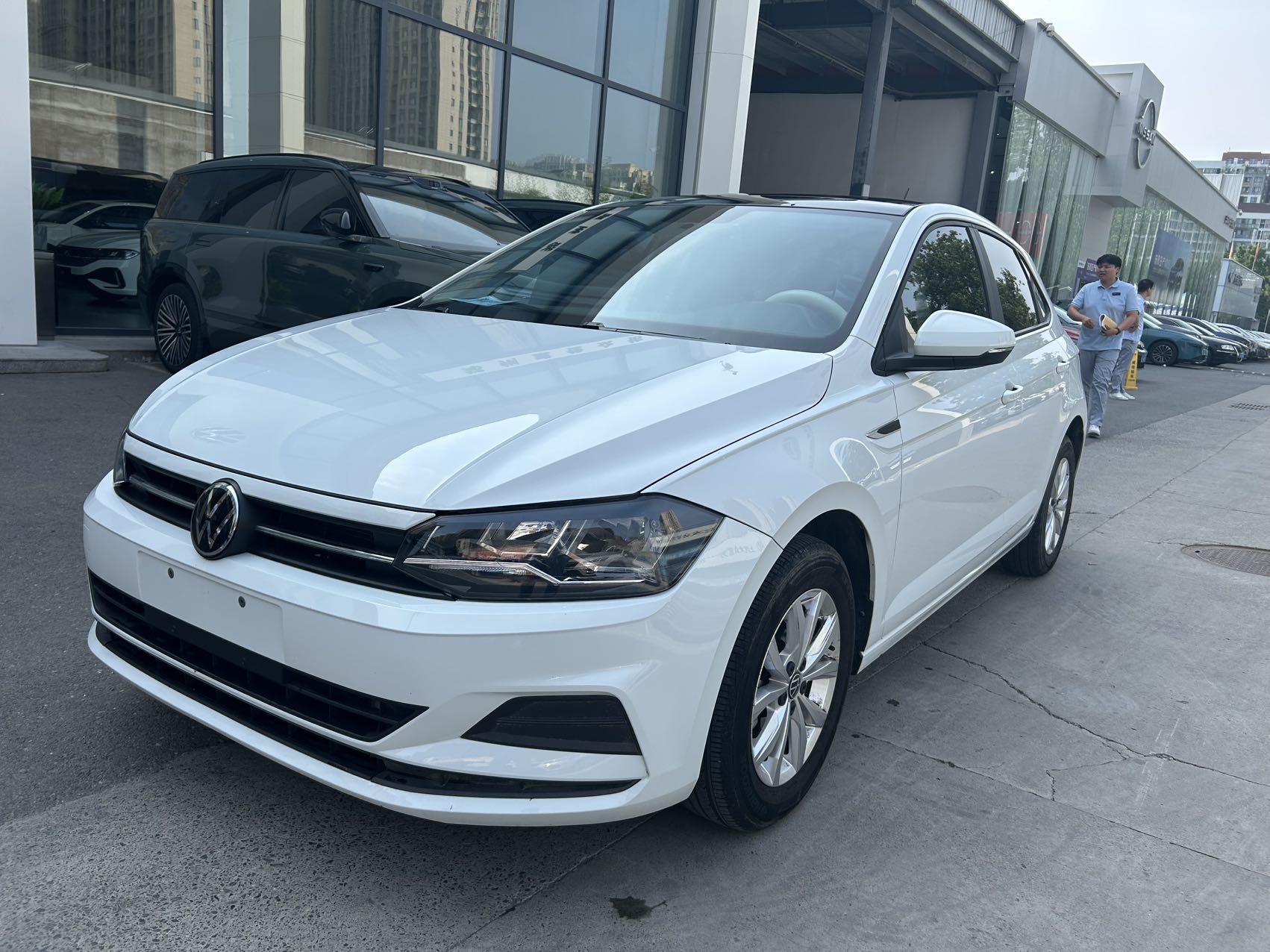
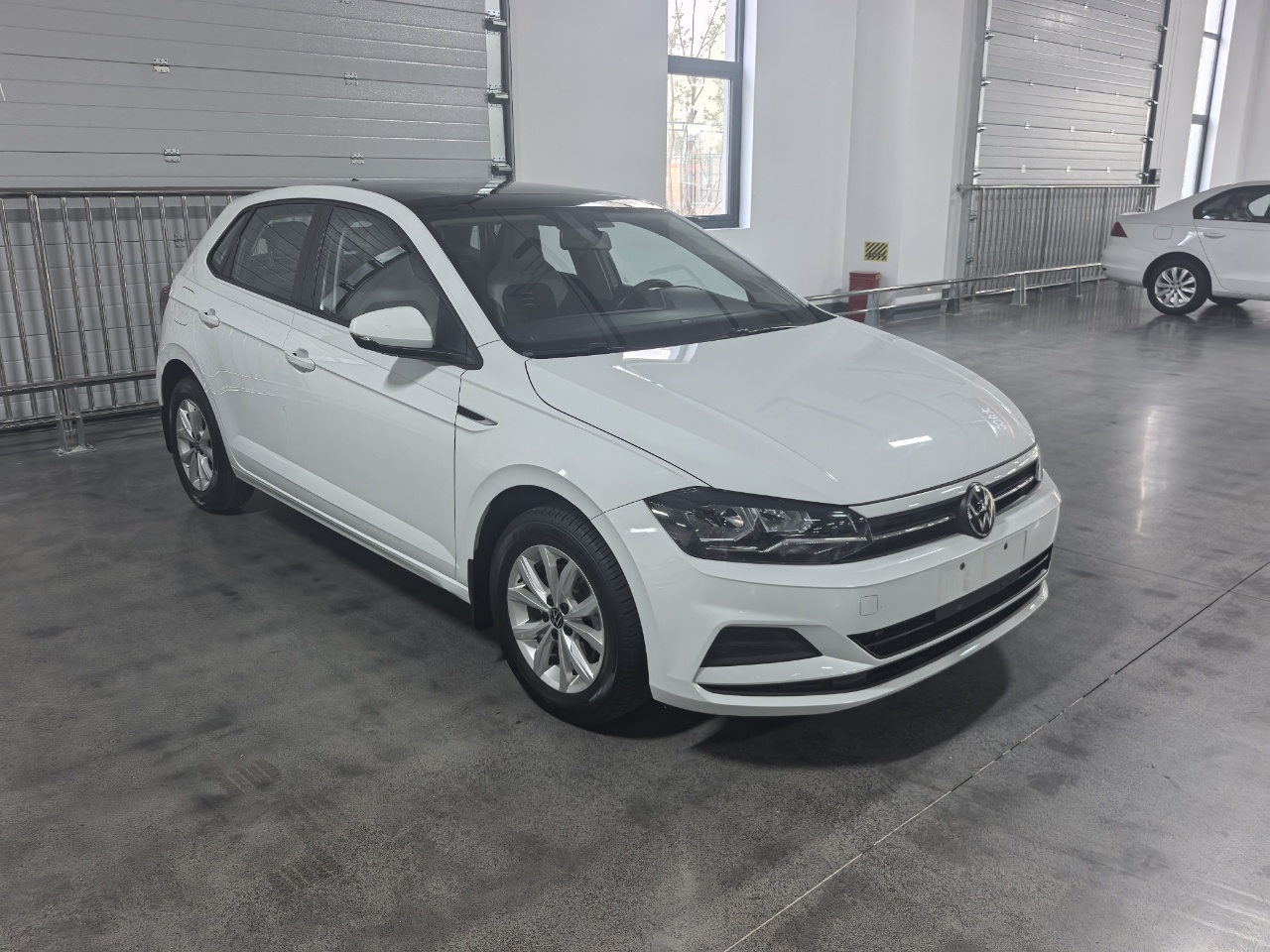
BrandVolkswagen
SeriesPolo
Year2016
First Registration2016/06
Mileage63,800km
Transfer Count-
FuelGasoline
TransmissionManual
Engine1.4L 90 L4
ColorWhite
Seats-

Condition Description

Localized body damage or repair marks present; structural and reinforcement components have no accident-related damage or repairs. Vehicle performance (including three-electric system) has degraded or is performance-limited.

Accident inspection: main structure undamaged, reinforcement components undamaged, cover panels damaged, hinges normal. Engine bay inspection: key mechanical components in engine compartment normal. Exterior: 1 repainted area. Interior: most features normal, airbag inspection normal, seatbelts normal, dashboard normal, instrument inspection normal, lighting system normal. Start-up inspection: main components normal. Onboard tools: none.

Fixed price
VIP车源
零过户
新检测标准升级>
非泡水

Document Information

Inspection Expiry Date2027/06
Warranty Expiry Date-
Insurance Expiry Date2027/07

Q&A

More

How do you prove to overseas buyers that this car has never had a major structural accident?

We do not rely on the seller's verbal assurances. We provide multi-dimensional accident-free certification by cross-referencing insurance claims records, service orders from authorized dealerships, and conducting on-site paint thickness measurements and weld point inspections of the chassis and structural components (longitudinal beams, A/B/C pillars, shock absorber mounts).
Does the Chinese government provide tax rebates for used car exports? Is this subsidy reflected in the car price?

Unlike new car exports, there are currently no large national export tax rebates for used cars in China. Therefore, our FOB price is purely the vehicle's residual value plus compliant operating costs, leaving no room for price wars using subsidies.

Is China's "National VI B" emission standard equivalent to Europe's Euro VI standard?

From a technical perspective, China's "National VI B (China VI-b)" is one of the strictest emission standards globally, with limits on carbon monoxide, nitrogen oxides, and particulate matter that are even stricter than some of Europe's Euro VI standards. However, the two are not legally recognized by each other, depending on your country's import regulations.