


Basic Information

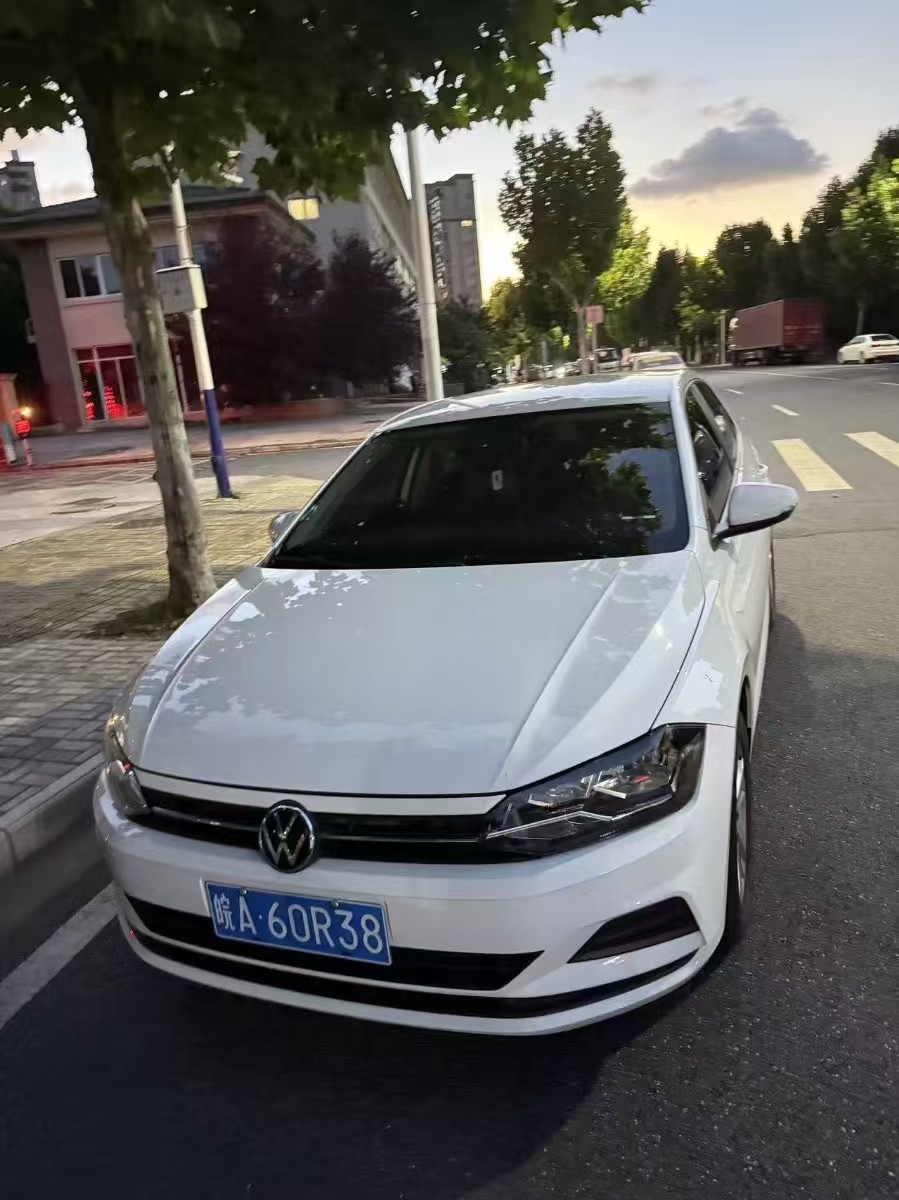
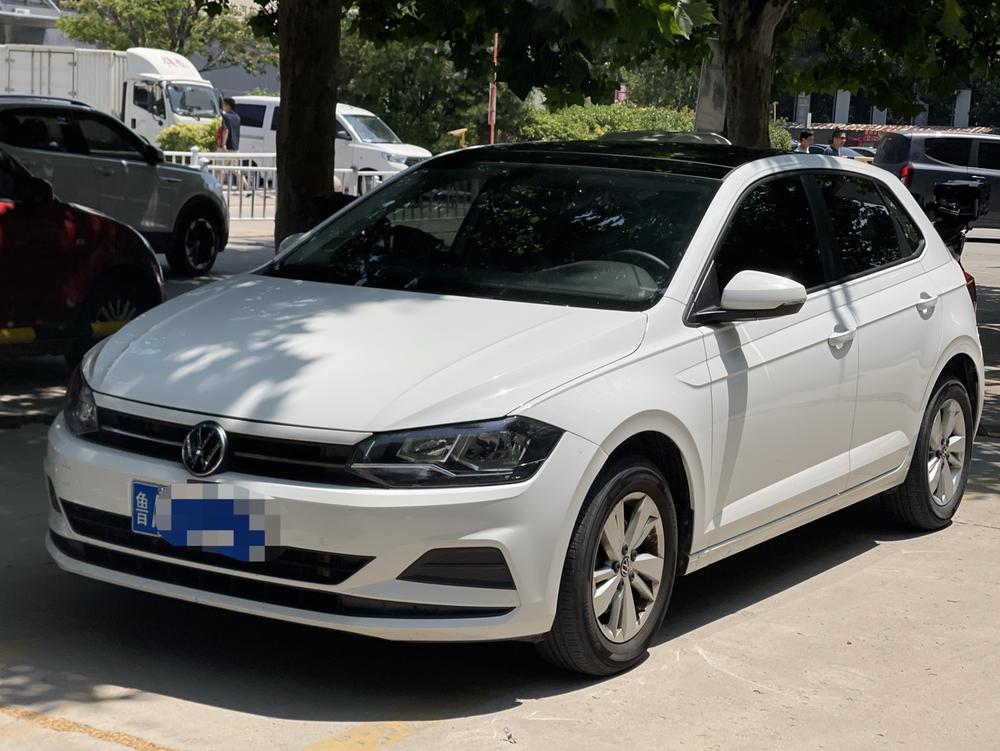
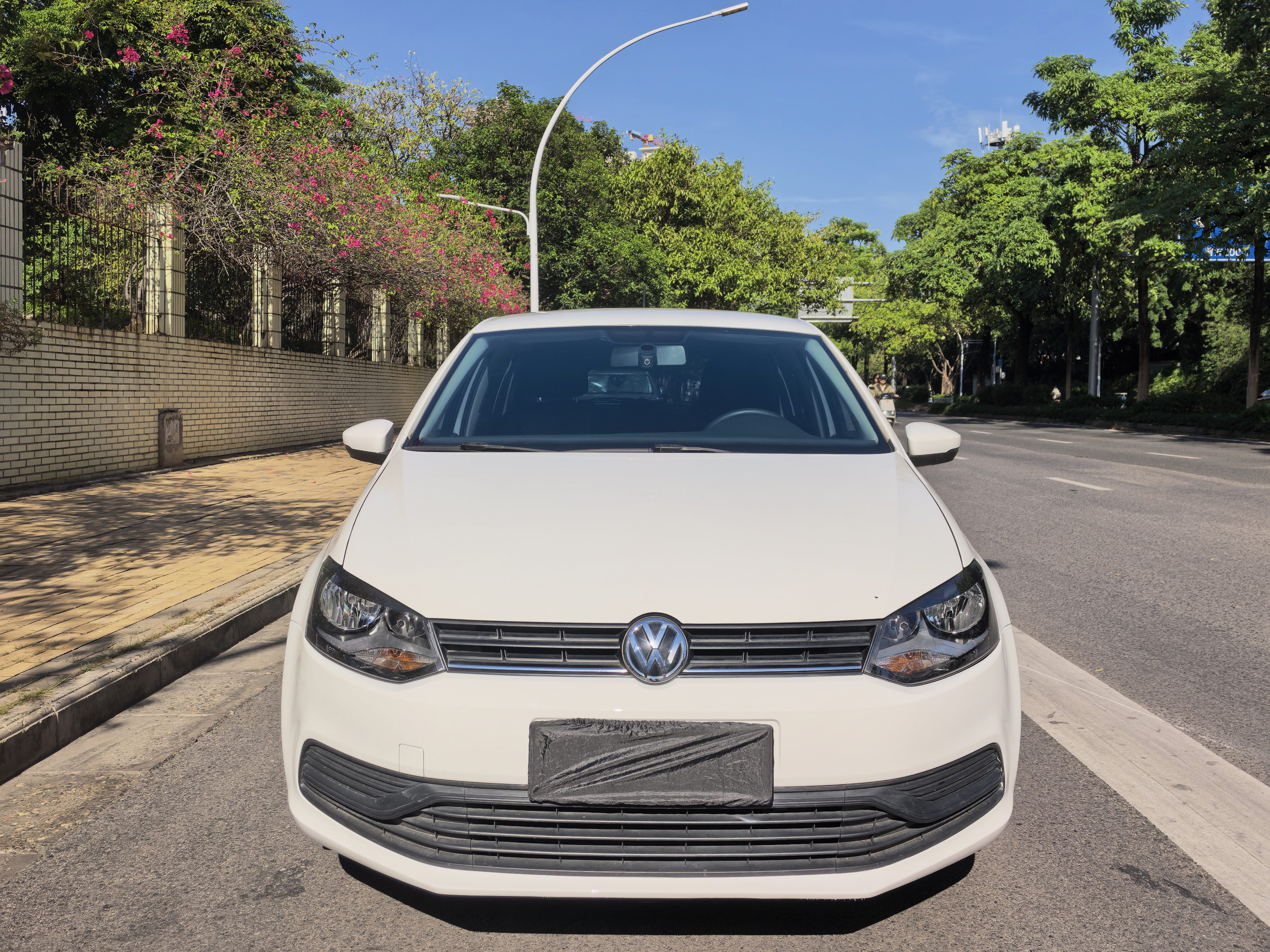
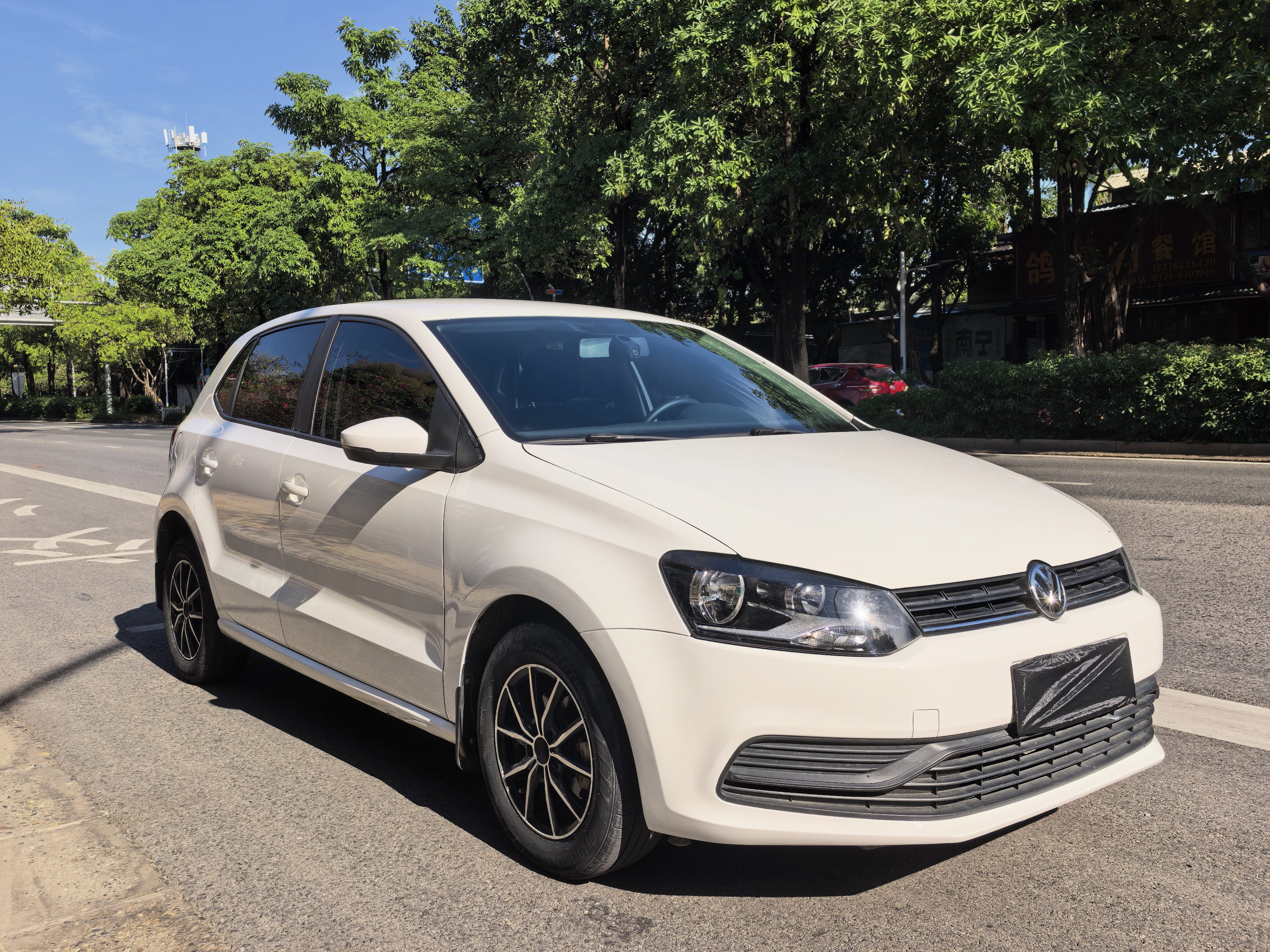
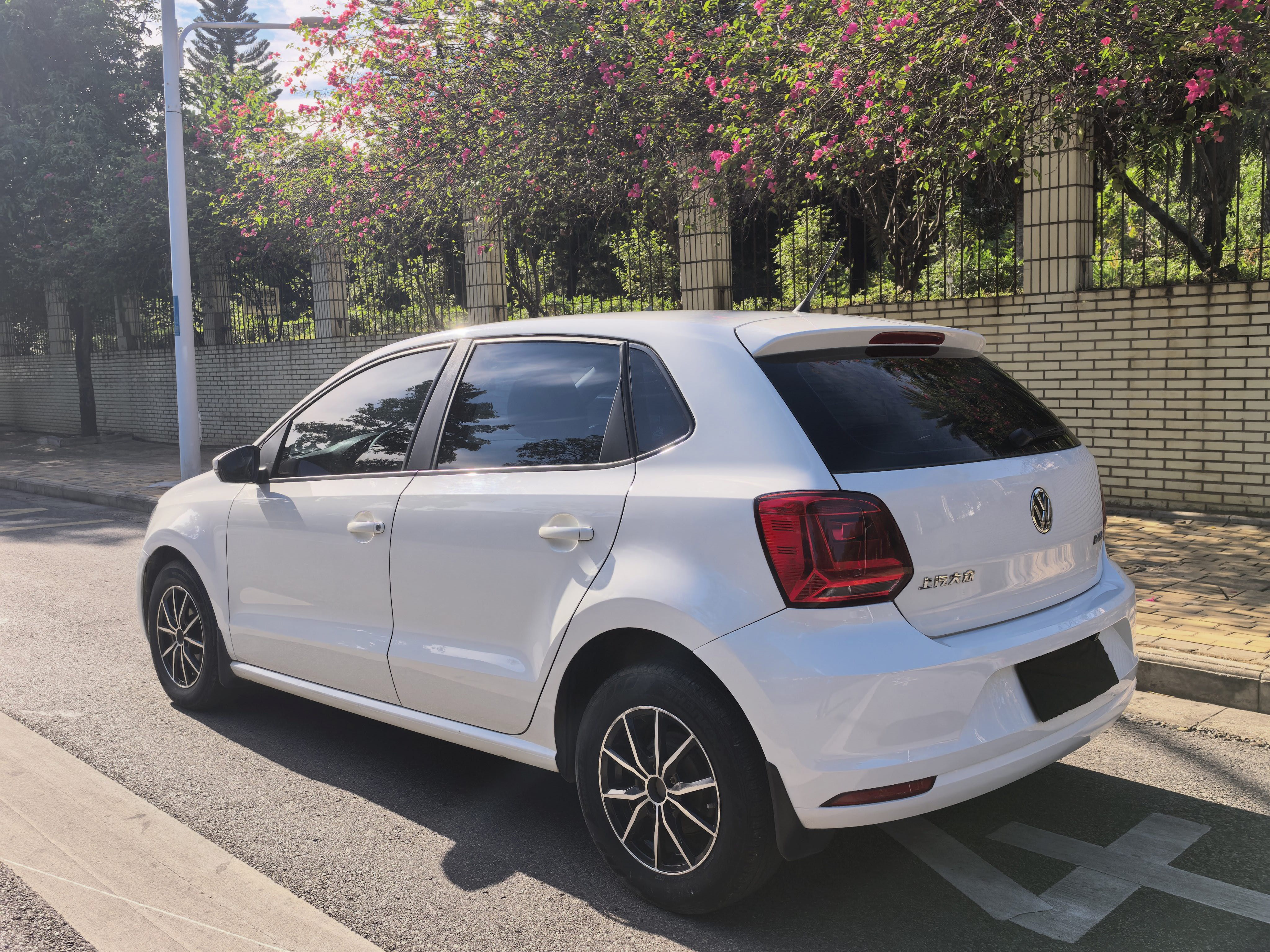
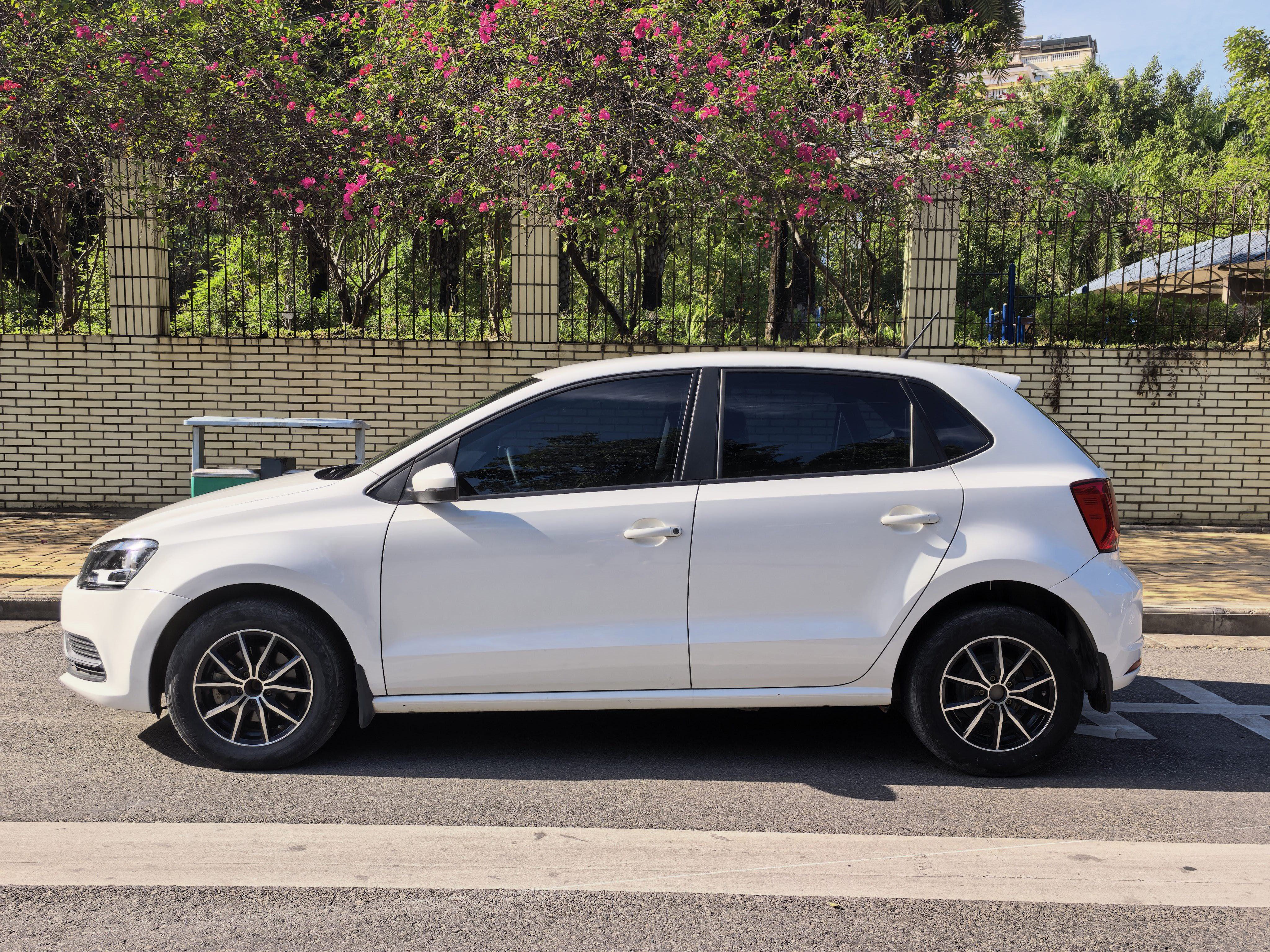
BrandVolkswagen
SeriesPolo
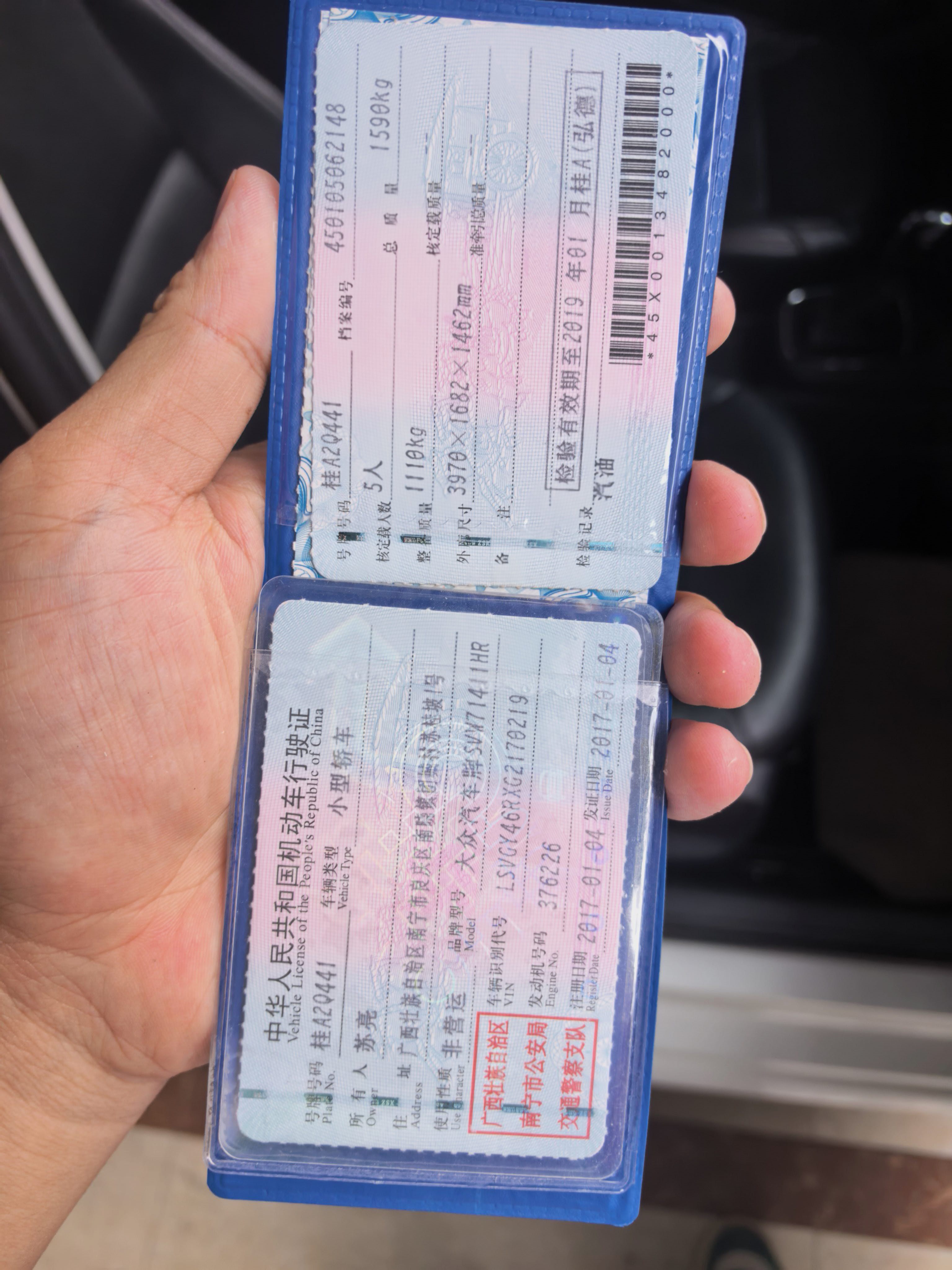
Year2017
First Registration2017/01
Mileage87,000km
Transfer Count0times
FuelGasoline
TransmissionAutomatic
Engine1.4L 90 L4
ColorWhite
Seats-

Condition Description

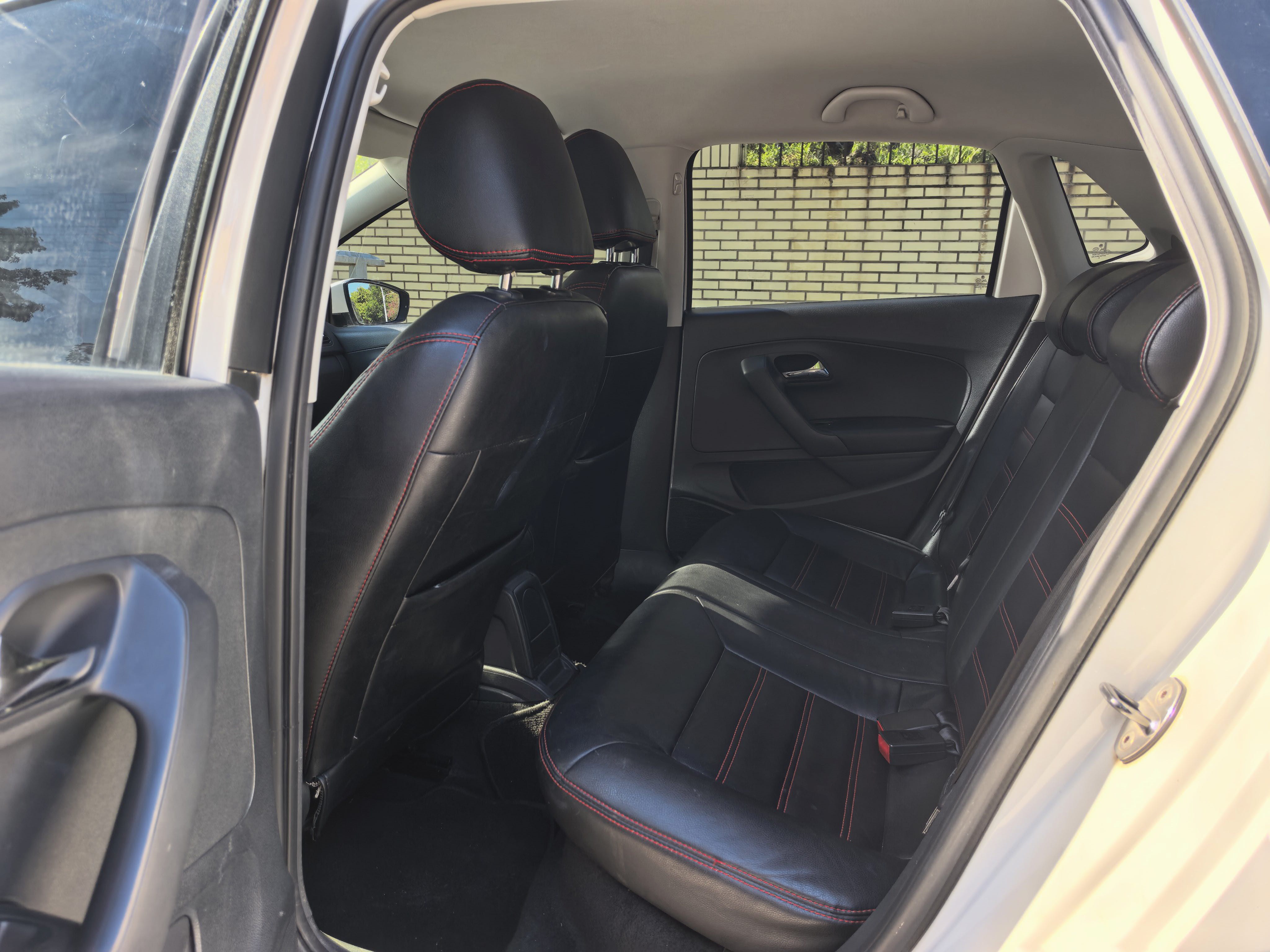
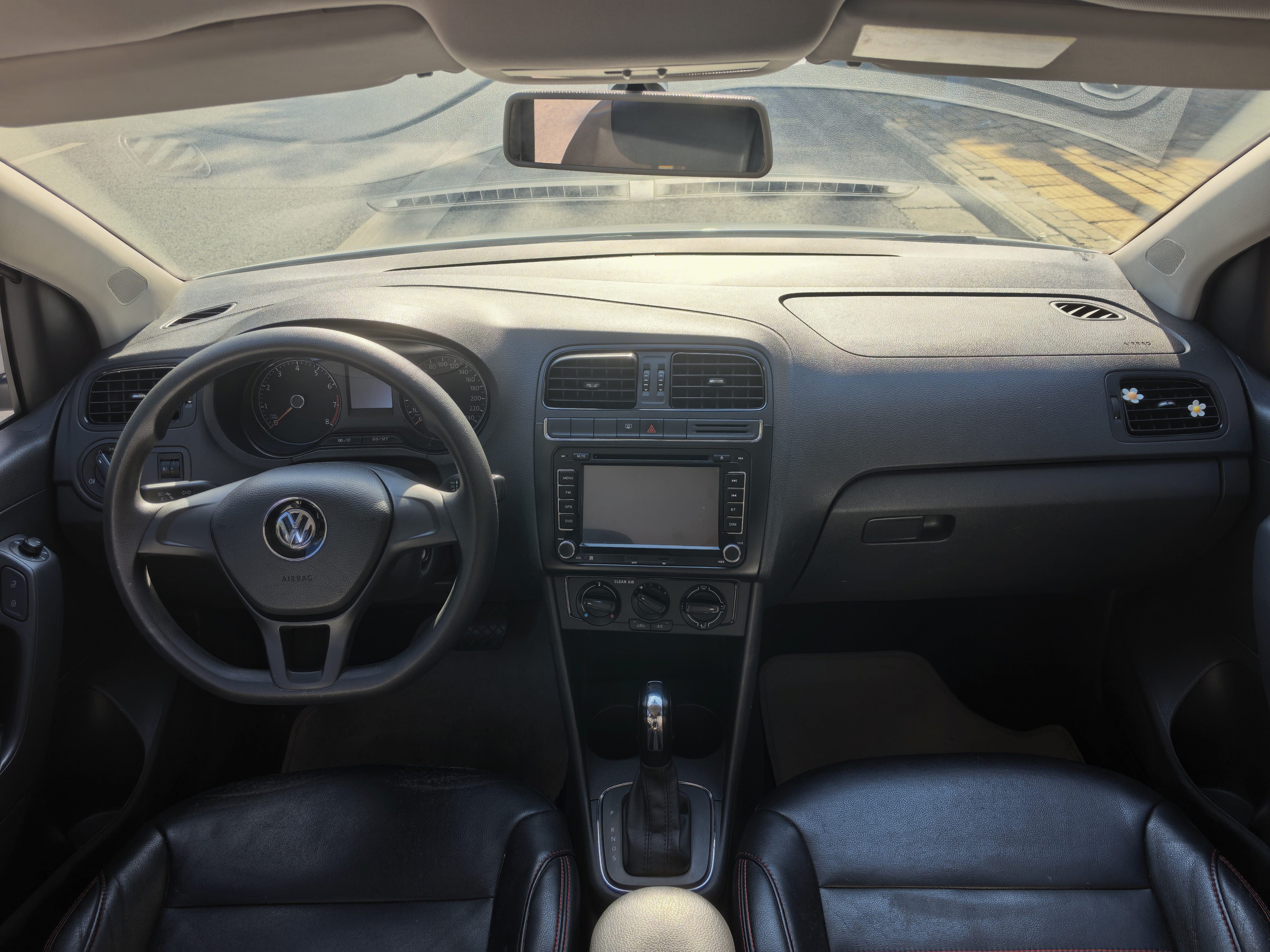
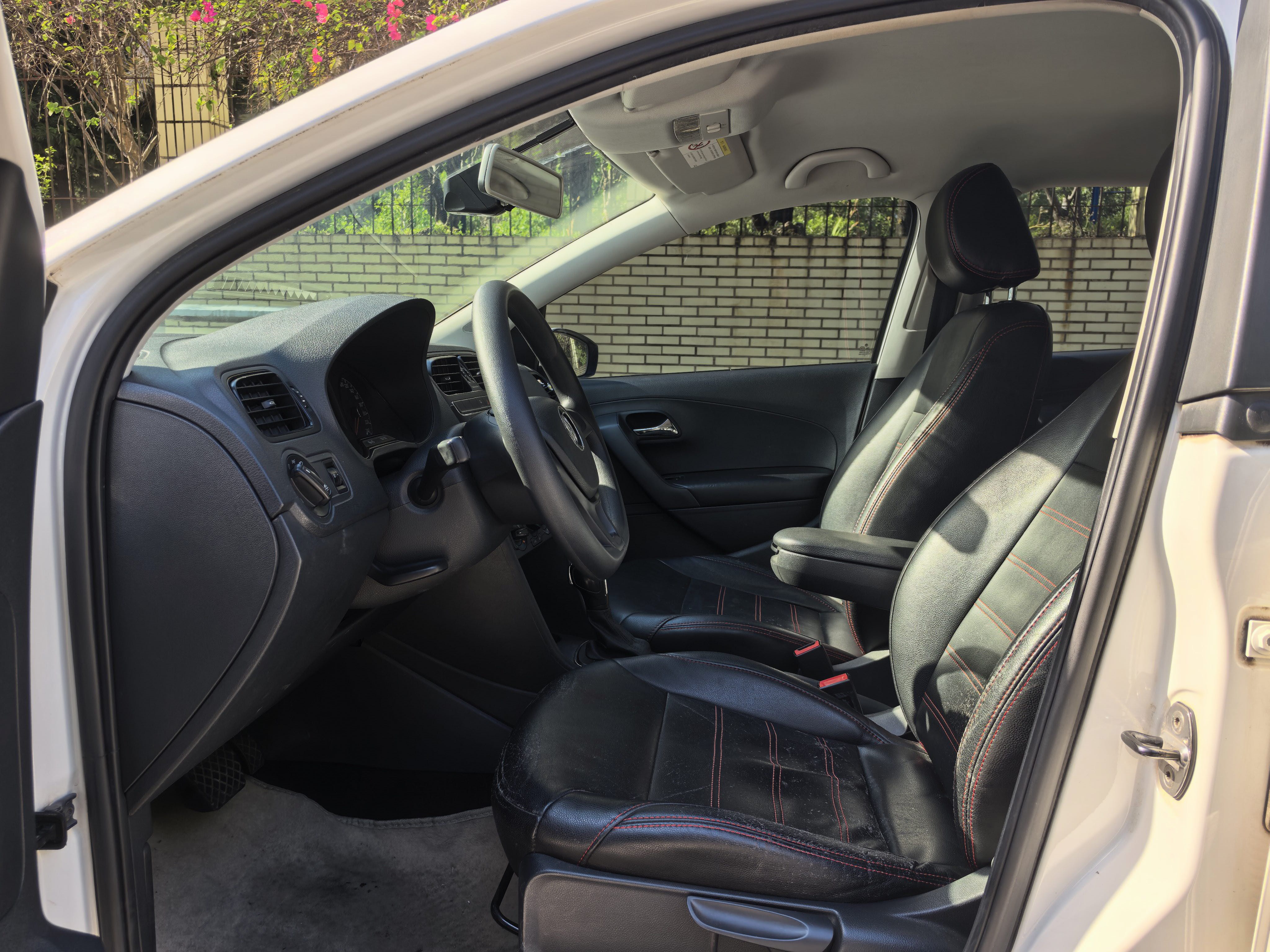
Average condition.

First-hand car with over 80,000 km driven. Records show the right front fender was replaced; all other panels are original. Passes inspection.

可议价
已上架
Wholesale

Configuration Highlights

✓品牌: 大众
✓车系: Polo
✓车型: 大众 Polo 2016款 1.4L 自动 风尚型
✓能源类型: 燃油车
✓发动机: 1.4L
✓变速箱: 自动
✓驱动方式: 前轮驱动
✓排放标准: 国V
✓指导价: 8.79万
✓车源编号: 12808317
✓VIN: LSVG*******170219

Document Information

Inspection Expiry Date2027/01
Warranty Expiry Date-
Insurance Expiry Date2027/01

Q&A

More

What's a realistic total budget for importing a used car from China, beyond the sticker price?

Plan for the car price plus roughly 25–50% in additional costs, depending on destination: 1. Inland transport in China (car city to export port): USD 300–700. 2. Export fees: inspection, customs declaration, port handling — USD 300–600. 3. Ocean or rail freight: a shared container to the Middle East or Africa runs USD 800–1,500; a full container or RoRo varies by route. 4. Destination charges: unloading, customs duties, VAT and port fees — this is the biggest variable. Some countries add 50%+ in taxes on used imports. 5. Compliance costs: homologation, inspection, registration in your country. 6. Currency and payment costs: wire fees and exchange margins of 1–3%. Always ask the exporter for a written cost breakdown listing every item and who pays it, then confirm the destination-side numbers with a local customs agent before committing.


Can you find out the history of a vehicle being stolen and then recovered by the police through traffic management data?

The underlying data of the China Public Security Traffic Management Network (12123 platform) has strict records for stolen vehicles. Any vehicle that is currently stolen or has had a complex criminal case that is not fully resolved cannot complete the transfer for export.

How are the refrigerant pressure, compressor operation, and heating effect of the air conditioning system deeply tested?

The technician will start the vehicle and turn on the air conditioning system, measuring the actual temperature at the vents at the lowest and highest settings with a thermometer; at the same time, they will connect a manifold pressure gauge to check if the refrigerant pressure in the high and low pressure lines is within the normal range, determining if there is a chronic refrigerant leak.