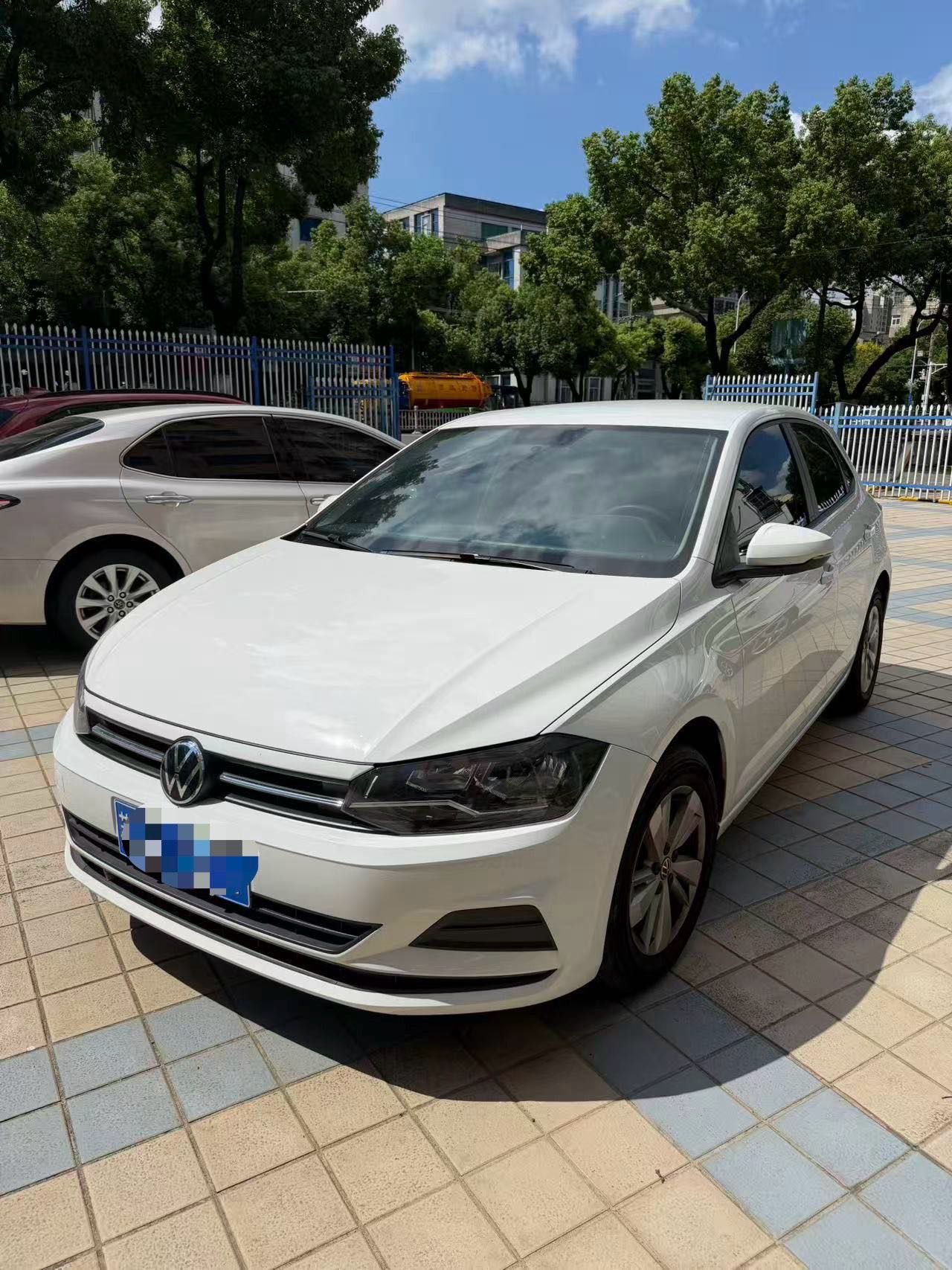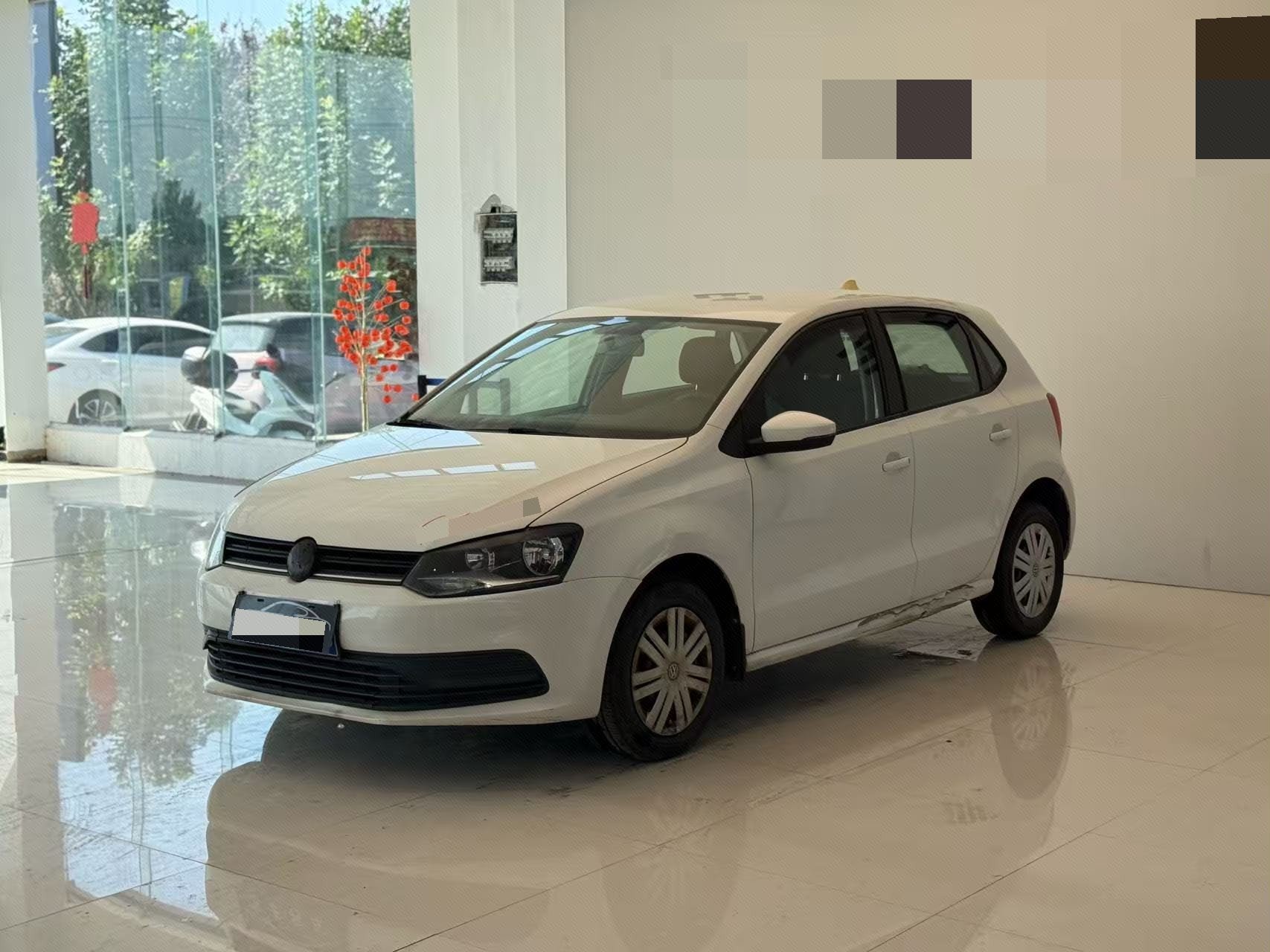
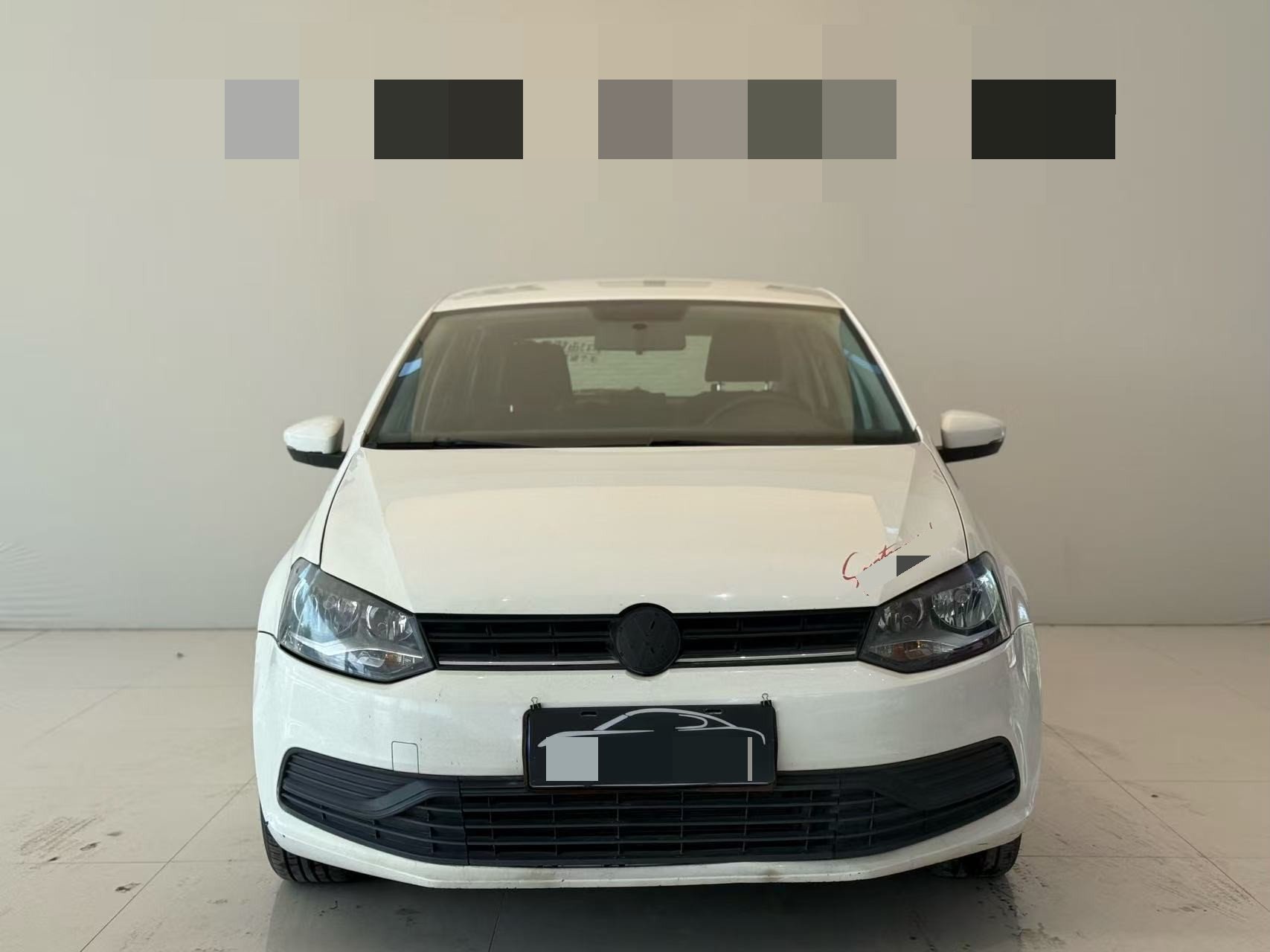
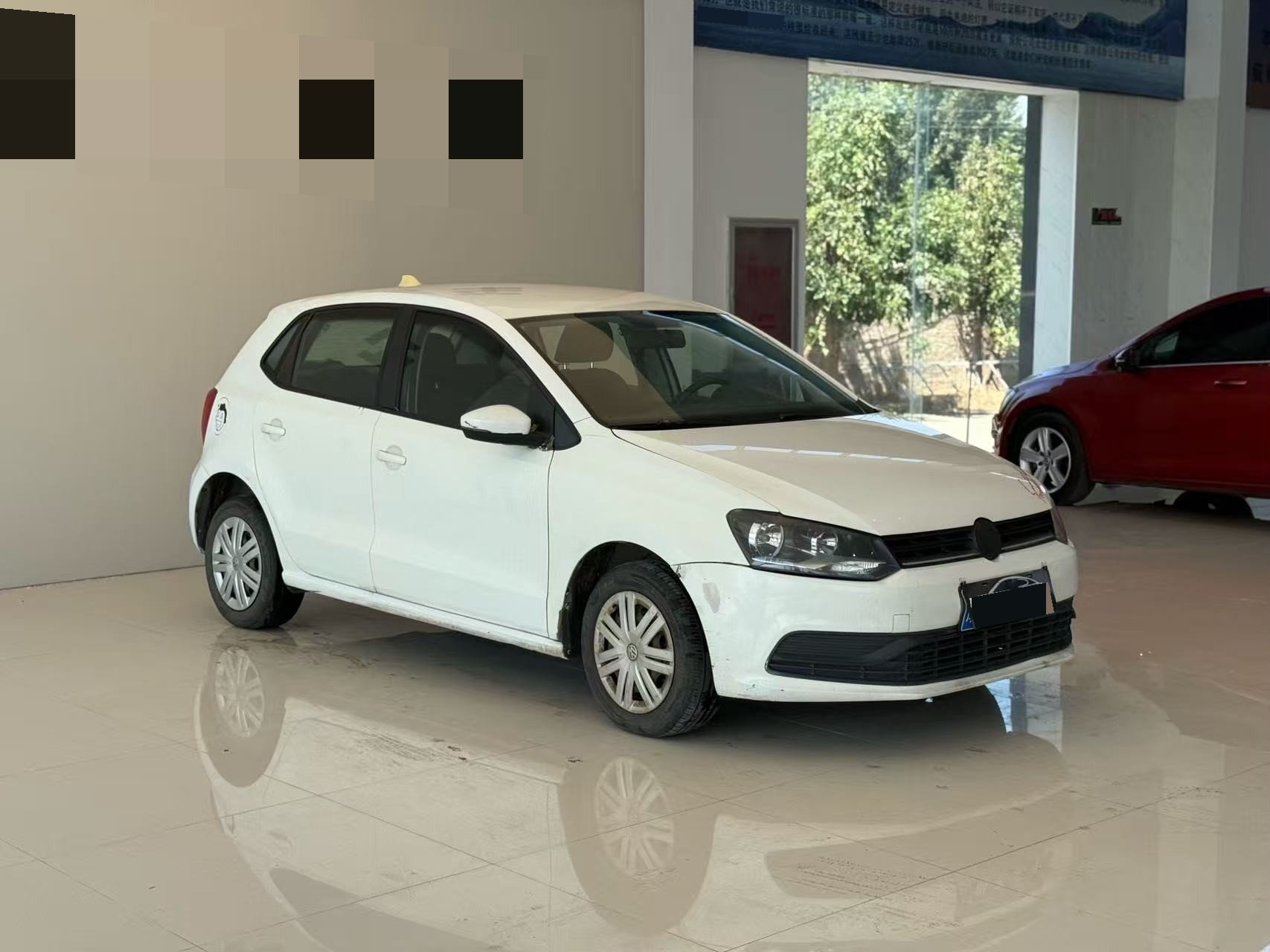
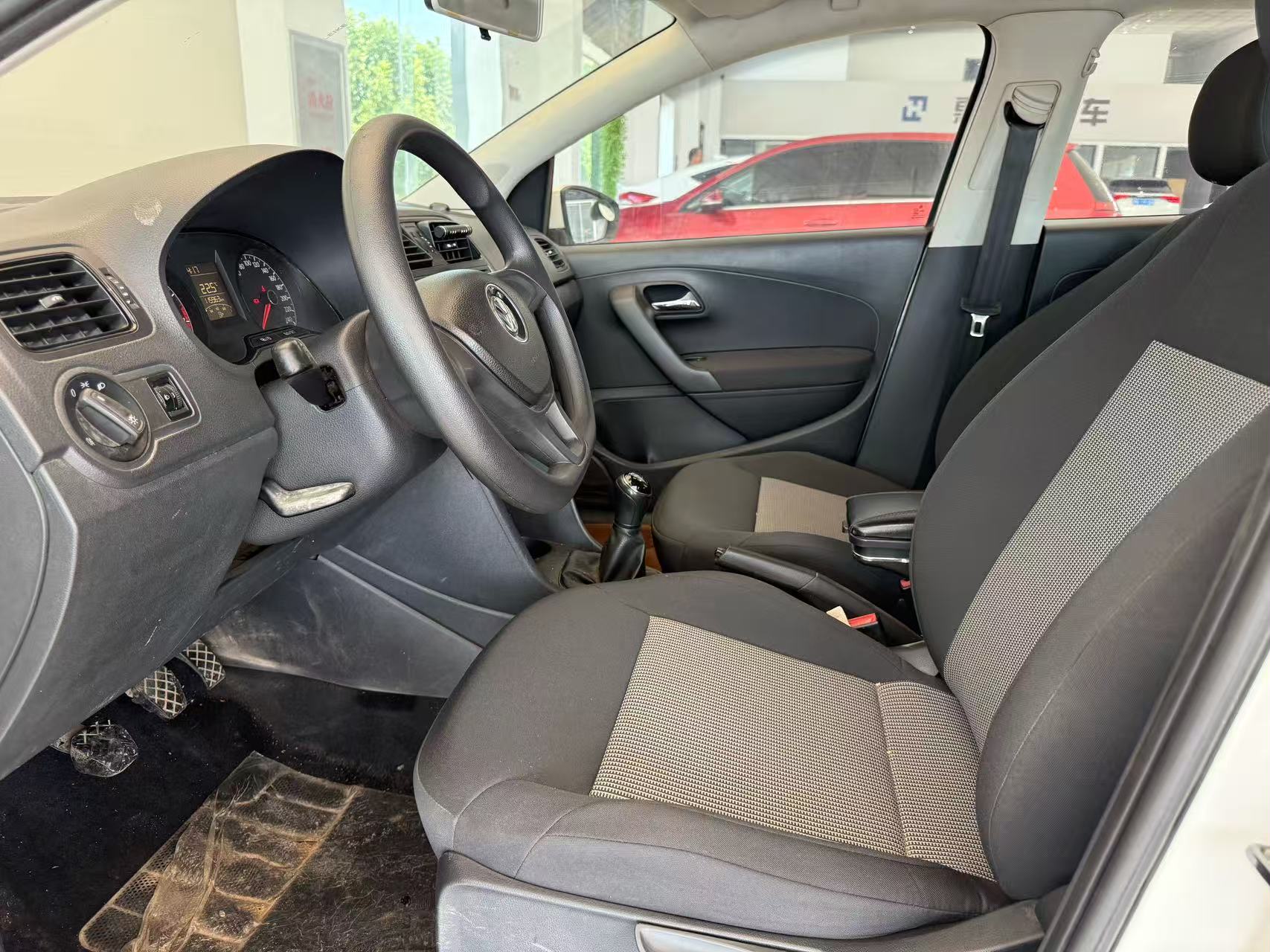
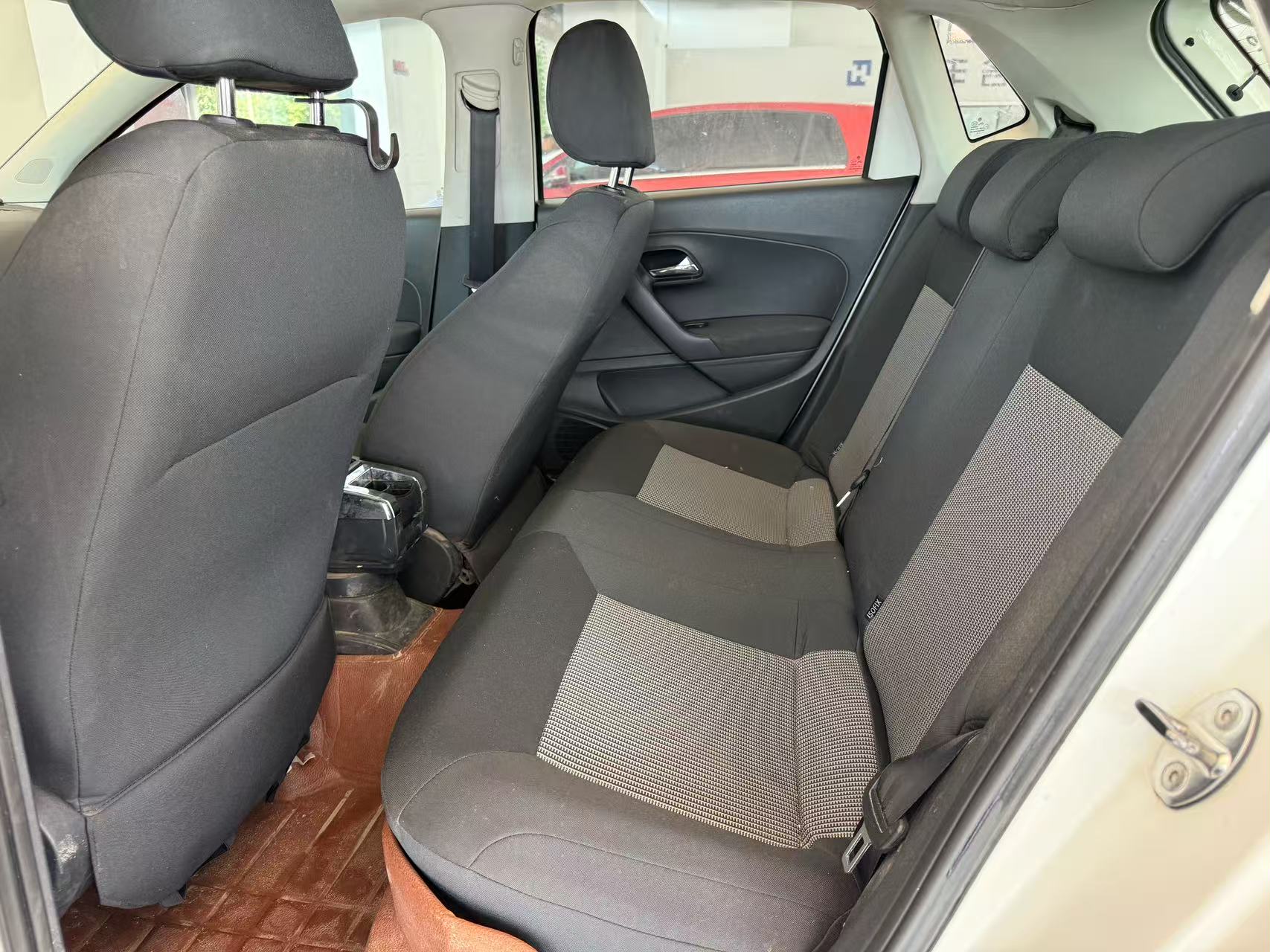
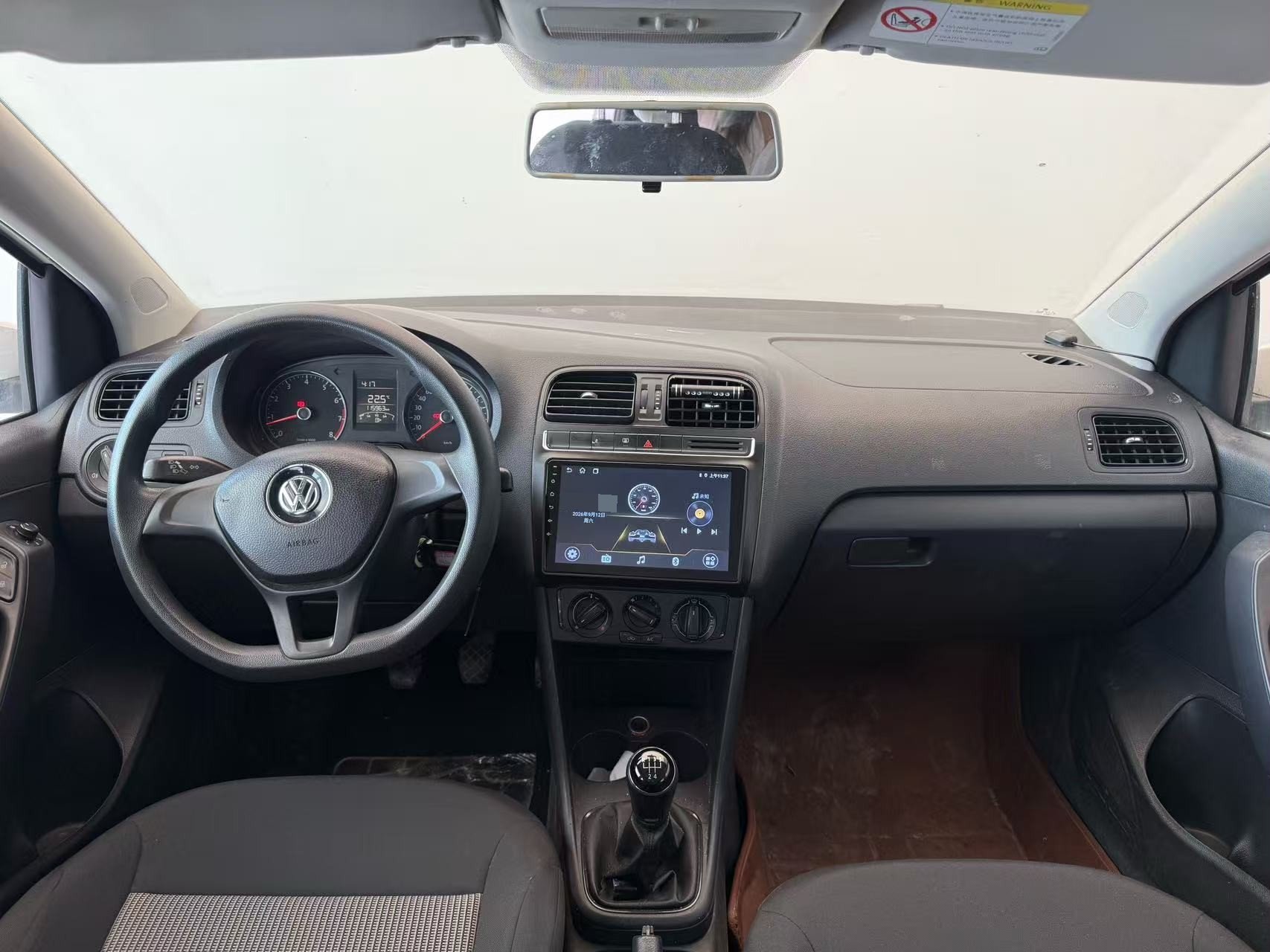
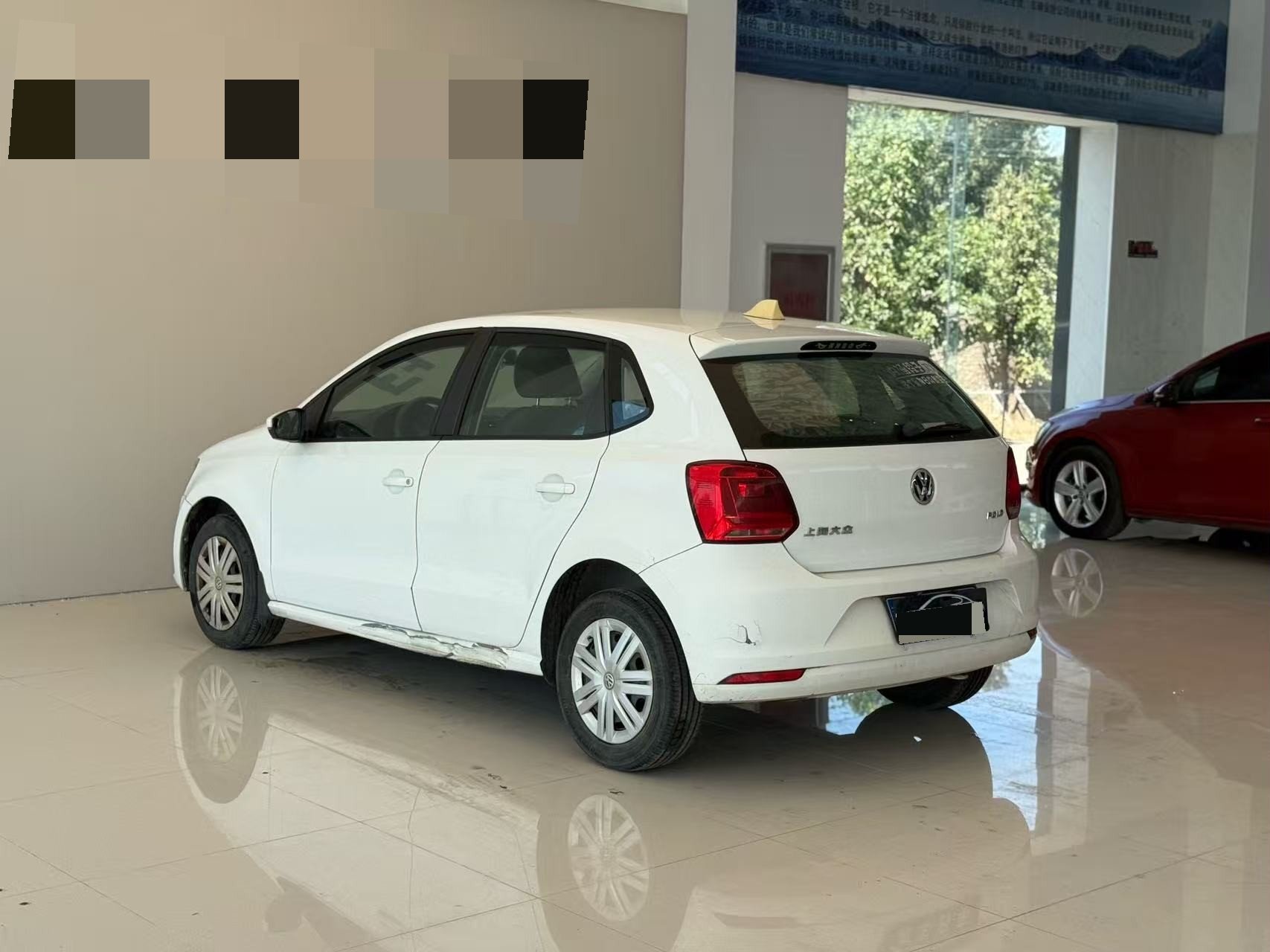
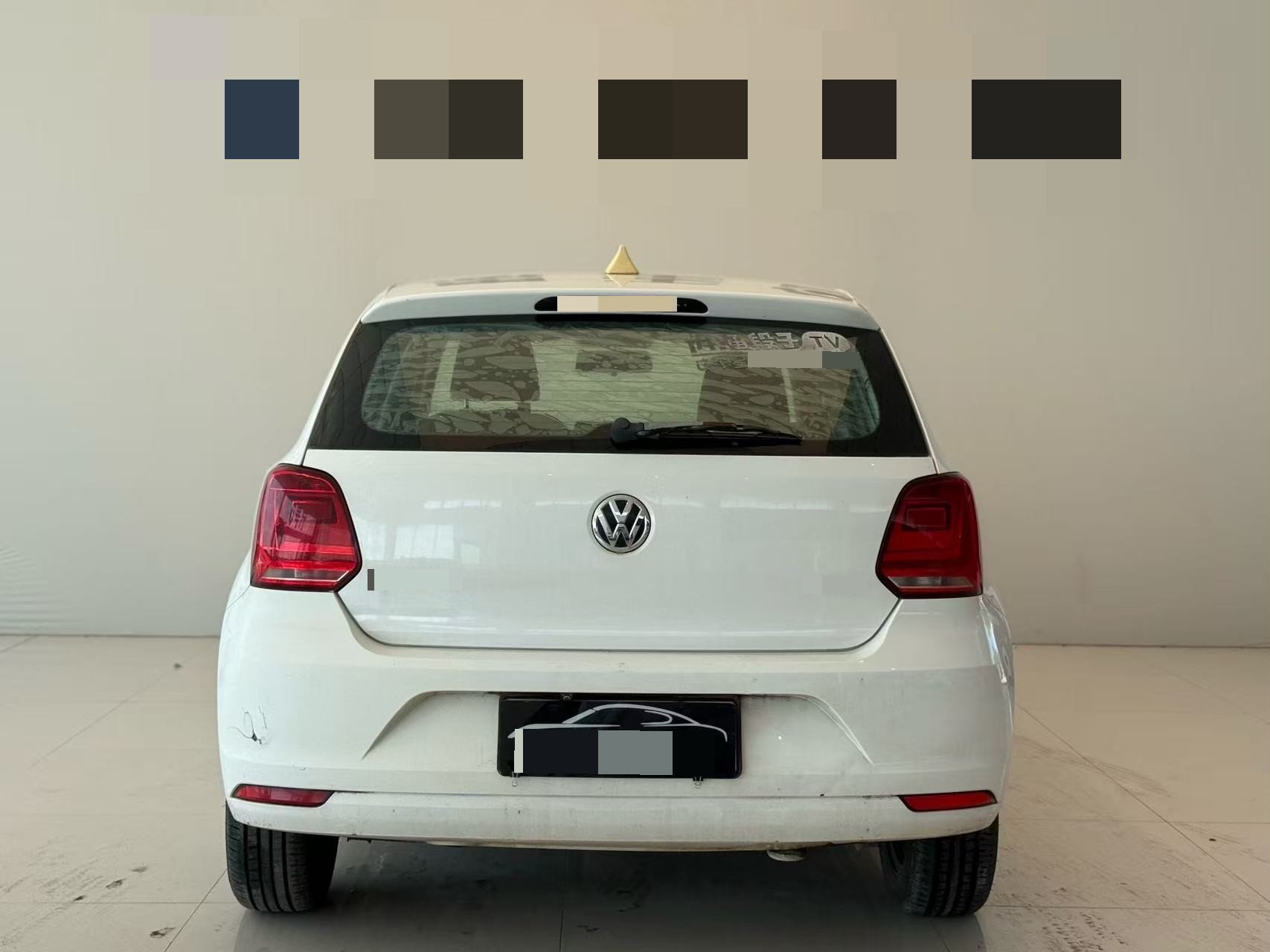
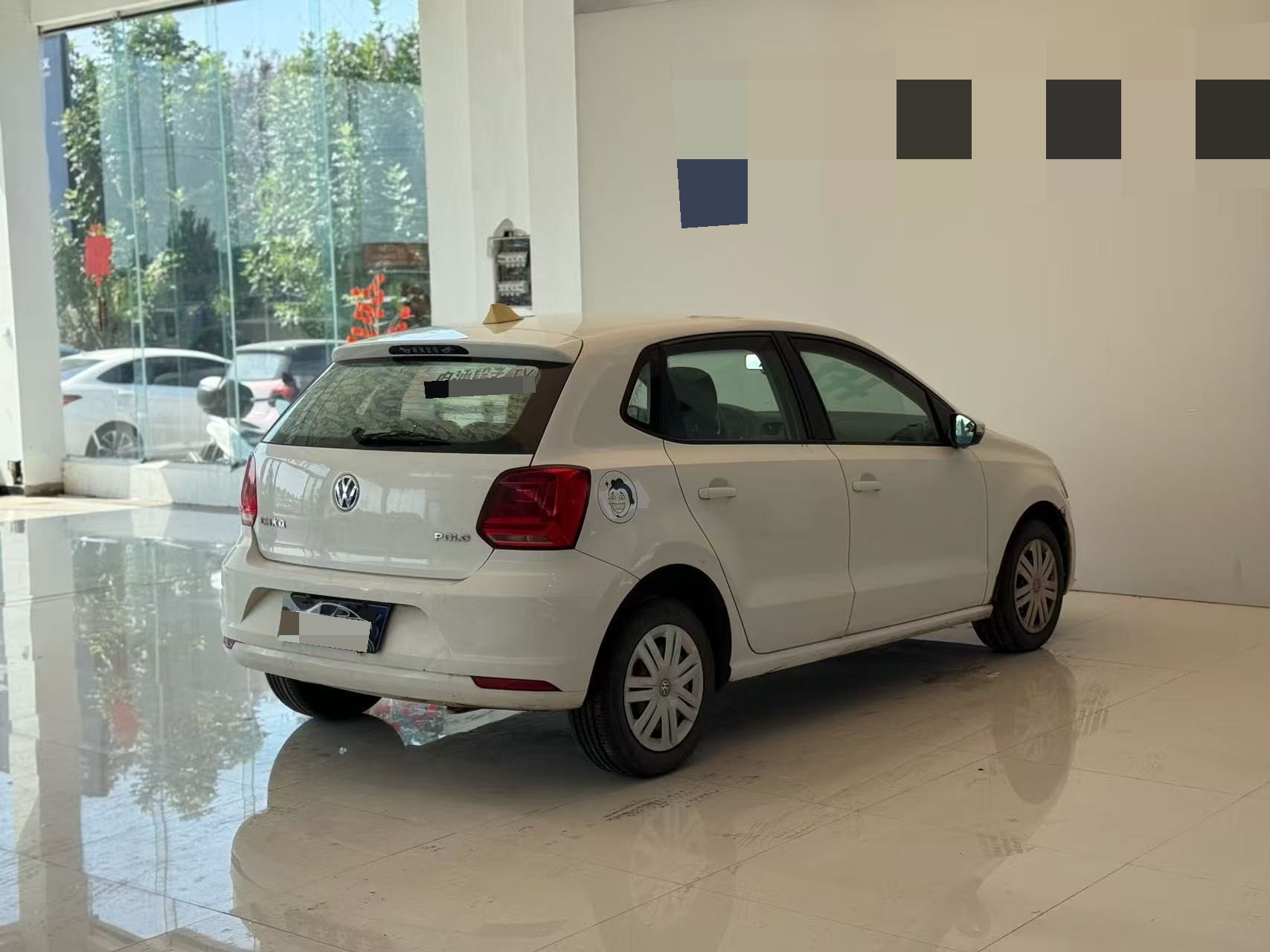



Basic Information

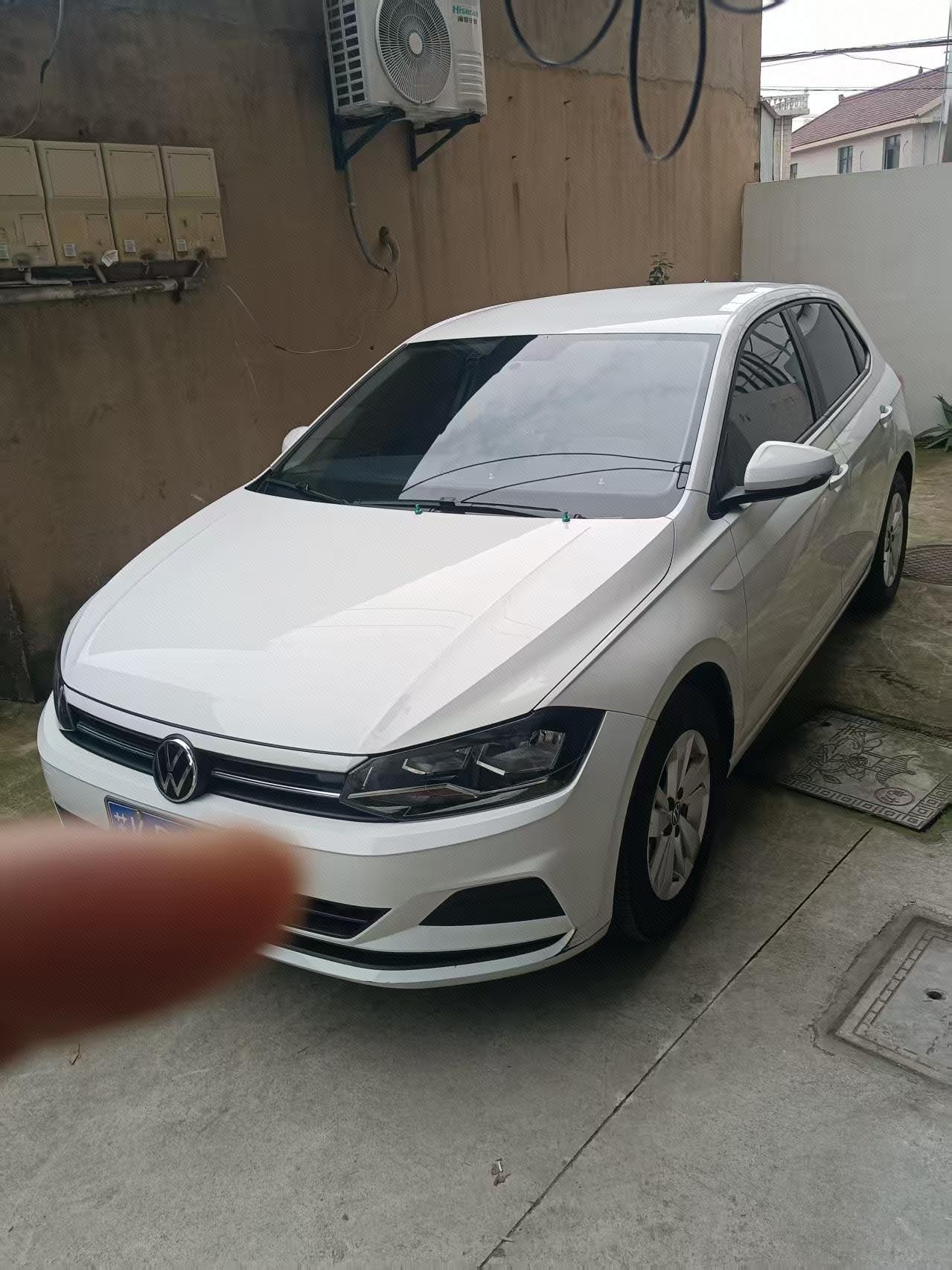
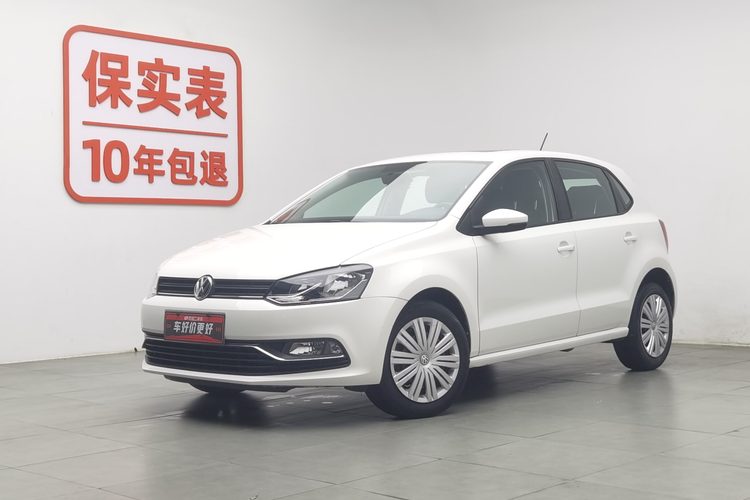
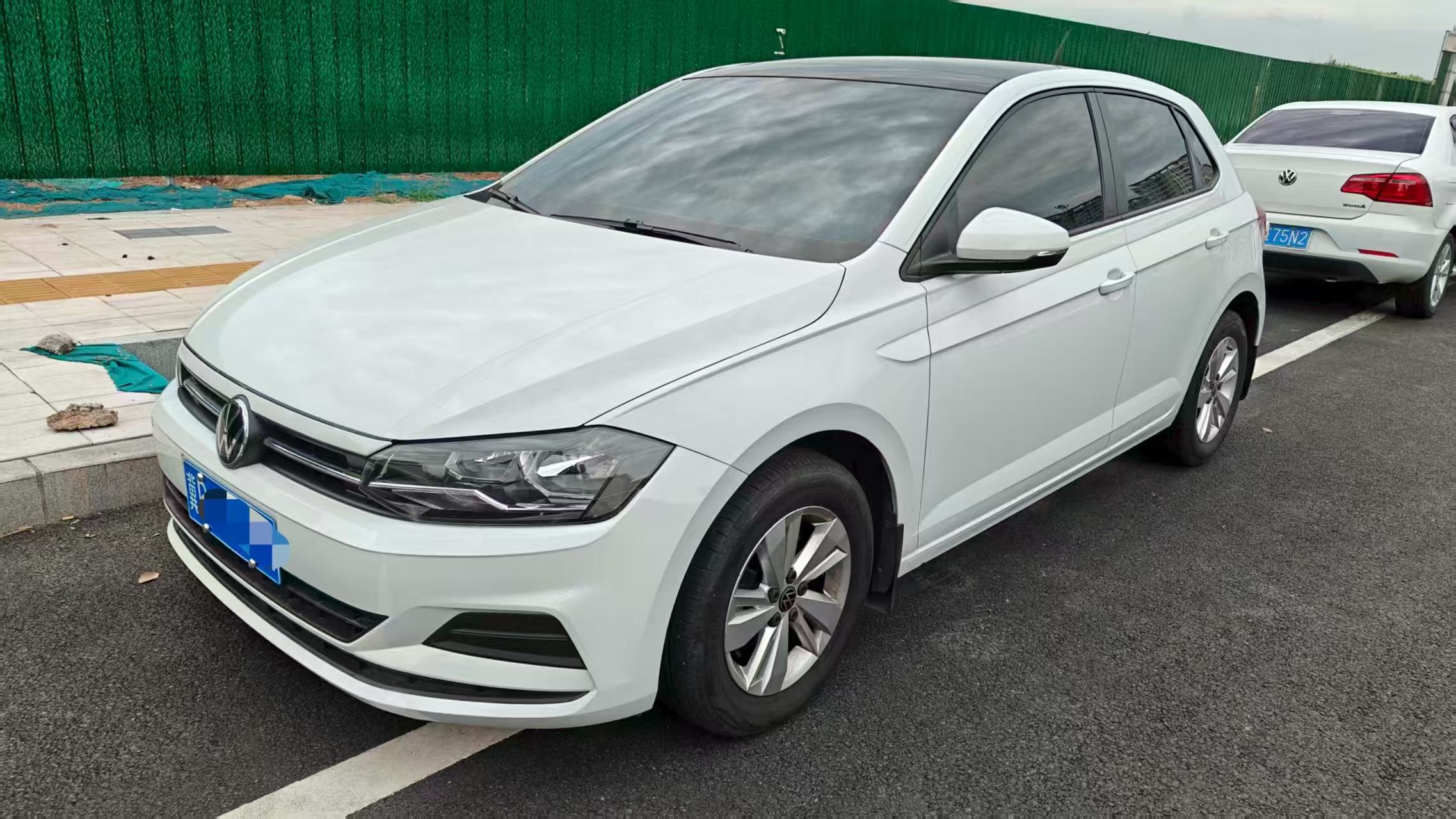
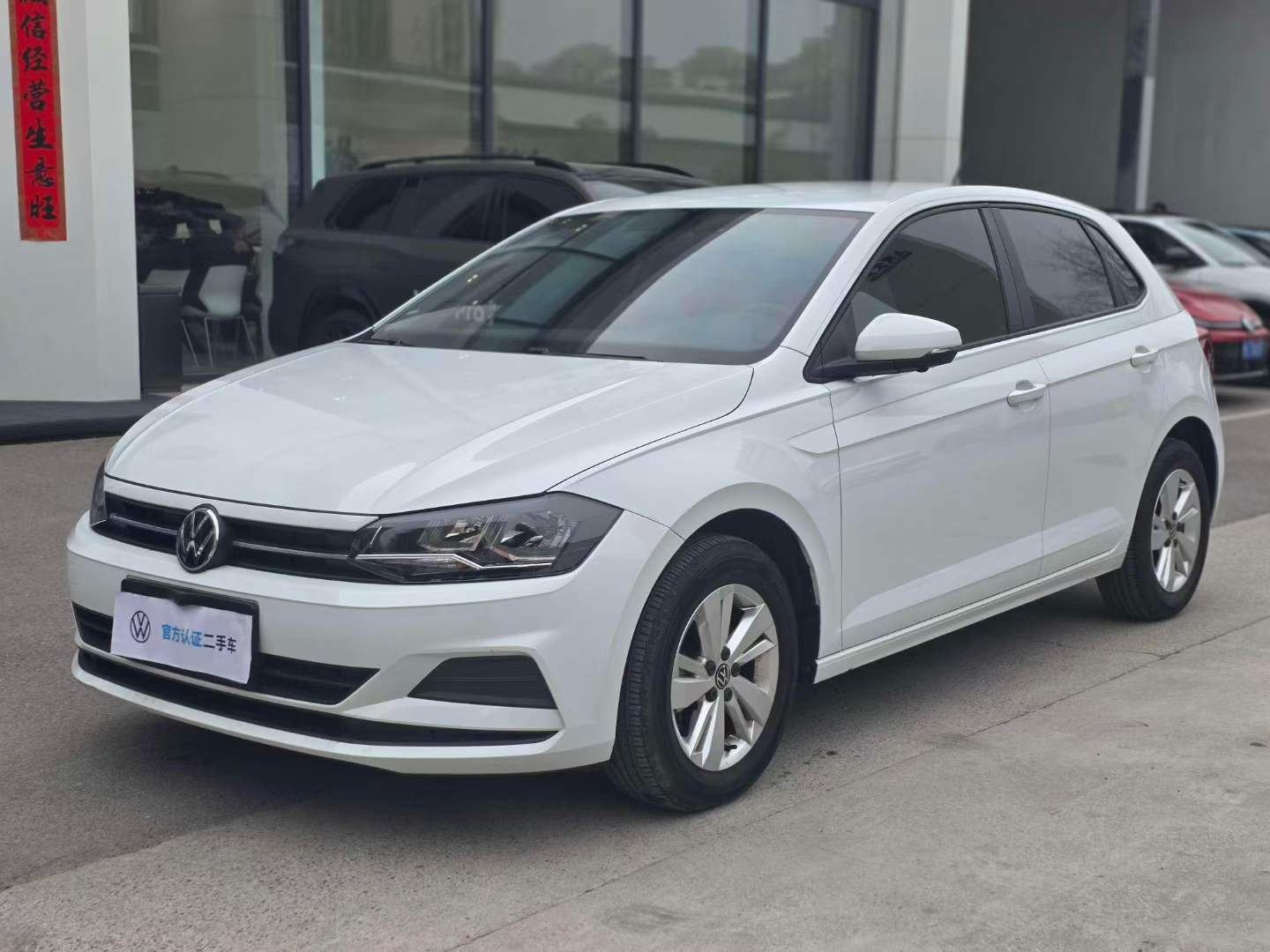
BrandVolkswagen
SeriesPolo
Year2016
First Registration2016/06
Mileage120,000km
Transfer Count0times
FuelGasoline
TransmissionManumatic
Engine1.4L 90 L4
ColorWhite
Seats-

Condition Description

Front-end assembly replaced (a set of front components).

Document Information

Inspection Expiry Date-
Warranty Expiry Date-
Insurance Expiry Date2027/06

Q&A

More

Are there specific tests to check if the soundproofing material is intact in a second-hand new energy vehicle equipped with run-flat tires?

We cannot open each tire to inspect the inside. However, if a visual inspection reveals severe creases on the tire sidewall, it indicates that the run-flat tire has been driven for a long time at zero pressure, damaging its internal structure. We would recommend replacing it before shipping.


What is a safe payment structure for buying a used car from China remotely—how much deposit, when is the balance paid, and should I use escrow?

The industry-standard structure protects both sides. Pay 20-30% deposit after signing the contract and verifying the exporter's license—never more. The balance is paid only after your independent inspection report confirms the car matches the contract, ideally against a copy of the bill of lading so the exporter can't ship a different vehicle. For extra protection, tie payments to milestones: deposit on contract, second tranche after inspection passes, final payment when shipping documents are released. Some buyers use escrow services or trade assurance platforms for the first transaction with a new supplier; fees run 1-3% but are worth it for large amounts. Always pay to a corporate bank account matching the exporter's registered name. Keep every agreement in the written contract—verbal promises like 'we'll fix that before shipping' are unenforceable. If an exporter demands 50%+ upfront or full payment before inspection, walk away; that structure leaves you with no leverage.

Should I ship my used car from China in a container or by roll-on/roll-off (RORO)?

It depends on the car's value, type and destination. RORO means the car is driven onto the vessel and secured on deck or in the hull. It is usually cheaper per car and does not involve container packing fees. The downside: the car sits exposed to salt air for weeks, and RORO service is limited to ports with dedicated terminals. Container shipping (one 20ft or 40ft container per 1-2 cars) costs more but gives much better protection. It is strongly recommended for electric vehicles (battery safety regulations), luxury cars, and vehicles going on long voyages or rough sea routes. Practical tips: whichever method you choose, ask for the car to be shipped with a full battery charge disconnected at the terminals, tire pressures adjusted, and a condition report with photos signed at loading. For EVs, confirm the shipping line accepts used electric vehicles and what state-of-charge limits apply.