



24H

Basic Information

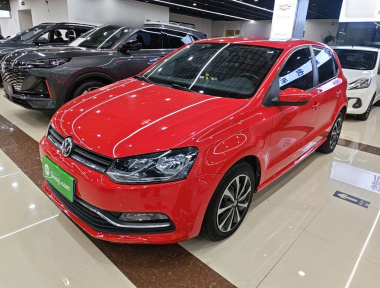
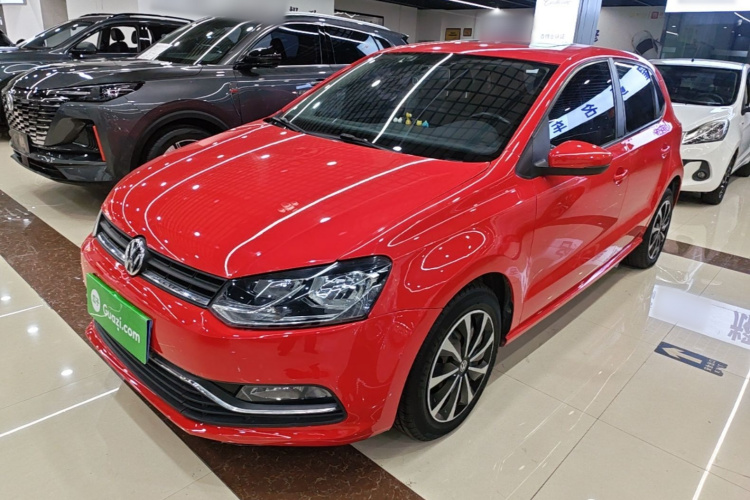
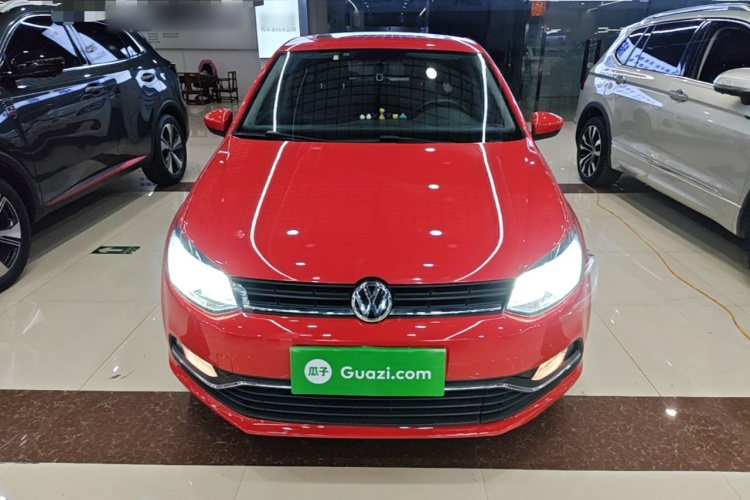
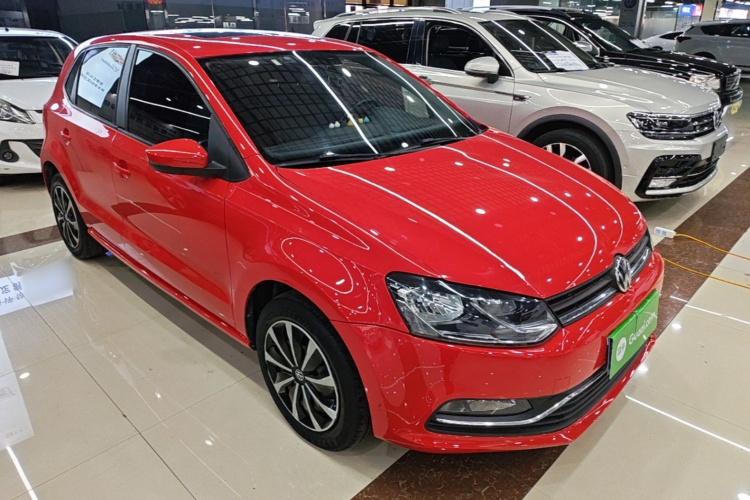
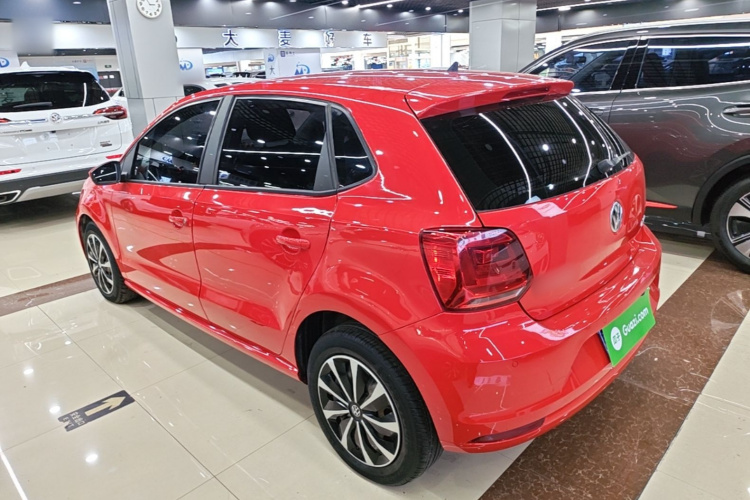
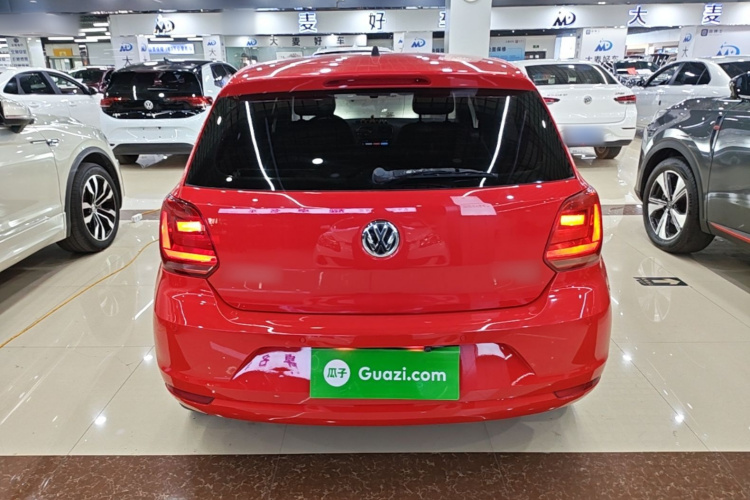
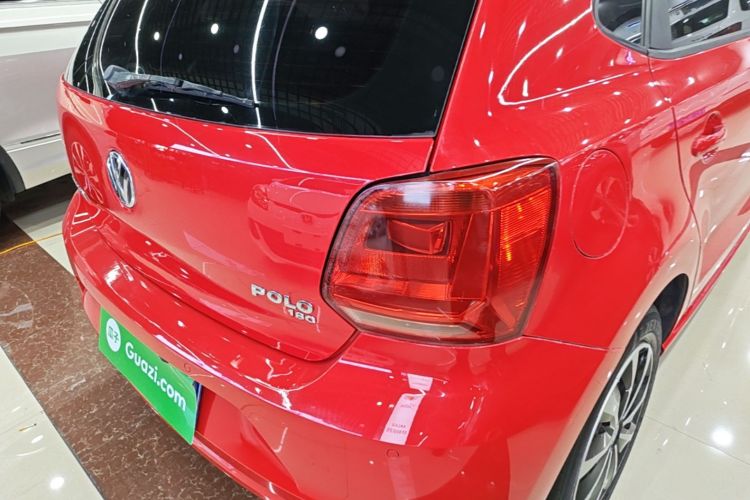
BrandVolkswagen
SeriesPolo
Year2017
First Registration2017/03
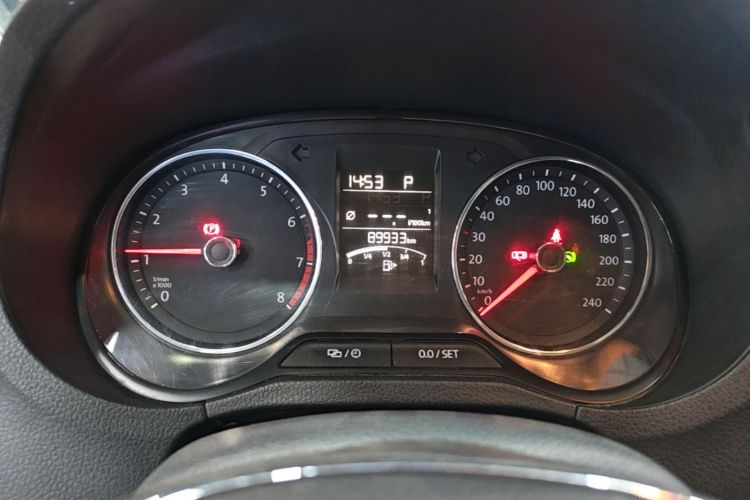
Mileage89,900km
Transfer Count4times
FuelGasoline
TransmissionAutomatic
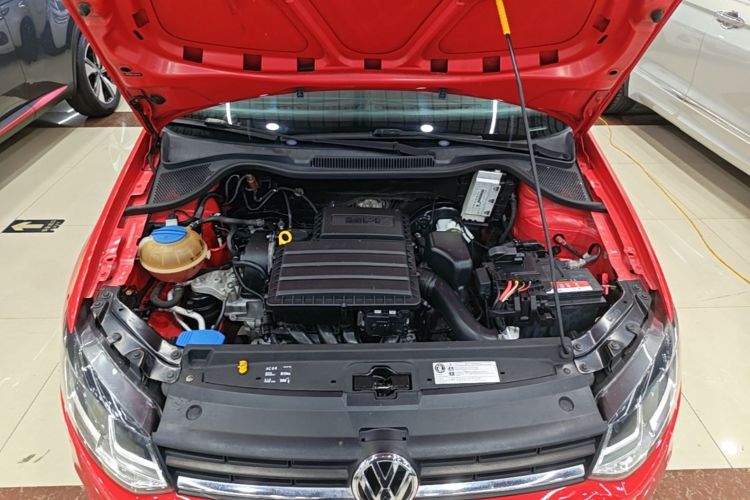
Engine1.6L 110 L4
Color
Seats-

Condition Description

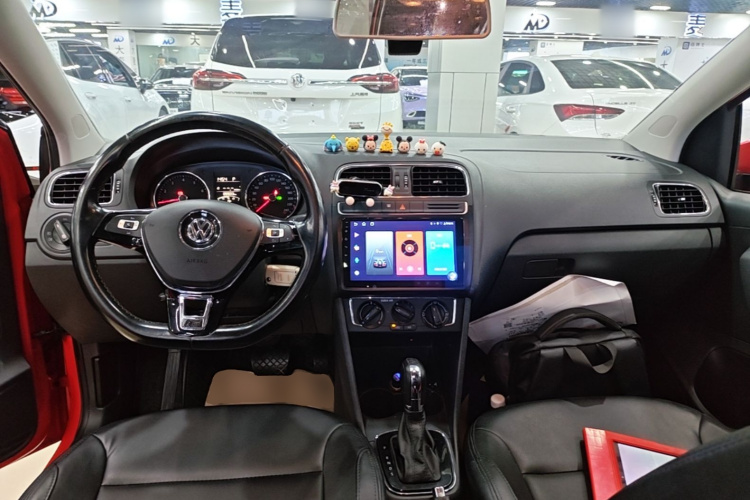
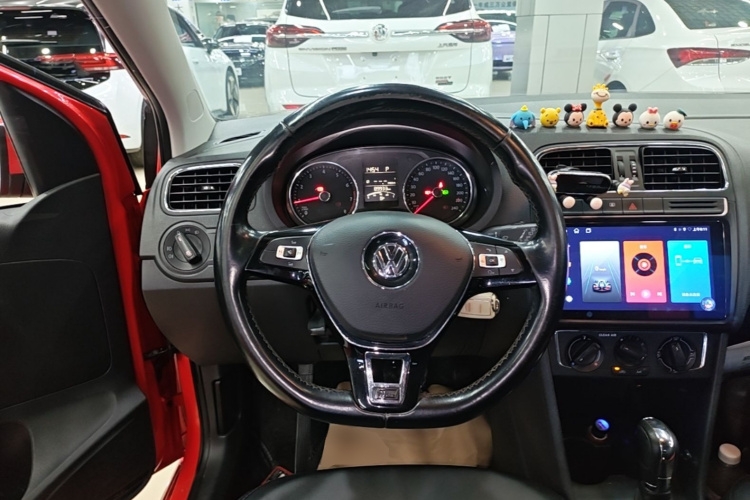
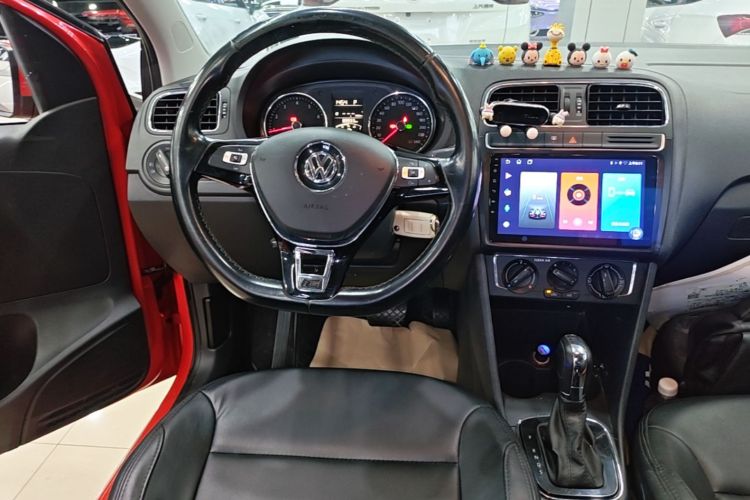
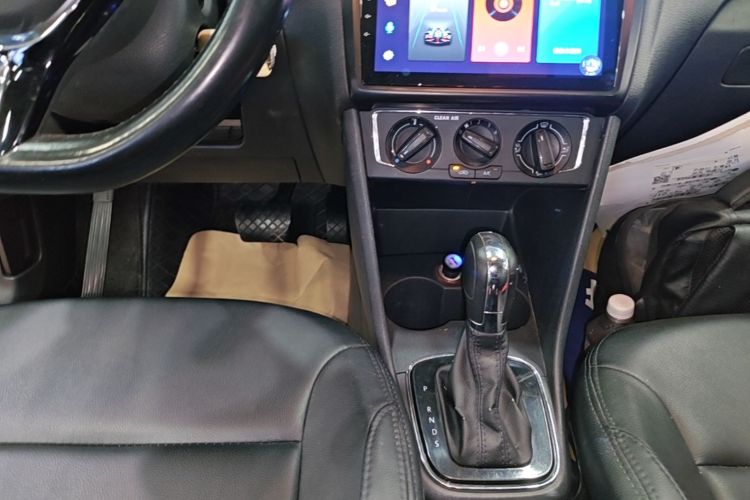
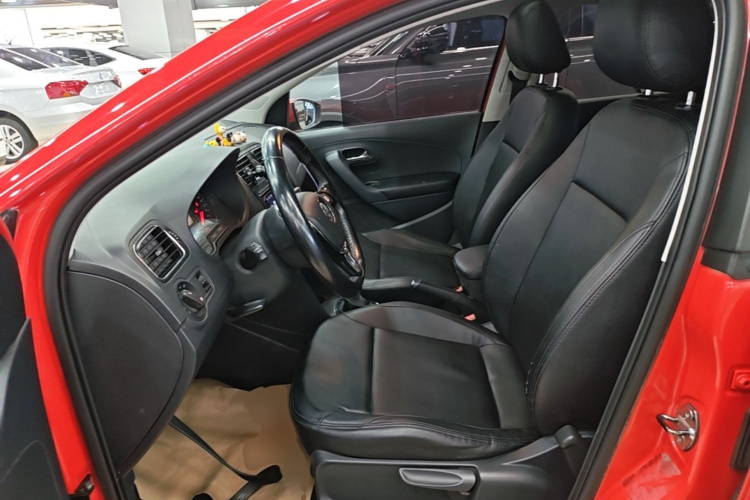
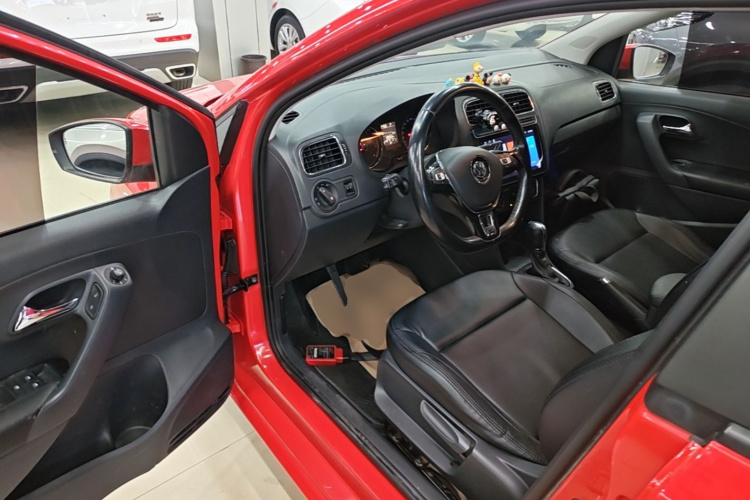
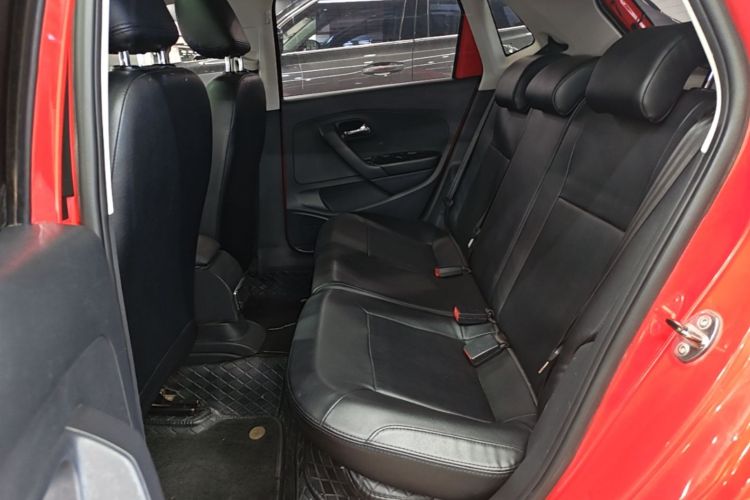
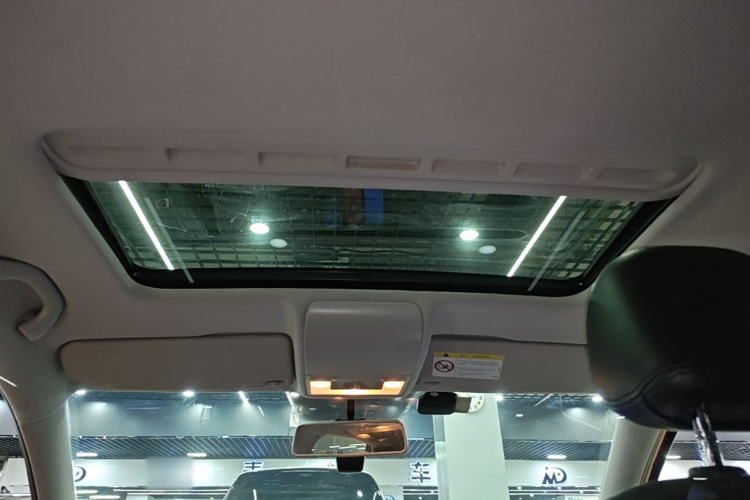
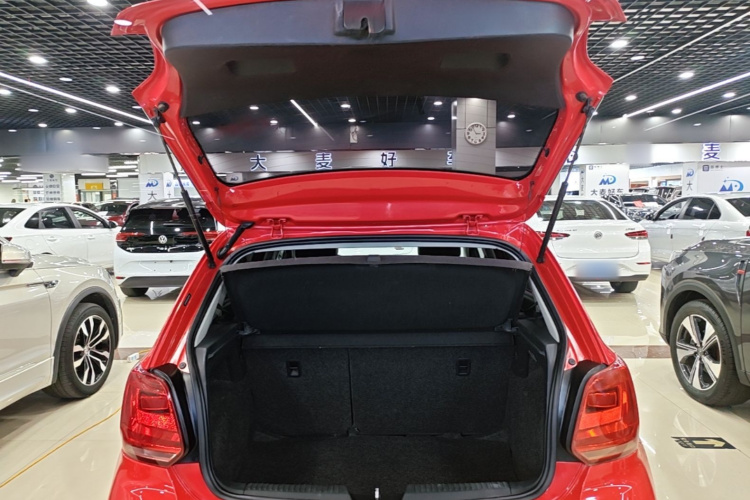
Basic condition: fair | 4 insurance claims | 4 ownership transfers

Q&A

More

How do you assess the bearing wear of the motor and the oil condition of the reducer?

The technician will put the vehicle in neutral on the lift, rotate the wheels, and listen for any abnormal metal gear whine from inside the motor reducer, and check for gear oil leaks at the joints of the reducer housing.

Will OTA remote upgrades and mobile app control still work after the vehicle is exported overseas?

We must inform you objectively: Most Chinese car manufacturers' connected services (cloud servers) are restricted by data security regulations and overseas network limitations. Once the vehicle leaves China, the factory-installed SIM card will become inactive. This means that official OTA upgrades and factory mobile app remote controls (like pre-cooling the car or unlocking doors) typically cannot be used overseas. The vehicle will operate as a standalone version, but this will not affect basic driving and physical button functions.

What does a pre-shipment inspection include, and is it worth the cost?

A professional pre-shipment inspection typically costs a small fraction of the vehicle price and routinely pays for itself. A thorough inspection covers: paint thickness measurement across 30+ points to map body repairs; structural assessment of pillars, rails and crossmembers for accident damage; engine and transmission operation; a full electronic scan for fault codes; suspension and underbody checks for leaks and rust; and, for EVs, battery SOH and thermal management performance. You receive a written report with photos before the car is loaded — if the car fails, you can stop the shipment or renegotiate. Skipping the inspection to save a small fee is the classic false economy in used car importing: discovering a problem after arrival is far more expensive than preventing it at origin.