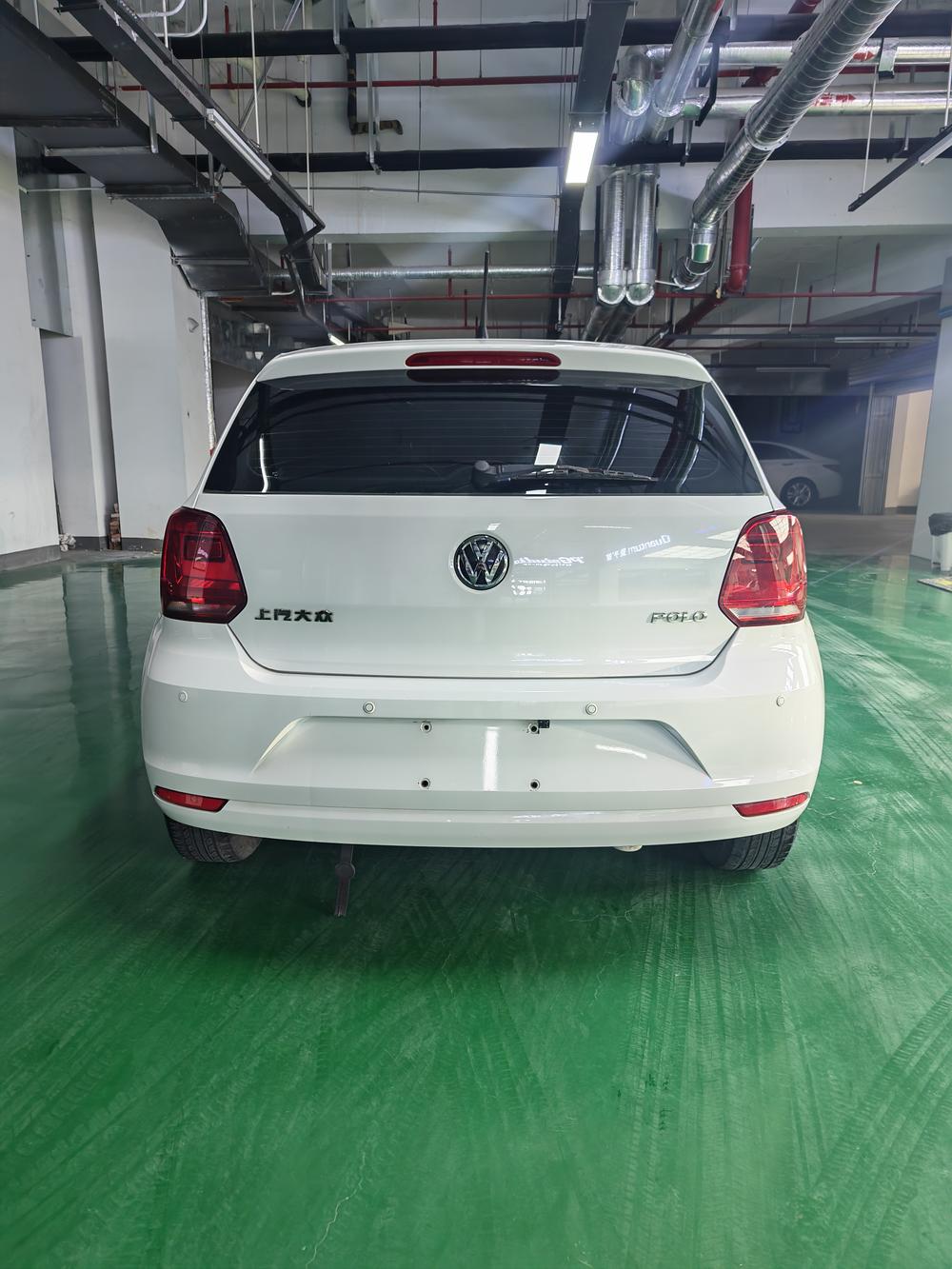
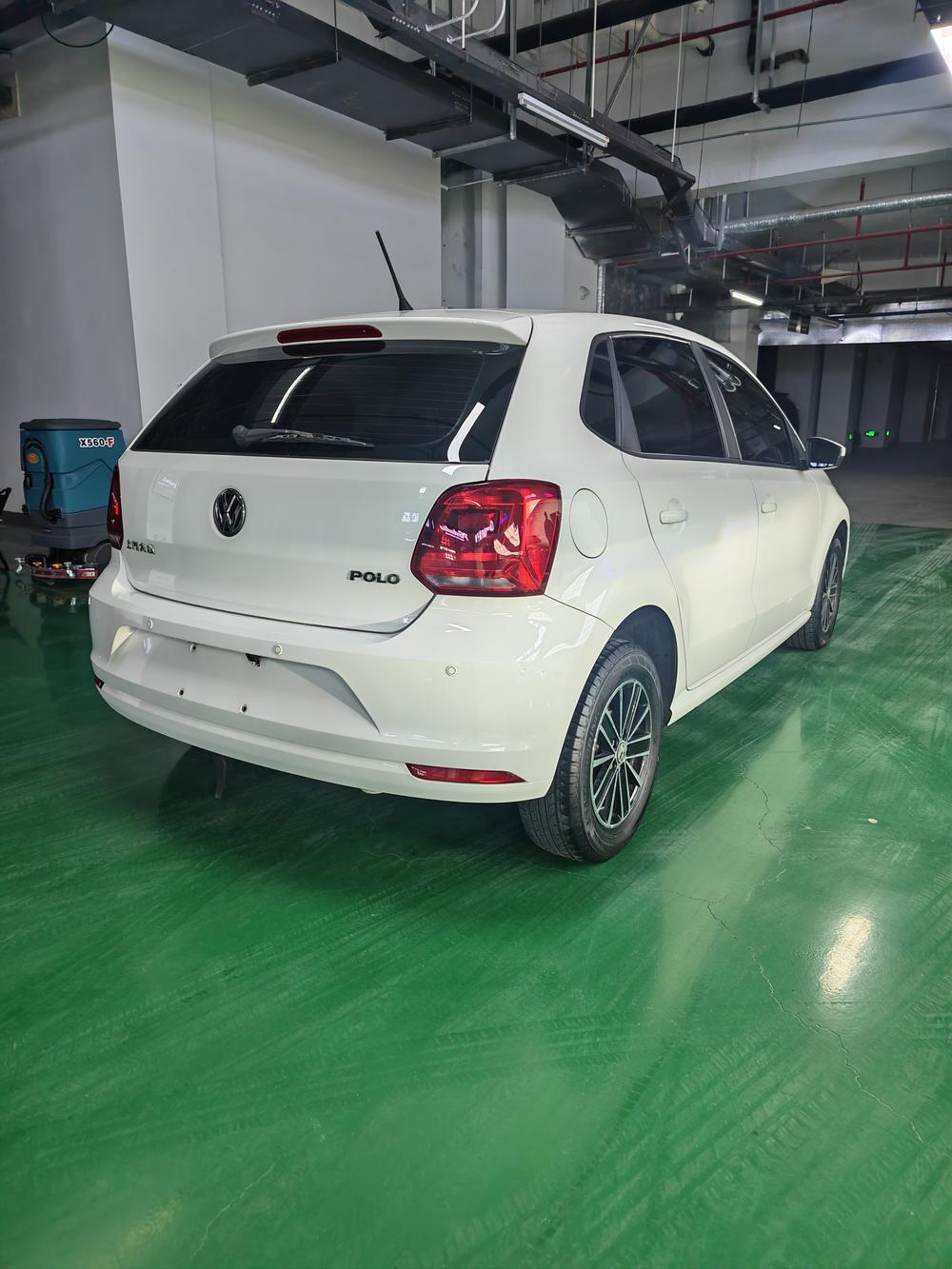
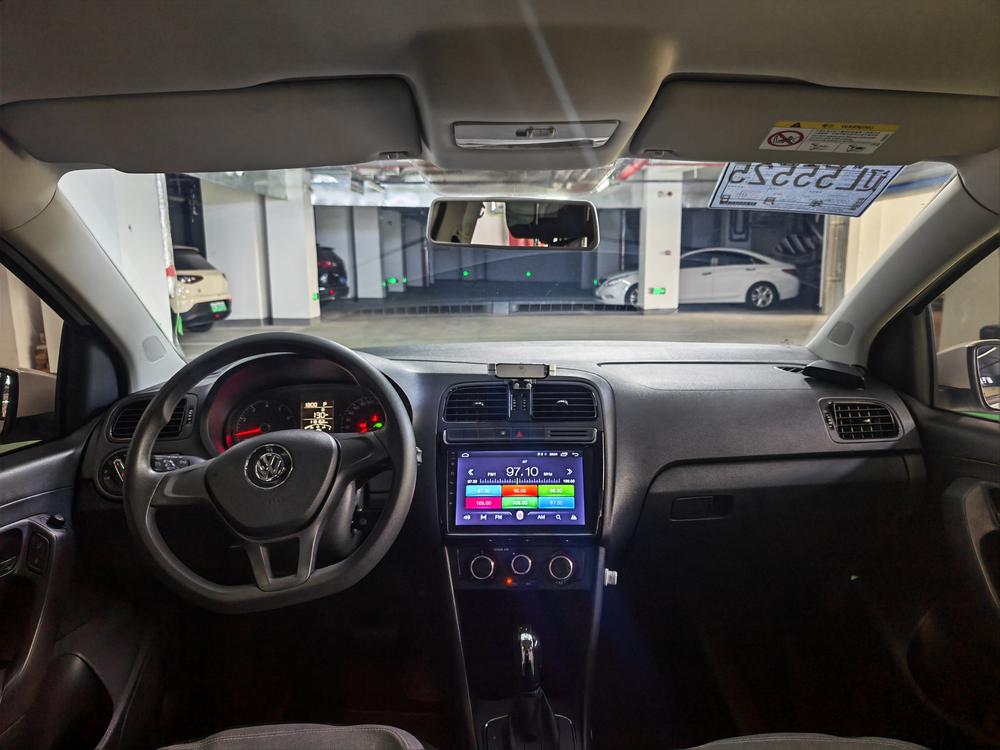
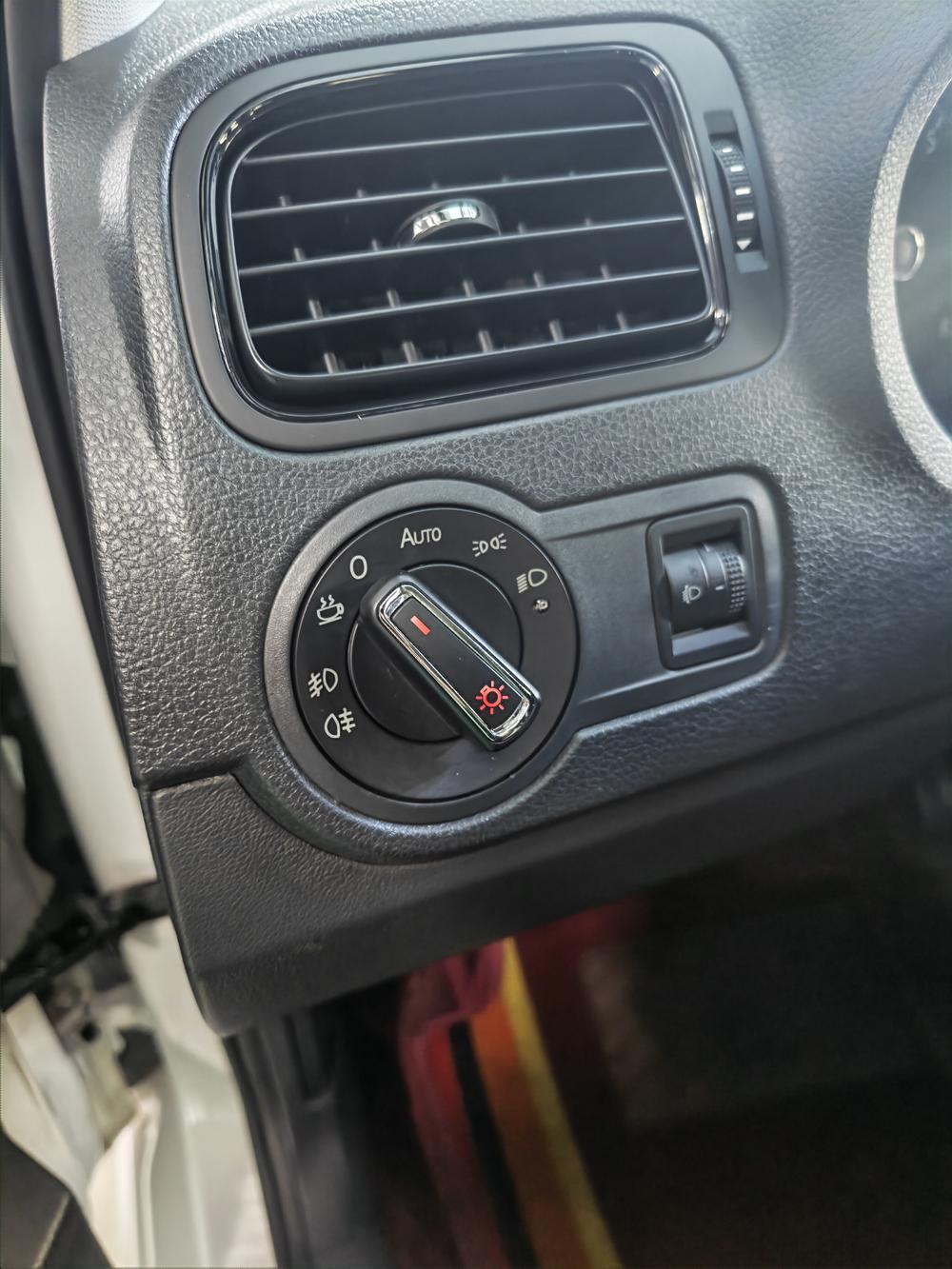
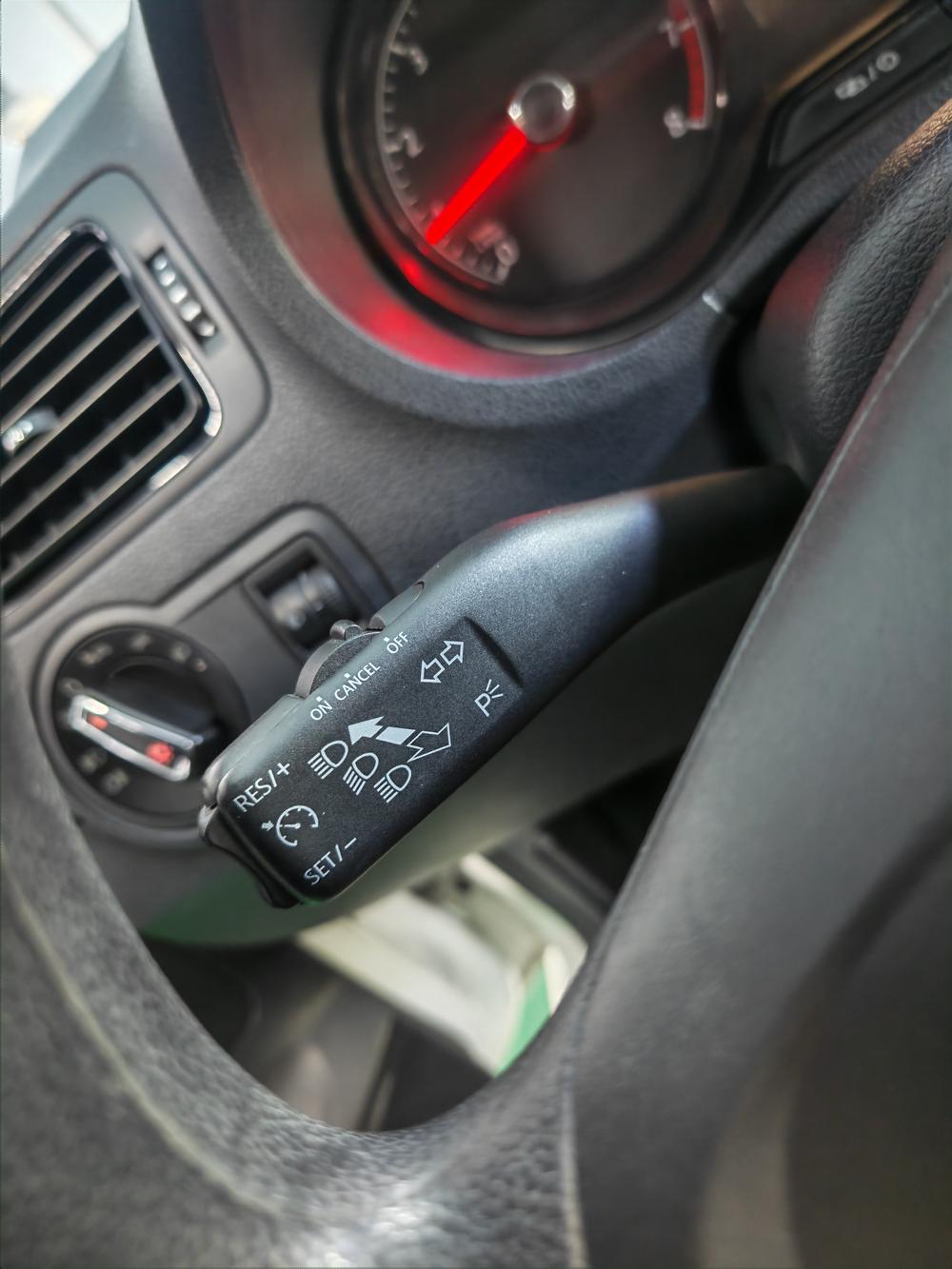
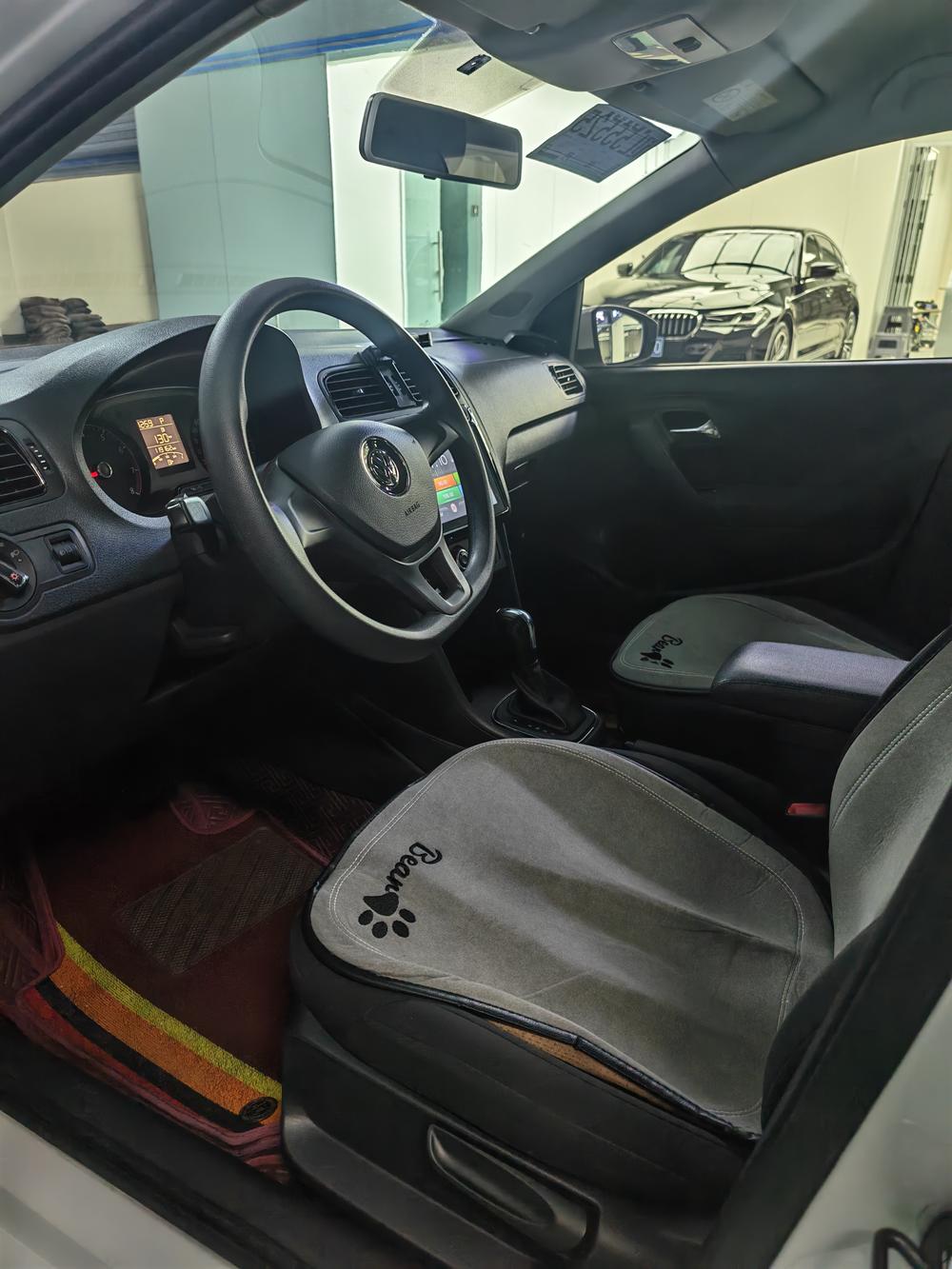
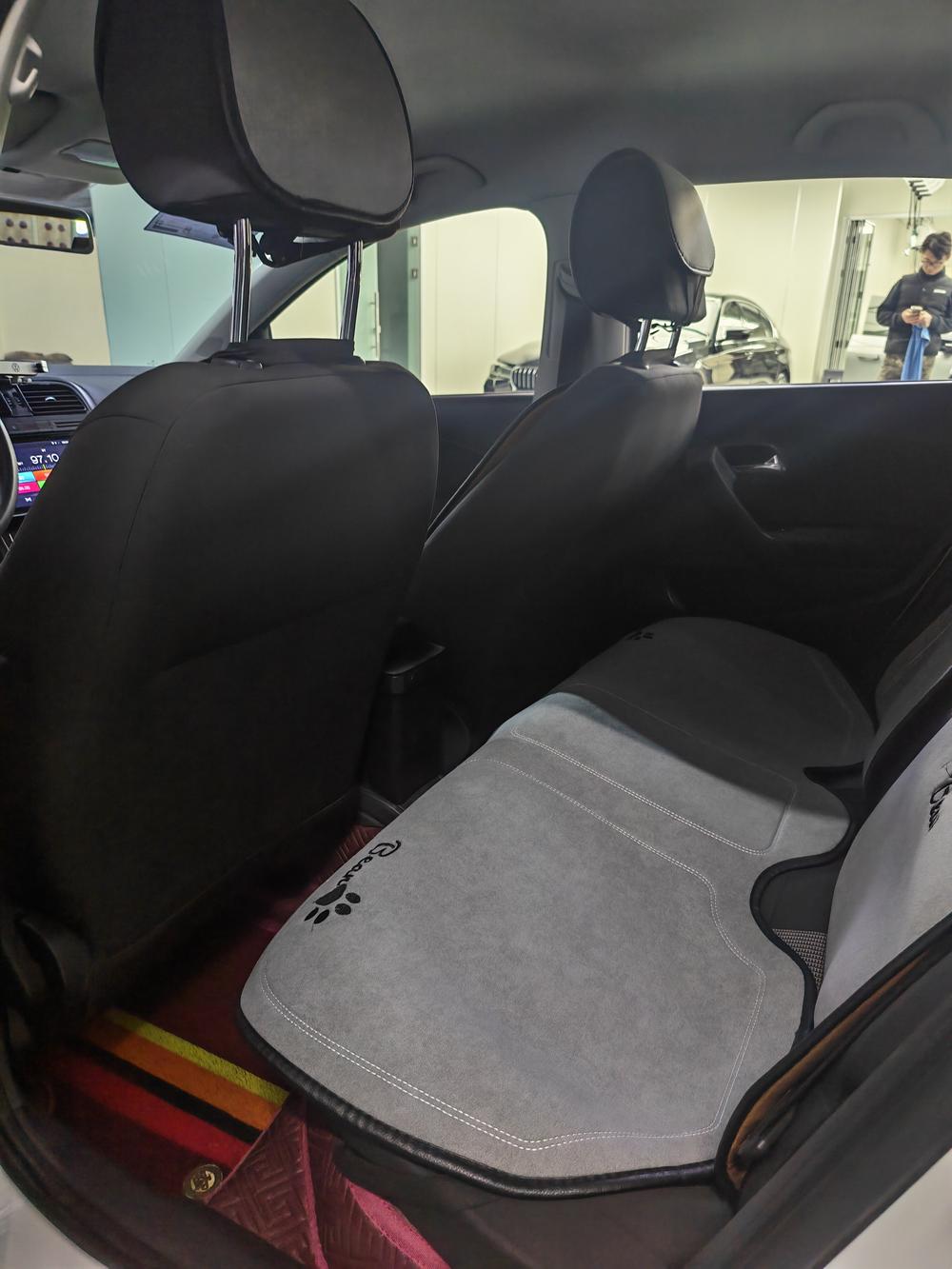
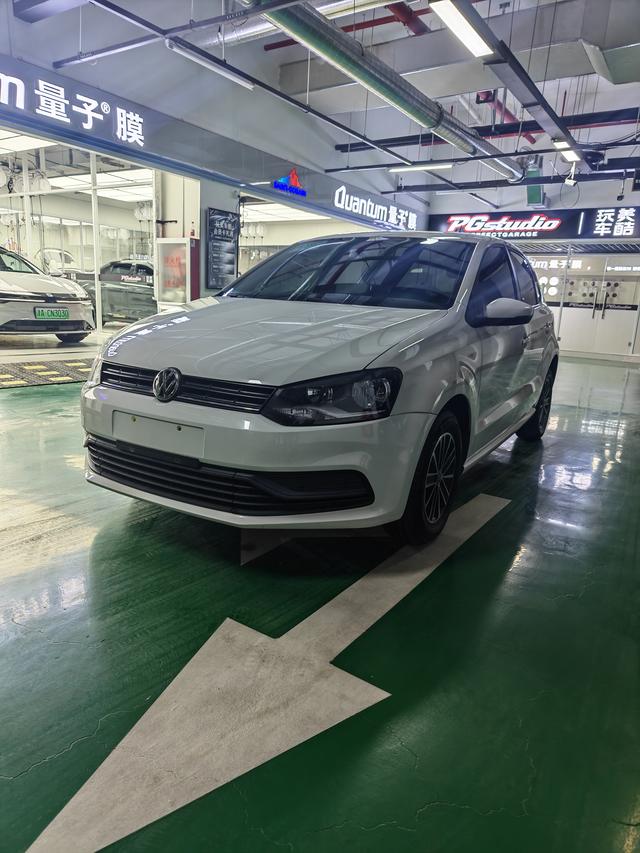



48H

Basic Information

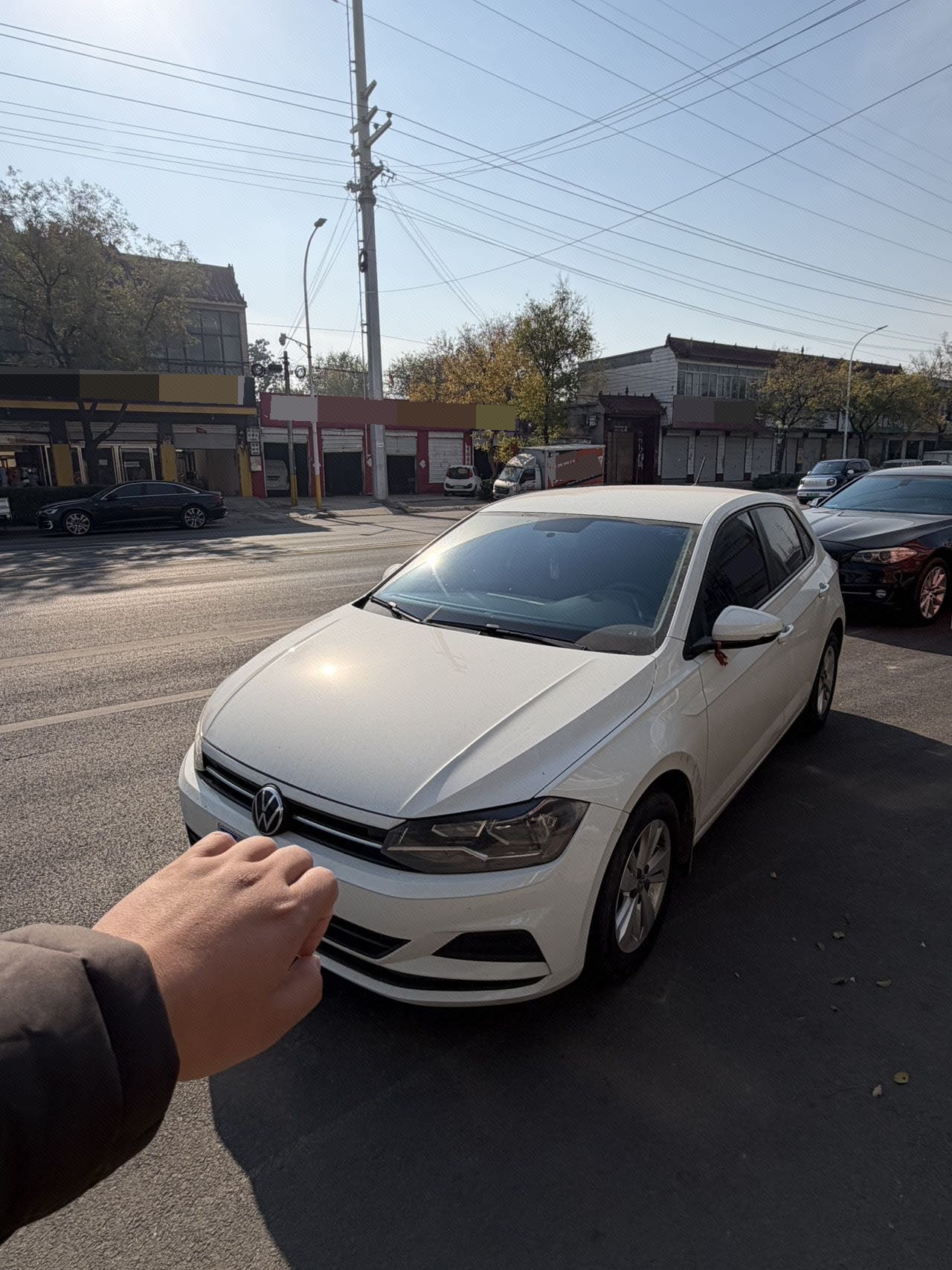
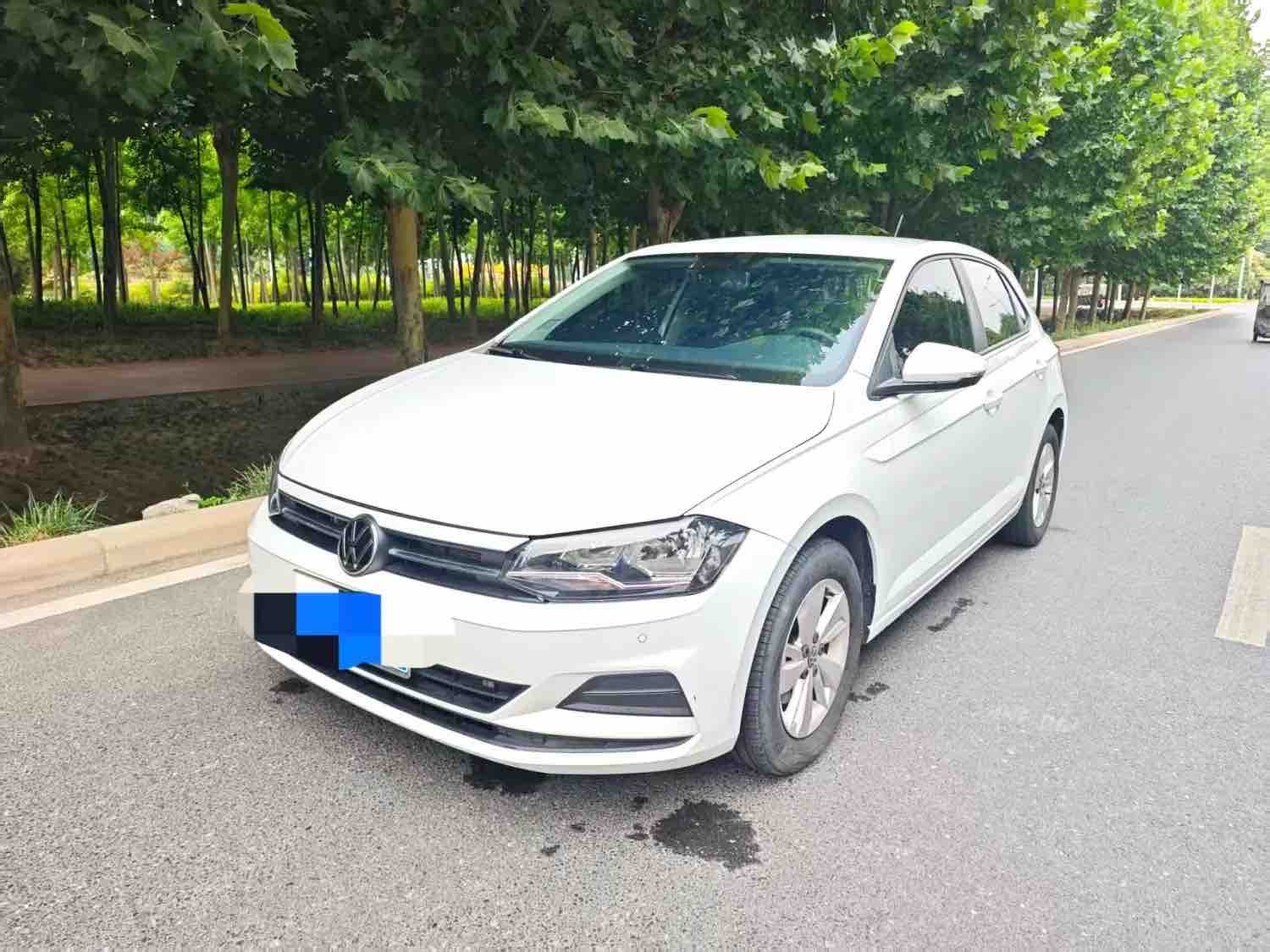
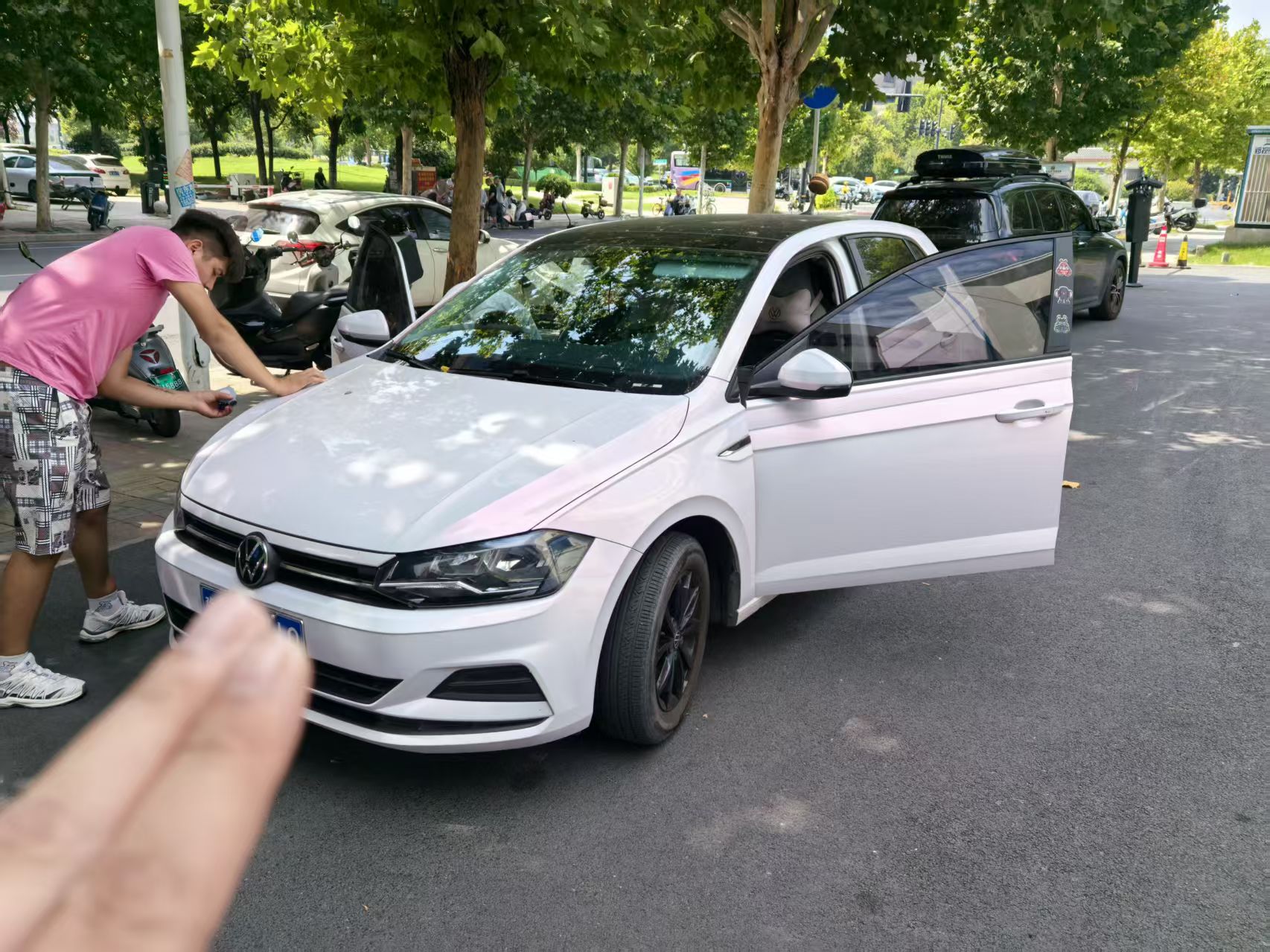
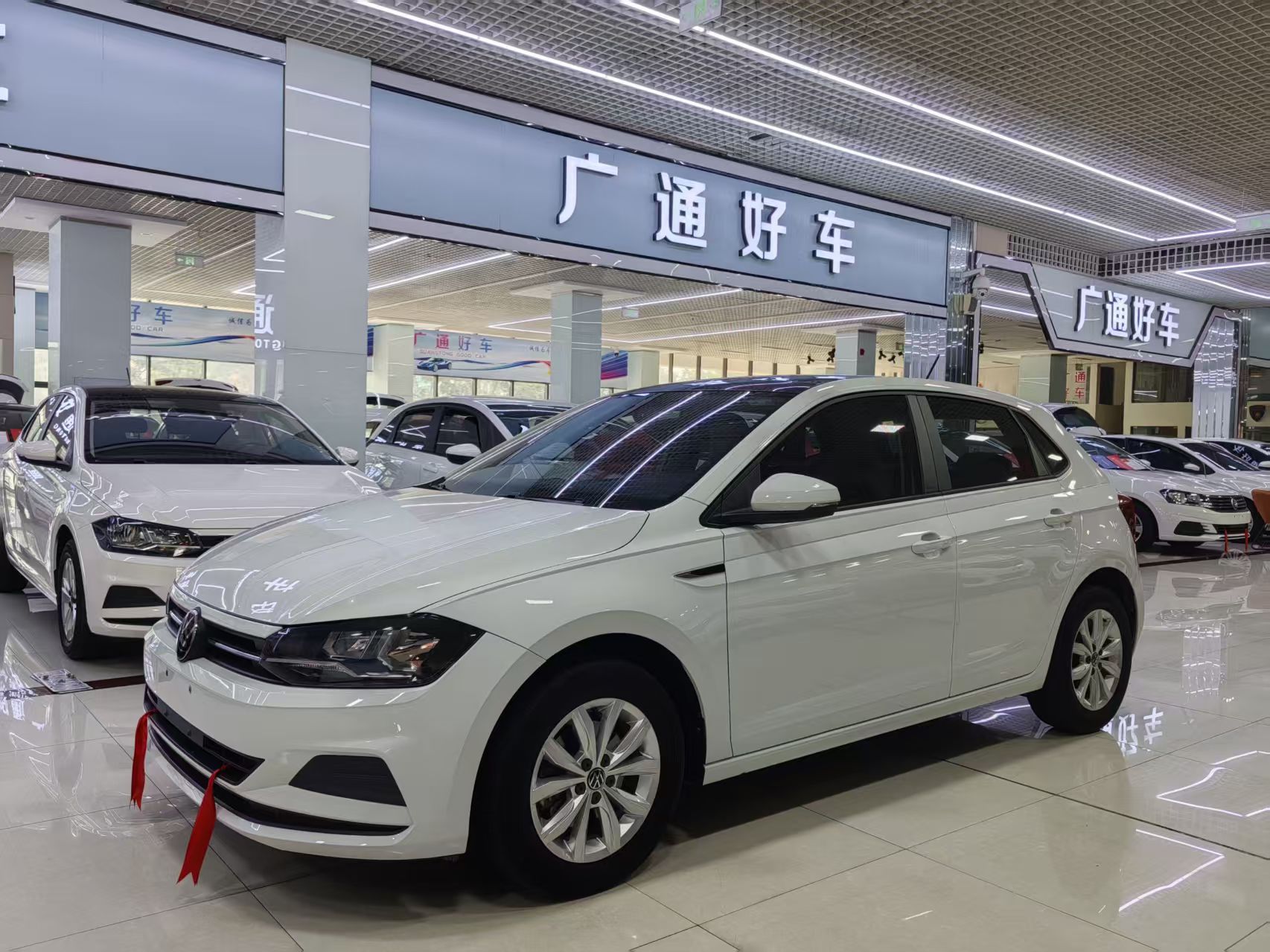
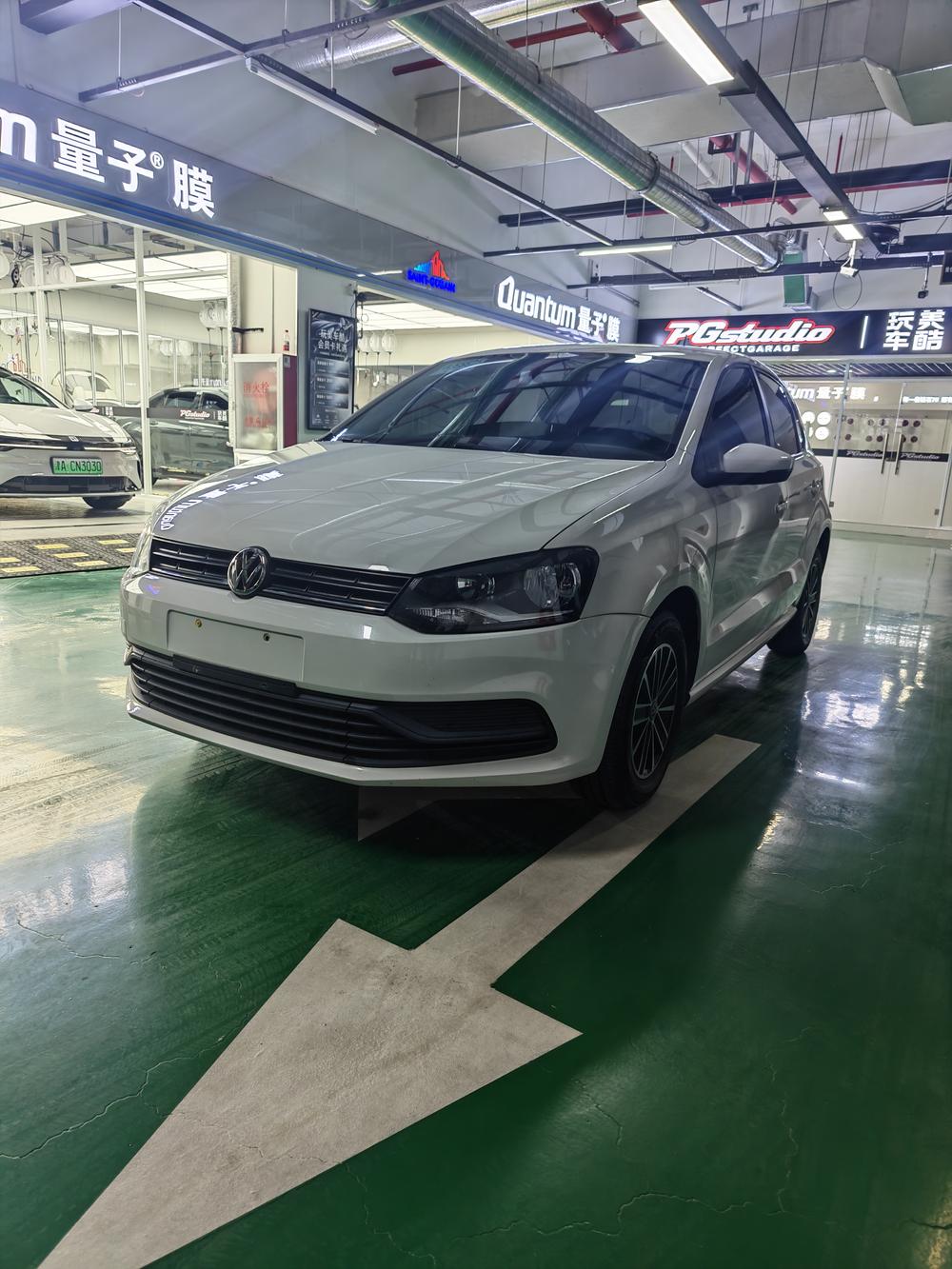
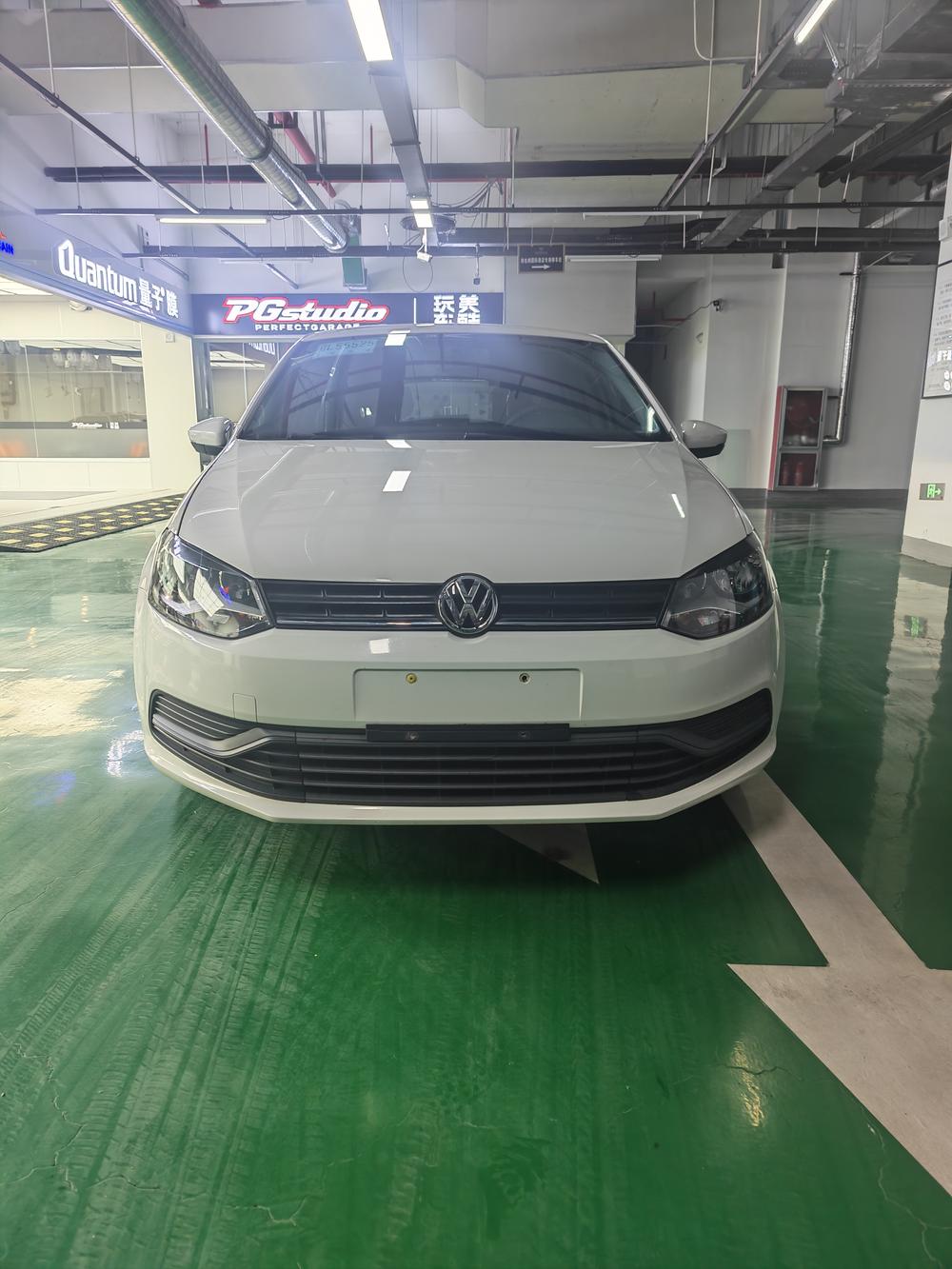
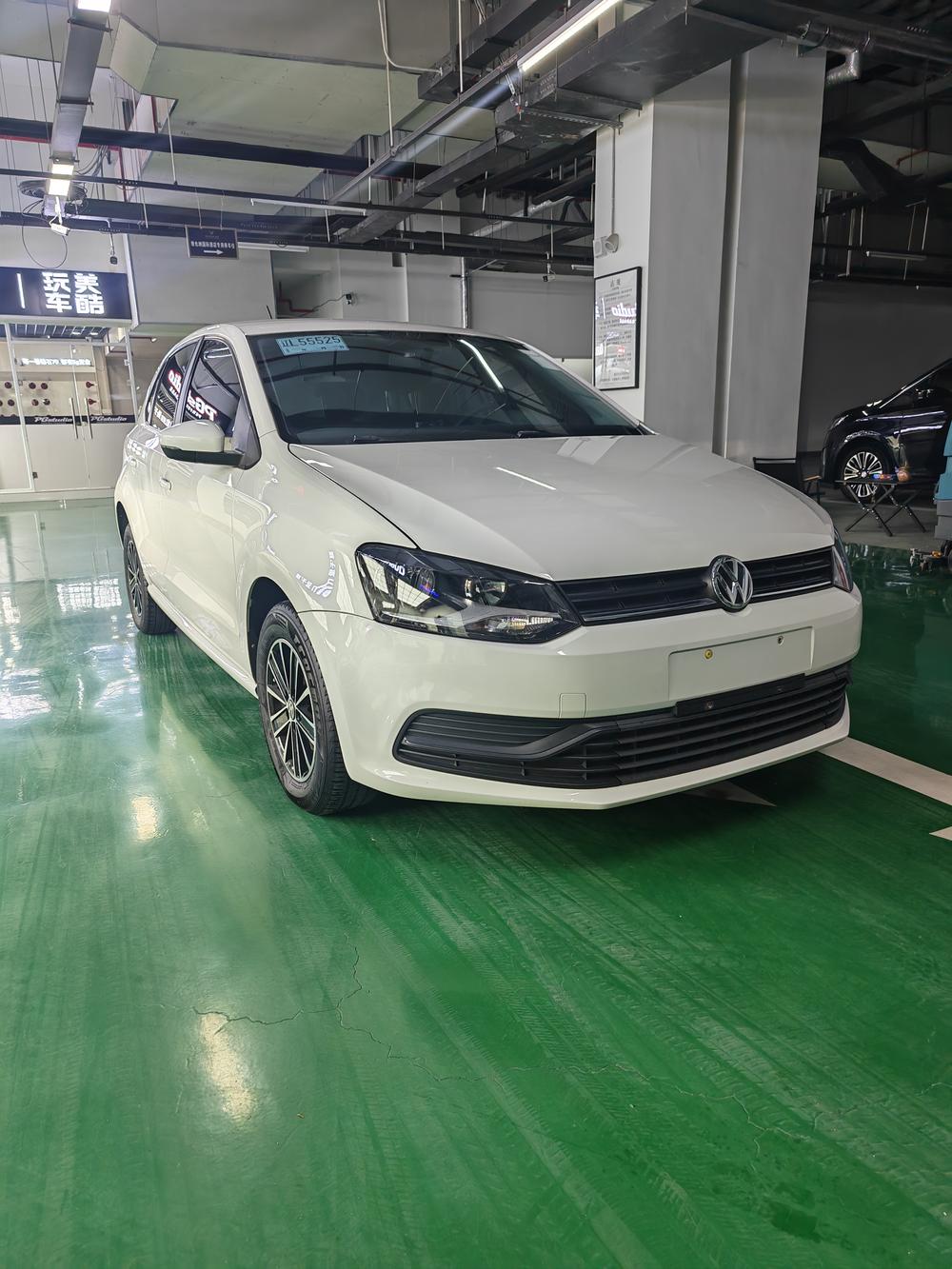
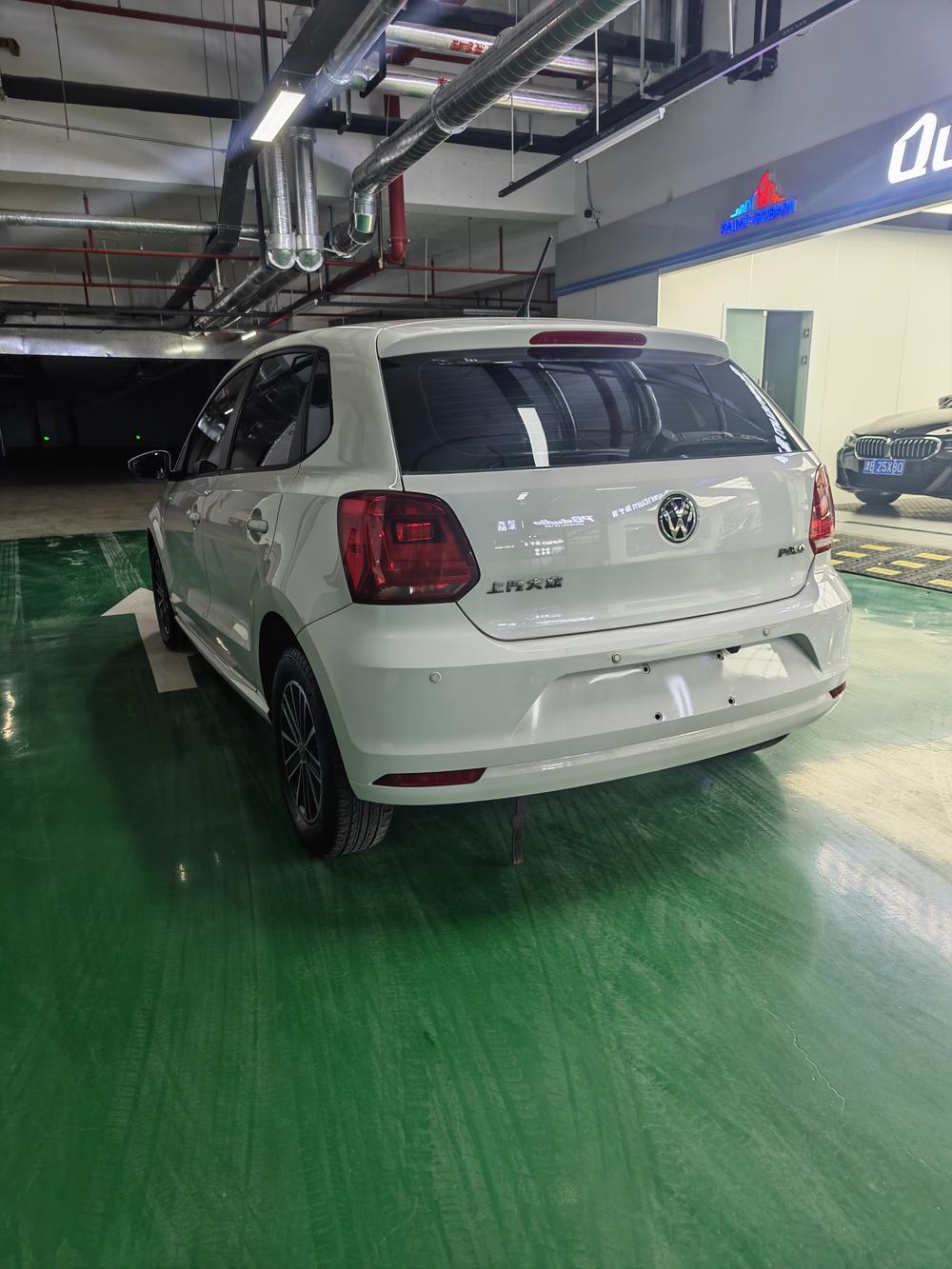
BrandVolkswagen
SeriesPolo
Year2017
First Registration2017/10
Mileage119,000km
Transfer Count0times
FuelGasoline
TransmissionAutomatic
Engine1.4L 90 L4
Color
Seats-

Condition Description

官方质检 · 60天全车质保· 7天无理由有偿退车

Configuration Highlights

✓上牌时间: 2017-10
✓表显里程: 11.9万公里
✓车源地: 天津
✓排放标准: 国五
✓百公里加速: 14.0s
✓发动机: 1.4L
✓轴距: 2470mm
✓变速箱: 自动

Q&A

More

What is the difference between maintenance records from 4S dealerships and those from third-party repair shops? Which is more reliable?

4S dealership records are directly connected to the manufacturer's database, making the data hard to tamper with and the most reliable, with original parts guaranteed; third-party repair shops usually are not connected, making their data unverifiable. Therefore, we only consider the connected records from 4S dealerships as valid historical documentation.


How can I check if a used car from China has been in a major accident, and what records actually exist?

China does not have a single public accident database like CARFAX, but you can still verify history from several sources. First, ask the exporter for the insurance claim records (出险记录). Major repairs go through insurance, and the claim history shows the date, amount, and damaged parts. A car with large claim amounts (over half its value) is effectively a total loss rebuild. Second, check the vehicle's registration certificate (机动车登记证书) for transfer history — multiple transfers in a short period often follow an accident. Third, run a VIN check through commercial platforms (paid, around 20-50 RMB) which aggregate insurance, maintenance, and auction data. Cross-check everything against a physical inspection: paint thickness readings on structural points, weld quality under the seals, and underbody photos. If the records and the physical condition do not match, walk away or demand a large discount.

When buying a used Chinese EV, how do I read the battery health (SOH) report, and what percentage is still acceptable for import?

State of Health (SOH) tells you how much of the original battery capacity remains. Here's how to use it. Reading the report: SOH is usually shown as a percentage of original capacity. A car at 90% SOH retains roughly 90% of its original range. Also check for cell imbalance (voltage spread between modules)—a low SOH with balanced cells is often fine, but high imbalance causes sudden range drops and charging problems. Acceptable thresholds: for a car under 3 years old, expect 90%+ SOH. For 3-5 years, 85-90% is normal. Below 80% SOH, the battery may soon need replacement—replacement costs can exceed the car's value, so negotiate hard or walk away. How to verify: don't trust a screenshot. Ask for a live screen recording of the diagnostic app (like the brand's official tool) starting from the car's VIN page. Cross-check the fast-charging curve: a healthy battery charges at near-peak rate up to 60-70%; a degraded one tapers early. Finally, remember that hot climates degrade batteries faster—if the car spent its life in southern China, scrutinize SOH more carefully.