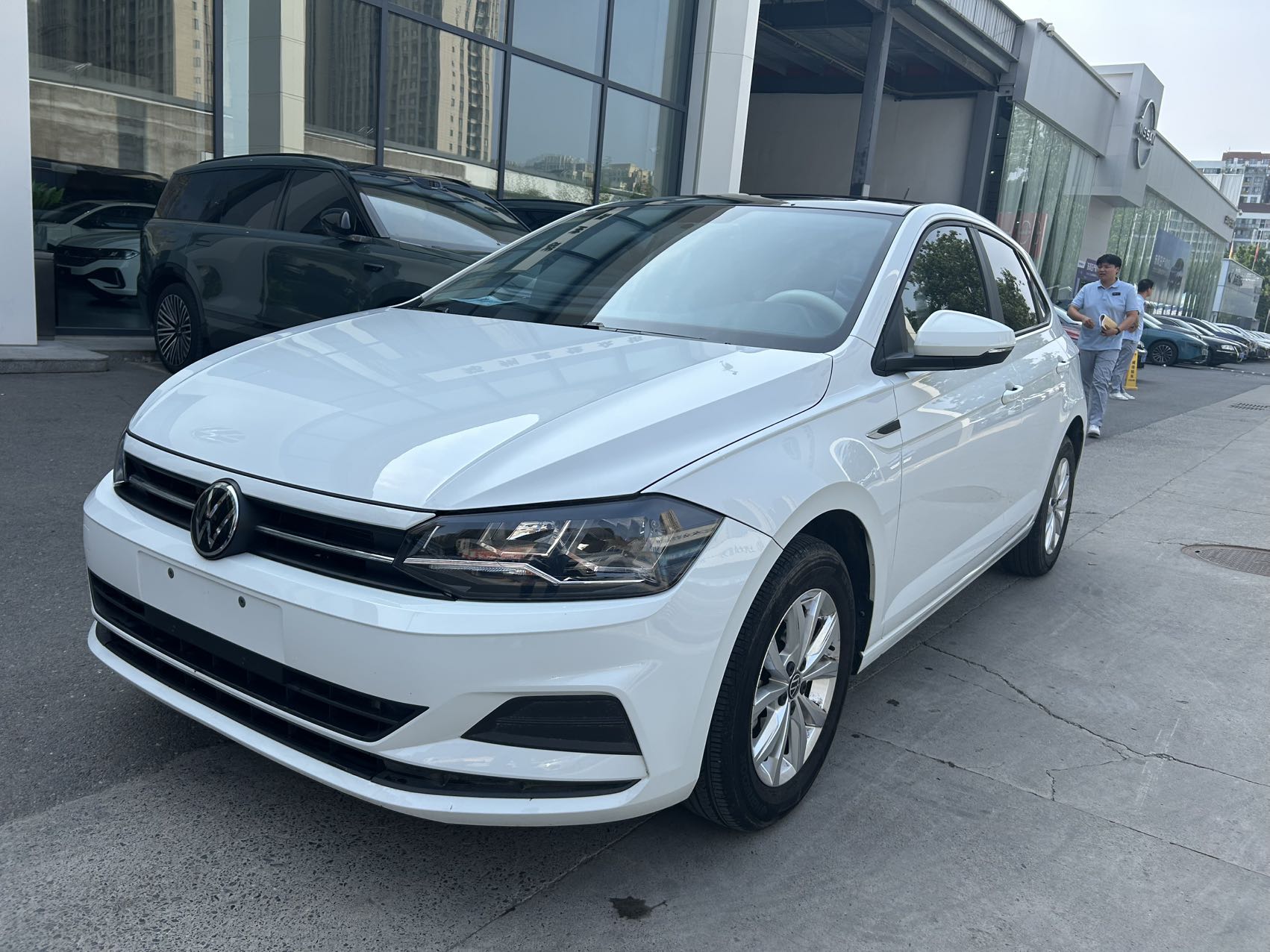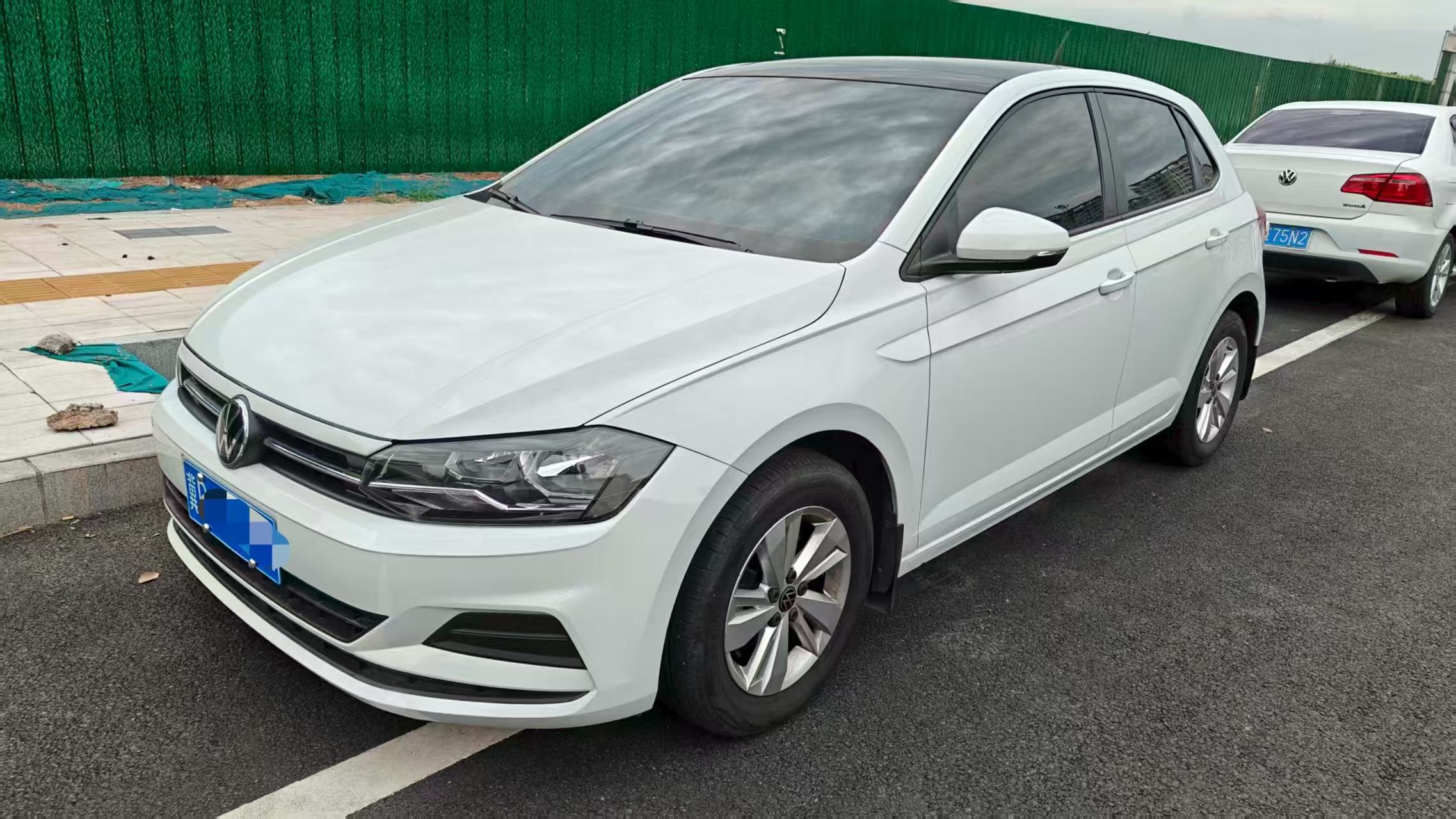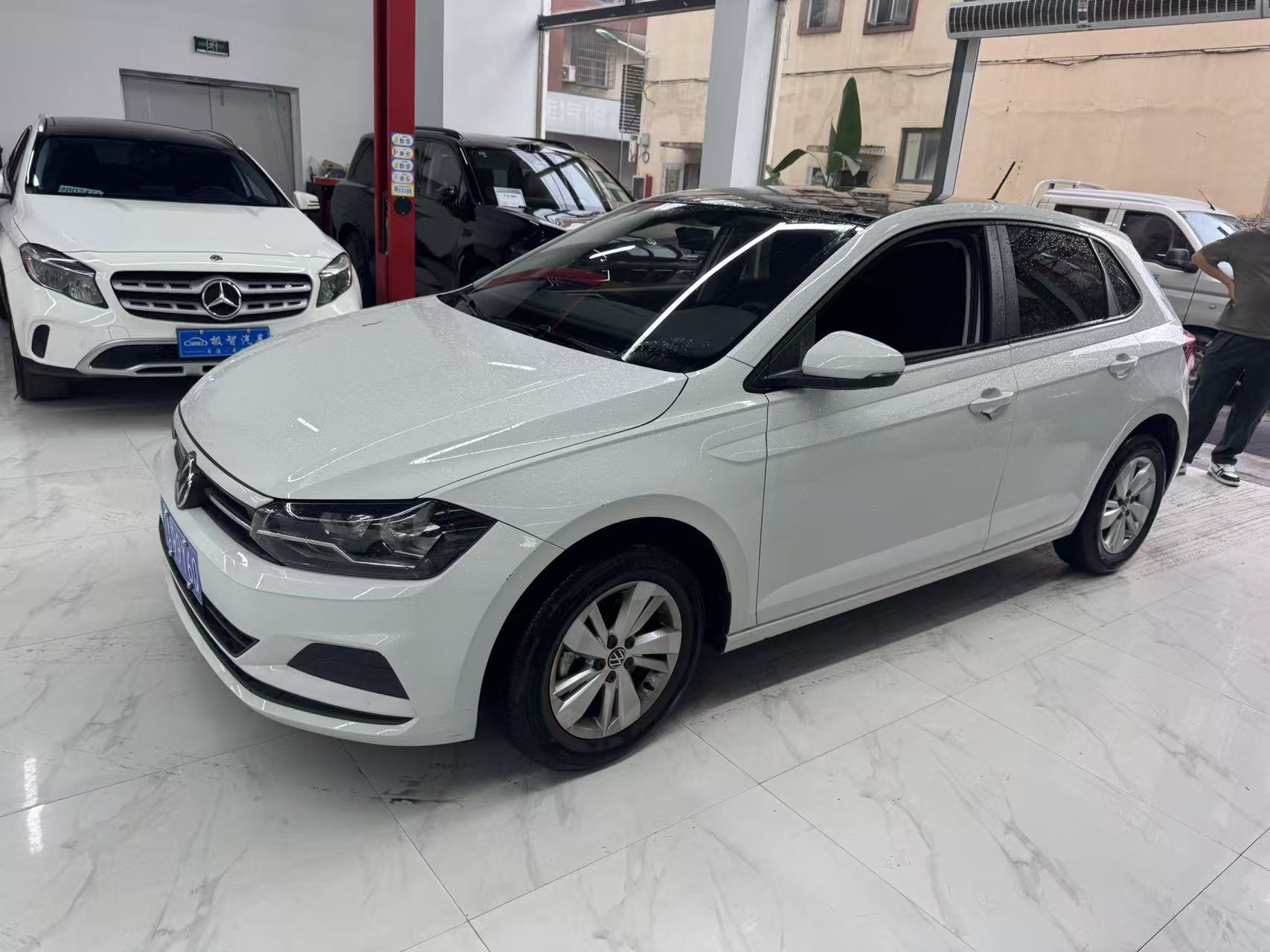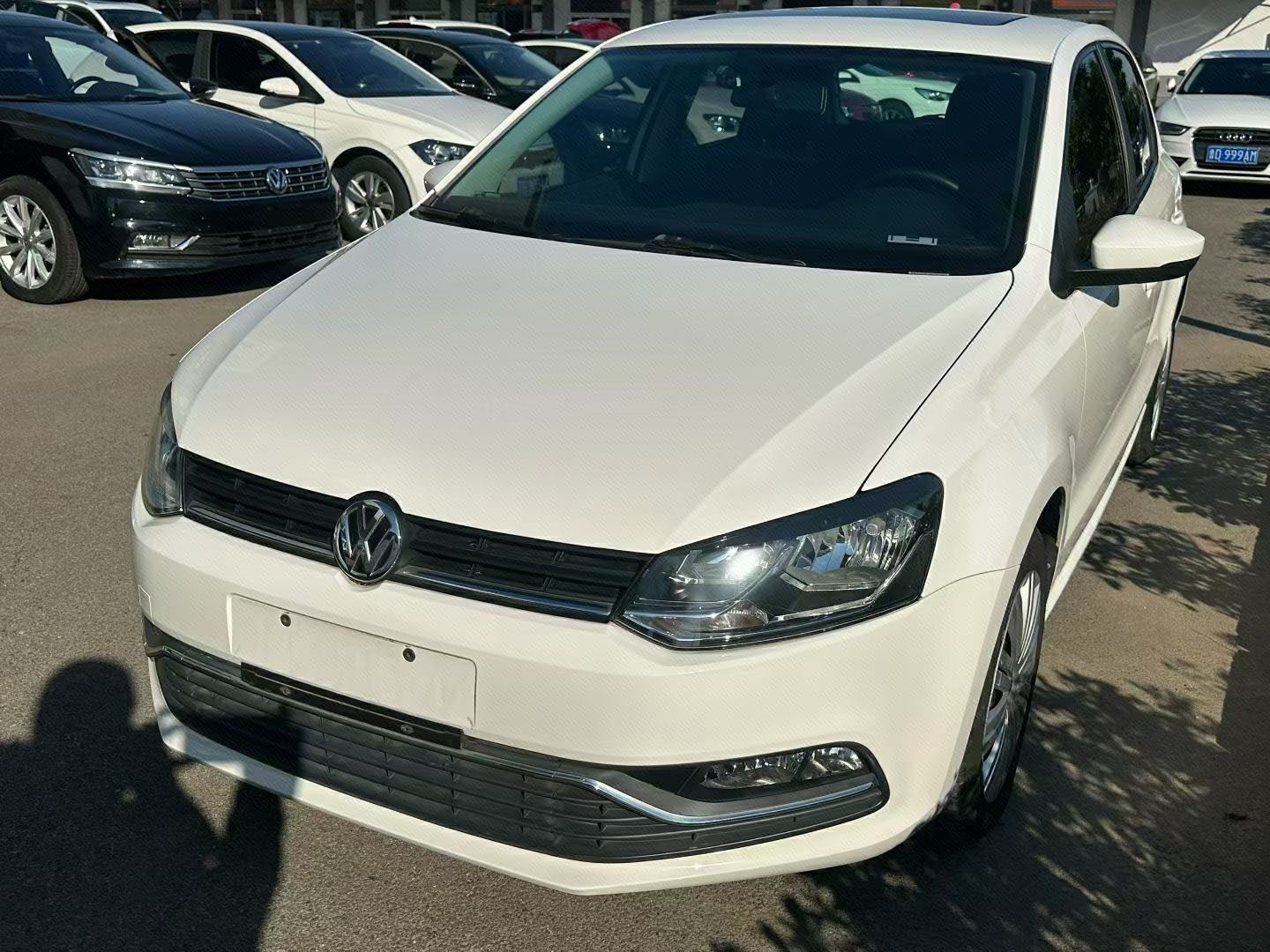
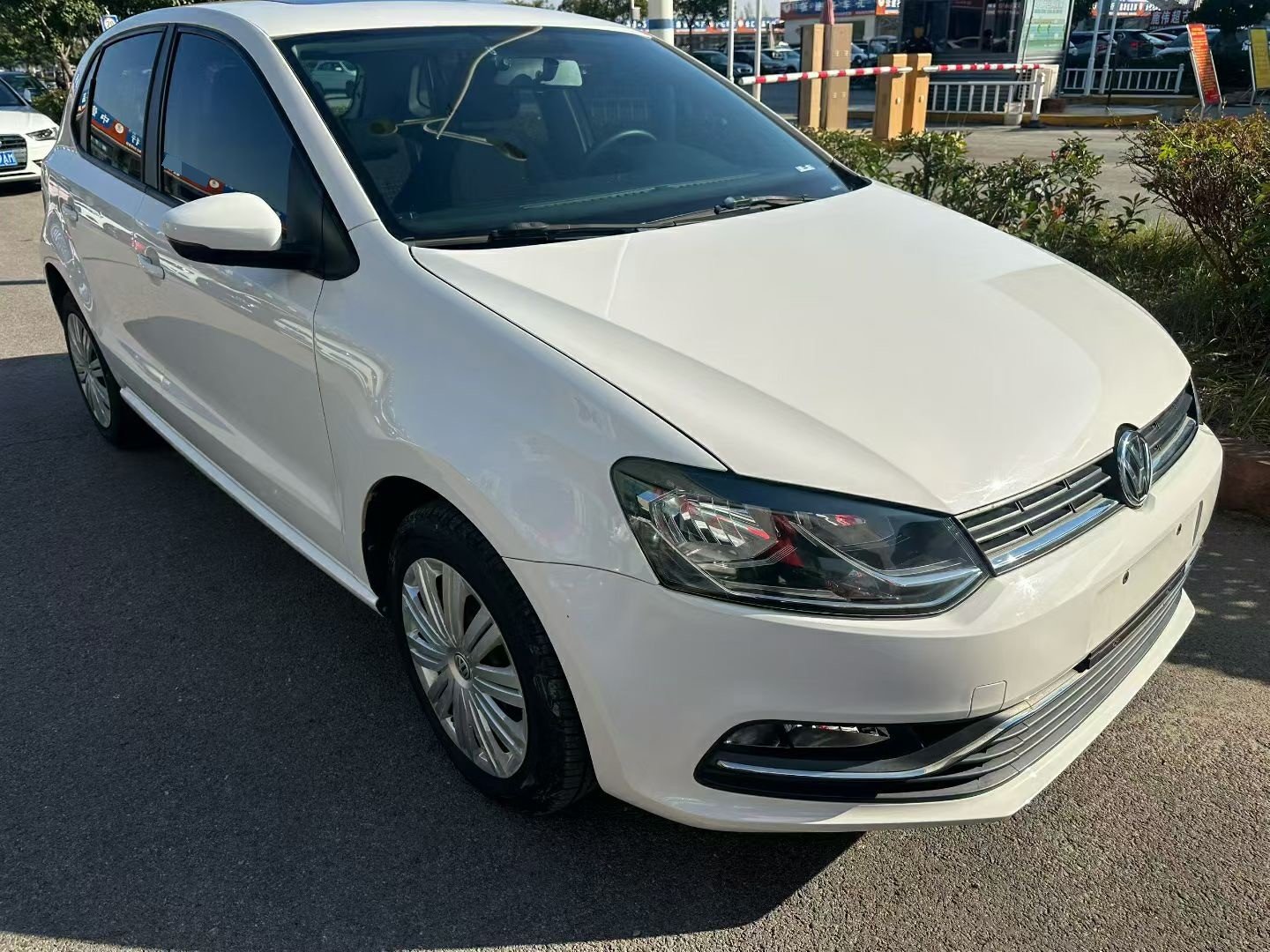
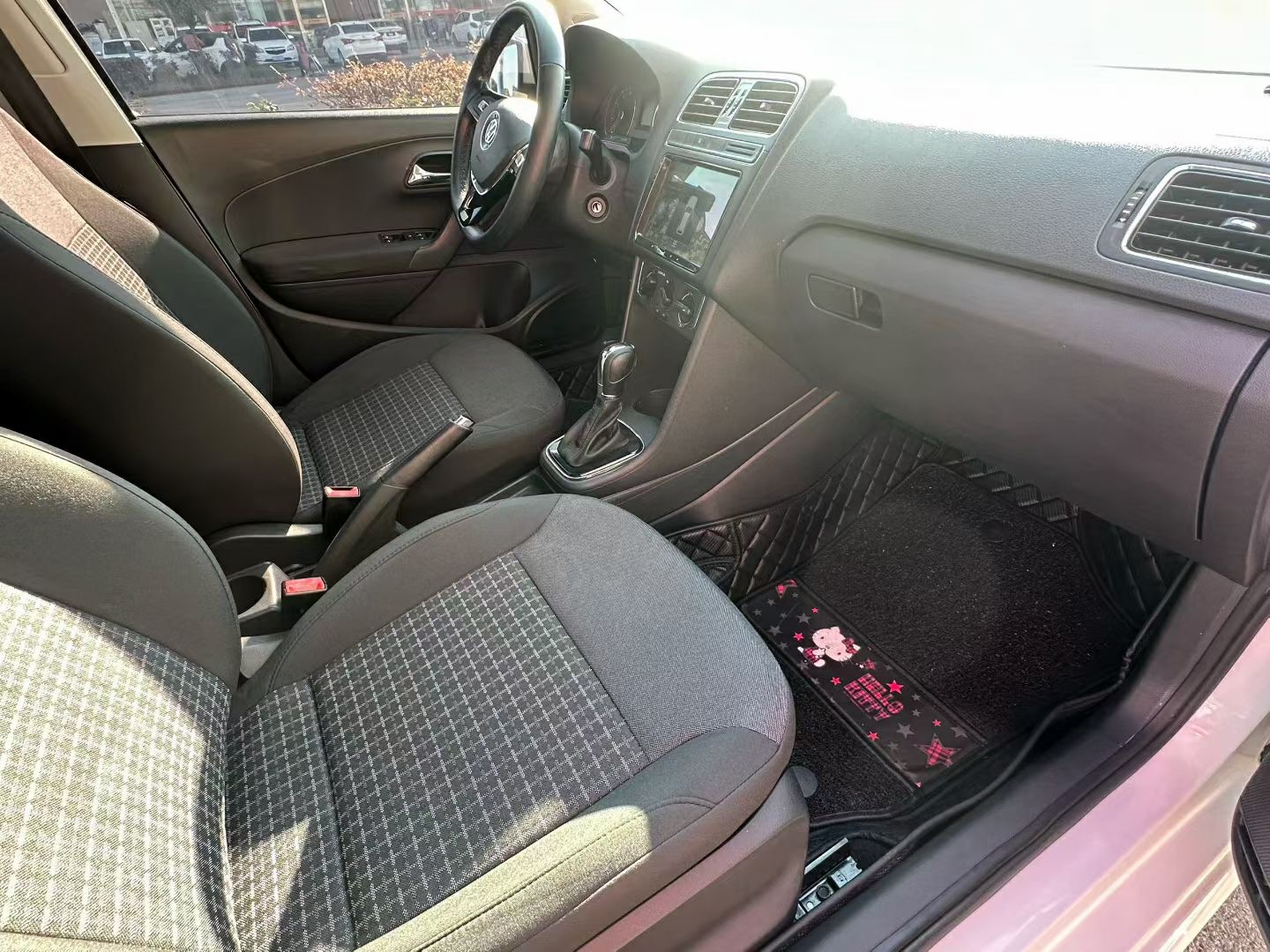
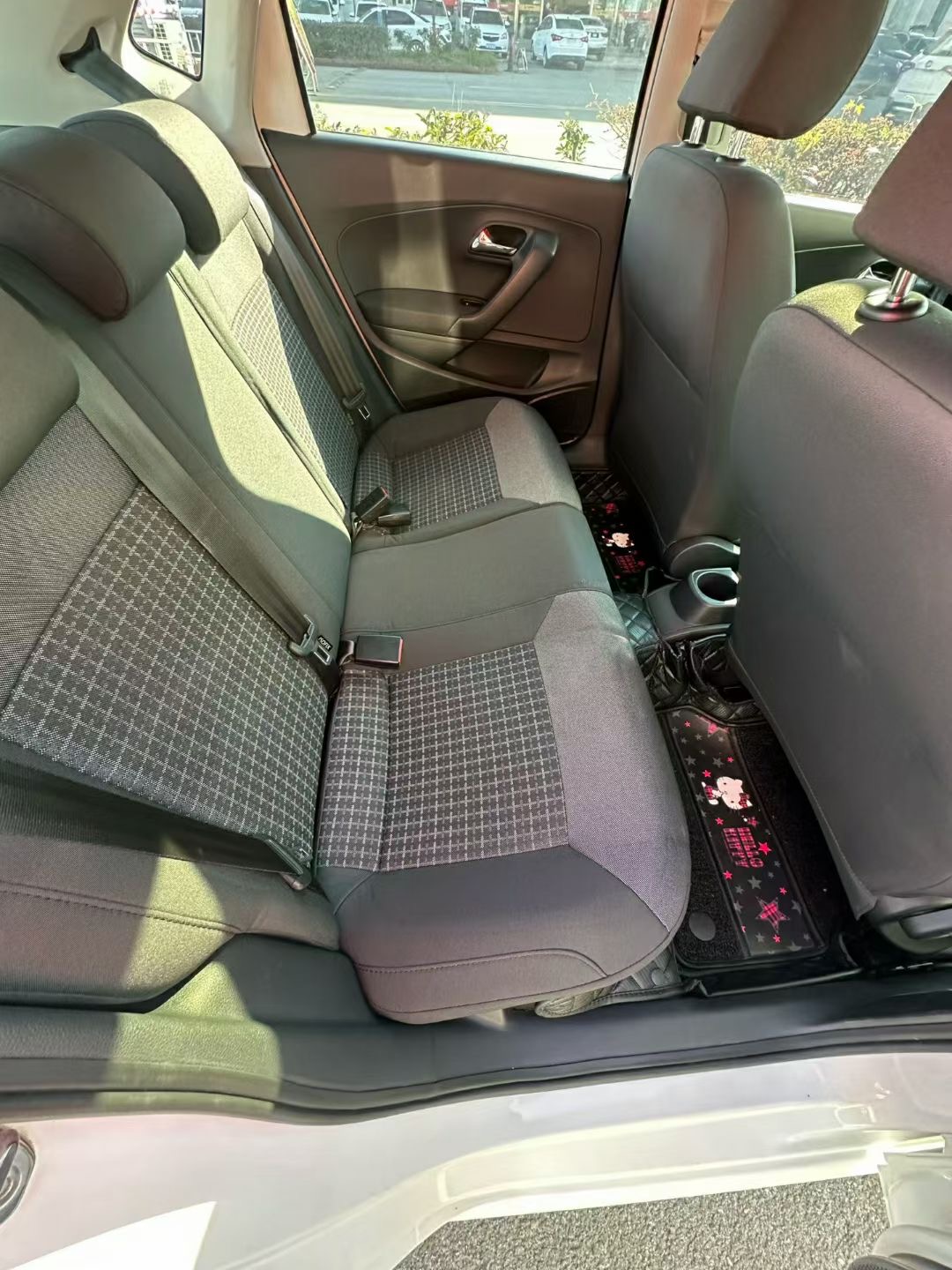
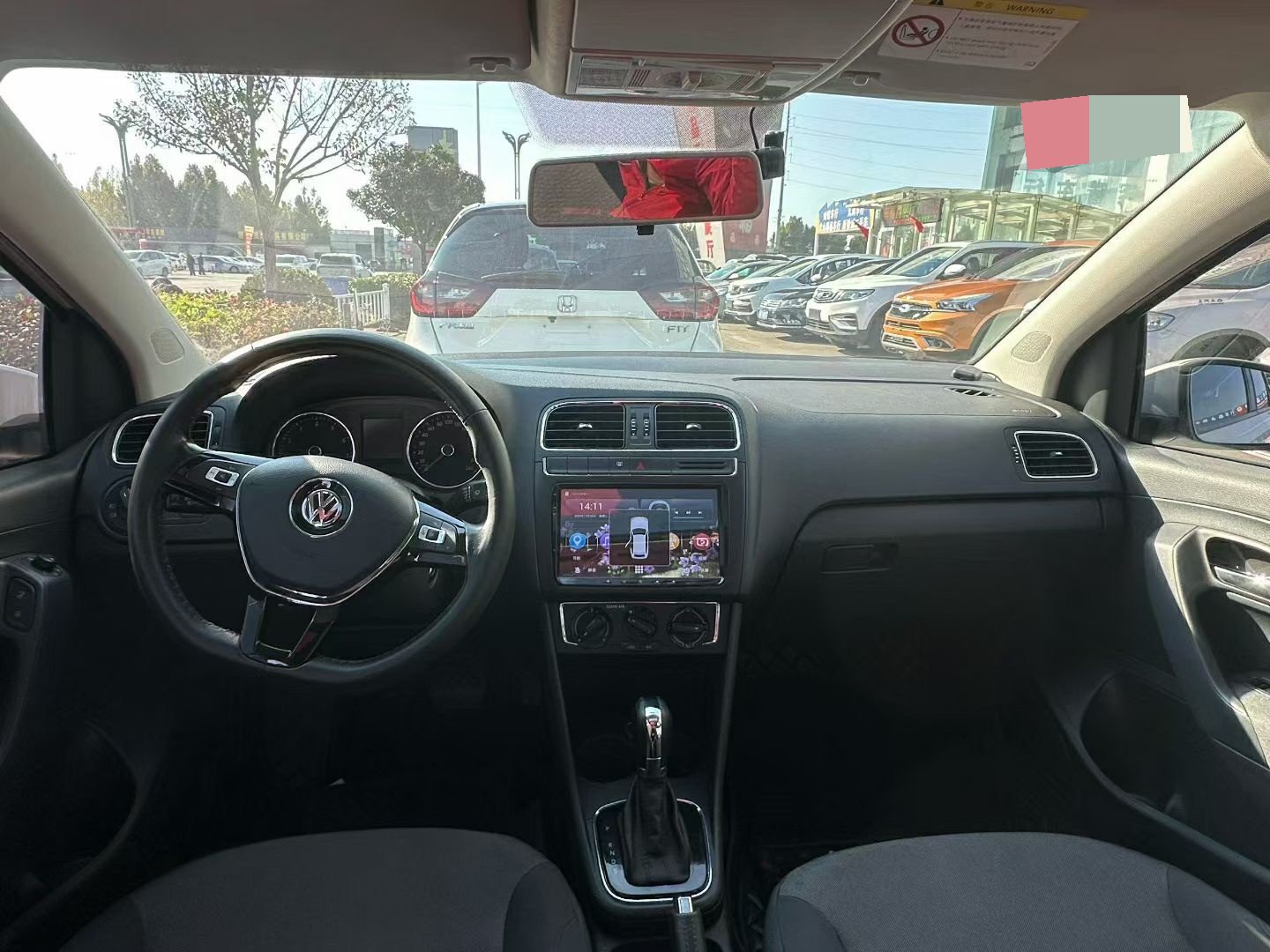
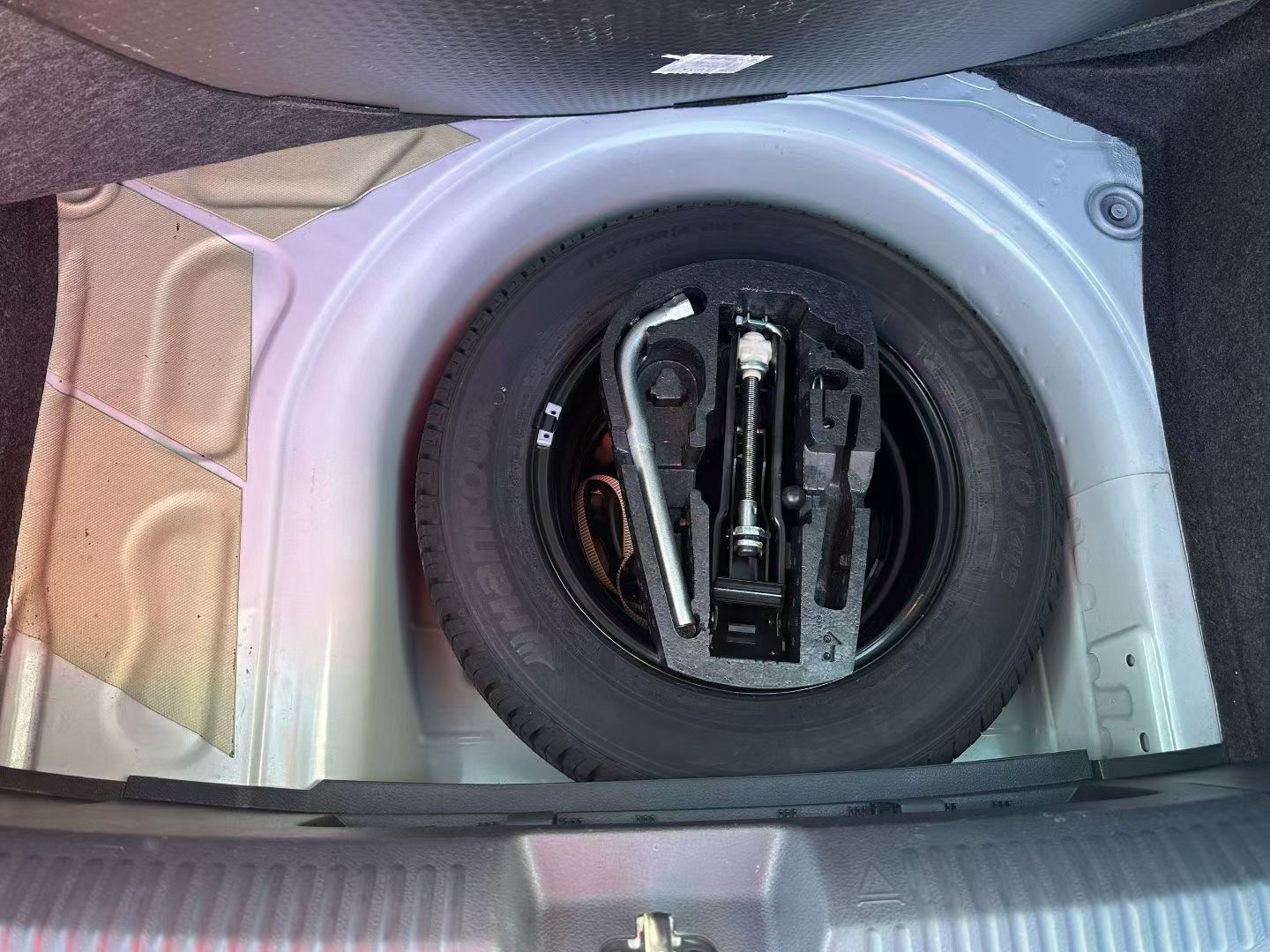
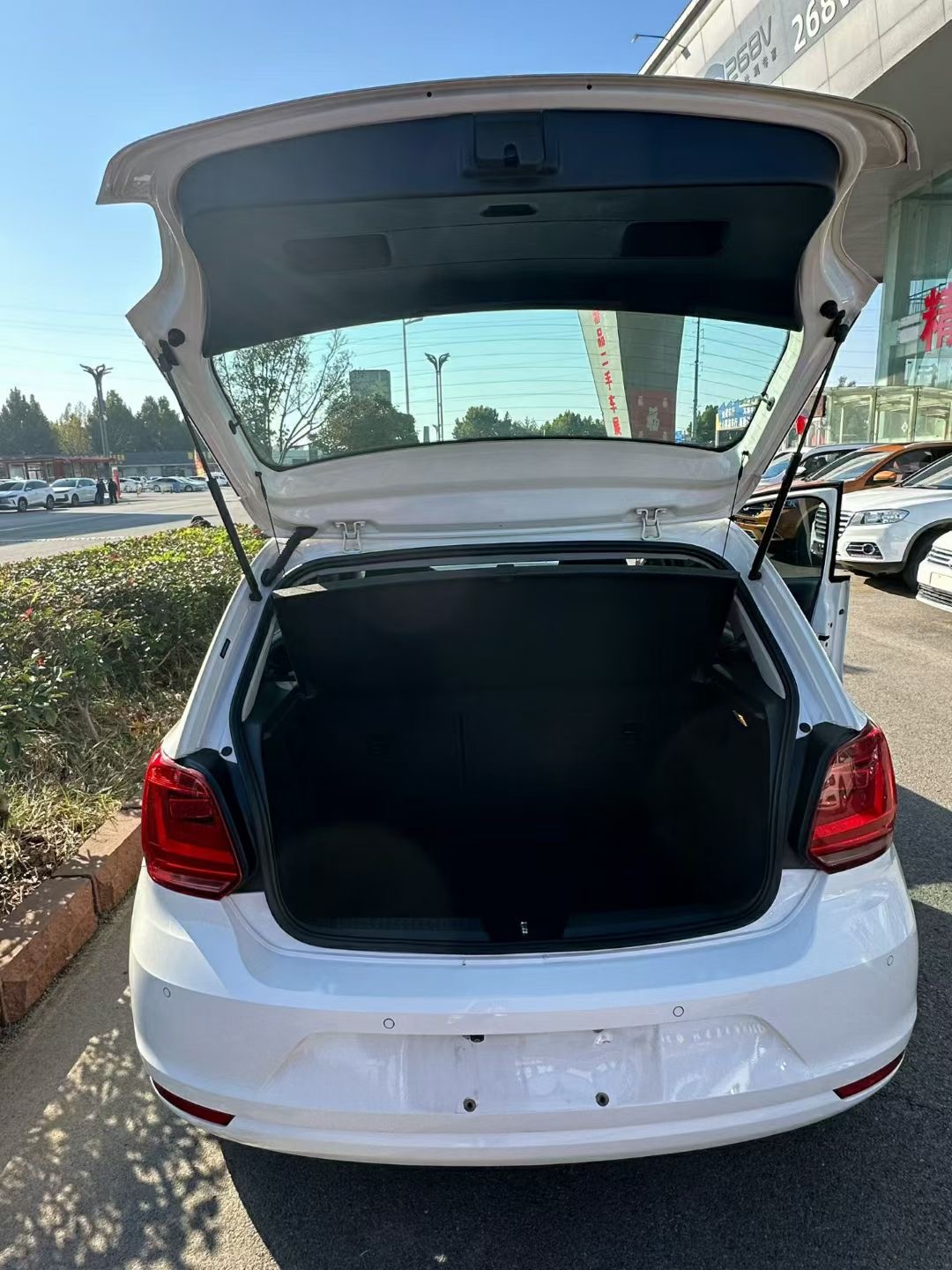
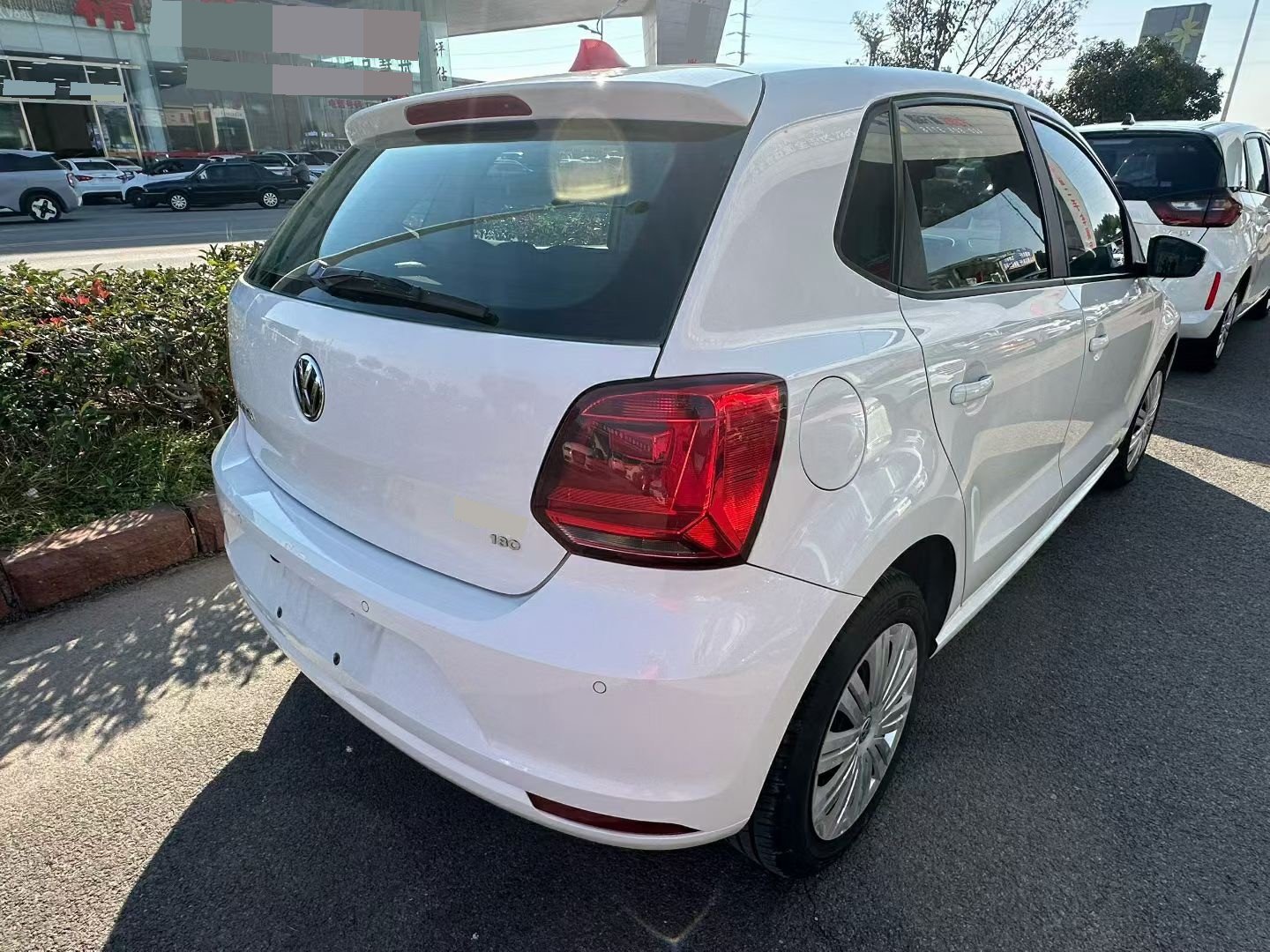
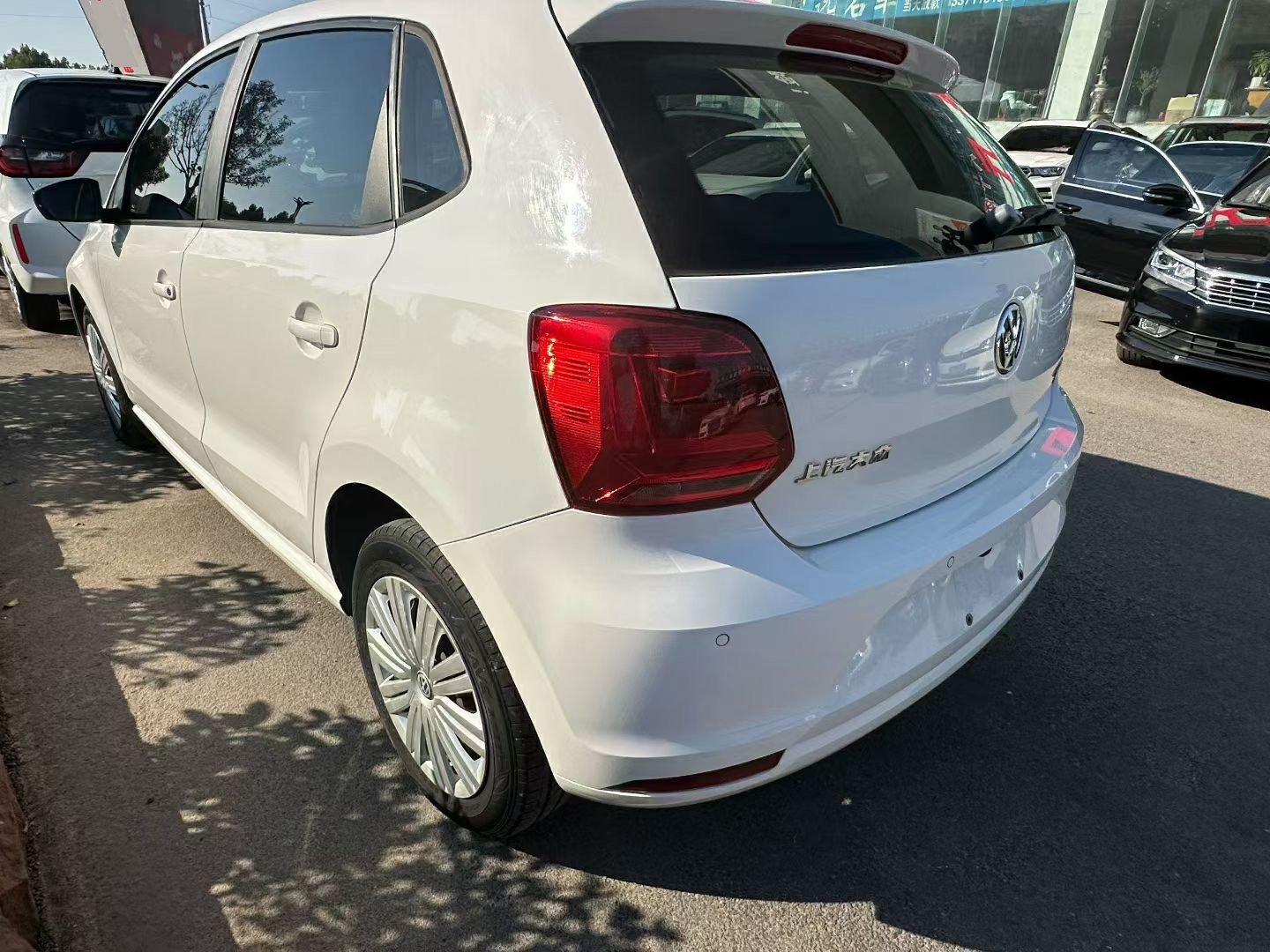



Basic Information

BrandVolkswagen
SeriesPolo
Year2017
First Registration2017/06
Mileage80,000km
Transfer Count0times
FuelGasoline
TransmissionManumatic
Engine1.6L 105 L4
ColorWhite
Seats-

Document Information

Inspection Expiry Date-
Warranty Expiry Date-
Insurance Expiry Date2027/06

Q&A

More

What is a Certificate of Origin and why do I need one when importing a car from China?

A Certificate of Origin (C/O) is an official document stating where the vehicle was manufactured. Customs authorities use it to decide which tariff rates and trade agreements apply to your import. Why it matters: many countries offer preferential tariffs for certain origins. With a valid C/O, such as the ASEAN-China Form E or a GSP Form A, you may pay reduced or zero duty. Without it, you typically pay the standard, higher rate. The certificate must match the vehicle exactly: VIN, make, model and invoice details. It is usually issued by the China Council for the Promotion of International Trade (CCPIT) or customs authorities. Practical tips: request the C/O before shipment, because adding it later is slow; check that your country's customs accepts the specific C/O format; and confirm with your broker whether your vehicle category qualifies for preferential rates. This single document can save you thousands in duty.


How can I check the underbody and frame of a used Chinese car remotely before buying?

Ask for a specific set of photos and video taken with the car on a lift — generic walk-around videos will not show what matters. Request close-ups of: the sills (rocker panels) on both sides, front and rear subframes, suspension mounting points, brake lines, and the floor pan under the carpets. Surface rust on bolts is normal; bubbling paint, flaking metal or fresh undercoat sprayed over corrosion are warning signs. Also check for flood damage, a common hidden problem: look at the spare wheel well for water marks or mud, pull up the trunk carpet, and check the seat rails and seat belt buckles for rust or silt. A musty smell reported by the inspector is a red flag. A trustworthy exporter will provide a lift inspection report listing measured paint thickness on structural areas. If they refuse to put the car on a lift, treat that as an answer in itself.

Is the shipping insurance rate for used new energy vehicles higher than that for traditional fuel vehicles? What is the deductible?

Yes. Due to the significant difficulty in extinguishing lithium battery fires, insurance companies typically charge 20%-40% higher rates for comprehensive coverage on used EVs compared to ICE vehicles. Additionally, the absolute deductible for minor scratches on the body will also be increased accordingly.