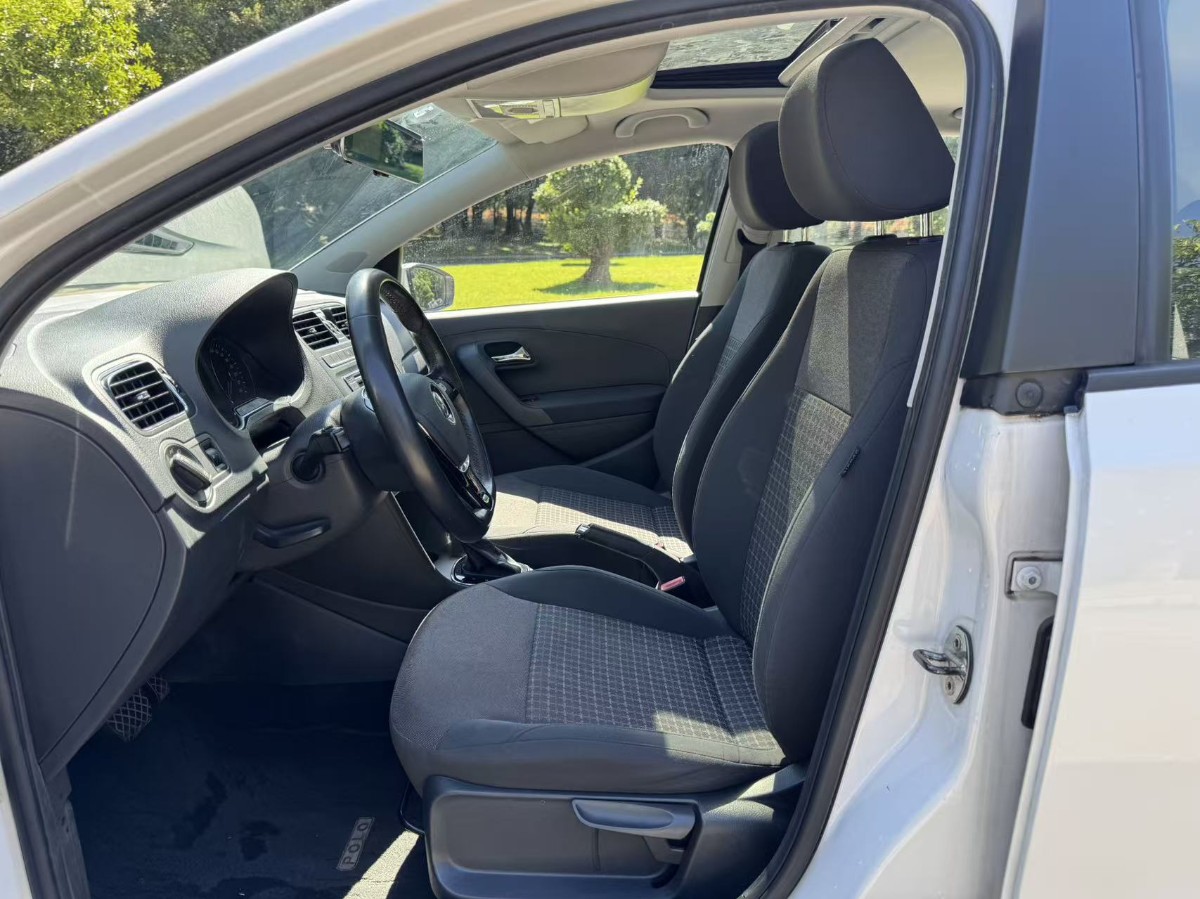
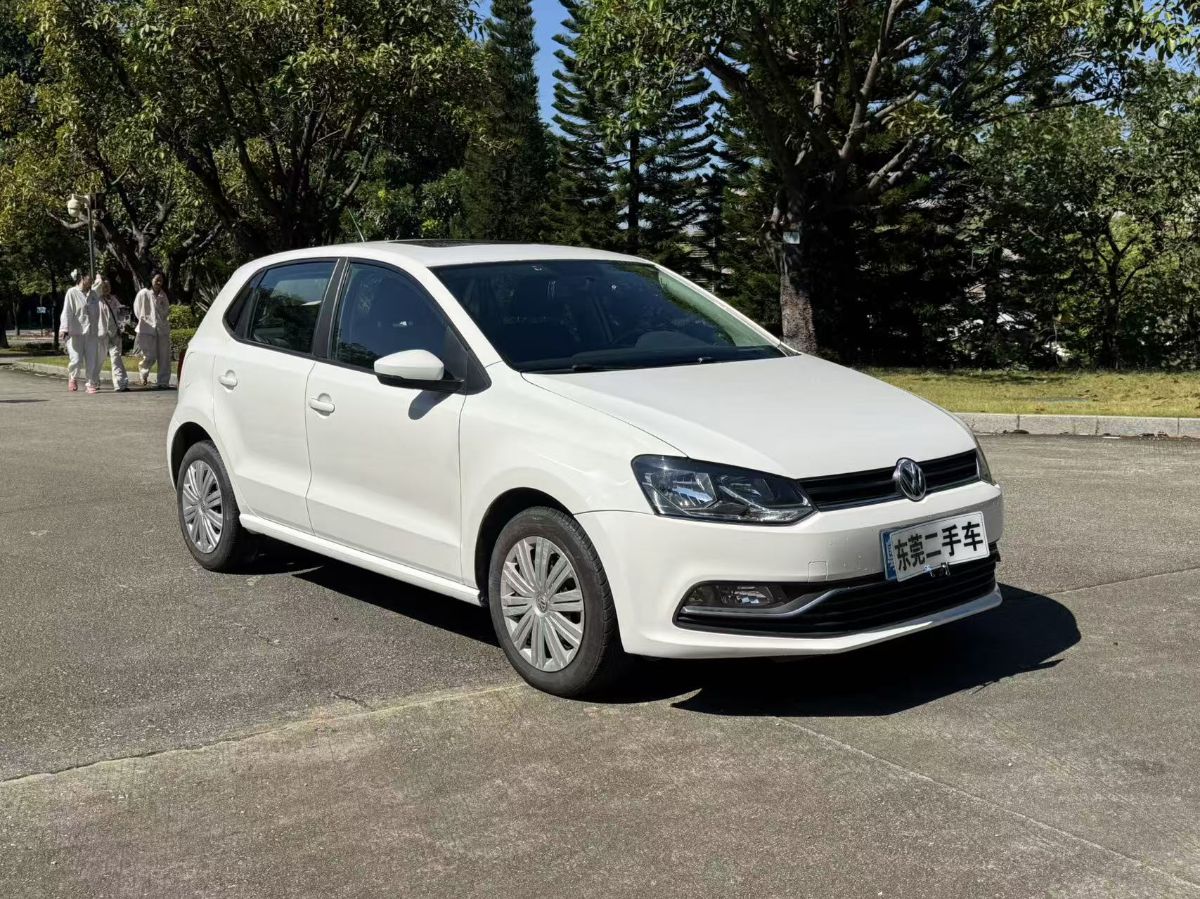
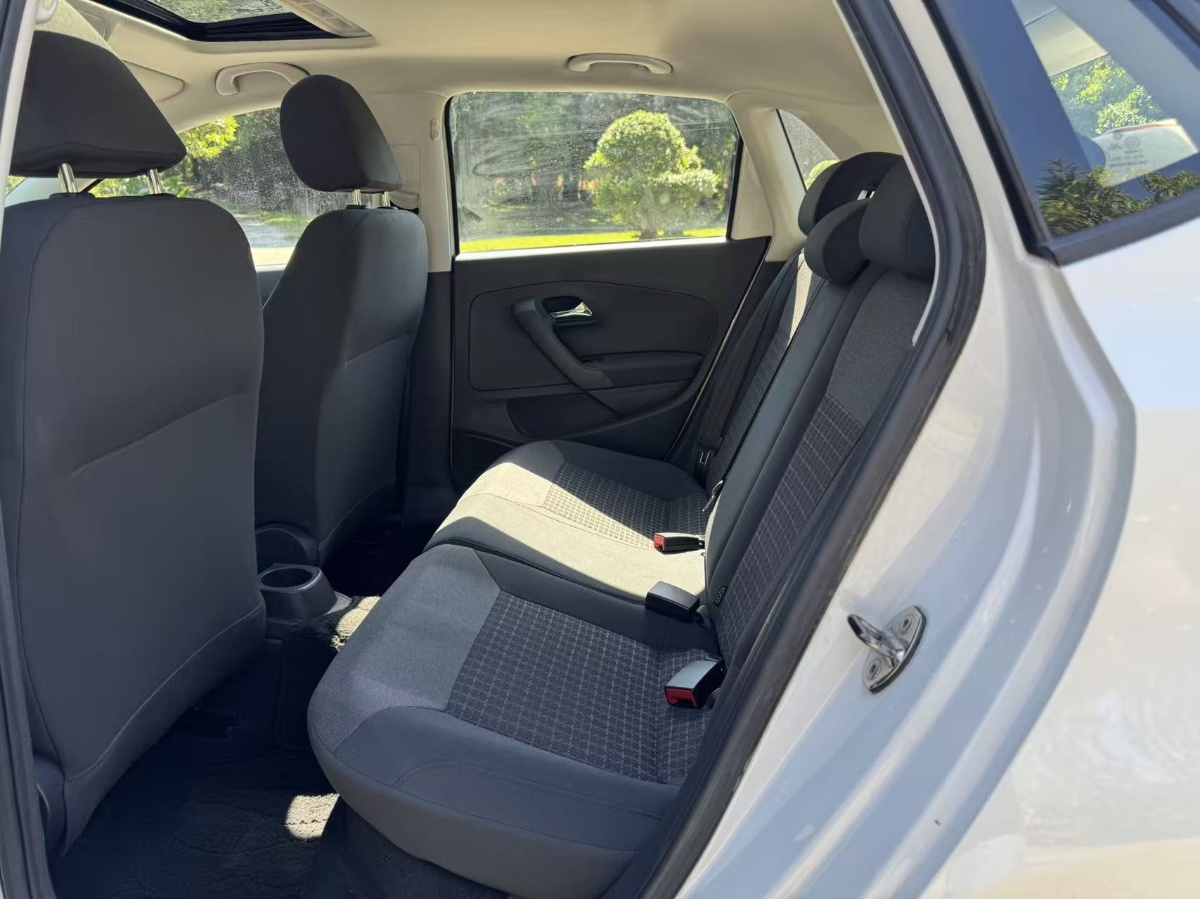
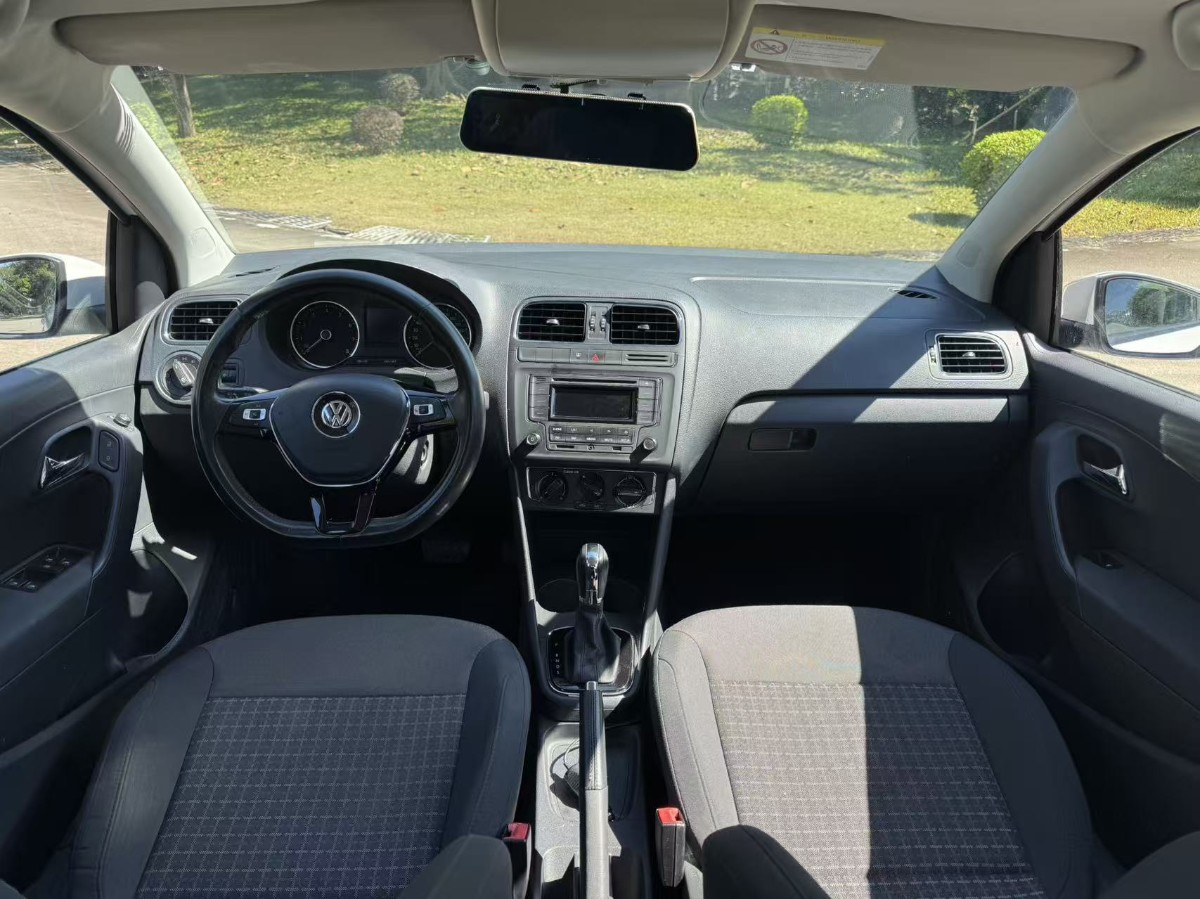
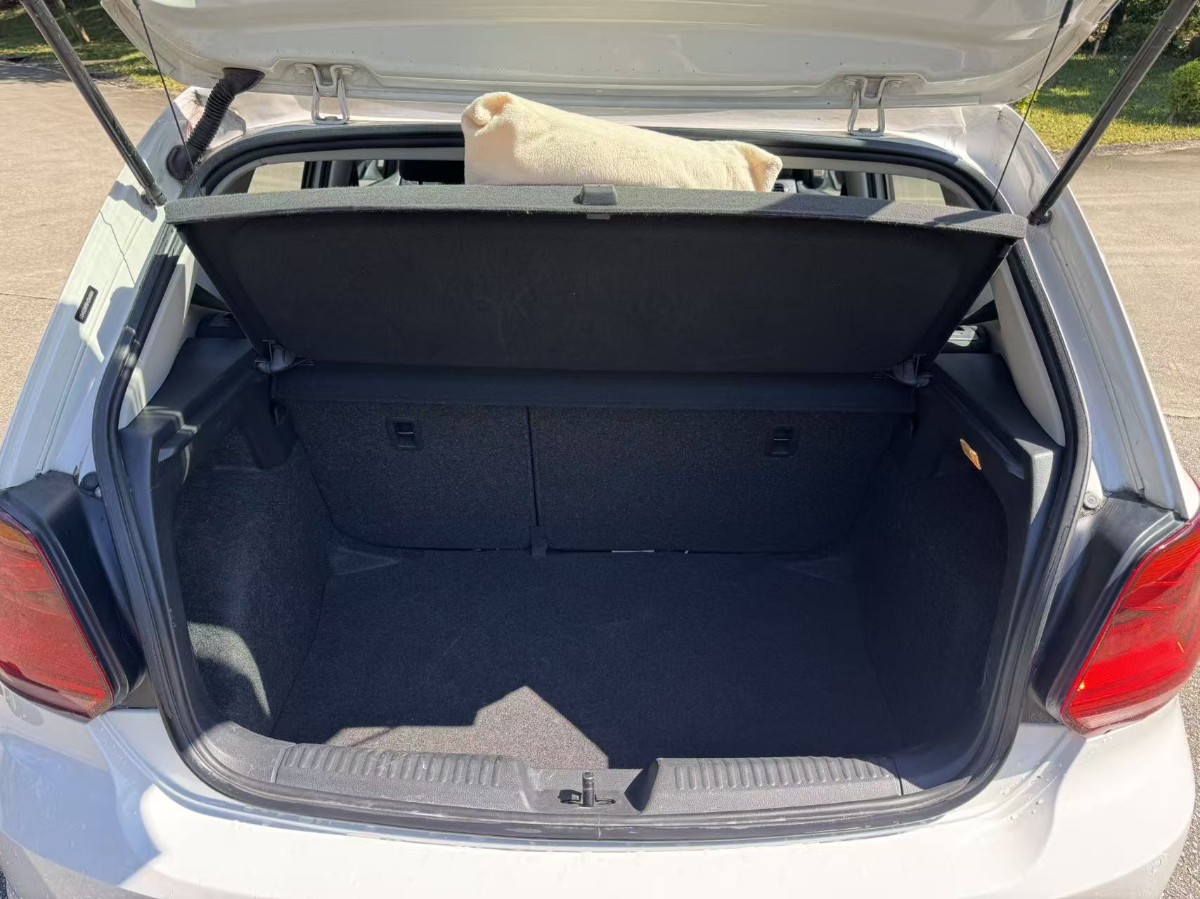
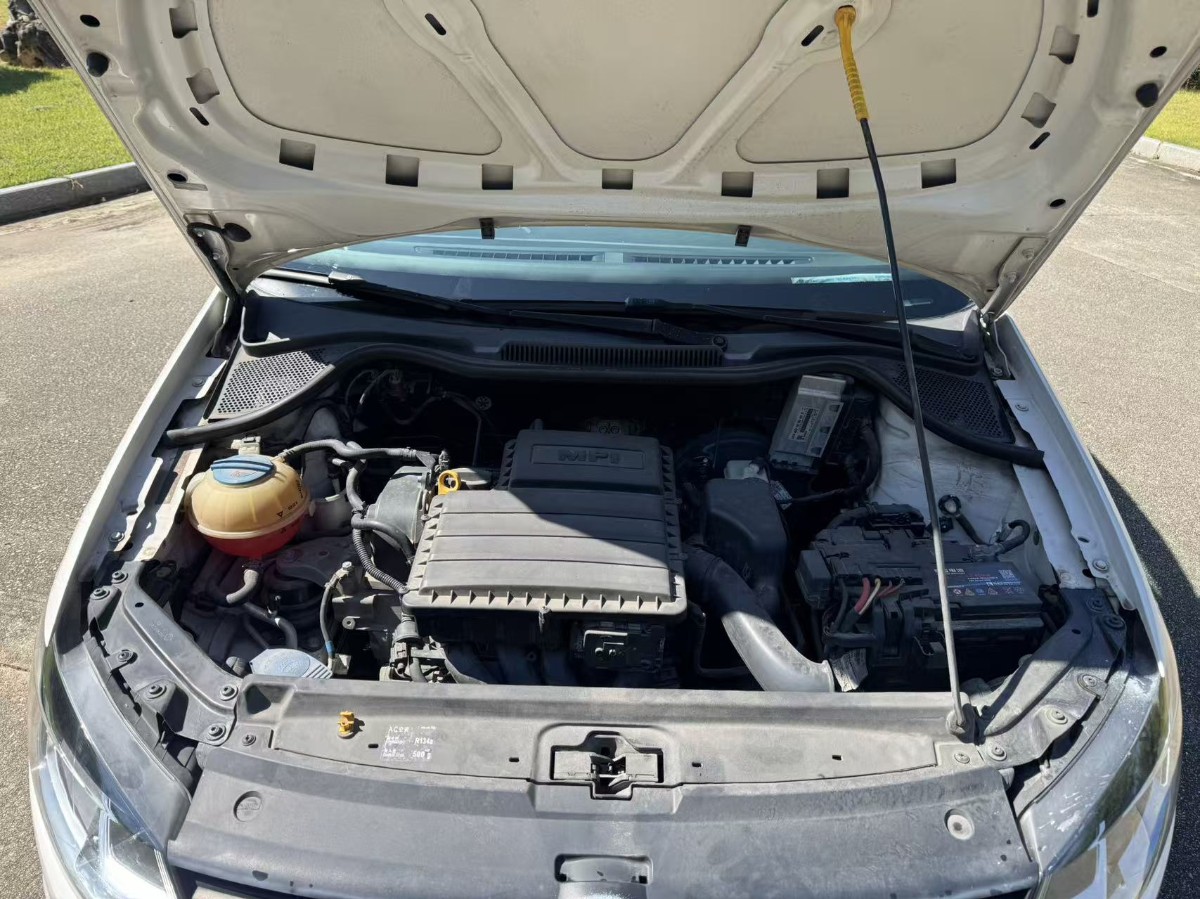
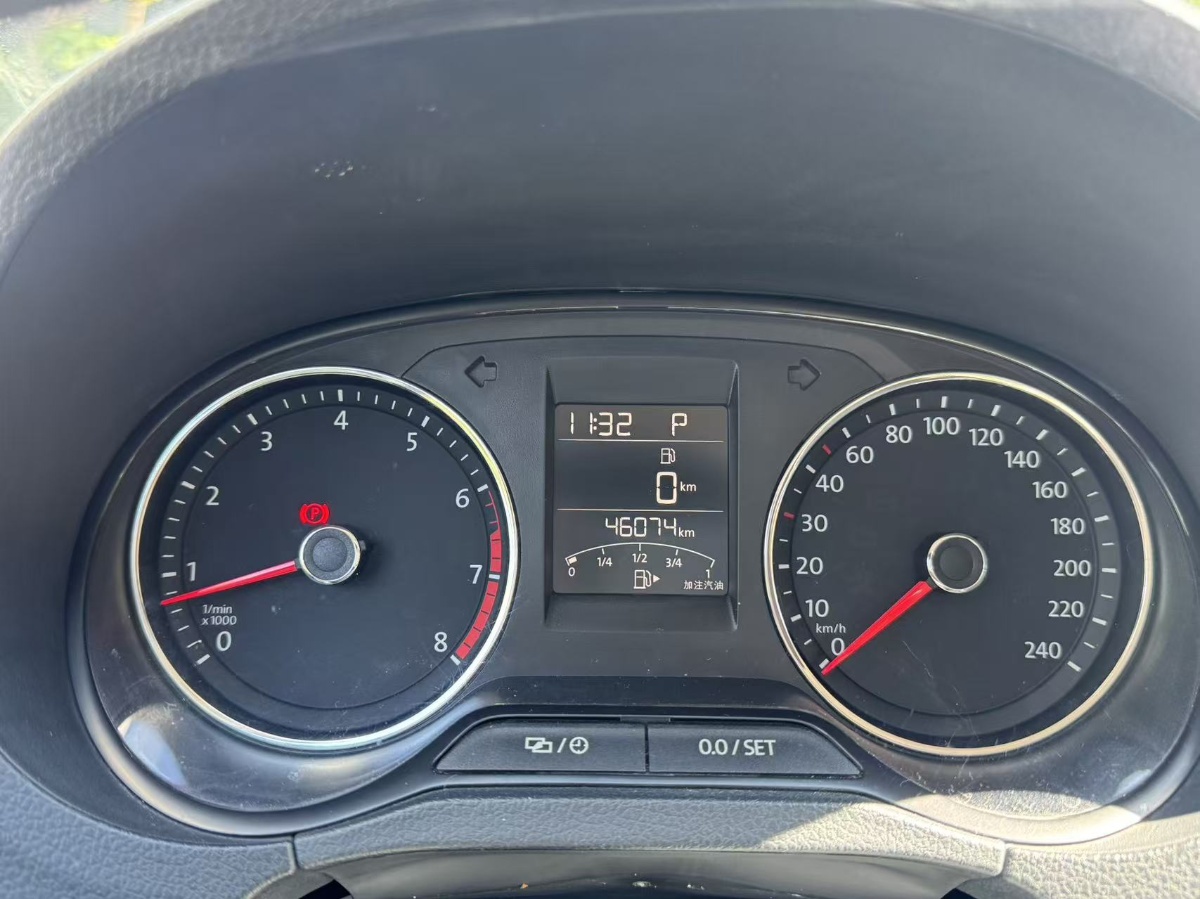
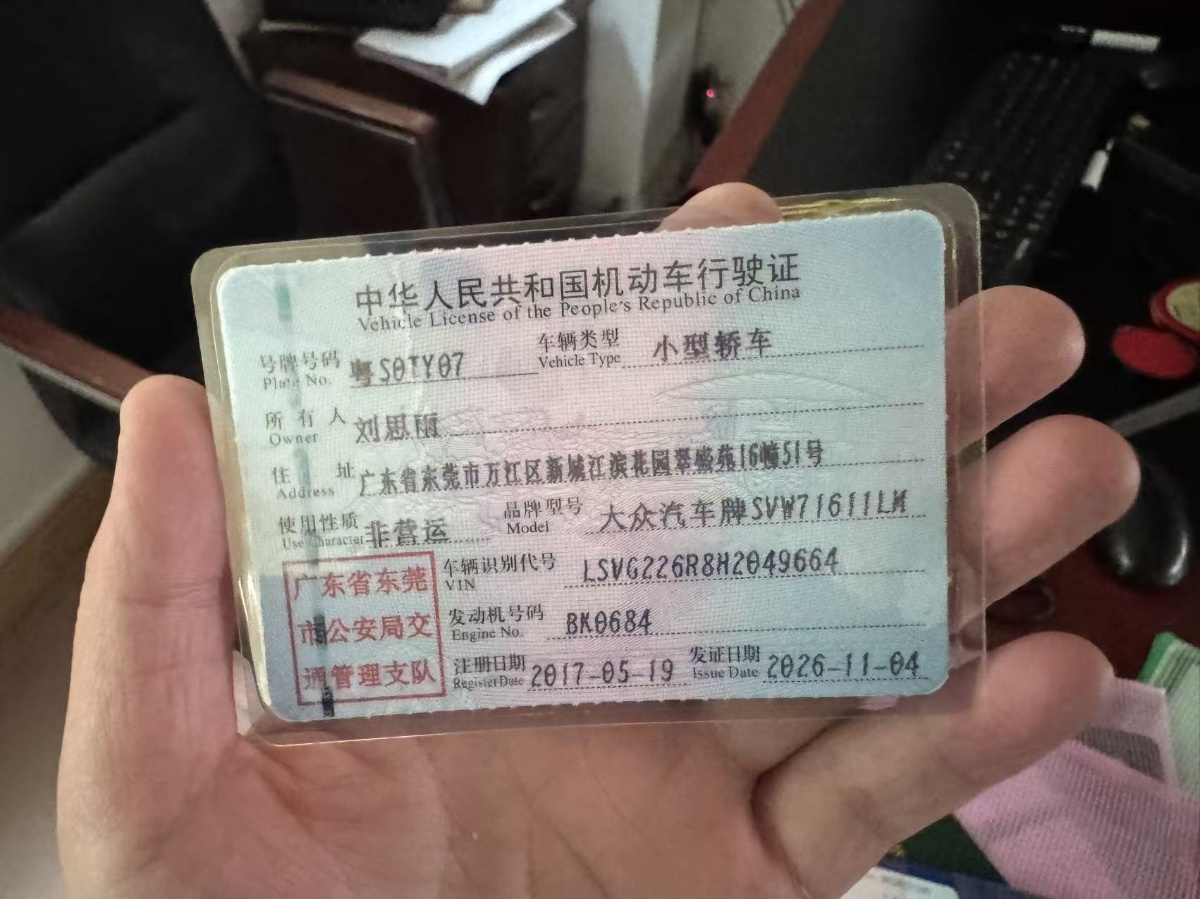



Basic Information

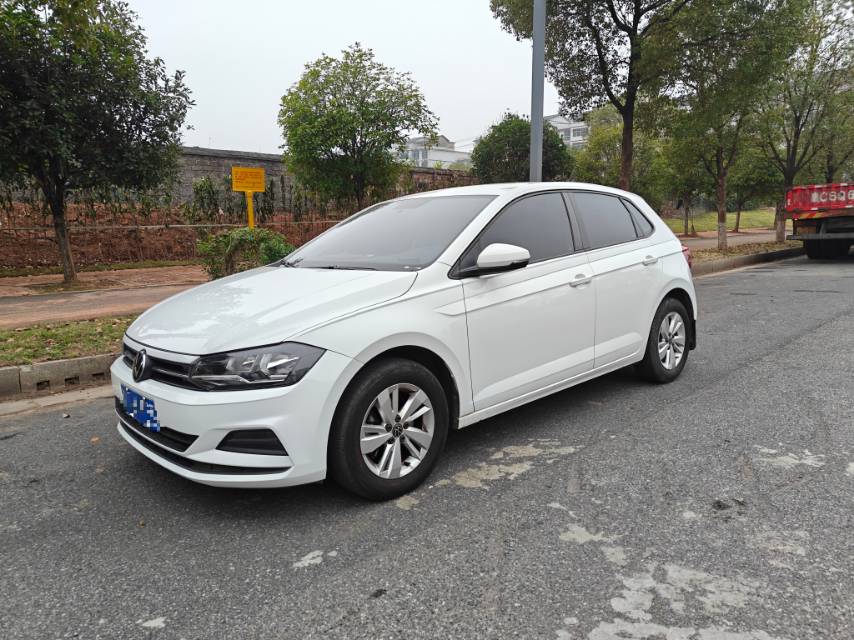
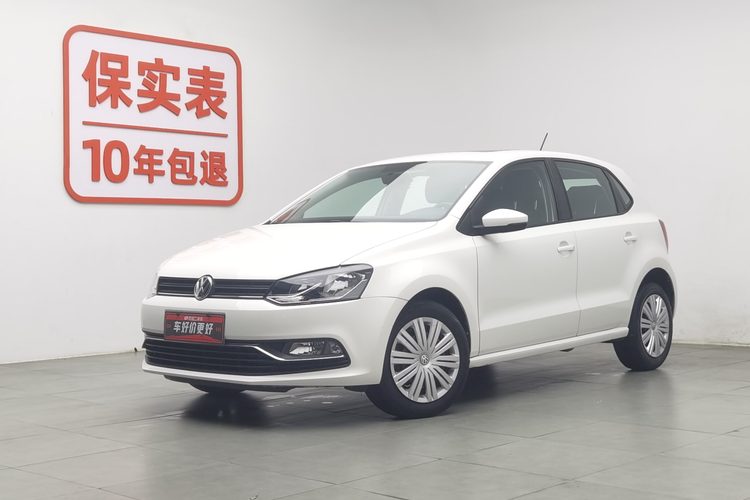
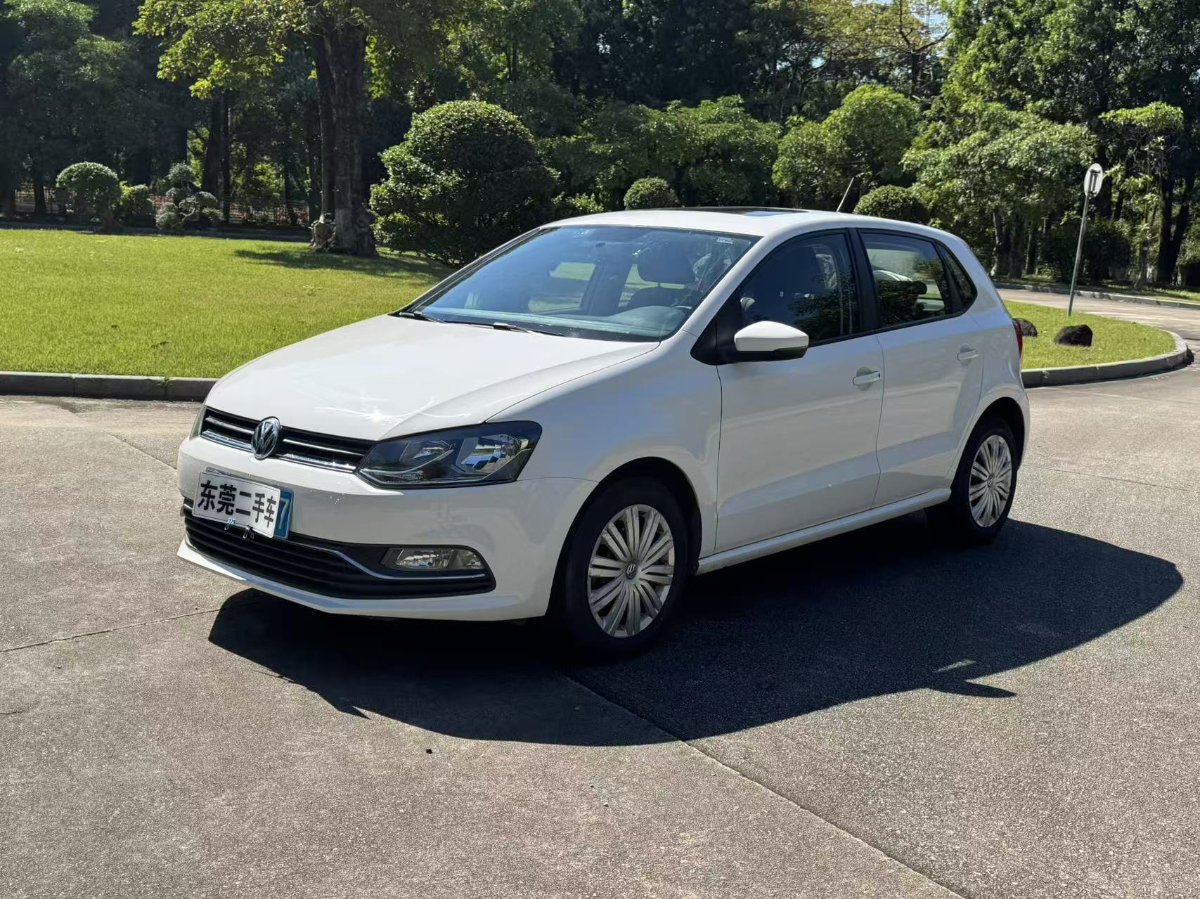
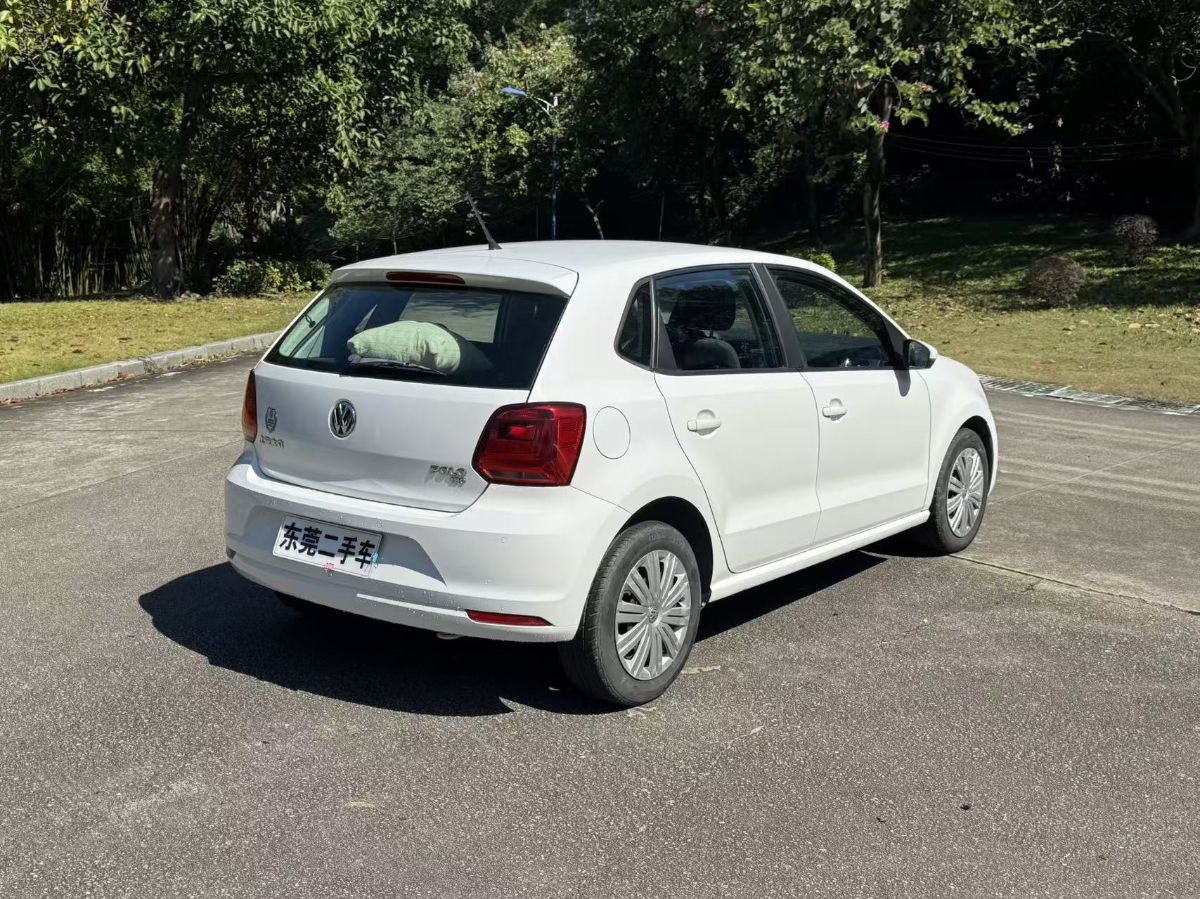
BrandVolkswagen
SeriesPolo
Year2017
First Registration2017/05
Mileage46,000km
Transfer Count1times
FuelGasoline
TransmissionAutomatic
Engine1.6L 110 L4
ColorWhite
Seats-

Condition Description

Passed Chaboshi inspection, no investment needed, premium first-owner car.

燃油车
轿车
自动
维保开放
事故开放
查验开放

Configuration Highlights

✓品牌: 大众
✓车系: Polo
✓车型: 2016款 1.6L 自动舒适型
✓车身类型: 轿车
✓座位数: 5
✓排量: 1.6L
✓变速箱: 自动
✓能源类型: 燃油车
✓VIN: LSVG226R8H2049664
✓搜索关键词: 大众Polo 2016款Polo1.6L自动舒适型

Document Information

Inspection Expiry Date2027/05
Warranty Expiry Date-
Insurance Expiry Date2027/05

Q&A

More

How can I confirm the real mileage of a used Chinese car when I'm buying from overseas?

Odometer rollback happens everywhere, so never trust the dashboard number alone. Cross-check at least three sources: 1. Maintenance records: Chinese 4S dealerships keep service logs tied to the VIN. Ask the exporter for screenshots showing recorded mileage at each visit — the numbers should rise consistently. 2. Inspection reports: China requires periodic emissions/safety inspections, and the mileage is logged at each one. The exporter can pull the car's inspection history. 3. Tire and wear clues: Compare the claimed mileage with brake pedal rubber, steering wheel shine, seat bolster wear, and the tire production dates. A car showing 30,000 km with a polished steering wheel and second set of tires is suspicious. Also check the dashboard for uneven digits or scratches around the odometer area in photos. If maintenance and inspection records roughly agree, the reading is usually trustworthy; if the seller refuses to share records, treat the mileage as unknown and negotiate accordingly.


I want to see the actual car, but I can't come to China. What should I do?

You can watch the car through live streaming or VR, or entrust a local third-party agency to inspect the car for you. Transparency about the car's condition is the foundation of trust.

If the customs of the destination country values the vehicle higher than your commercial invoice amount, leading to a surge in duties, who is responsible?

The customs of the destination country has the right to disregard the commercial invoice and reassess the value based on its internal database (such as the customs valuation red book). Any additional duties incurred are a result of the importing country's policy and are fully borne by the buyer (importer).