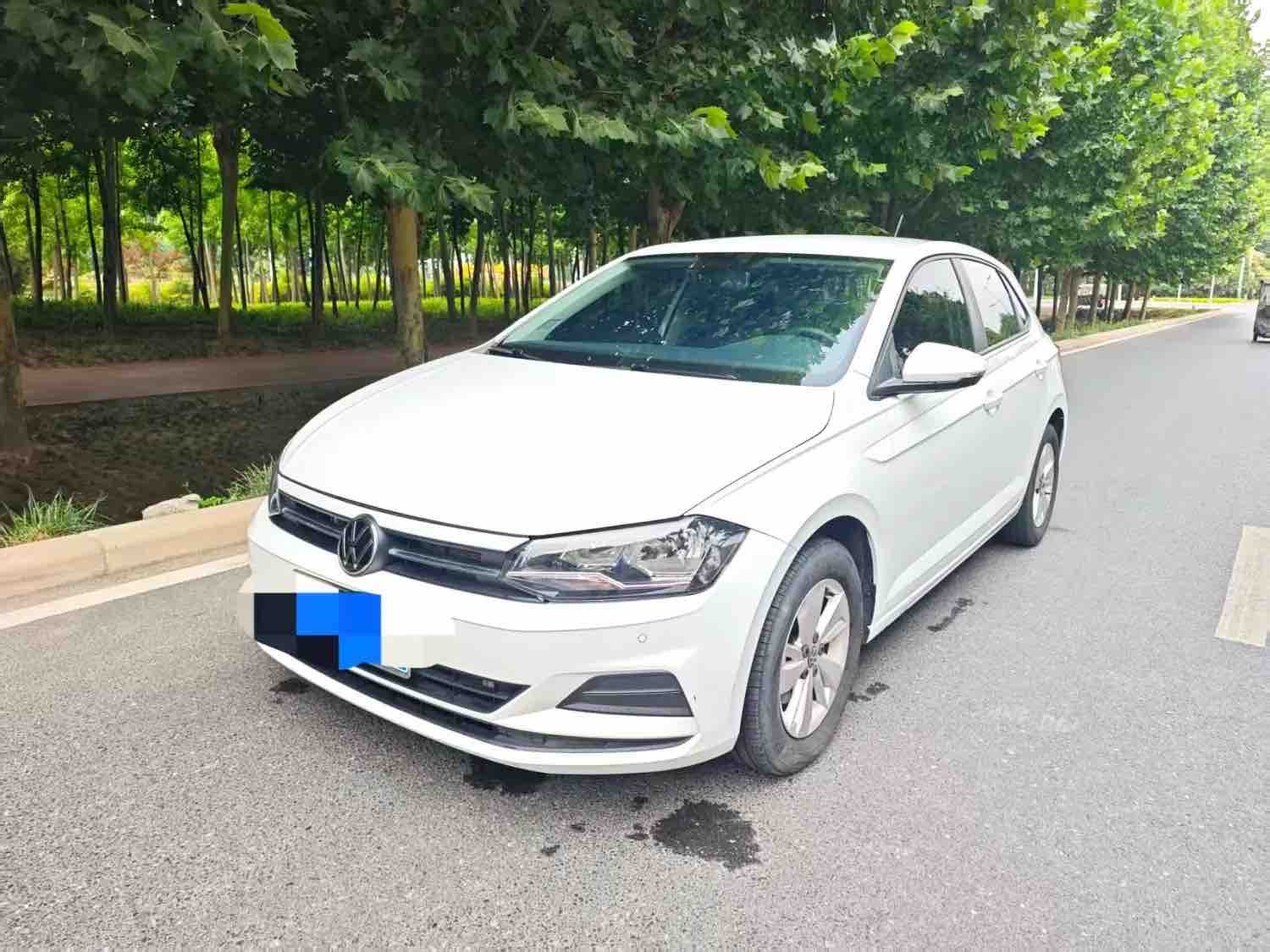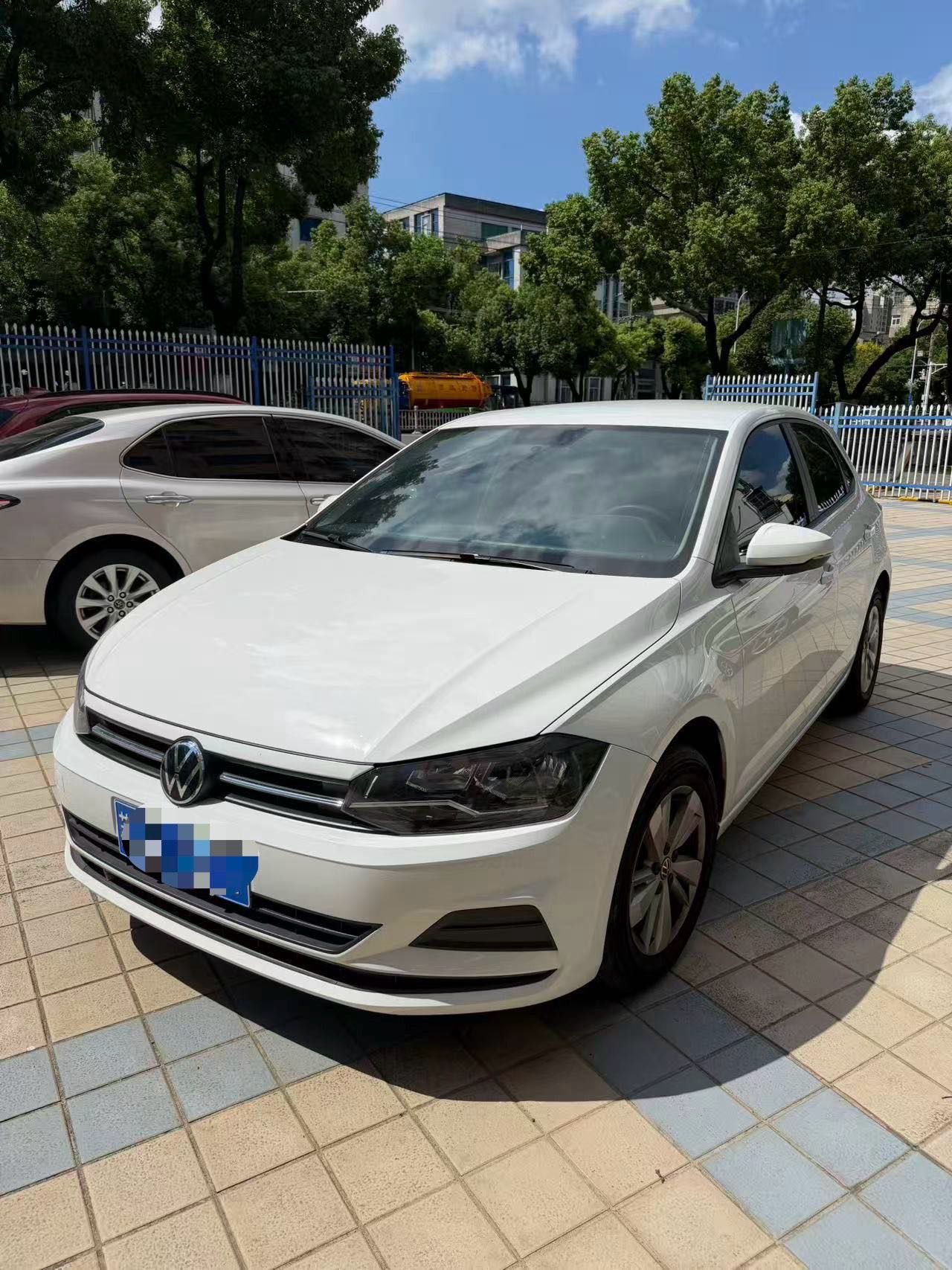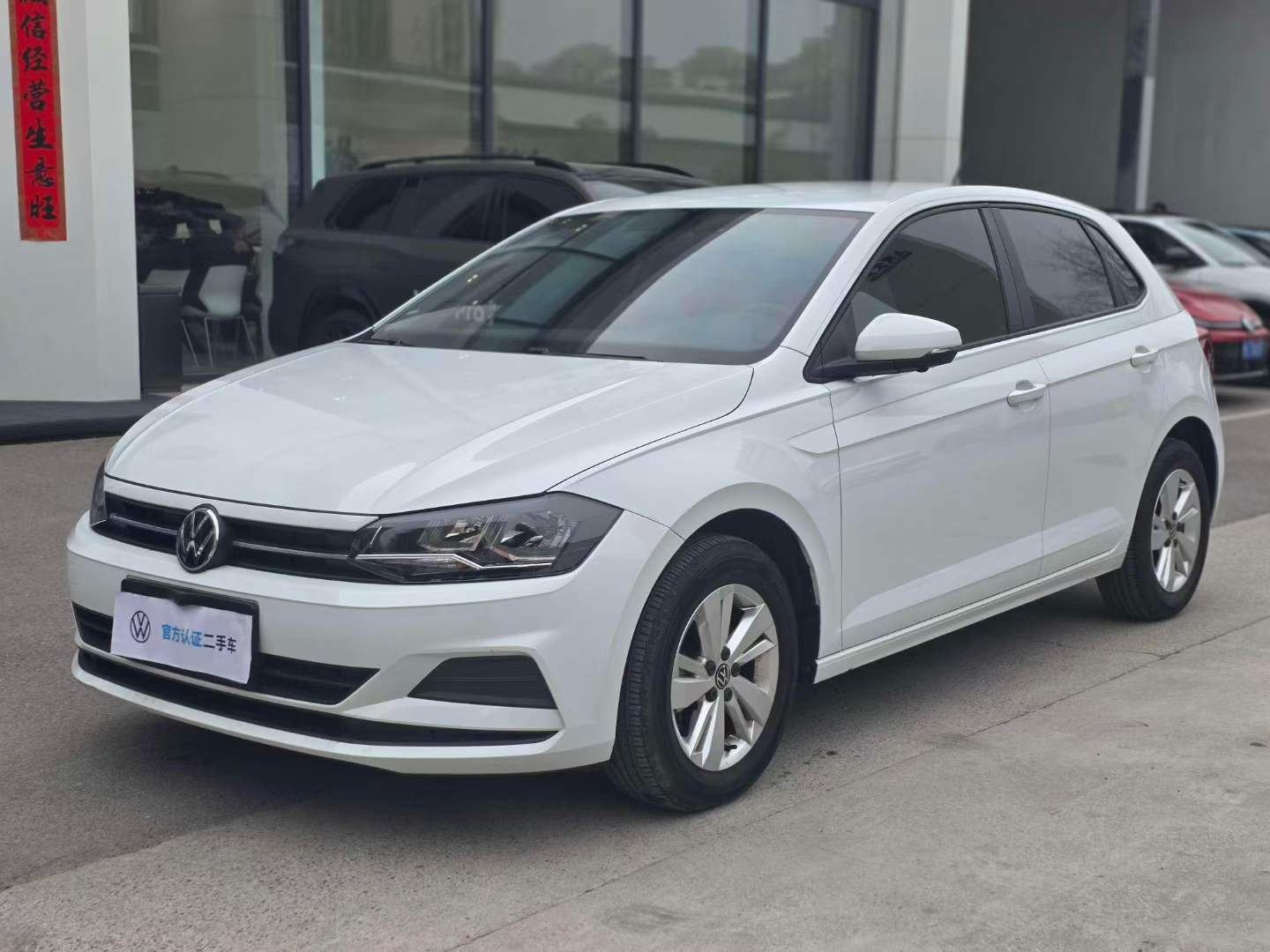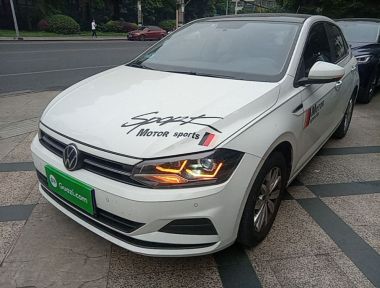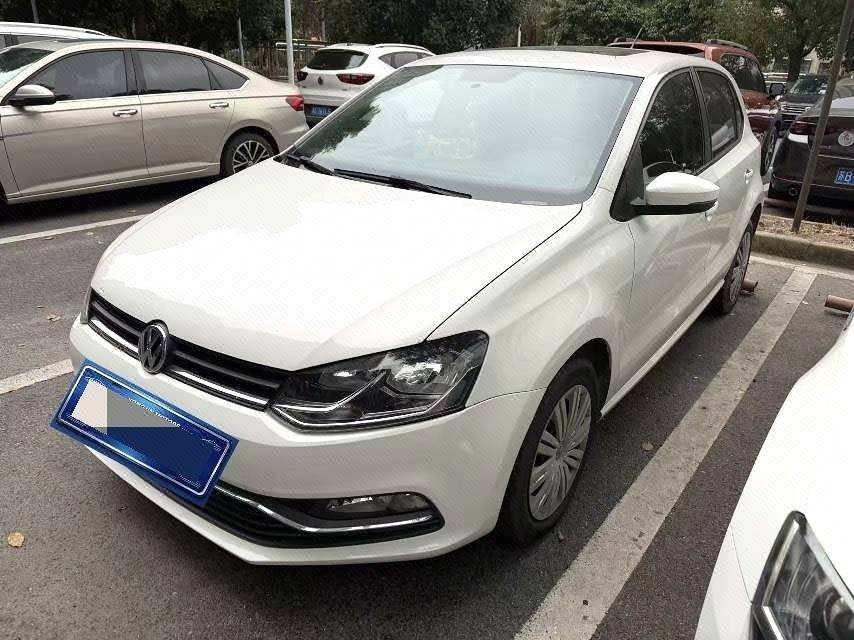



Sold

Basic Information

BrandVolkswagen
SeriesPolo
Year2017
First Registration2017/04
Mileage119,000km
Transfer Count0times
FuelGasoline
TransmissionAutomatic
Engine1.6L 110 L4
ColorWhite
Seats-

Condition Description

Registered April 2017, one private owner, actual odometer 119,000 km. Passed third-party inspection. Original body panels with three panels repainted (minor). Exterior and interior in good condition. Insurance valid until March 2027.

Document Information

Inspection Expiry Date-
Warranty Expiry Date-
Insurance Expiry Date2027/04

Q&A

More

How do I verify that a Chinese used car exporter is a legitimate registered company and not a middleman or scammer?

Start with the business license: every legitimate Chinese company has a Unified Social Credit Code. Ask for a copy and verify it on the National Enterprise Credit Information system or via your freight forwarder. Check that the business scope includes 'used car export'—this requires specific qualifications. Next, look for proof of substance: a real office or yard (verify via live video call, not pre-recorded), staff answering on Chinese business platforms like WeChat with consistent branding, and a corporate bank account in the company's name—never pay a personal account. Cross-check trade history: ask for recent shipping documents (blurred bills of lading with customer info hidden), references from buyers in your region, and whether they hold export licenses issued by Chinese commerce authorities. Red flags: prices far below market, pressure to pay quickly, refusal of video calls, or bank accounts in third countries 'for convenience'. Take your time—real exporters pass these checks easily.


How do seasonal factors—peak seasons, weather, holidays—affect shipping times and rates from China?

Timing your shipment can save both money and weeks of waiting. Several predictable patterns affect routes from China. Peak season surcharges: January through March, before Chinese New Year, exporters rush to ship, so container and RoRo space tightens and rates rise 20-50%. Book at least 3-4 weeks ahead during this window. After the holiday (usually February), factories and ports restart gradually, causing 2-3 weeks of backlog. Weather effects: Typhoon season (July-September) can delay departures from southern Chinese ports like Shenzhen and Guangzhou. Winter fog and ice affect northern ports like Dalian and Tianjin, slowing loading operations. Destination-side factors: Monsoon seasons can slow port operations in South and Southeast Asia. Holiday periods at destination (e.g., Ramadan in the Gulf, year-end holidays elsewhere) reduce customs staffing and extend clearance times. Practical advice: ask your forwarder for rate calendars, avoid booking right before major Chinese holidays, and build 1-2 weeks of buffer into delivery promises to your customers. Flexible departure ports (Shanghai vs. Ningbo vs. Shenzhen) can also help you find available space.

Where can I find spare parts for my imported used Chinese car, and which parts should I stock in advance?

Start with three sources: 1) The exporter you bought from — most can ship parts with new orders; 2) Cross-border platforms like Alibaba for OEM and aftermarket parts; 3) Local specialists — many Chinese brands share parts across models, so a mechanic experienced with any Chinese brand can usually help. Before importing, stock the wear items that are slow to arrive: air filters, oil filters, brake pads, wiper blades, the correct 12V battery, and for EVs, cabin filters and tire repair kits. Keep the VIN handy — parts catalogs are VIN-based, and giving suppliers the VIN avoids wrong orders. For body panels and lights, order them together with the car or as soon as damage occurs, since lead times of 4-8 weeks are common.