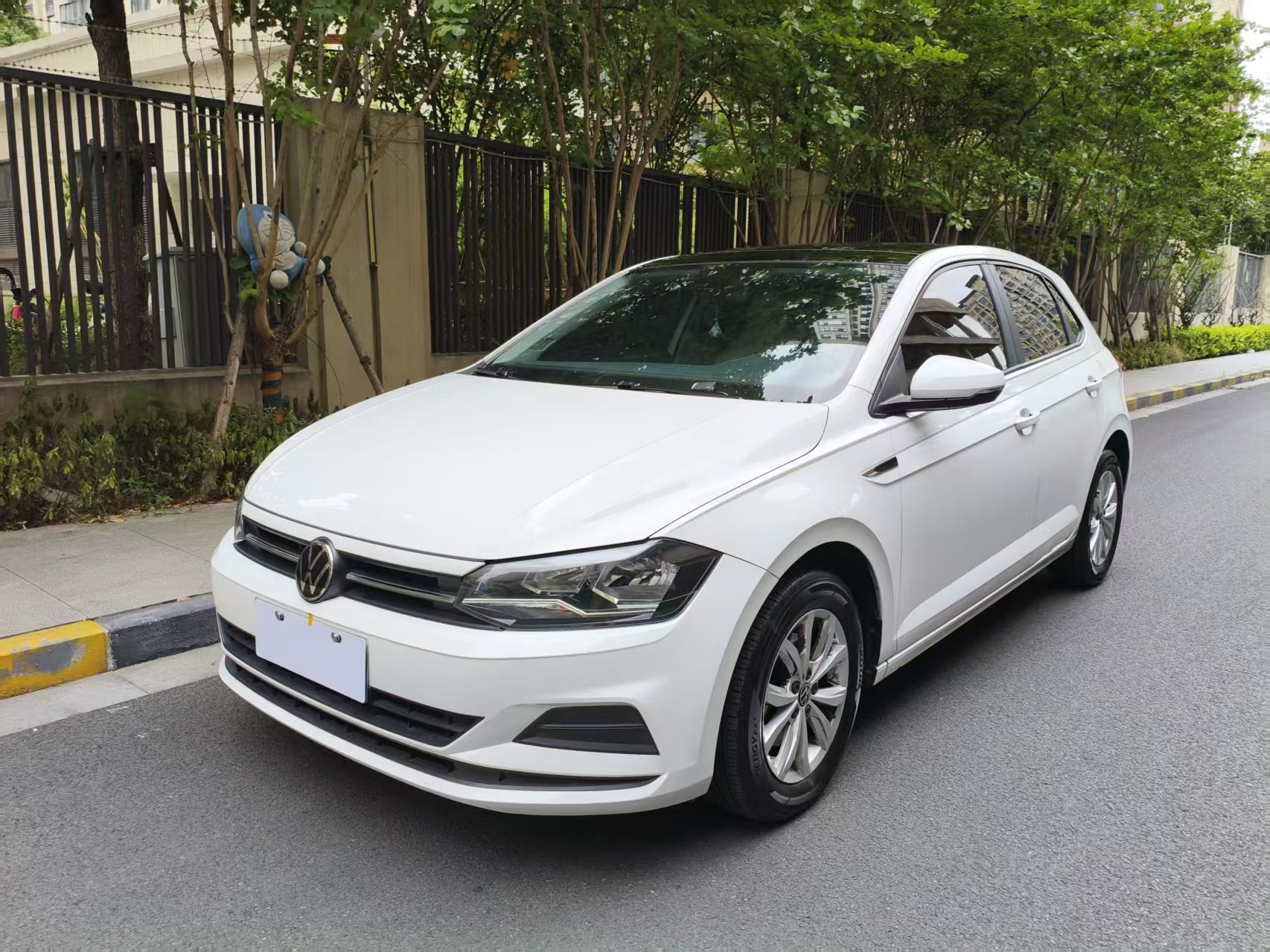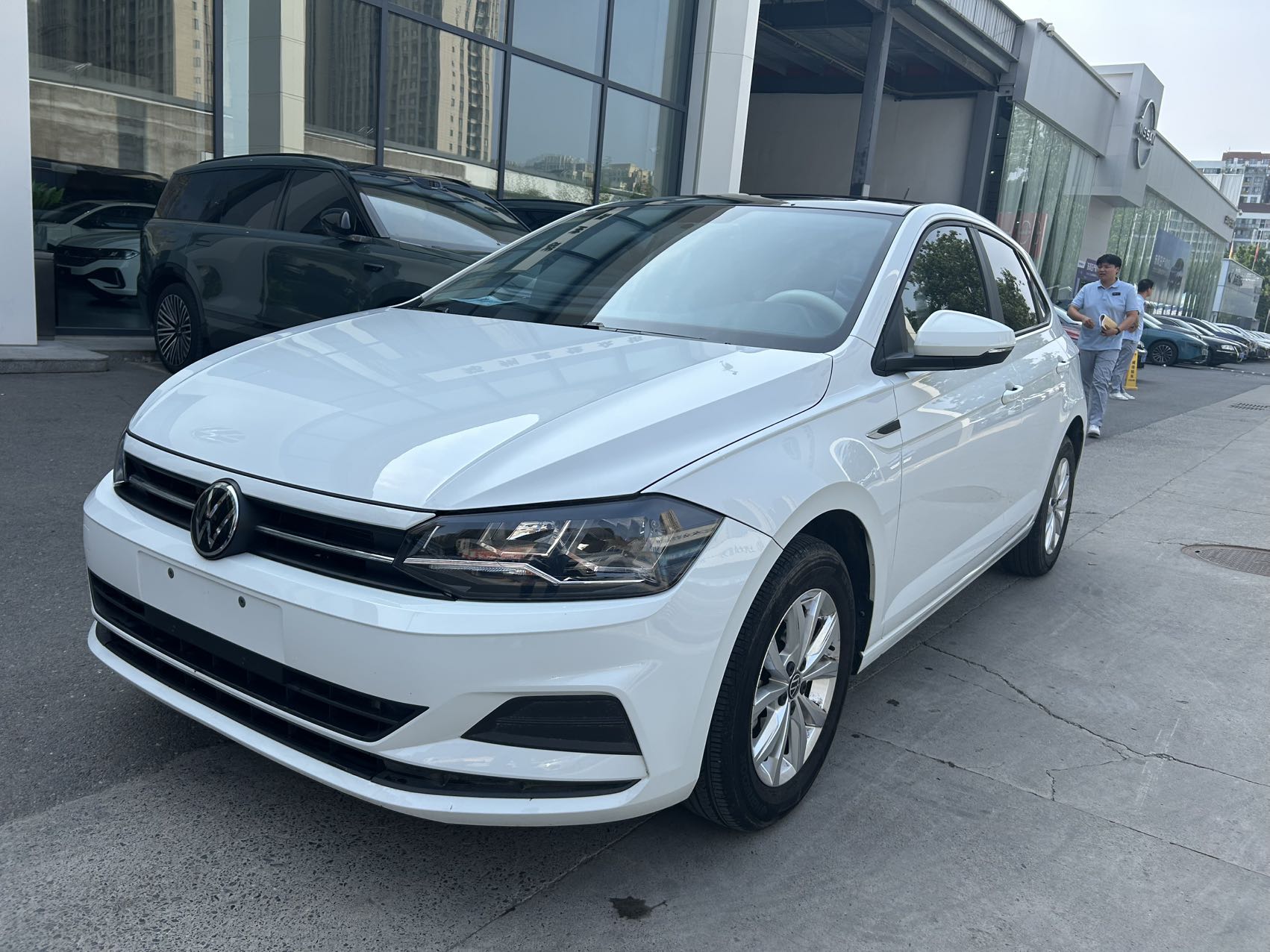
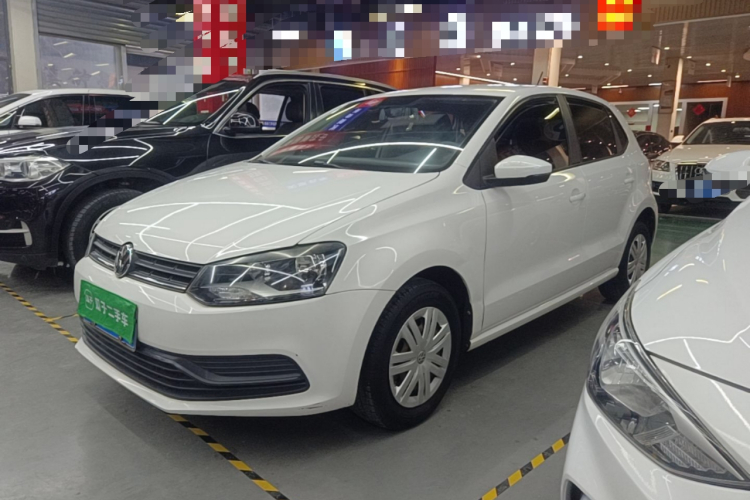
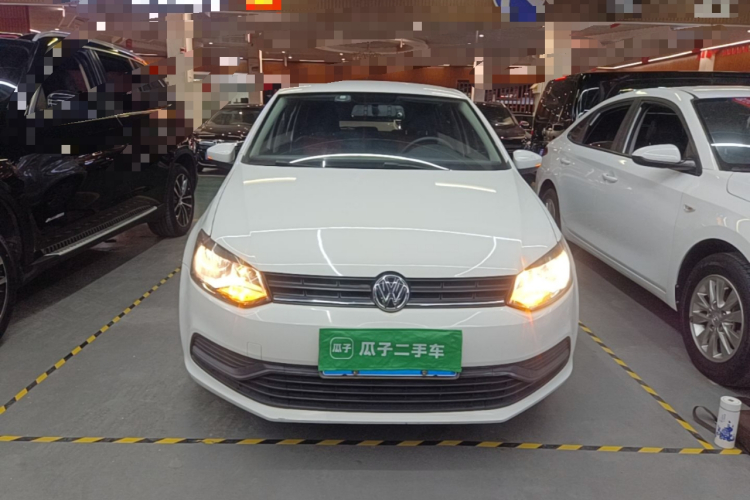
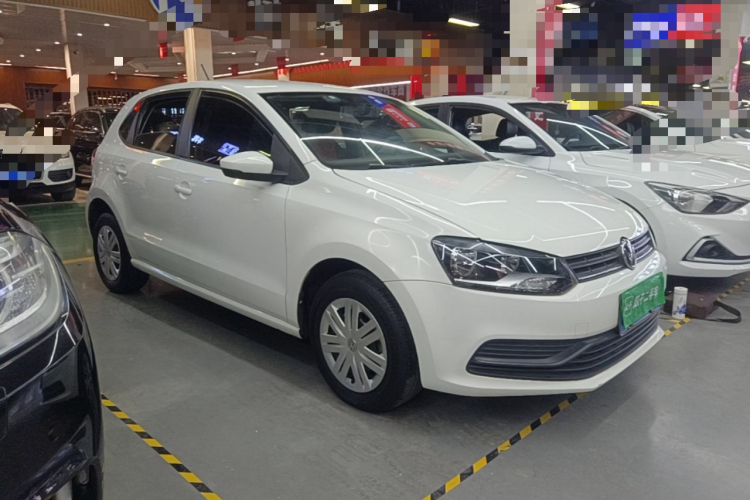
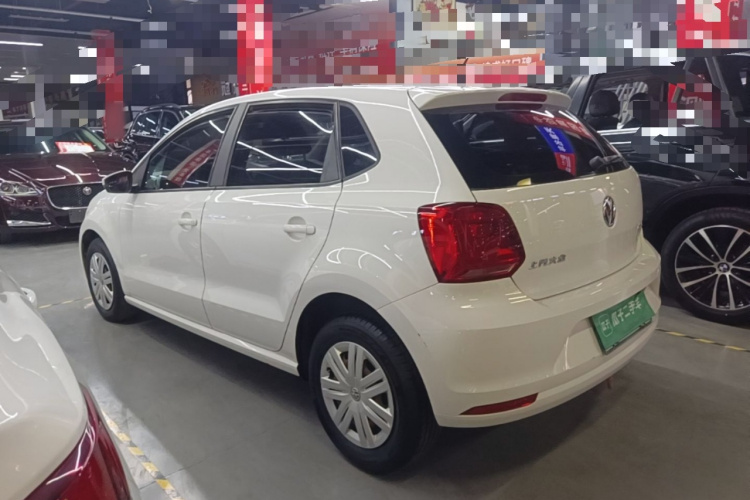
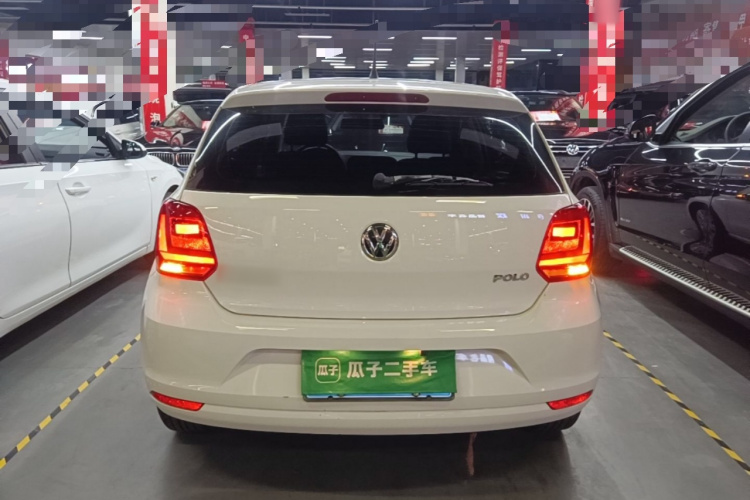
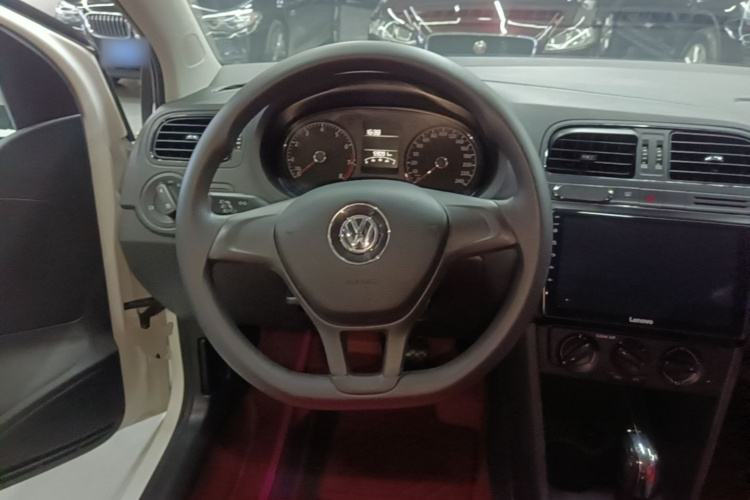
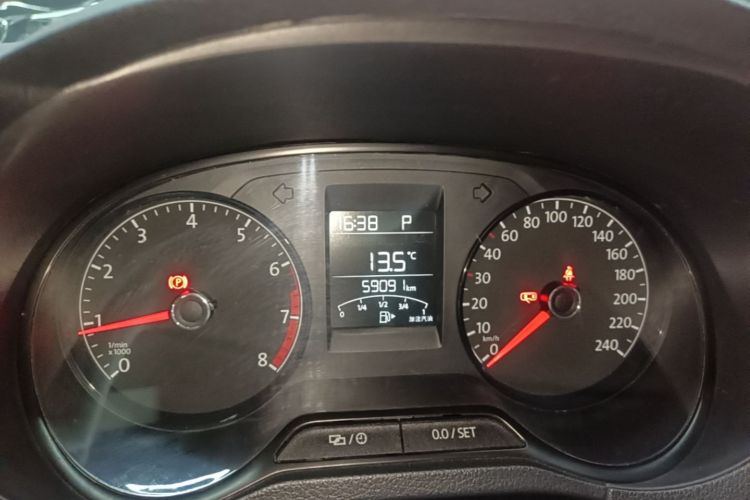
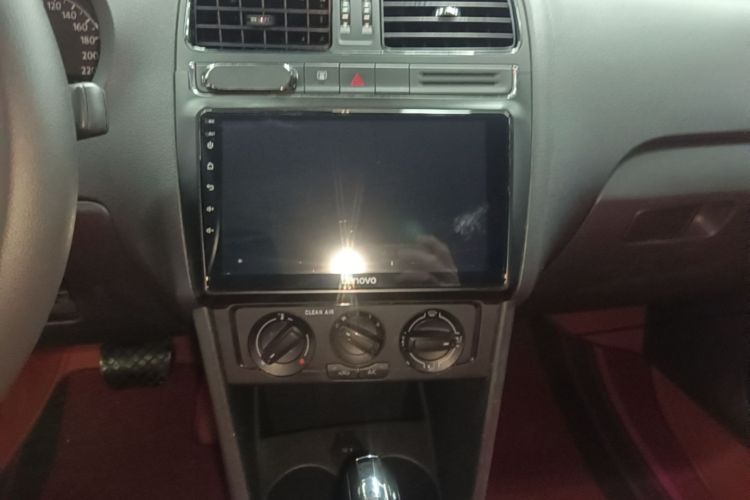
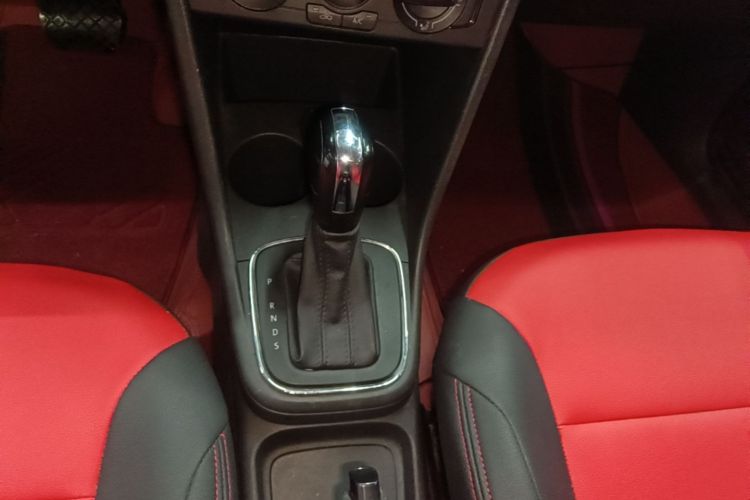




48H

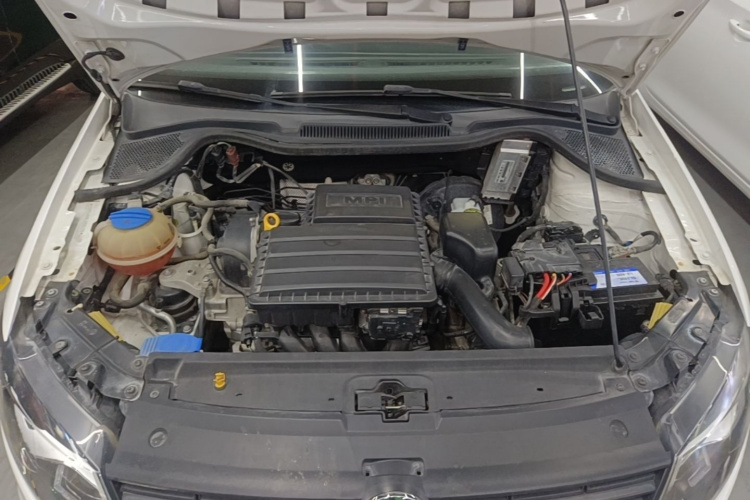
Basic Information

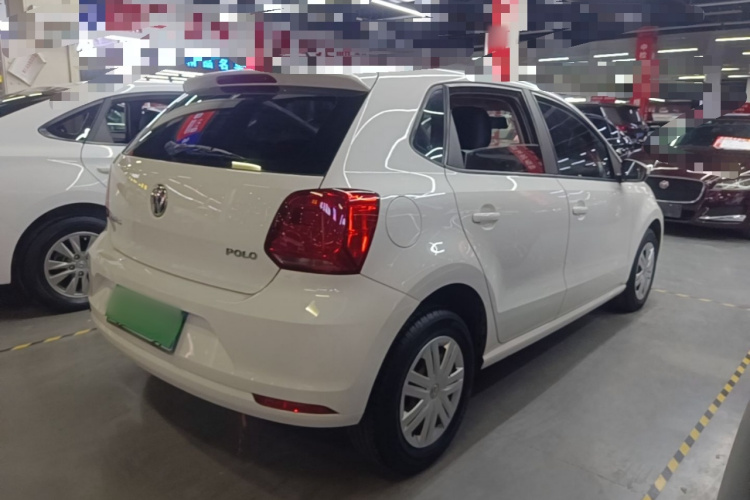
BrandVolkswagen
SeriesPolo
Year2018
First Registration2018/03
Mileage59,100km
Transfer Count1times
FuelGasoline
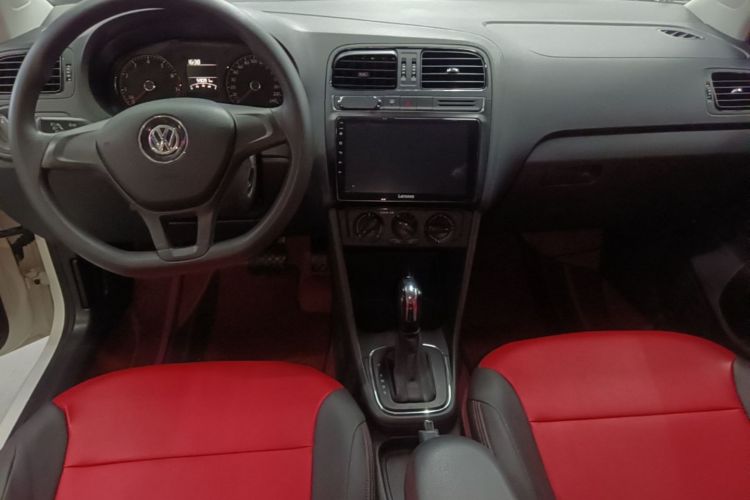
TransmissionAutomatic
Engine1.4L 90 L4
Color
Seats-

Condition Description

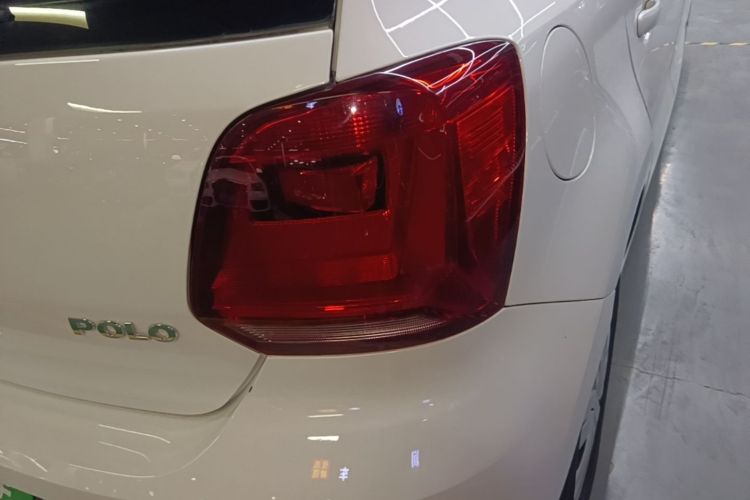
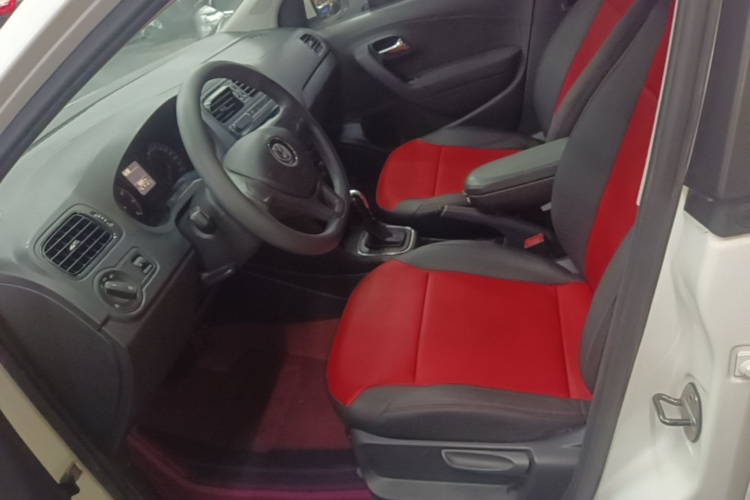
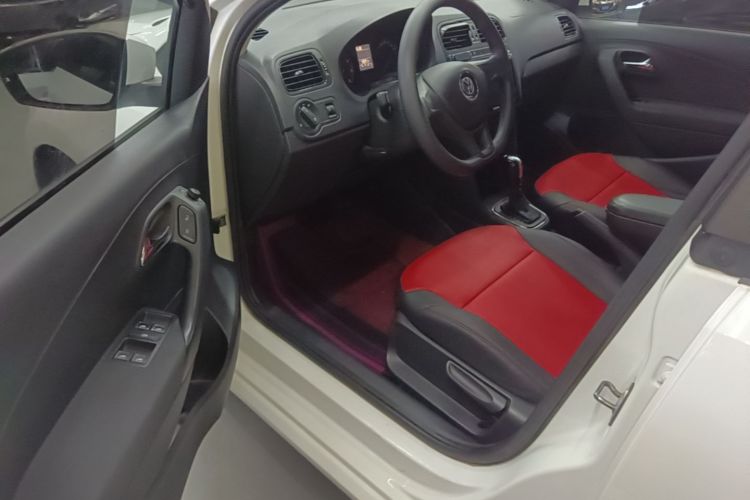
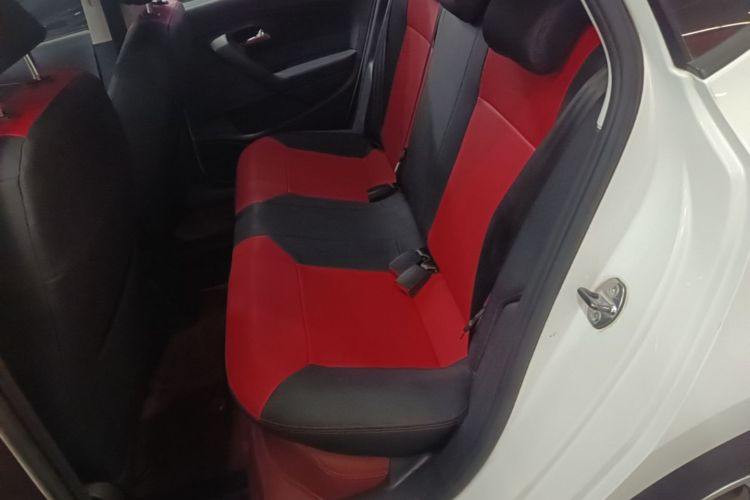
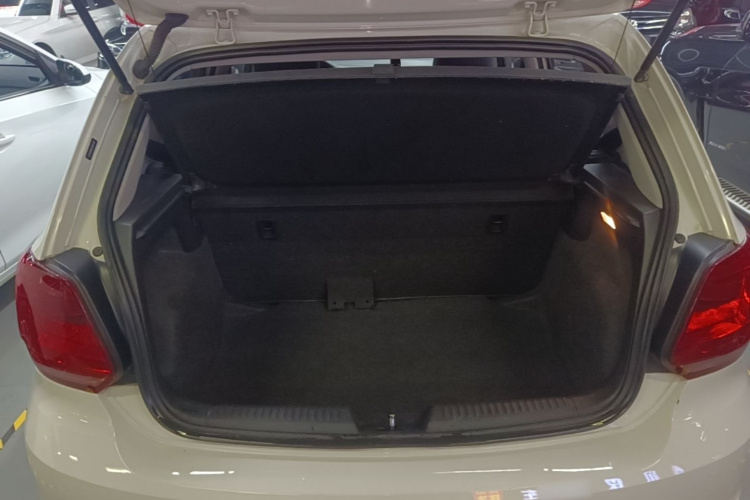
Basic condition meets standard | 1 insurance claim | 1 transfer of ownership

Q&A

More

What is a Certificate of Origin and do I need one to import a used car from China?

A Certificate of Origin (CO) is an official document stating where the vehicle was manufactured. For imports from China, it matters more than many buyers expect. First, customs value: many countries apply duty rates based on the country of manufacture, not where you bought the car. A CO proves the vehicle is Chinese-built, which determines the correct tariff line—skipping it can mean reassessment, fines, or seizure at destination. Second, trade agreements: some countries have preferential tariffs for Chinese goods that only apply with a valid CO. Request a CO issued by the China Council for the Promotion of International Trade (CCPIT) or China Customs, not a self-printed form. Check that the VIN, engine number, and buyer details match your purchase documents exactly. Make receiving the CO a condition before your final payment, and keep the original—customs at destination will ask for it.


Is a four-wheel alignment or dynamic balance test done before the vehicle is sent to the port?

It's not mandatory. Four-wheel alignment and dynamic balance are part of routine maintenance. During long-distance towing and sea transport, the suspension may experience slight changes in stress. We recommend that buyers perform a four-wheel alignment locally after picking up the vehicle at the destination port and replacing tires suitable for local road conditions.

How long is your quotation valid? What is the basis for re-quoting after it expires?

Our FOB vehicle quotes are typically valid for 72 hours (as domestic retail vehicle sources can be sold at any time); sea freight quotes are valid for 7 to 14 days (depending on shipping line changes). After expiration, prices need to be recalculated based on real-time exchange rates and domestic procurement conditions.