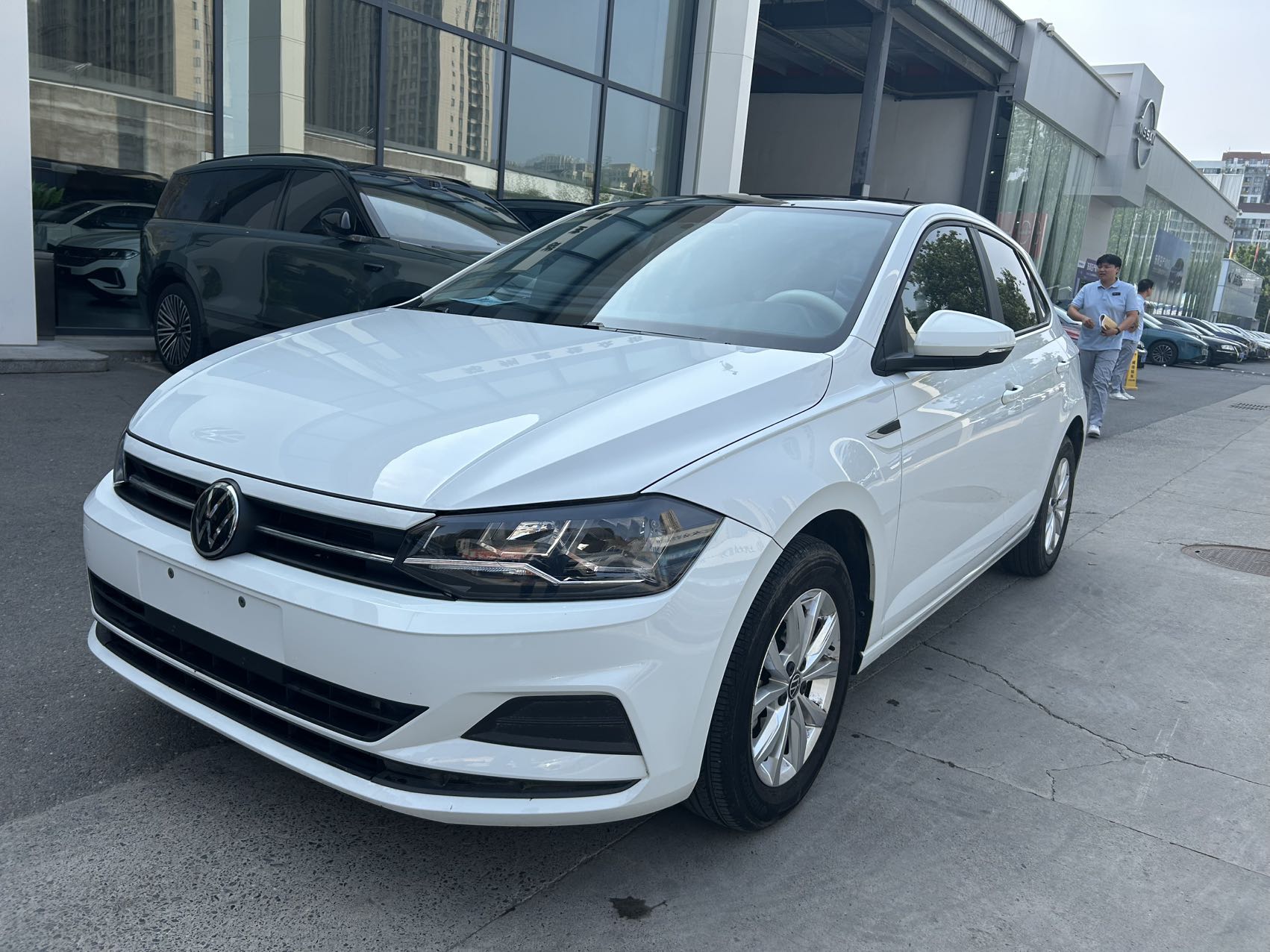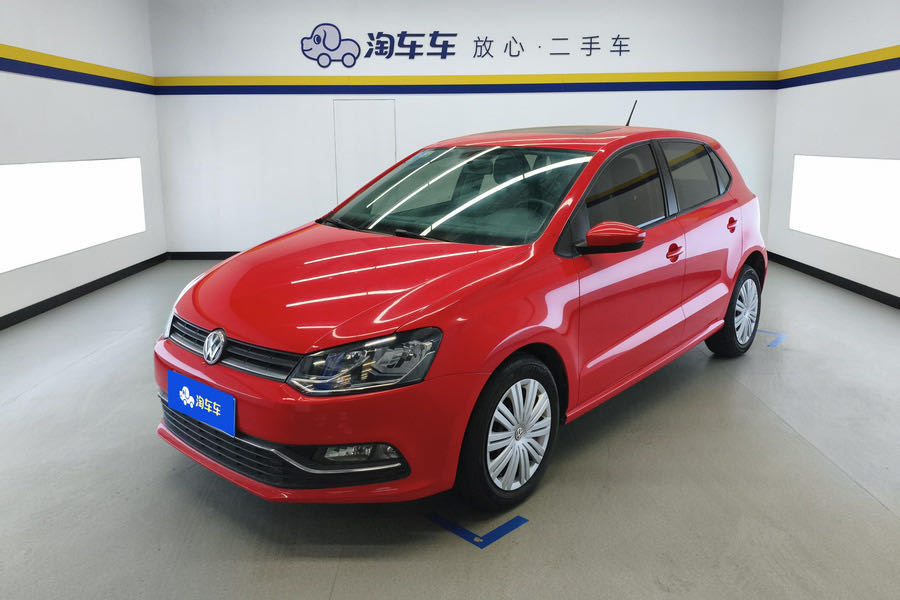
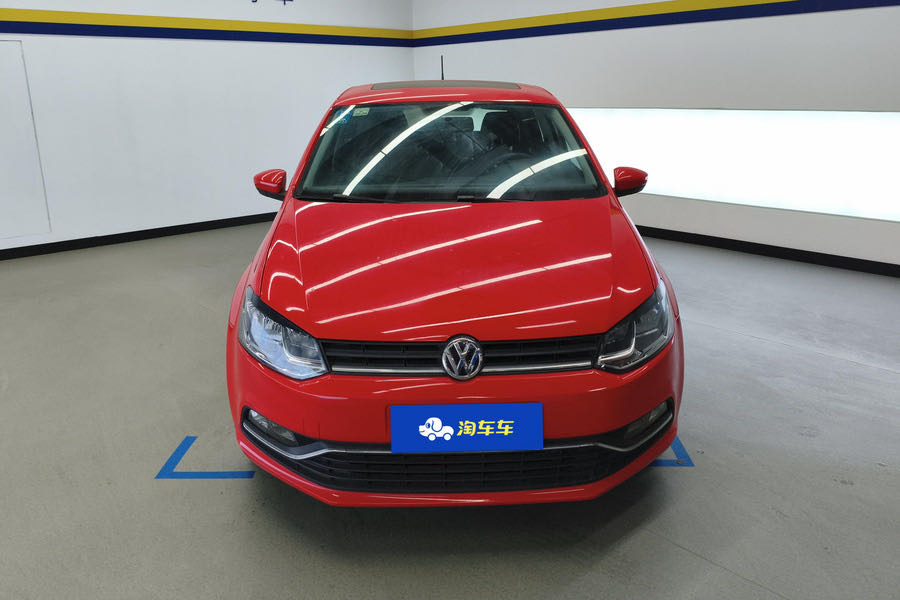
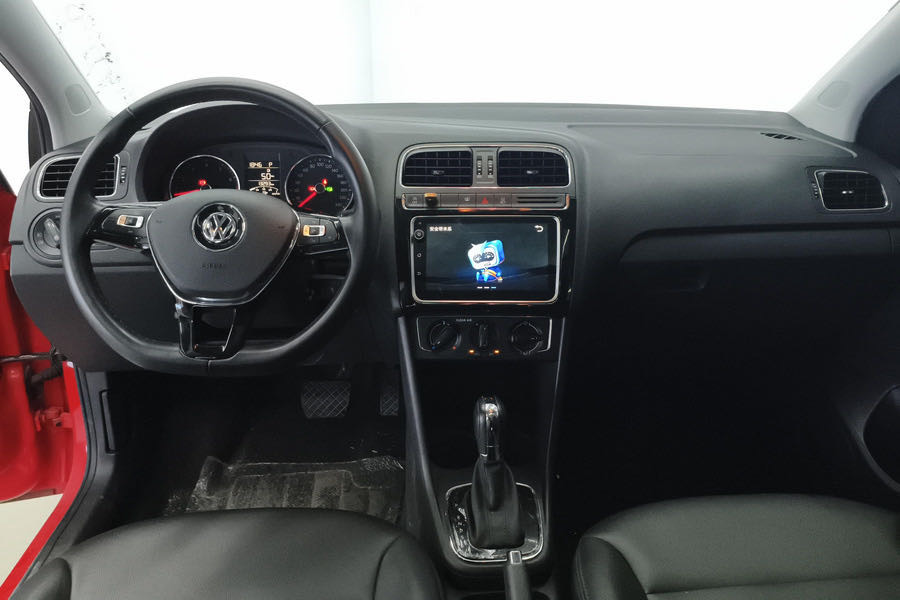
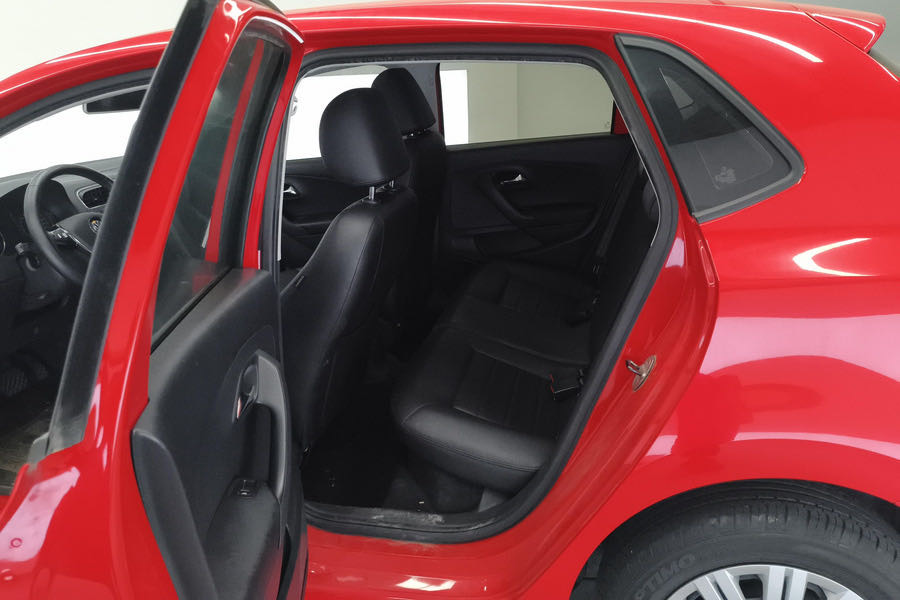
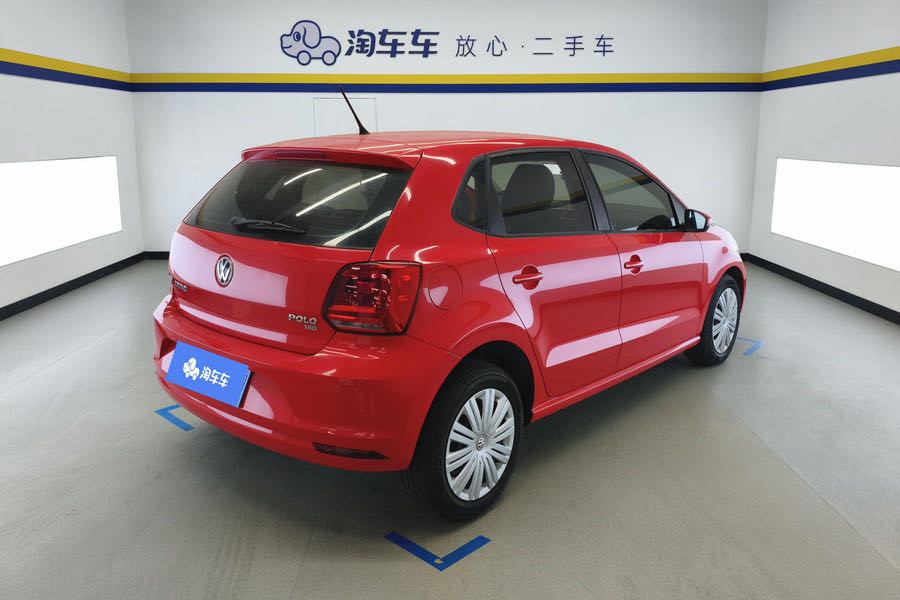
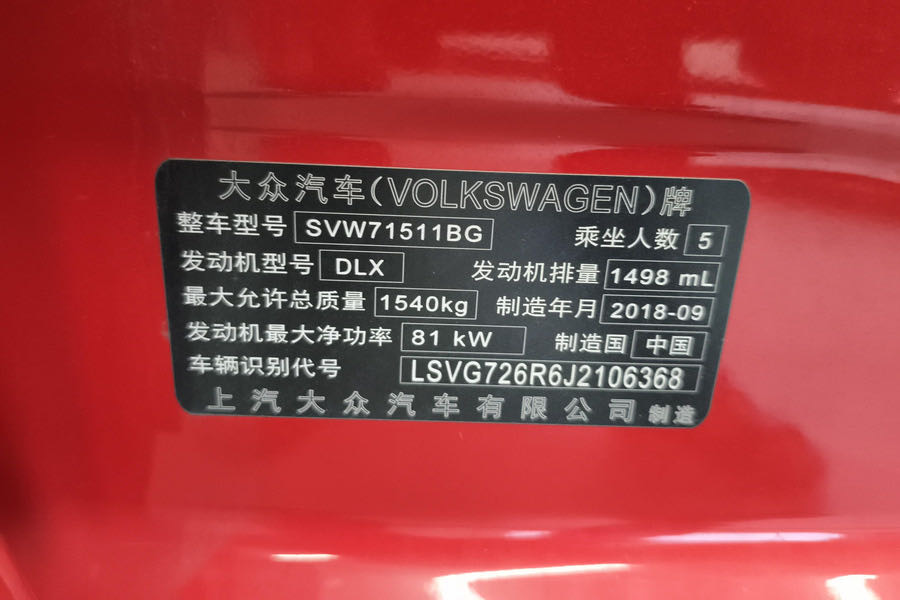



Basic Information

BrandVolkswagen
SeriesPolo
Year2018
First Registration2018/10
Mileage13,000km
Transfer Count1times
FuelGasoline
TransmissionAutomatic
Engine1.5L 110 L4
ColorRed
Seats-

Condition Description

燃油车
轿车
自动
维保开放
事故开放
查验开放

Configuration Highlights

✓品牌: 大众
✓车系: Polo
✓车型: 2018款 1.5L 自动安享型
✓车身类型: 轿车
✓座位数: 5
✓排量: 1.5L
✓变速箱: 自动
✓能源类型: 燃油车
✓VIN: LSVG726R6J2106368
✓搜索关键词: 大众Polo 2018款Polo1.5L自动安享型

Document Information

Inspection Expiry Date2028/10
Warranty Expiry Date-
Insurance Expiry Date2026/10

Q&A

More

How can I make sure a used car from China has a clean title and no outstanding loan or lien?

Start by asking the seller for a photo of the full vehicle registration certificate. Check that the registered owner matches the seller's company name. Any change of ownership should appear with a transfer stamp and date. Second, request a lien check. In China, vehicle mortgages are registered with the vehicle management office. A clean certificate shows no mortgage registration; if one exists, the car cannot be legally exported until the loan is settled and the lien released. Third, verify there are no unpaid traffic fines and no gaps in compulsory insurance, since these can block export clearance. Ask the platform to include a title verification step in the transaction flow, and only pay the balance after the title transfer to the export company is confirmed.


Will you replace the built-in dashcam storage card for free if it is damaged?

If the system reports "storage card error," we will consider it as damage or loss of the original owner's personal items, and the platform will not provide a new high-speed TF card for free; the buyer must purchase a replacement after arriving at the port.

How can I check the body and paint quality of a used car from China to spot hidden accident repairs?

Ask the exporter for a paint thickness gauge report, or request a live video where they measure the car in front of you. What to look for: · Factory paint on most Chinese cars measures 80–120 microns. Readings above 150–200 microns on a panel usually mean repainting; above 300 microns often means body filler (putty) underneath. · Inconsistent readings between panels (e.g., left door 95µm, right door 180µm) suggest the right side was repaired. · Check gaps between panels (doors, hood, trunk). Uneven gaps or misaligned headlights/bumper clips point to past collision repairs. · Look for overspray on rubber seals, plastic trim, or inside door jambs — a clear sign of repainting. · Check bolt heads on fenders, doors, and hood. Wrench marks or fresh paint over bolts mean the panel was removed. Combine these checks with an OBD scan for airbag or crash-related fault codes. Any repainting should be declared by the seller; if discovered undeclared, you have grounds to renegotiate or reject the car.