


48H

Basic Information

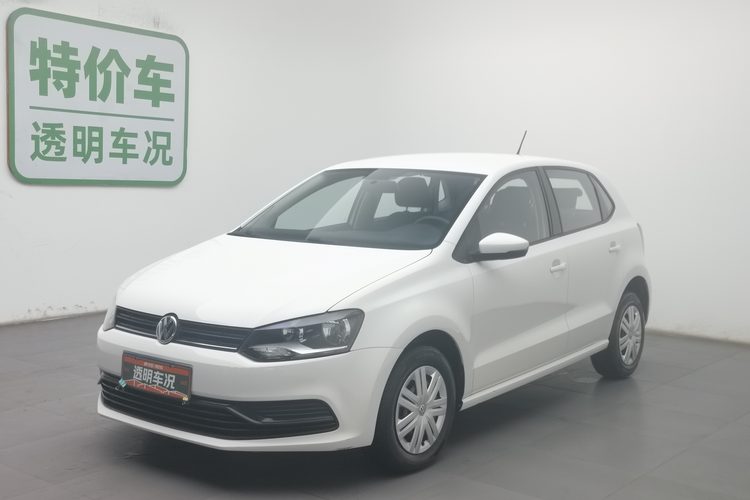
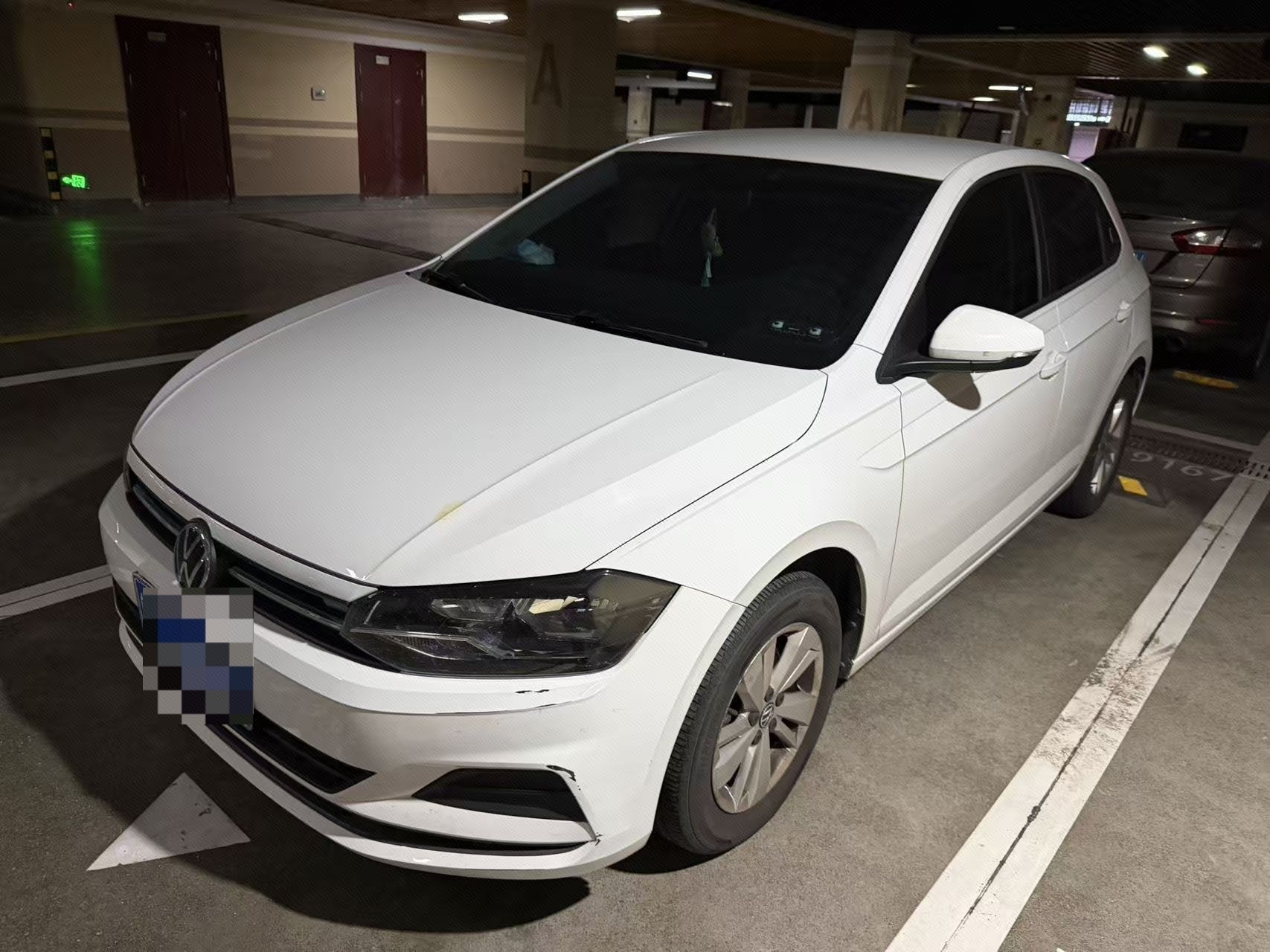
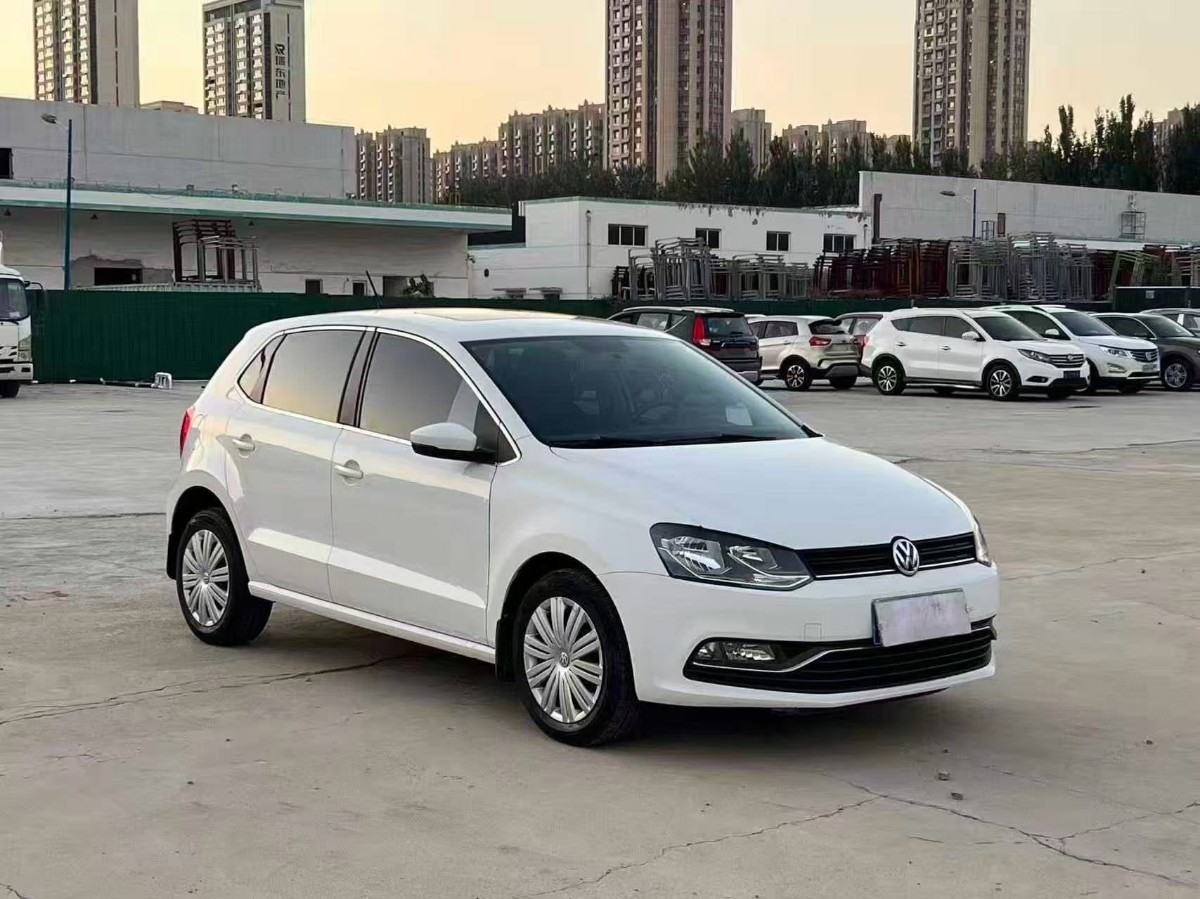
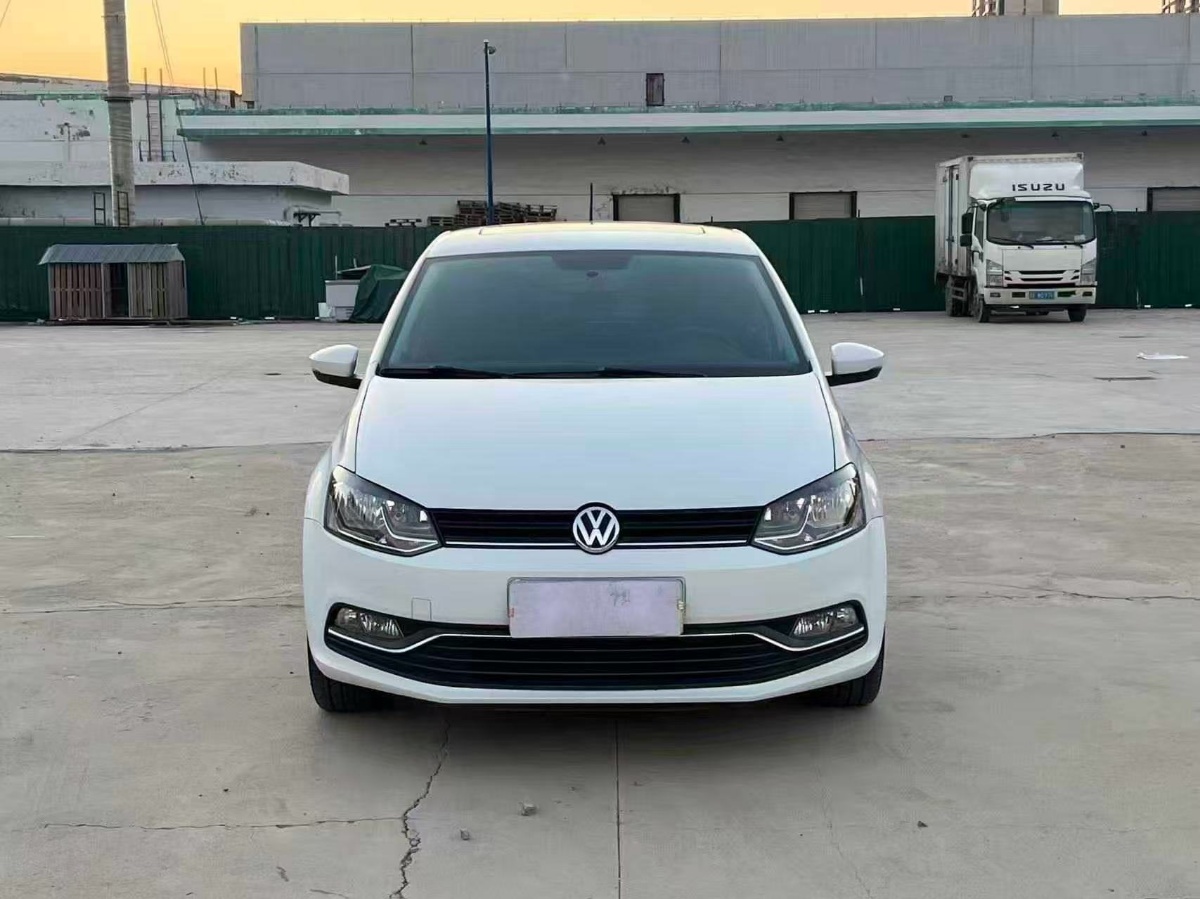
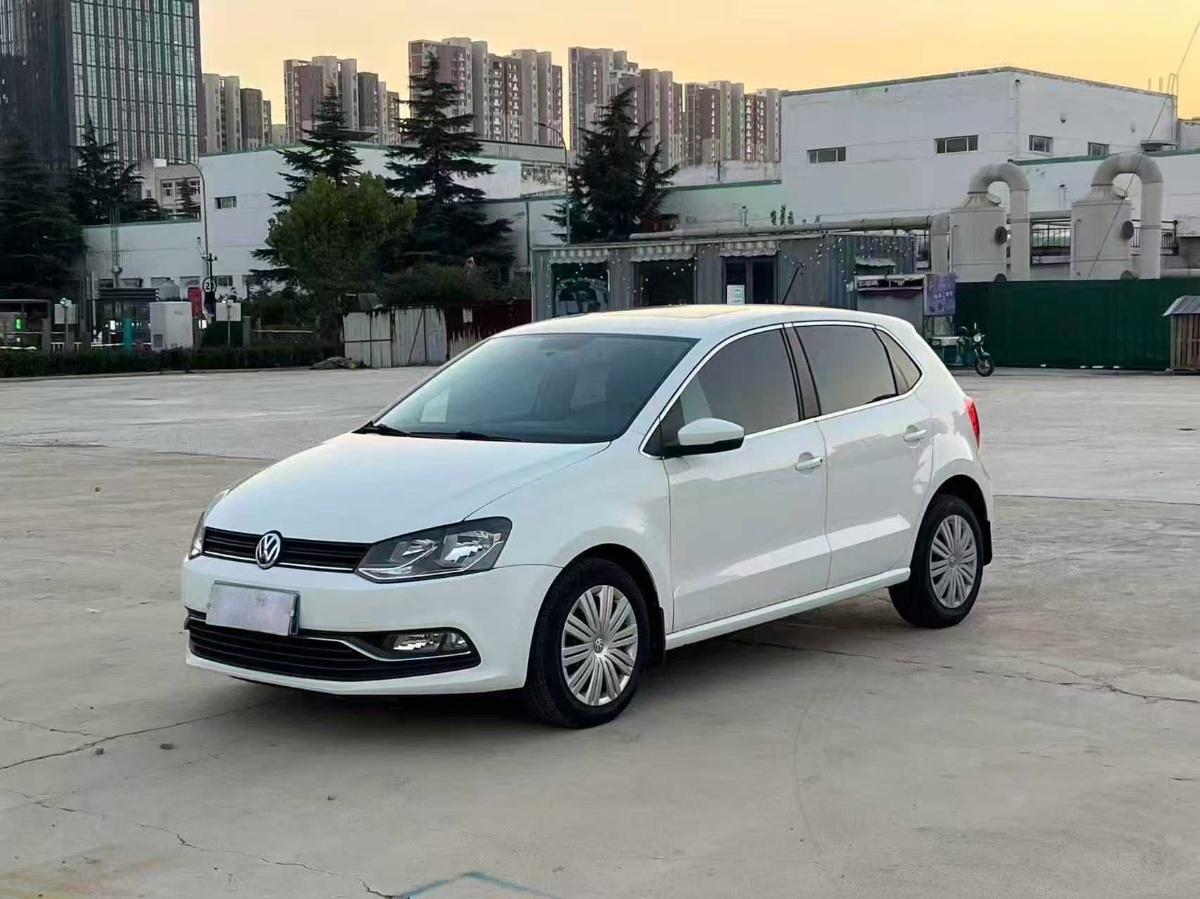
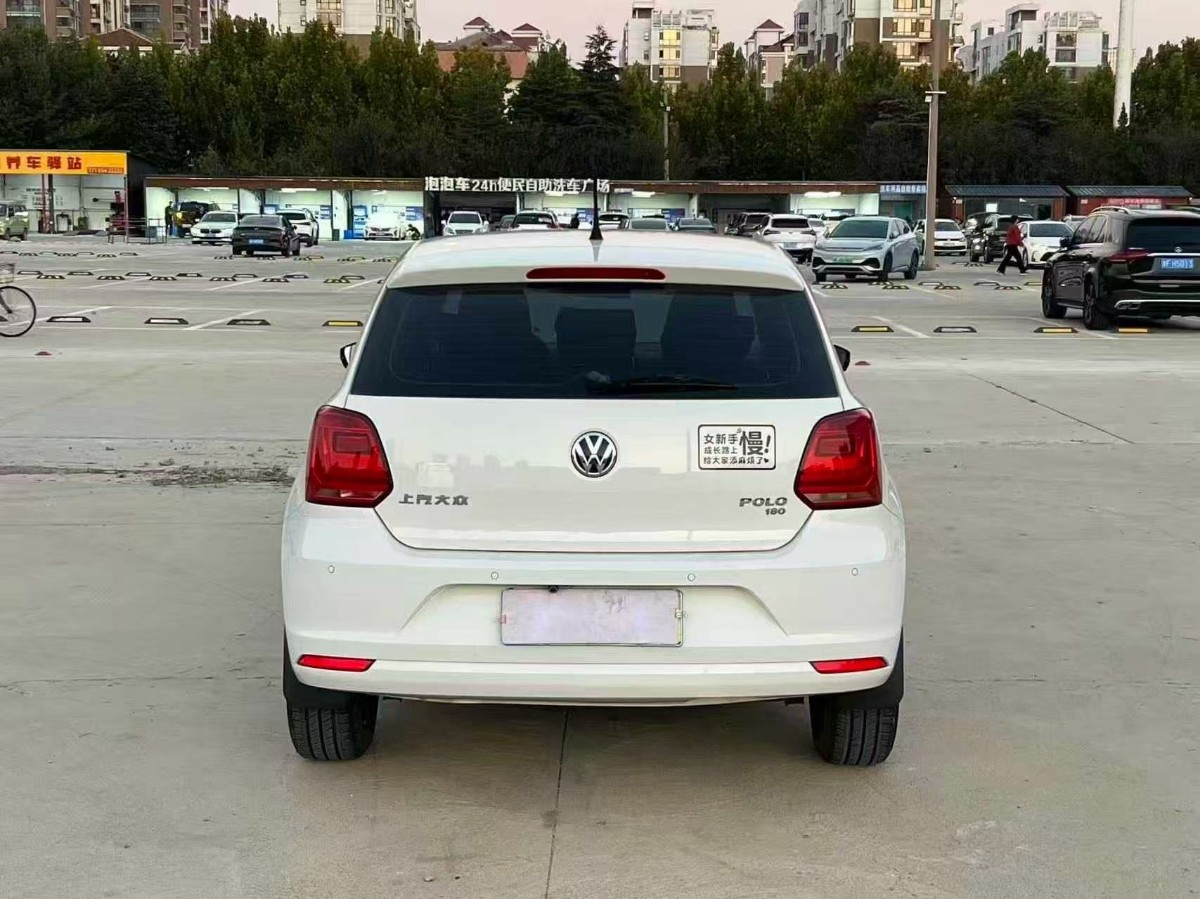
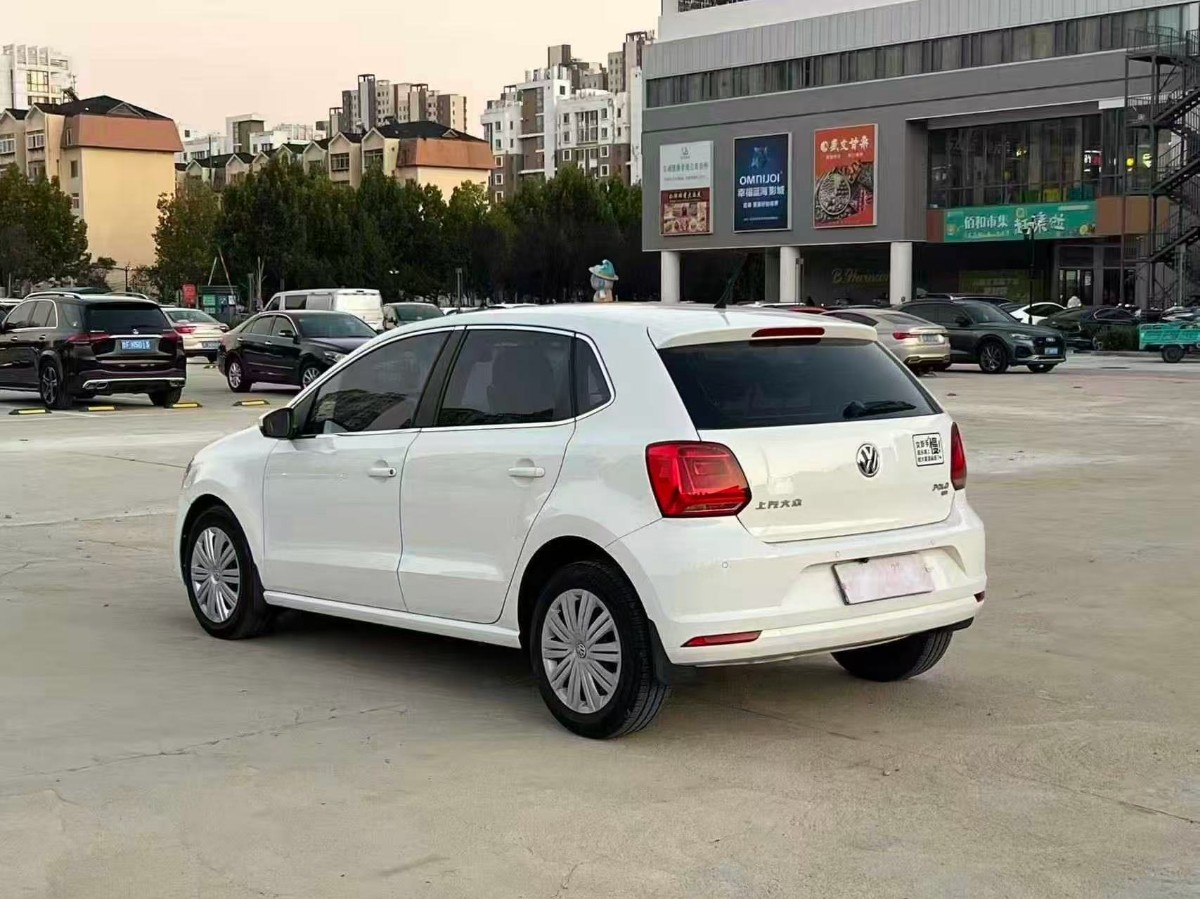
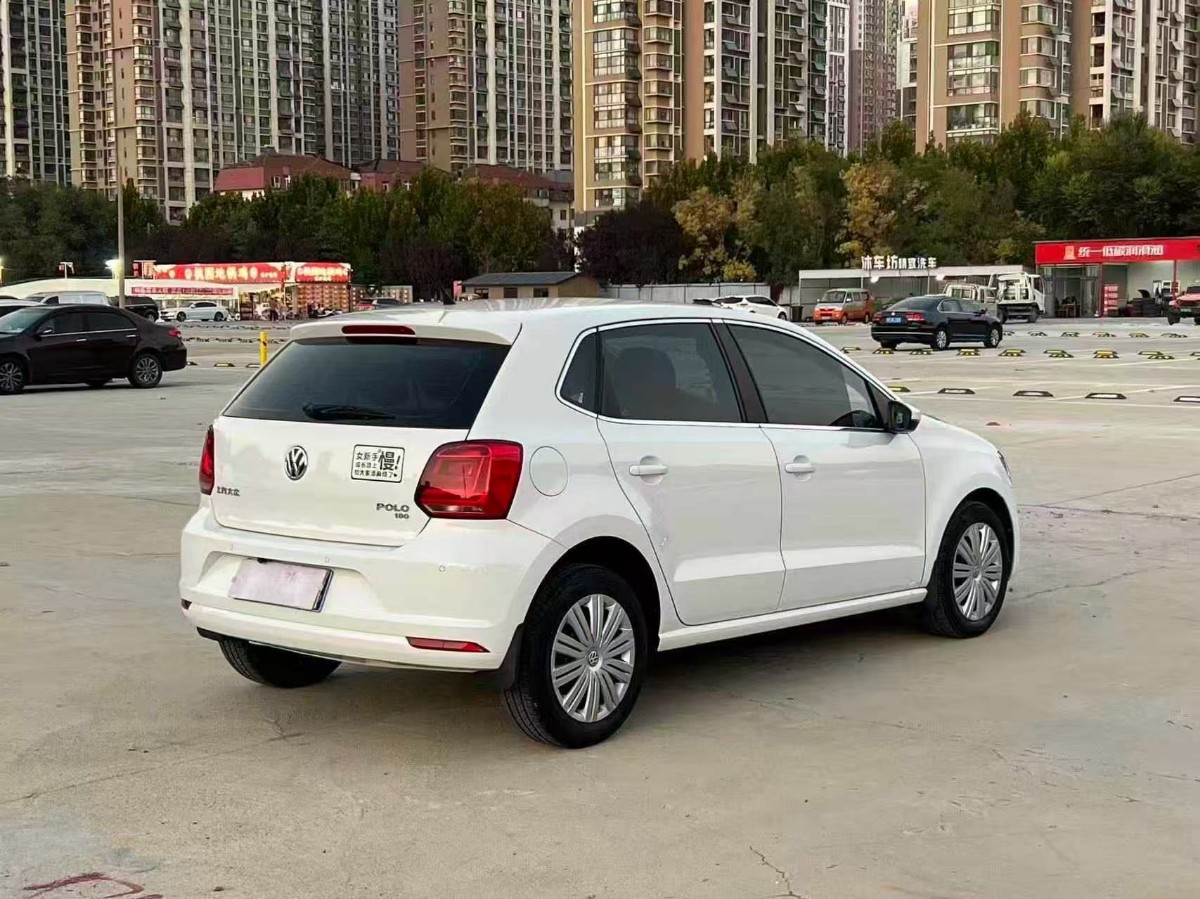
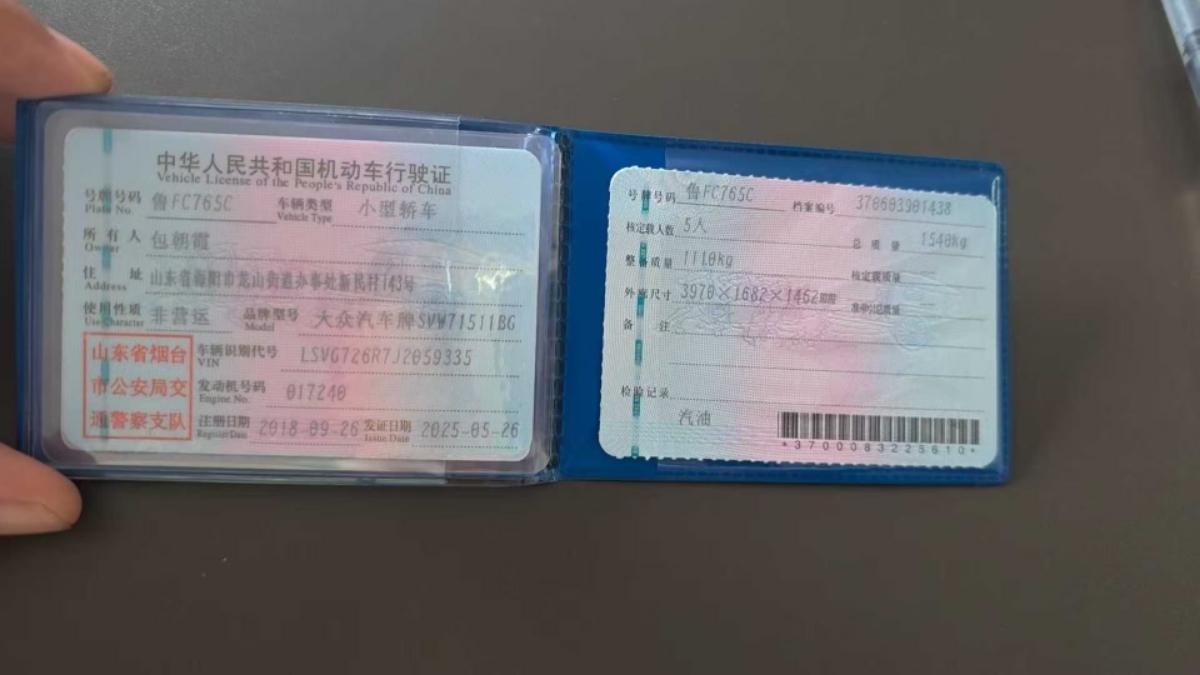
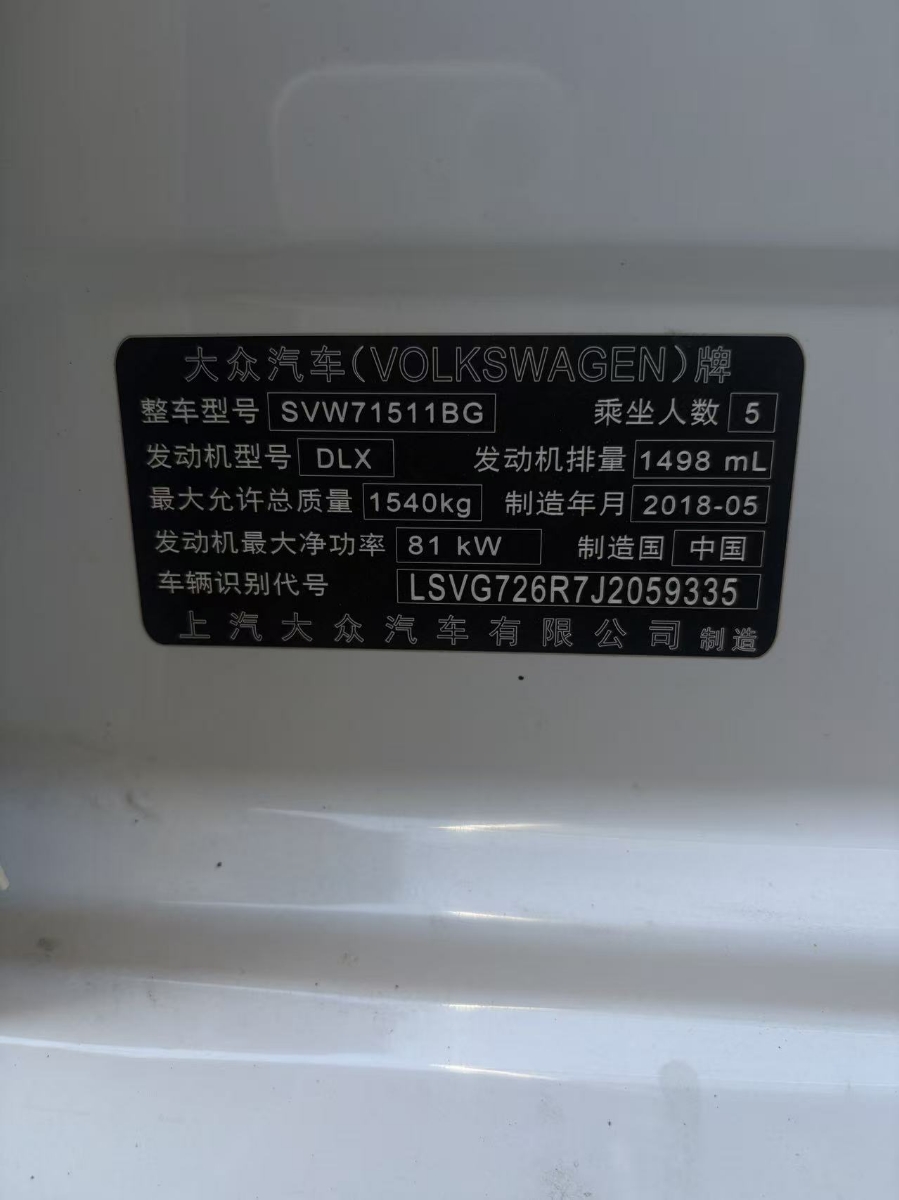
BrandVolkswagen
SeriesPolo
Year2018
First Registration2018/09
Mileage60,000km
Transfer Count1times
FuelGasoline
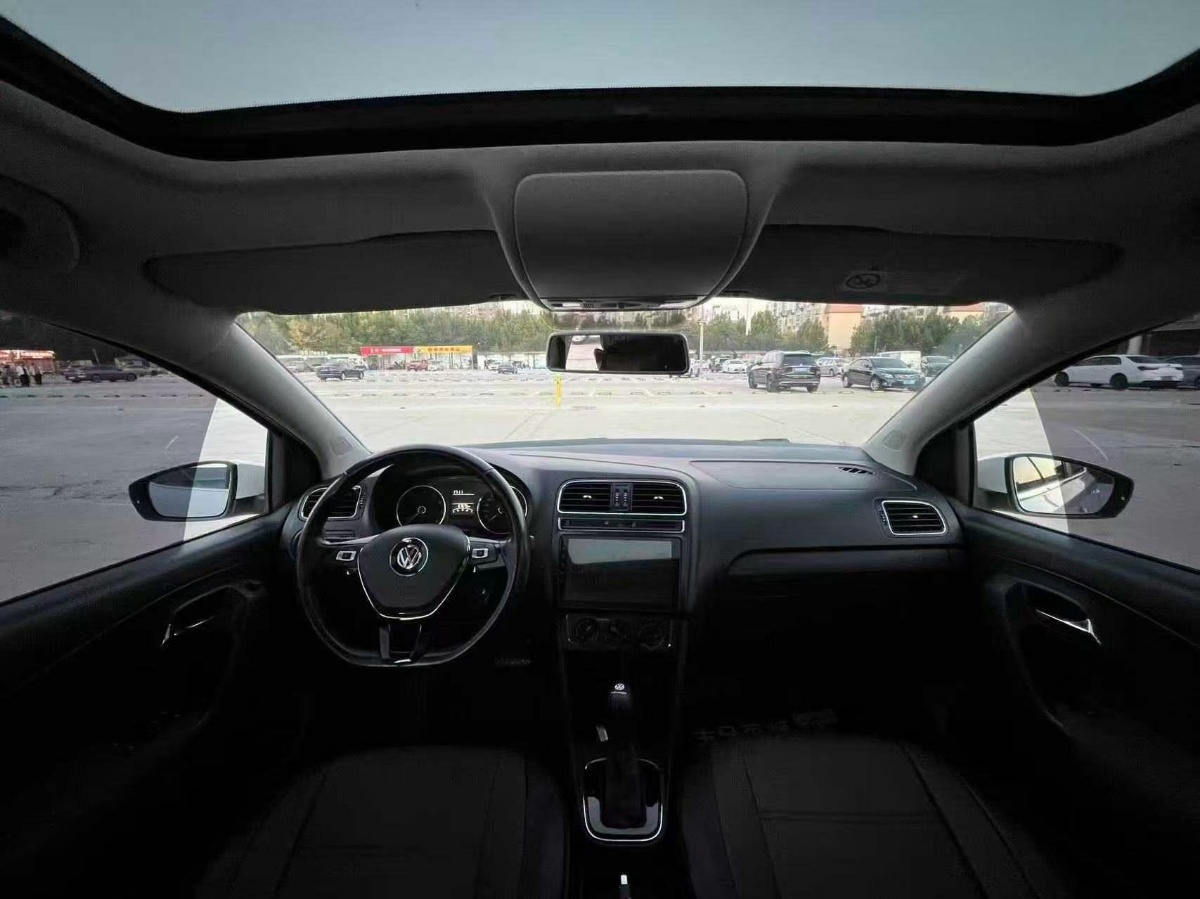
TransmissionAutomatic
Engine1.5L 110 L4
ColorWhite
Seats-

Condition Description

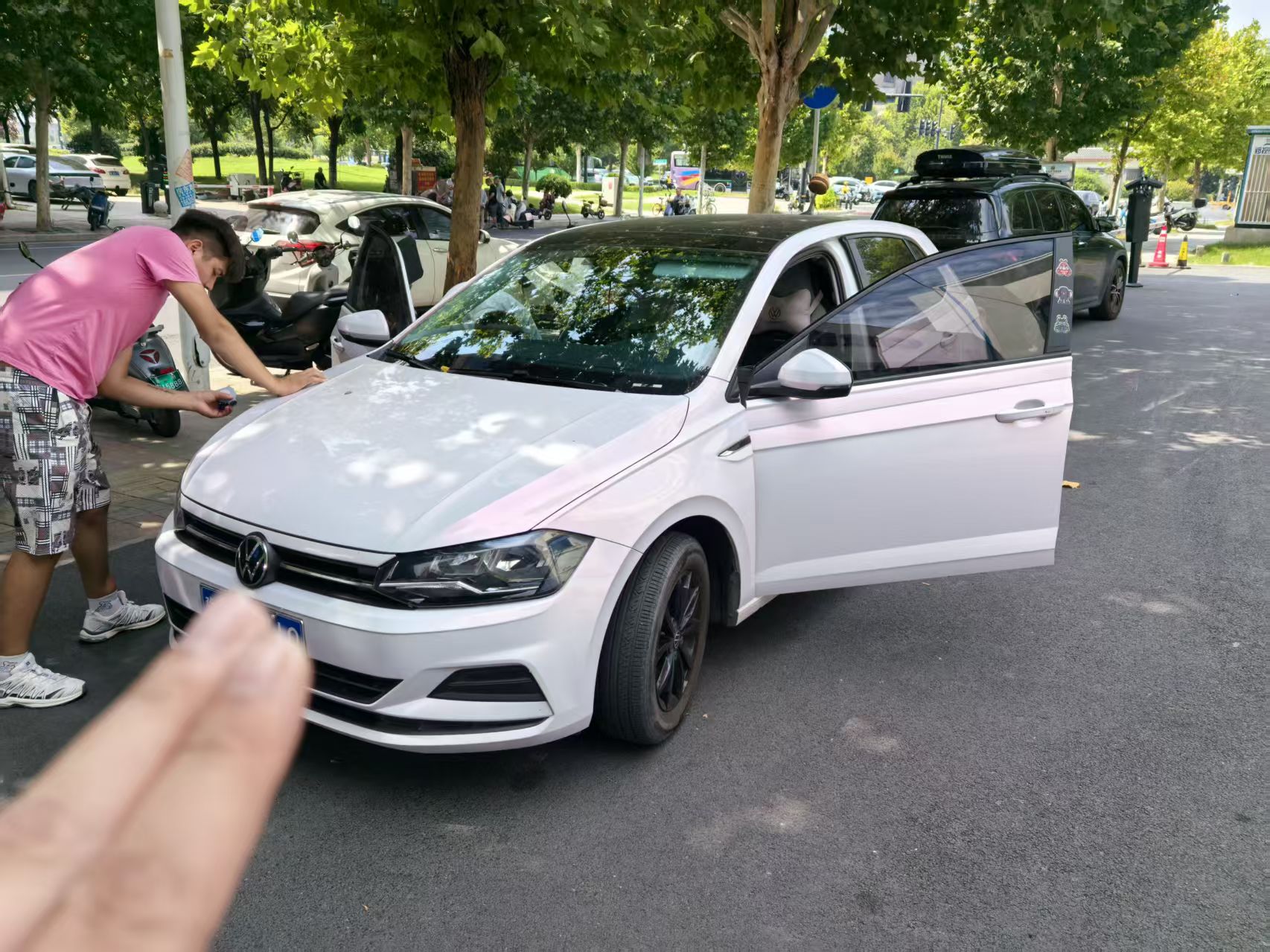
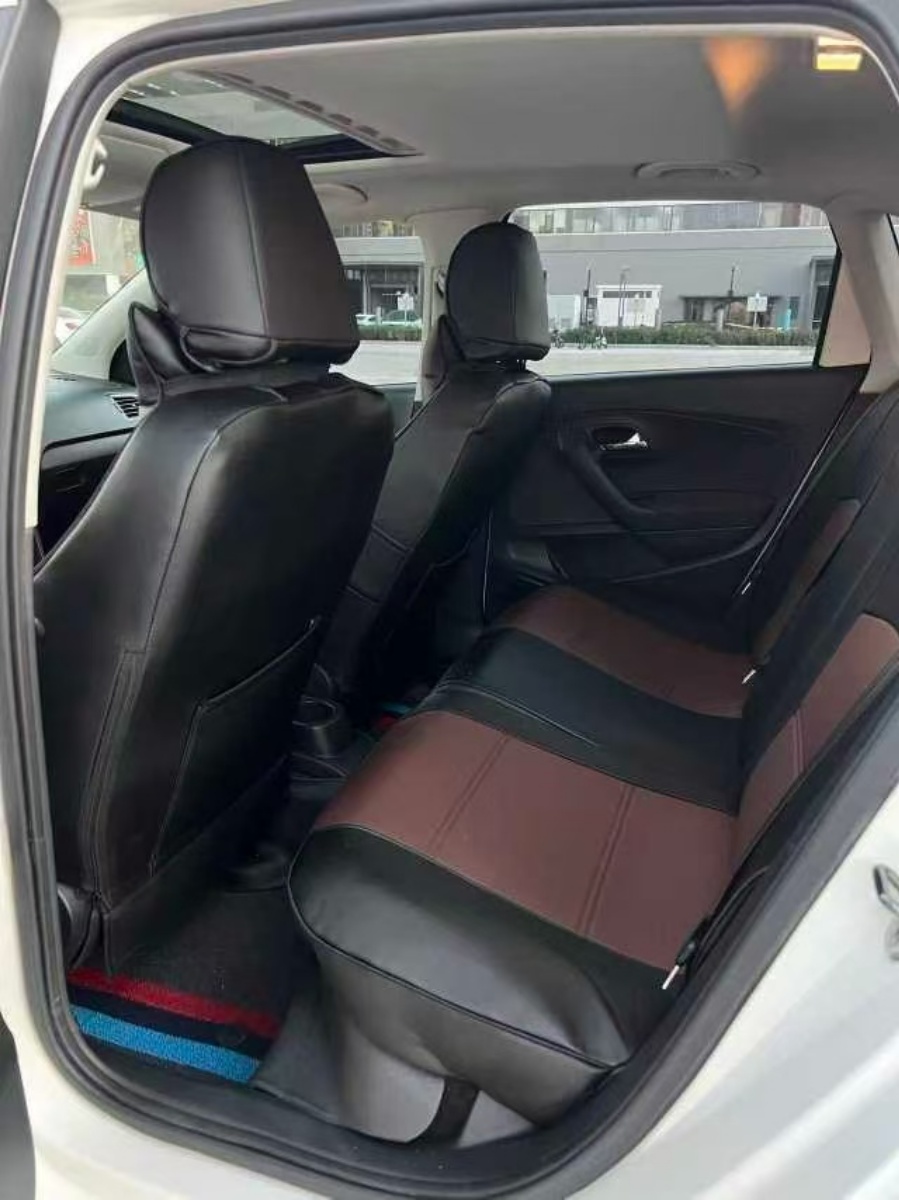
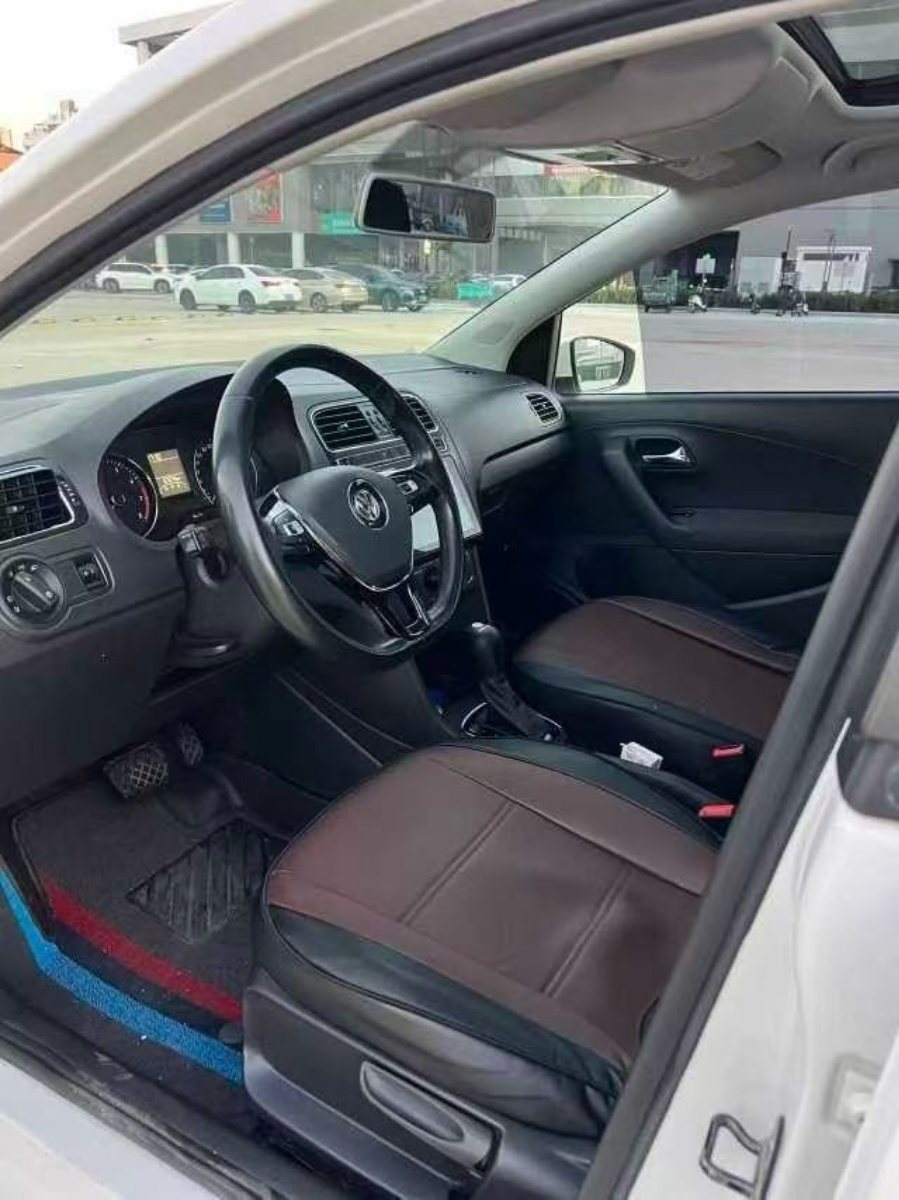
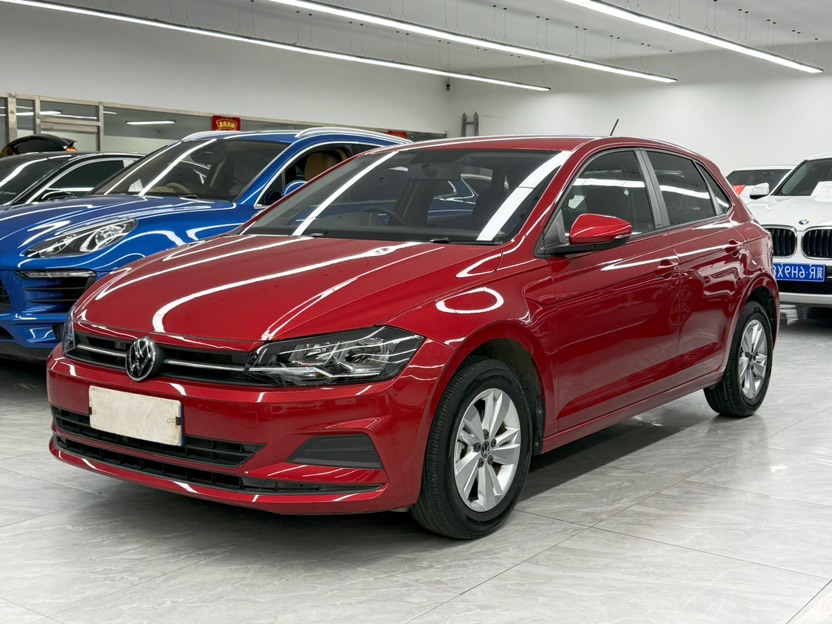
No accidents. Actual mileage just over 60,000 km. Clean interior and exterior.

燃油车
轿车
自动
维保开放
事故开放
查验开放

Configuration Highlights

✓品牌: 大众
✓车系: Polo
✓车型: 2018款 1.5L 自动安享型
✓车身类型: 轿车
✓座位数: 5
✓排量: 1.5L
✓变速箱: 自动
✓能源类型: 燃油车
✓VIN: LSVG726R7J2059335
✓搜索关键词: 大众Polo 2018款Polo1.5L自动安享型

Document Information

Inspection Expiry Date2027/09
Warranty Expiry Date-
Insurance Expiry Date2027/09

Q&A

More

How do you detect carbon buildup and wear inside the engine using technology without deep disassembly?

We use two steps: 1. Insert a medical-grade endoscope through the spark plug hole to visually inspect cylinder wall scratches and carbon buildup on the piston top; 2. Extract an engine oil sample to check for large metal debris or emulsification (caused by coolant leakage).
The target country has strict age and emission (such as Euro V/Euro VI) restrictions on imported used cars. Will you help me review this?

Our system provides basic risk alerts based on the general regulations of the main exporting countries, but the final responsibility for confirming whether the vehicle meets the import country's regulations lies with the buyer. We will rigorously indicate the vehicle's production year, first registration date, and Chinese emission standards (such as National V, National VI) on the details page. We recommend that you submit this accurate data to the local vehicle management department or customs agent for verification before placing an order.

How do I evaluate rust and corrosion on a used car from China, especially for coastal cities or snowy regions?

Rust is a deal-breaker that photos can hide, so be systematic. High-risk areas to check: 1. Underbody and frame rails—surface rust is normal, but flaking or bubbling paint means advanced corrosion 2. Wheel arches and rocker panels—these trap mud and salt 3. Door bottoms and the trunk floor—water collects here; lift the trunk mat and look for dampness or repair welds 4. Around the windshield and sunroof drains—leaks cause hidden rust in the A-pillars Ask the inspector to do a magnet test: filler-repaired areas won't hold a magnet, indicating past accident repairs. A paint thickness gauge reveals resprayed sections—uniform readings around 80-150 microns are normal; spikes over 300 suggest bodywork. Cars from northern China (salted roads in winter) or coastal cities need extra scrutiny on the underbody. If structural members show corrosion, walk away—repairs rarely restore original strength.