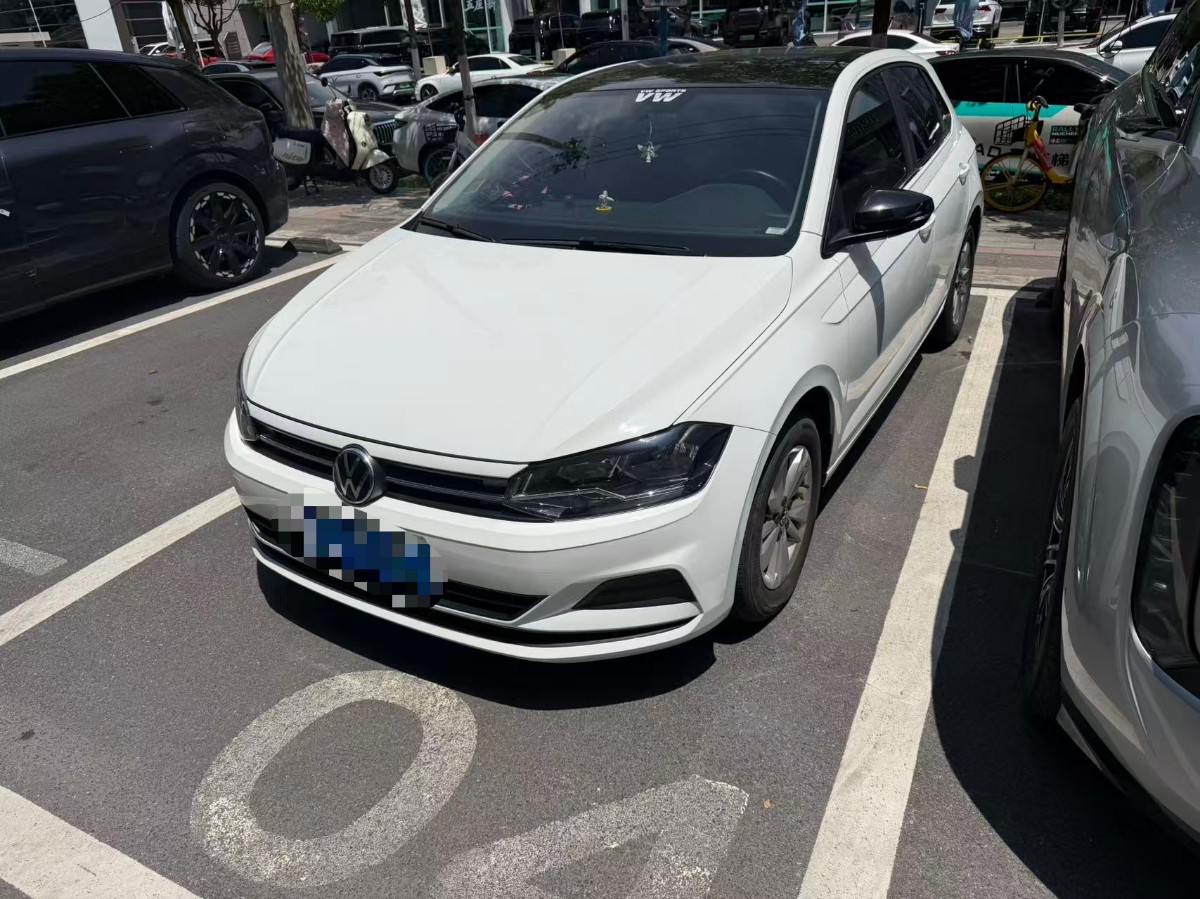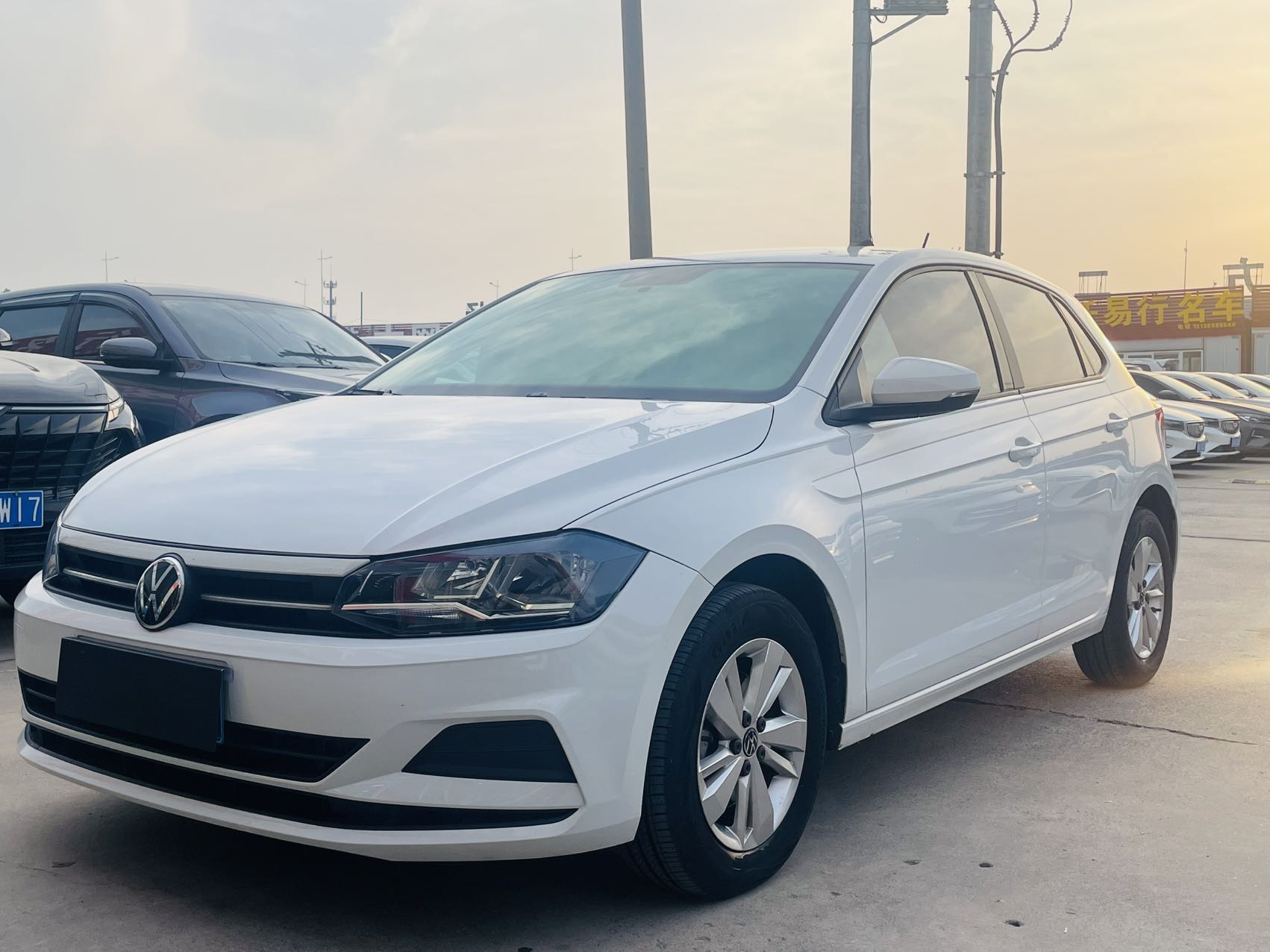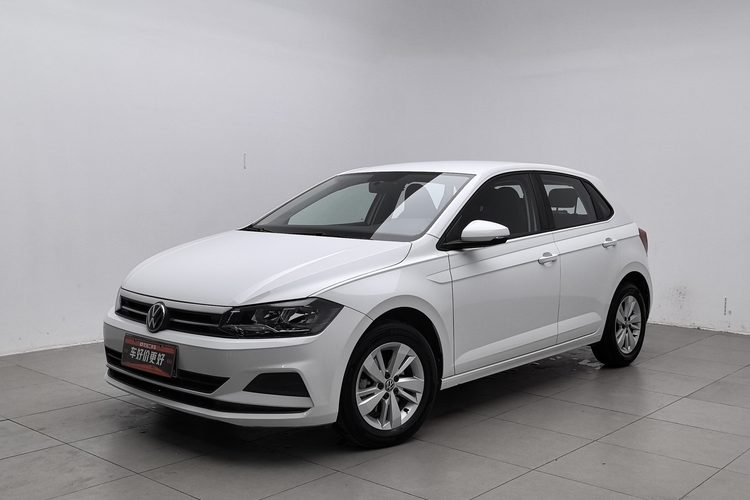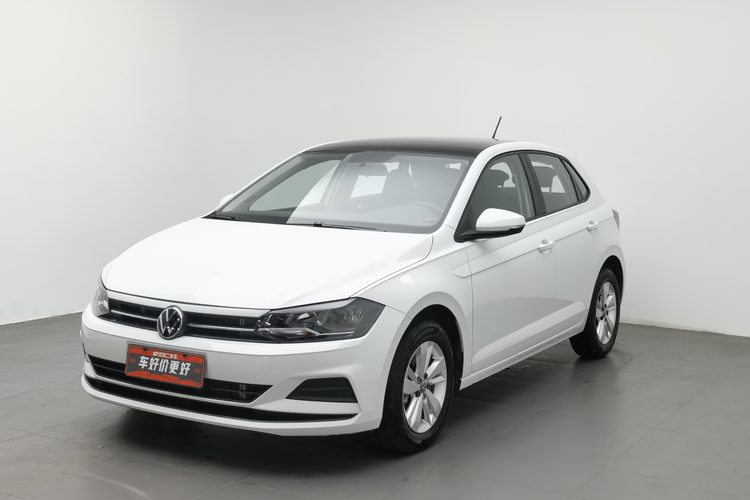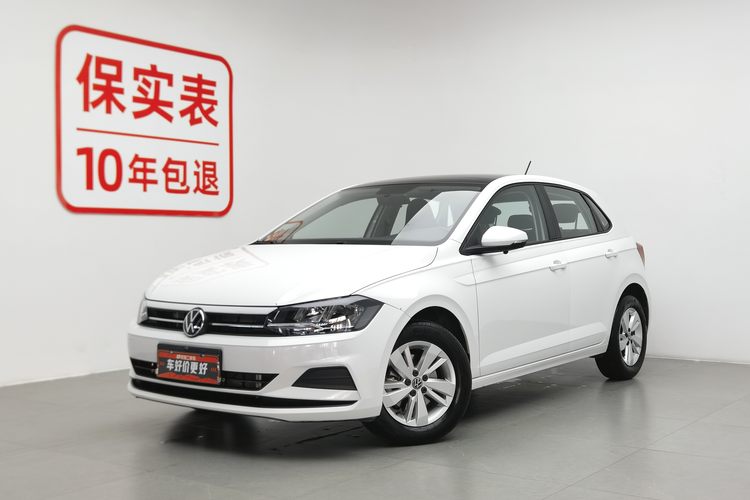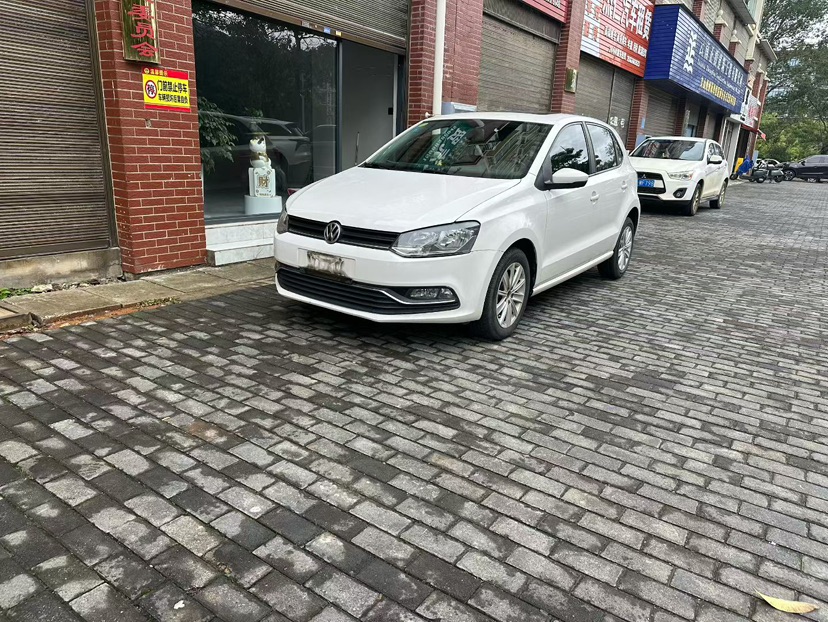
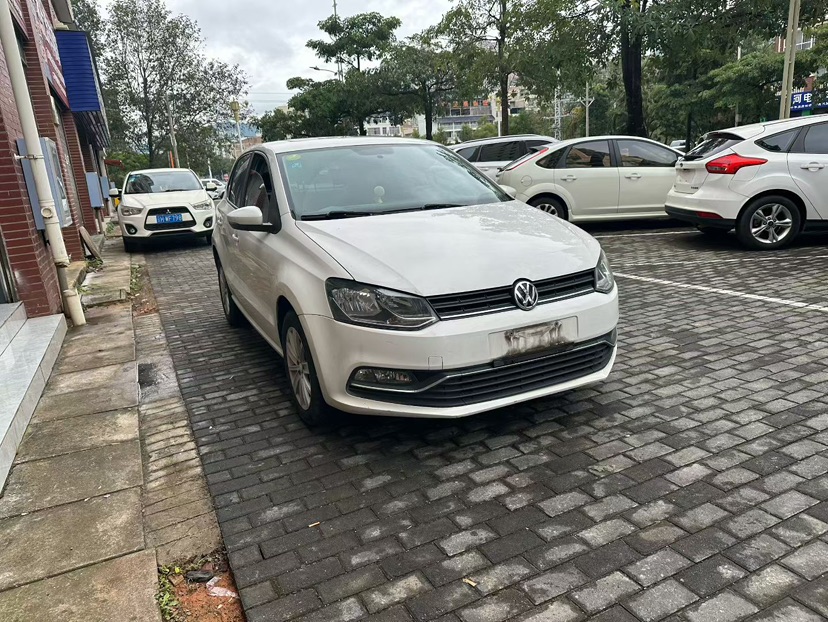
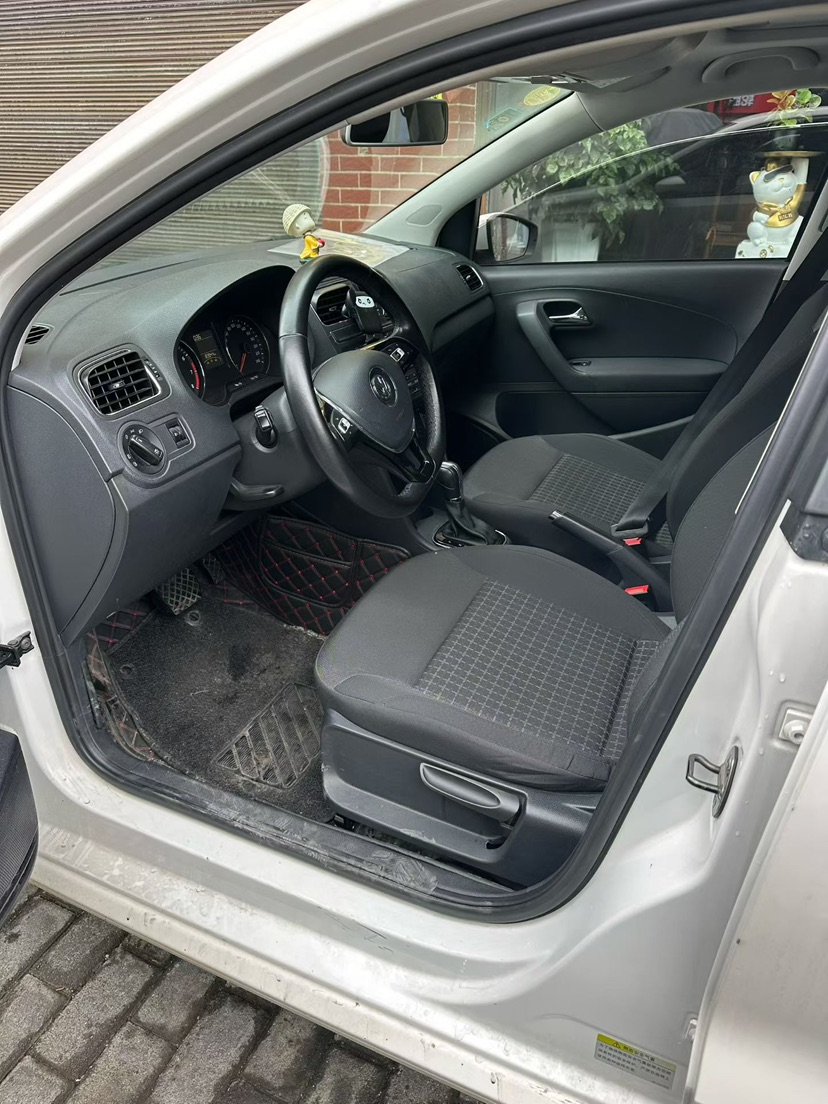
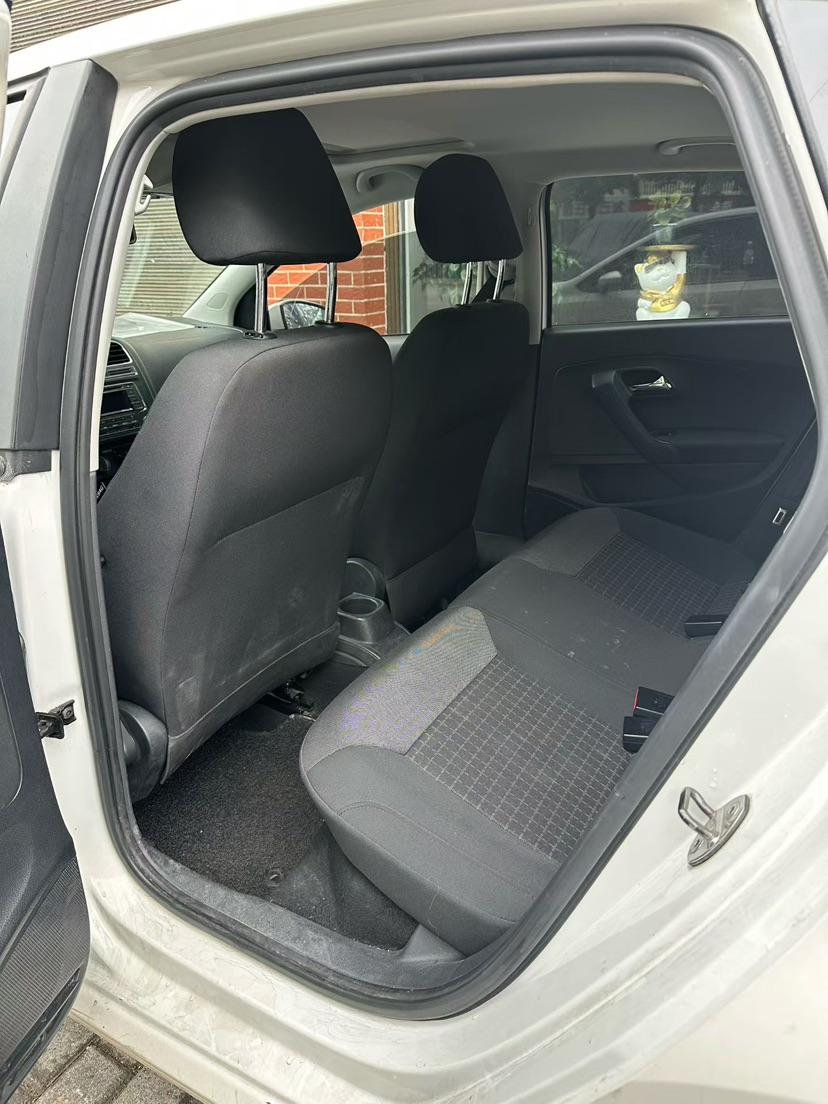
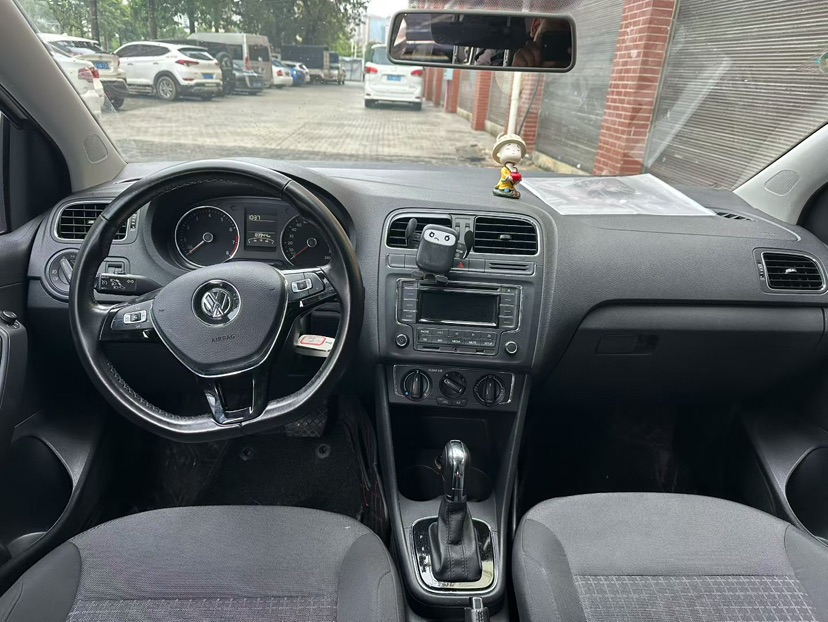
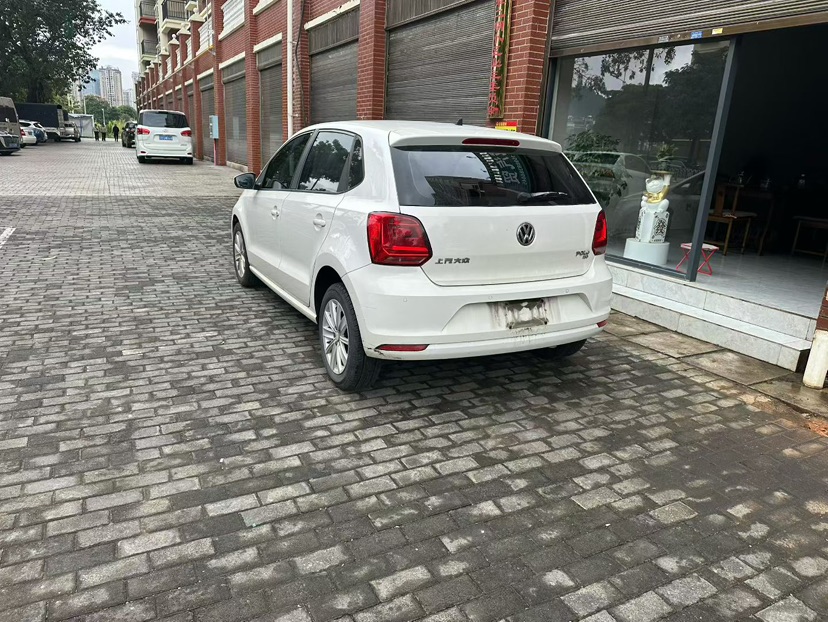
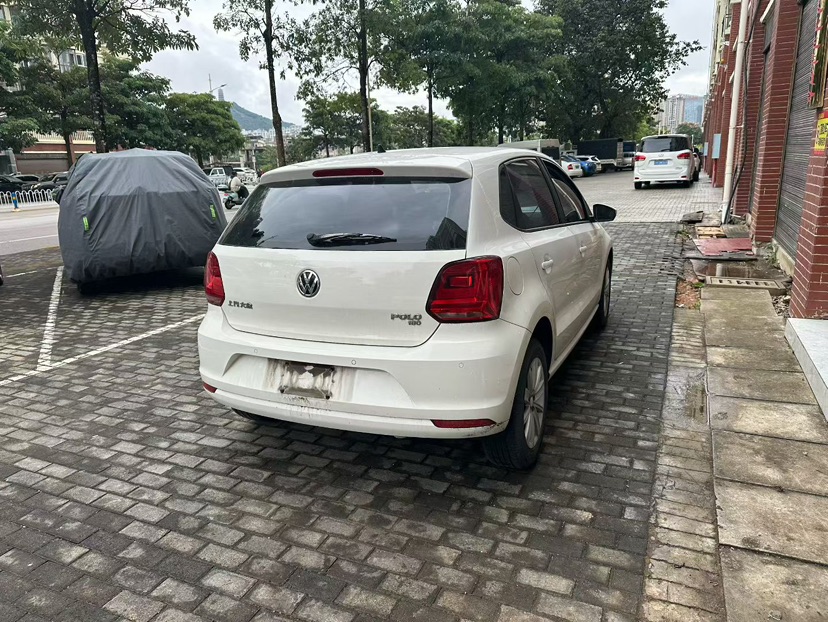
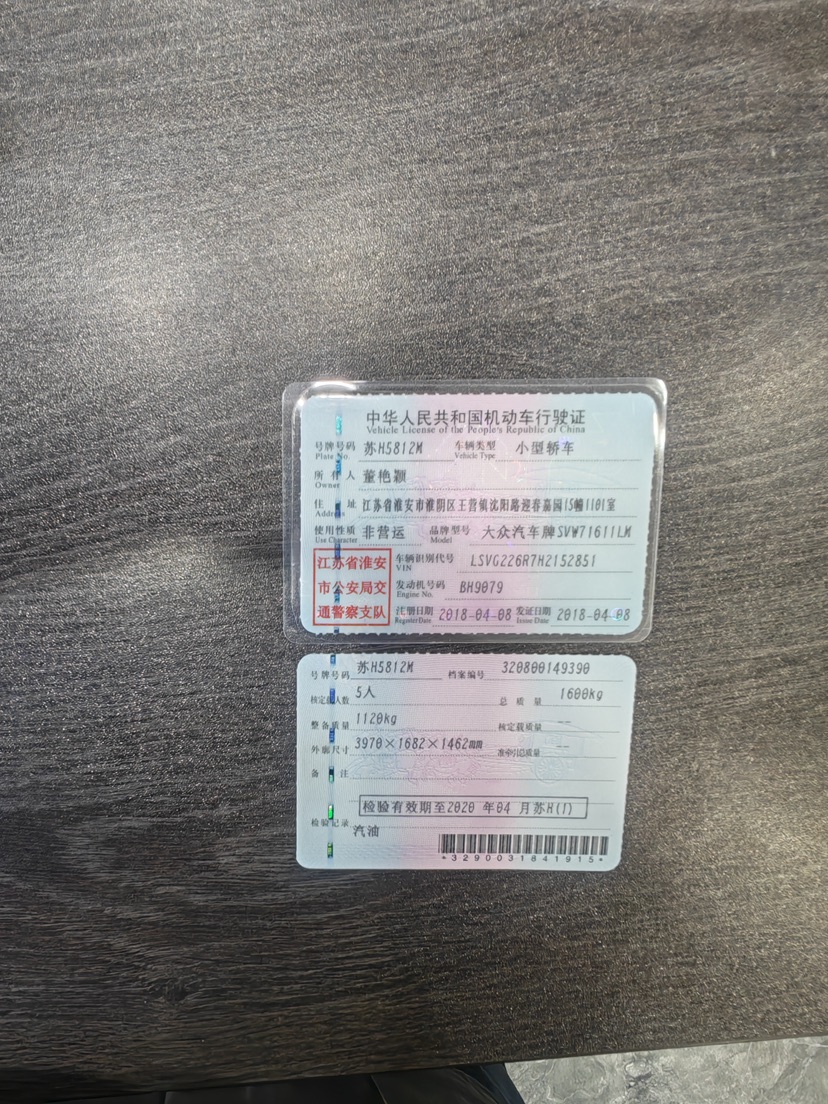



Basic Information

BrandVolkswagen
SeriesPolo
Year2018
First Registration2018/04
Mileage80,000km
Transfer Count1times
FuelGasoline
TransmissionAutomatic
Engine1.6L 110 L4
ColorWhite
Seats-

Condition Description

Original condition, private first owner.

燃油车
轿车
自动
维保开放
事故开放
查验开放

Configuration Highlights

✓品牌: 大众
✓车系: Polo
✓车型: 2016款 1.6L 自动舒适型
✓车身类型: 轿车
✓座位数: 5
✓排量: 1.6L
✓变速箱: 自动
✓能源类型: 燃油车
✓VIN: LSVG226R7H2152851
✓搜索关键词: 大众Polo 2016款Polo1.6L自动舒适型

Document Information

Inspection Expiry Date2027/04
Warranty Expiry Date-
Insurance Expiry Date2027/04

Q&A

More

How can I check if a used car from China has been in a major accident, and what records actually exist?

China does not have a single public accident database like CARFAX, but you can still verify history from several sources. First, ask the exporter for the insurance claim records (出险记录). Major repairs go through insurance, and the claim history shows the date, amount, and damaged parts. A car with large claim amounts (over half its value) is effectively a total loss rebuild. Second, check the vehicle's registration certificate (机动车登记证书) for transfer history — multiple transfers in a short period often follow an accident. Third, run a VIN check through commercial platforms (paid, around 20-50 RMB) which aggregate insurance, maintenance, and auction data. Cross-check everything against a physical inspection: paint thickness readings on structural points, weld quality under the seals, and underbody photos. If the records and the physical condition do not match, walk away or demand a large discount.


Which import rules (age limits, emissions, safety standards) apply to used cars from China in my country, and how do I confirm the car qualifies before paying?

Rules differ by country. Many markets limit the age of imported used cars (commonly 3-5 years), require left-hand drive, and set minimum emission standards such as Euro 4, 5 or 6. Some regions additionally require a local conformity certificate before the car arrives. Practical steps before any deposit: check your customs authority's official website, or spend 20 minutes with a local customs broker who imports vehicles regularly; give the exporter your country's requirements and the VIN, and ask for proof of the car's emission level (China's standards map roughly to Euro equivalents); confirm the exact model was legally exportable from China. A short verification call at the start can prevent the car being refused entry — or impounded — months later.

Local mechanics in my country are not familiar with Chinese cars. How do I get technical support, wiring diagrams, or repair guidance after importing?

This is a common issue, and there are several practical ways to get your Chinese car serviced locally. 1. Ask the exporter before buying: many professional exporters can provide workshop manuals, wiring diagrams, or diagnostic software for the models they sell. Put this in writing in your purchase agreement. 2. Use online communities: Chinese brands like BYD, Chery, Geely, and Haval have active owner forums and Facebook/Telegram groups in Russia, Central Asia, the Middle East, and Latin America where wiring diagrams and repair procedures are shared. 3. OBD diagnostic tools: most Chinese cars from 2016 onward support standard OBD-II protocols. A tool that reads manufacturer-specific codes (not just generic ones) helps any mechanic identify faults. Ask the exporter which protocol your model uses. 4. Video call assistance: some exporters offer paid remote support where their technician guides your local mechanic via video call — agree on rates and availability in advance. 5. Parts cross-referencing: many Chinese cars share platforms and components; experienced mechanics can match brake pads, filters, and sensors to cross-compatible parts available locally. Key point: choose a brand with existing presence in your region — the larger the local fleet, the easier support becomes.