


Sold

Basic Information

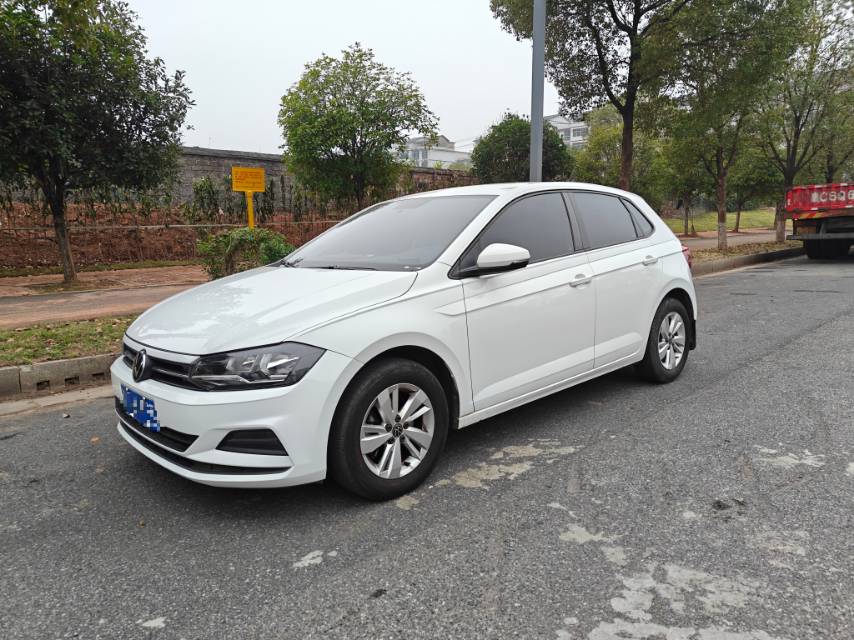
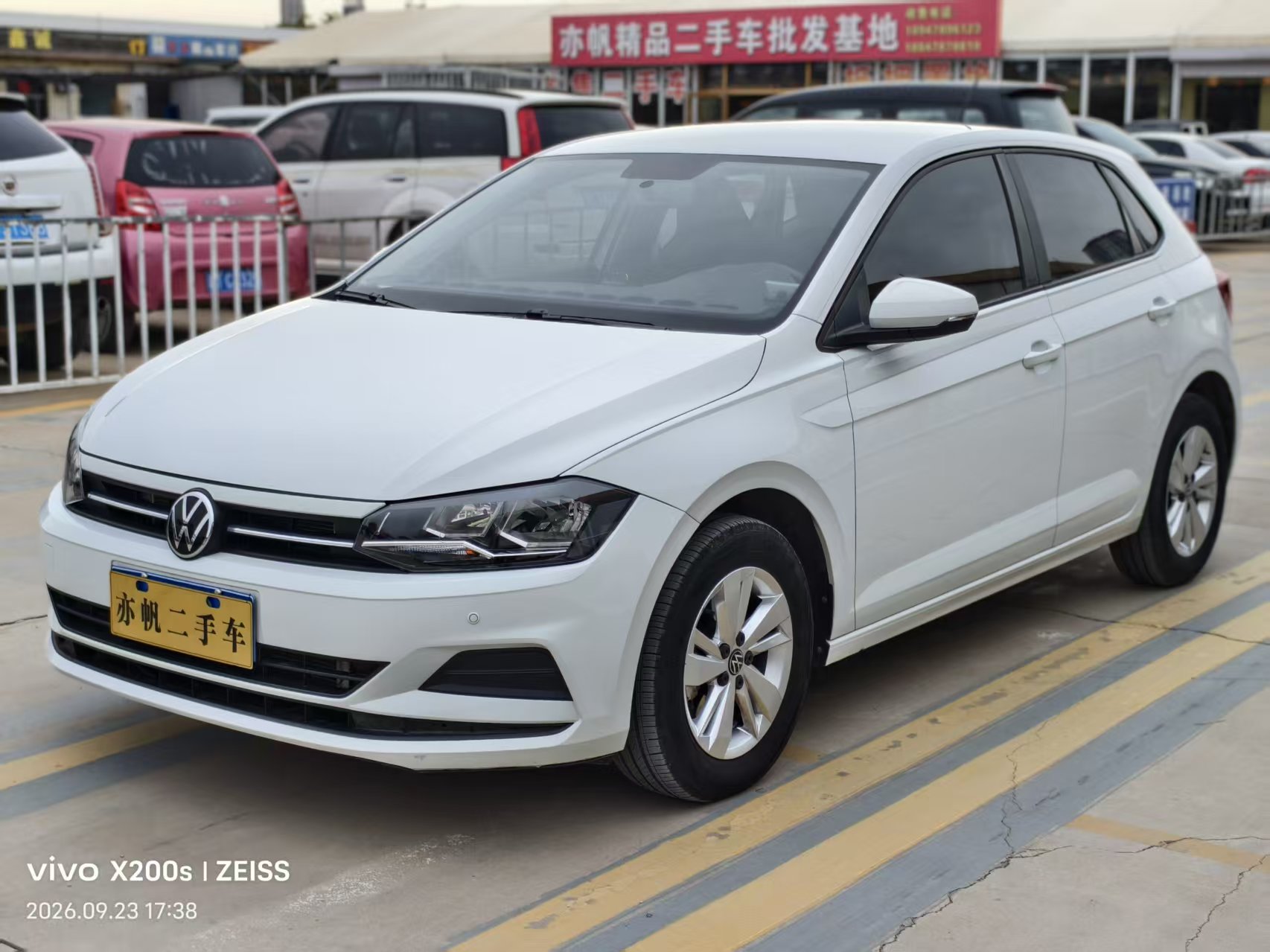
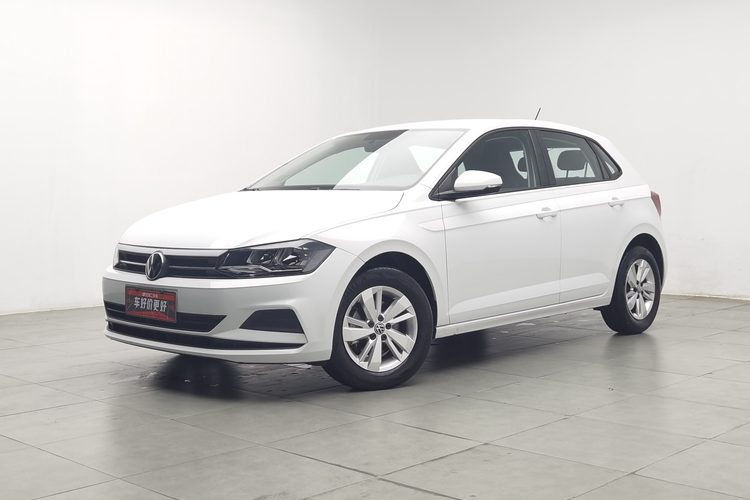
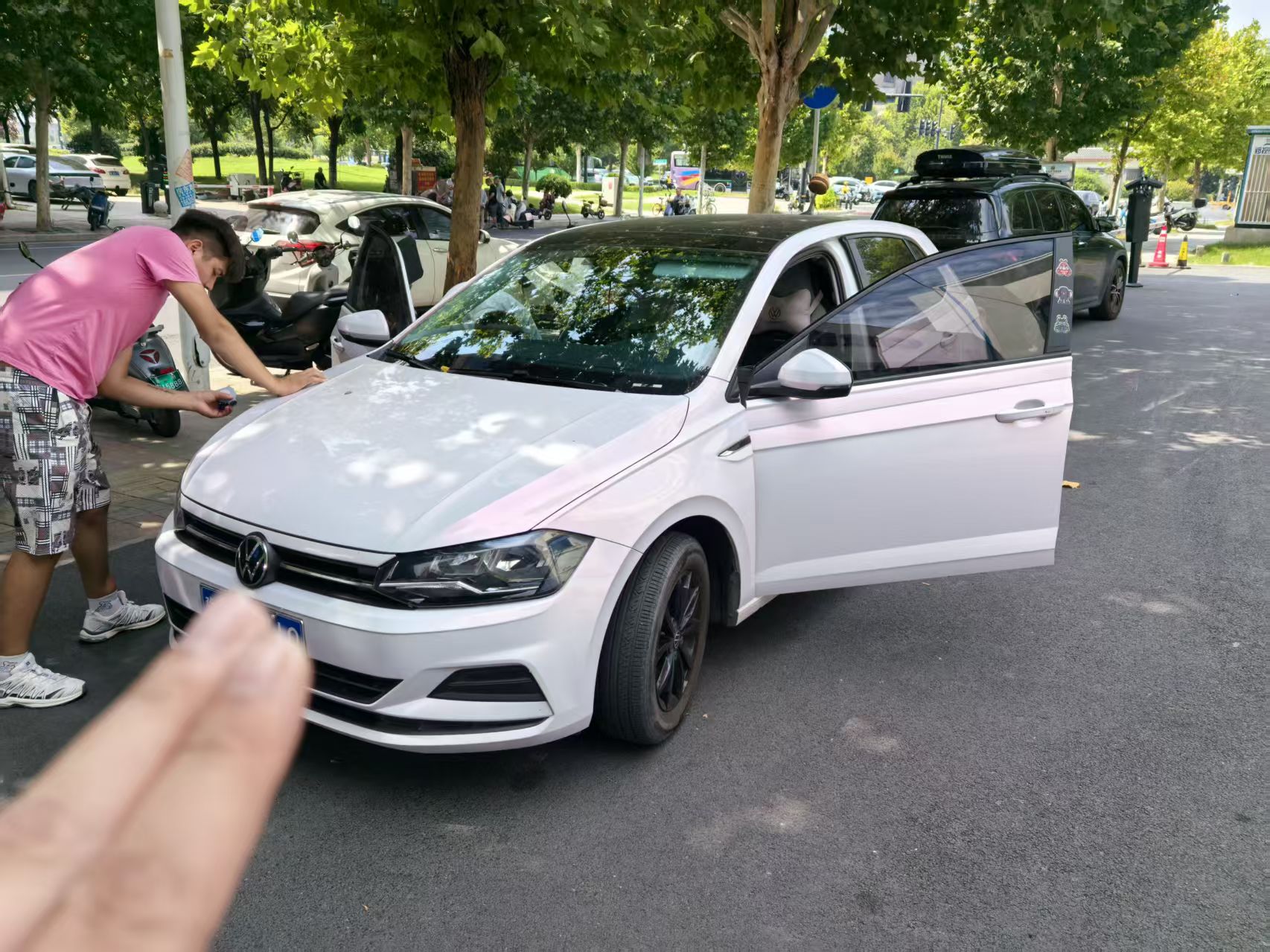
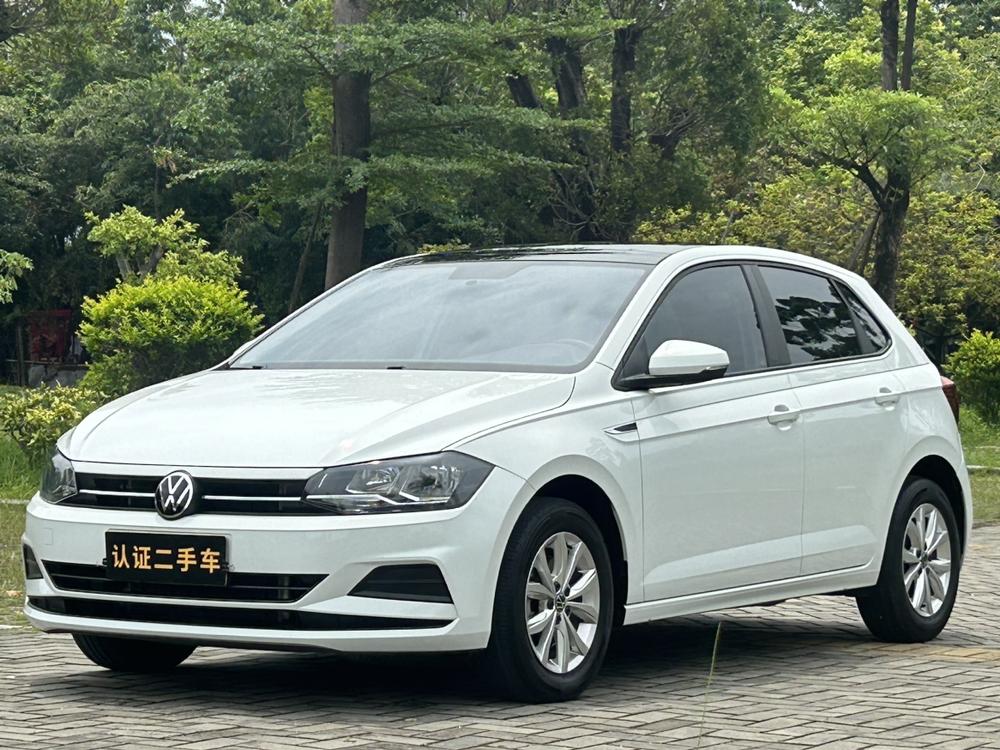
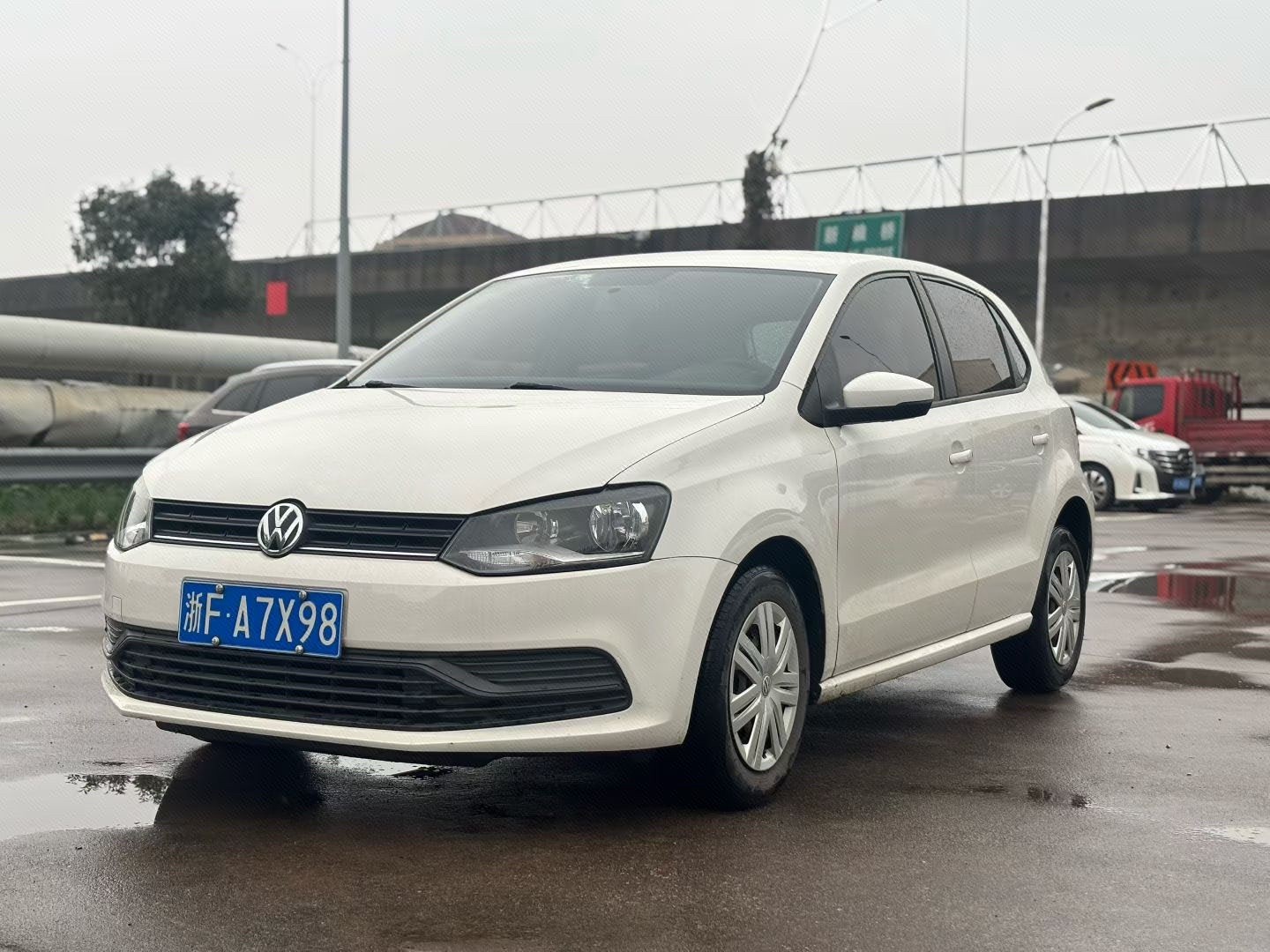
BrandVolkswagen
SeriesPolo
Year2018
First Registration2018/12
Mileage50,000km
Transfer Count0times
FuelGasoline
TransmissionAutomatic
Engine1.5L 110 L4
ColorWhite
Seats-

Document Information

Inspection Expiry Date-
Warranty Expiry Date-
Insurance Expiry Date2026/12

Q&A

More

How do I verify the battery health of a used Chinese EV before buying, and what is a State of Health report?

Battery condition is the single most important — and most expensive — variable in a used EV. Ask for a State of Health (SOH) report: in China, dealers and authorized service centers can read it via the manufacturer diagnostic system. It shows remaining capacity as a percentage of the original. Rule of thumb: above 90% is excellent, 85-90% is acceptable for the price, below 80% needs a serious price cut or battery refurbishment. Also get the battery's full charge and discharge history (次数) — a 3-year-old car with 800 fast-charge cycles has lived a harder life than one with 200. Physically, inspect the battery pack enclosure on a lift for dents, corrosion, or coolant leaks. Check that DC fast charging works during a test charge. Finally, verify the battery is not covered by an open recall or replacement program — this is both a risk and sometimes a free upgrade.


Besides the purchase price, what other fees should I budget for when importing a used car from China?

The purchase price is only part of your total landed cost. Plan for these items: - Inland transport in China: moving the car from the seller's city to the export port, plus transfer and inspection fees. - Export fees: customs declaration, port handling, and terminal charges. Ask for an FOB (Free On Board) quote so these are included. - Ocean freight: RoRo (roll-on/roll-off) is cheapest for regular cars, but EVs often require special containers or dedicated EV shipping due to battery regulations, which costs more. - Insurance: marine cargo insurance, typically 1-3% of the car's value. - Import side: import duty, VAT or sales tax, customs brokerage, port charges at destination, and any homologation or compliance testing fees. As a rule of thumb, add 25-40% on top of the FOB price for a realistic landed-cost estimate, depending on your country's tax rates. Get a written breakdown from both your supplier and a customs broker before committing.

How do you assess the appearance condition of a vehicle? What specific standards are there for scratches and dents?

We use quantitative standards. Minor scratches less than 3 cm that do not reach the base coat (which can be polished) are considered normal wear; scratches over 3 cm deep to the base coat or dents larger than 2 cm in diameter will be highlighted in the inspection report's "Appearance Defect Distribution Map" with close-up photos.