


24H

Basic Information

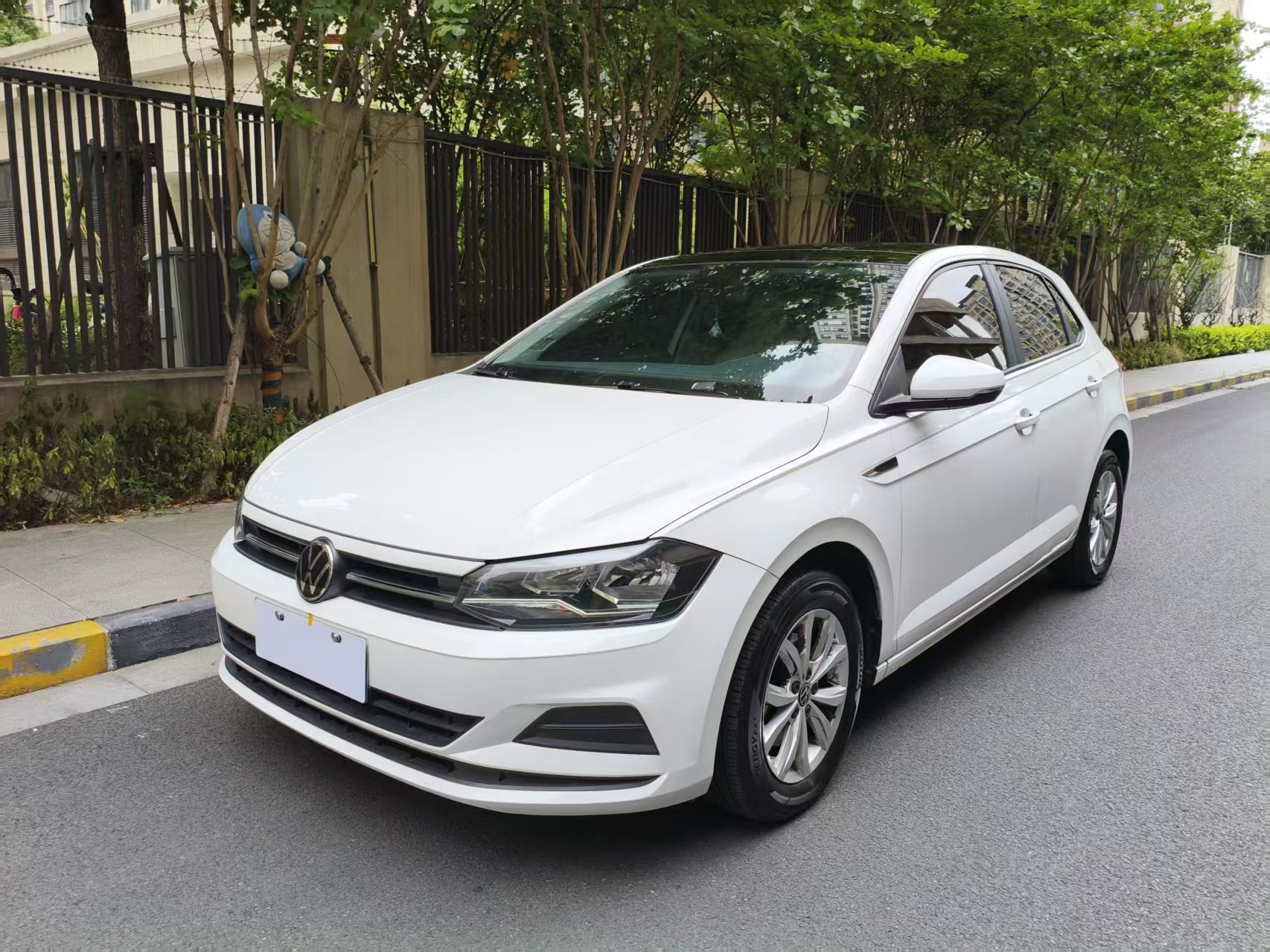
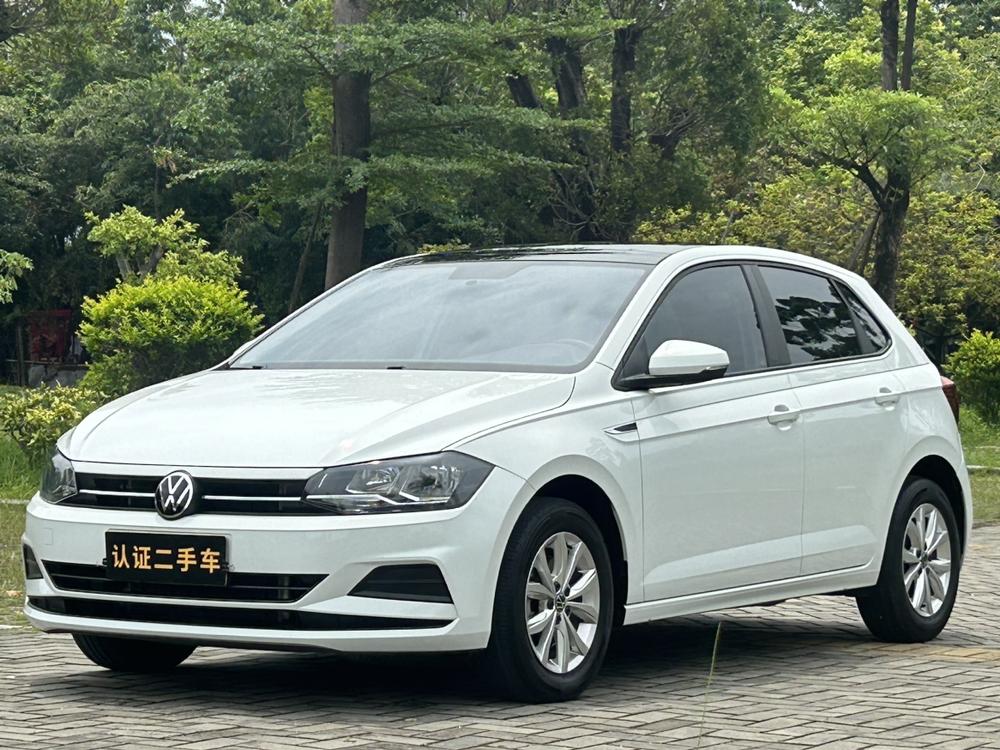
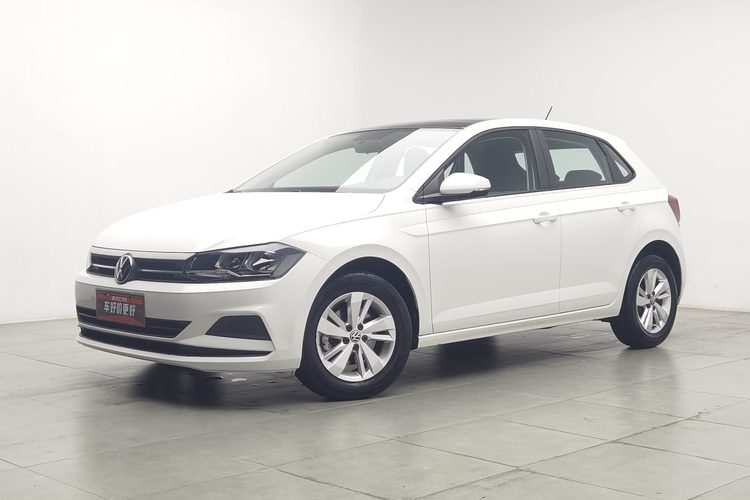
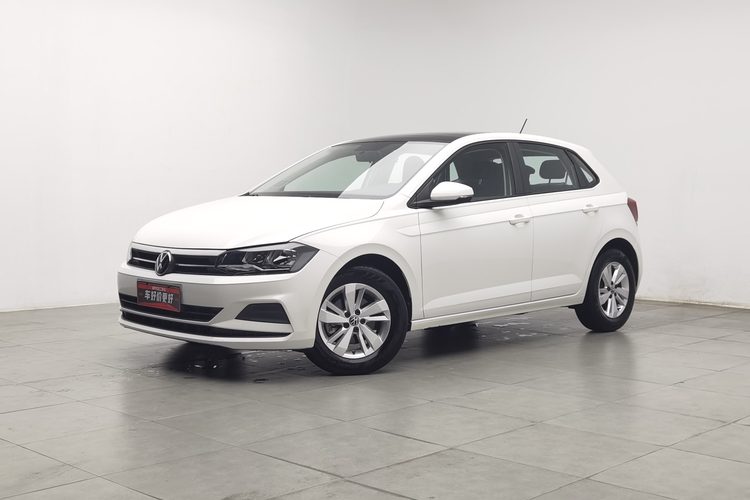
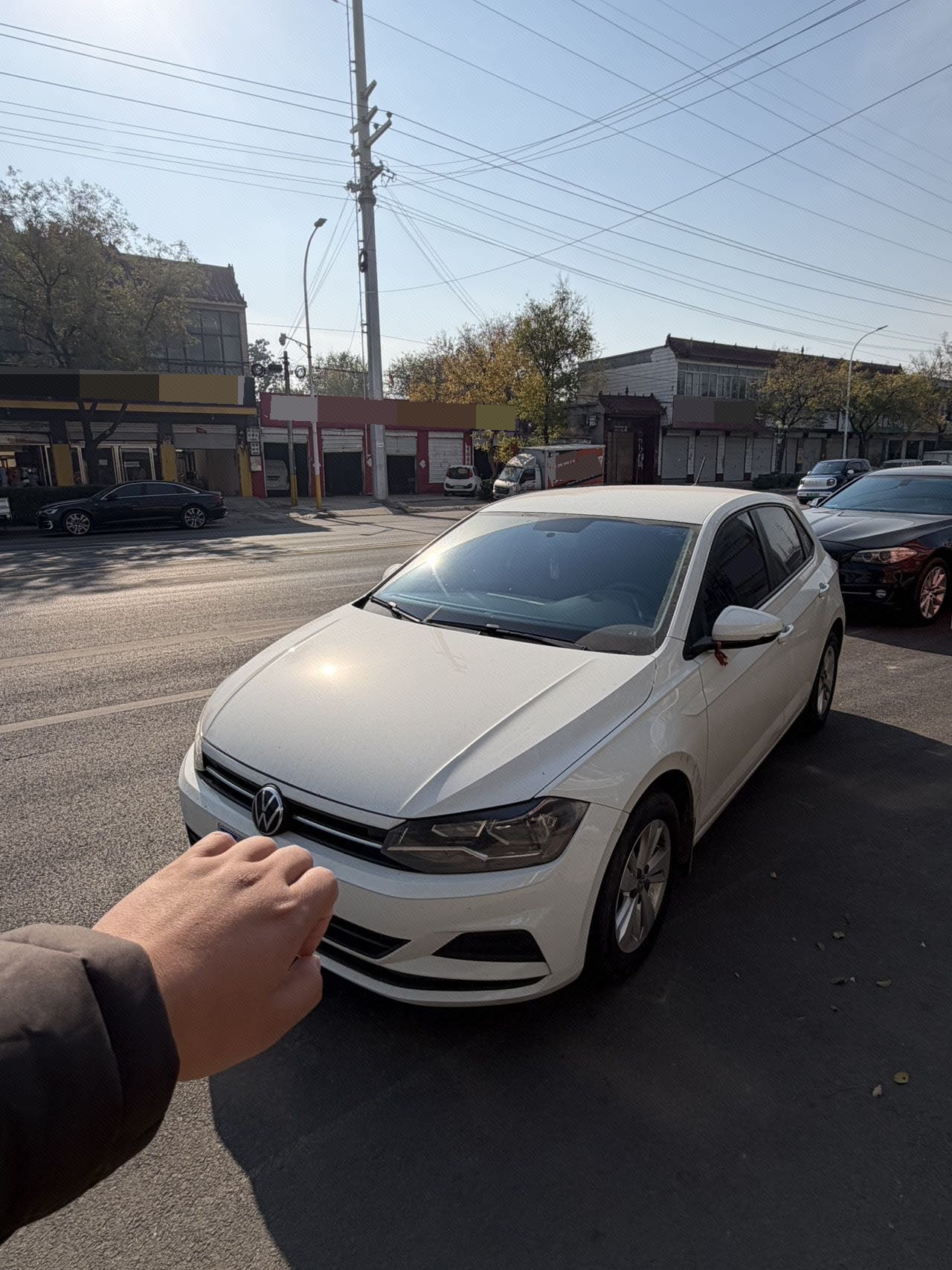
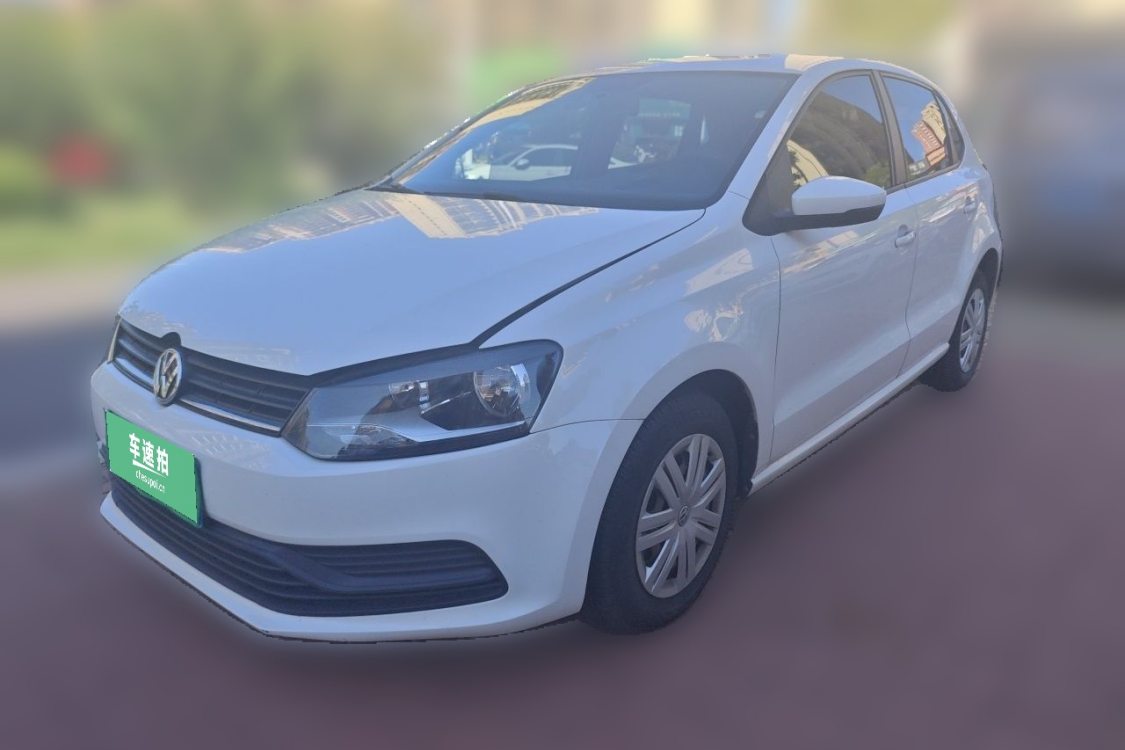
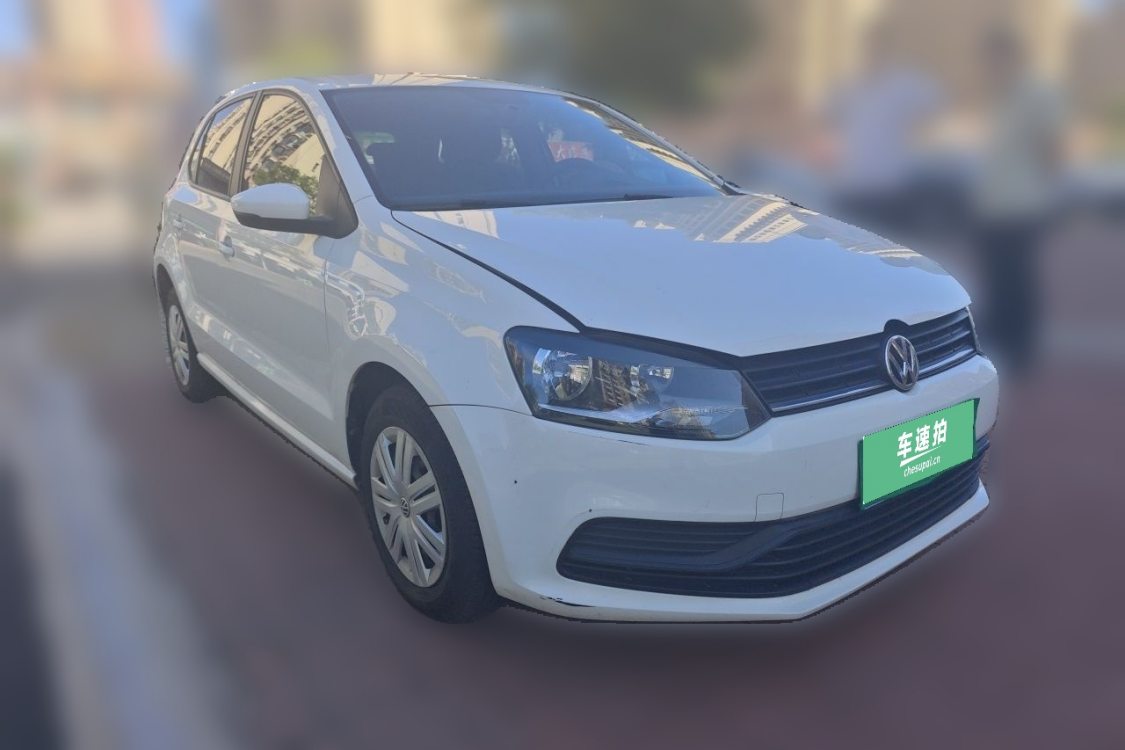
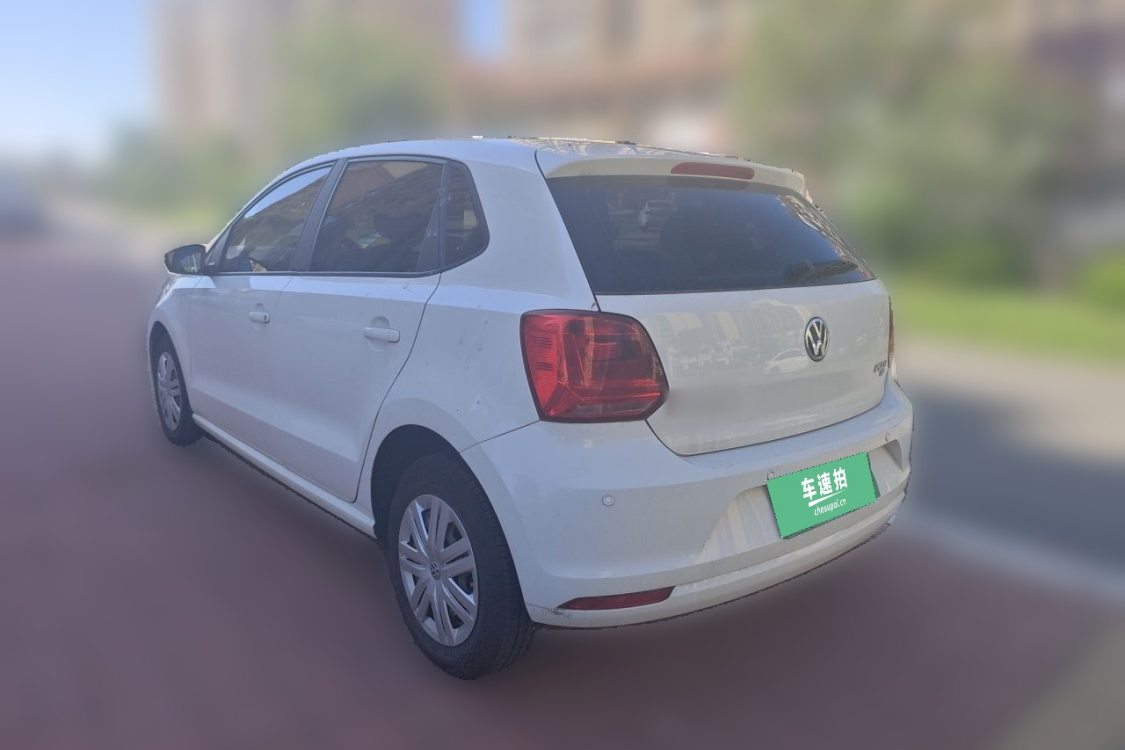
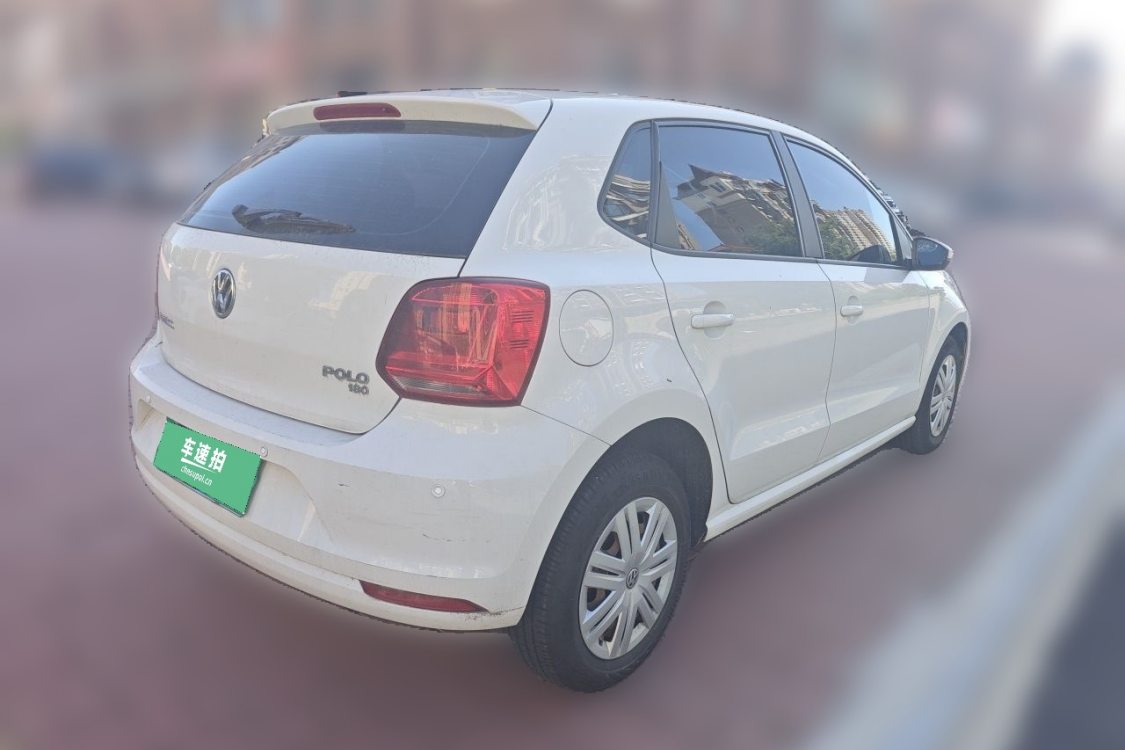
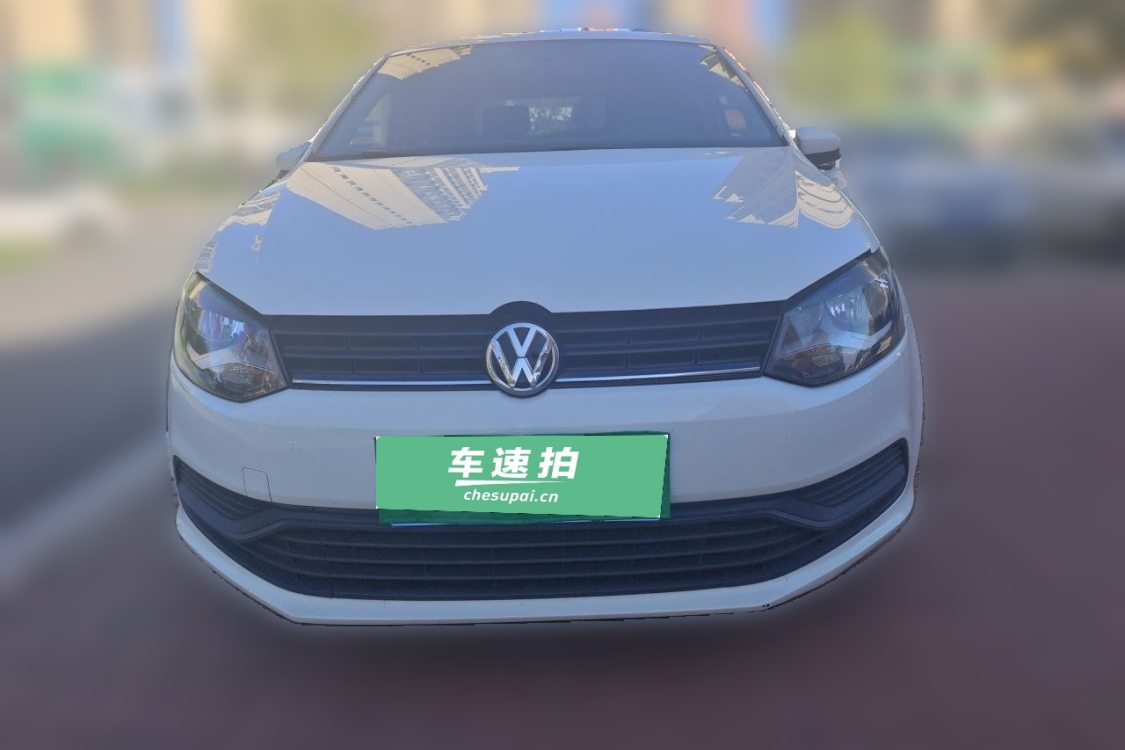
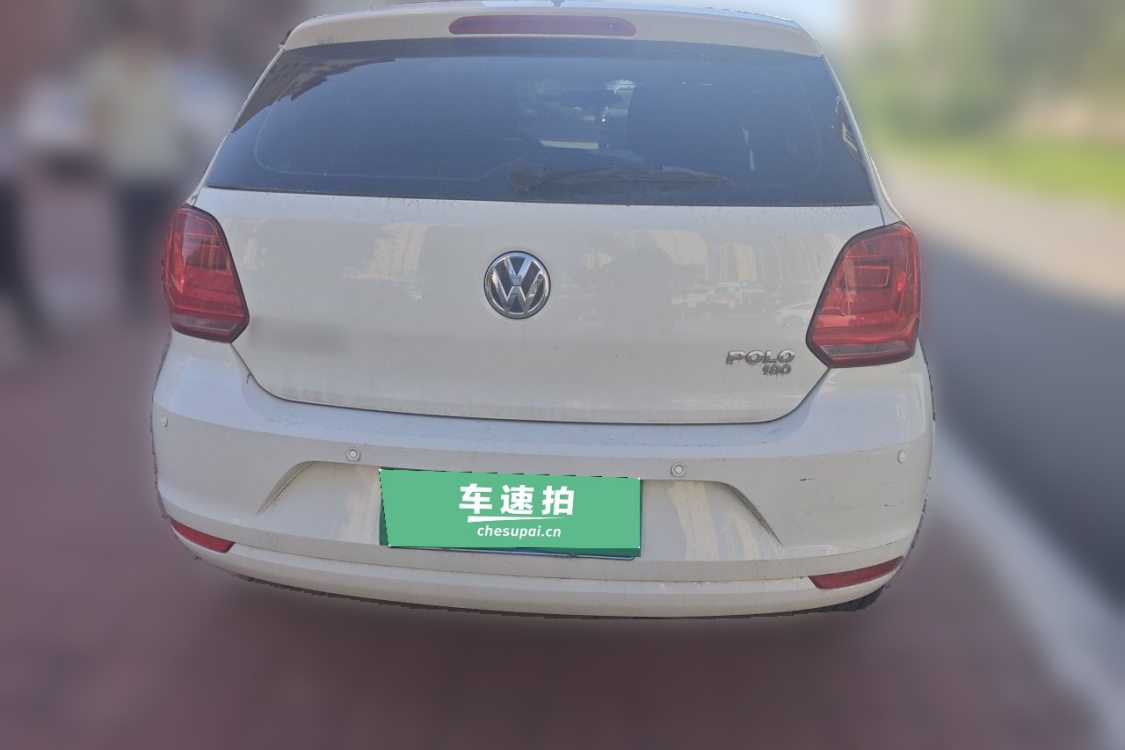
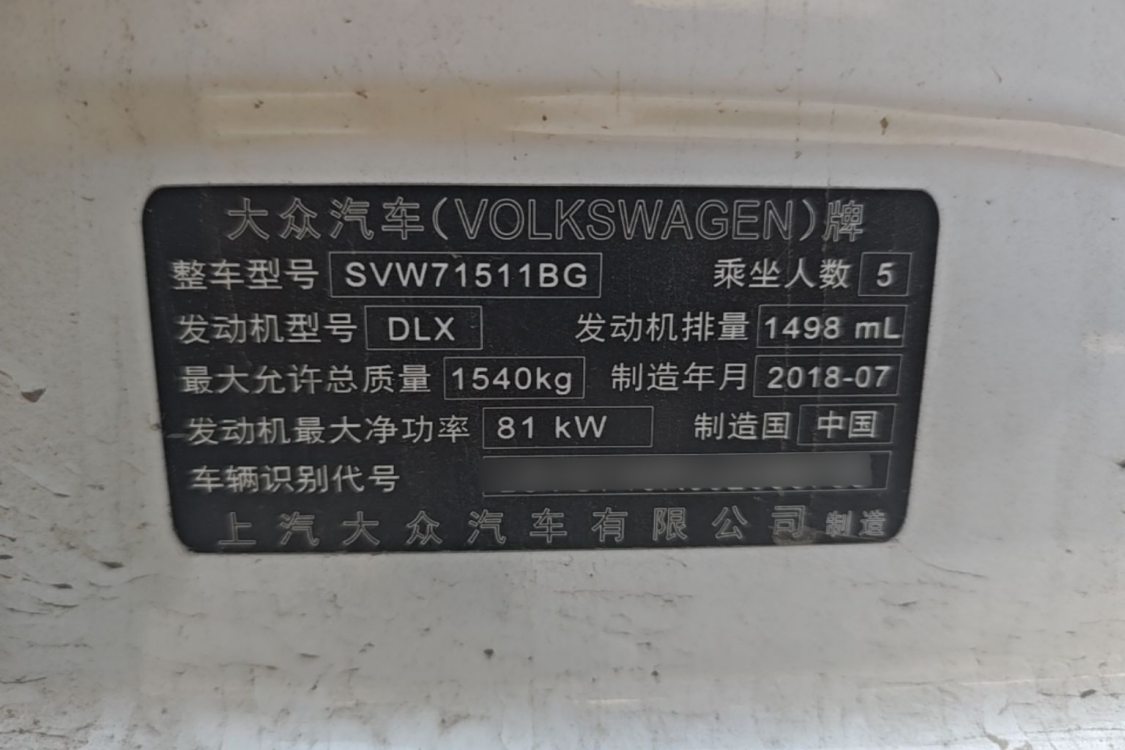
BrandVolkswagen
SeriesPolo
Year2018
First Registration2018/10
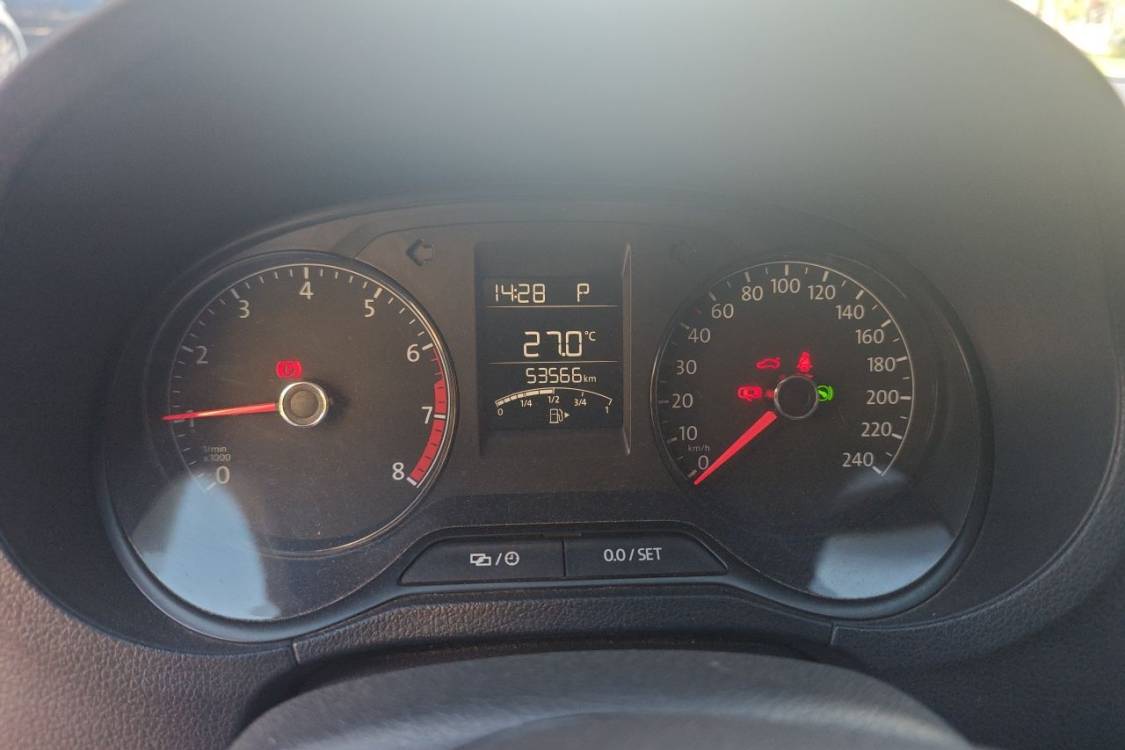
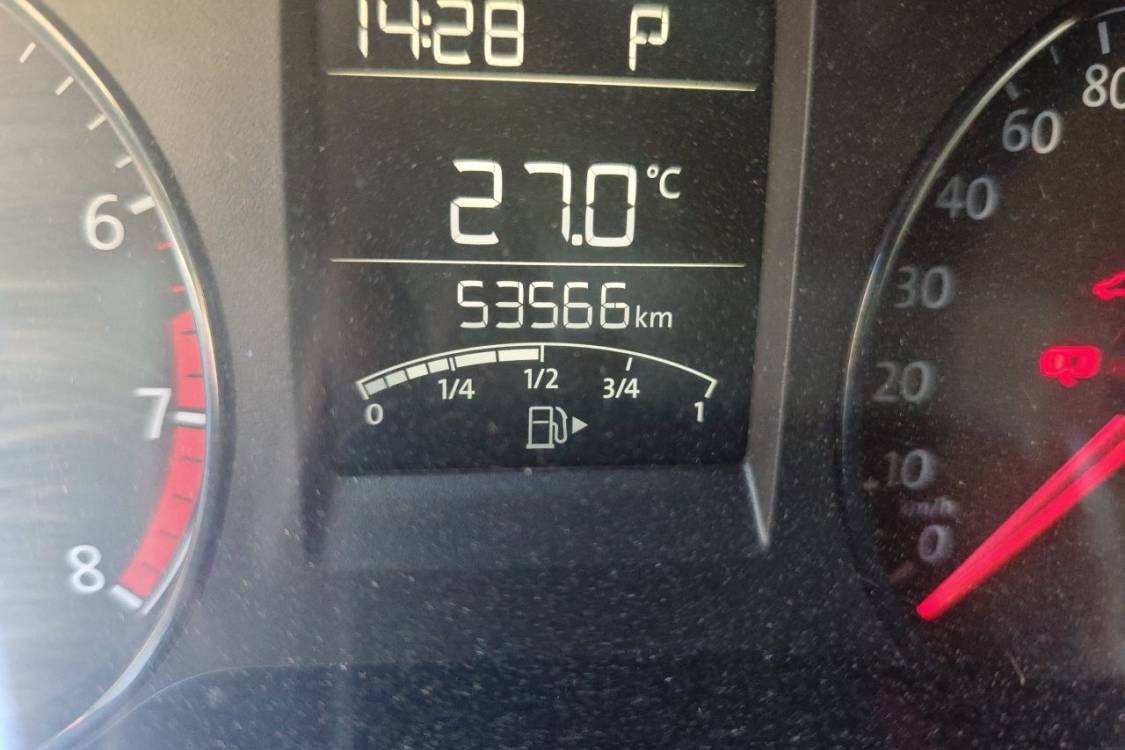
Mileage53,500km
Transfer Count-
FuelGasoline
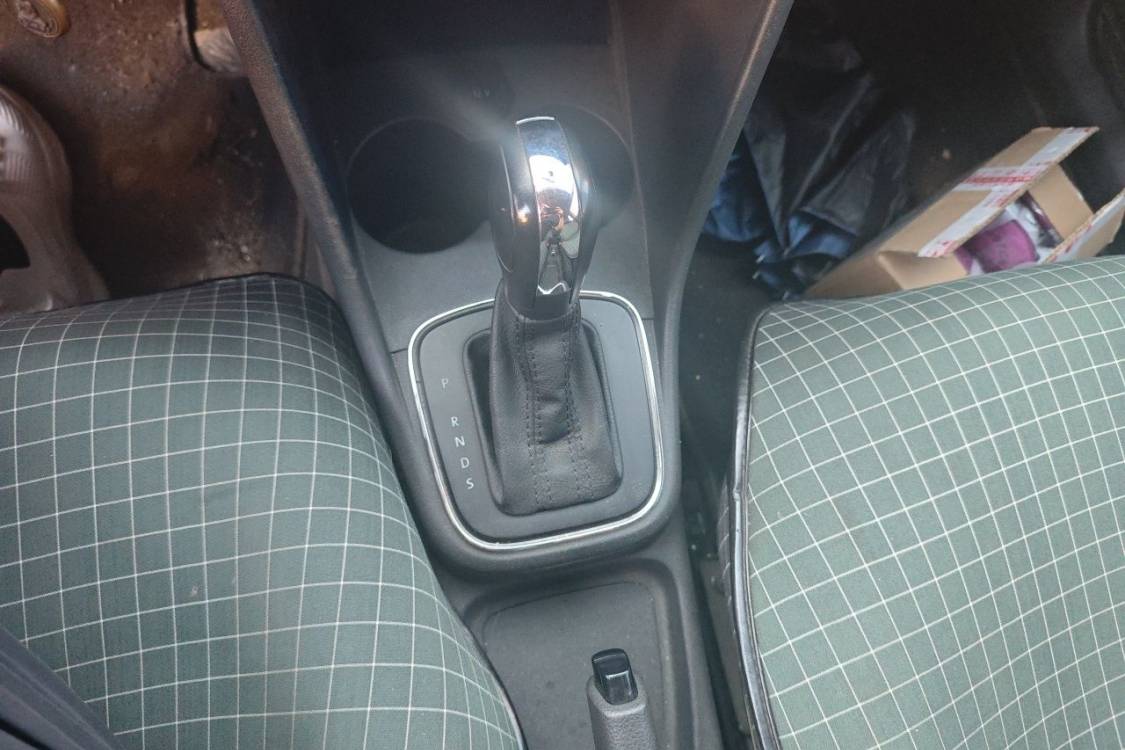
TransmissionAutomatic
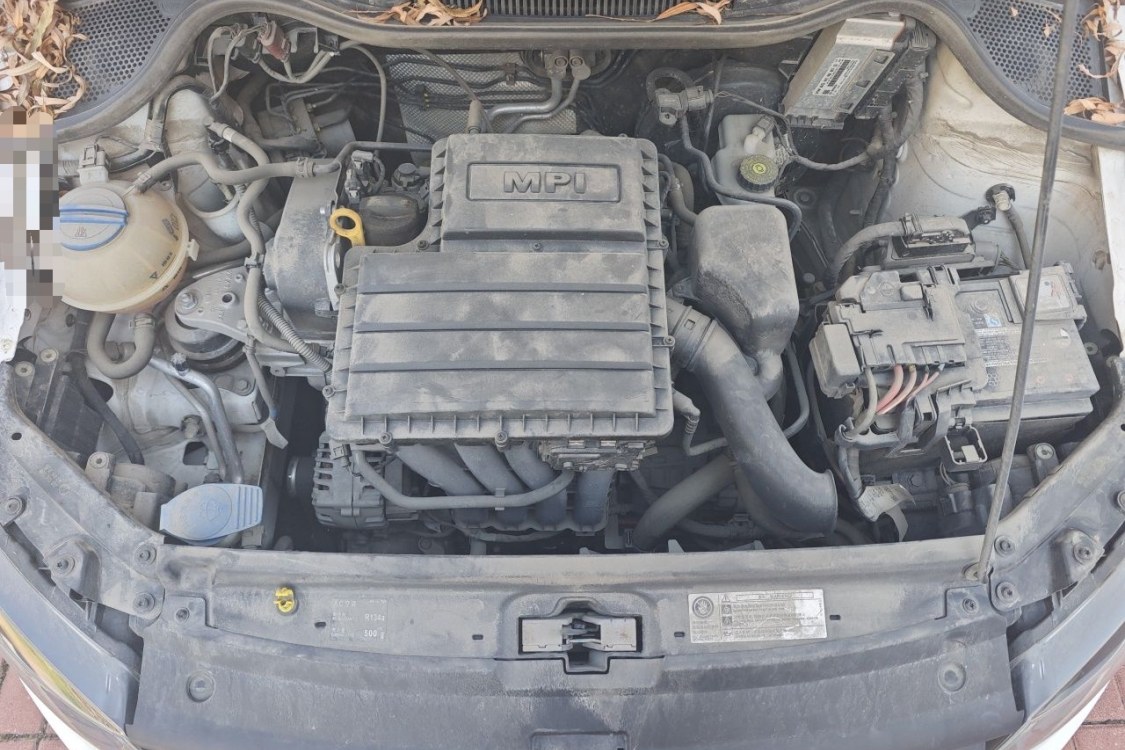
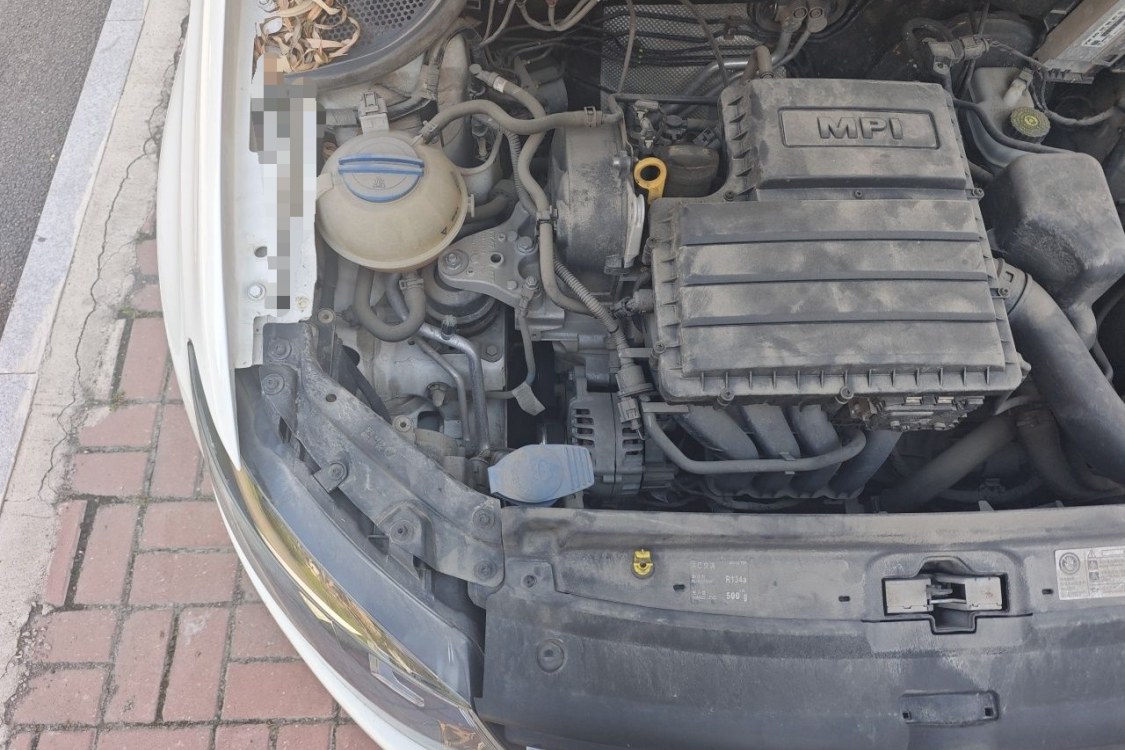
Engine1.5L 110 L4
ColorWhite
Seats-

Condition Description

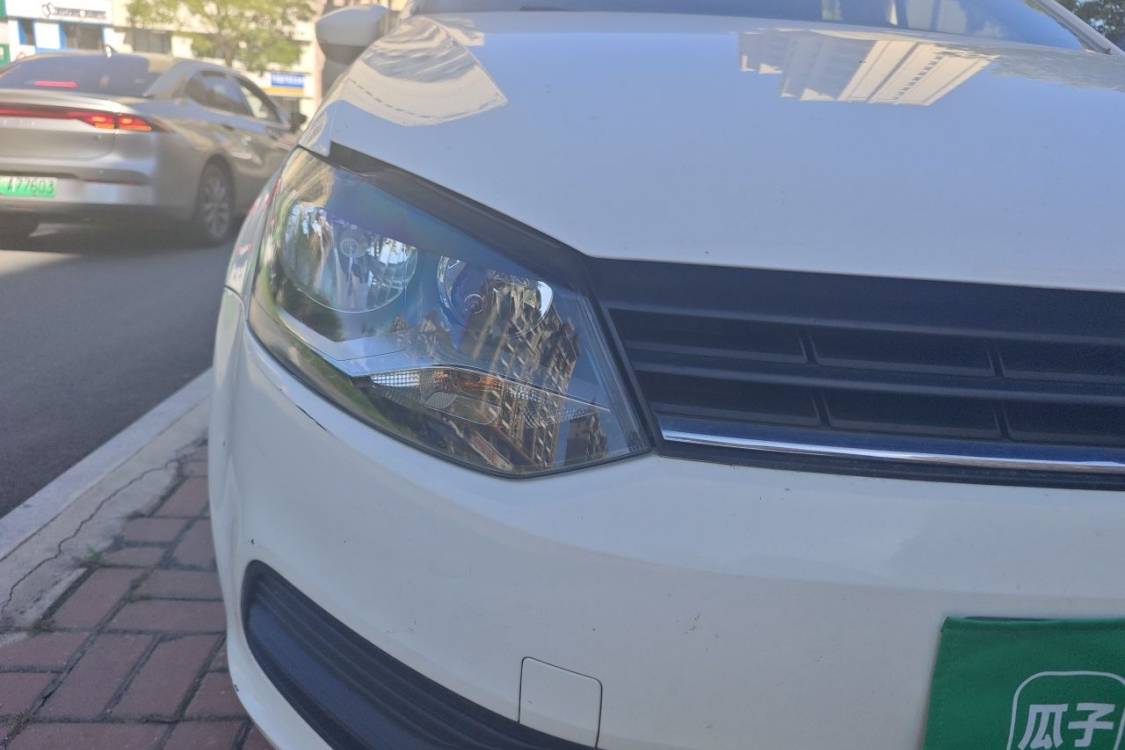
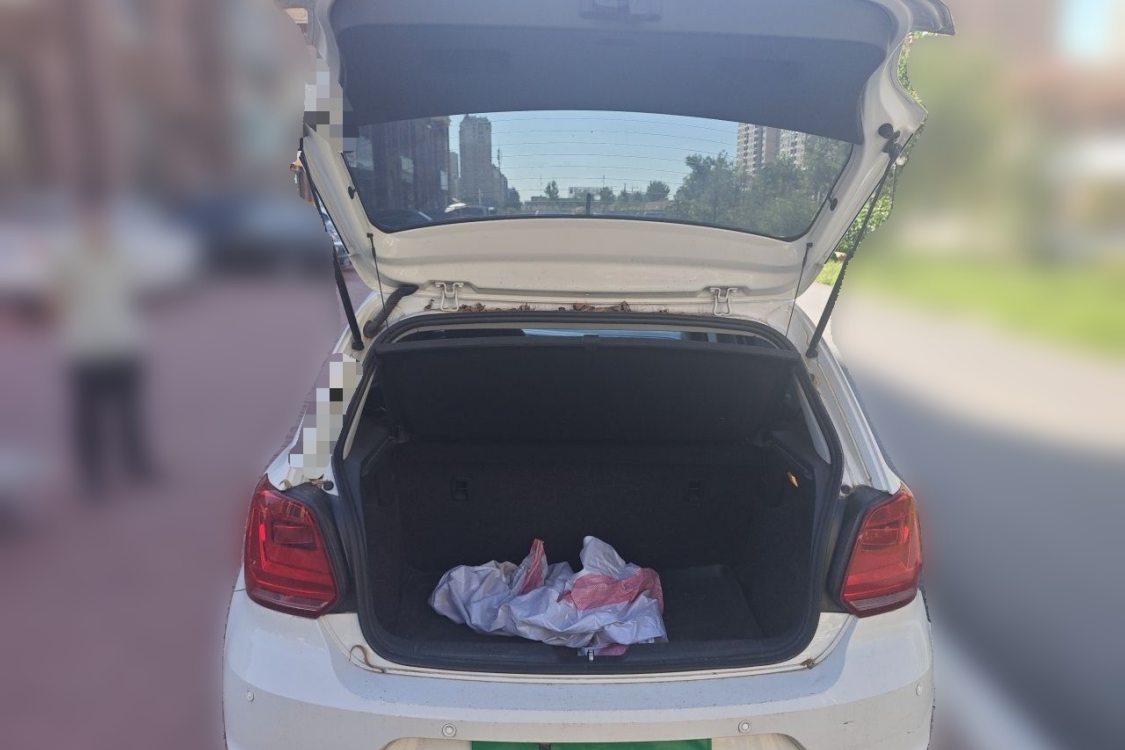
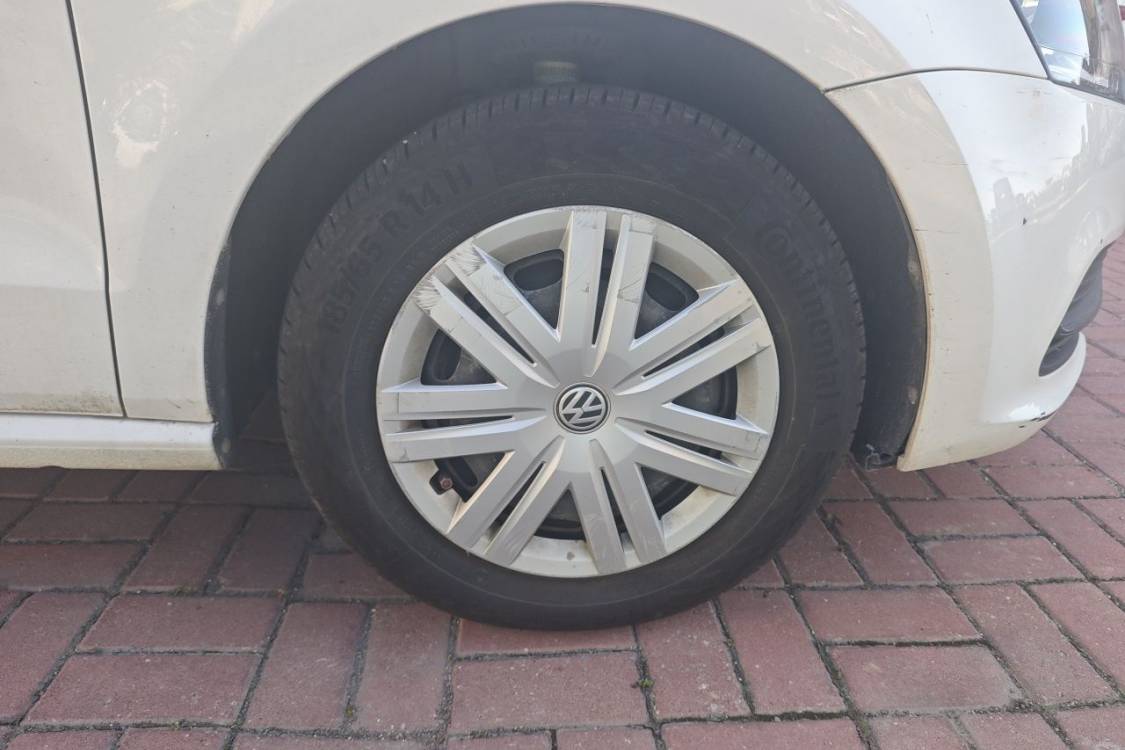
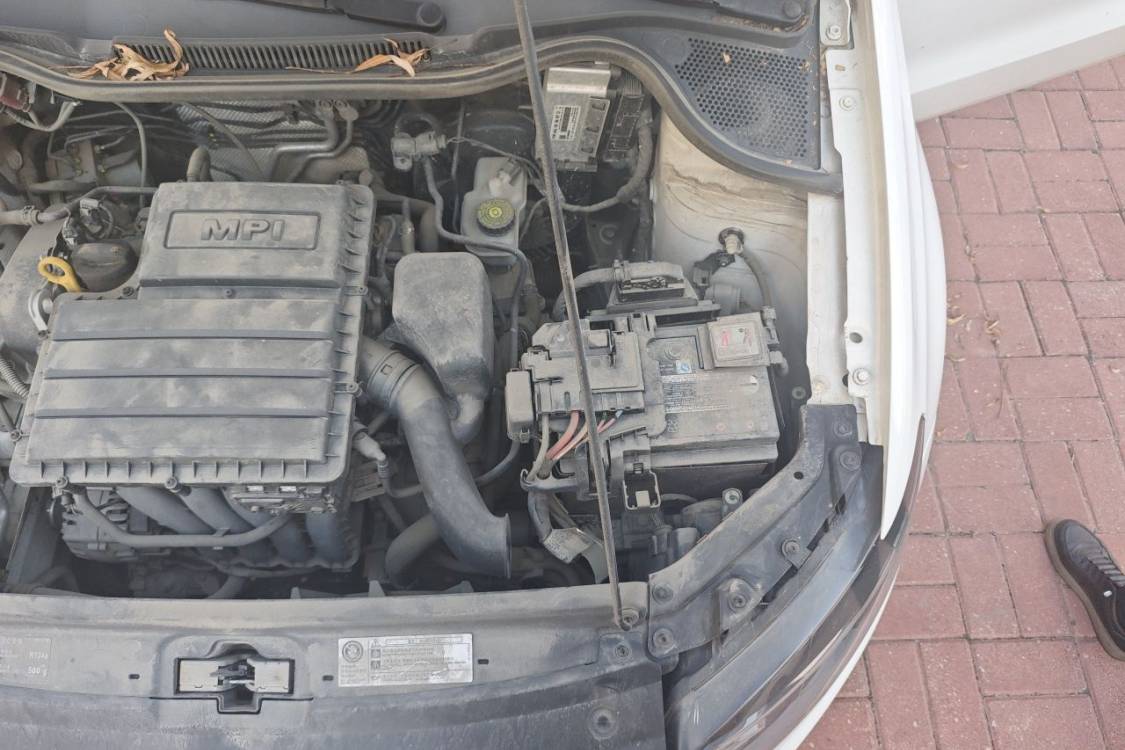
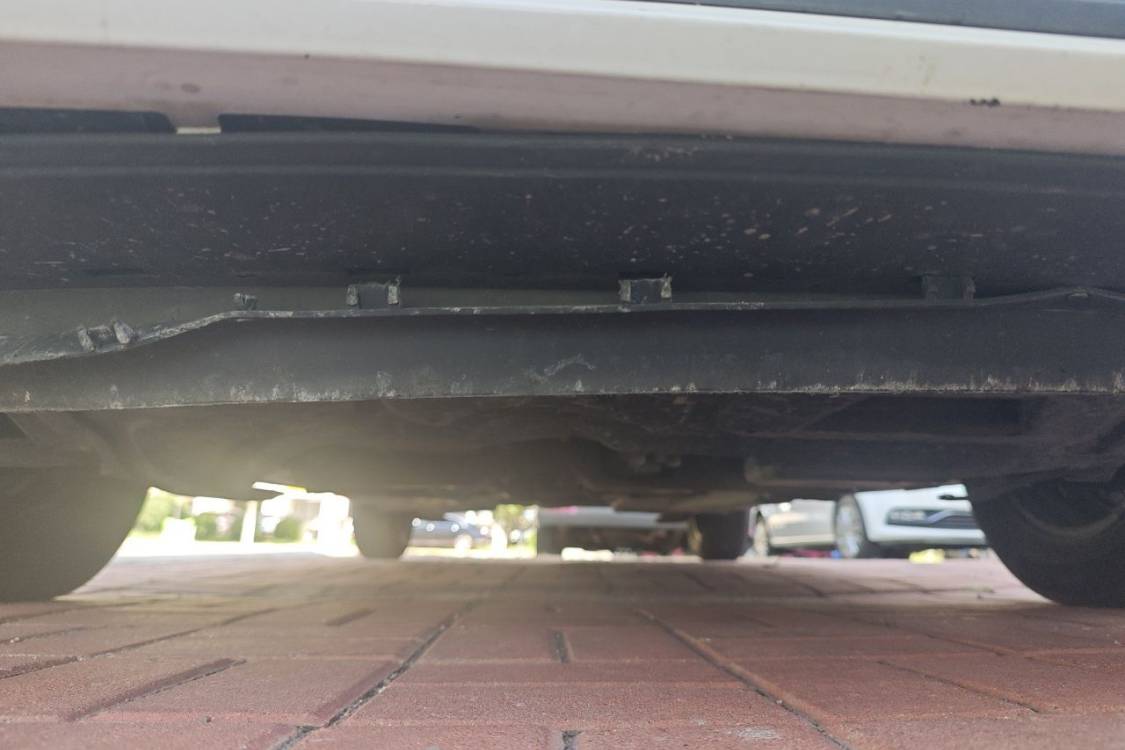
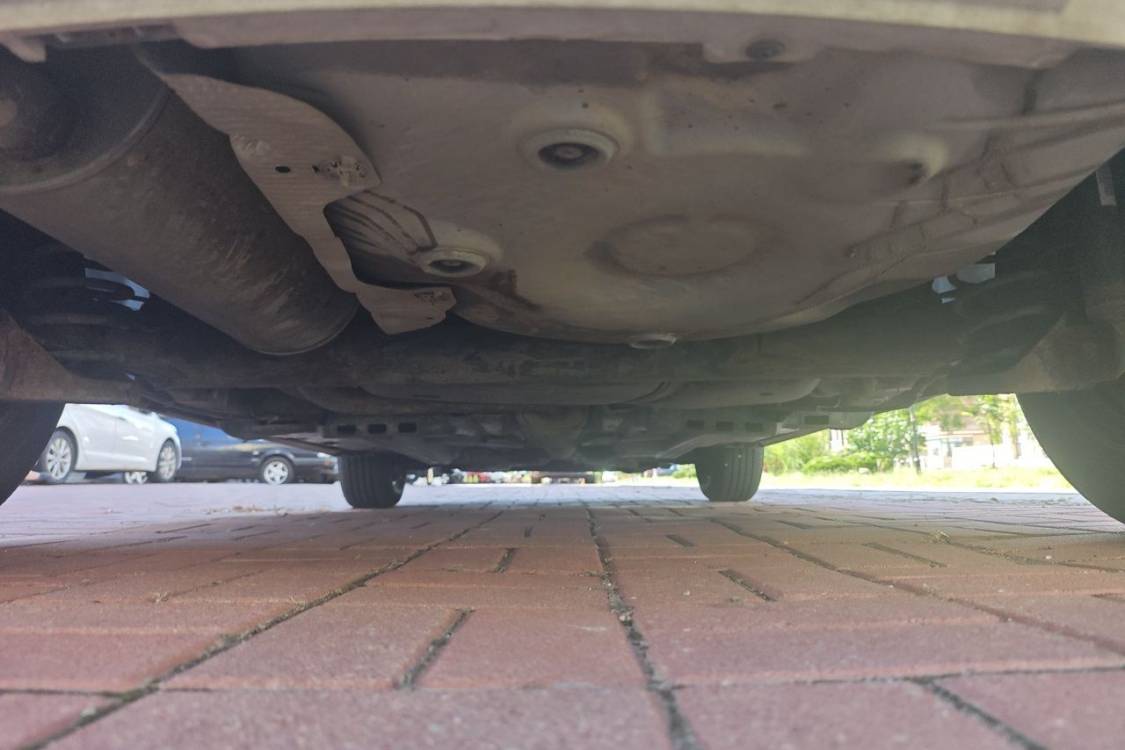
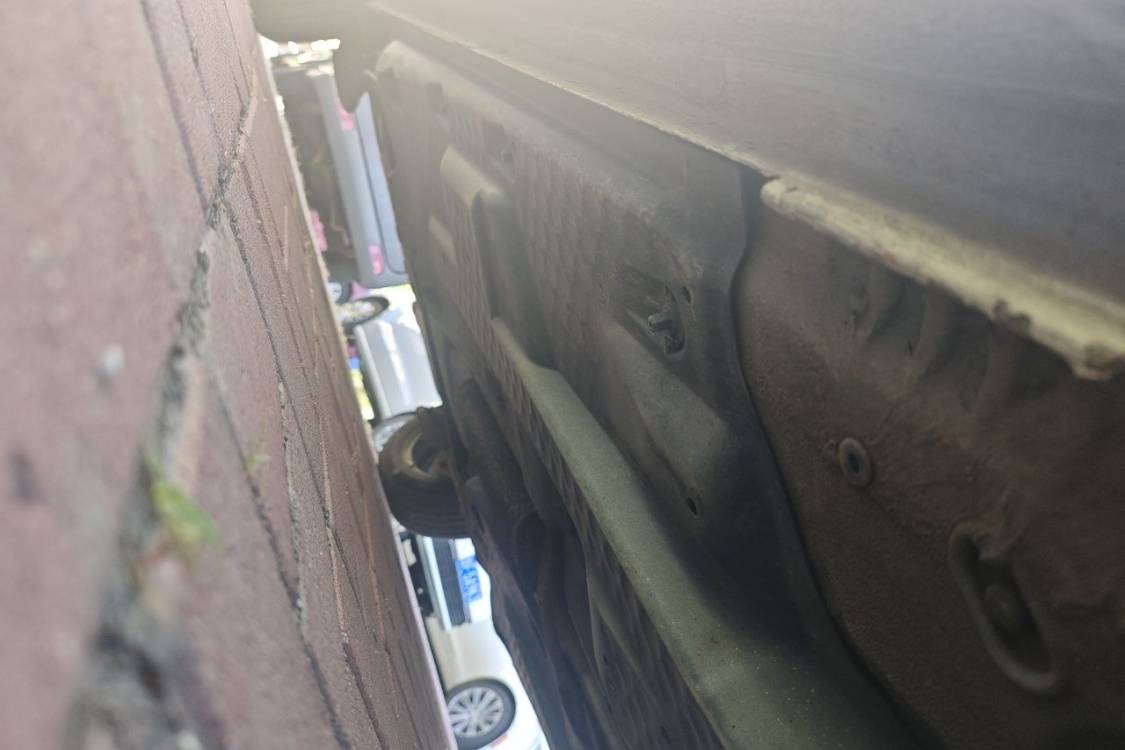
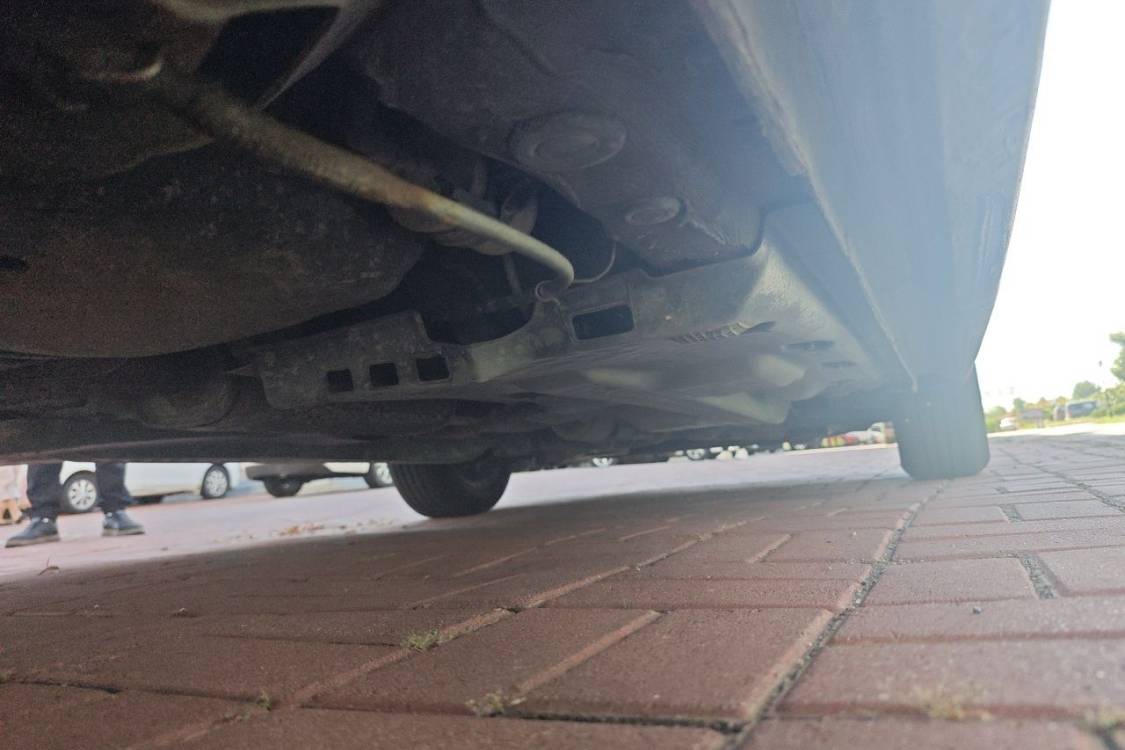
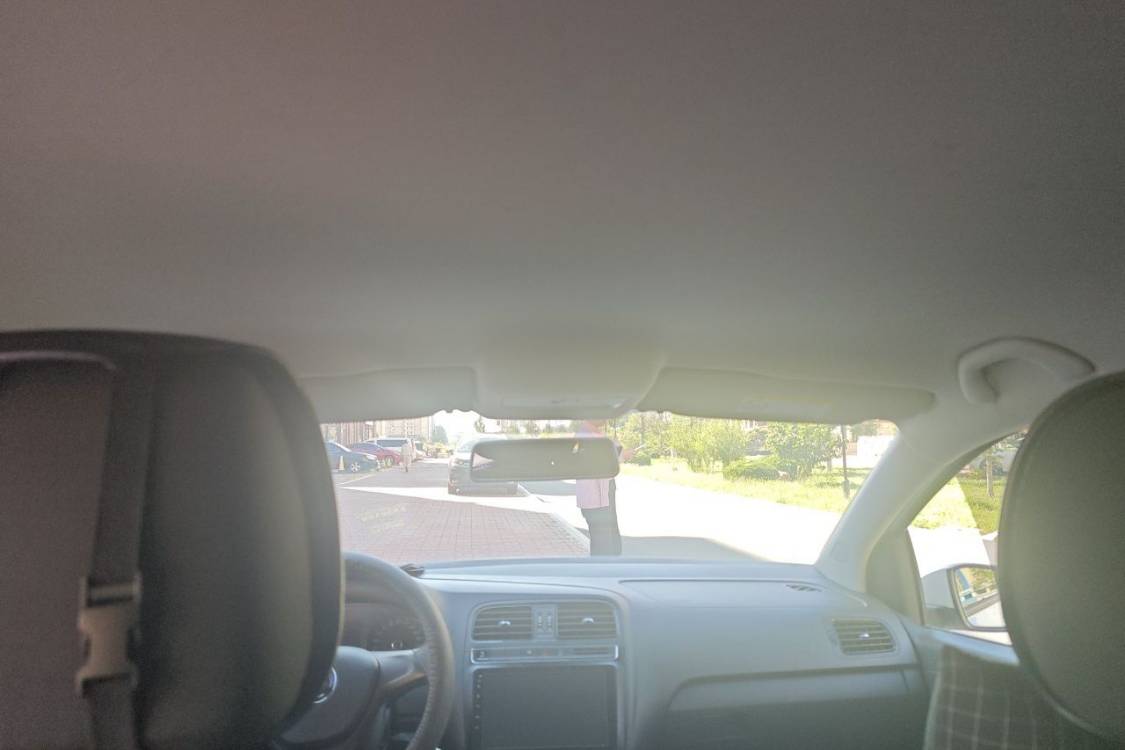
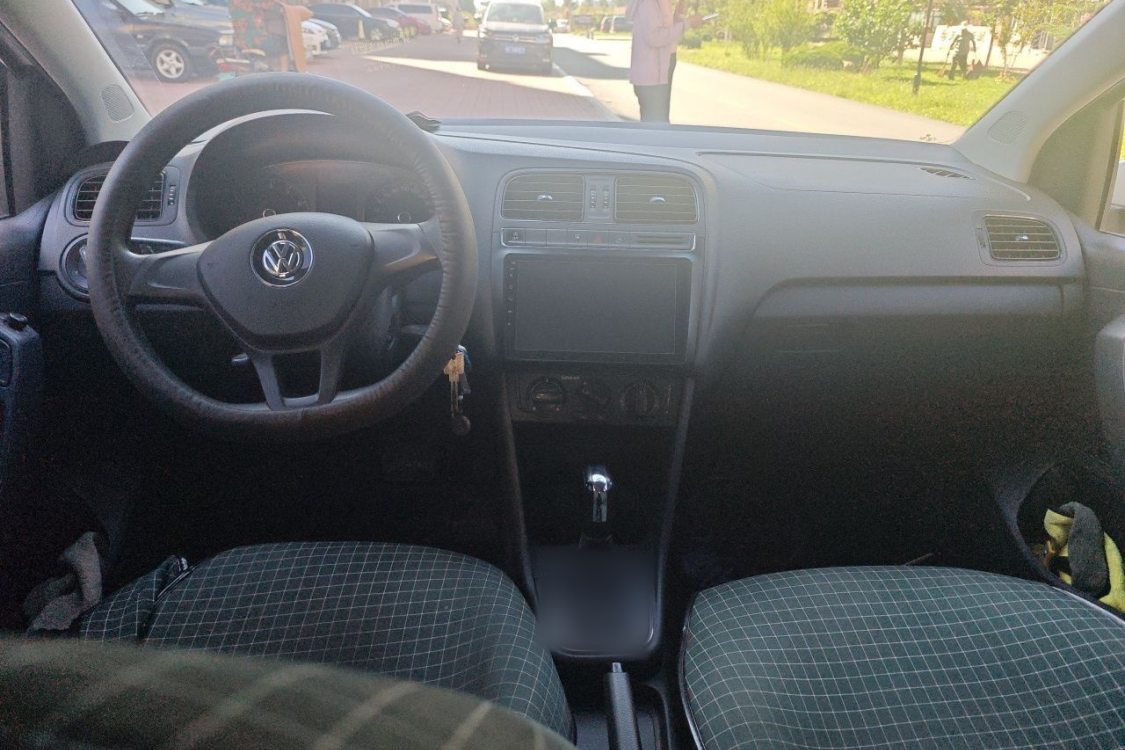
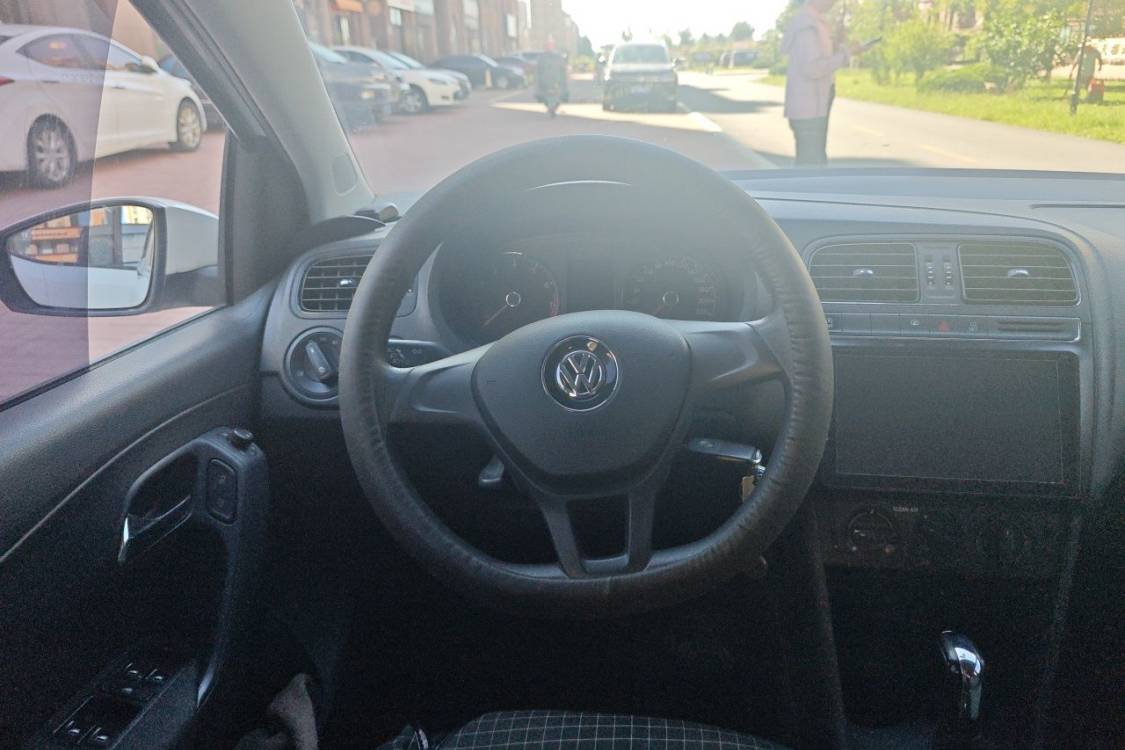
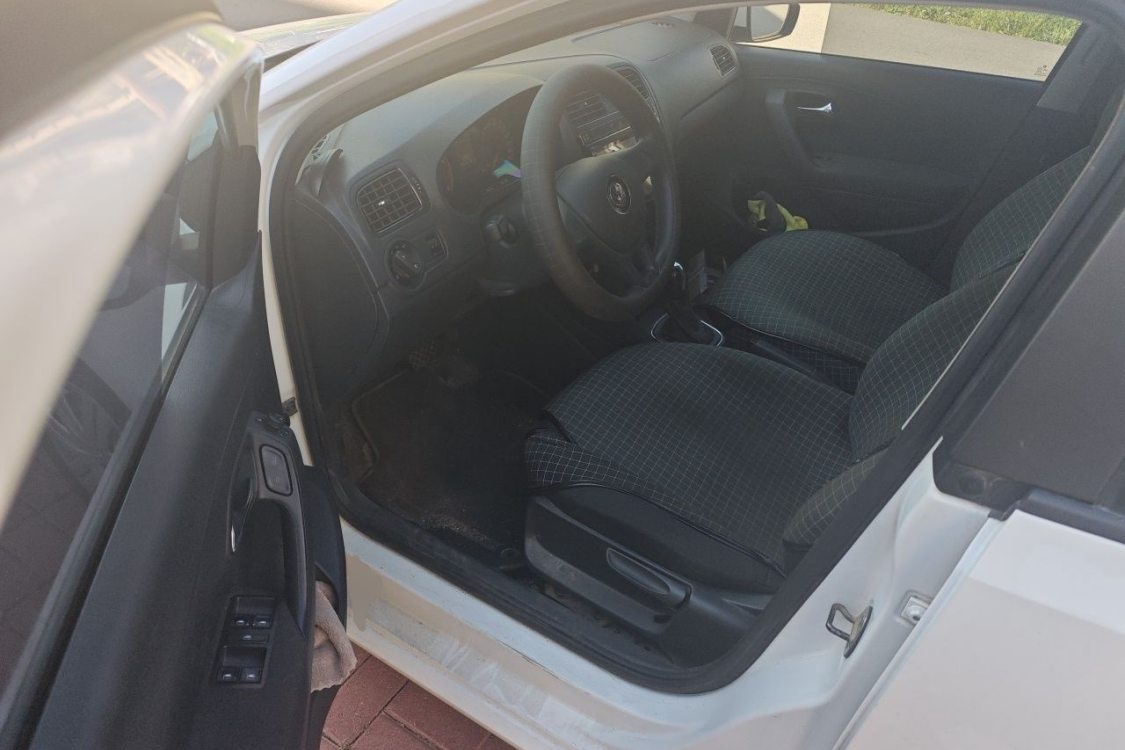
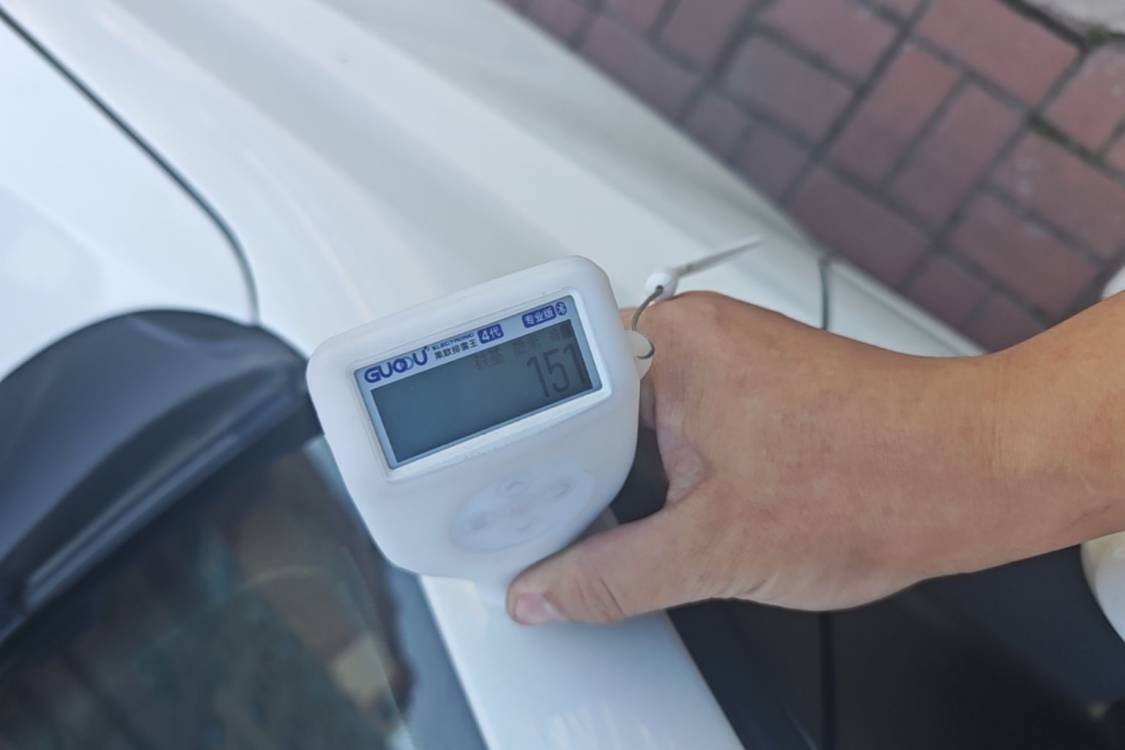
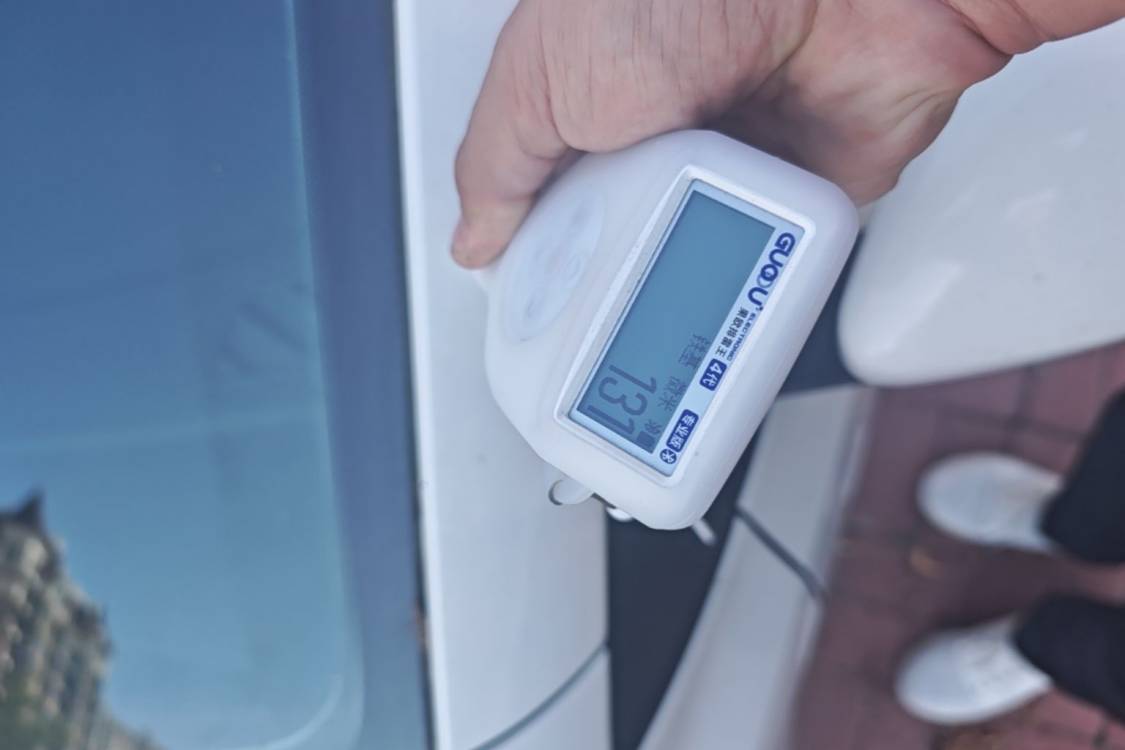
Localized body damage or repair marks present. No accident-related damage or repairs to structural or reinforcing components. Vehicle performance (including three-electric system) has degraded or is limited.

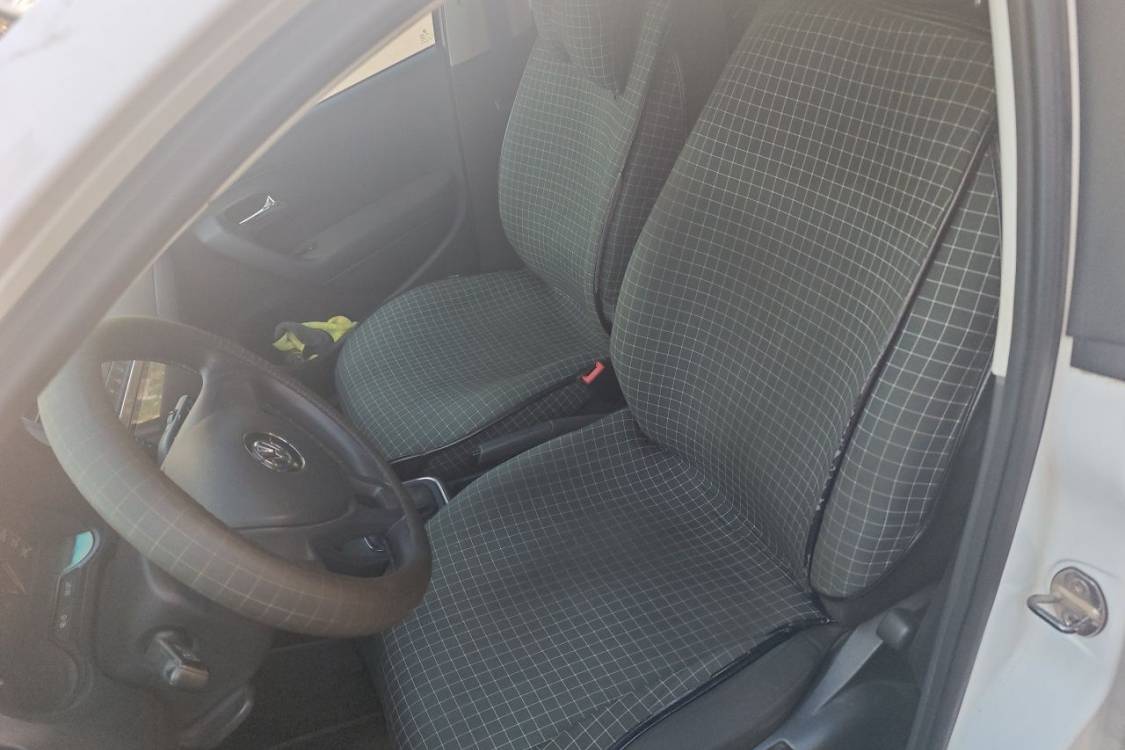
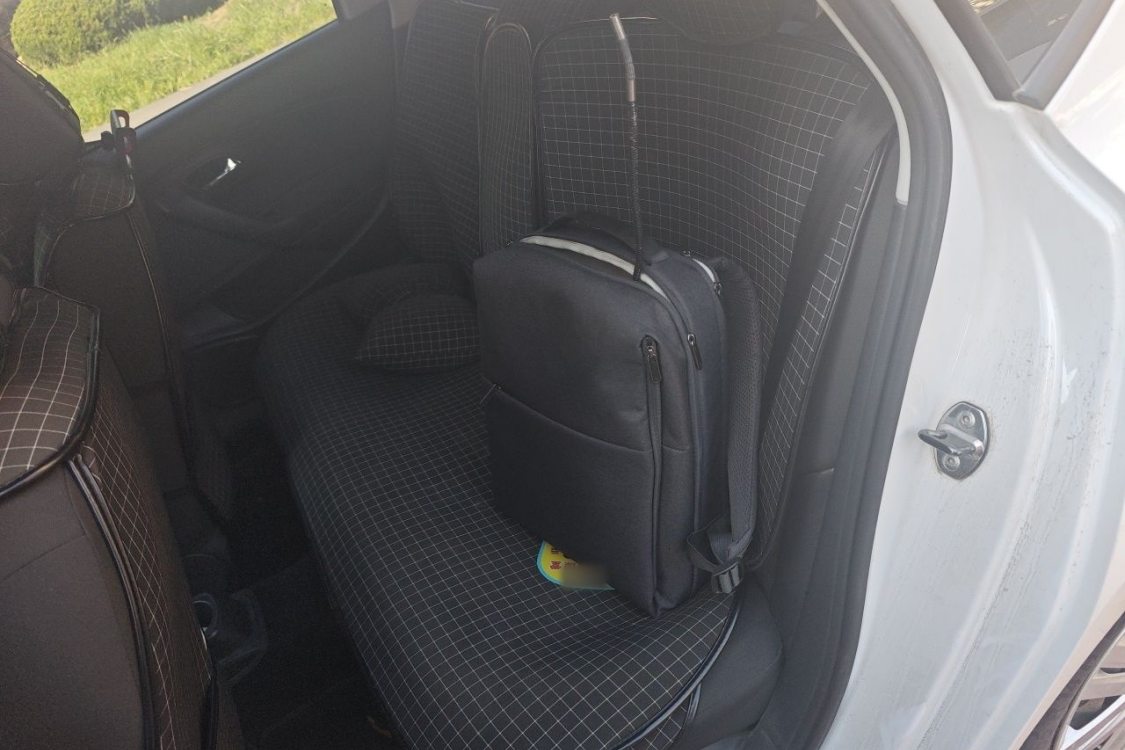
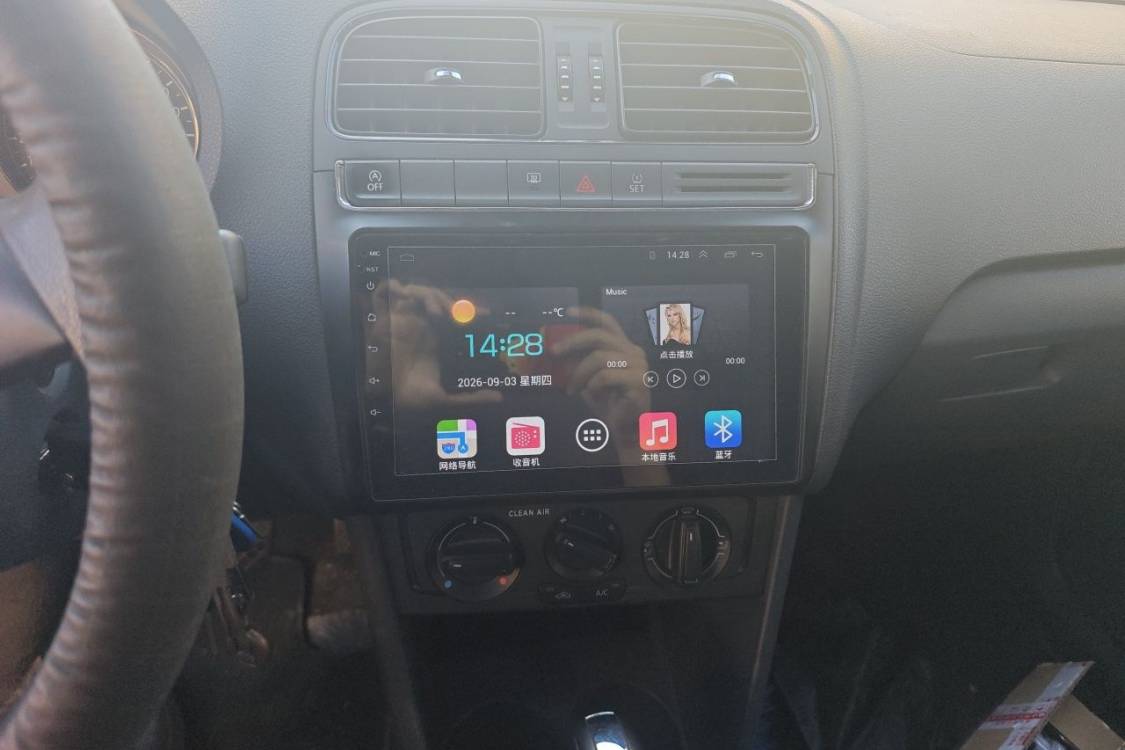
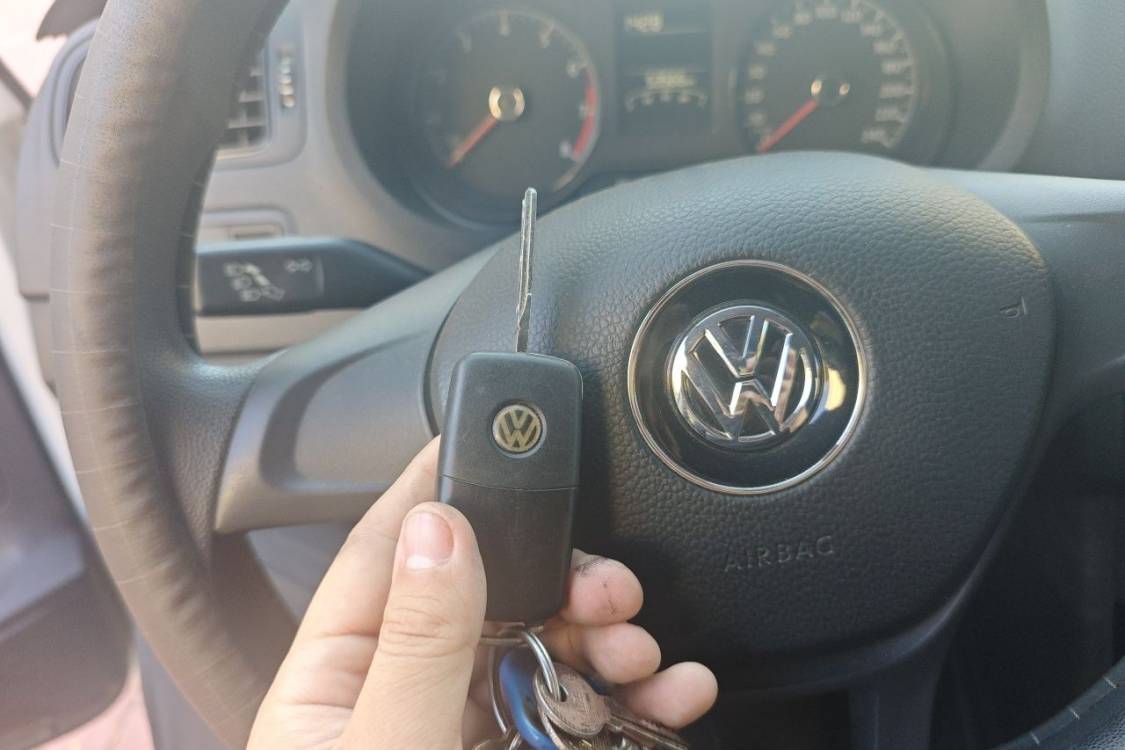
Accident inspection: main structure damaged, reinforcing components undamaged, panels damaged, hinges normal. Engine bay inspection: key mechanical components normal. Exterior: 3 repainted areas. Interior: most features normal, airbag system normal, seatbelts normal, dashboard normal, instrument cluster normal, lighting system normal. Startup inspection: main components normal. Tool kit: missing.

电话直连
可讲价
平台物流
可转售
零过户
新检测标准升级>
非泡水

Document Information

Inspection Expiry Date2026/10
Warranty Expiry Date-
Insurance Expiry Date2026/10

Q&A

More

How do I check the battery health (SOH) of a used Chinese EV before buying?

Battery condition is the single biggest value factor in a used EV, and it can be measured — do not accept a verbal "battery is fine" without data. First, ask for a battery health certificate: brands like BYD, NIO, XPeng and Li Auto can generate an official state-of-health report from the VIN, usually within minutes at a dealer or via the brand's app. Look for SOH above 85% for a car under five years old. Second, request a charge-and-discharge test during inspection: the displayed range at 100% charge compared with the original rated range gives a practical health estimate. Third, check battery warranty status. Most Chinese brands offer 8 years or 150,000–200,000 km on the battery pack, and the remaining warranty usually transfers with the car — get this in writing. Fourth, for cars heading to hot climates, confirm the battery cooling system works; overheating is a common killer of battery life. Add a minimum SOH guarantee to your purchase contract so you have recourse if the battery underperforms.


Why are the shipping costs for used electric vehicles (EVs) usually higher than for internal combustion engine vehicles (ICEs)?

Pure electric vehicles are classified as Class 9 Dangerous Goods due to their large lithium batteries, leading to strict shipping regulations. Shipping companies have high requirements for the loading position and fire isolation measures for dangerous goods, and some roll-on/roll-off ships refuse to accept used EVs. As a result, EVs often require more expensive special container shipping and incur additional handling fees for hazardous materials.

How do I decode a Chinese VIN and what can it tell me about a used car before I buy?

A Chinese VIN is 17 characters, and decoding it takes minutes but reveals a lot. Positions 1-3 are the World Manufacturer Identifier. Cars sold domestically in China usually start with L (for example LFV for FAW-VW, LGB for Dongfeng Nissan), which tells you it was built in China rather than imported. Position 10 is the model year letter or number. Positions 4-8 describe the model, body type, and drivetrain, so you can verify the seller's description matches the actual car. Cross-check the VIN in three places: the plate at the base of the windshield, the sticker on the door jamb or B-pillar, and the registration certificate. Mismatched VINs or signs the plates were re-riveted are a serious red flag for a cloned or rebuilt vehicle. Use the VIN to pull a history report from a Chinese data provider and to verify recall status with the manufacturer. Any seller who hesitates to share the full VIN is telling you something important.