


24H

Basic Information

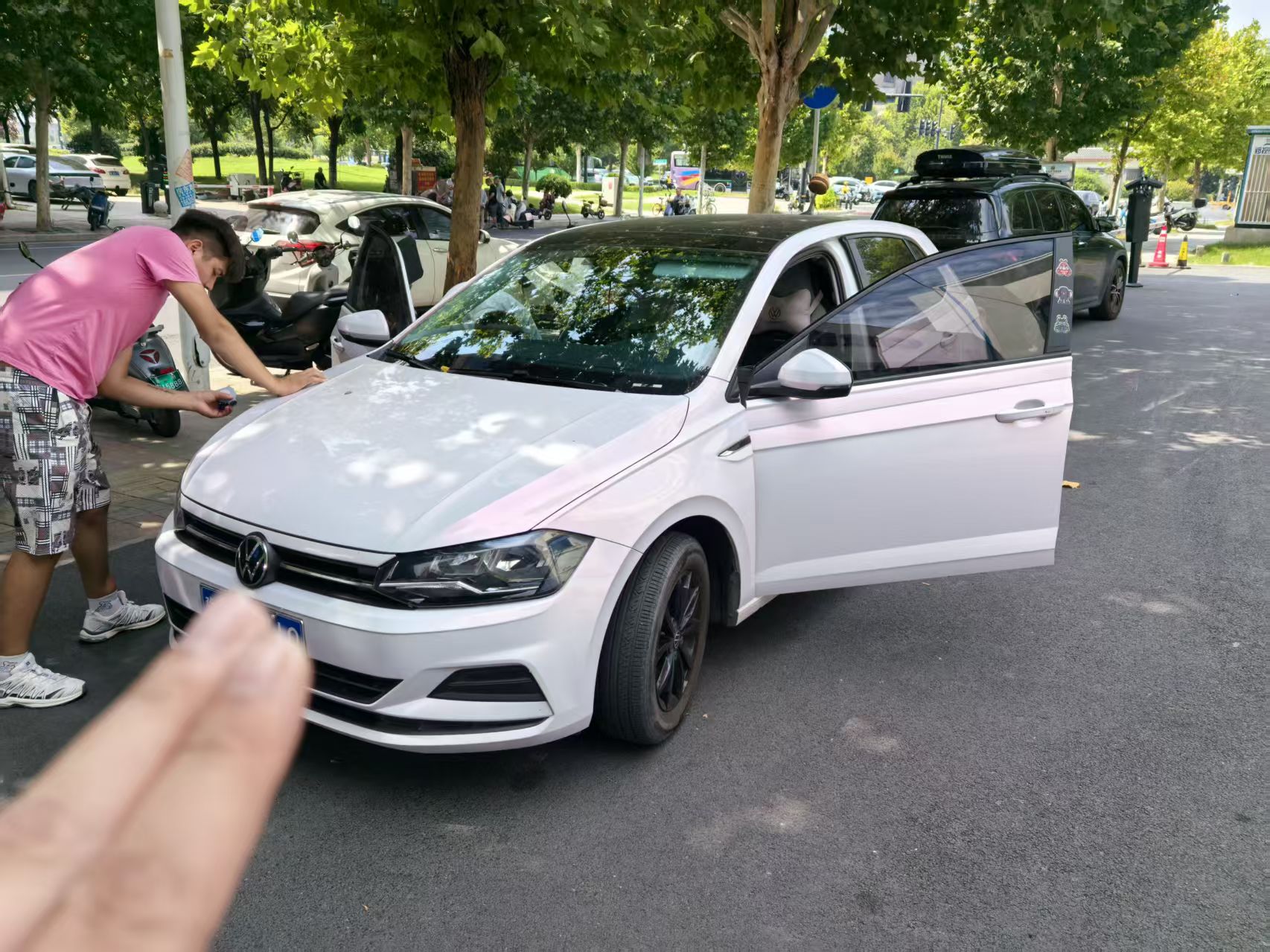
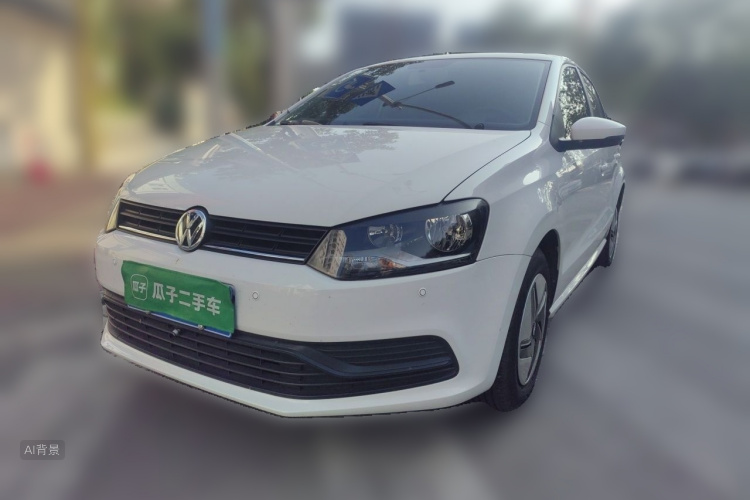
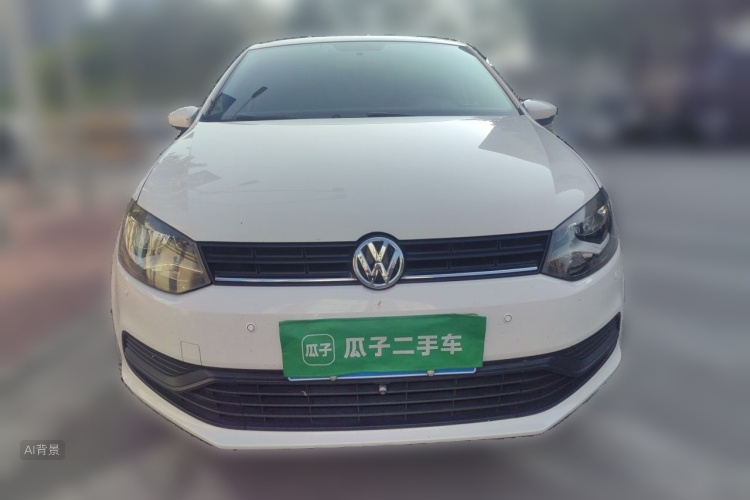
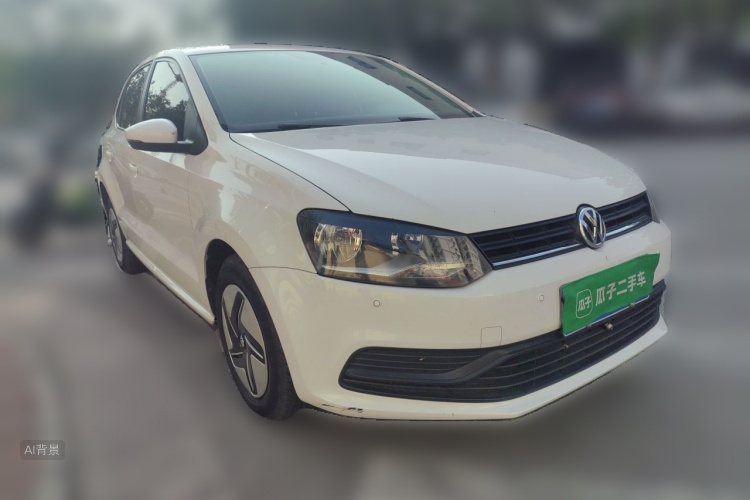
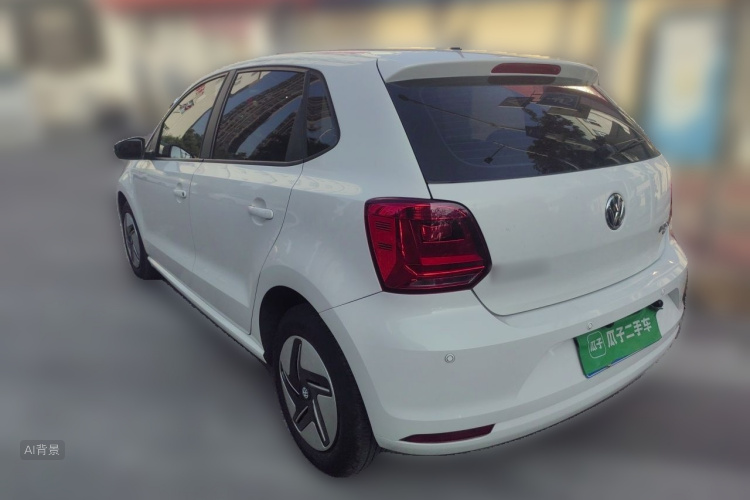
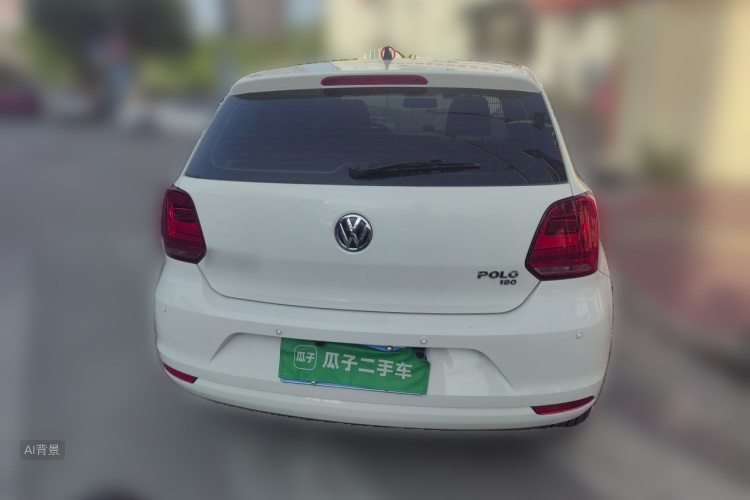
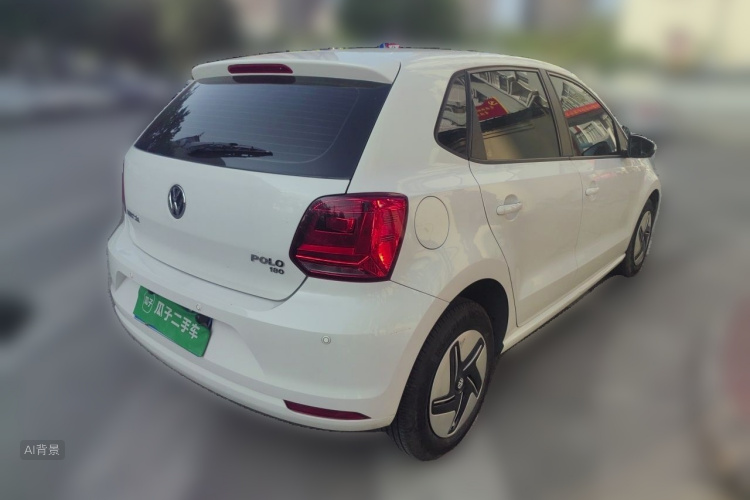
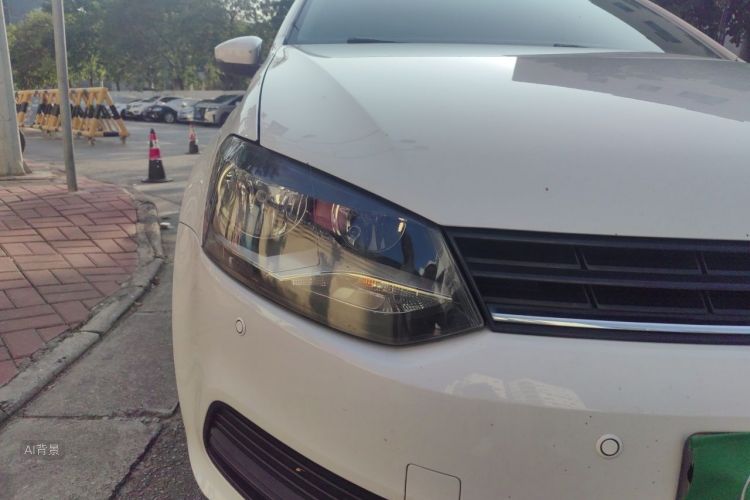
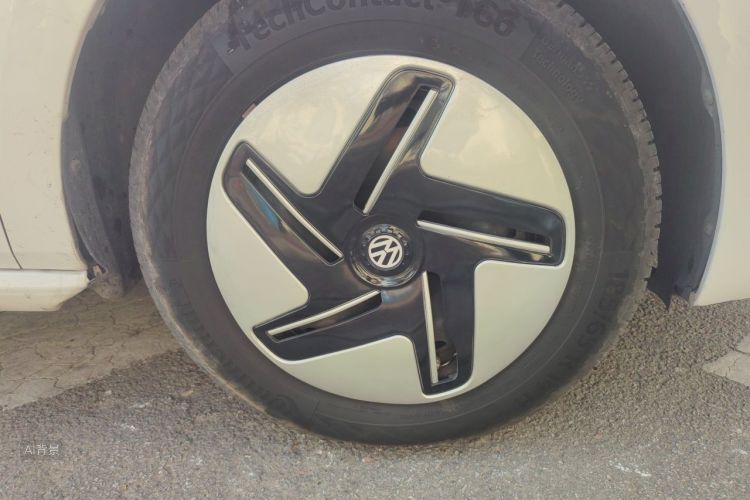
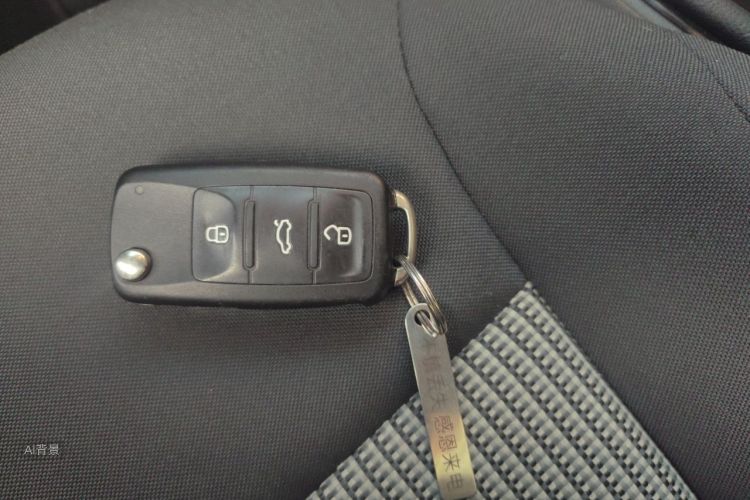
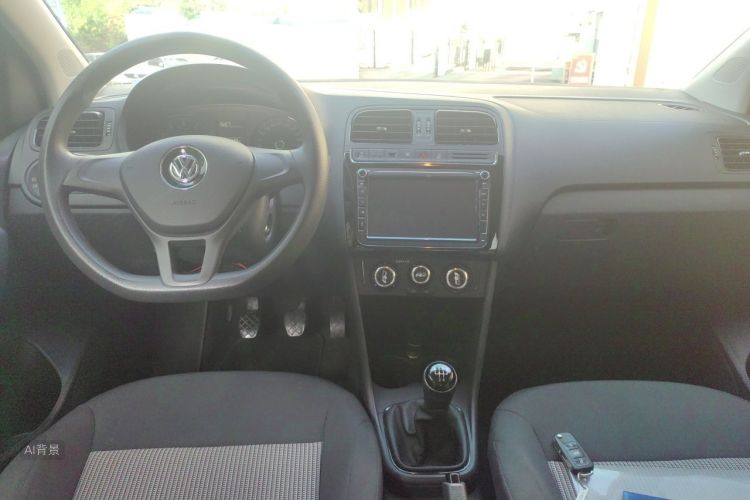
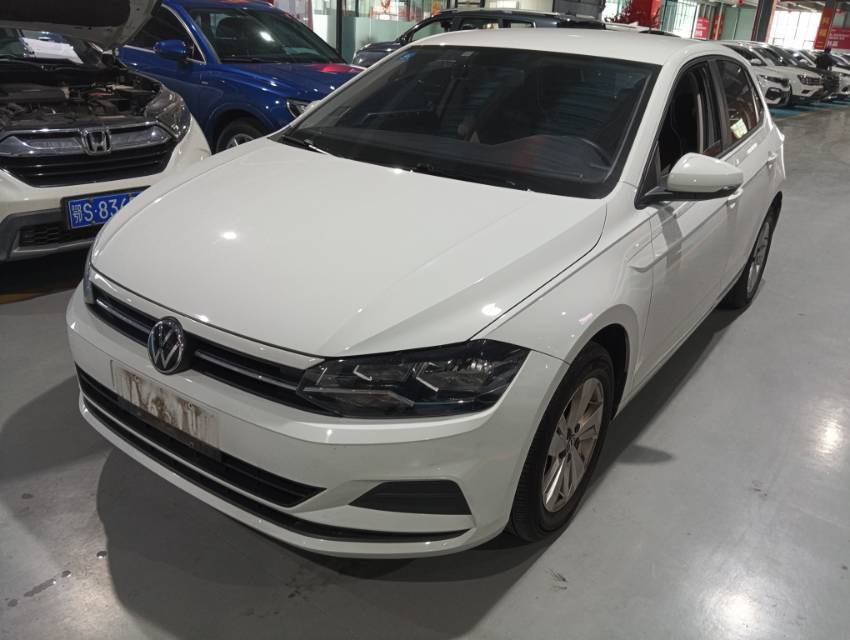
BrandVolkswagen
SeriesPolo
Year2019
First Registration2019/02
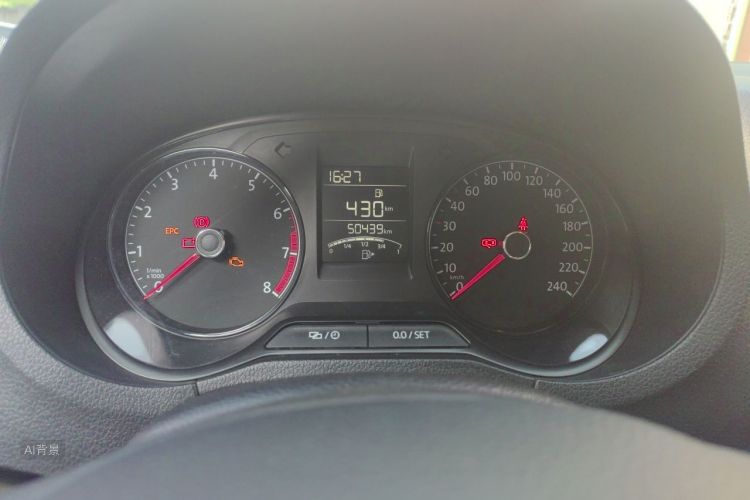
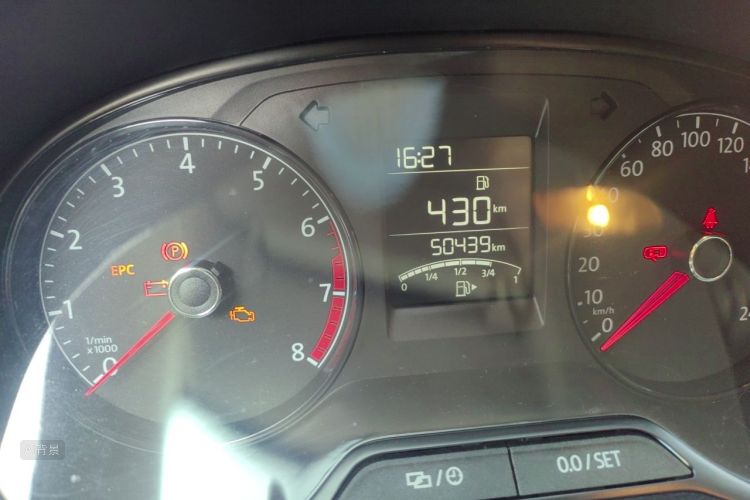
Mileage50,400km
Transfer Count1times
FuelGasoline
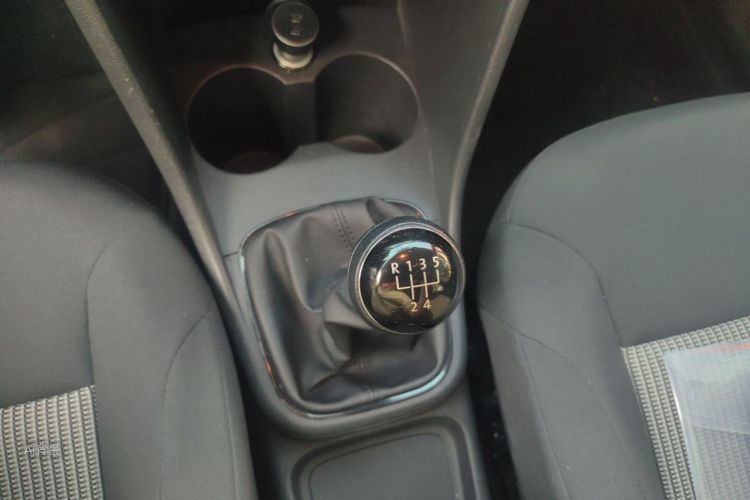
TransmissionManual
Engine1.5L 110 L4
Color
Seats-

Condition Description

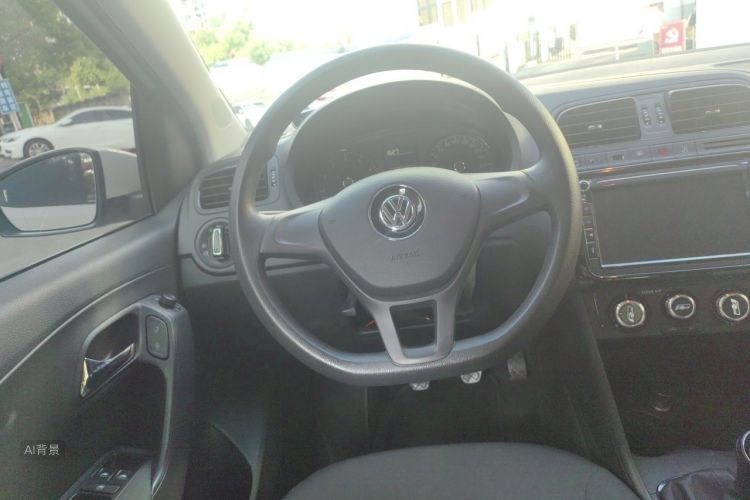
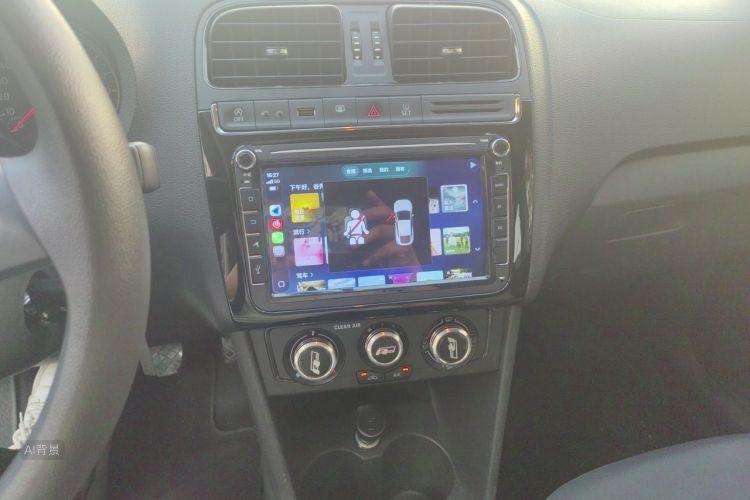
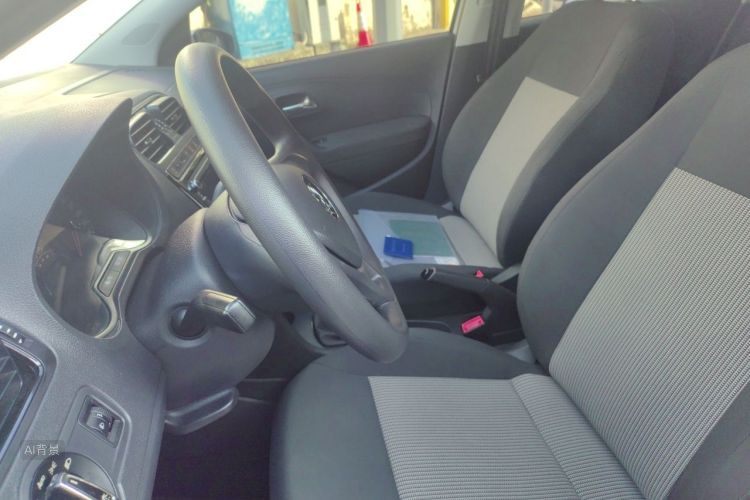
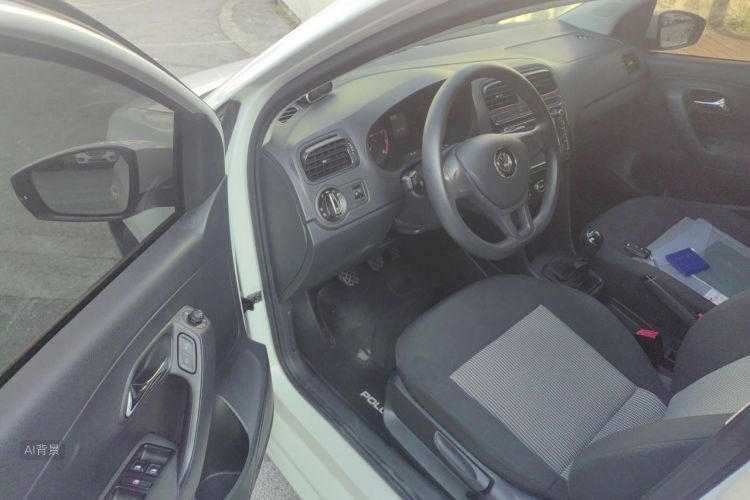
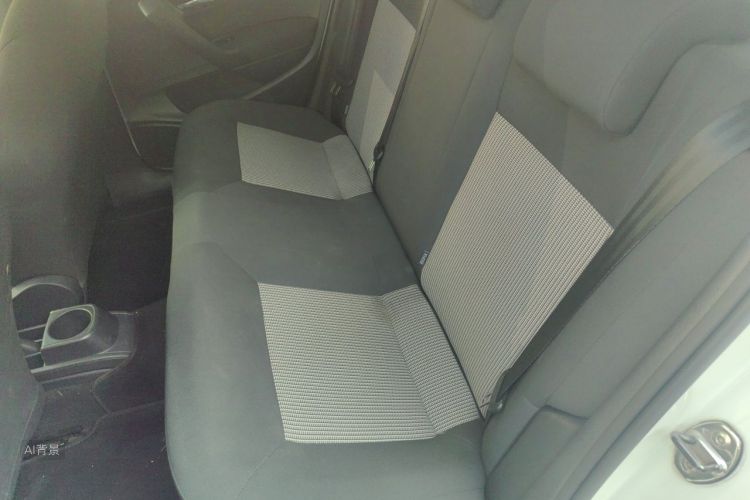
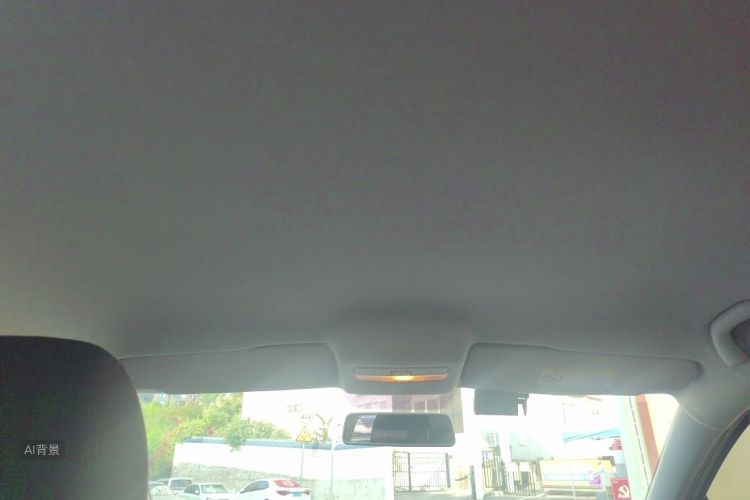
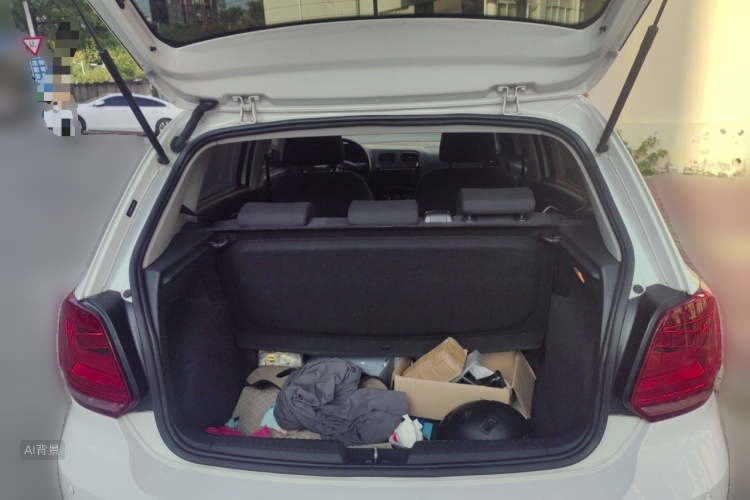
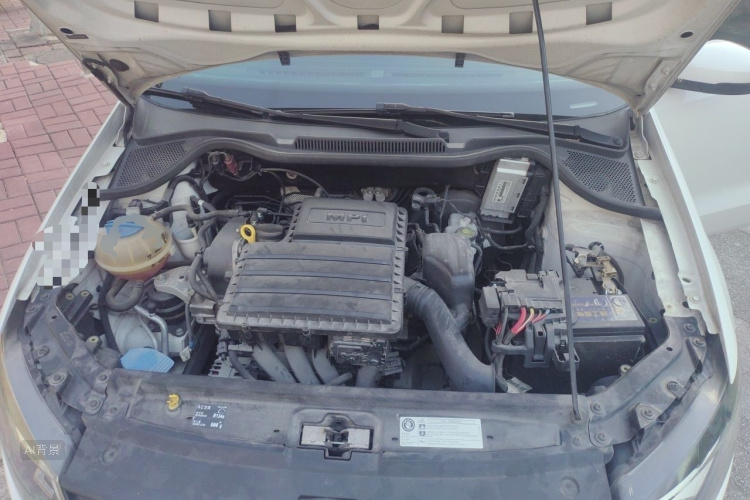
Excellent basic condition | 0 insurance claims | 1 transfer

Q&A

More

Can you convert mainstream left-hand drive (LHD) cars in China to right-hand drive (RHD) and then export them?

We maintain an extremely cautious and firm denial. Some platforms may cater to such demands for orders, but converting left-hand drive to right-hand drive involves complex steering column cutting, firewall structure changes, and wiring harness reorganization. This non-factory deep modification poses significant safety risks and is very difficult to pass vehicle safety inspections in developed countries (such as Japan's earthquake test and the UK's IVA test). Out of responsibility for safety and long-term reputation, we refuse to provide any steering conversion services that damage the vehicle's underlying structure.
How do you detect carbon buildup and wear inside the engine using technology without deep disassembly?

We use two steps: 1. Insert a medical-grade endoscope through the spark plug hole to visually inspect cylinder wall scratches and carbon buildup on the piston top; 2. Extract an engine oil sample to check for large metal debris or emulsification (caused by coolant leakage).

What should I check during a live video test drive of a used car in China, and which sounds or behaviors are red flags?

Request a live video call during the test drive rather than a pre-recorded one. Cold start first: listen for rattling or metal scraping in the first seconds — possible timing chain or hydraulic lifter issues. During acceleration, a whining from the gearbox area can mean bearing wear; hesitation or jerking in an automatic suggests transmission problems. Braking: the pedal should feel firm, not spongy, and the car must not pull to one side. Turn the wheel fully in both directions and listen for clicking — a classic CV joint fault. Insist on a highway segment too: vibrations above 100 km/h often point to unbalanced wheels or bent rims. Ask the driver to film the dashboard throughout — warning lights that flicker on briefly are still faults that OBD will record.