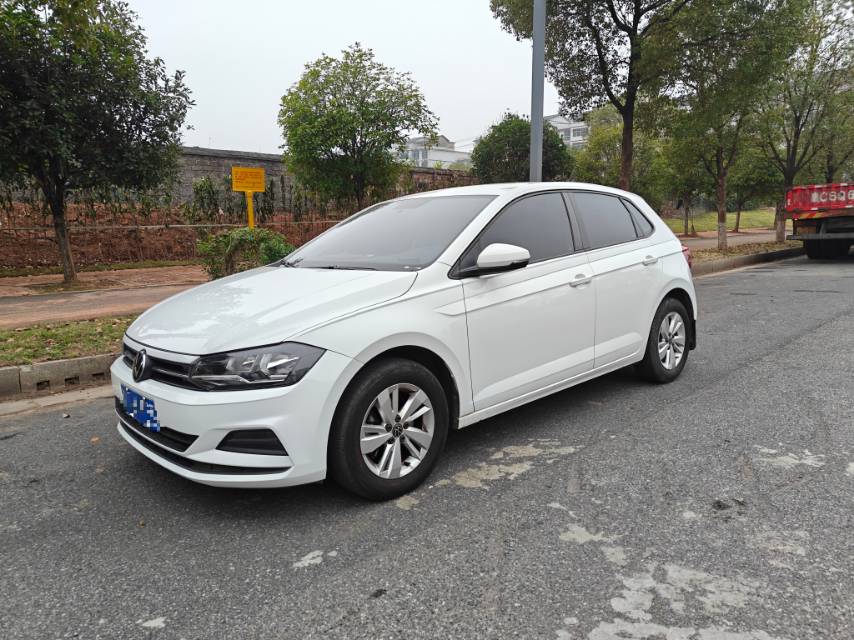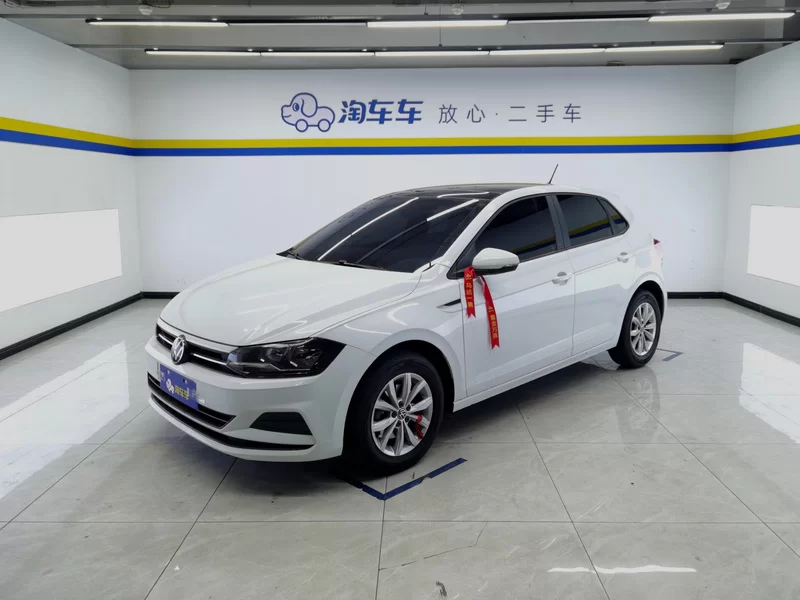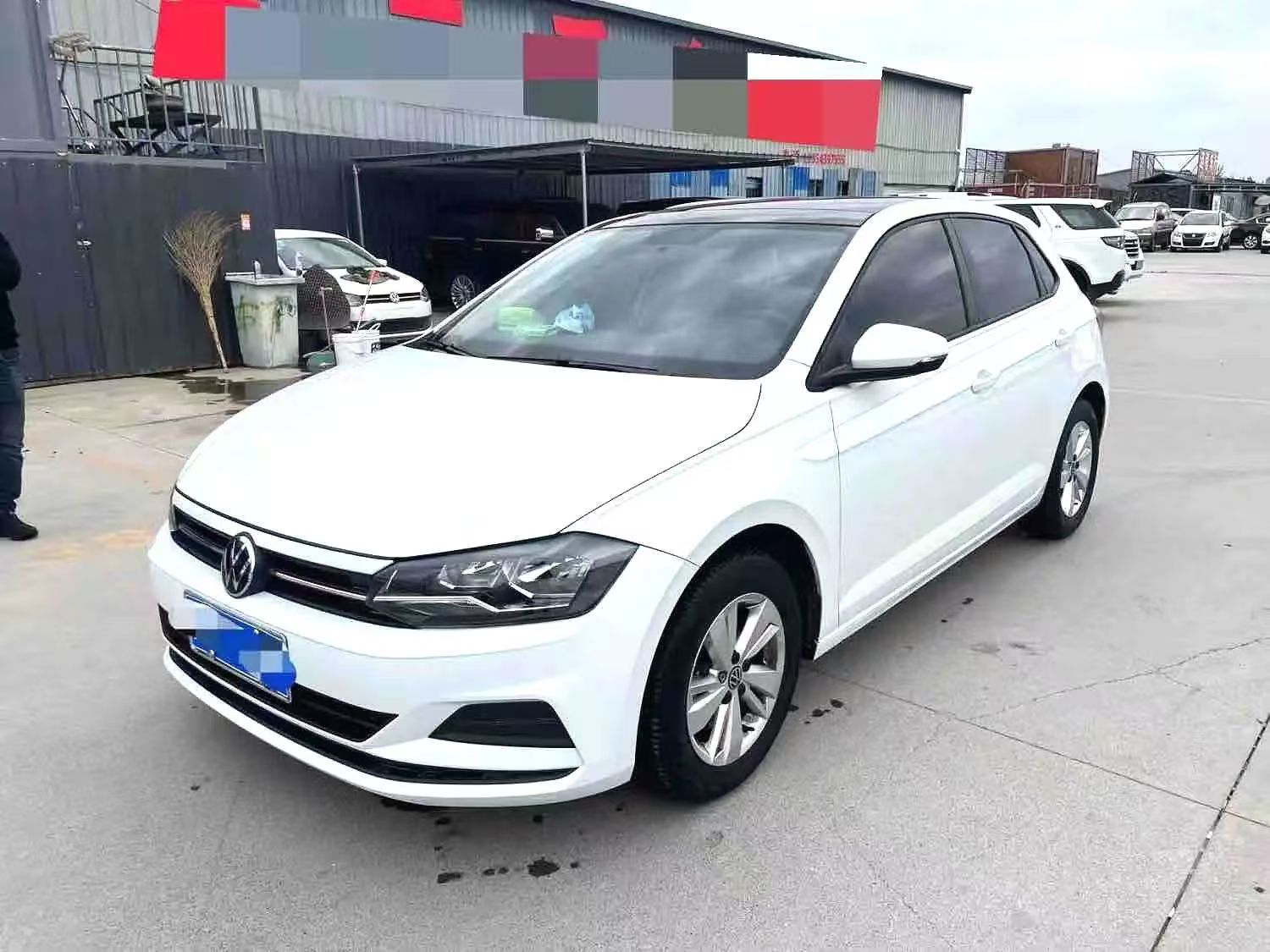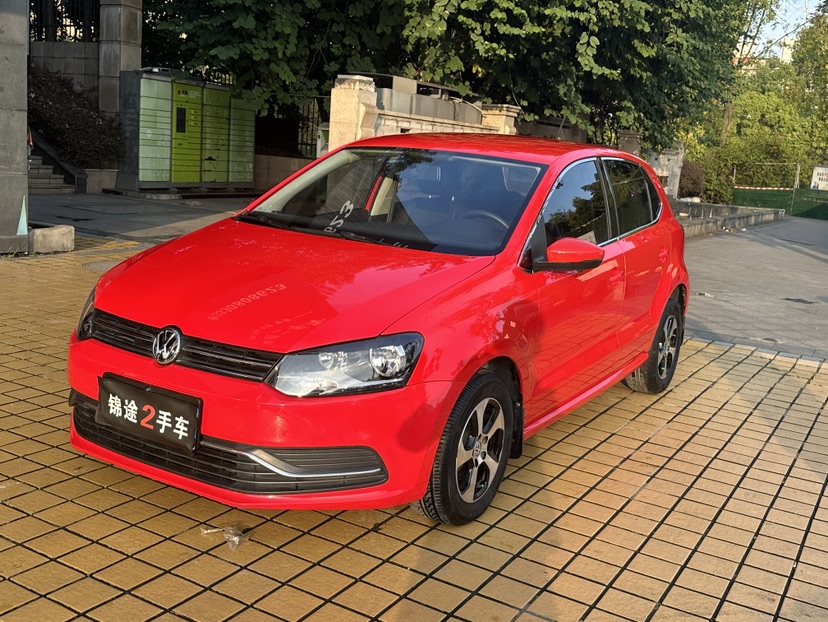
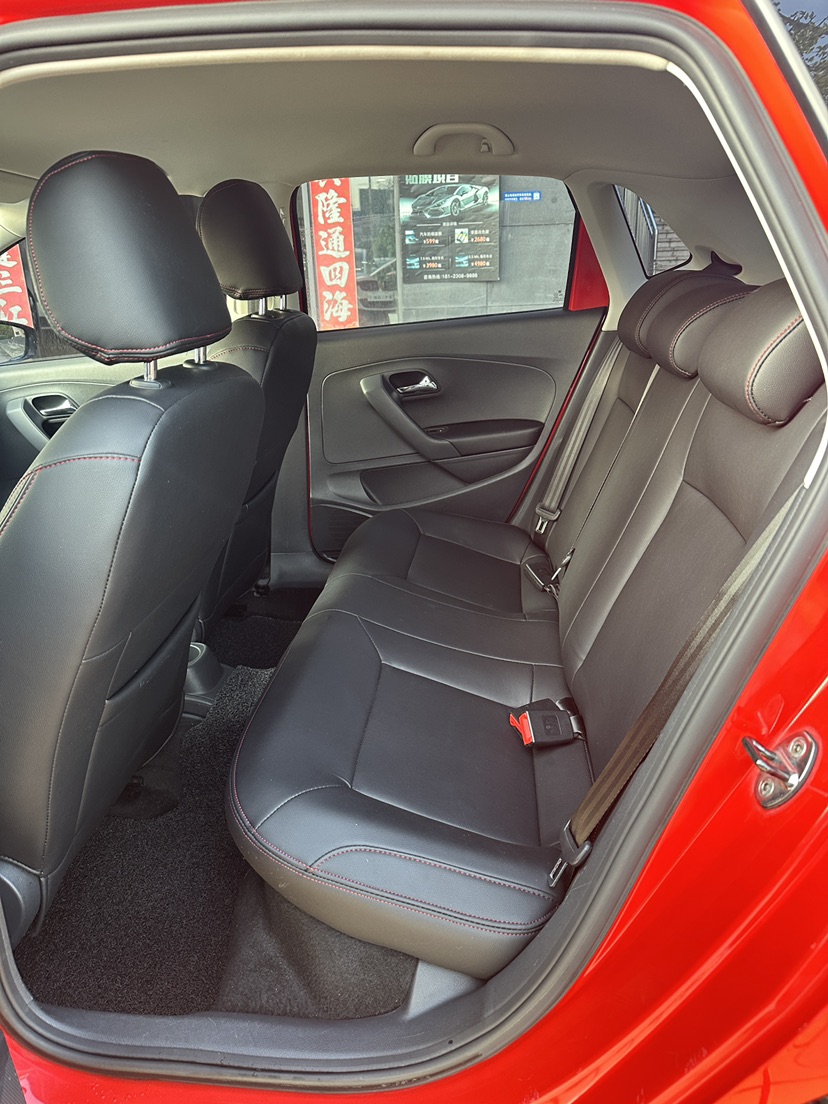
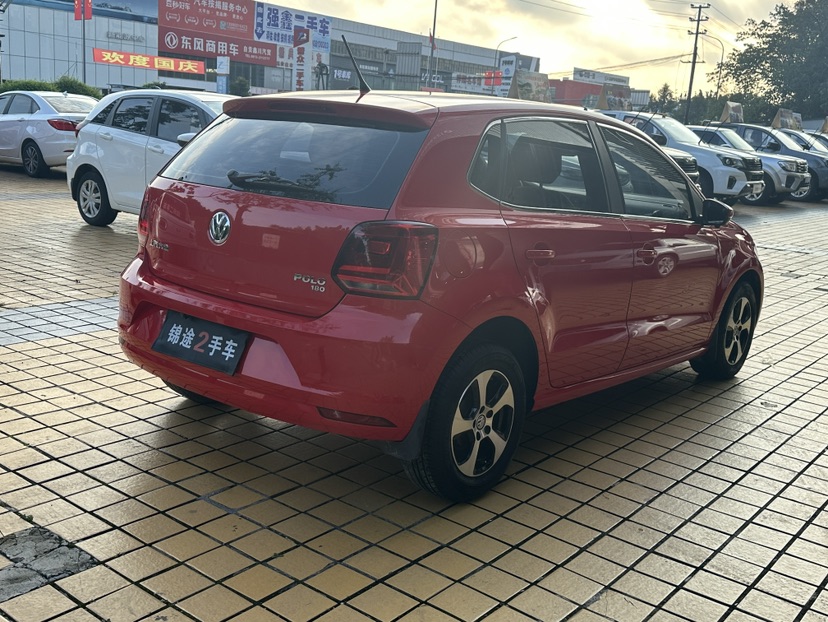
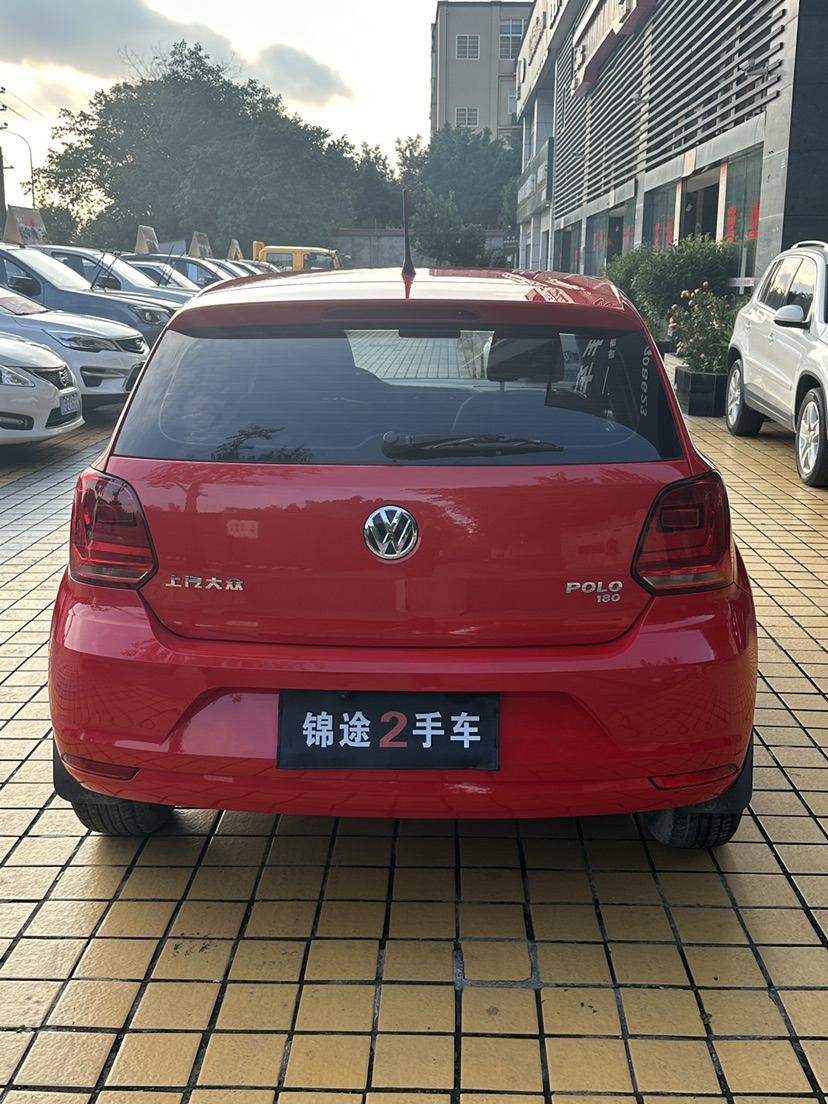
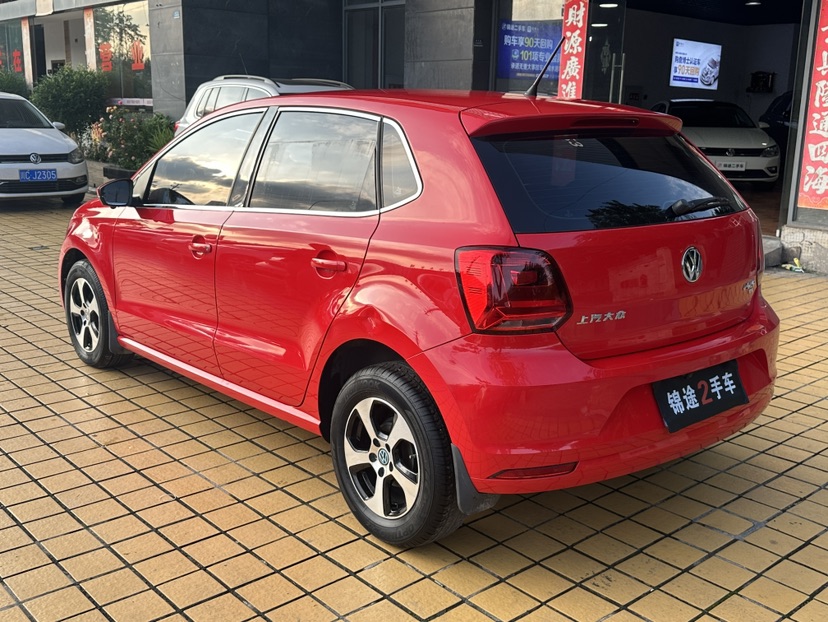



Basic Information

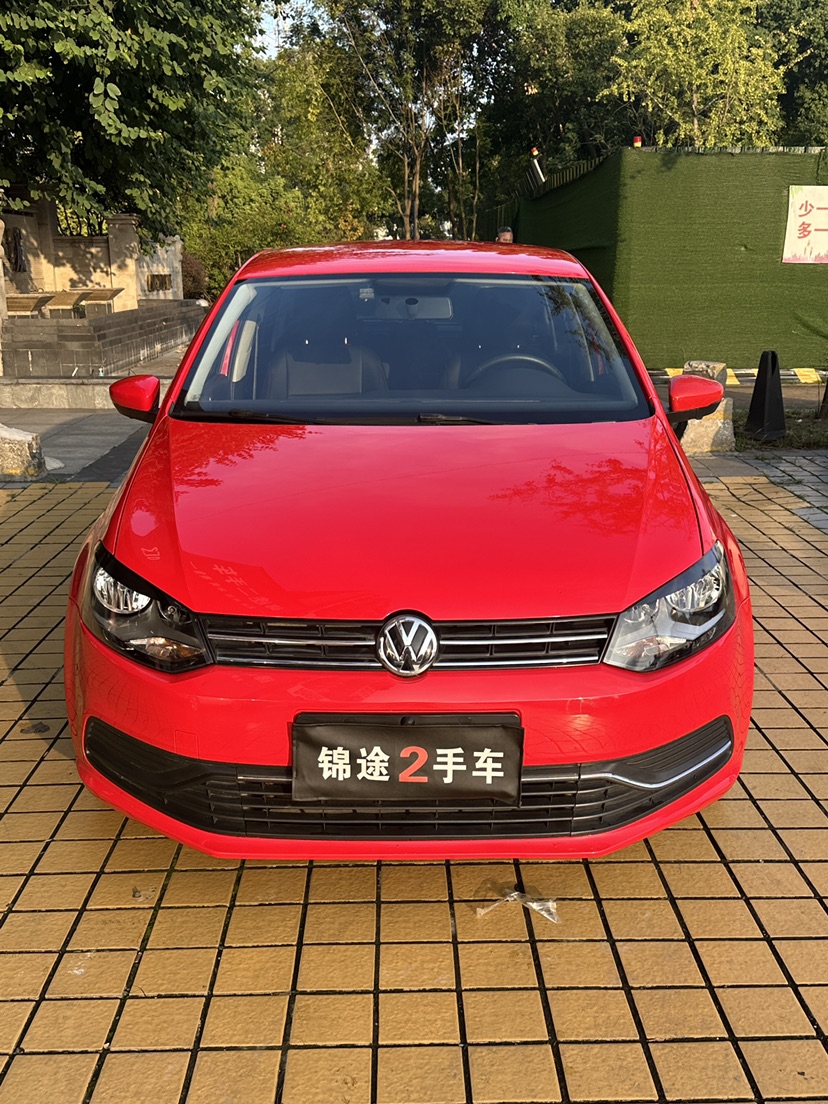
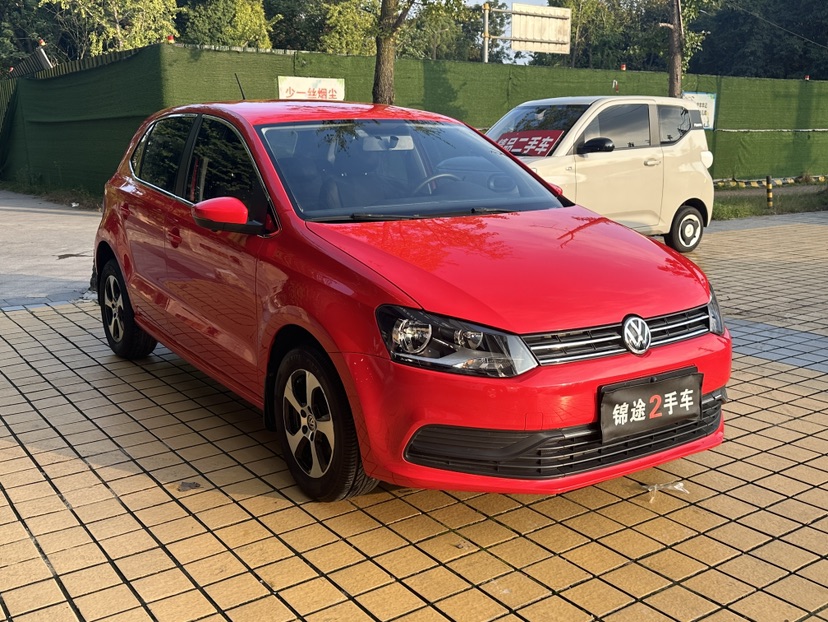
BrandVolkswagen
SeriesPolo
Year2019
First Registration2019/01
Mileage61,000km
Transfer Count1times
FuelGasoline
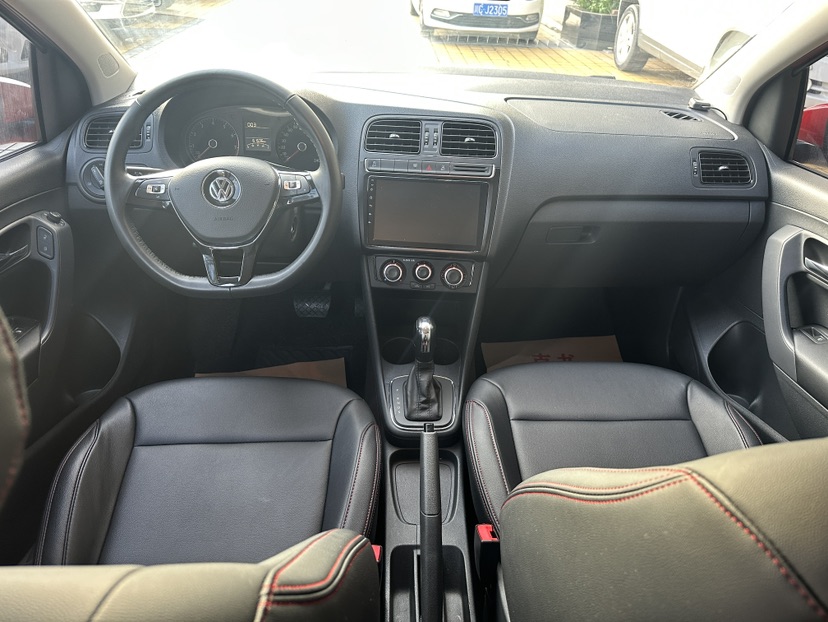
TransmissionAutomatic
Engine1.5L 110 L4
ColorRed
Seats-

Condition Description

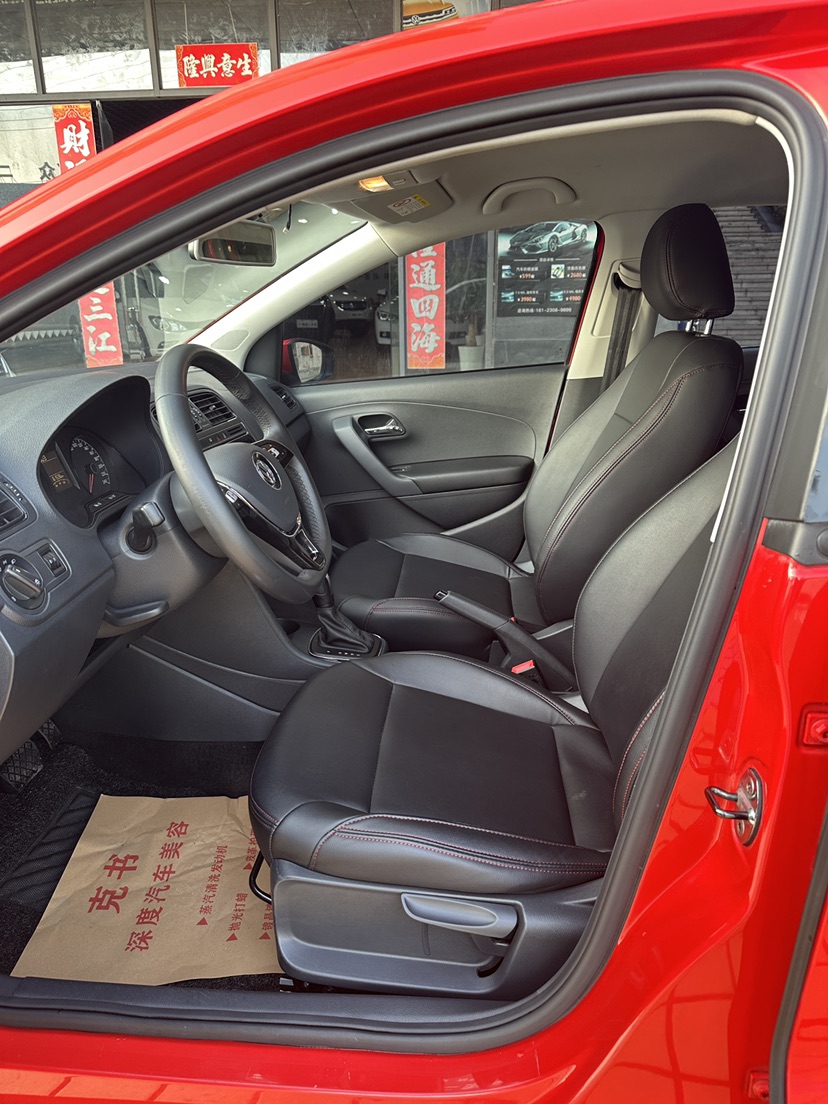
One transfer of ownership, actual odometer 61,000 km, Chaboshi grade S.

燃油车
轿车
自动
Inspection report
维保开放
事故开放
查验开放

Configuration Highlights

✓品牌: 大众
✓车系: Polo
✓车型: 2018款 1.5L 自动安驾型
✓车身类型: 轿车
✓座位数: 5
✓排量: 1.5L
✓变速箱: 自动
✓能源类型: 燃油车
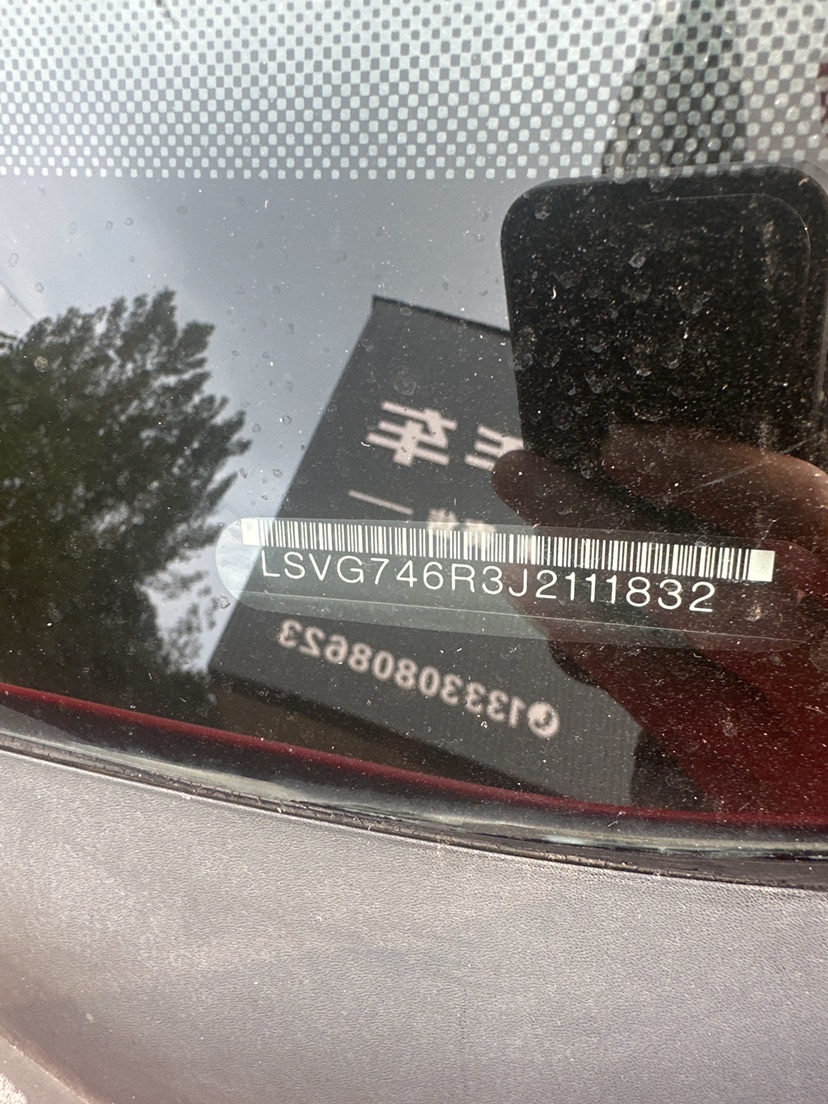
✓VIN: LSVG746R3J2111832
✓搜索关键词: 大众Polo 2018款Polo1.5L自动安驾型

Document Information

Inspection Expiry Date2027/01
Warranty Expiry Date-
Insurance Expiry Date2027/10

Q&A

More

What does a professional pre-shipment inspection in China cover, and how do I book one independently of the seller?

A proper inspection covers roughly 200 checkpoints in four areas: 1. Body and paint: panel gaps, paint thickness readings, signs of accident repair. 2. Mechanical: engine health report, transmission behavior, suspension, underbody on a lift, fluid condition. 3. Electronics: full OBD diagnostic scan, airbag history, all lights and comfort features. 4. Documentation: VIN matches everywhere, no lien or seizure record. You can book directly with inspection companies in Guangzhou, Shanghai, or Tianjin (typically USD 100–250) without going through the seller—give them the yard address and car details, and they send a report with photos and video within 1–2 days. Pay the inspection fee yourself so the inspector answers to you, not the exporter.


Will you conduct a thorough inspection of the engine and transmission of the used car?

We will never perform blind deep disassembly unless there are clear severe fault codes or extreme noises. The sealing of the engine and transmission is crucial, and compromising the factory seals to investigate non-existent issues is unprofessional. We rely on data flow and external acoustic and fluid analysis to make judgments.

What should the inspector check during a cold start test of the engine?

A cold start reveals problems that a warm engine hides. Ask your inspection agent to perform and film this sequence. First, the start itself: the engine should crank smoothly and settle into a stable idle within a few seconds. Extended cranking, blue or white smoke, or a lumpy idle suggest worn internals or head-gasket issues. Second, listen for timing-chain rattle or metallic tapping in the first ten seconds — cold top-end noise often means deferred maintenance. Third, watch the exhaust on a cold morning: brief white vapor is normal in winter, but persistent blue smoke means oil burning, and sweet-smelling white smoke can indicate coolant leaking into the cylinders. Fourth, have the inspector scan the OBD system right after the cold start; misfire counters and fuel-trim values are most honest when the engine is cold. Ask for a continuous, timestamped video from outside the car before startup through at least five minutes of idling, so you can verify the engine really was cold.