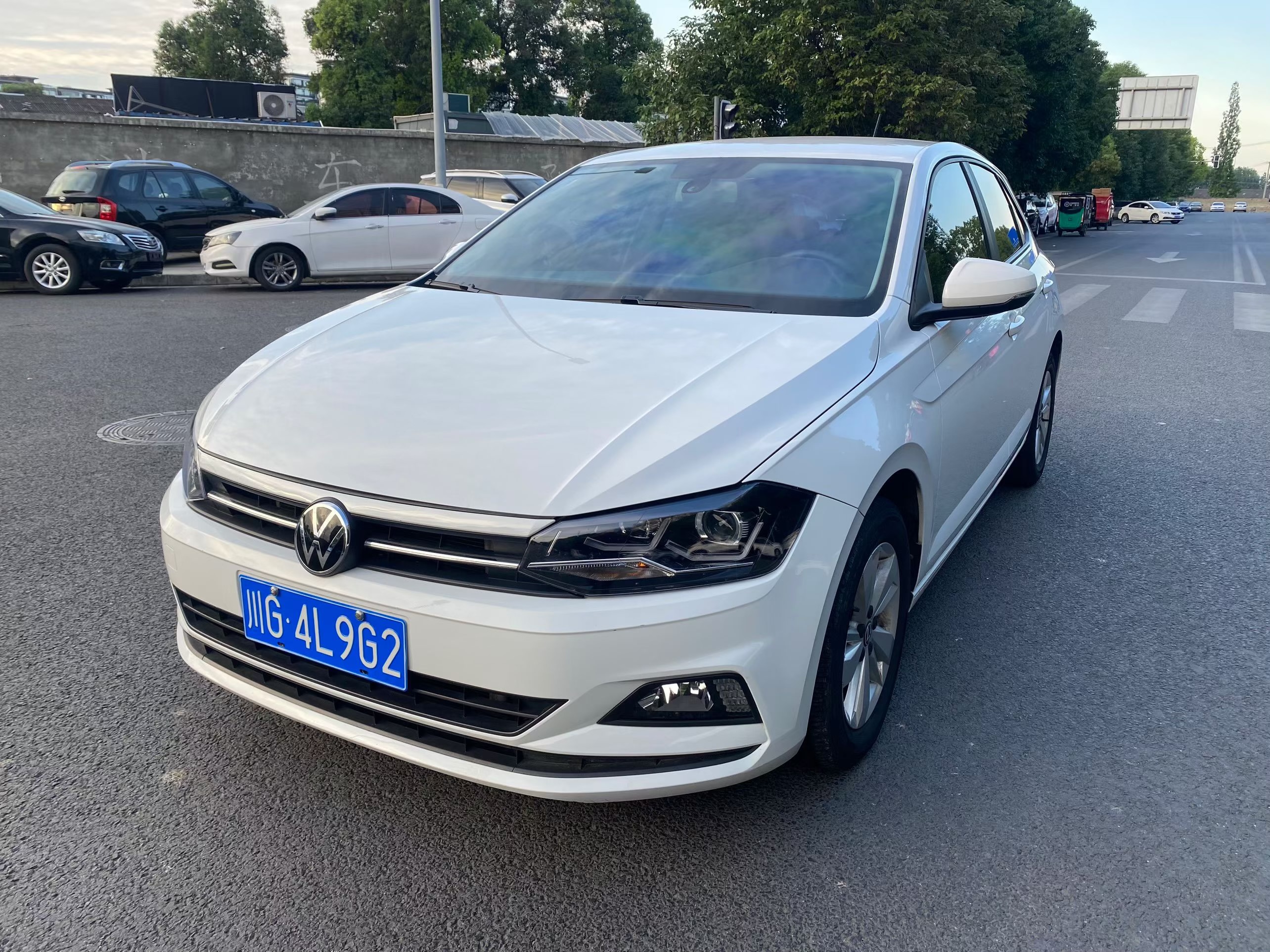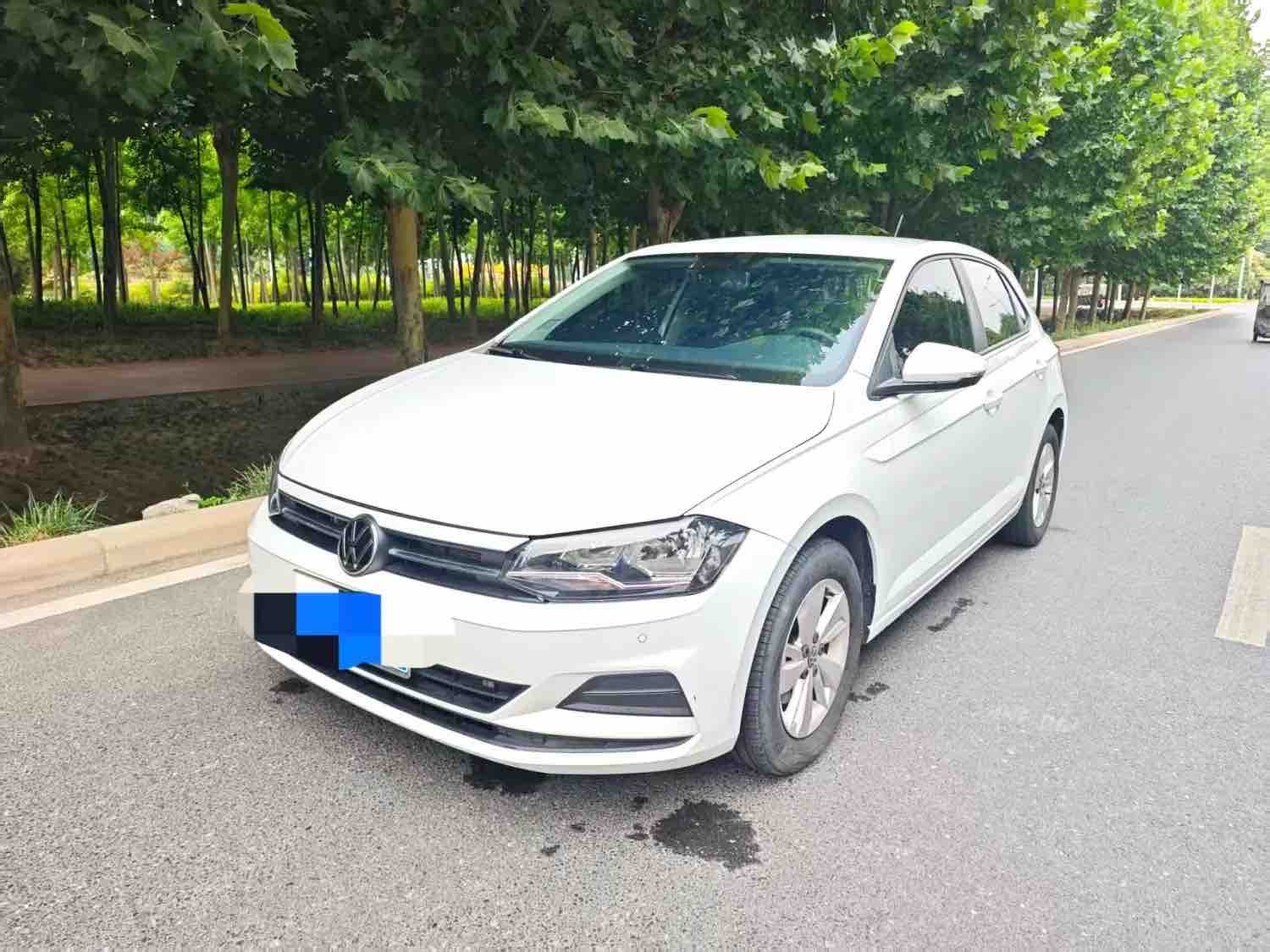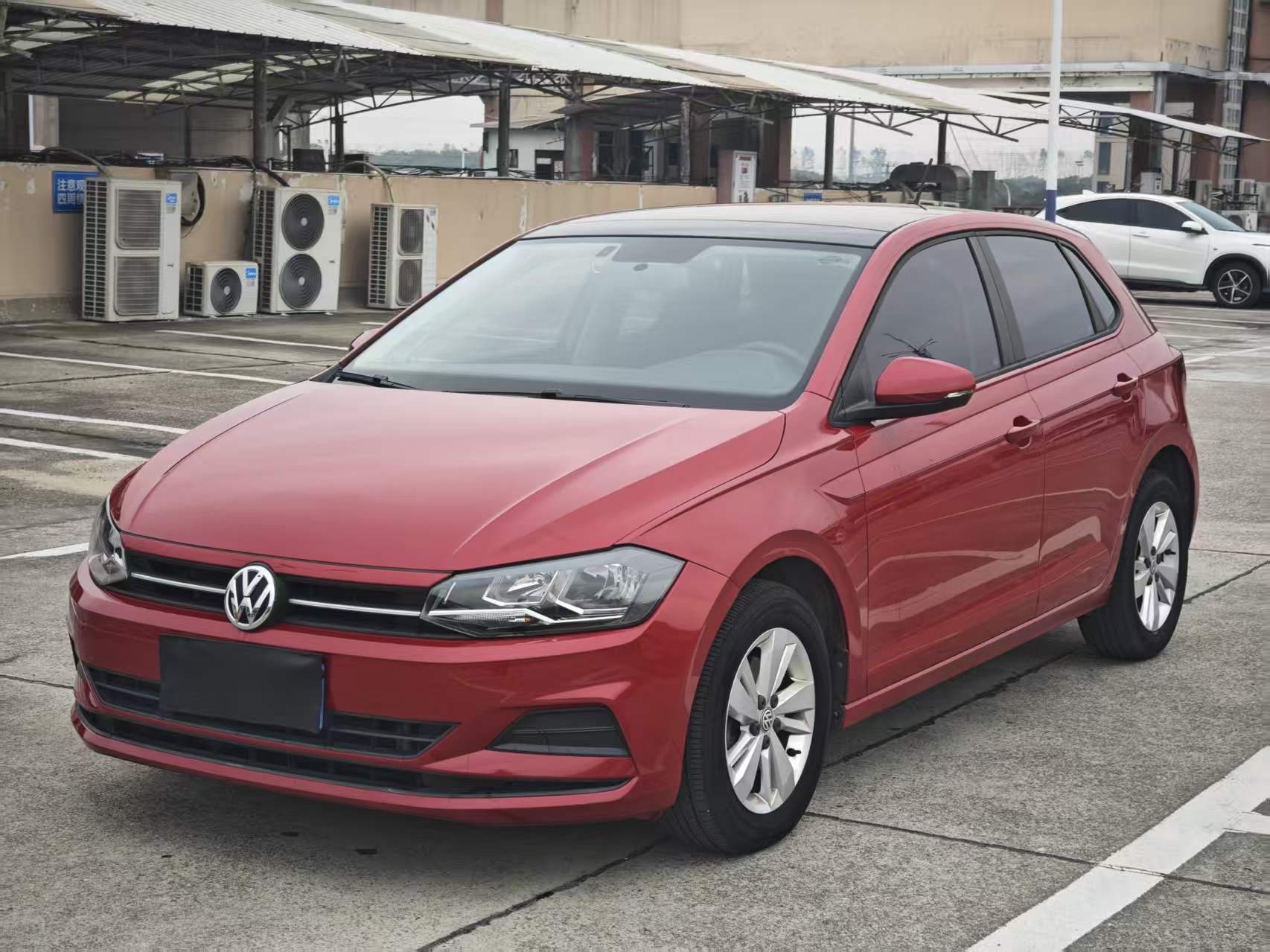
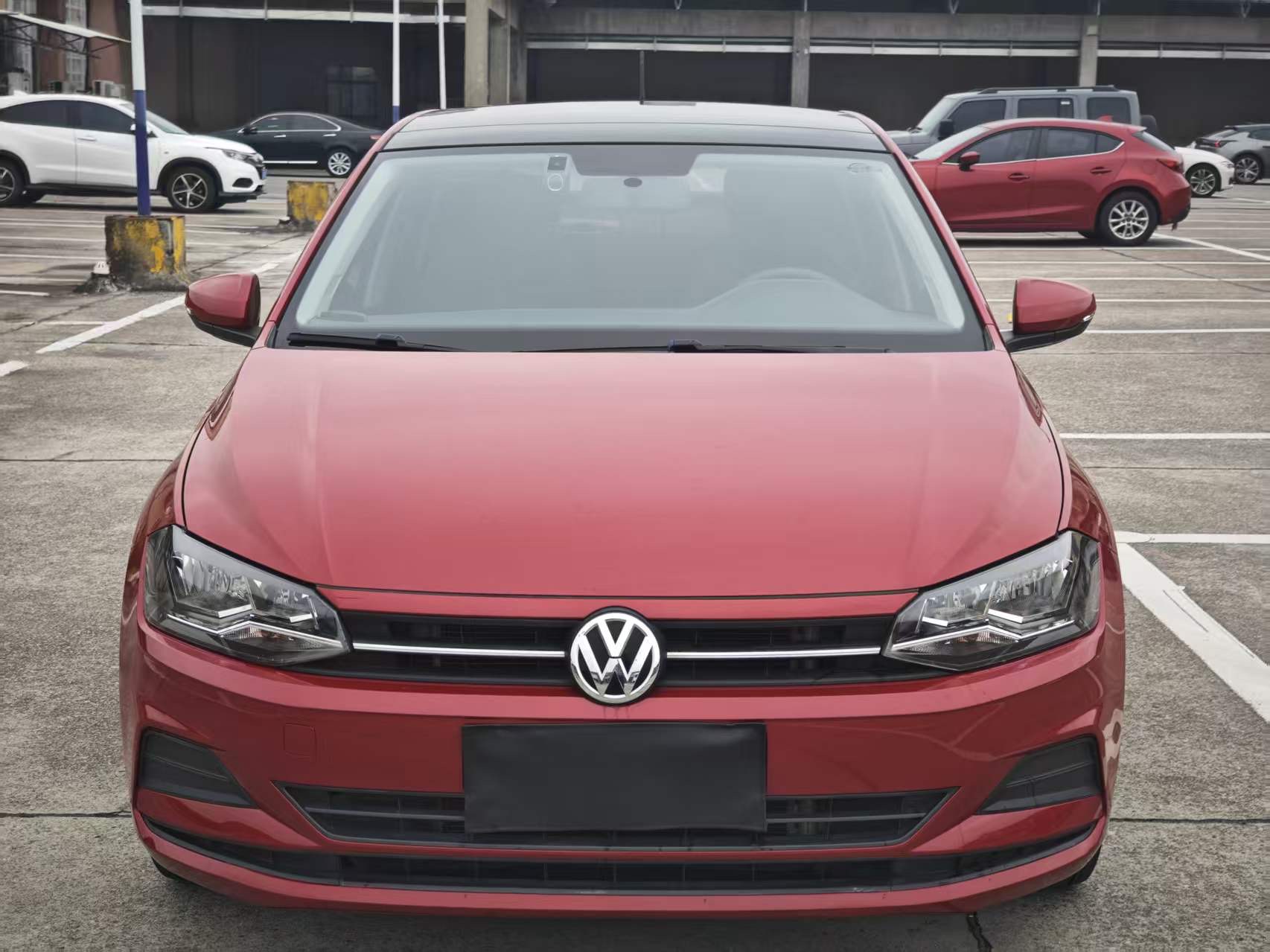
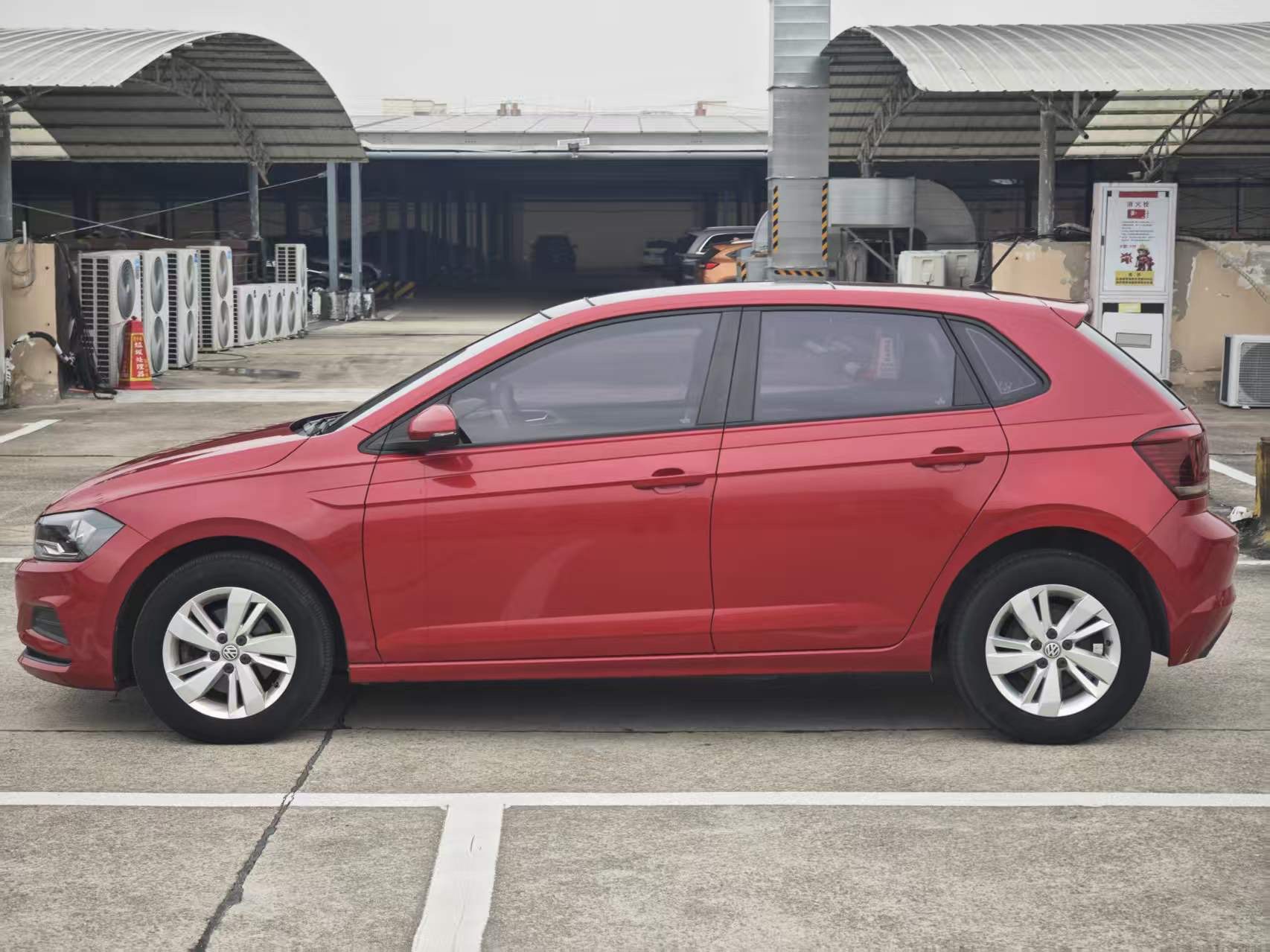
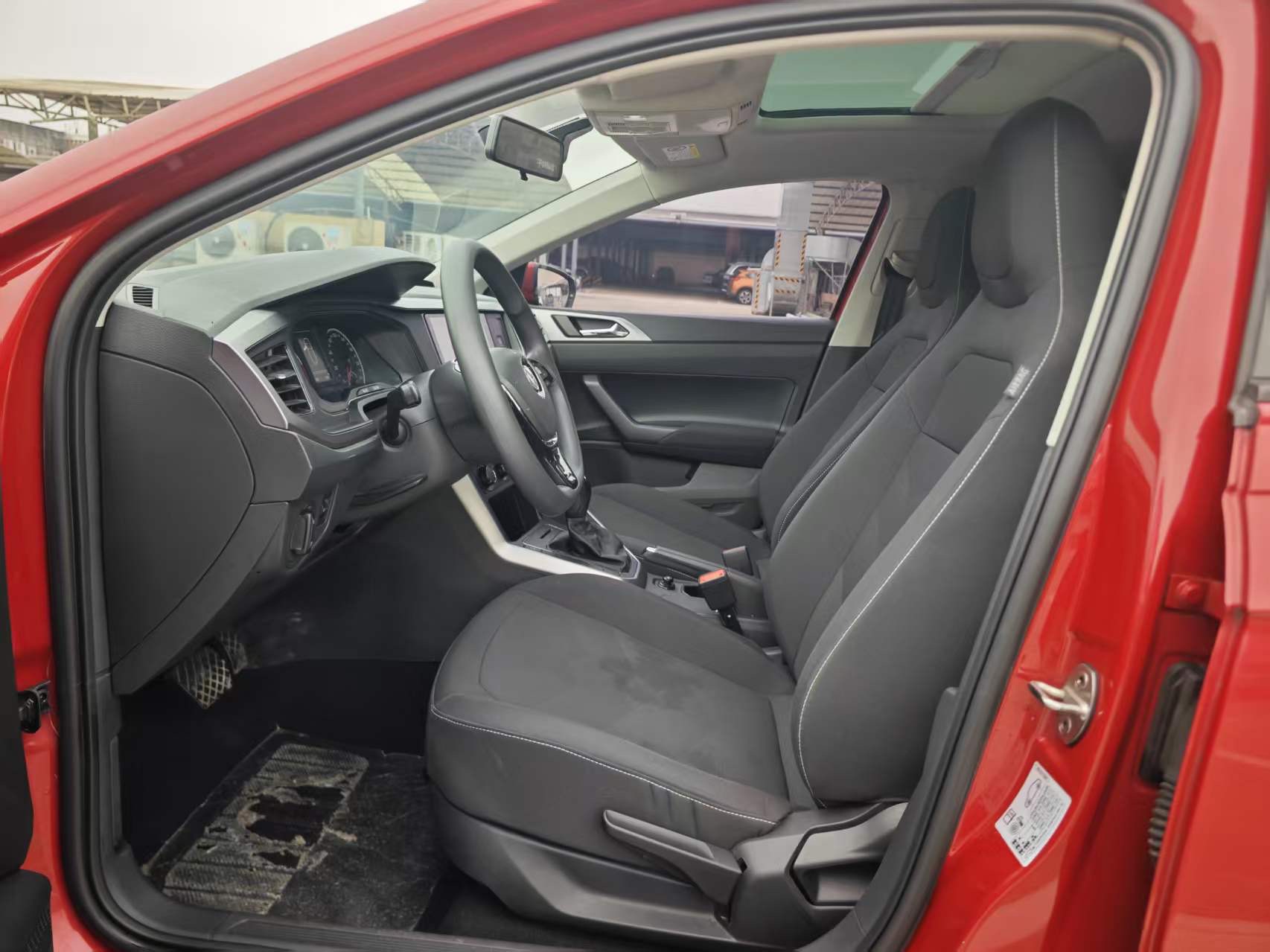
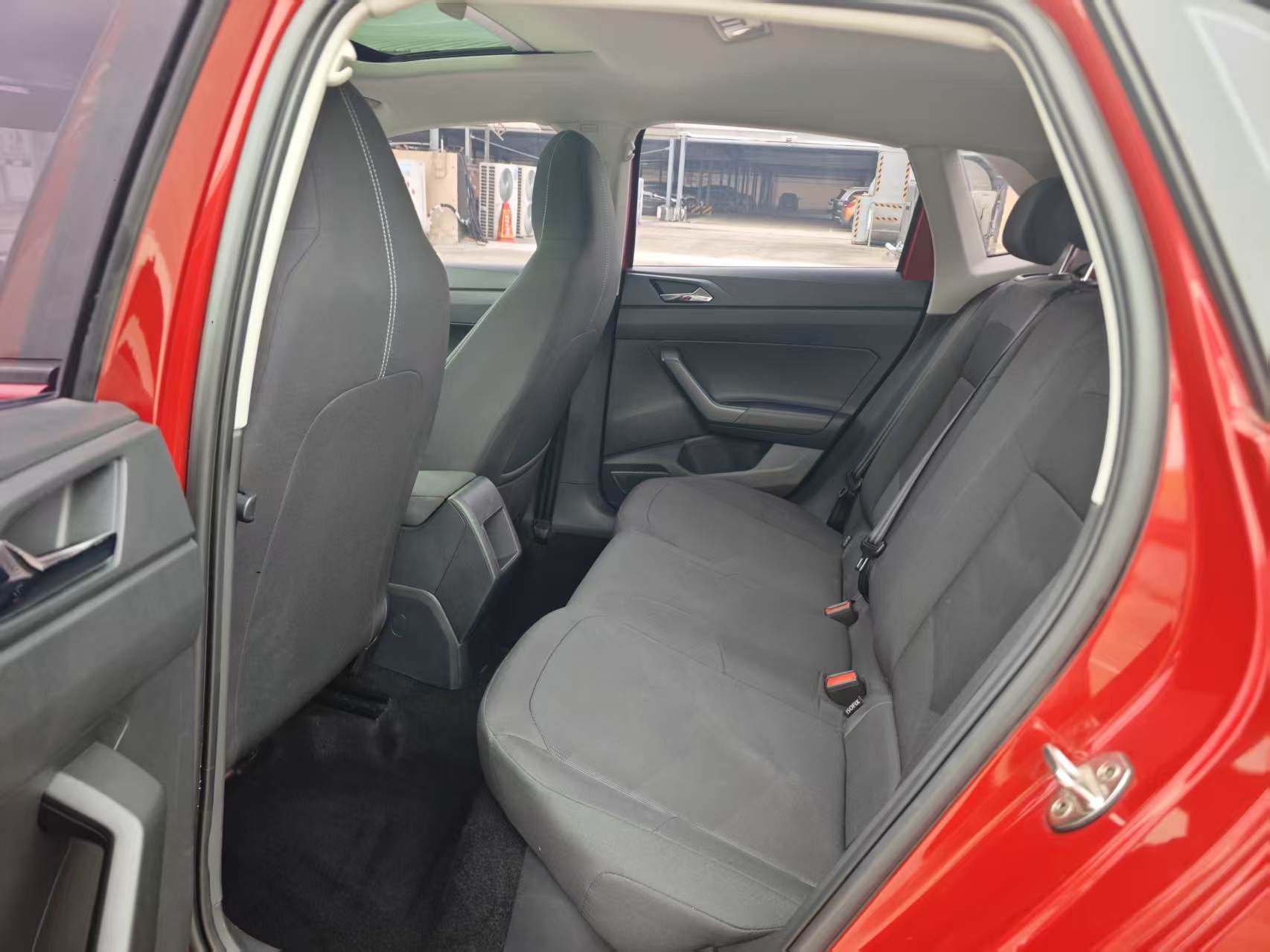
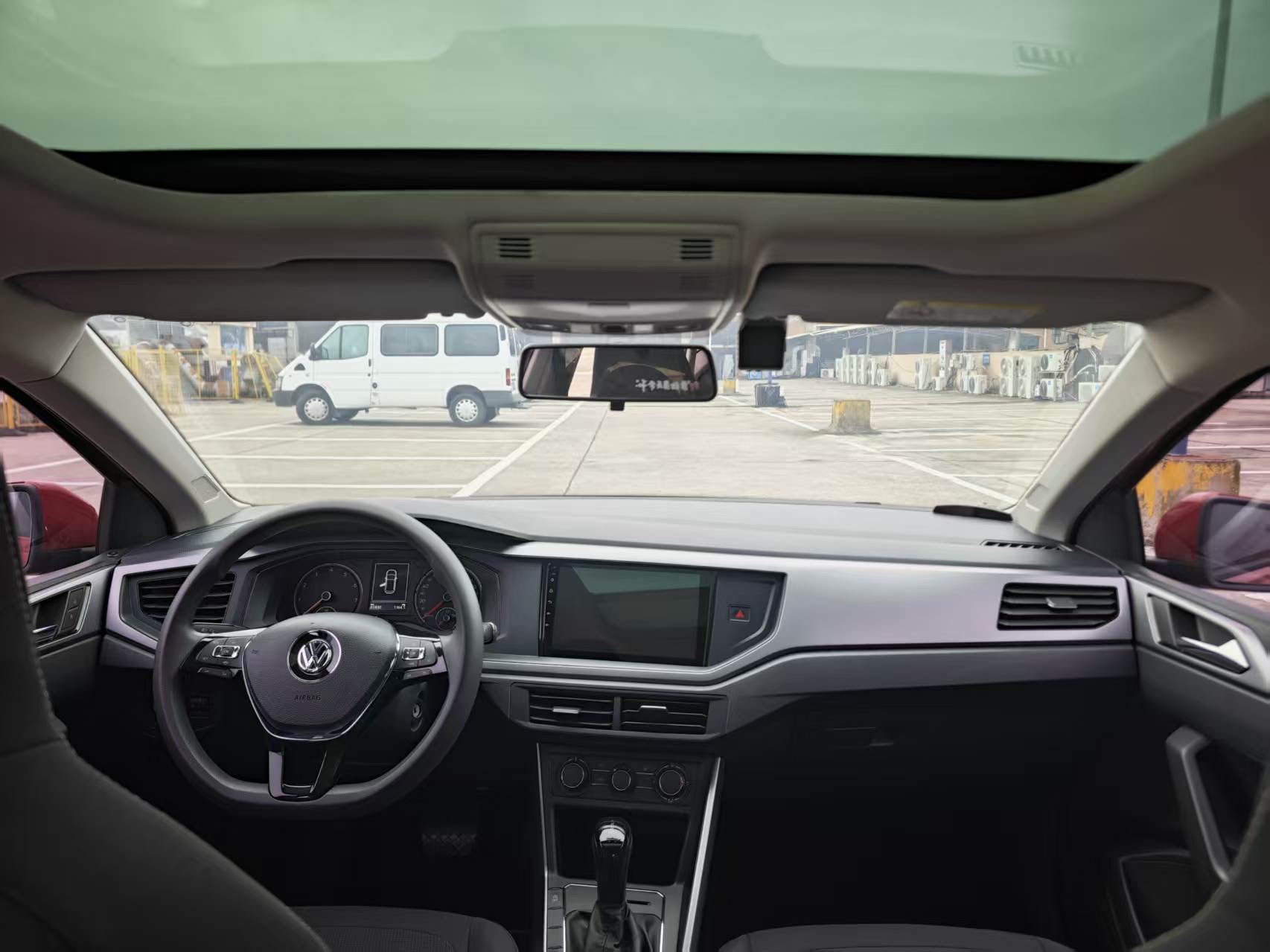
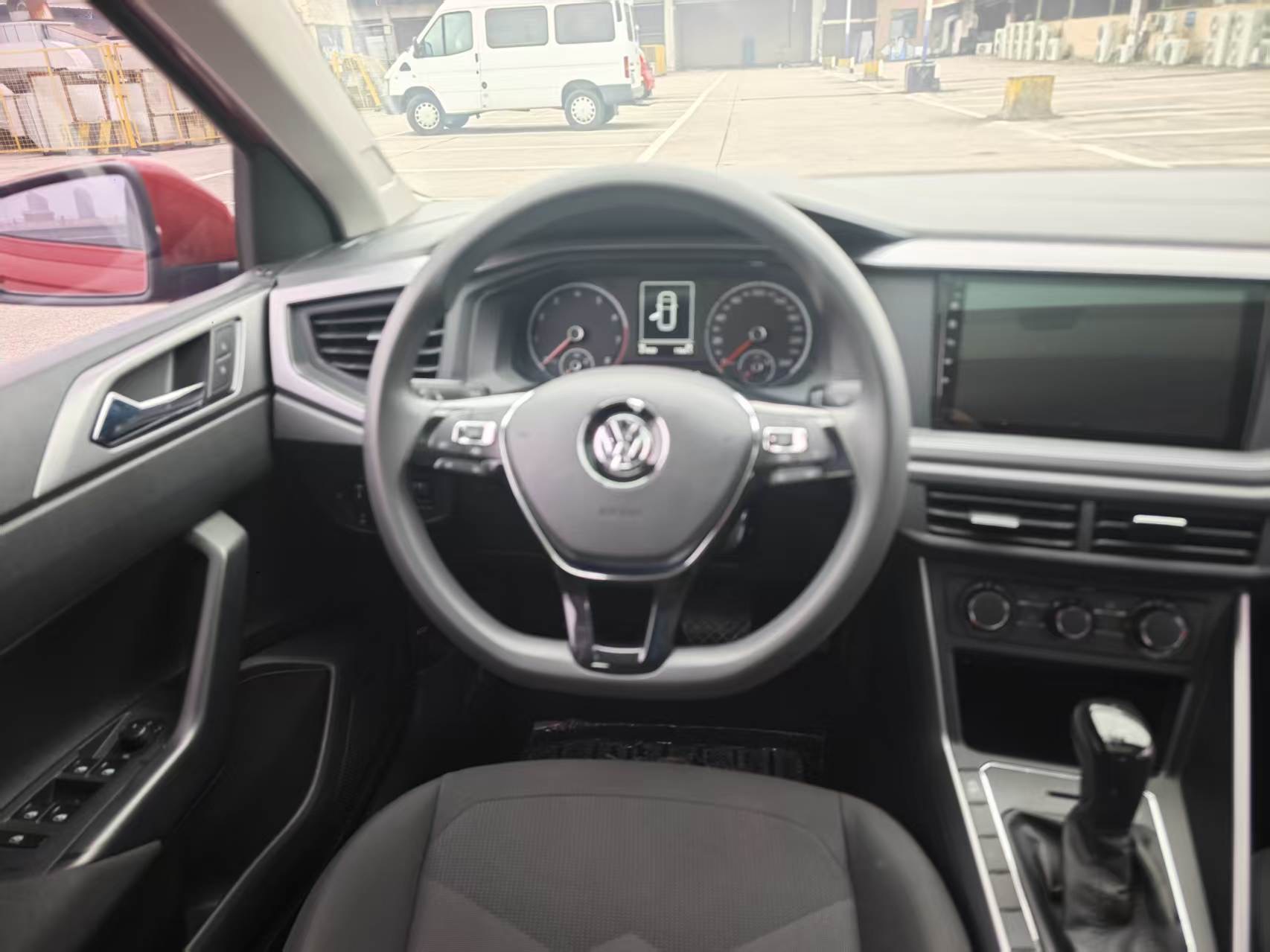
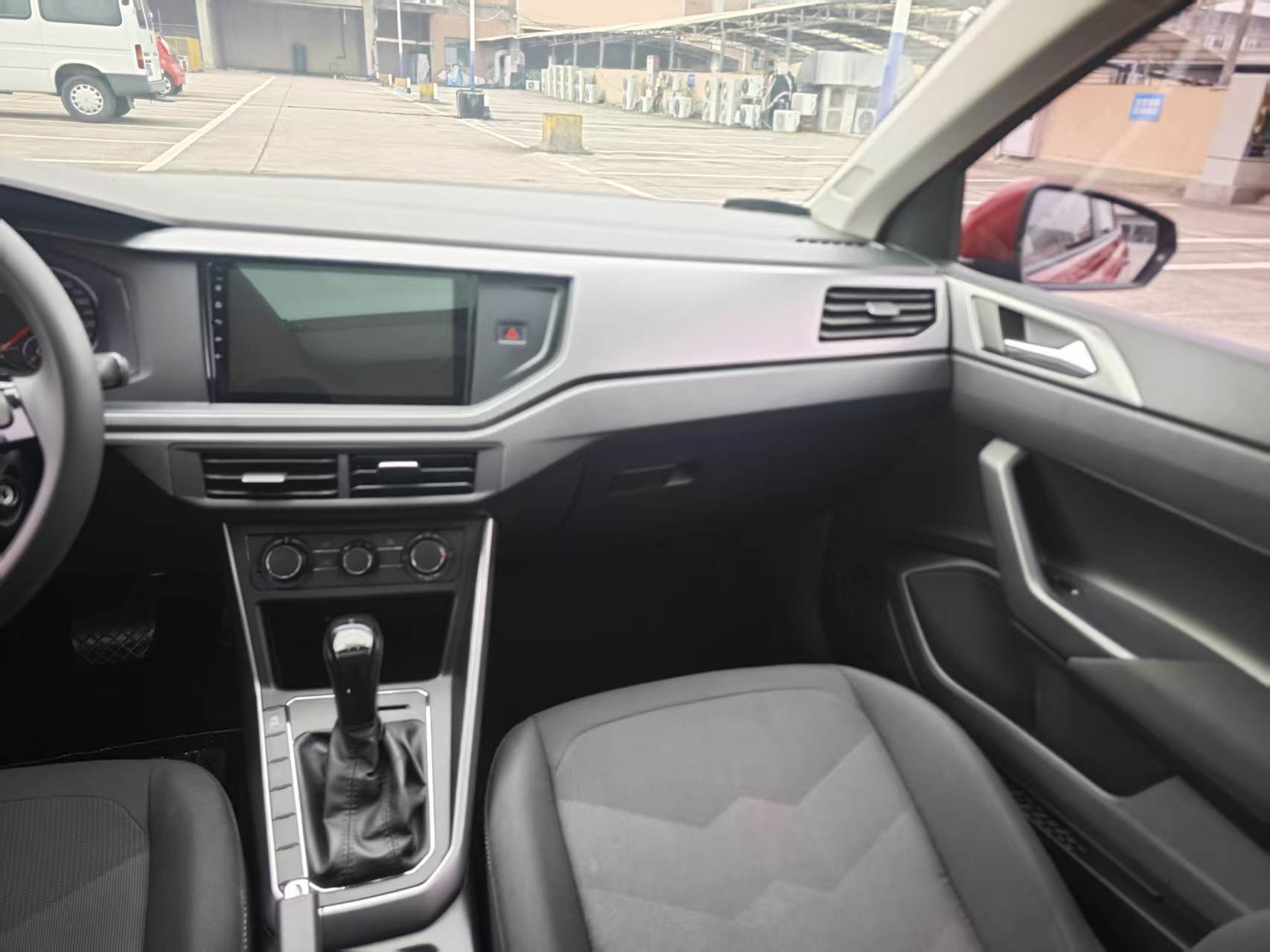
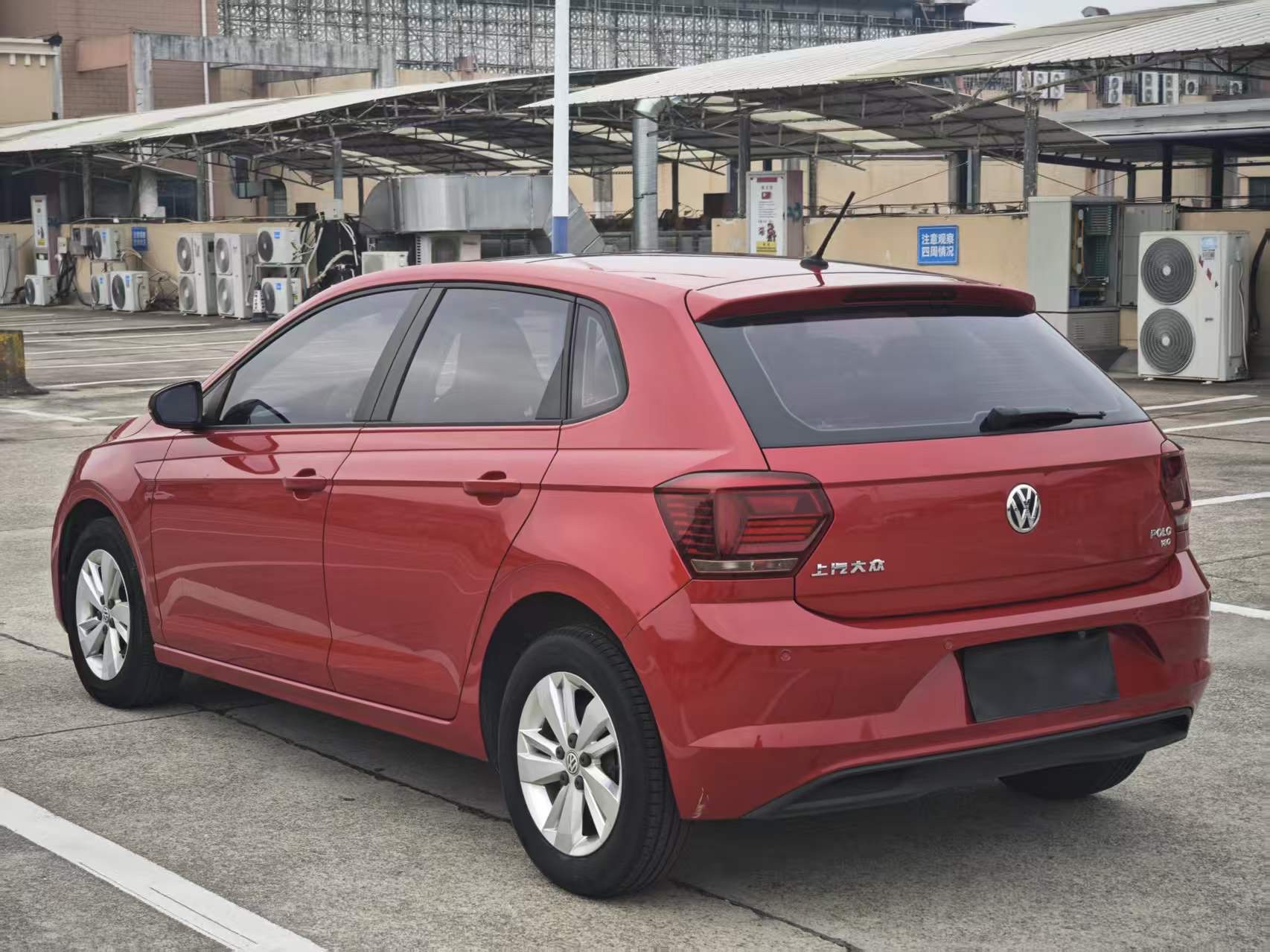



Basic Information

BrandVolkswagen
SeriesPolo
Year2019
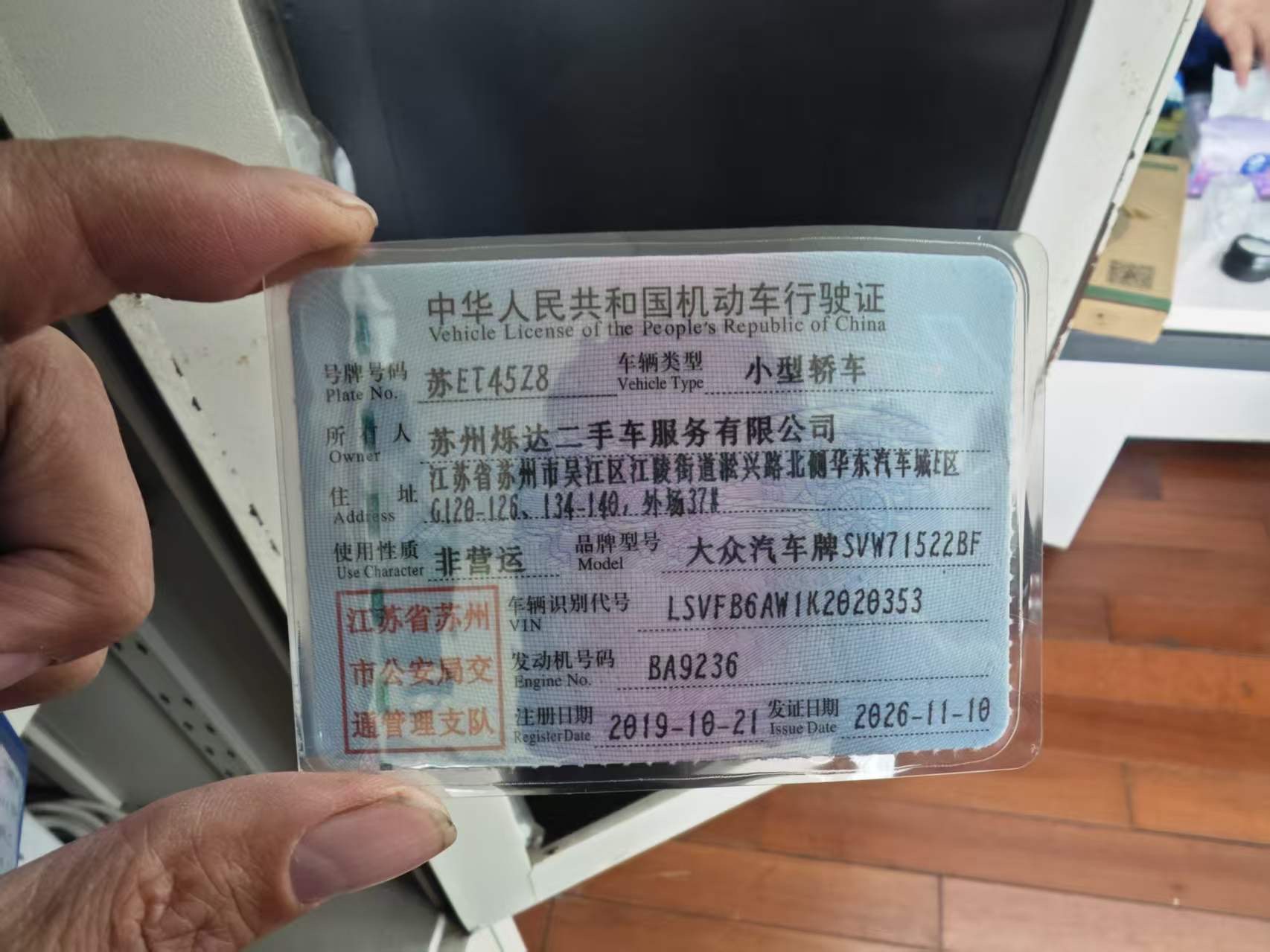
First Registration2019/10
Mileage87,000km
Transfer Count1times
FuelGasoline
TransmissionManumatic
Engine1.5L 113 L4
ColorRed
Seats-

Condition Description

Registered October 2019, 87,000 km, insurance and inspection valid until October next year.

燃油车
轿车
自动
维保开放
事故开放
查验开放

Configuration Highlights

✓品牌: 大众
✓车系: Polo
✓车型: 2019款 Plus 1.5L 自动全景乐享版
✓车身类型: 轿车
✓座位数: 5
✓排量: 1.5L
✓变速箱: 自动
✓能源类型: 燃油车
✓VIN: LSVFB6AW1K2020353
✓搜索关键词: 大众Polo 2019款PoloPlus1.5L自动全景乐享版

Document Information

Inspection Expiry Date2027/10
Warranty Expiry Date-
Insurance Expiry Date2027/10

Q&A

More

Why are some vehicle license plate details obscured or removed in the displayed images?

The original Chinese license plates are obscured to protect the previous owner's personal privacy, and also because the plates have been forcibly reclaimed by Chinese traffic management after the vehicle completed the "transfer pending export" registration. This serves as physical proof that the vehicle has legally and compliantly completed the upgrade.


How is payment typically structured when buying a used car from a Chinese exporter, and how do I stay safe?

A typical payment structure looks like this: 1. Deposit: 10-30% after you confirm the car and price, often to reserve the vehicle and start the inspection. 2. Balance: paid after you approve the inspection report, but before or at shipment. A common safeguard is paying against a copy of the bill of lading, with telex release of the original B/L after funds arrive. 3. Never send 100% upfront to a new supplier. Use traceable methods (T/T bank transfer to a corporate account matching the company name, or escrow for first orders) and keep every agreement in writing. 4. Timeline: quote within days, inspection 3-7 days, booking and loading 1-2 weeks, ocean transit 3-6 weeks, customs clearance 3-10 days. Red flags: personal bank accounts, pressure to skip inspection, prices far below market.

Is China's "National VI B" emission standard equivalent to Europe's Euro VI standard?

From a technical perspective, China's "National VI B (China VI-b)" is one of the strictest emission standards globally, with limits on carbon monoxide, nitrogen oxides, and particulate matter that are even stricter than some of Europe's Euro VI standards. However, the two are not legally recognized by each other, depending on your country's import regulations.