


24H

Basic Information

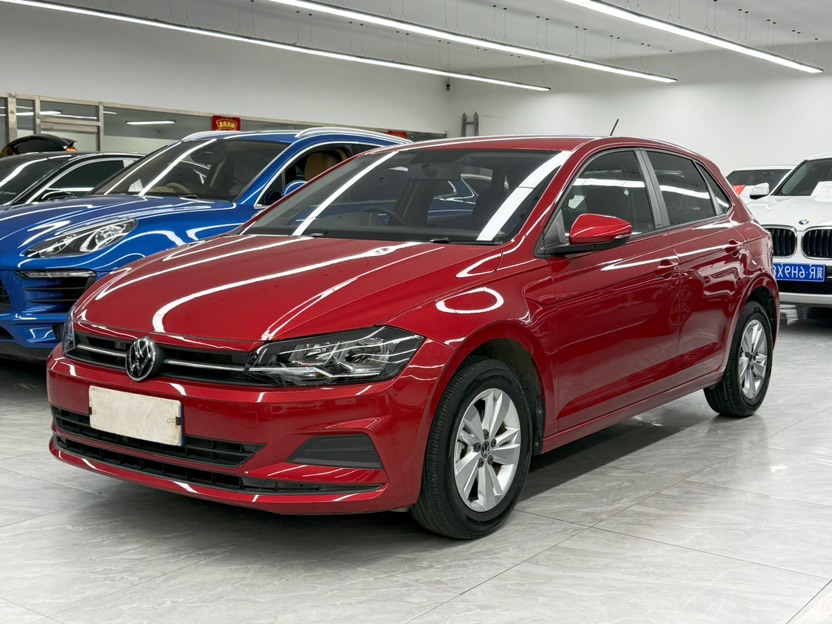
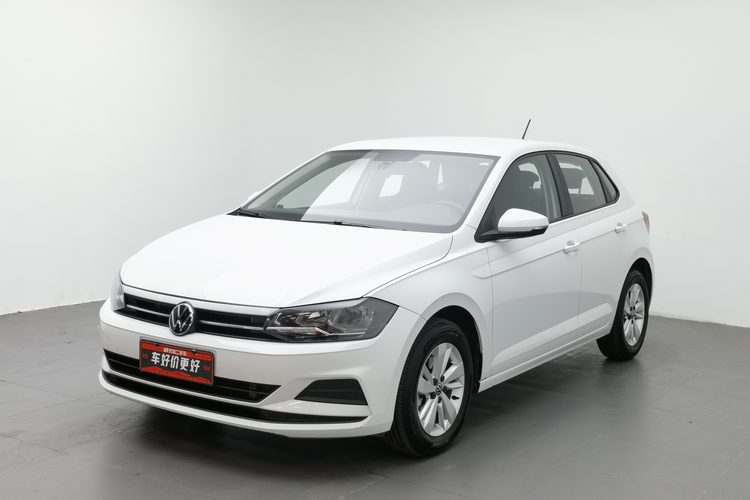
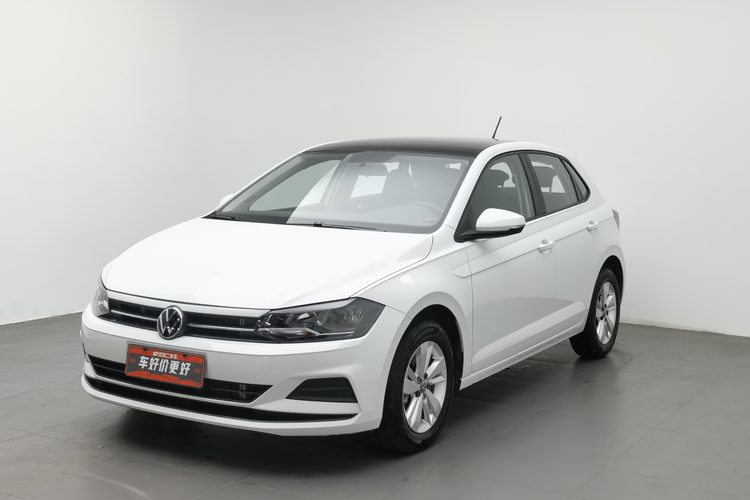
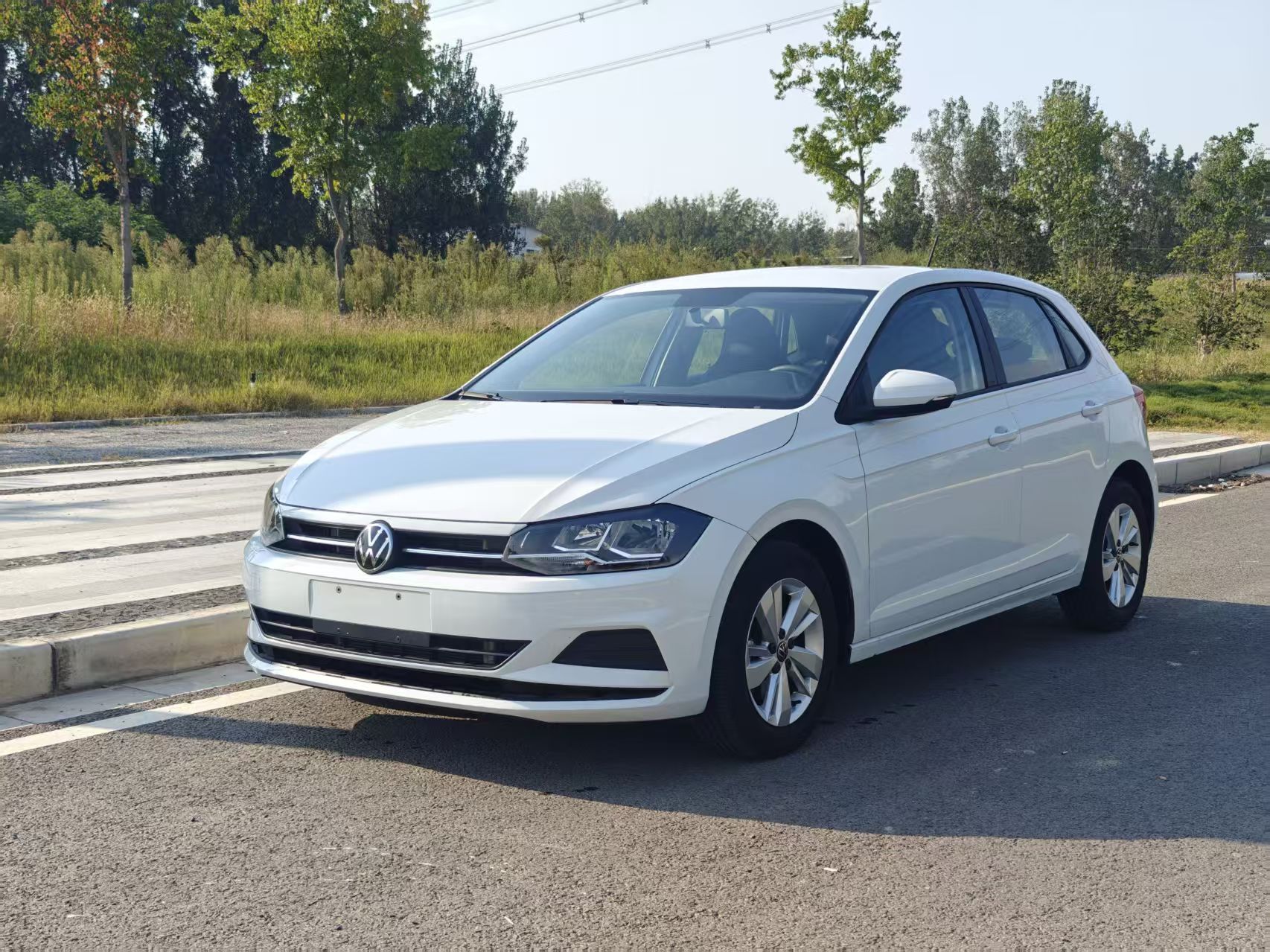
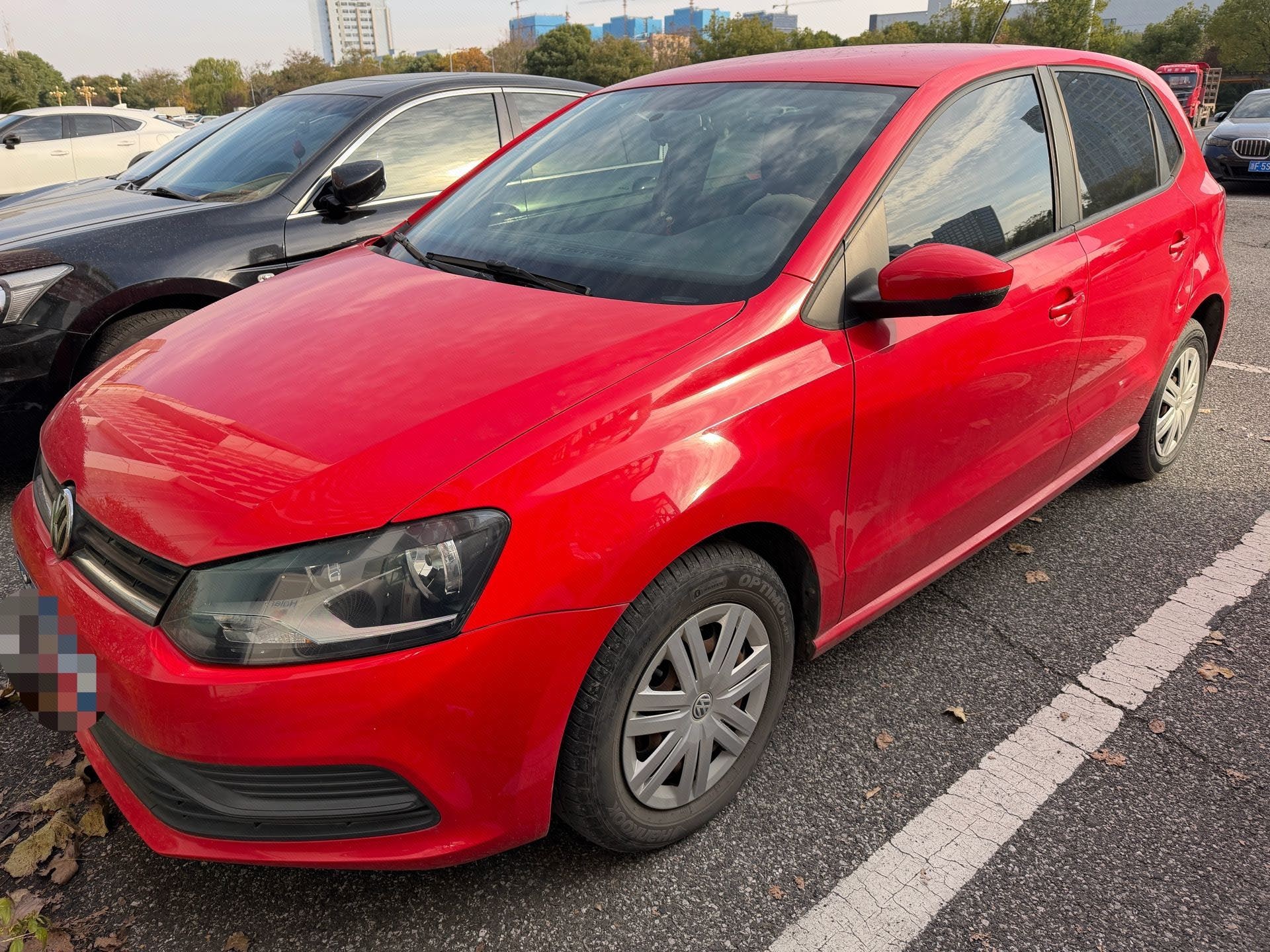
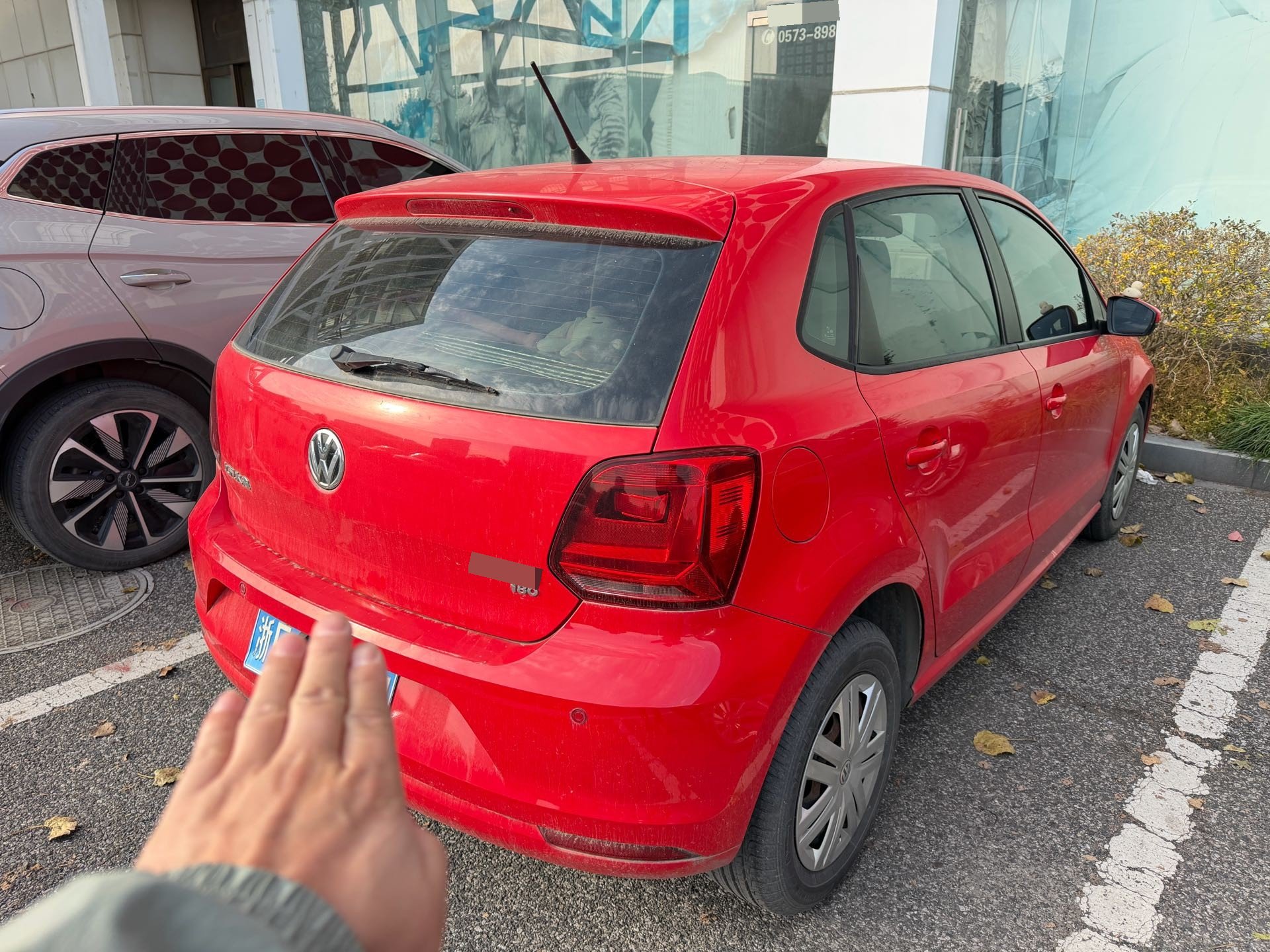
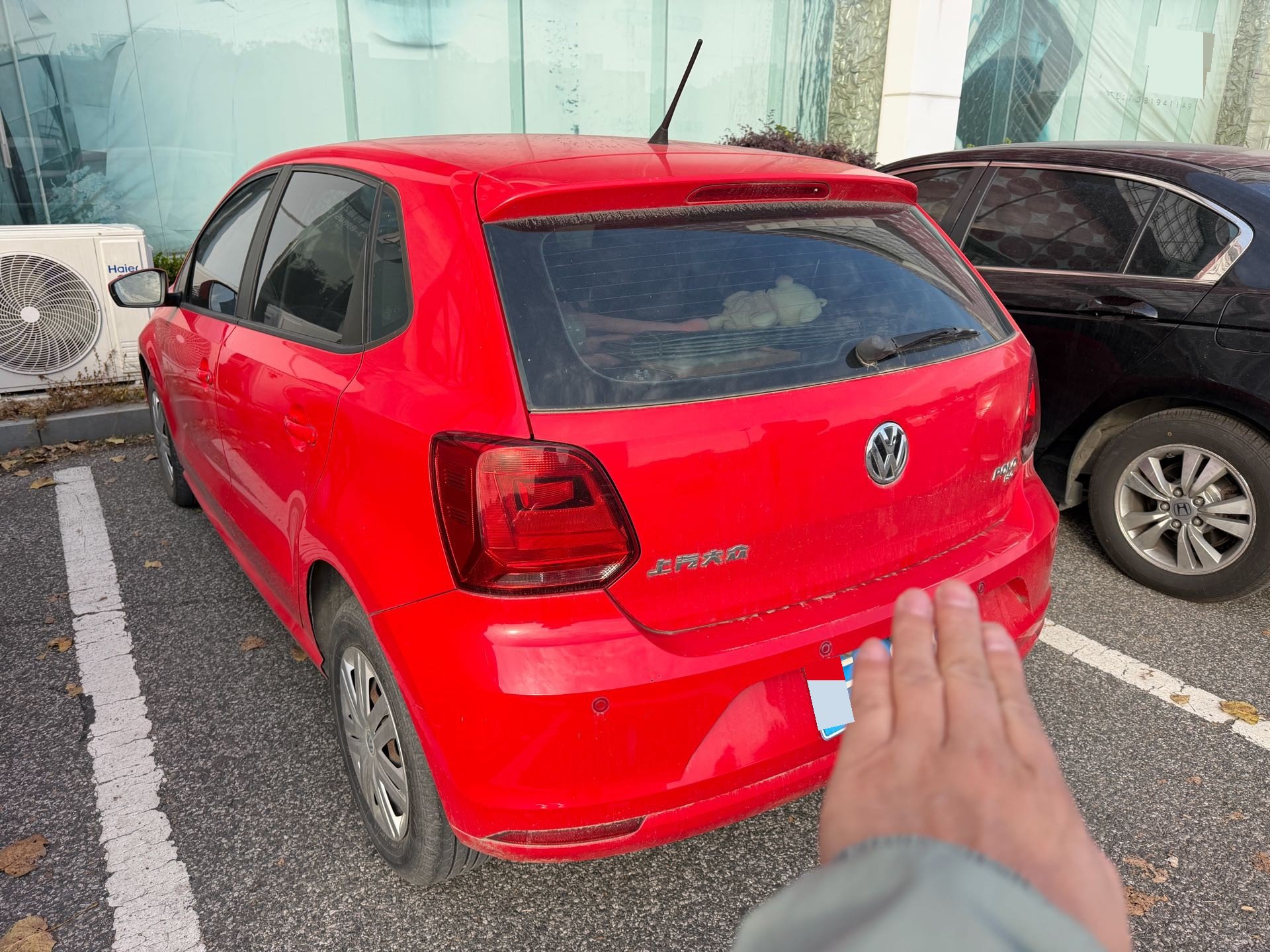
BrandVolkswagen
SeriesPolo
Year2019
First Registration2019/05
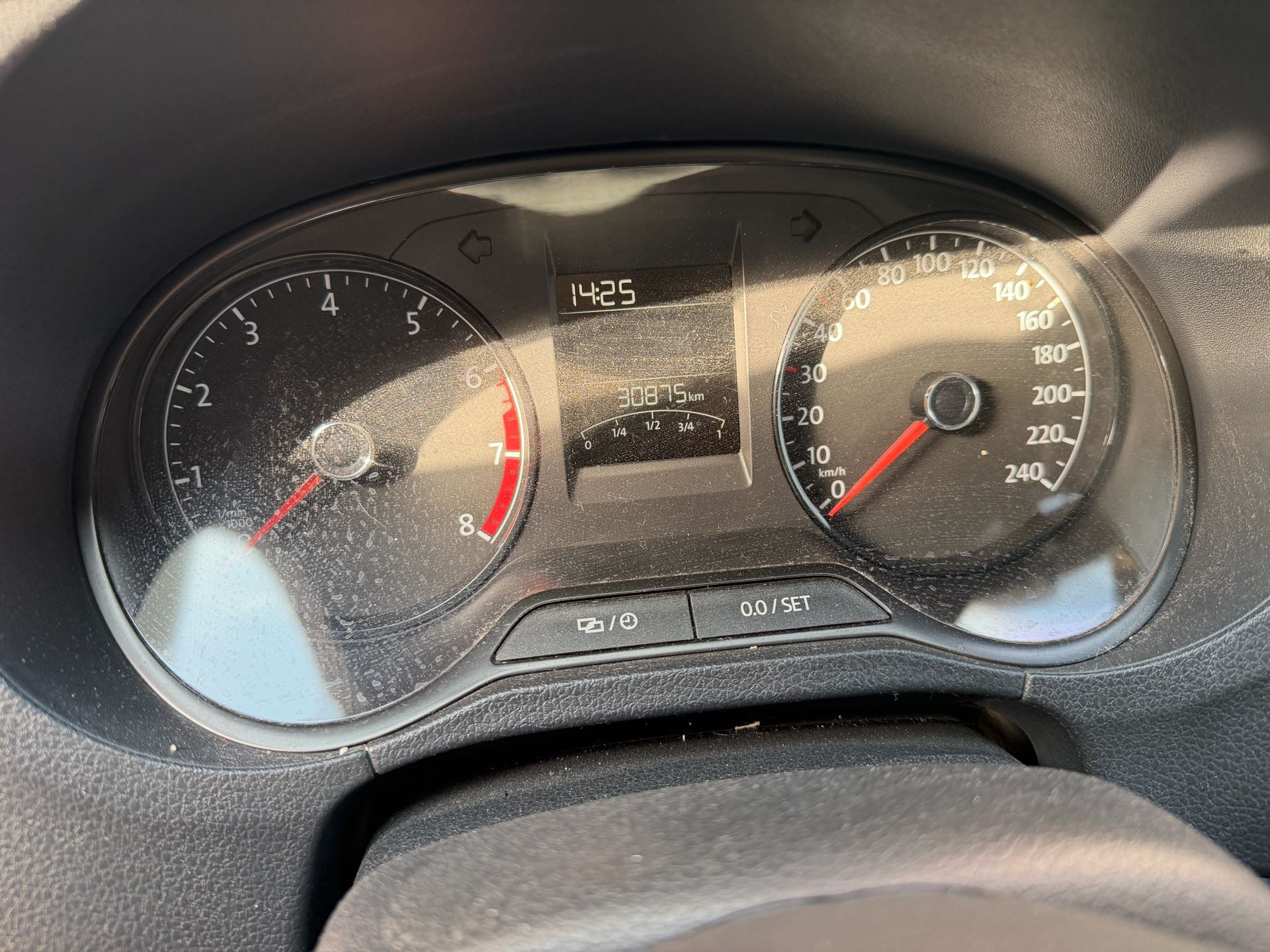
Mileage30,000km
Transfer Count0times
FuelGasoline
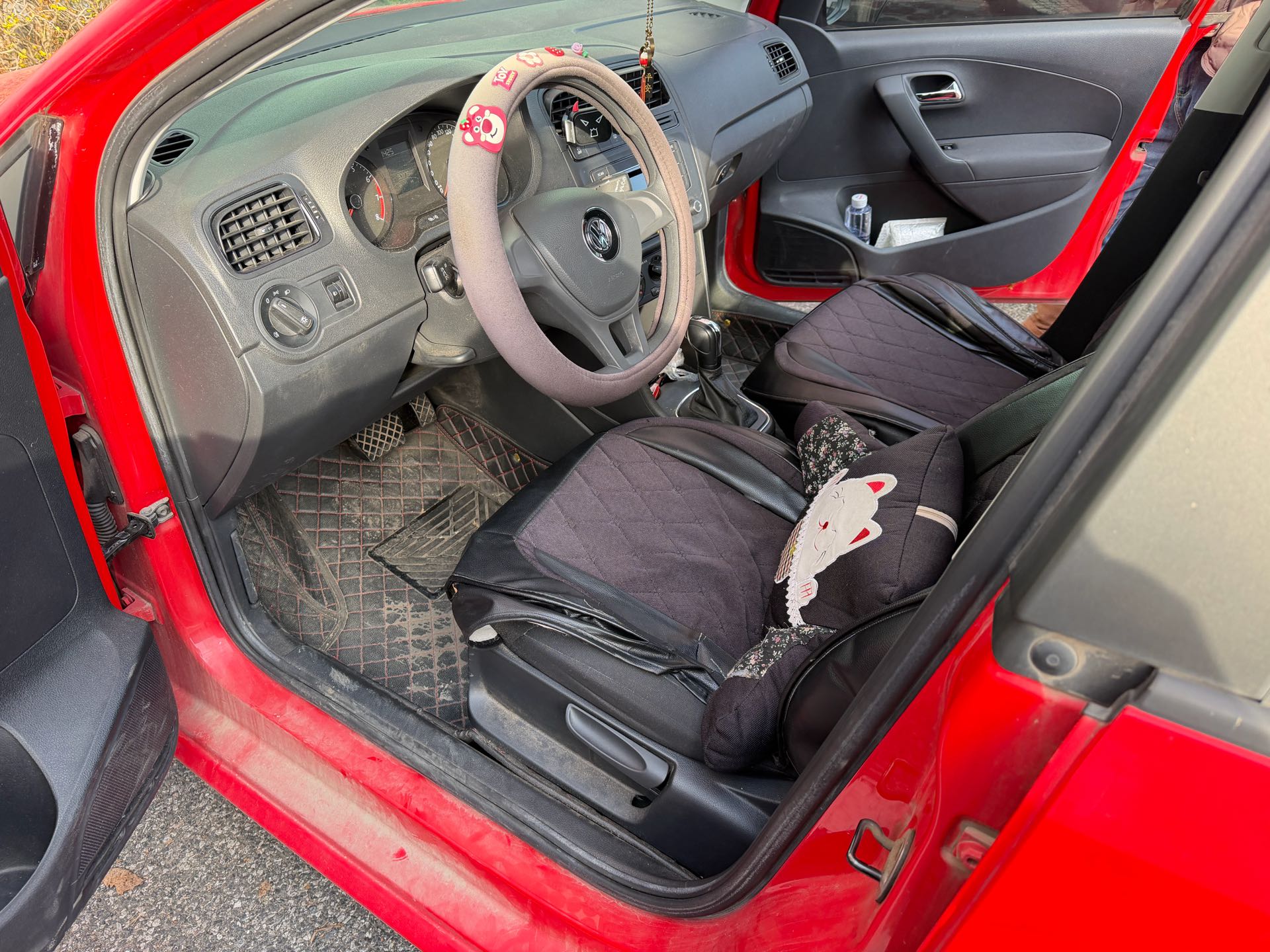
TransmissionAutomatic
Engine1.5L 110 L4
ColorRed
Seats-

Condition Description

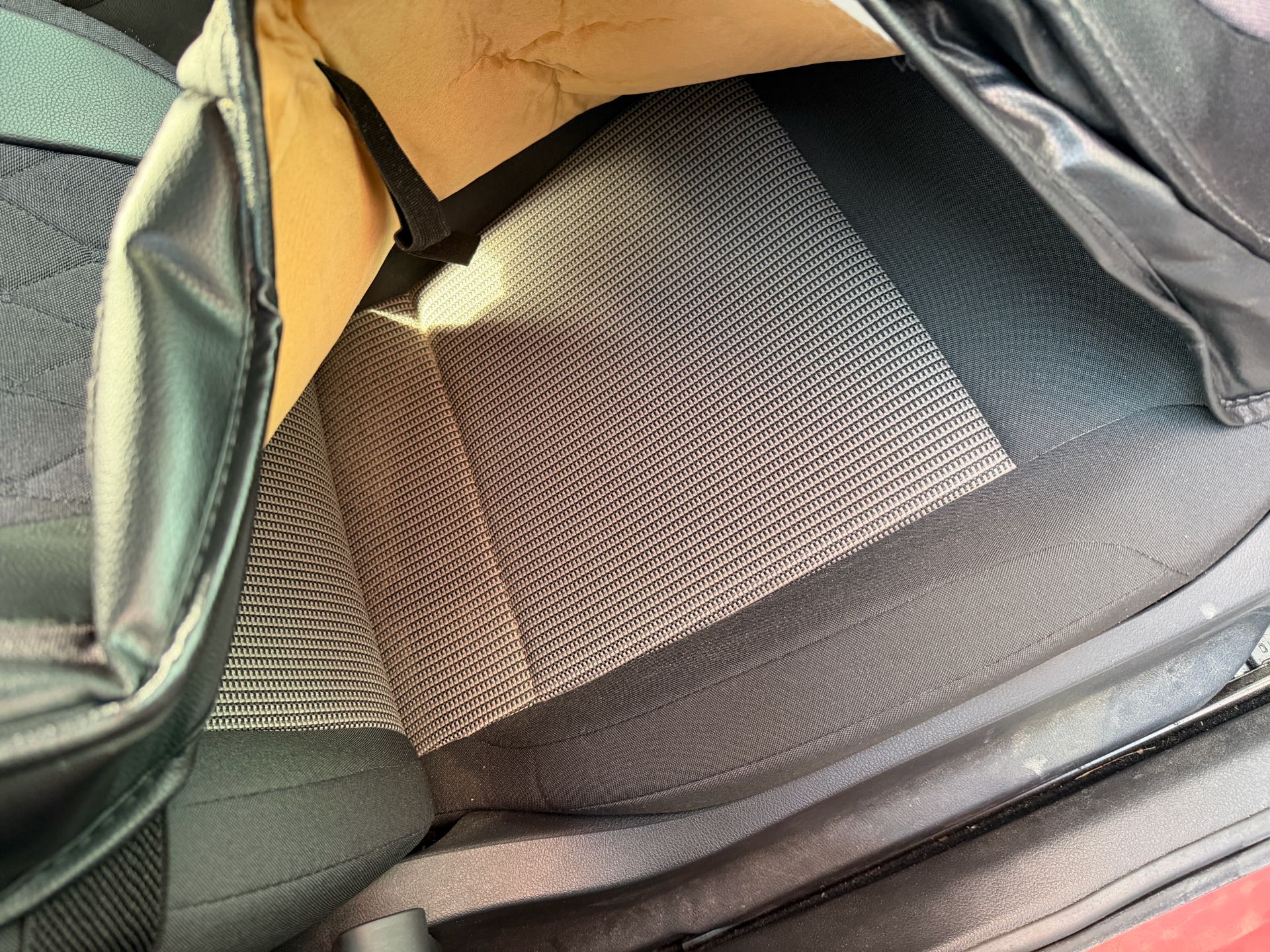
One-owner vehicle, actual mileage 30,000 km, front fender and headlight replaced, inspected by Chaboshi.

Document Information

Inspection Expiry Date-
Warranty Expiry Date-
Insurance Expiry Date2027/03

Q&A

More

How can I judge the interior condition of a used Chinese car remotely to estimate real usage?

Ask the seller for detailed close-up video, not photos — video is harder to edit. Check: 1) Driver's seat bolster and steering wheel leather for wear matching the claimed mileage — a shiny, polished wheel at 30,000 km is a red flag; 2) Pedal rubbers — worn-through pedals contradict low mileage; 3) Buttons and knobs — faded or shiny climate and window controls suggest heavy use; 4) Seat rails and tracks — rust or heavy dirt means possible water exposure; 5) Headliner and seat backs — stains or sagging. Compare logically: wear should be consistent across the cabin. A car showing 50,000 km should have light wear everywhere, not a destroyed driver's seat with a pristine passenger side. Also ask for the odometer photo with the ignition on, plus the car's system info screen, which often logs total mileage independently.


Is the delivery date specified in the contract based on the "Estimated Time of Departure (ETD)" or the "Date of Arrival at Port"?

Our legal delivery milestone is based on the "Estimated Time of Departure (ETD)". As long as the vehicle enters the port area and customs clearance is completed within the agreed timeframe, any delays in shipping schedules due to the shipping company's capacity adjustments will not be considered a breach on our part. The uncontrollability of maritime transport must be factored into your expectations.

How can I find out if a used Chinese car has flood or water damage history?

Flood cars are common after heavy rain seasons, and the damage often shows up months later in the wiring and electronics. Here is how to check before you buy. First, ask for the insurance claim history using the VIN. Flood claims are usually recorded, and any mention of water damage, interior drying, or electrical repair should stop the deal. Second, inspect the interior yourself or via video call. Pull up the carpet edges and look for mud residue, water marks, or rust on seat rails and seatbelt buckles. Seatbelts that retract slowly or have a musty smell were often submerged. Third, check hidden cavities: the spare tire well, glove box, and under the trunk lining. Silt or a tide line there is a strong flood indicator. Fourth, look for condensation behind the instrument cluster and inside the headlights. Persistent fog in the lamps is a classic sign of water immersion. Finally, an OBD scan can help: flood cars often store scattered error codes across unrelated modules (airbag, ABS, body control) because corroded connectors corrupt the network. If several of these signs appear together, walk away. Flood damage is almost never worth repairing, and it will haunt the car's electronics for its whole life.