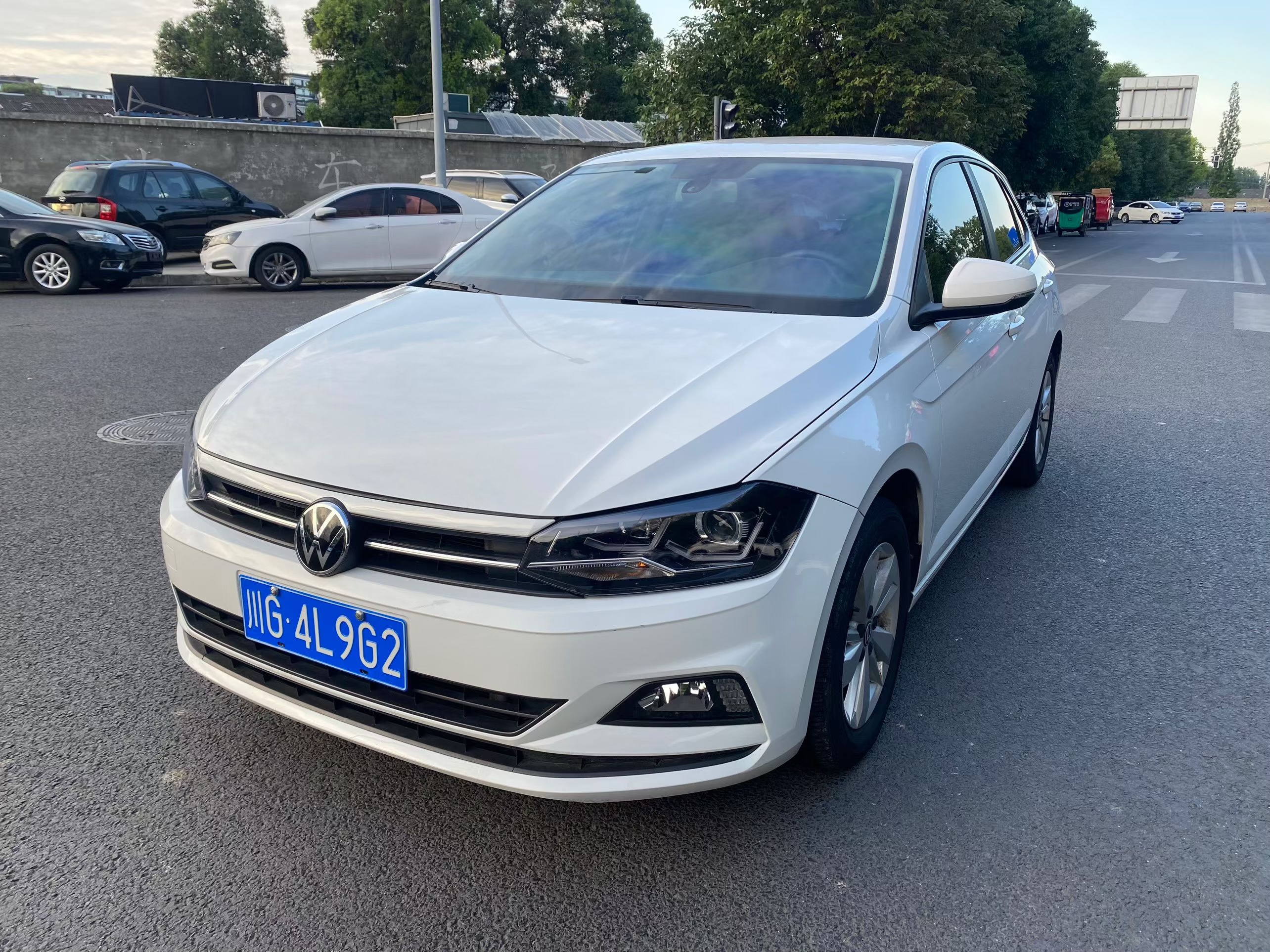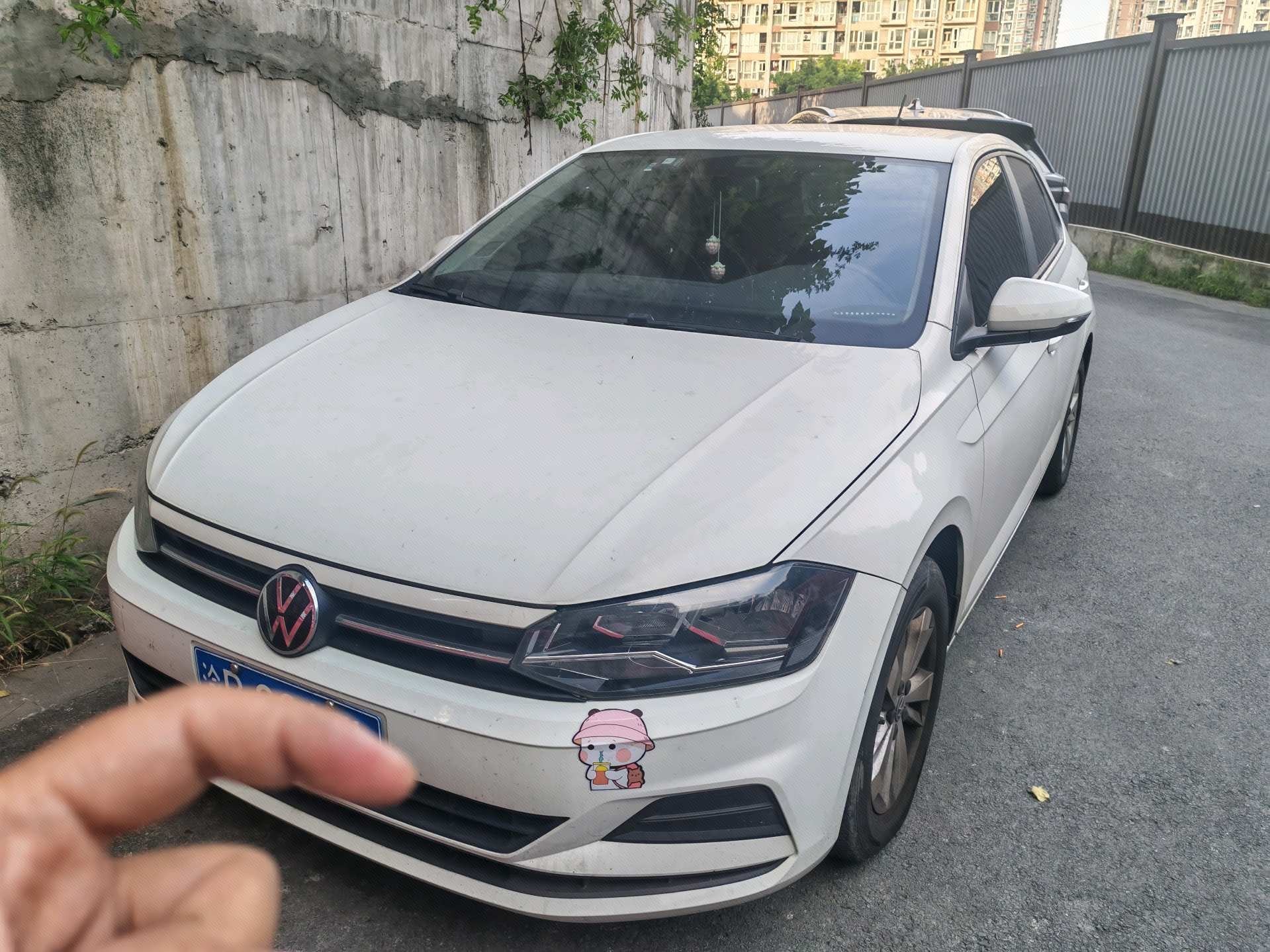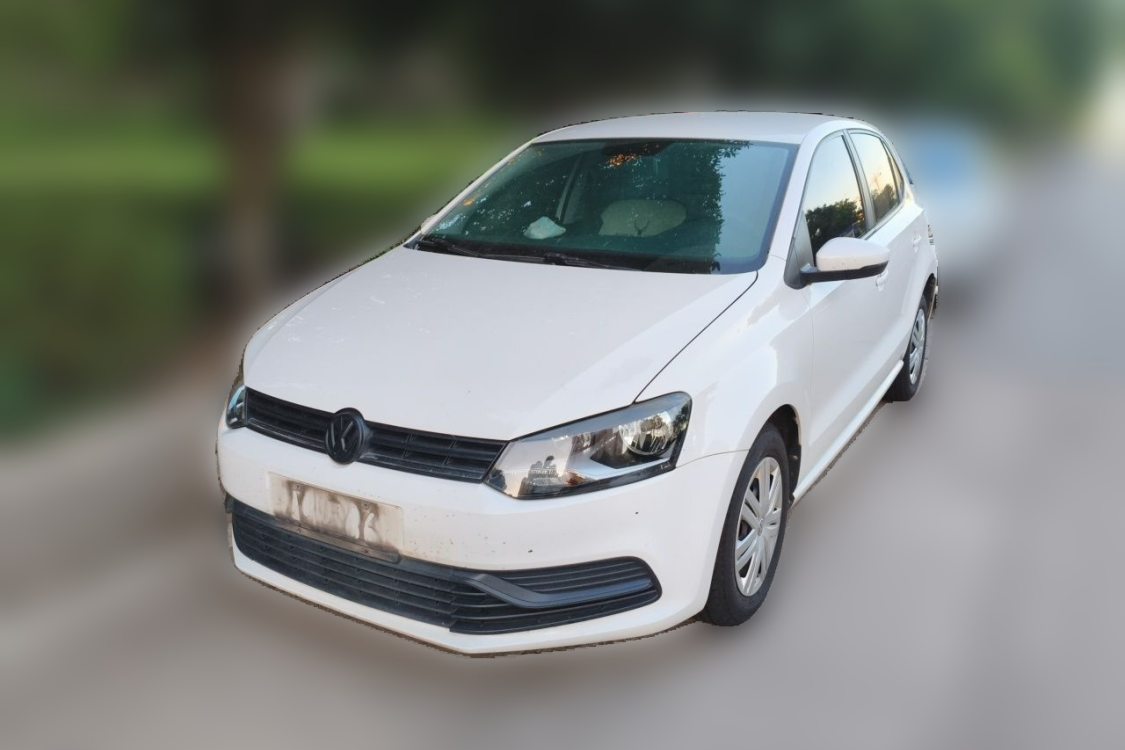
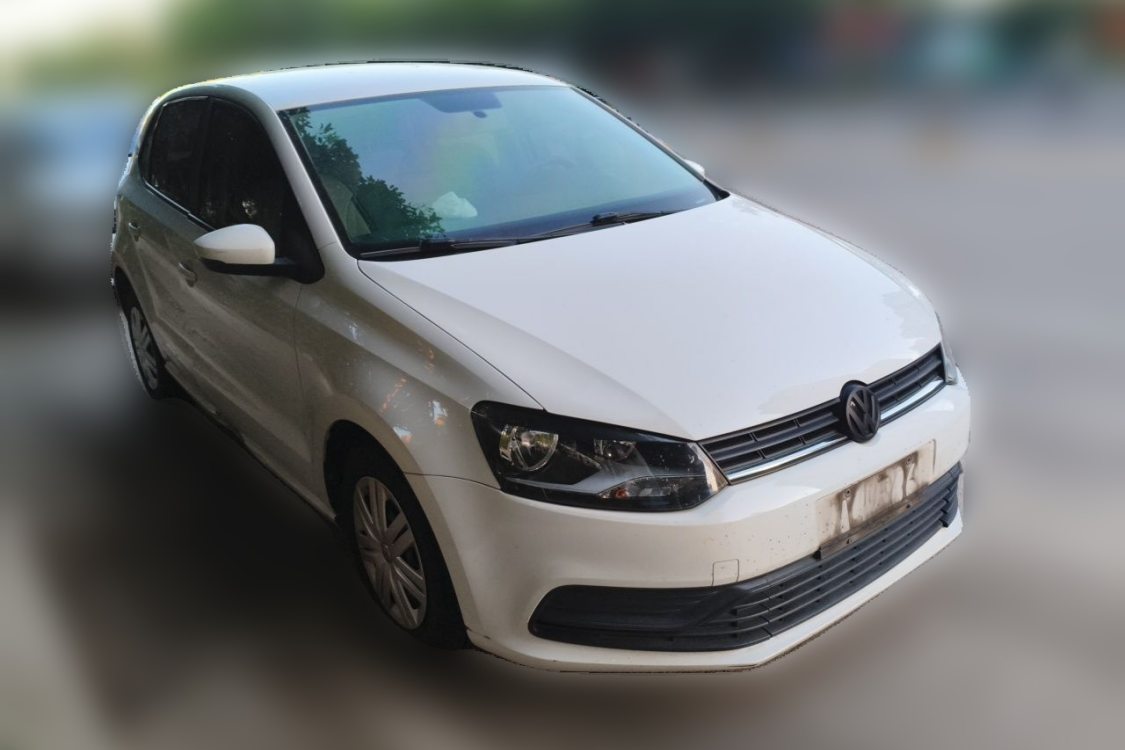
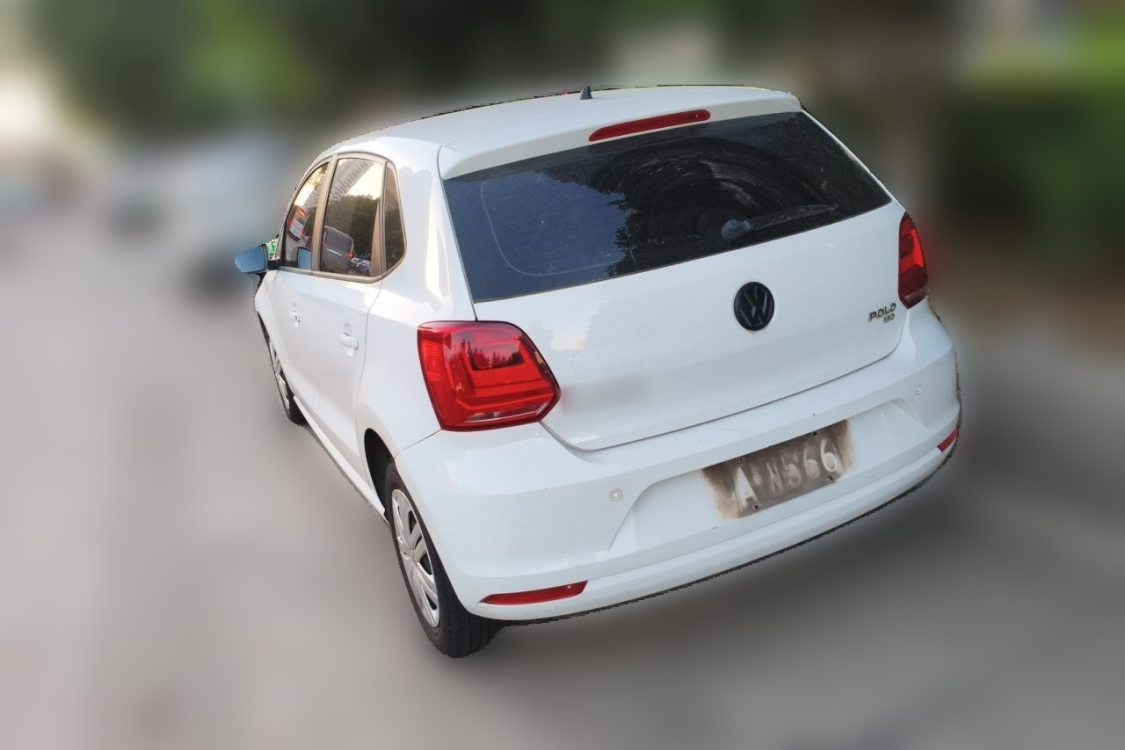
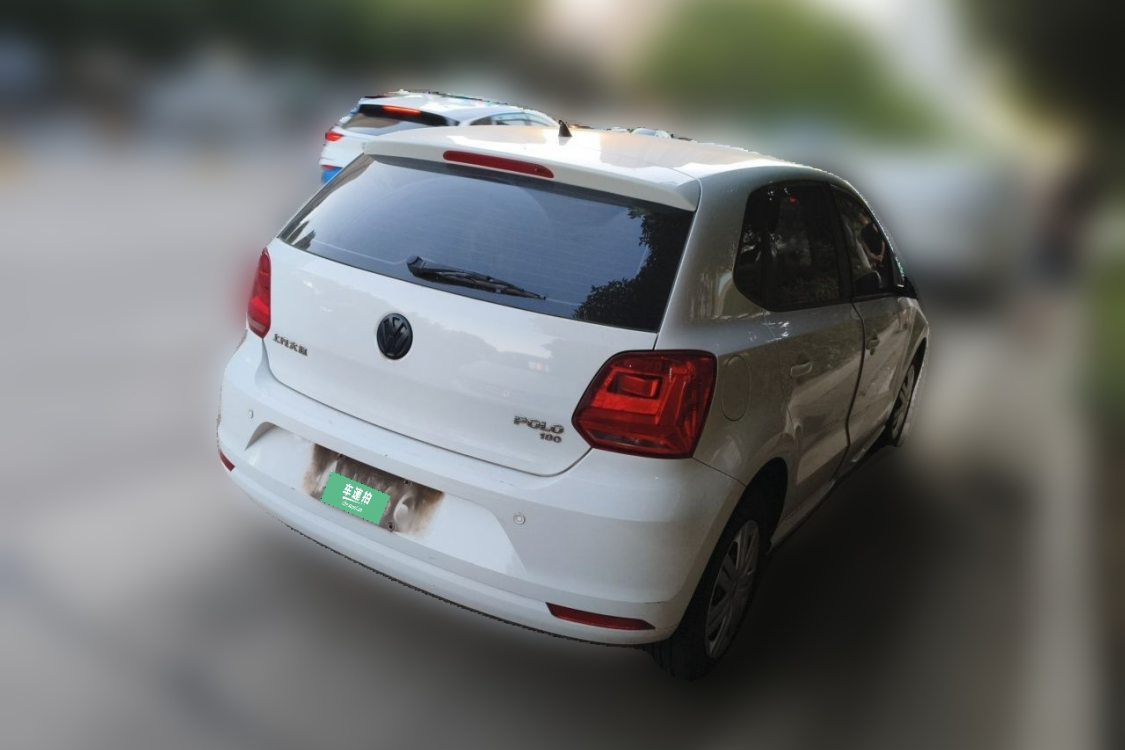
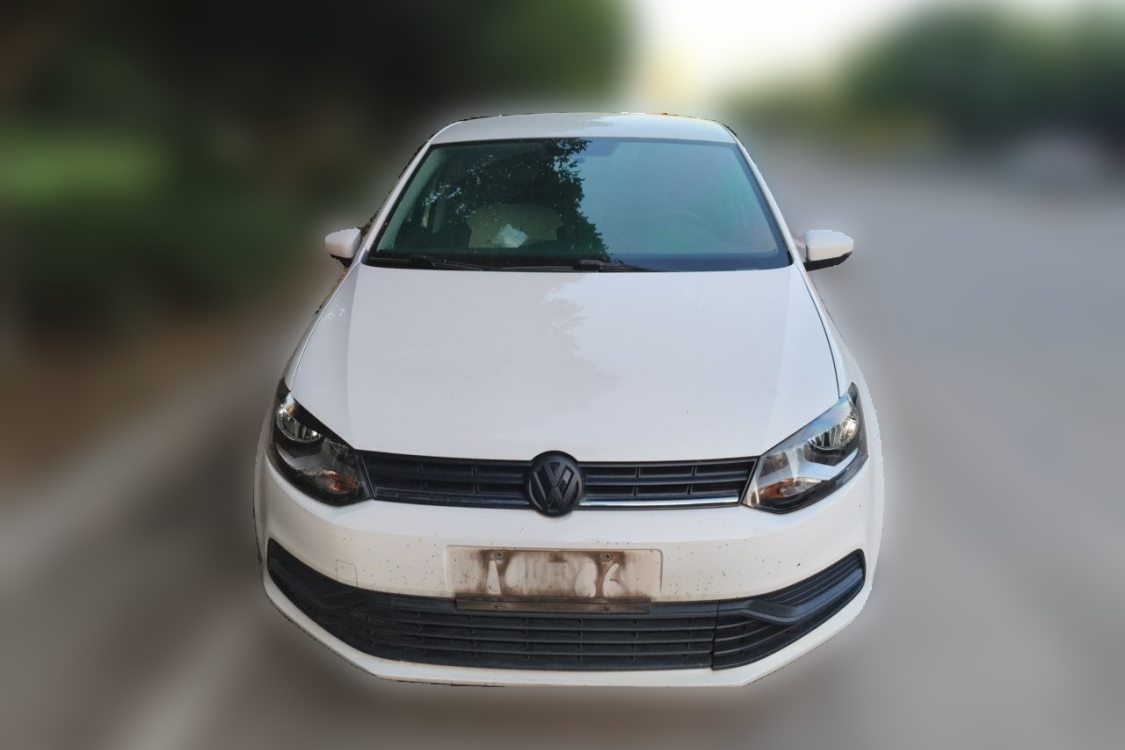
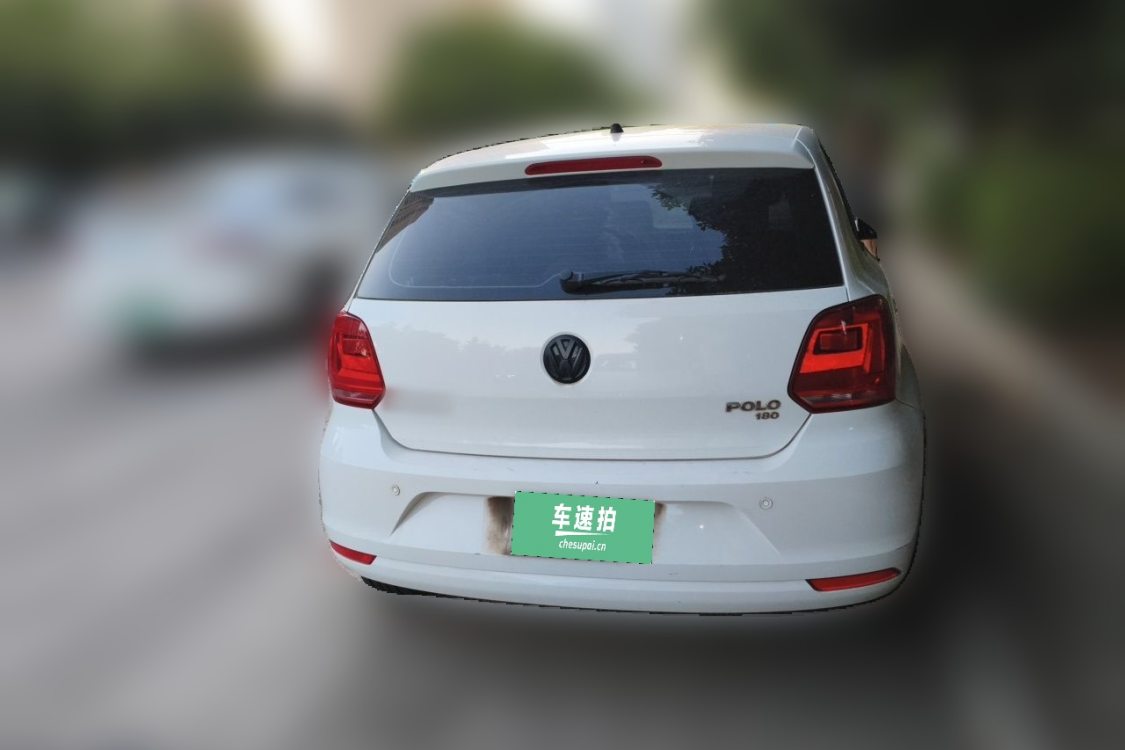



Basic Information

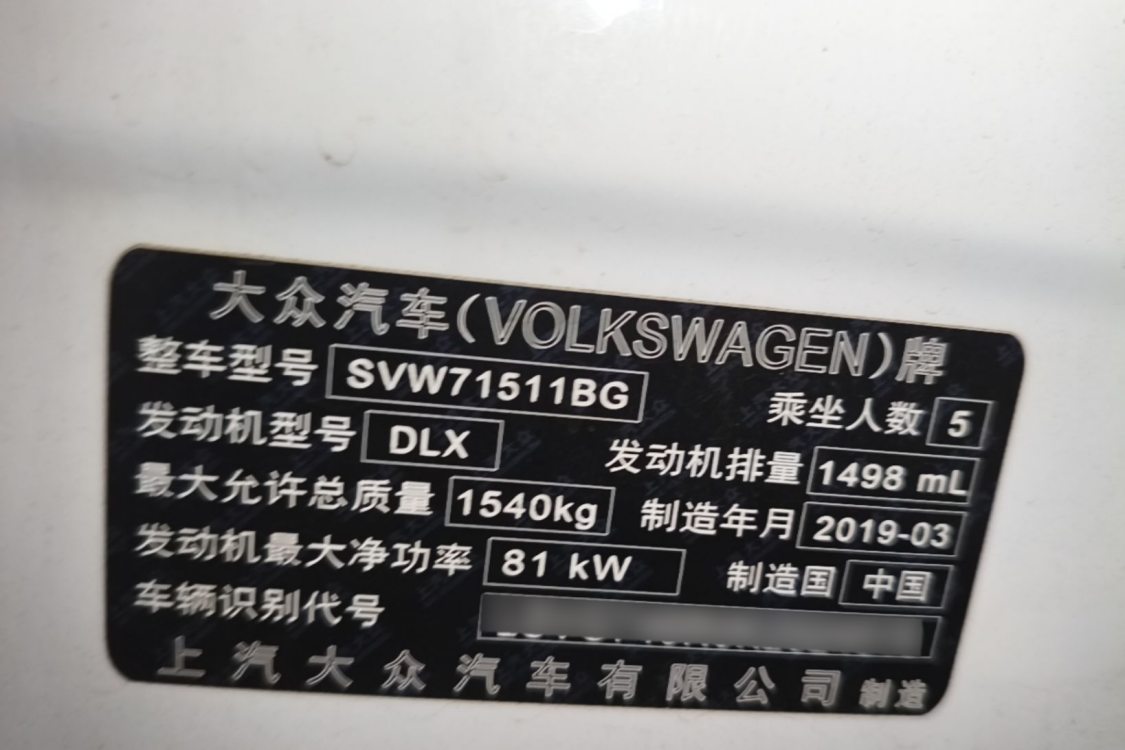
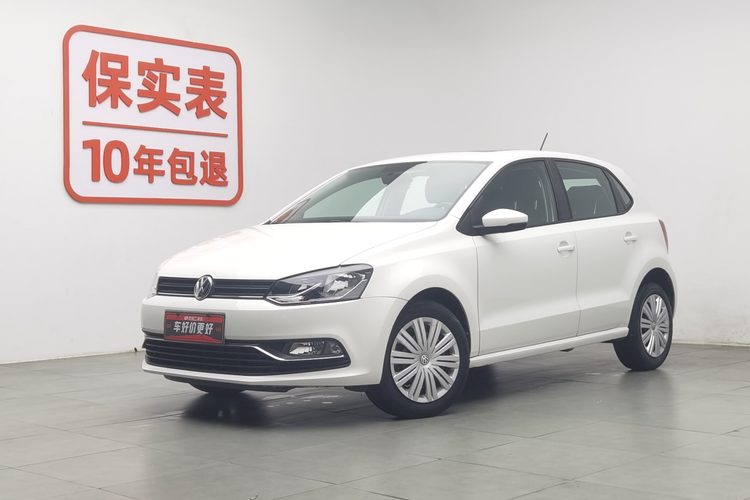
BrandVolkswagen
SeriesPolo
Year2019
First Registration2019/11
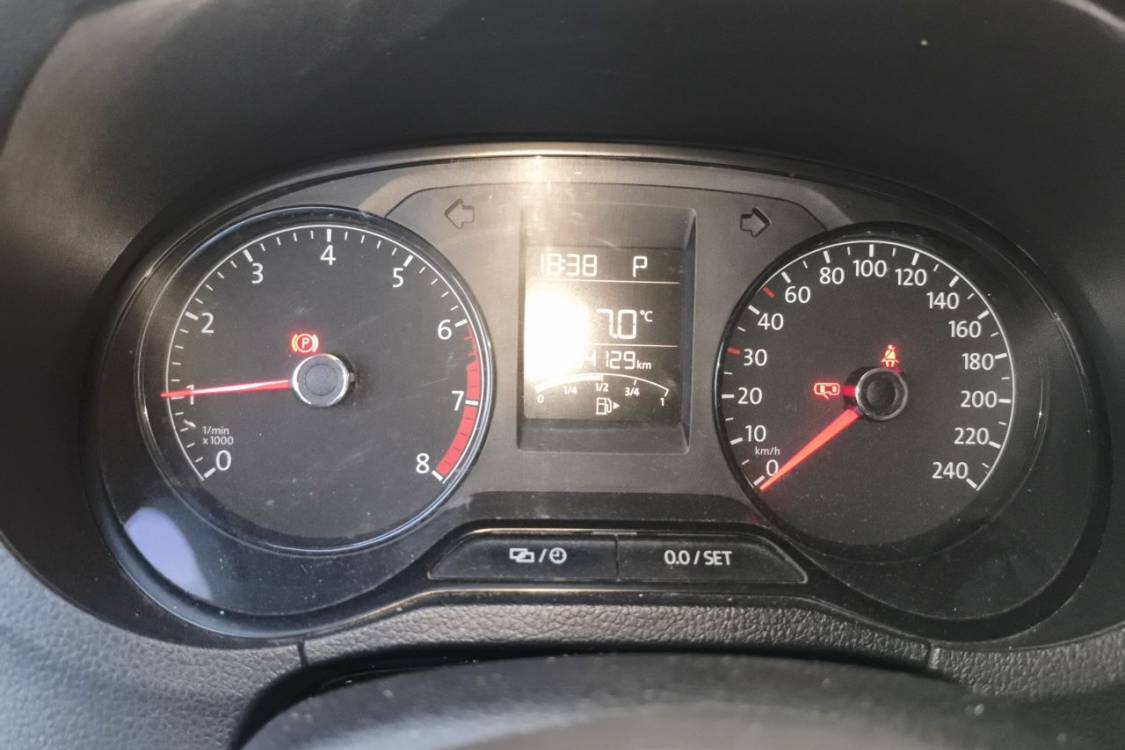
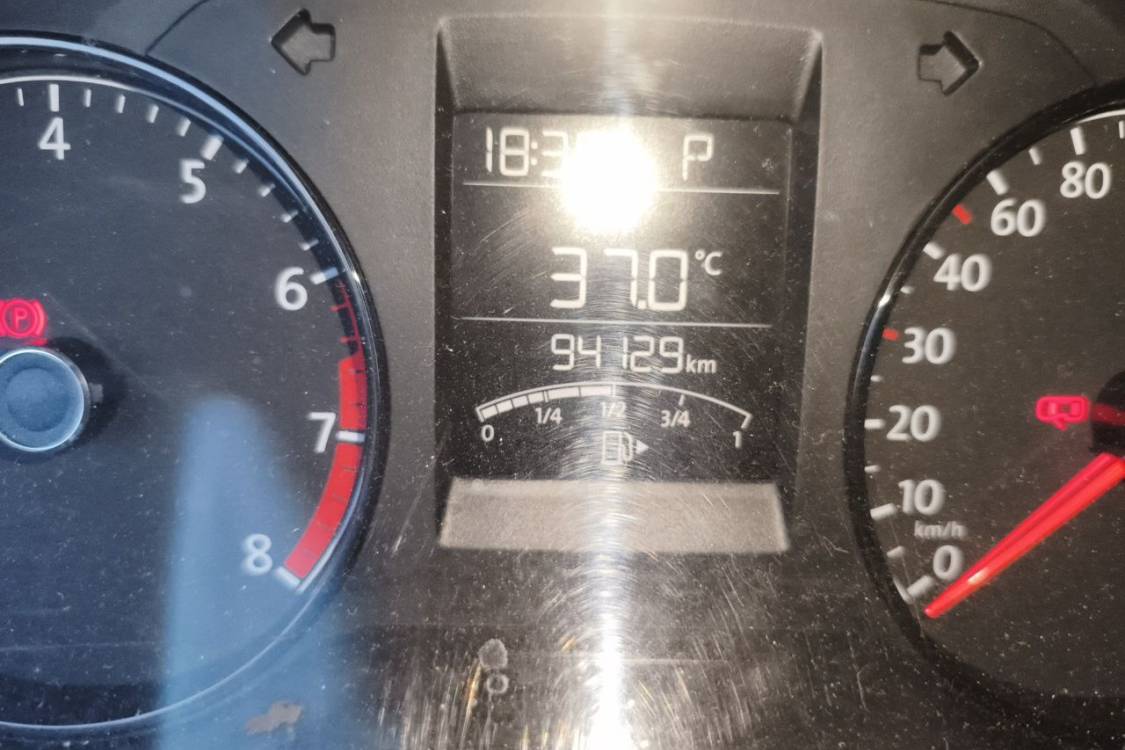
Mileage94,200km
Transfer Count2times
FuelGasoline
TransmissionAutomatic
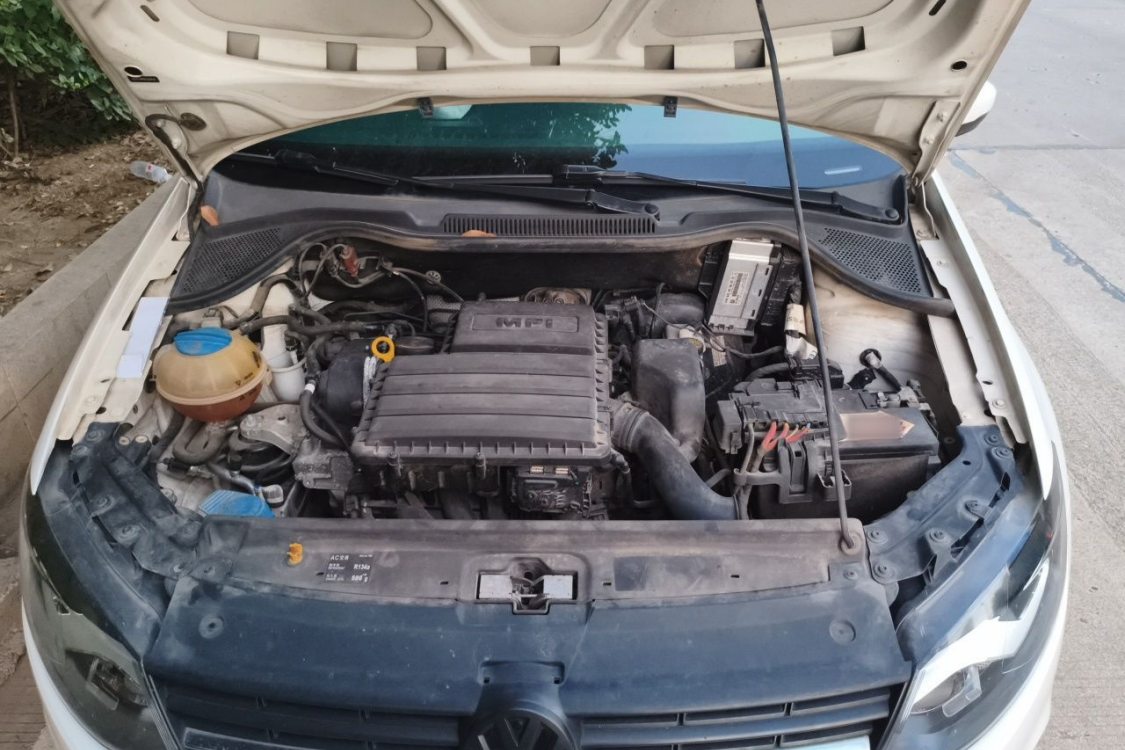
Engine1.5L 110 L4
ColorWhite
Seats-

Condition Description

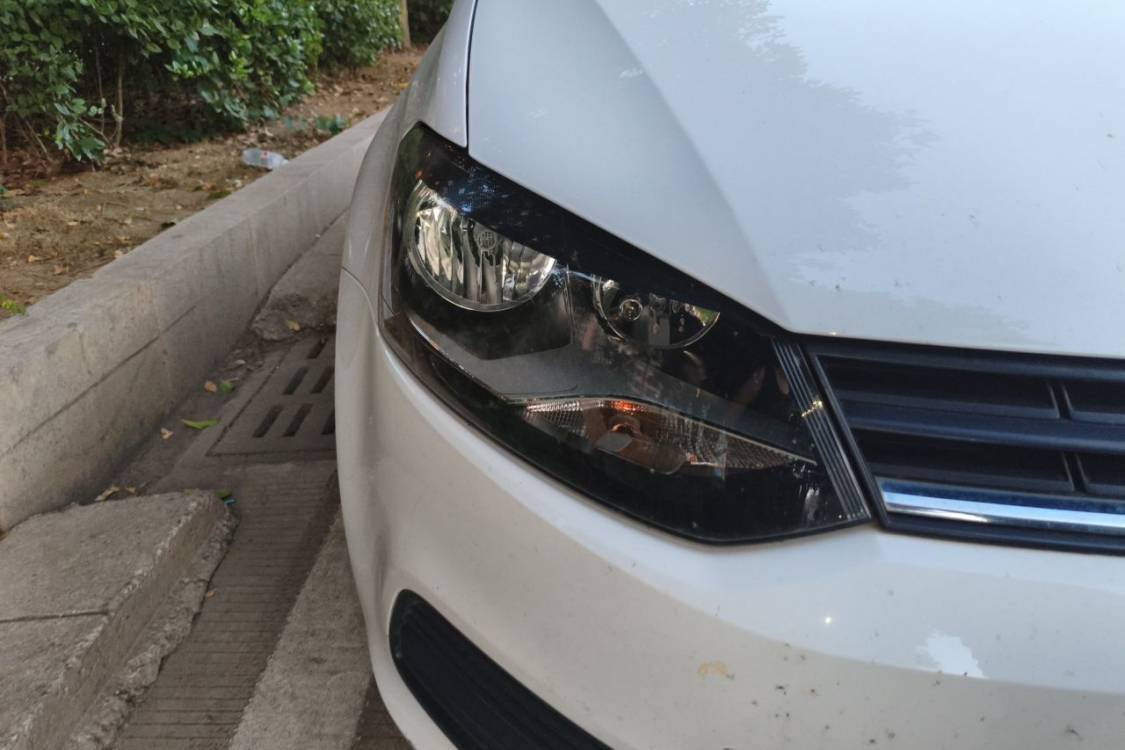
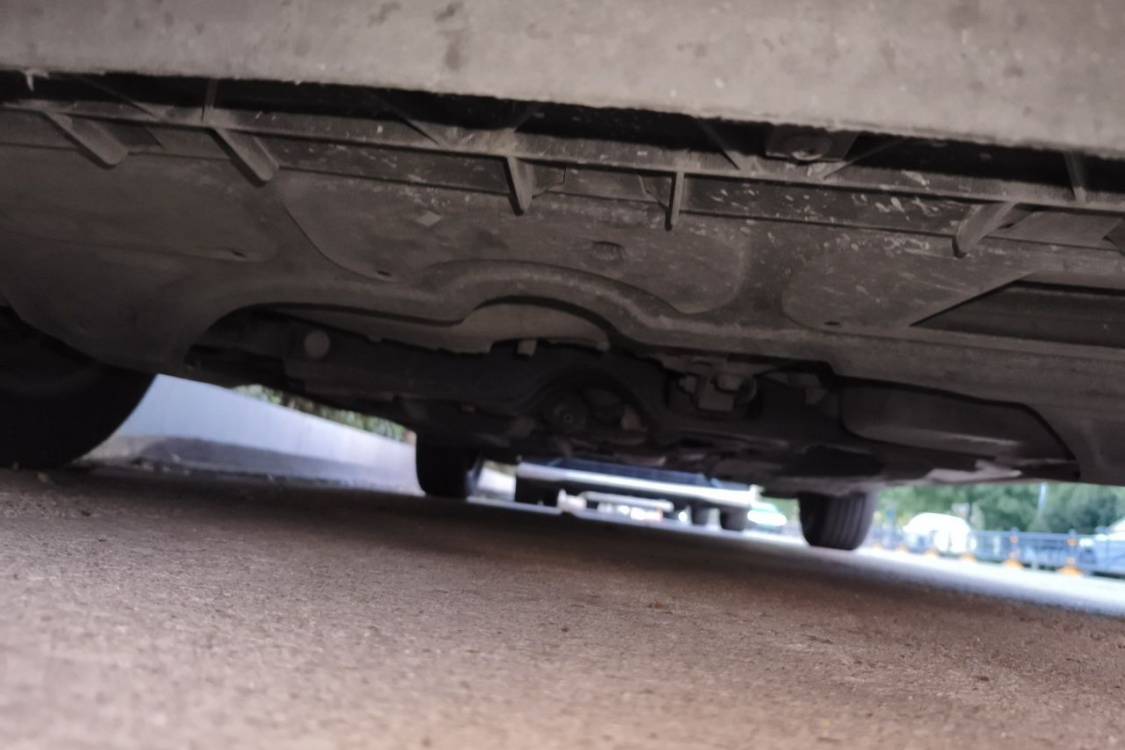
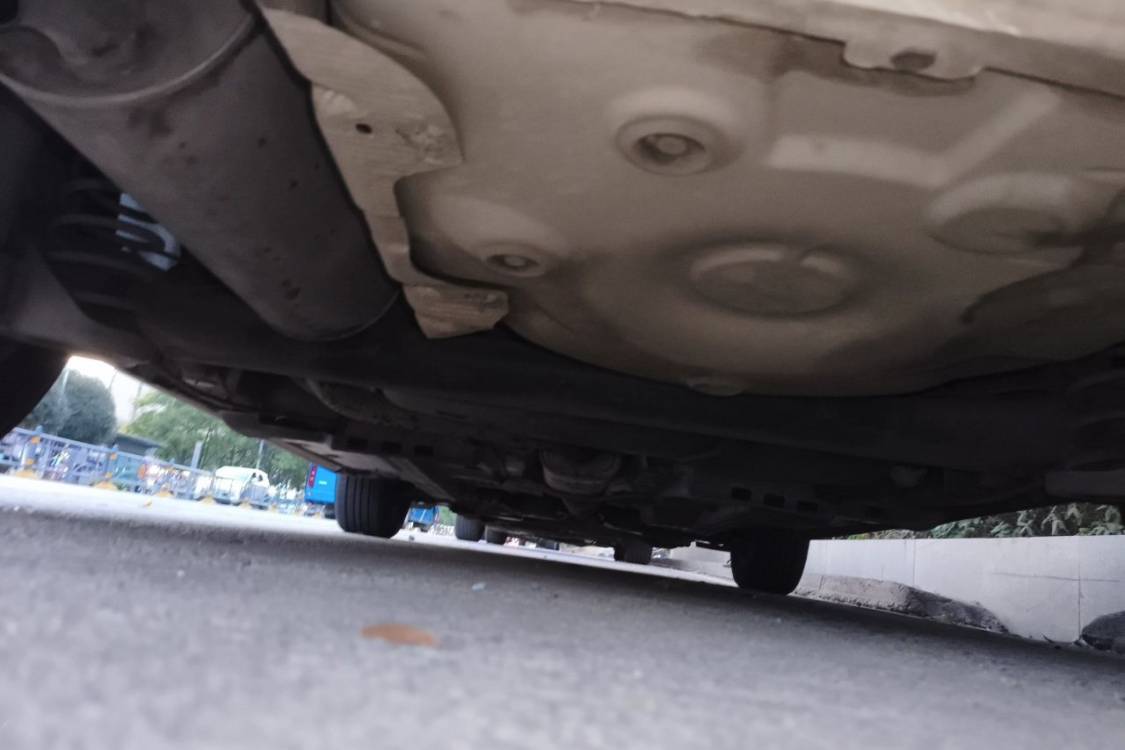
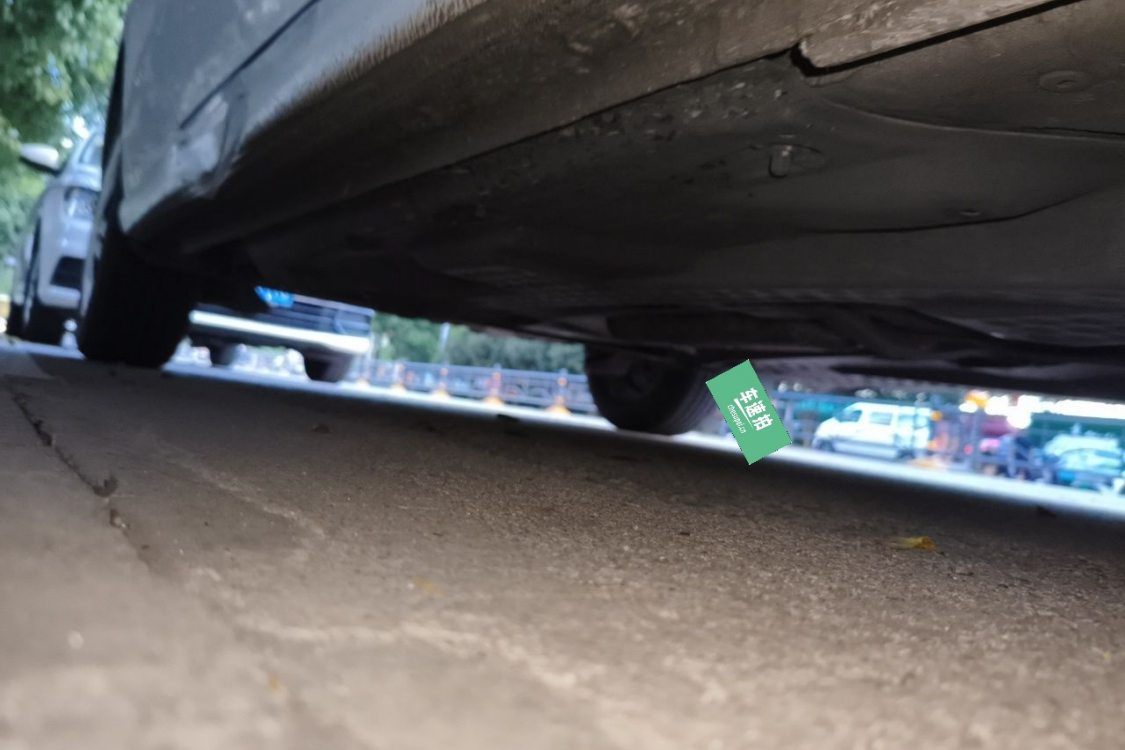
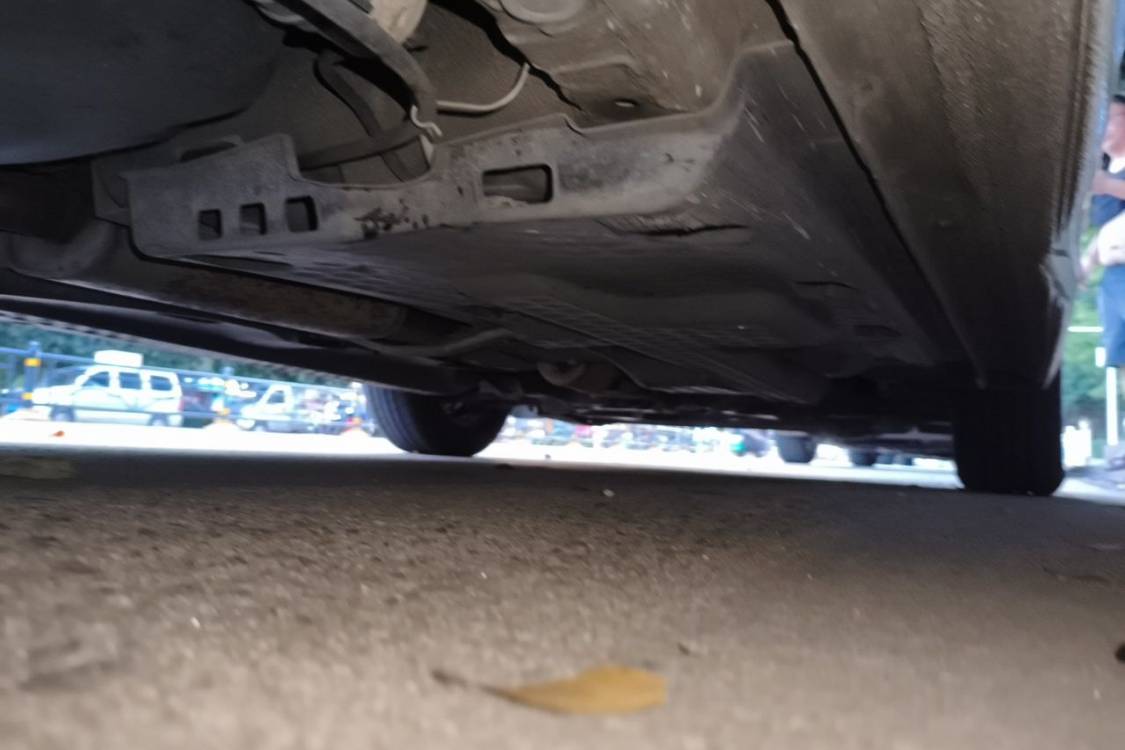
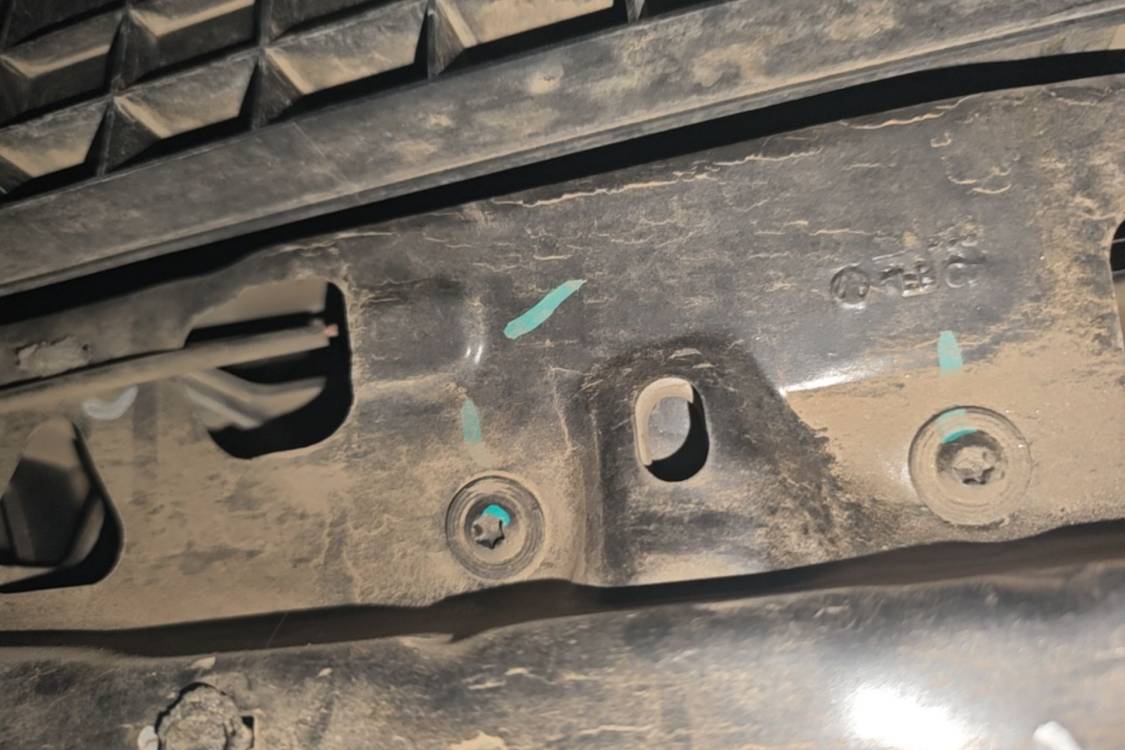
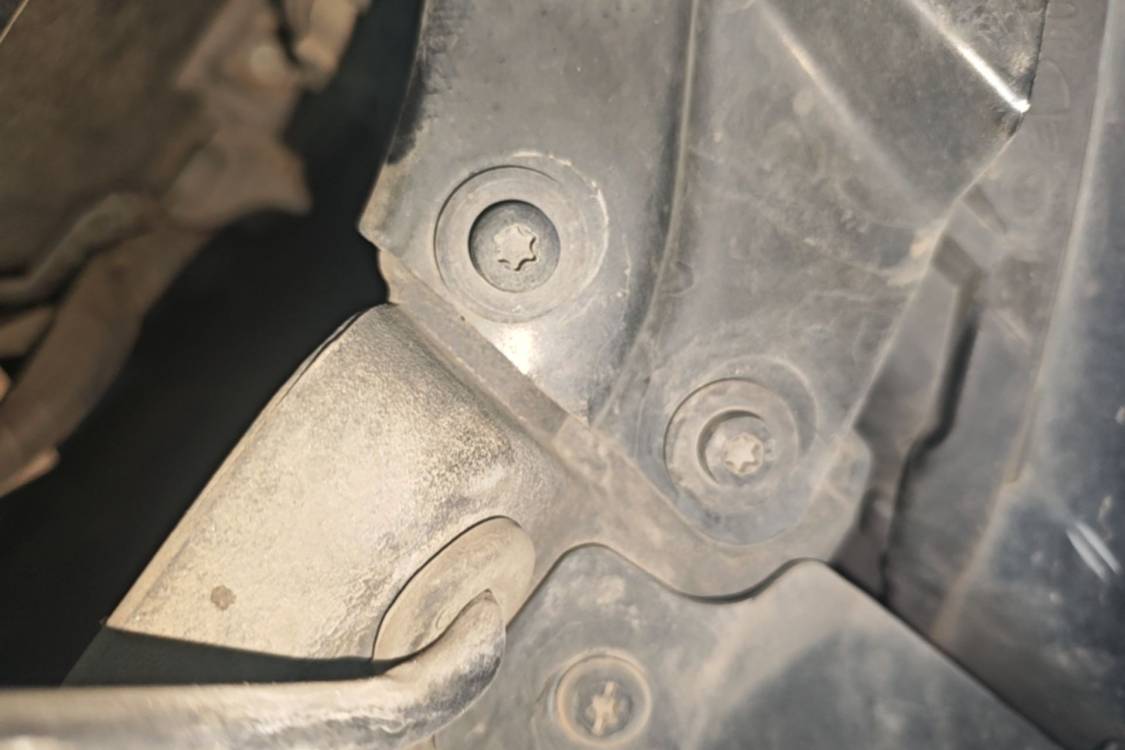
Body components (structural/reinforcing/panels) have accident-related damage; passive safety devices are defective; vehicle performance (including three-electric system) is degraded or remains performance-limited after repair.

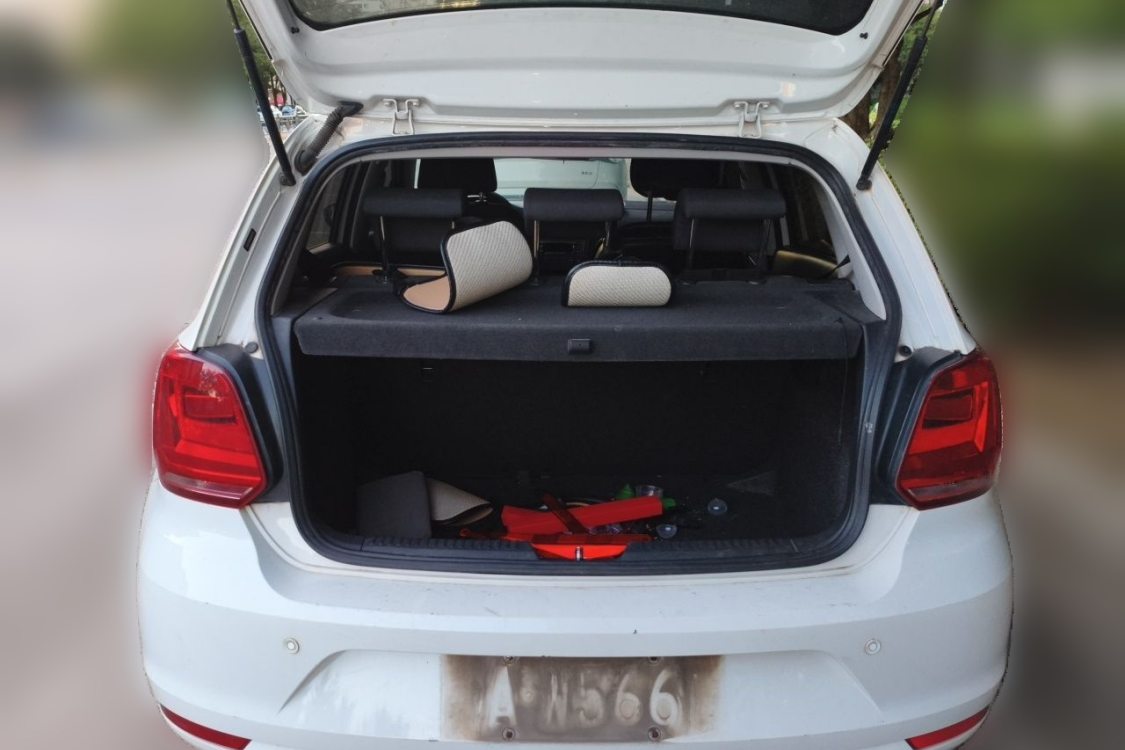
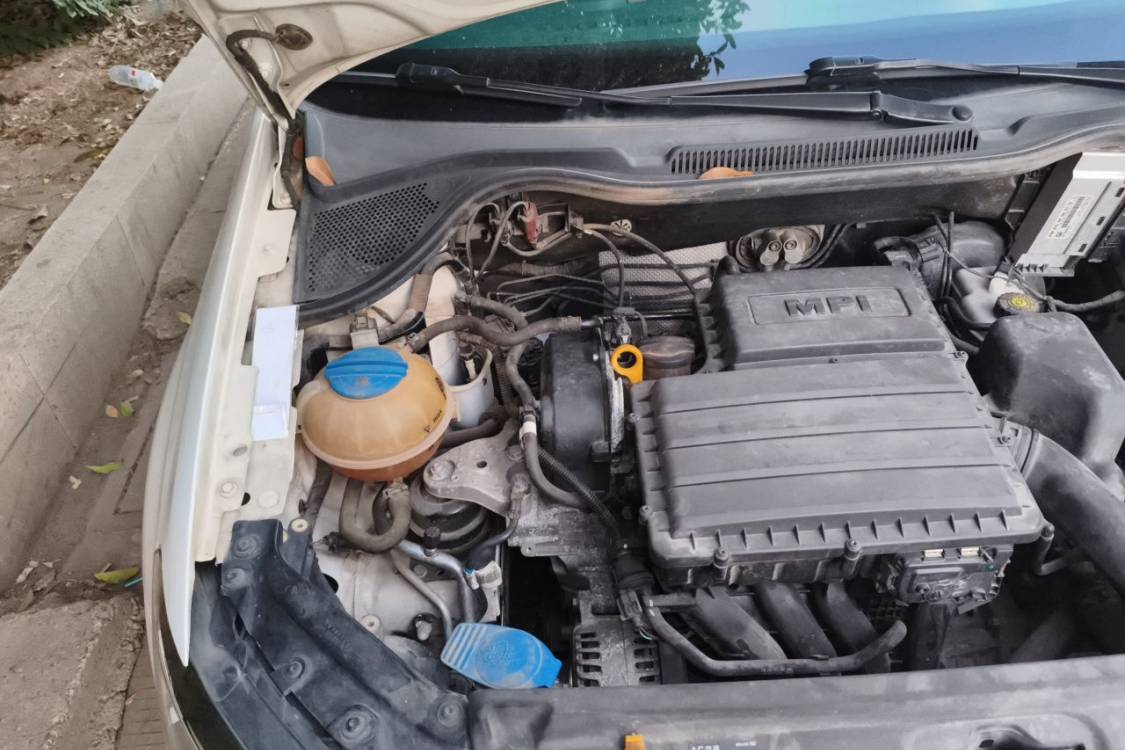
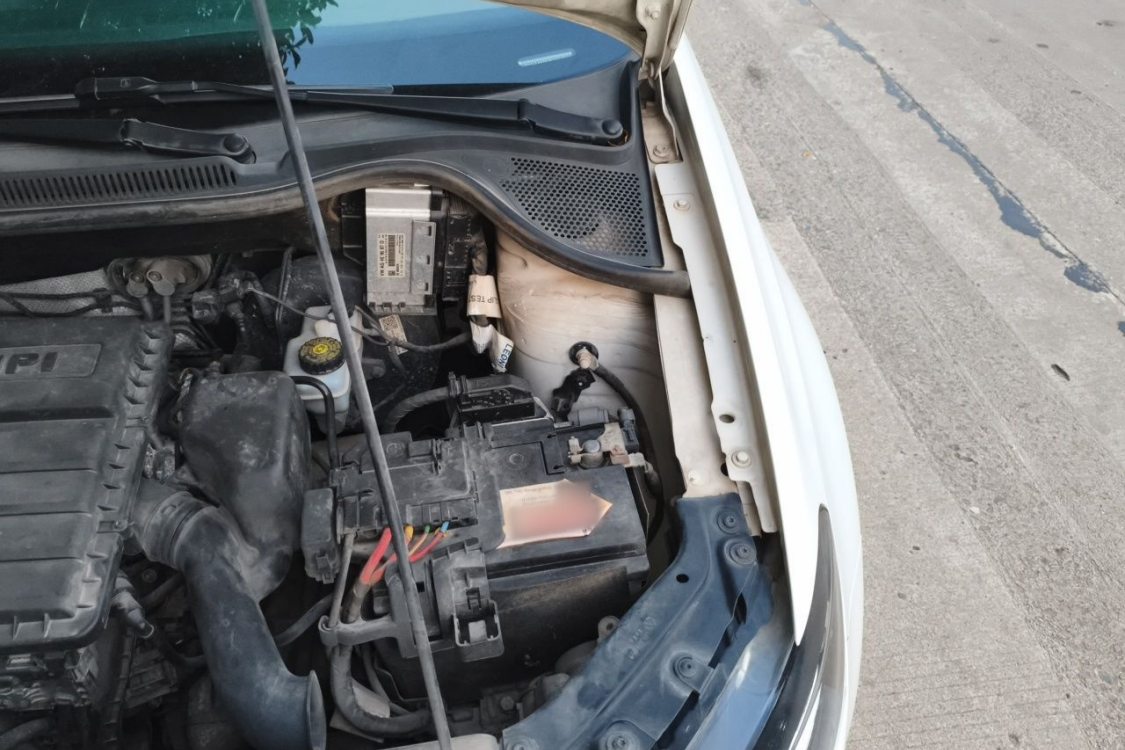
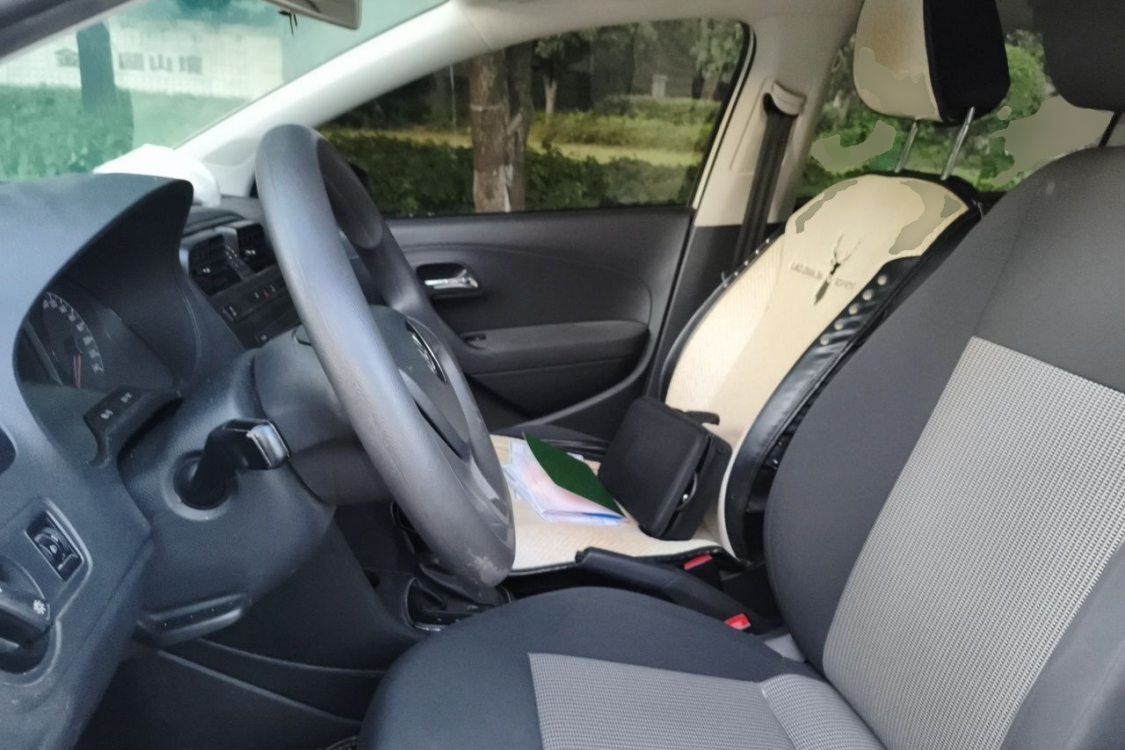
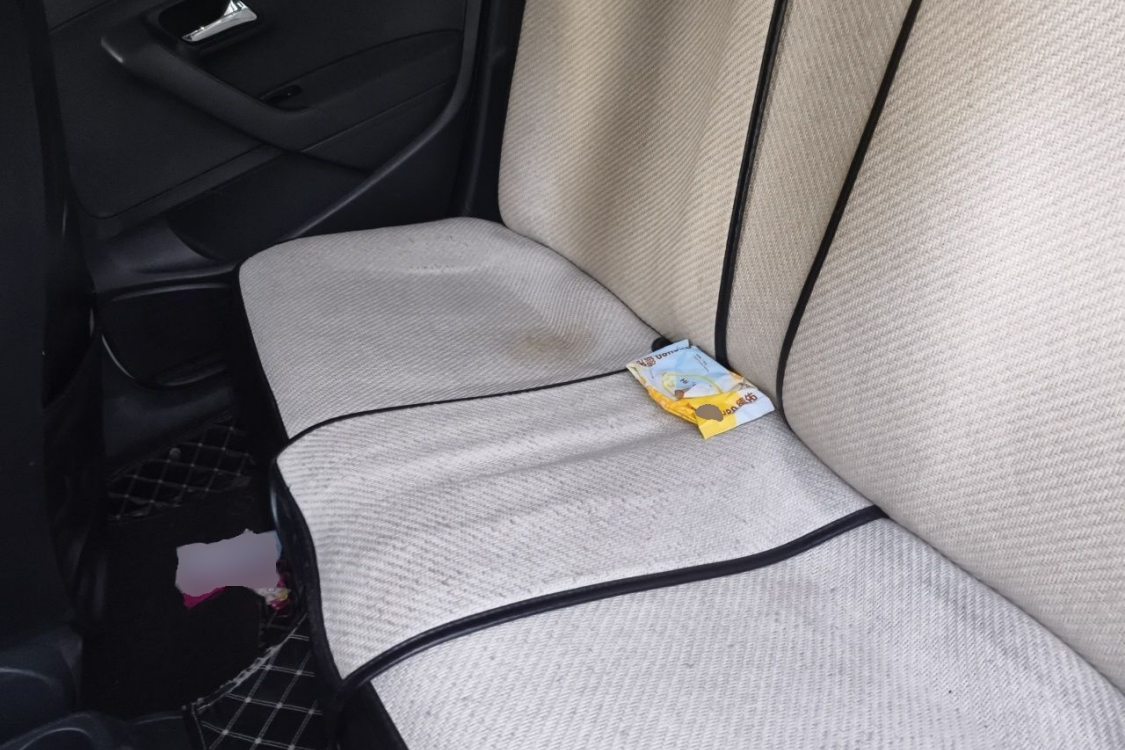
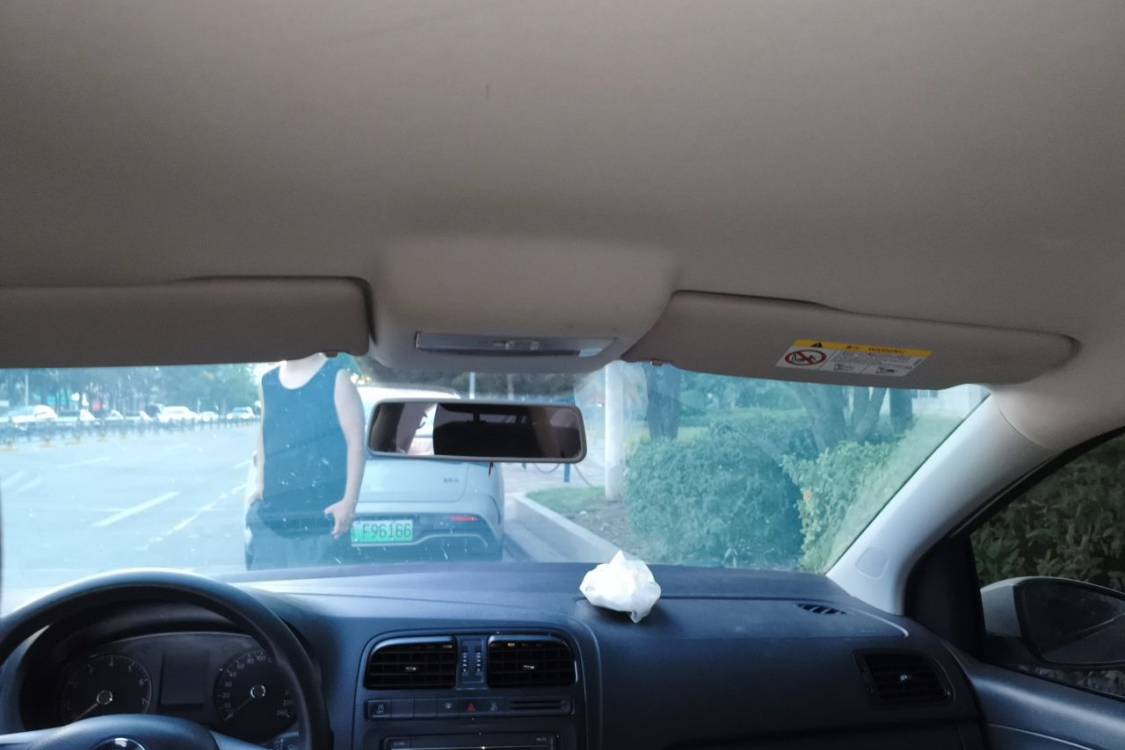
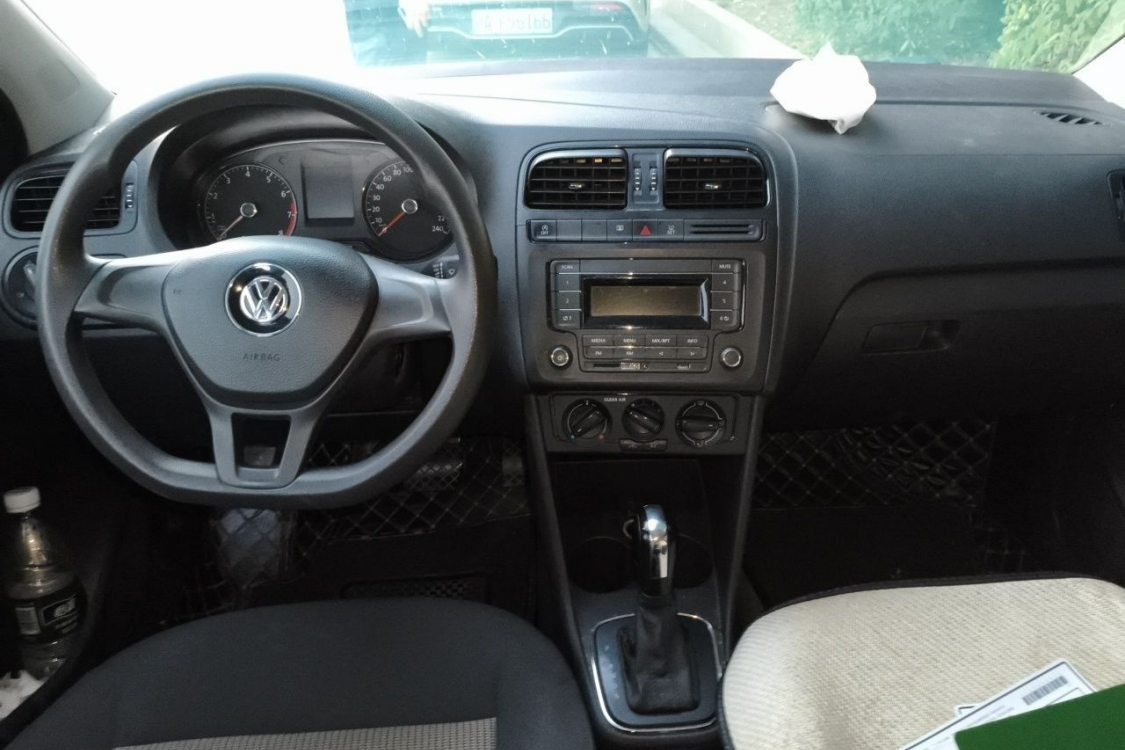
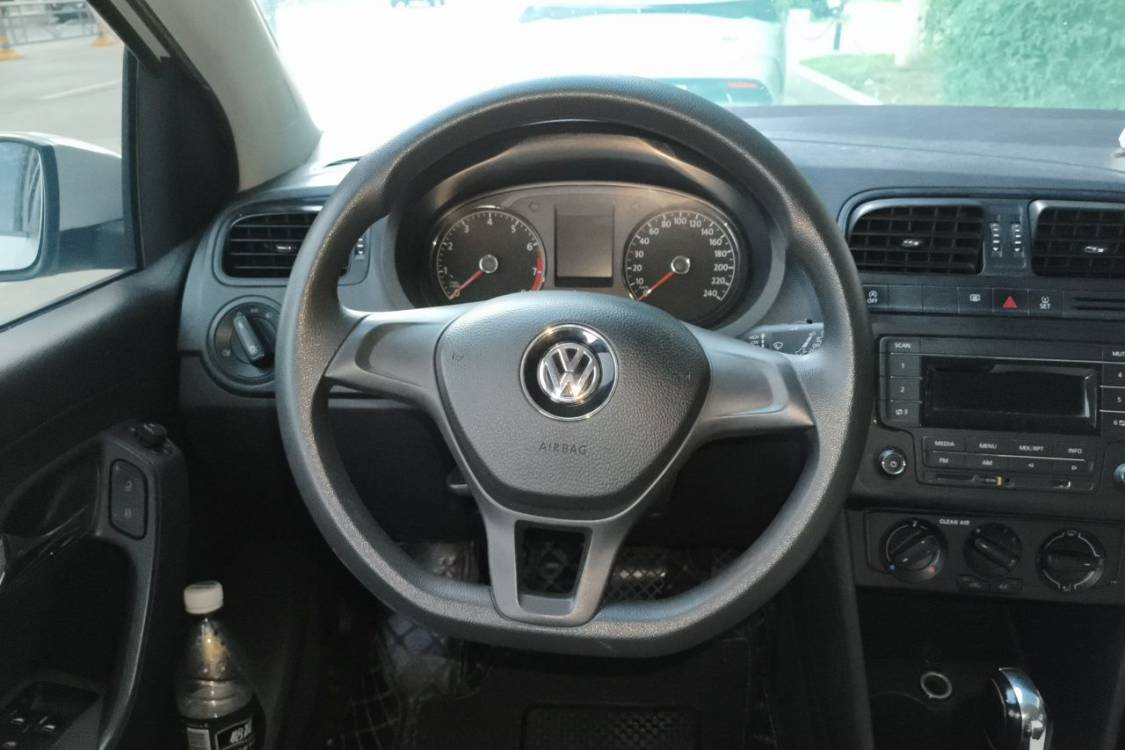
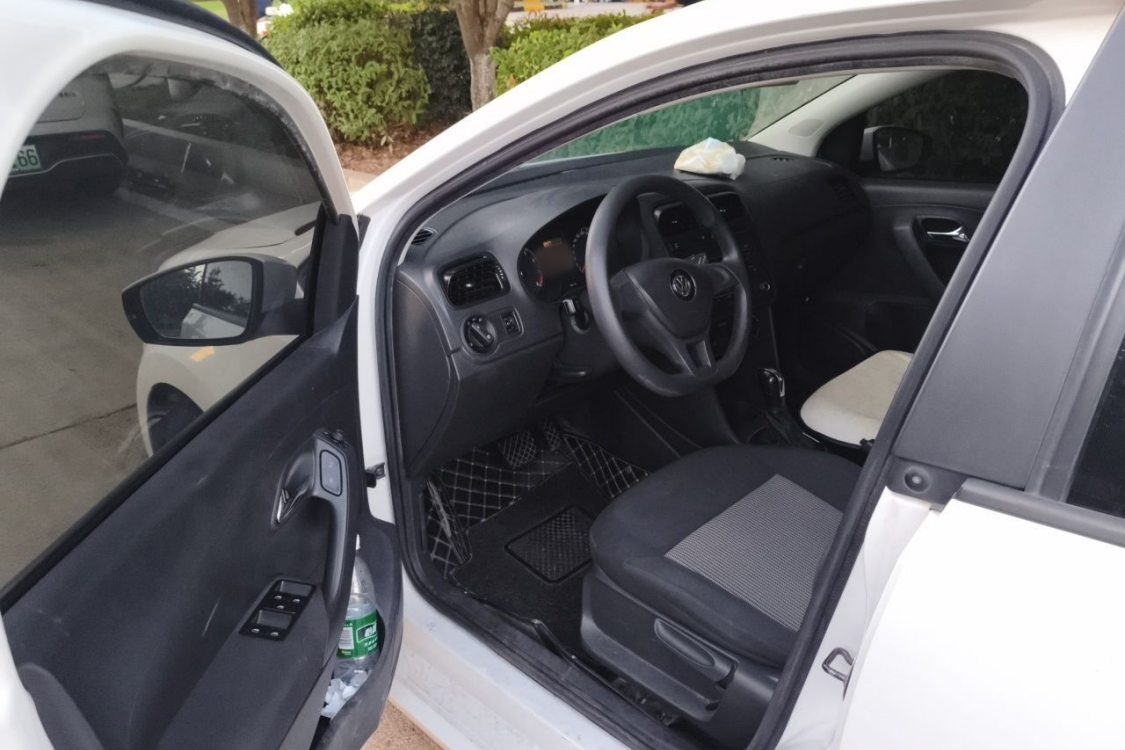
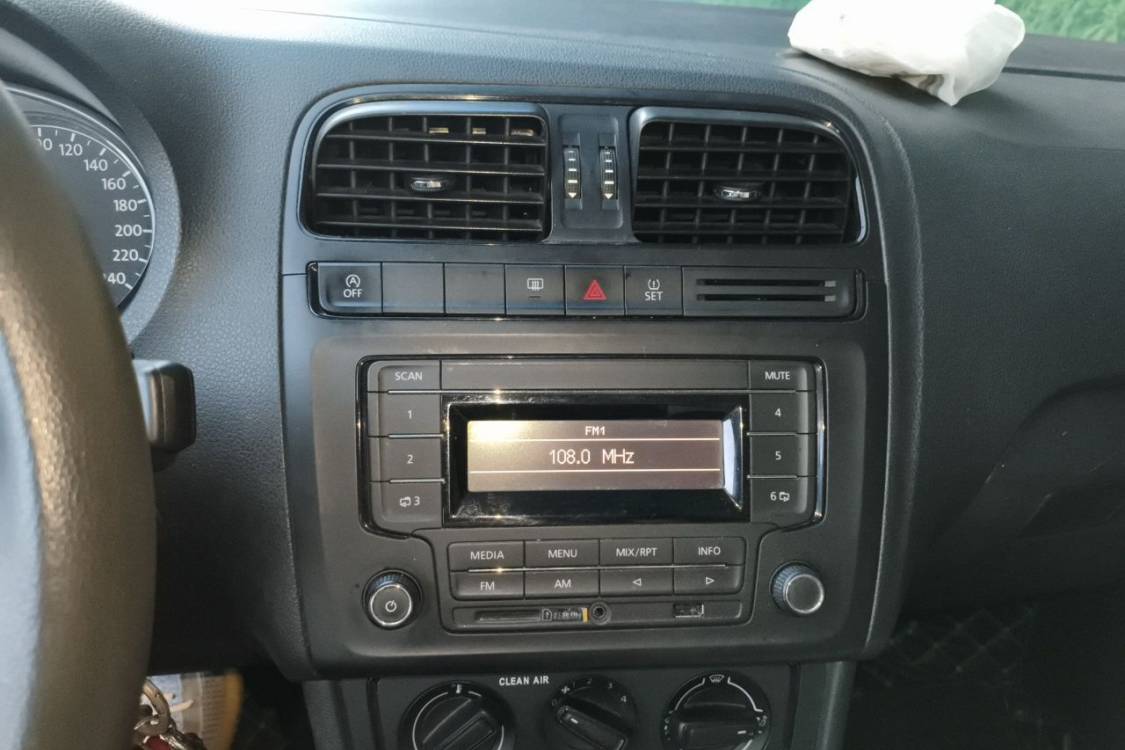
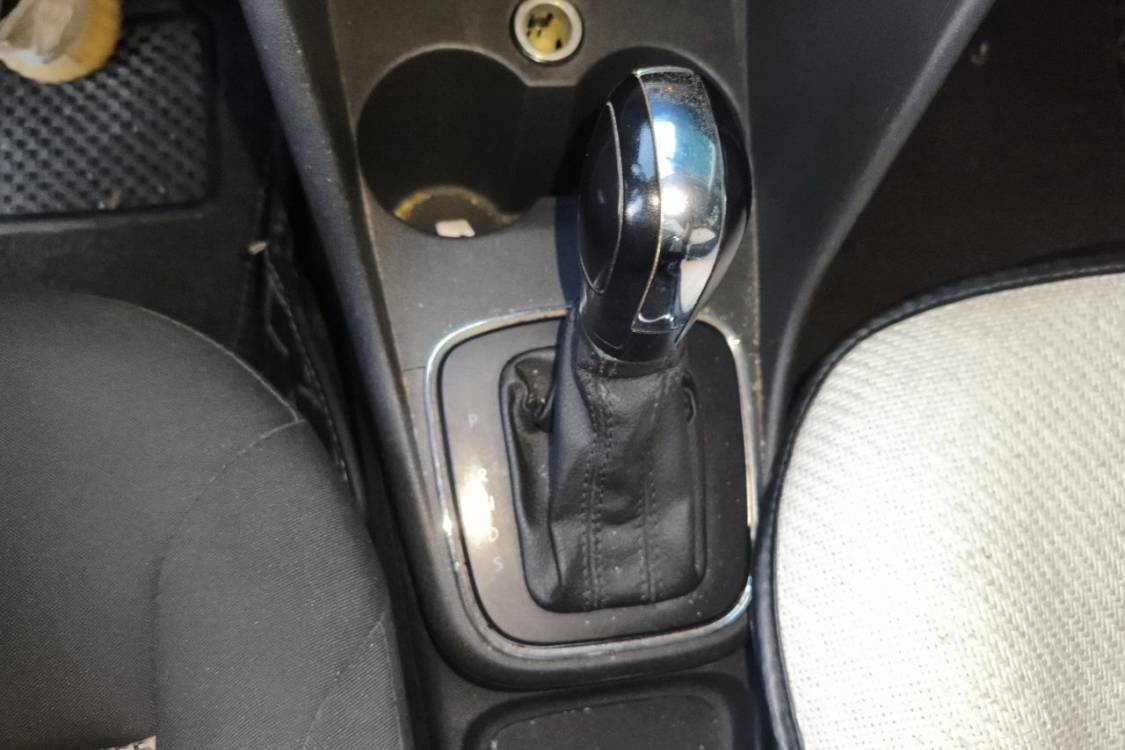
Accident inspection: main structure damaged, reinforcing parts damaged, panels undamaged, hinges normal; engine bay: key mechanical components normal; exterior: none; interior: headliner dirty, most features normal, airbag system normal, lighting system normal; startup check: major components normal; tool kit: absent.

独家上新
电话直连
可讲价
平台物流
可转售
VIP车源
新检测标准升级>
必卖车源
非泡水

Document Information

Inspection Expiry Date2027/11
Warranty Expiry Date-
Insurance Expiry Date2026/11

Q&A

More

What is the compensation mechanism if the seller (sellwellauto) unilaterally defaults and fails to deliver the vehicle during the contract execution period?

It rarely happens, but there is a clear mechanism. If the transaction is canceled due to our reasons (such as the vehicle being suddenly seized by judicial authorities during the transfer), we will refund the full deposit you have paid and provide additional compensation according to the penalty clauses in the contract.

How often do you calibrate the instruments used to detect vehicles (such as paint thickness gauges and OBD diagnostic tools) for accuracy?

All our measuring instruments (especially calipers, paint thickness gauges, and refrigerant pressure gauges) are calibrated quarterly according to ISO quality management system requirements to ensure the data we provide you is objective, accurate, and reliable.

If the record of a vehicle's first maintenance is missing from the system, how do you determine its early wear condition?

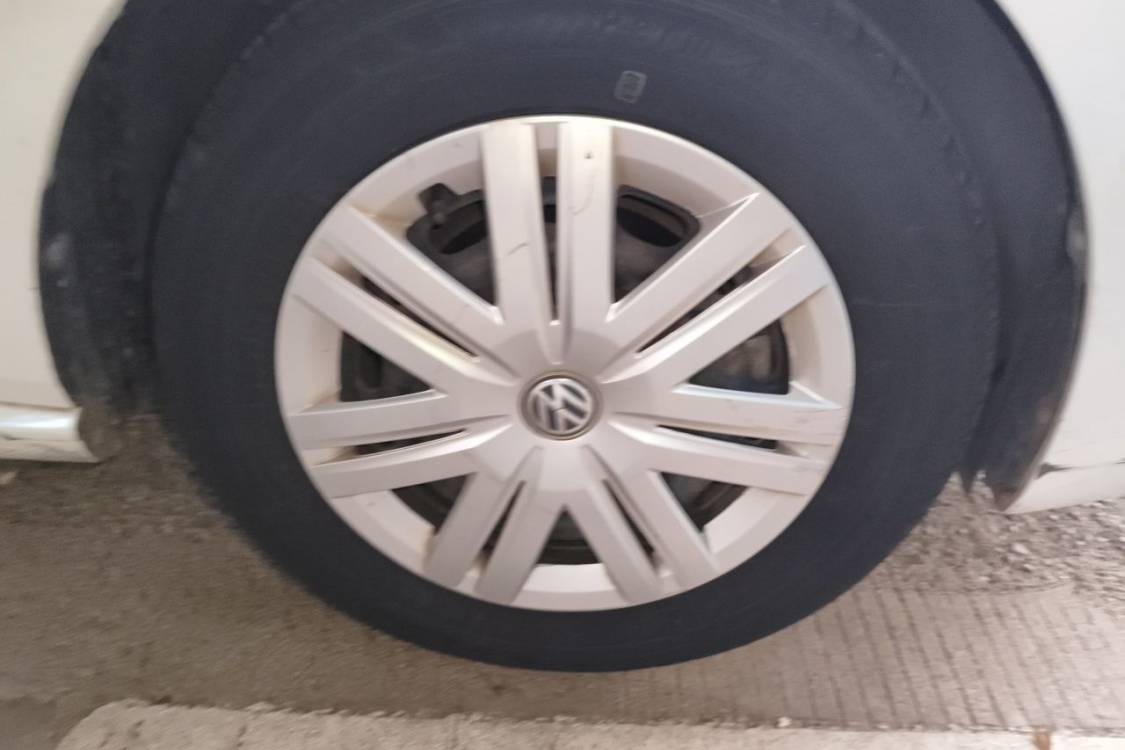
Many car owners do not have their first maintenance done at authorized dealerships, leading to gaps in early data. In such cases, we do not blindly trust the odometer; instead, we analyze the tire production dates and wear levels, as well as the depth of grooves on the brake disc edges, using the "gold standard" of physical wear to infer the intensity of early use.