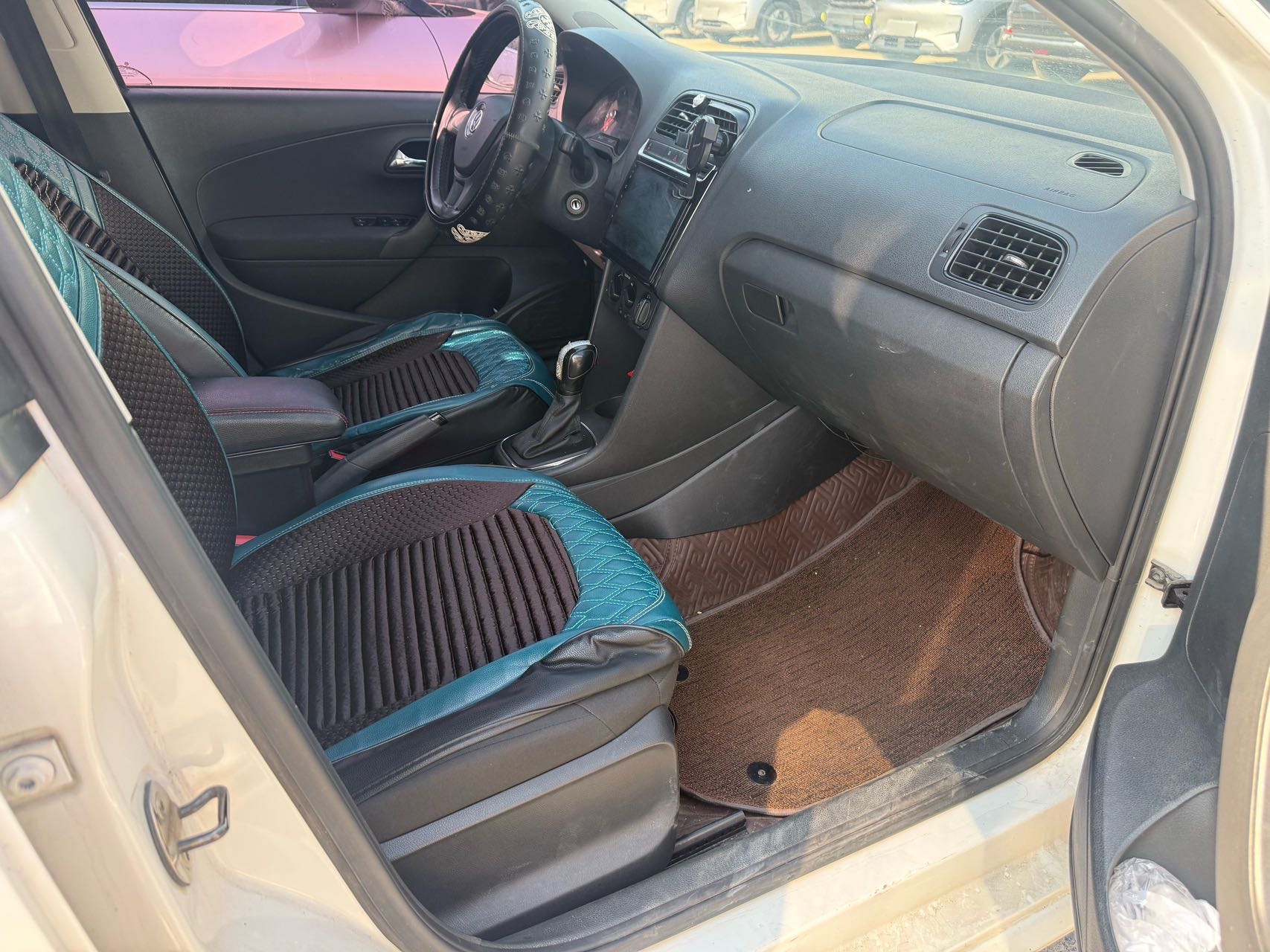
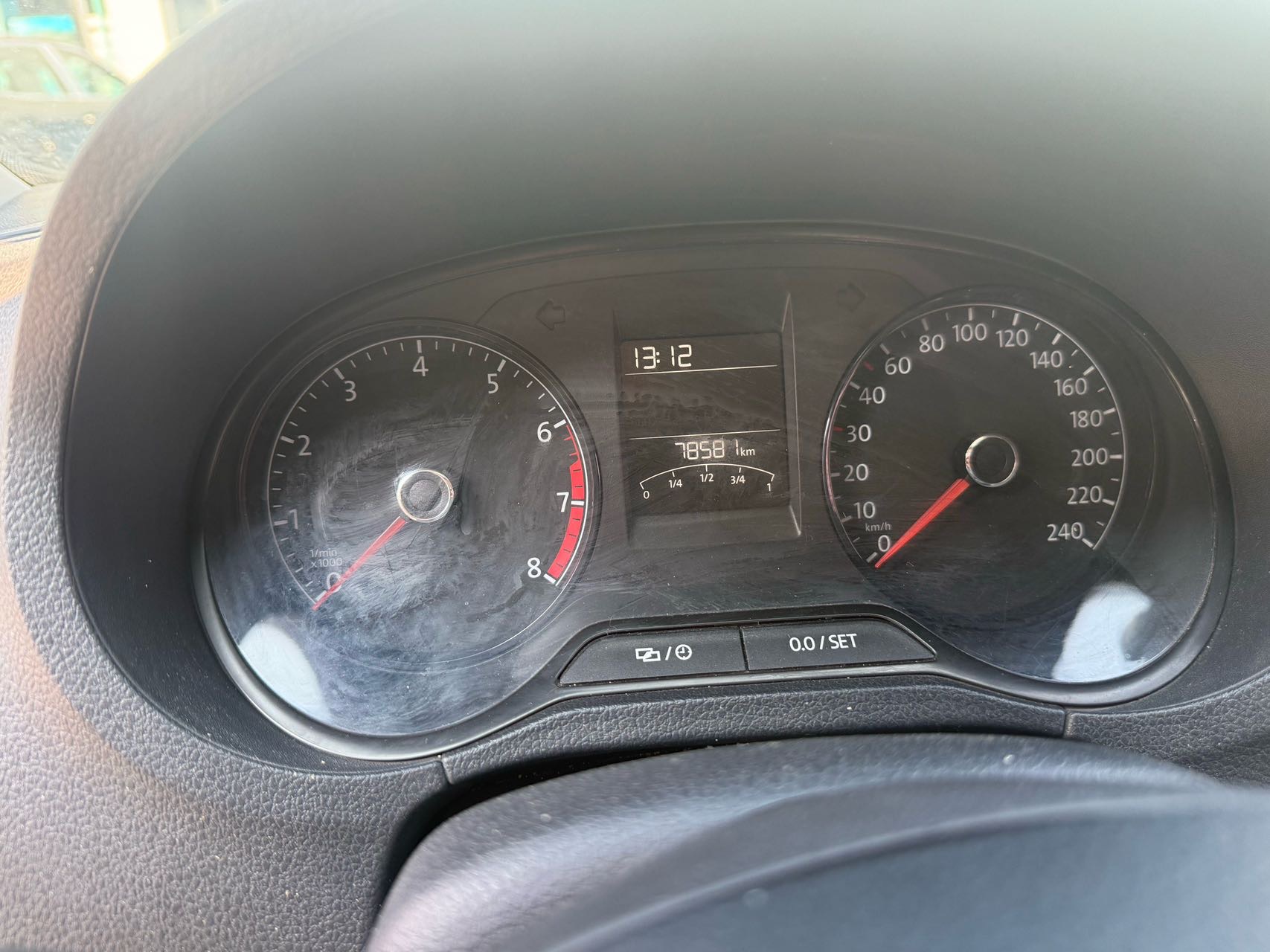



Basic Information

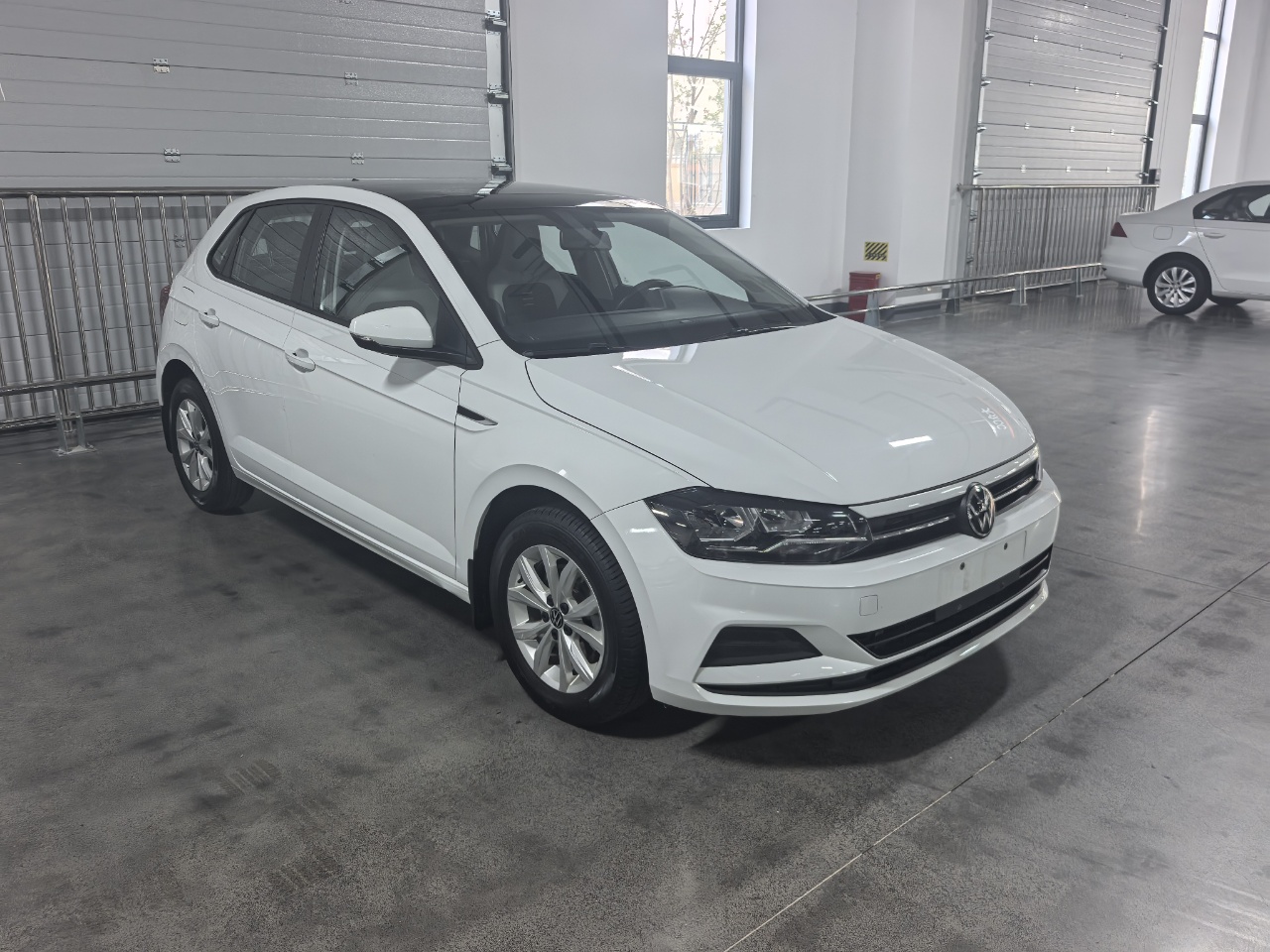
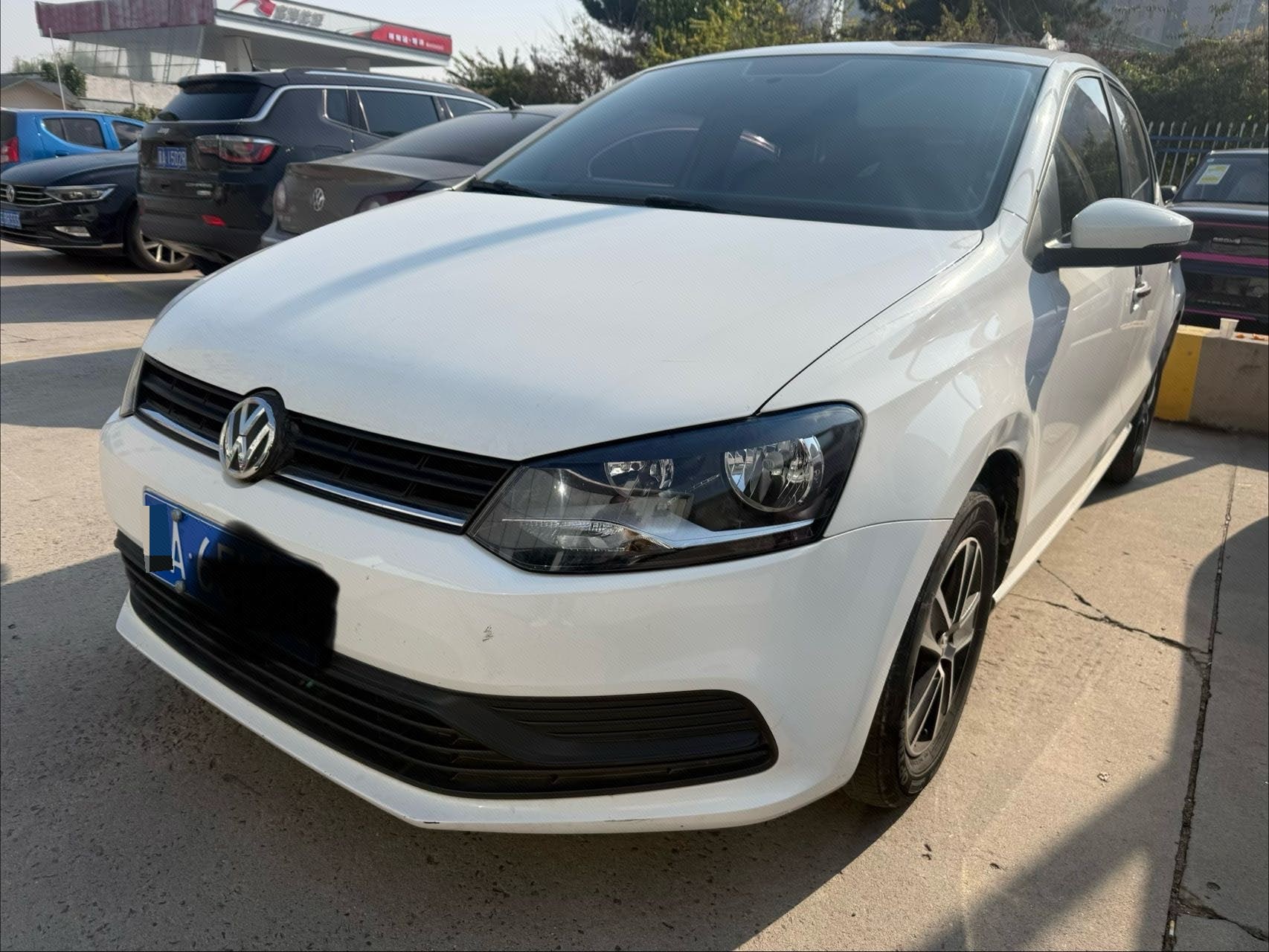
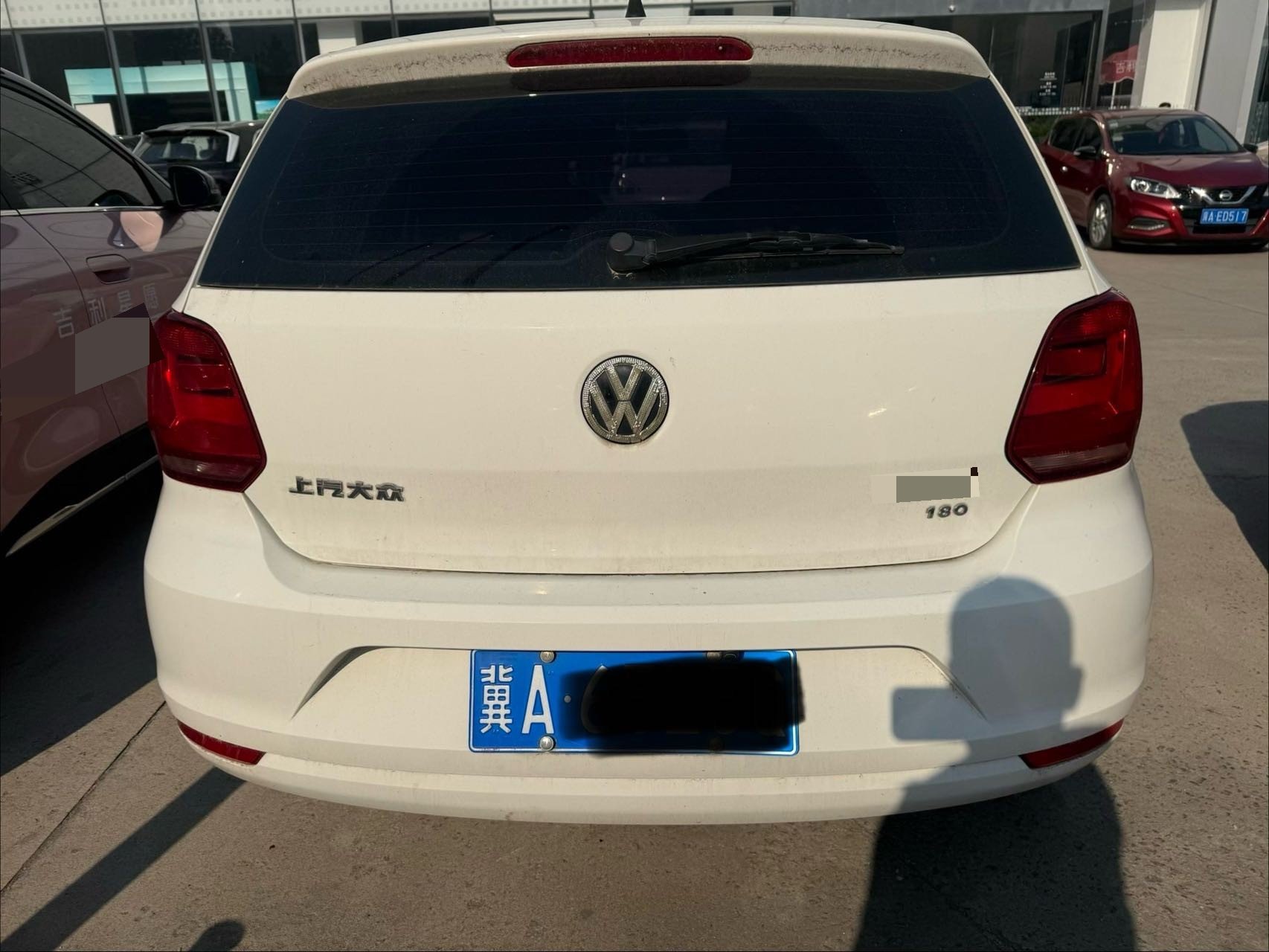
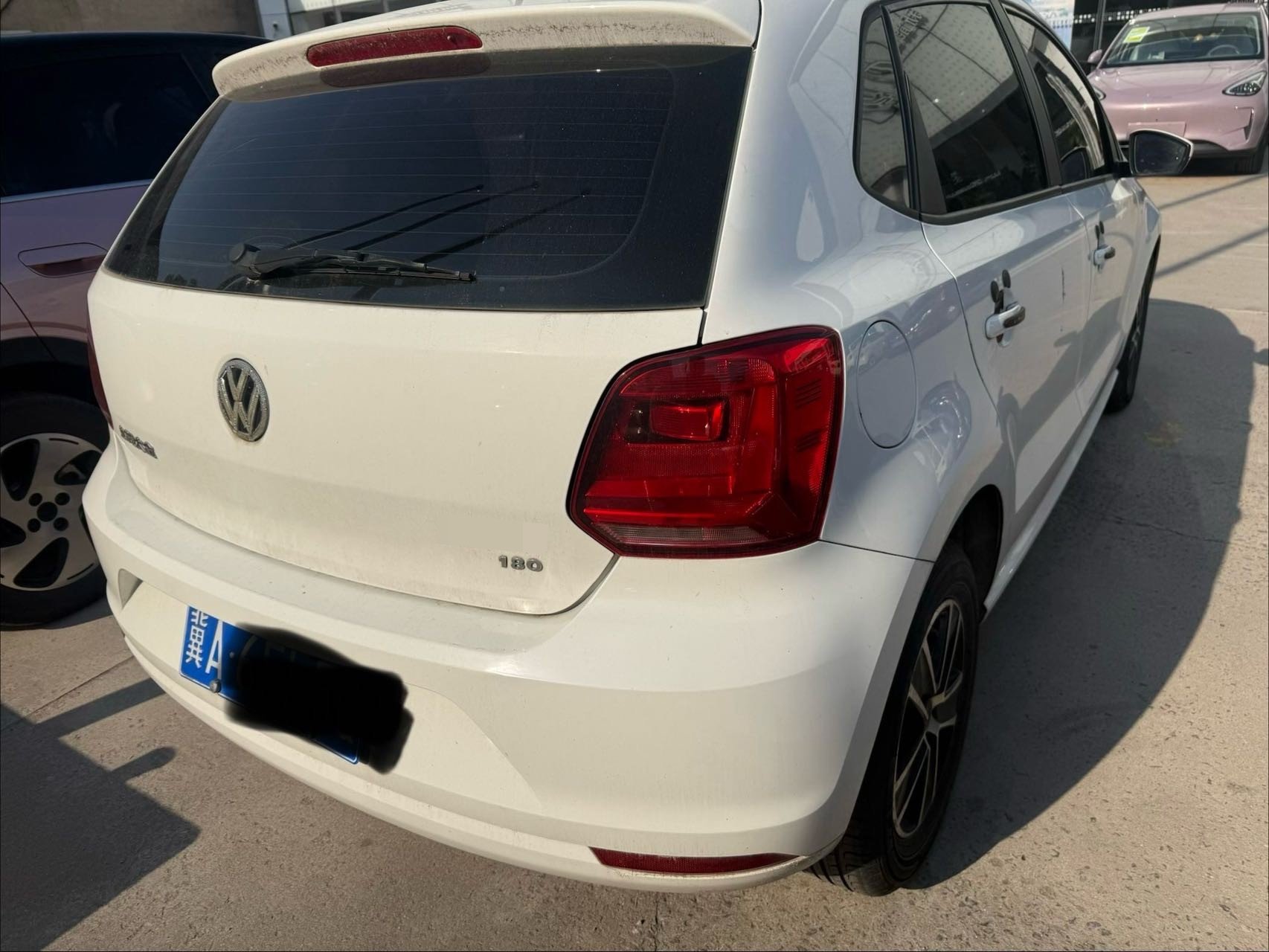
BrandVolkswagen
SeriesPolo
Year2019
First Registration2019/01
Mileage78,000km
Transfer Count0times
FuelGasoline
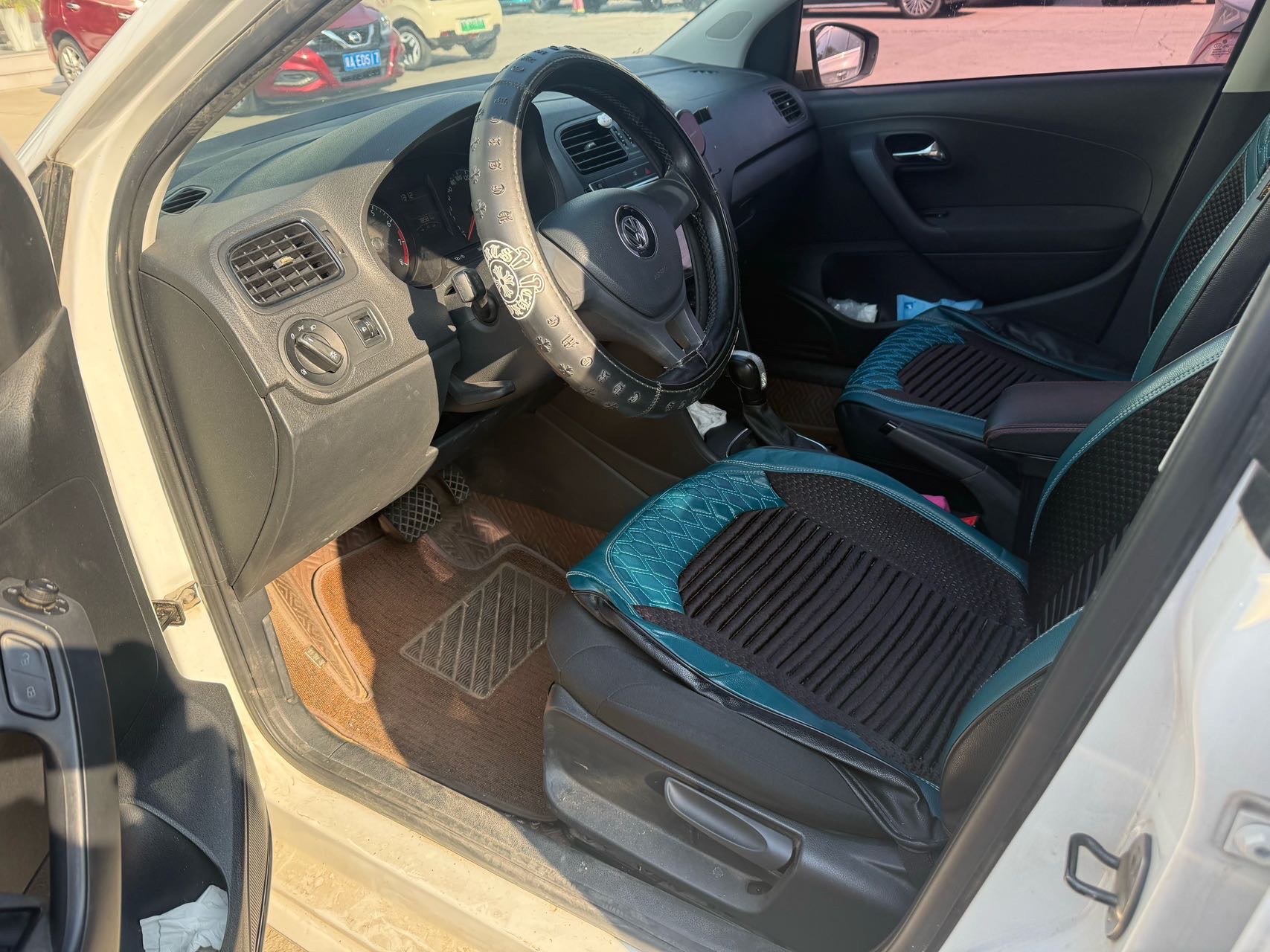
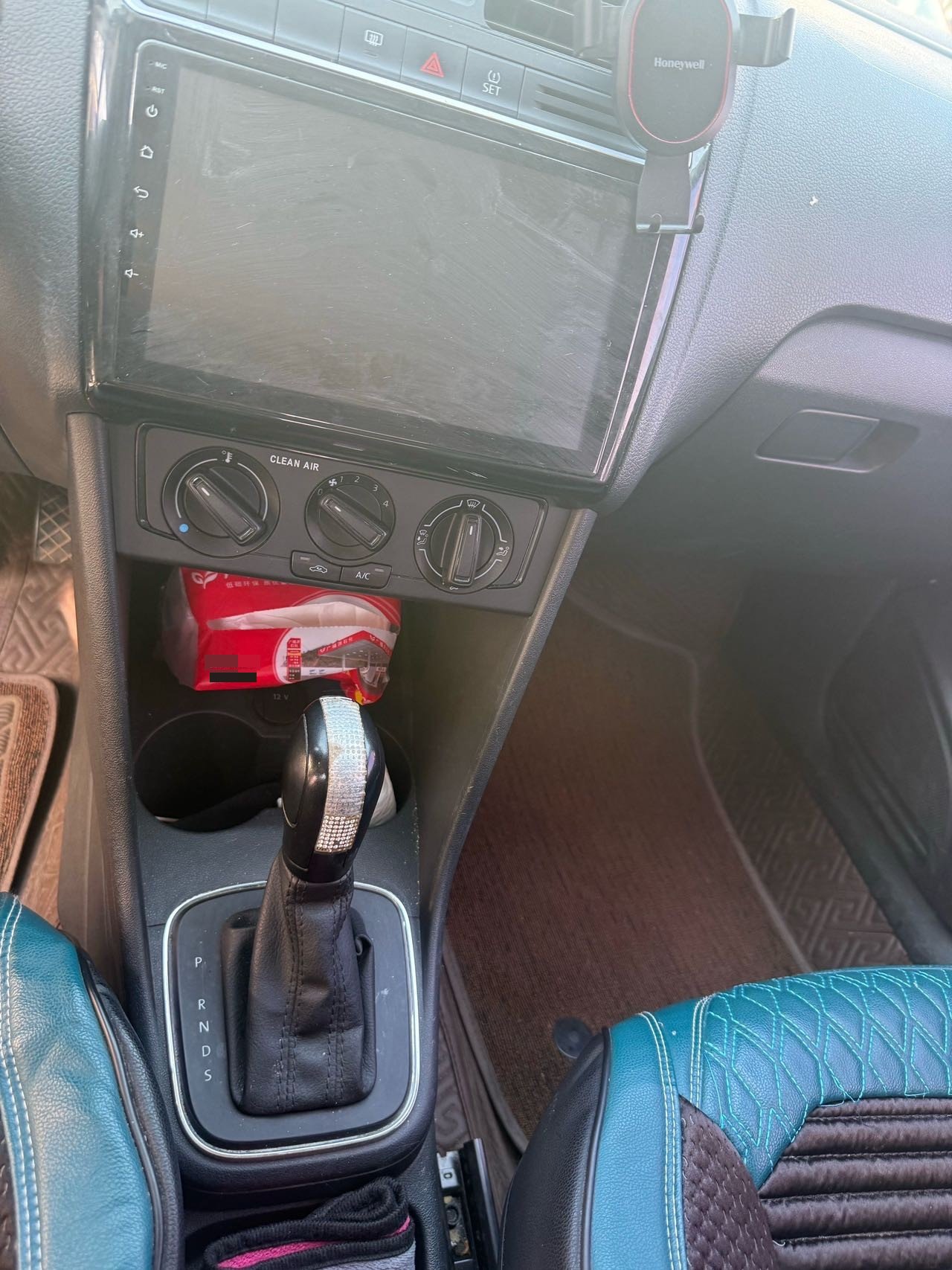
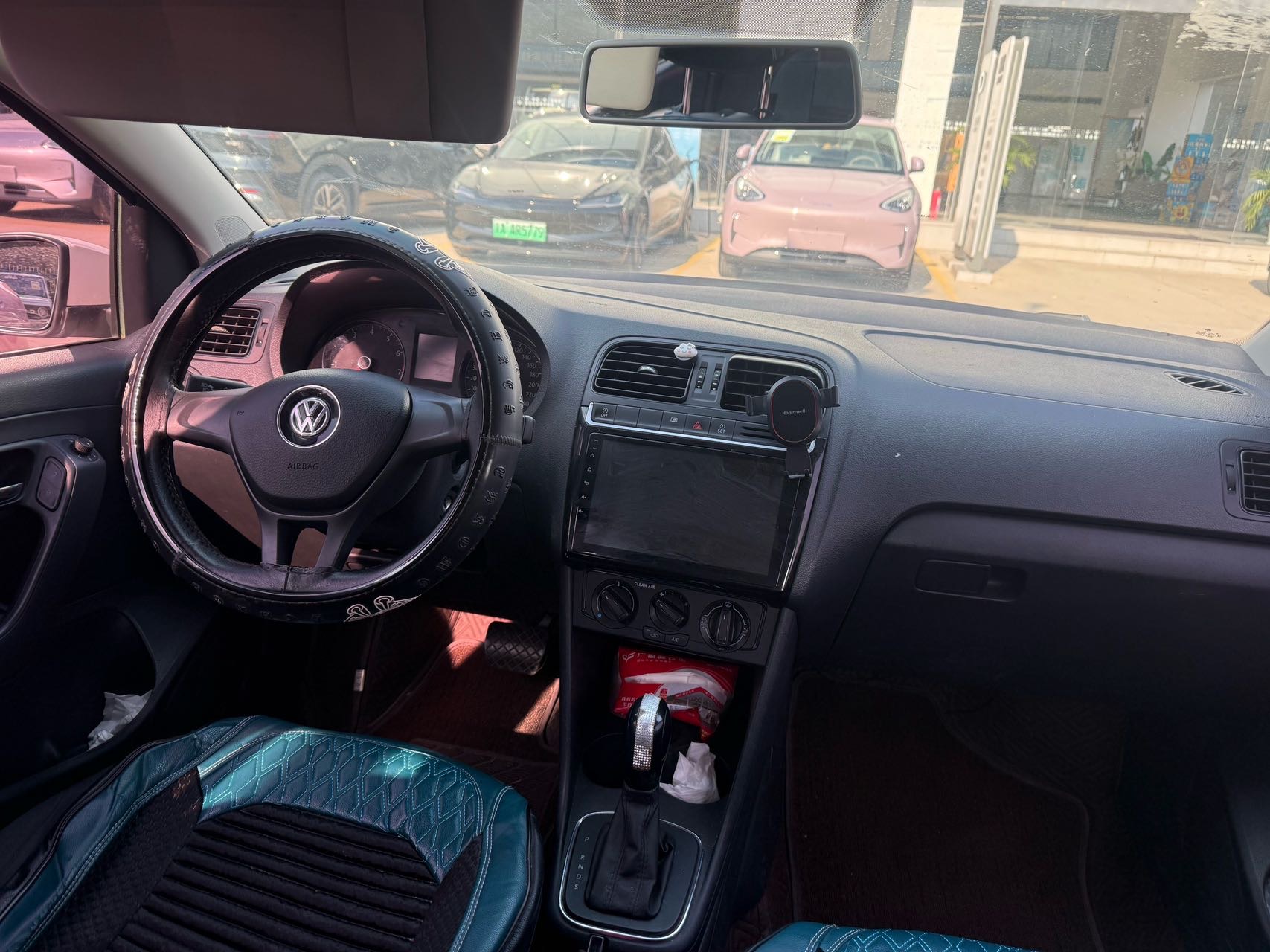
TransmissionAutomatic
Engine1.5L 110 L4
ColorWhite
Seats-

Condition Description

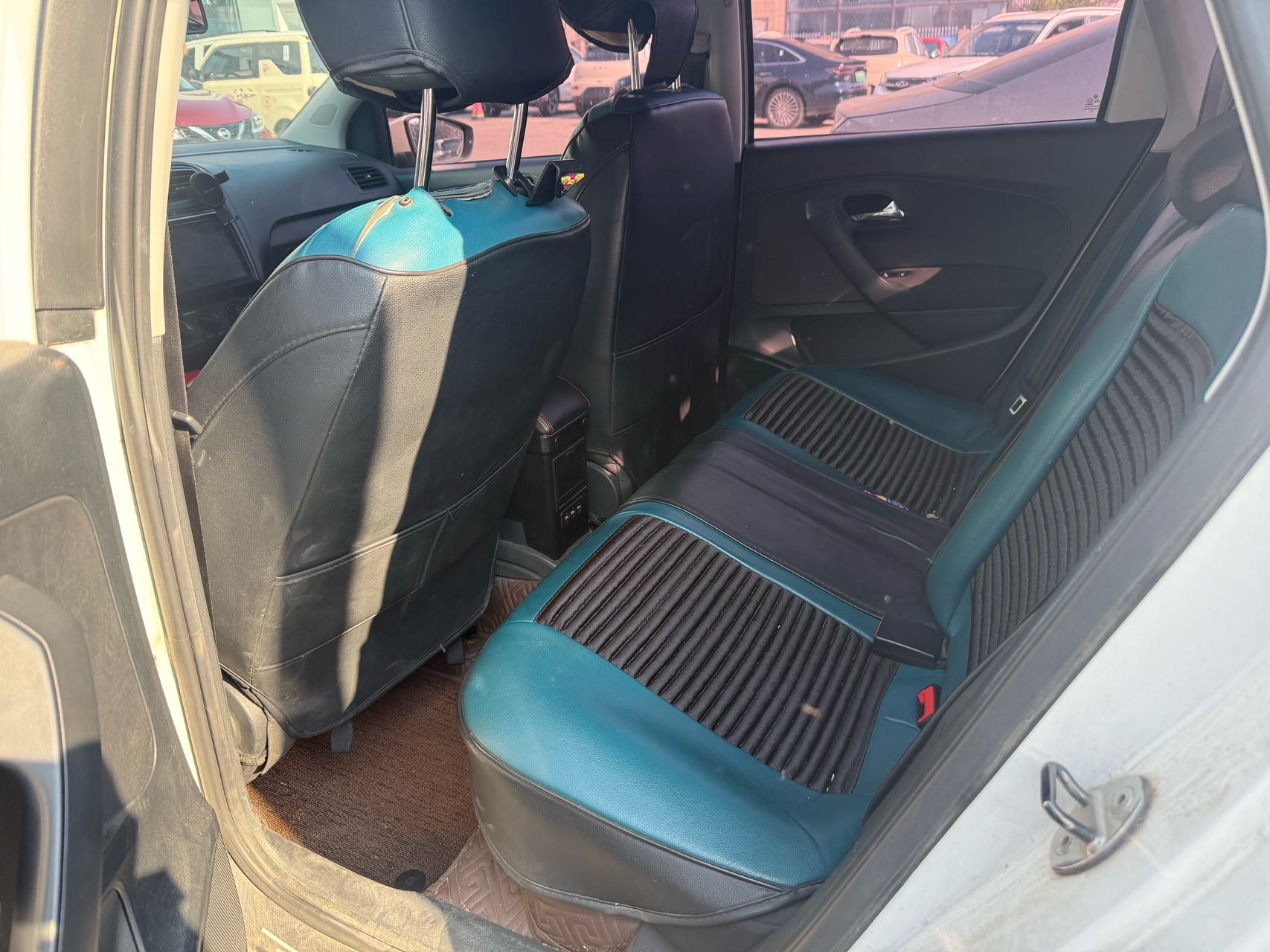
Right side two doors and right front fender replaced; left and right doors, fenders, and rear hood repainted; left front fender deformed, needs repainting.

Document Information

Inspection Expiry Date-
Warranty Expiry Date-
Insurance Expiry Date2027/01

Q&A

More

Which export documents should the Chinese seller provide, and how do I verify they are authentic?

The standard set: commercial invoice, packing list, bill of lading, export customs declaration, certificate of origin, and a copy of the vehicle title/registration. How to verify: the bill of lading number should be trackable on the shipping line's website; the certificate of origin is verifiable through CCPIT's online system; and the VIN must match across all documents, the inspection report, and the car itself. Ask for scans of everything before paying the balance, and have a freight forwarder review the set. Mismatched VINs, missing title copies, or vague promises that "documents will follow" are red flags worth pausing the deal over.


What battery diagnostics should be included in the inspection of a used Chinese EV before it ships?

The battery pack is 30–50% of an EV's value, so its inspection should be the most detailed part of the pre-shipment check. Require these items: 1. BMS data readout: state of health (SOH), full-charge voltage, cell voltage deviation, cycle count, and fast-charging percentage. SOH above 90% is good; below 80% means a costly pack replacement is approaching. 2. Physical inspection: check the underbody for pack dents, coolant leaks from the battery cooling circuit, and corrosion on high-voltage connectors. 3. Range test: a real drive of at least 30–50 km, comparing energy consumption against the rated figure. A pack with poor cells overheats and depletes fast. 4. Charging test: verify both AC and DC charging work, and record charging speed and any error messages. Get the raw diagnostic data, not just a summary. If the inspector won't share the BMS report, assume the battery is the reason why.

How to check the condition of the turbocharger (oil leaks, unusual noises, insufficient pressure) for turbocharged vehicles?

Experience turbo lag and power surge during road tests; check for significant oil accumulation at the turbo intake and intercooler connections (slight oil vapor is normal); and use OBD to read the real-time boost pressure peak to see if it meets factory settings.