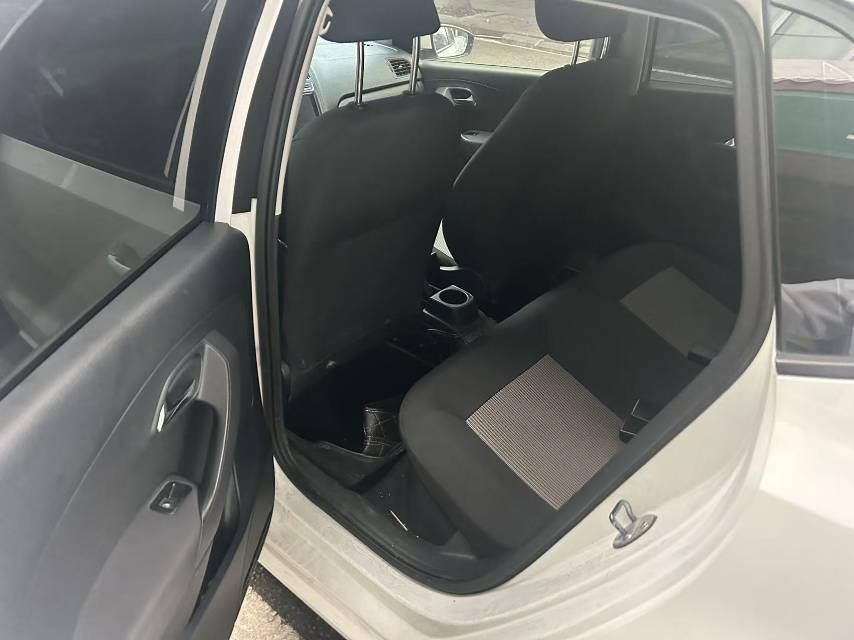
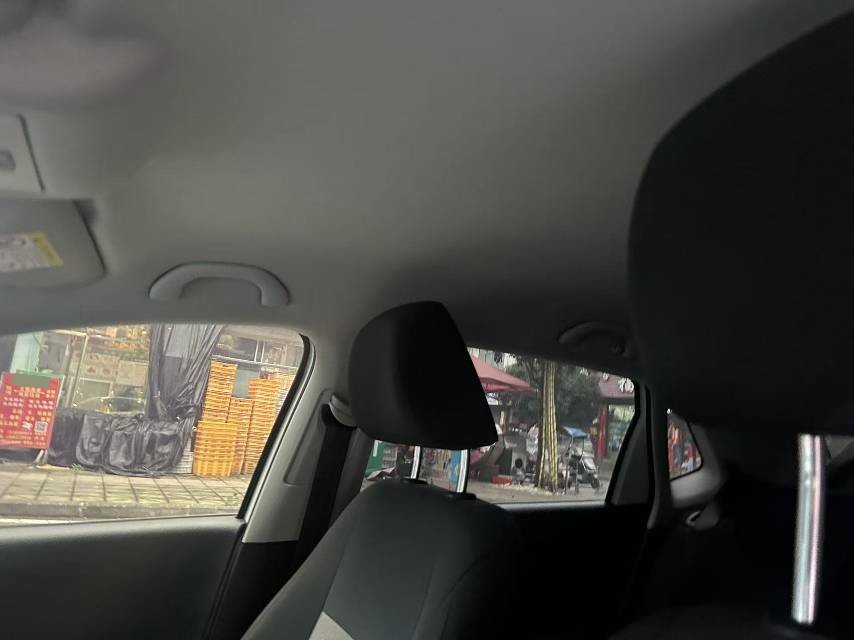
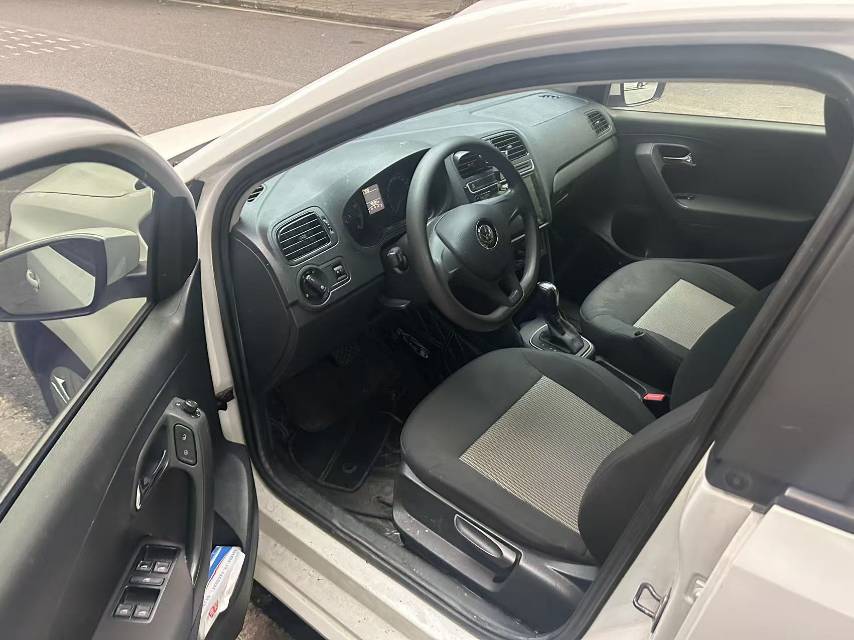
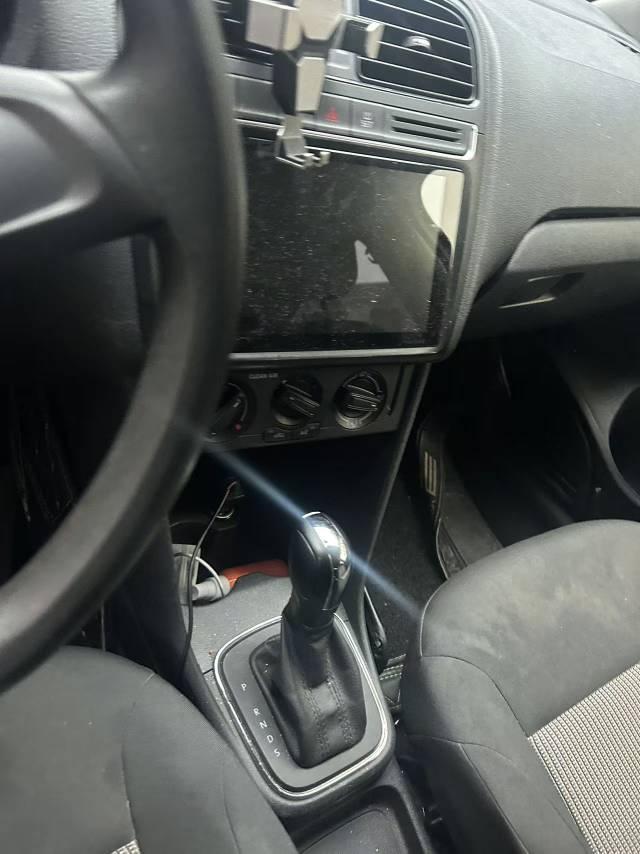
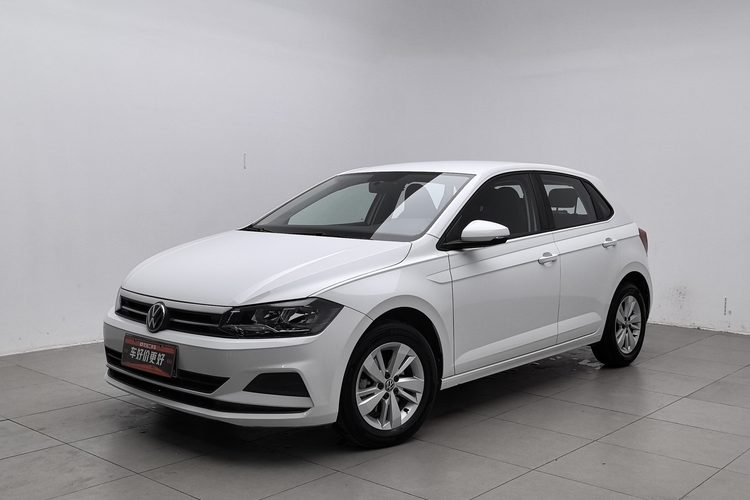
Basic Information

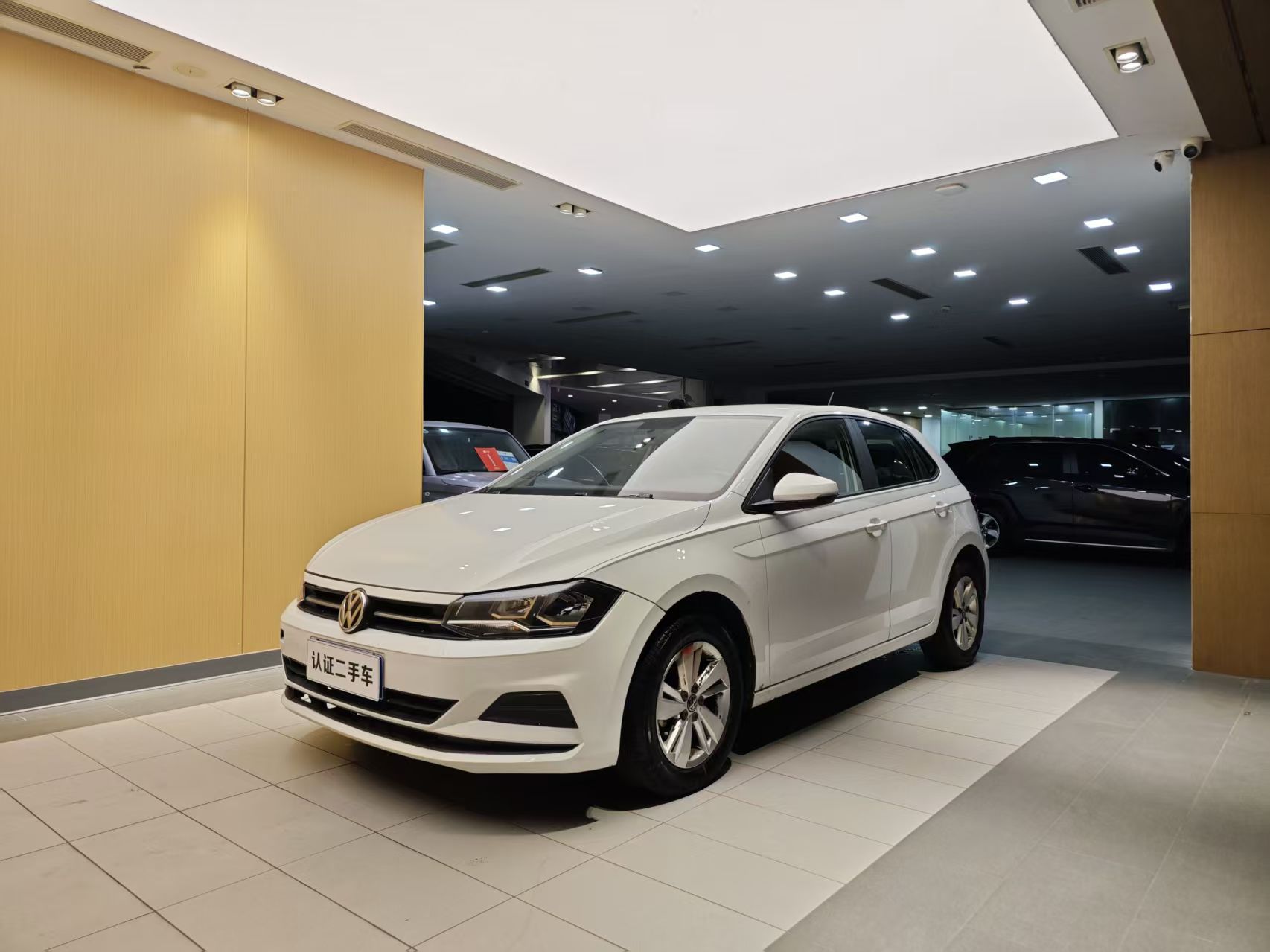
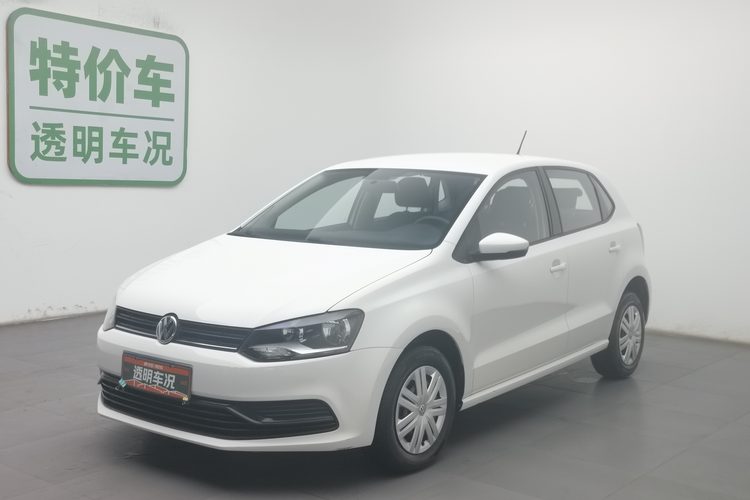
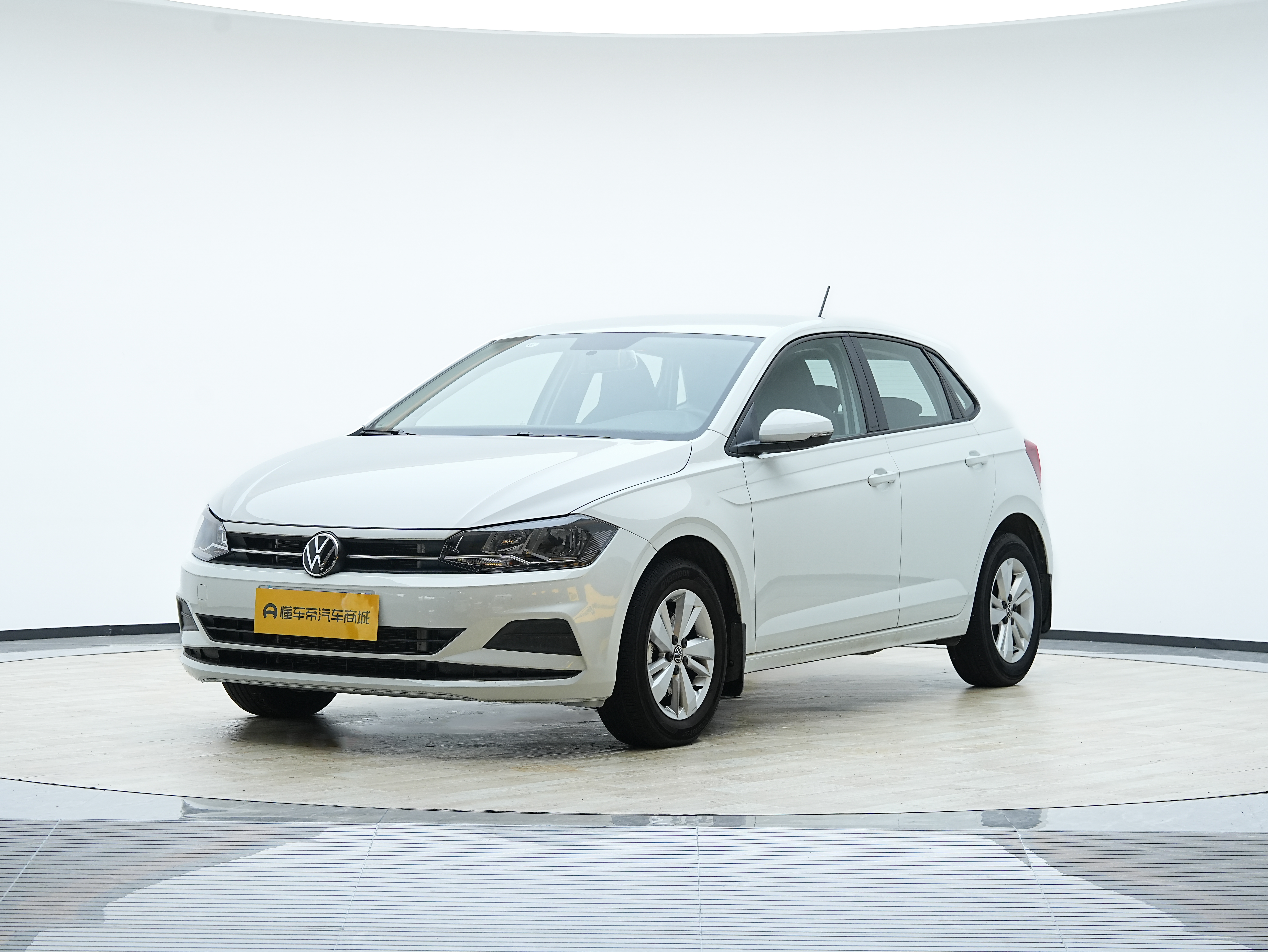
BrandVolkswagen
SeriesPolo
Year2019
First Registration2019/04
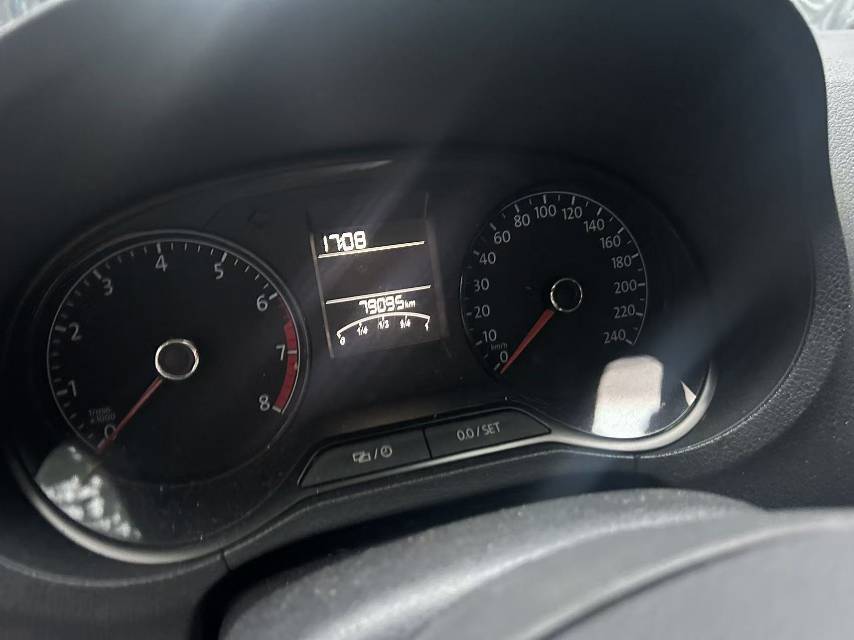
Mileage79,000km
Transfer Count0times
FuelGasoline
TransmissionAutomatic
Engine1.5L 110 L4
ColorWhite
Seats-

Condition Description

Left front fender repainted. Left rear door and rear fender have bodywork and repaint. Right rear fender has bodywork and repaint.

Document Information

Inspection Expiry Date-
Warranty Expiry Date-
Insurance Expiry Date2027/04

Q&A

More

The bank returned my car payment due to compliance issues. Who bears the exchange rate loss and fees?

If the buyer's country is under international sanctions, or if the buyer fails to provide a legitimate source of funds leading to the bank returning the payment, all transfer fees and exchange rate losses incurred during this period are to be borne entirely by the buyer.

Beyond the car price, what costs should I budget when importing a used car from China?

A realistic budget has several layers beyond the vehicle price. First, inland logistics in China: moving the car to the export port typically costs $300-$800. Second, export handling: inspection, customs declaration and paperwork usually add $500-$1,000. Third, ocean freight. A 20ft container to most destinations runs $1,200-$3,000 depending on route; RoRo shipping can be cheaper for driveable cars. Add marine insurance, usually 0.3%-0.5% of the car value. Fourth, destination charges: port handling, customs duties, VAT/GST and local registration fees. These vary widely; some countries charge duties of 20%-80% of the vehicle value plus an excise based on engine capacity. Finally, any compliance work: inspection certificates, modifications to meet local standards, or homologation. Ask your exporter for a full CIF quote and have a local customs broker confirm destination taxes before you commit.
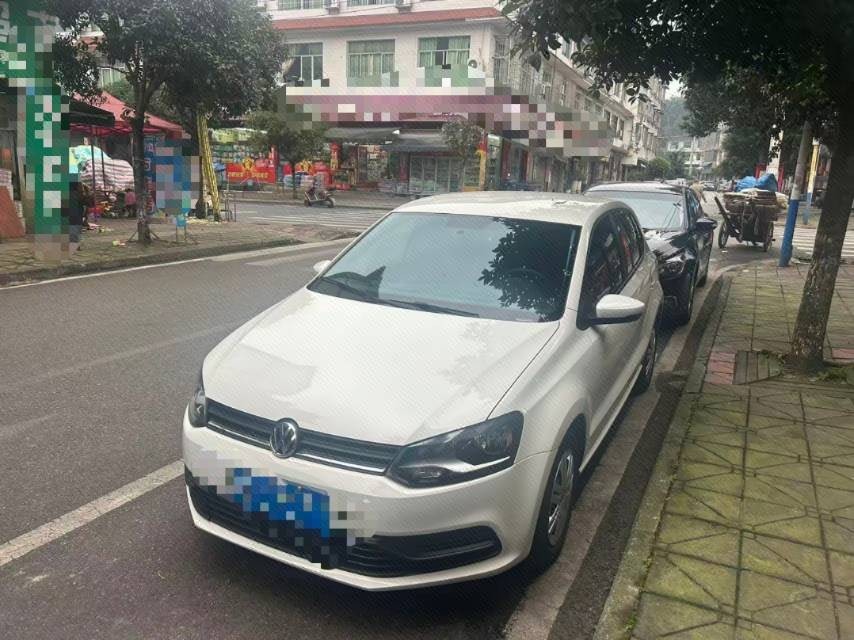
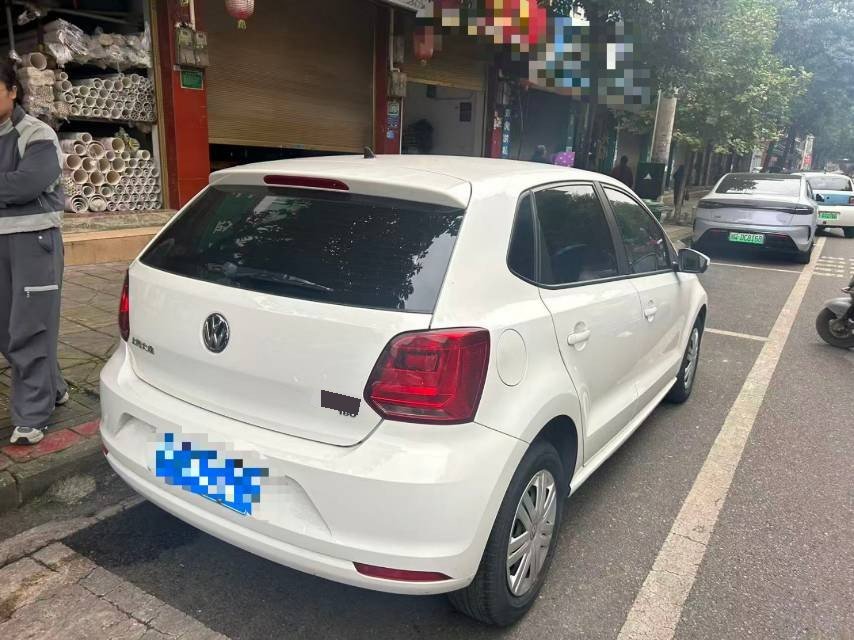
How can I verify that a pre-shipment inspection report and photos really match the car I'm buying—timestamps, VIN, and live video?

Fake or recycled inspection reports are a real risk. Verify authenticity before wiring the balance payment. First, match the VIN: the report must show the full VIN, and the photos must include close-ups of the VIN plate on the chassis and the windshield tag. Ask for a live video call where the inspector walks to the car, shows the VIN tag, and then pans across the dashboard, odometer, and any defects noted in the report—on the same call. Check metadata: ask for original photos rather than screenshots. Files sent via WeChat often strip EXIF, so request the inspector to email originals or use a cloud link where timestamps and GPS data are visible. Cross-verify details: the odometer reading in the video should match the report exactly, and paint-thickness readings should be reproducible—ask the inspector to re-measure 2-3 spots live. Use a known inspection company rather than one recommended solely by the seller, and pay the inspector directly. An independent inspector has no incentive to hide defects.