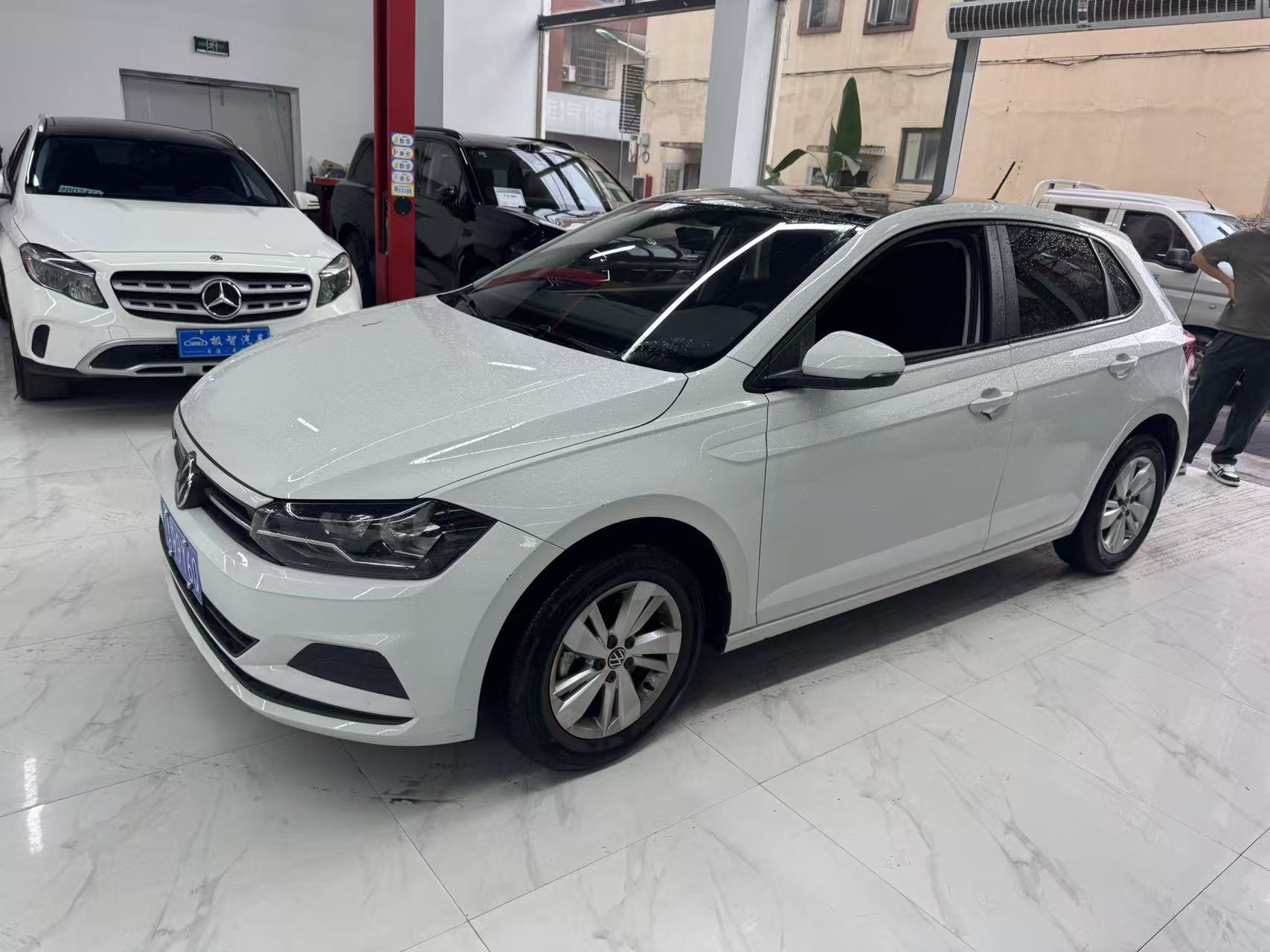
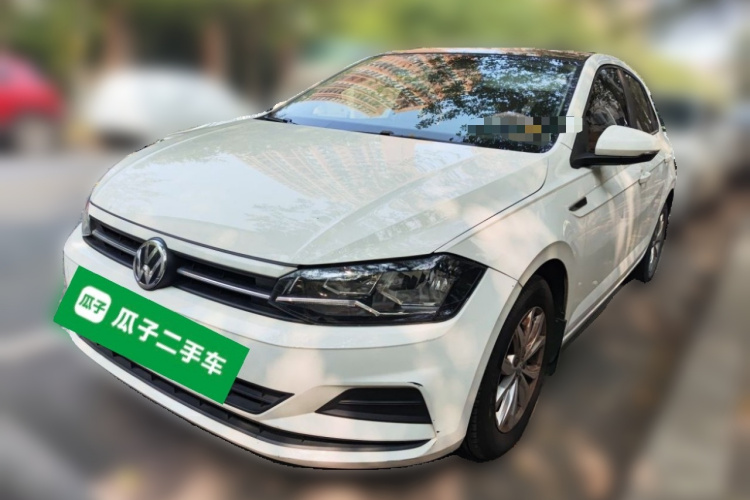
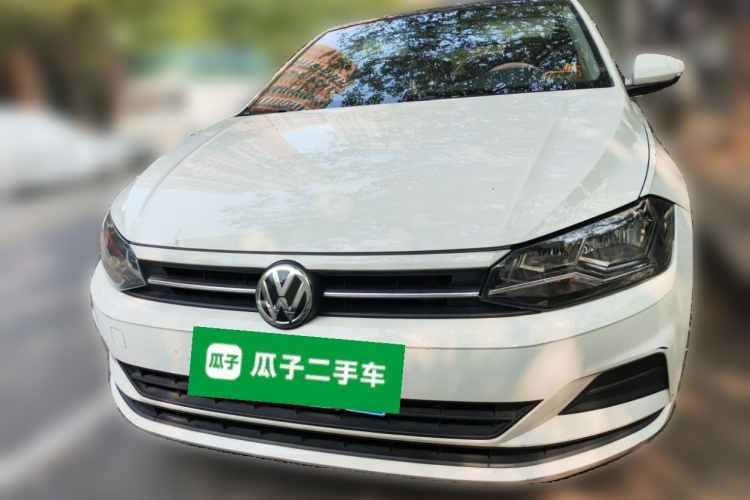
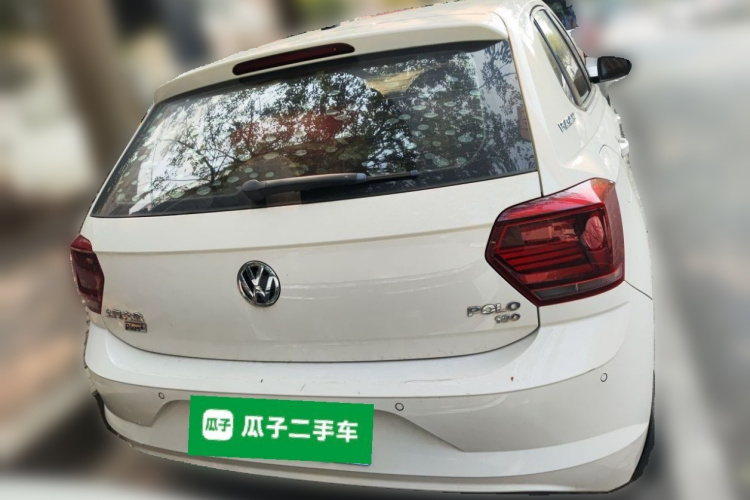
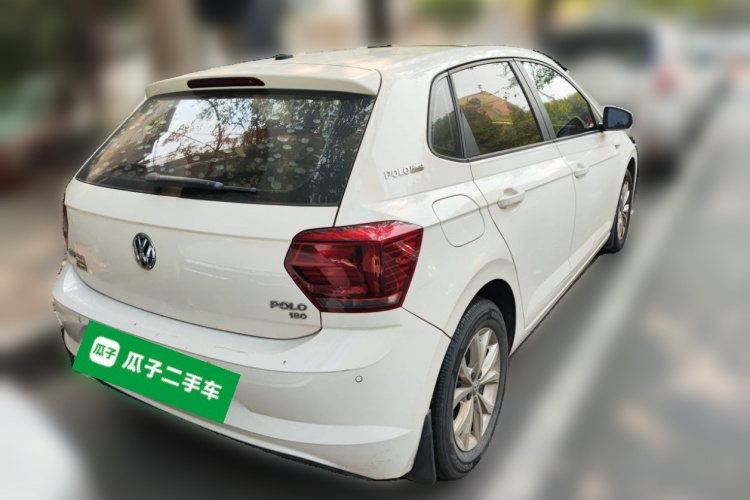



48H

Basic Information

BrandVolkswagen
SeriesPolo
Year2020
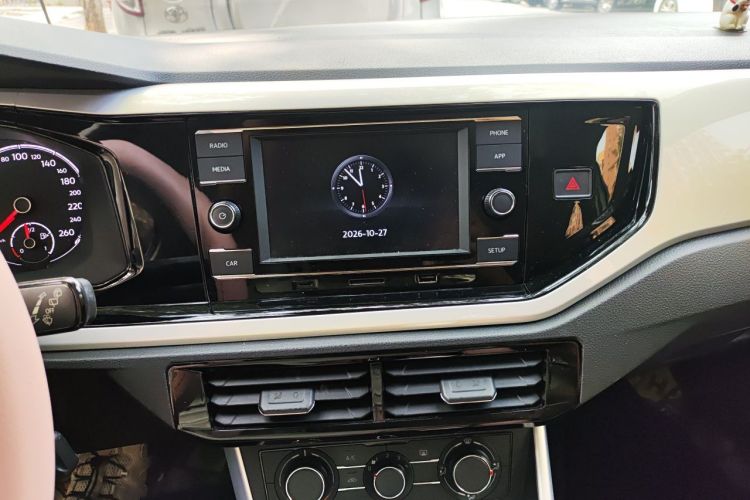
First Registration2020/07
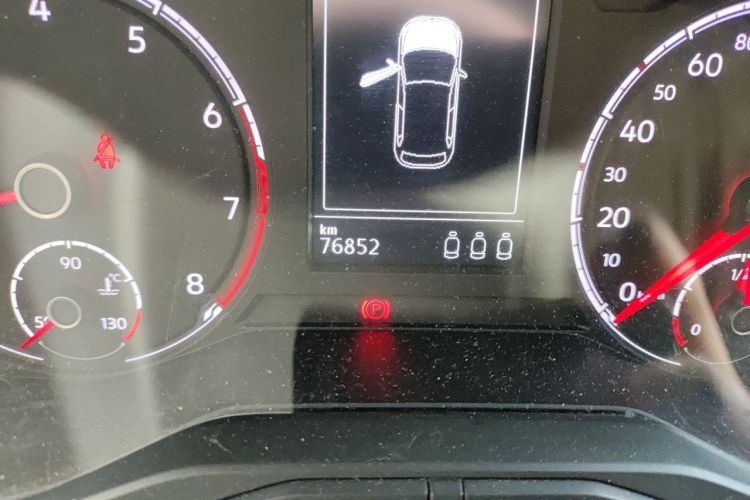
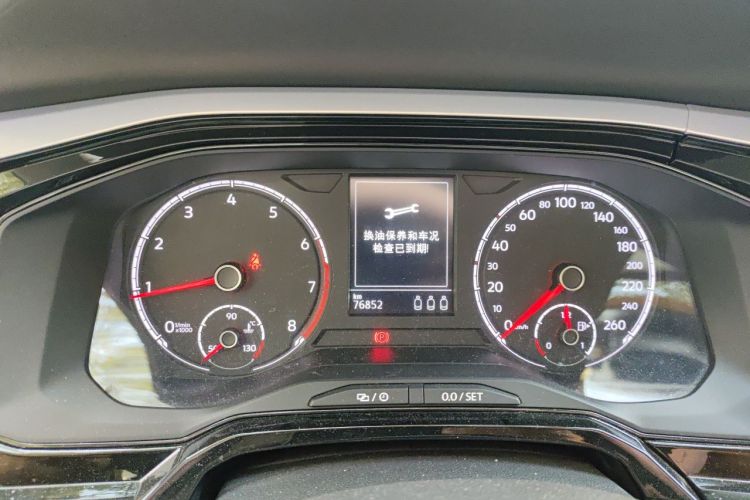
Mileage76,800km
Transfer Count0times
FuelGasoline
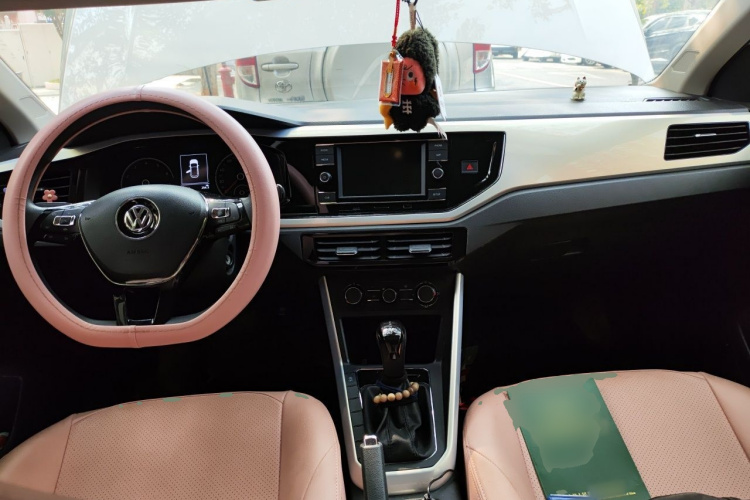
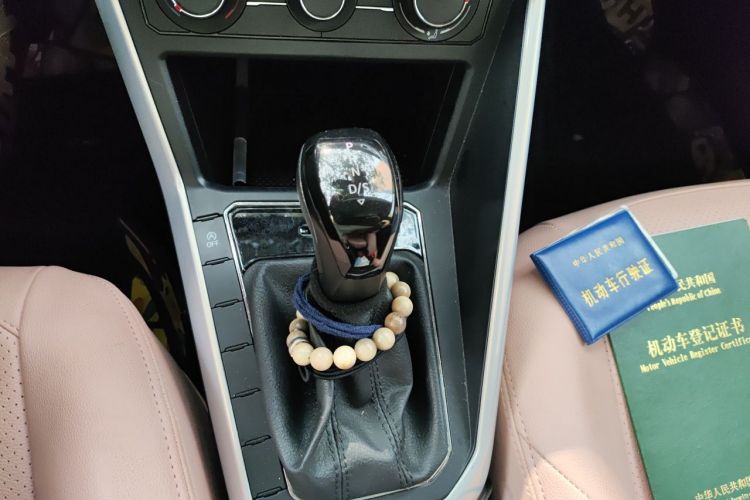
TransmissionManumatic
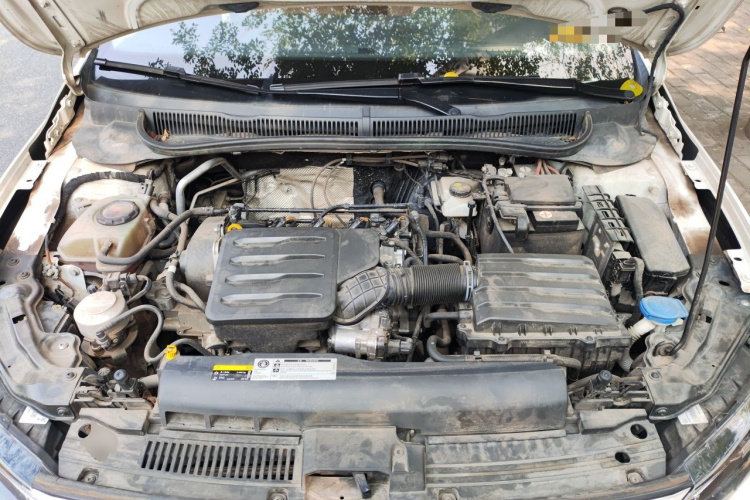
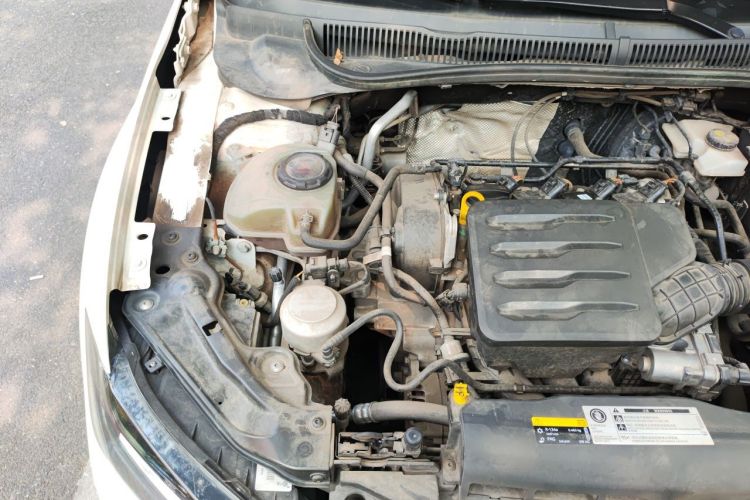
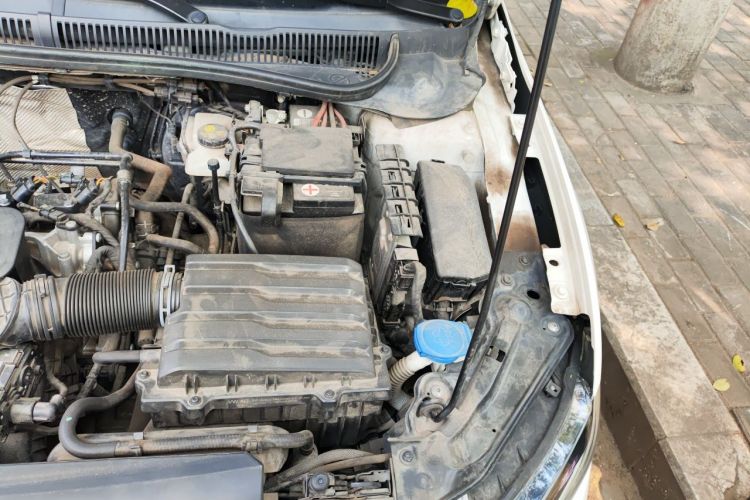
Engine1.5L 113 L4
Color
Seats-

Condition Description

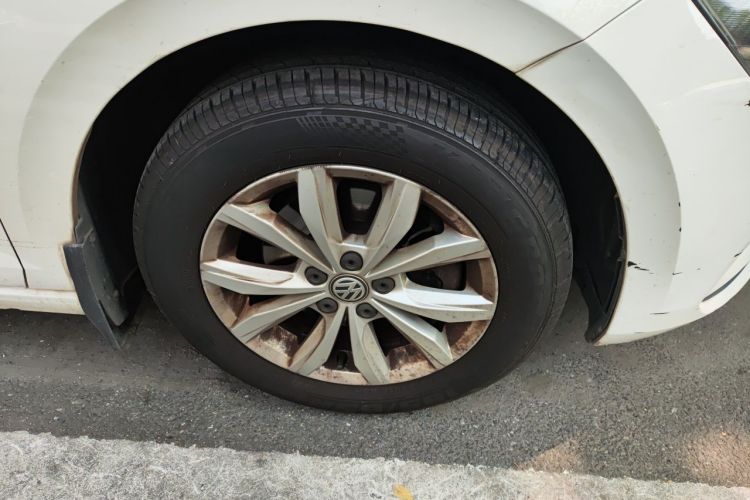
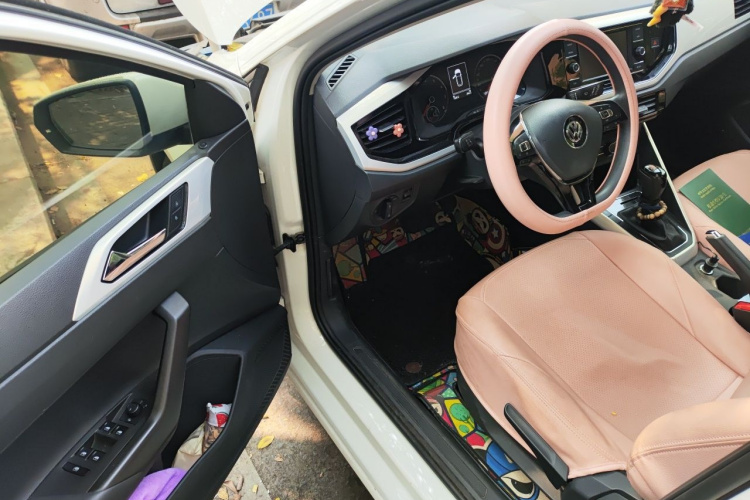
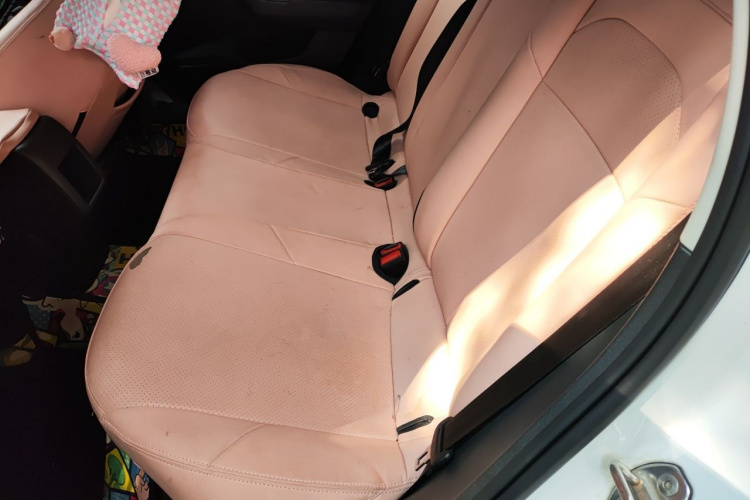
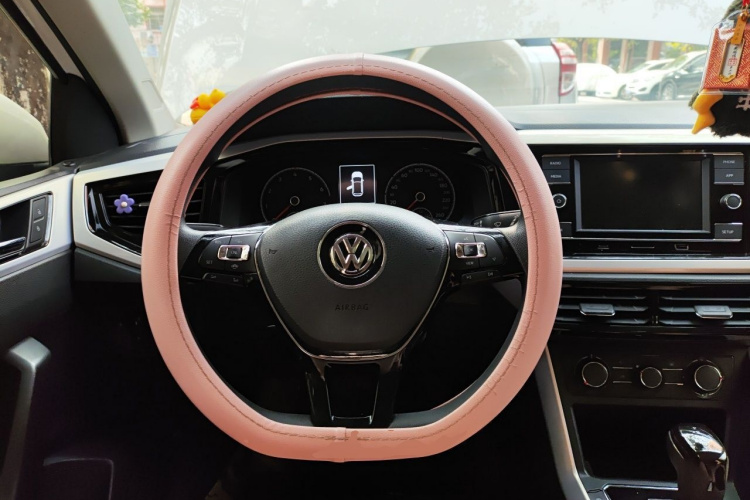
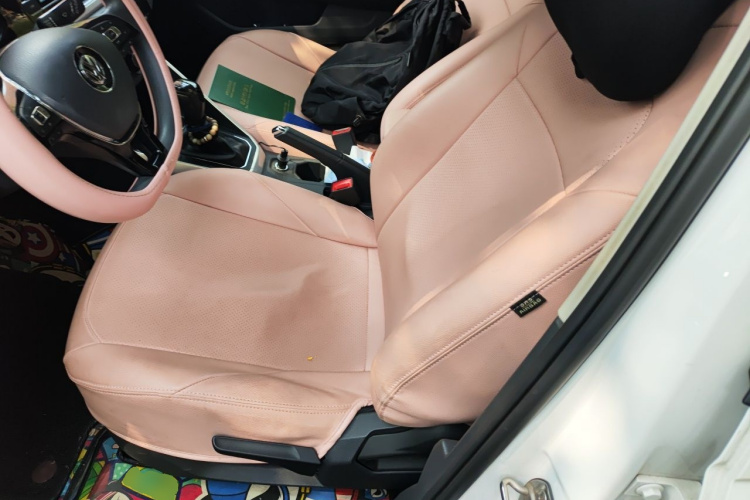
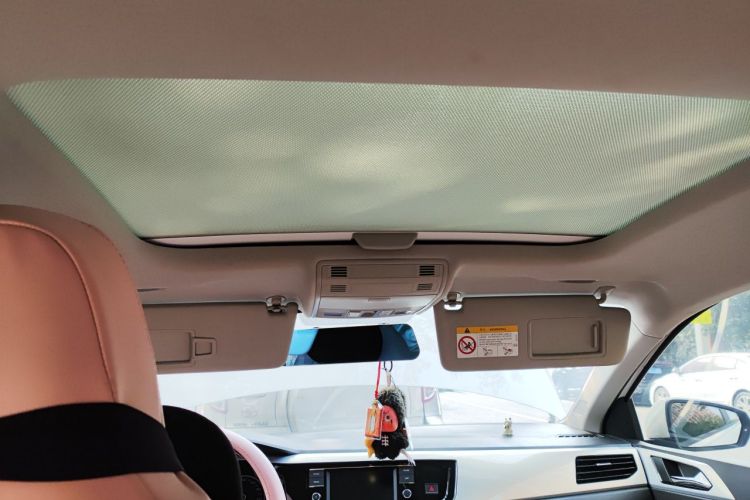
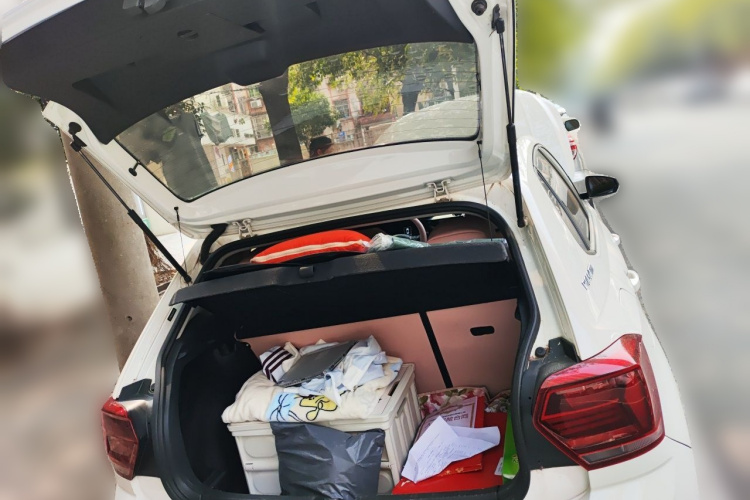
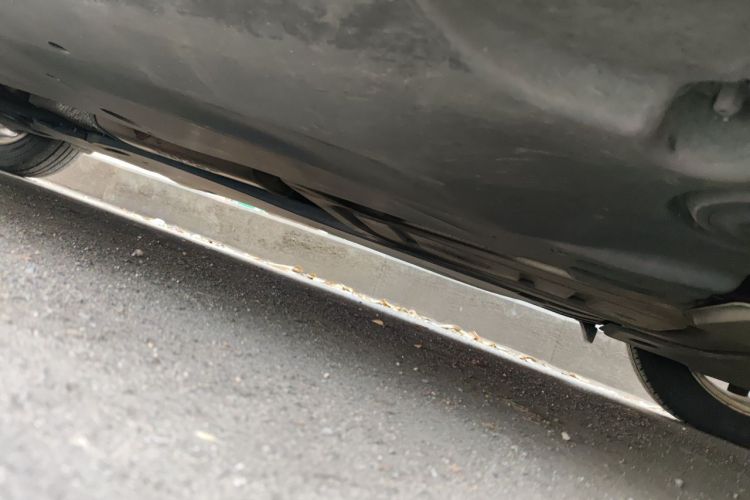
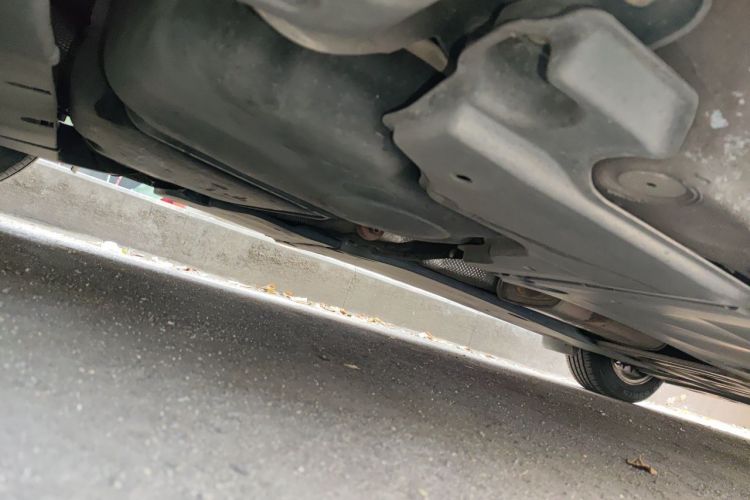
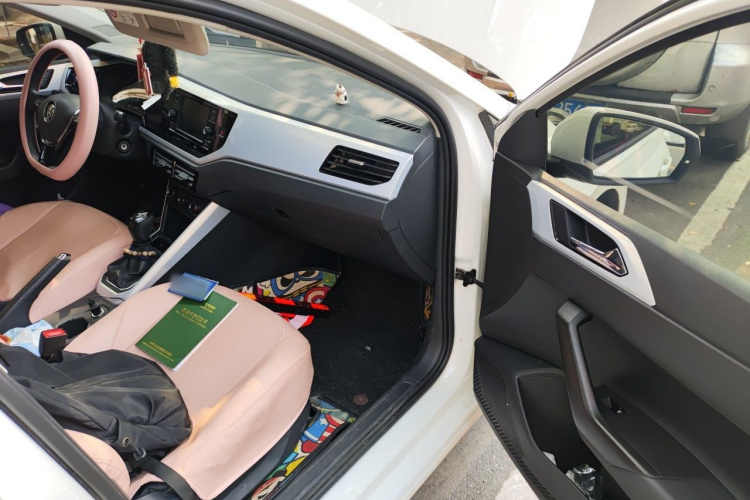
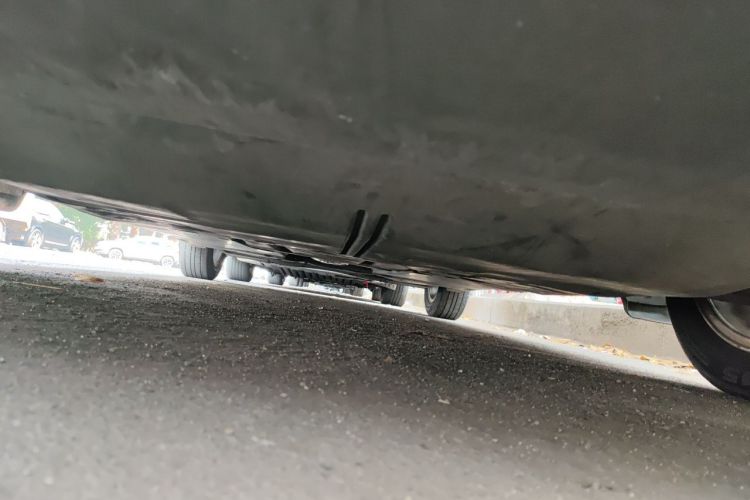
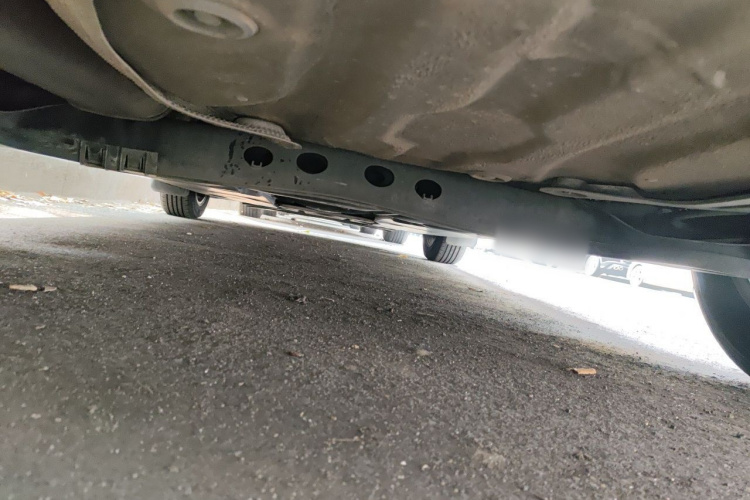
Basic condition good | 0 claims | 0 transfers

Q&A

More

What is a Certificate of Origin and why do I need one when importing a car from China?

A Certificate of Origin (C/O) is an official document stating where the vehicle was manufactured. Customs authorities use it to decide which tariff rates and trade agreements apply to your import. Why it matters: many countries offer preferential tariffs for certain origins. With a valid C/O, such as the ASEAN-China Form E or a GSP Form A, you may pay reduced or zero duty. Without it, you typically pay the standard, higher rate. The certificate must match the vehicle exactly: VIN, make, model and invoice details. It is usually issued by the China Council for the Promotion of International Trade (CCPIT) or customs authorities. Practical tips: request the C/O before shipment, because adding it later is slow; check that your country's customs accepts the specific C/O format; and confirm with your broker whether your vehicle category qualifies for preferential rates. This single document can save you thousands in duty.

How long does importing a used car from China take from order to delivery, and what are typical lead times for each step?

A realistic timeline: sourcing and negotiation 3-7 days; deposit and booking 1-2 days; pre-shipment inspection 2-4 days; export clearance and vessel booking 7-14 days; sea freight 2-5 weeks depending on destination; import customs clearance and port release 5-10 days. Overall, plan for roughly 5-8 weeks from order to port of destination by sea. For Central Asia and Russia by rail, 2-3 weeks total is common. Tips: ask the exporter for a written schedule with milestones (inspection done, customs cleared, vessel loaded, ETA); track the vessel yourself once you have the container or booking number; and remember Chinese holidays — Chinese New Year and Golden Week can add 1-2 weeks of delay.

For PHEV plug-in hybrid models, are you responsible if overseas technicians do not follow the dedicated hybrid mode for exhaust during oil changes, leading to engine overheating?

This is a typical case of "secondary damage caused by unprofessional rescue." Many hybrid vehicles require access to "maintenance mode" via engineering computers to allow the water pump to run at full speed for exhaust. We do not bear any moral or financial responsibility for cylinder damage caused by local technicians' misoperation.