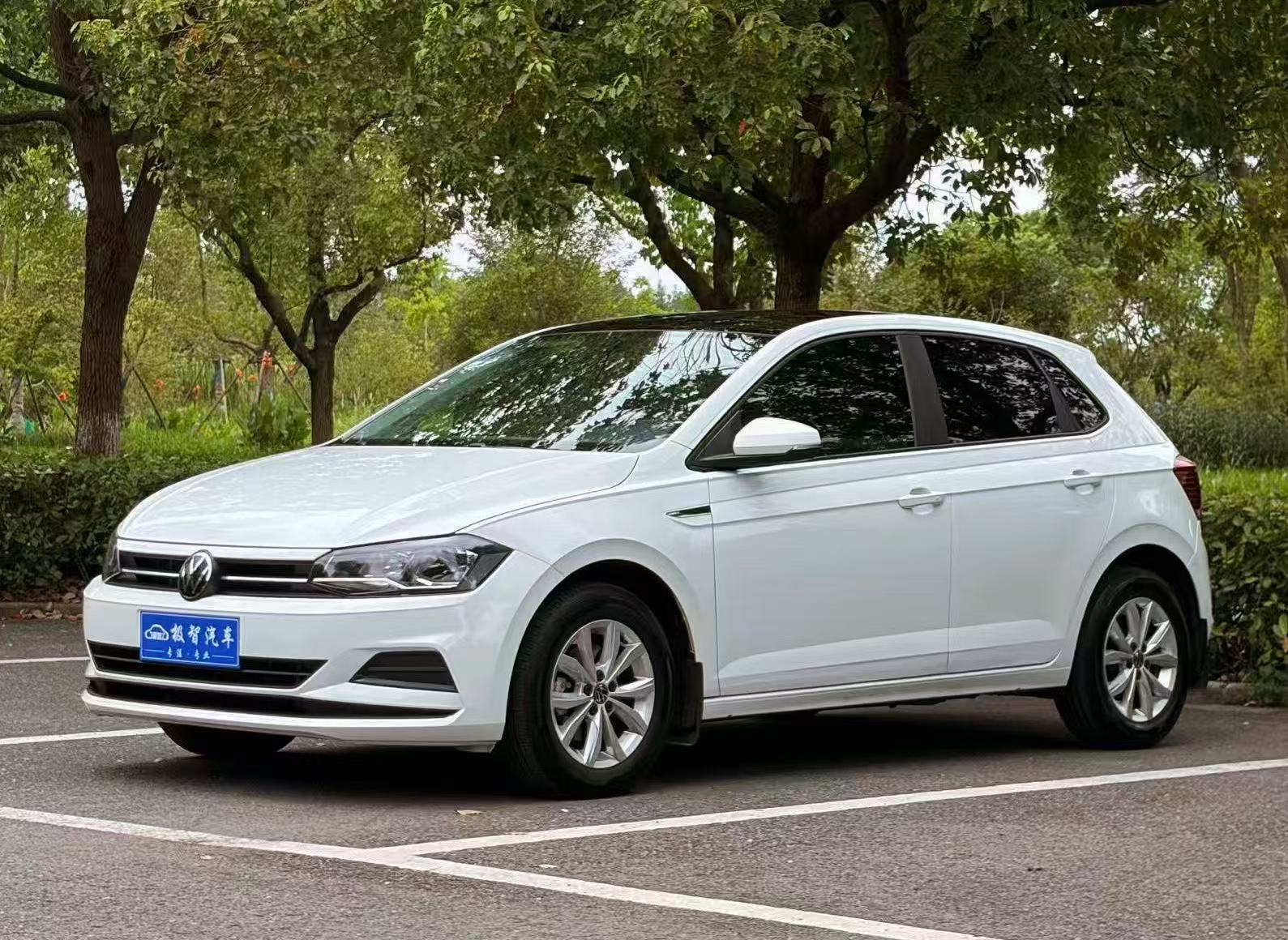
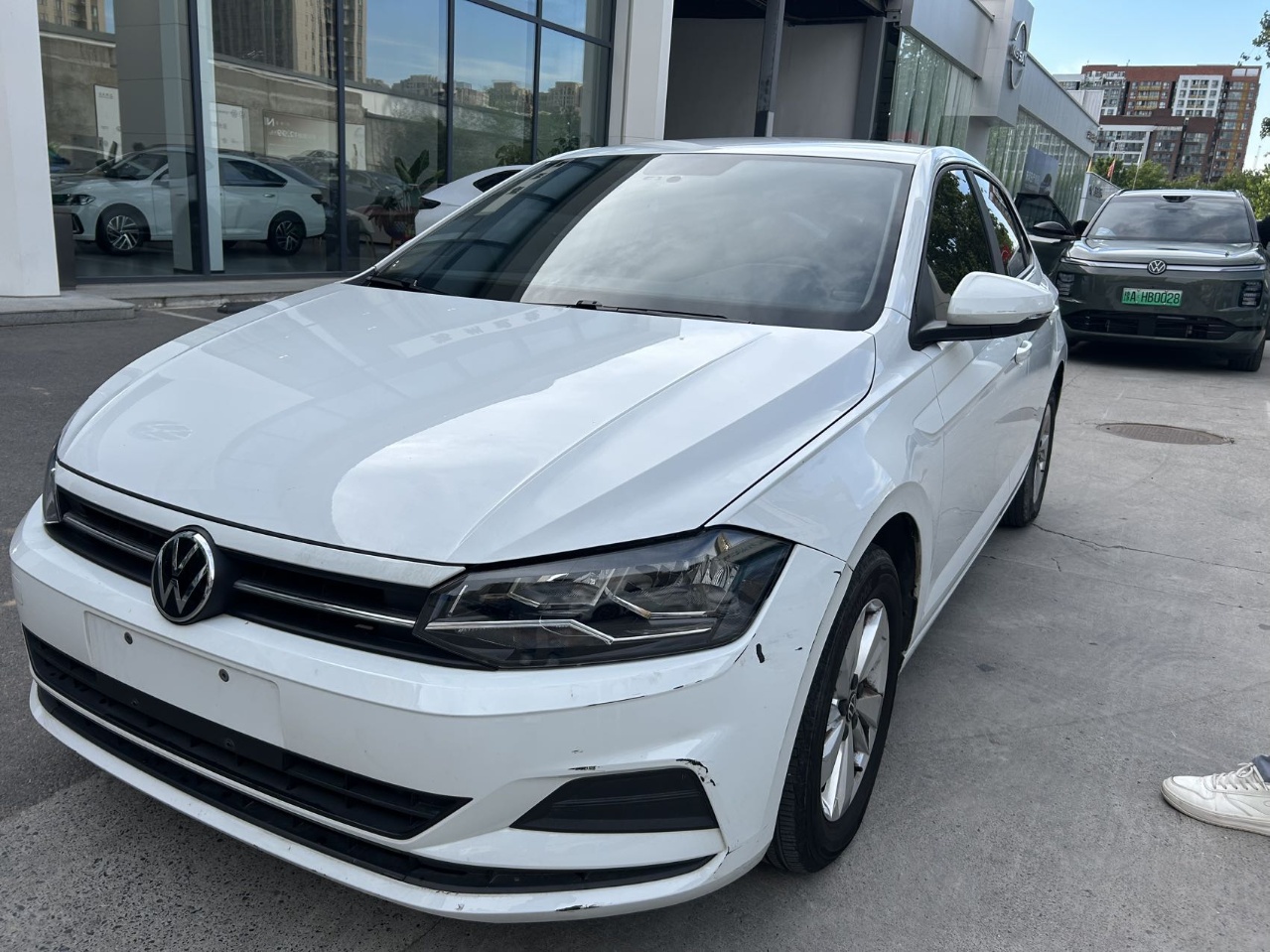
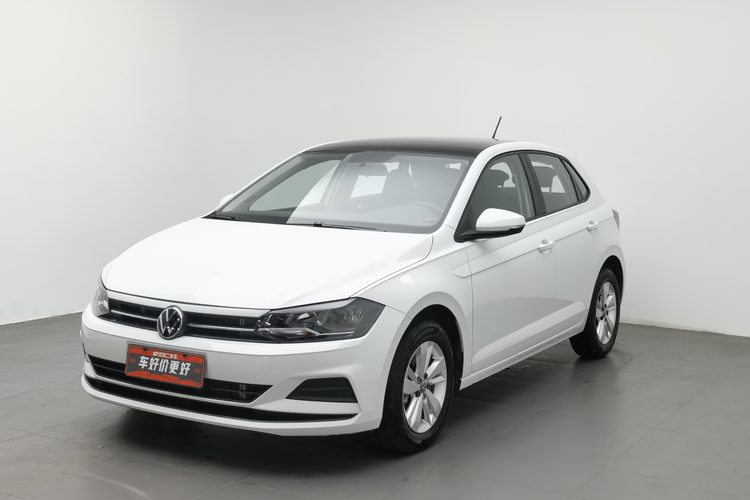
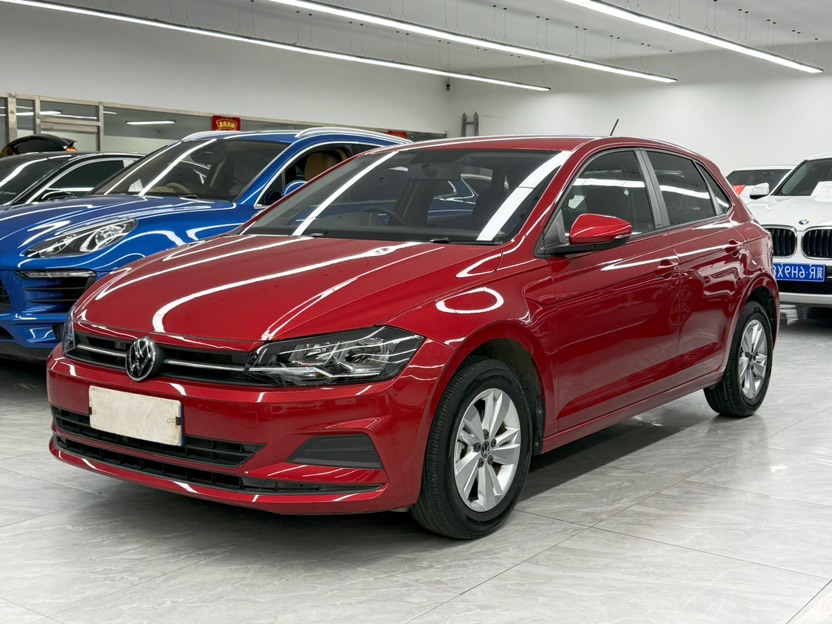
Basic Information

BrandVolkswagen
SeriesPolo
Year2023
First Registration2023/12
Mileage13,000km
Transfer Count0times
FuelGasoline
TransmissionManumatic
Engine1.5L 113 L4
Color
Seats-

Condition Description

官方质检 · 60天全车质保· 7天无理由有偿退车

Configuration Highlights

✓上牌时间: 2023-12
✓表显里程: 1.3万公里
✓车源地: 杭州
✓排放标准: 国六
✓百公里加速: 13.0s
✓发动机: 1.5L
✓轴距: 2564mm
✓变速箱: 自动

Q&A

More

How will the high-voltage protective armor of an electric vehicle chassis be handled if there are minor scraping marks within safety tolerances?

As long as the scratches do not damage the aluminum battery pack casing and do not cause structural dents in the crash beam, we will document it in the inspection report as "Surface Scuff" and no replacement will be made.


What insurance should I arrange when shipping a used car from China, and what do Incoterms like FOB and CIF mean for me?

Two separate protections matter: cargo insurance and contractual risk transfer. Cargo insurance: for container or RoRo shipments, buy marine cargo insurance covering total loss and damage, typically 110% of the CIF value (average cost 0.3%–0.8%). Check exclusions — many policies exclude pre-existing damage, so a pre-shipment inspection report is essential to prove the car's condition at loading. Incoterms define who bears risk and cost at each stage: 1. FOB (Free On Board): exporter pays until the car is loaded on the vessel; risk passes to you at that point. You pay ocean freight and insurance. Common and usually cheapest if you have your own freight forwarder. 2. CIF (Cost, Insurance and Freight): exporter pays freight and minimum insurance to your port. Convenient but the insurance coverage is basic — consider topping it up. 3. EXW (Ex Works): you handle everything from the exporter's yard; only choose this if you have a trusted agent in China. Put the agreed Incoterm and port clearly in the contract, and never release final payment before the Bill of Lading is issued.

If the customs of the destination country values the vehicle higher than your commercial invoice amount, leading to a surge in duties, who is responsible?

The customs of the destination country has the right to disregard the commercial invoice and reassess the value based on its internal database (such as the customs valuation red book). Any additional duties incurred are a result of the importing country's policy and are fully borne by the buyer (importer).