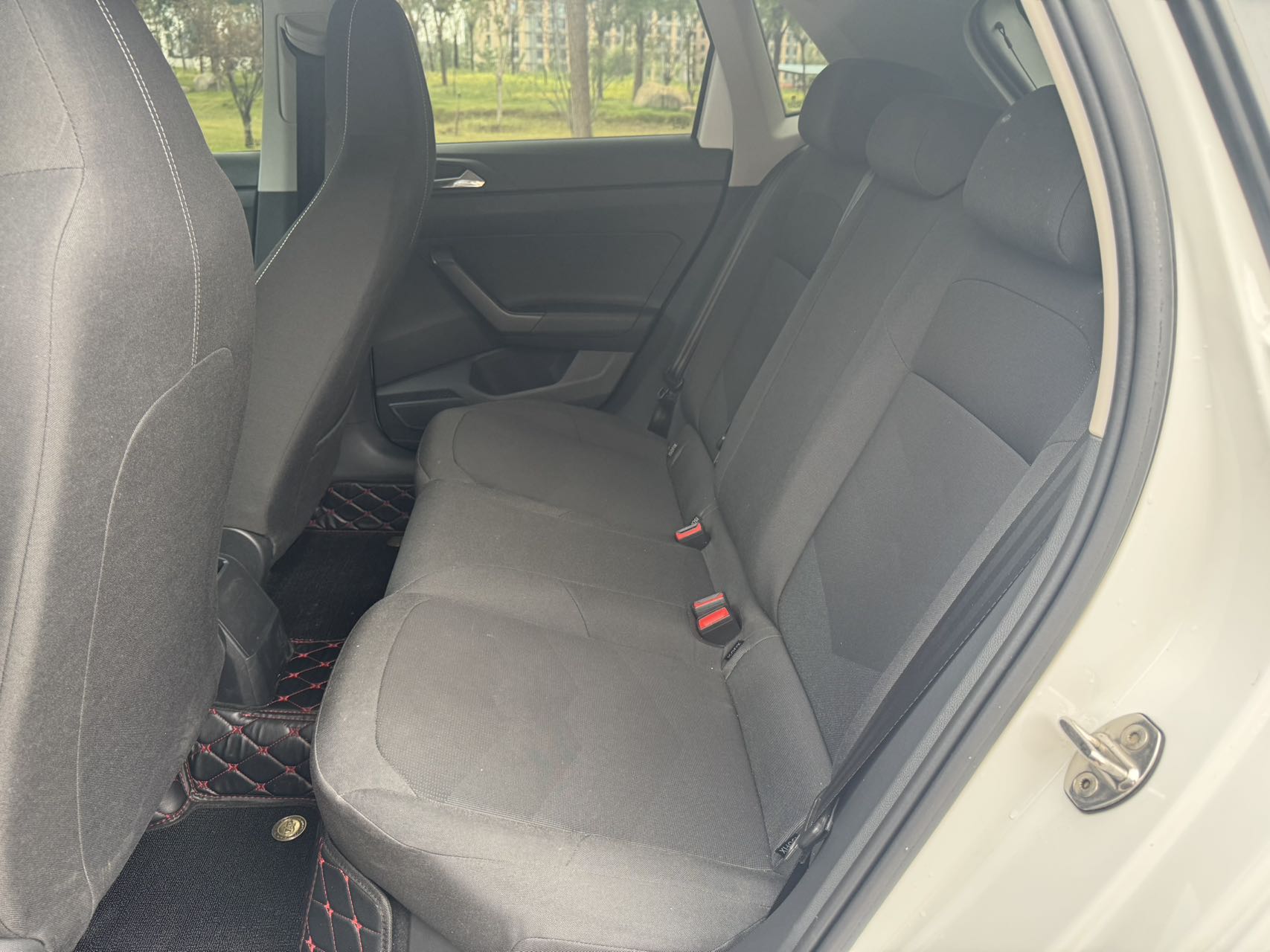
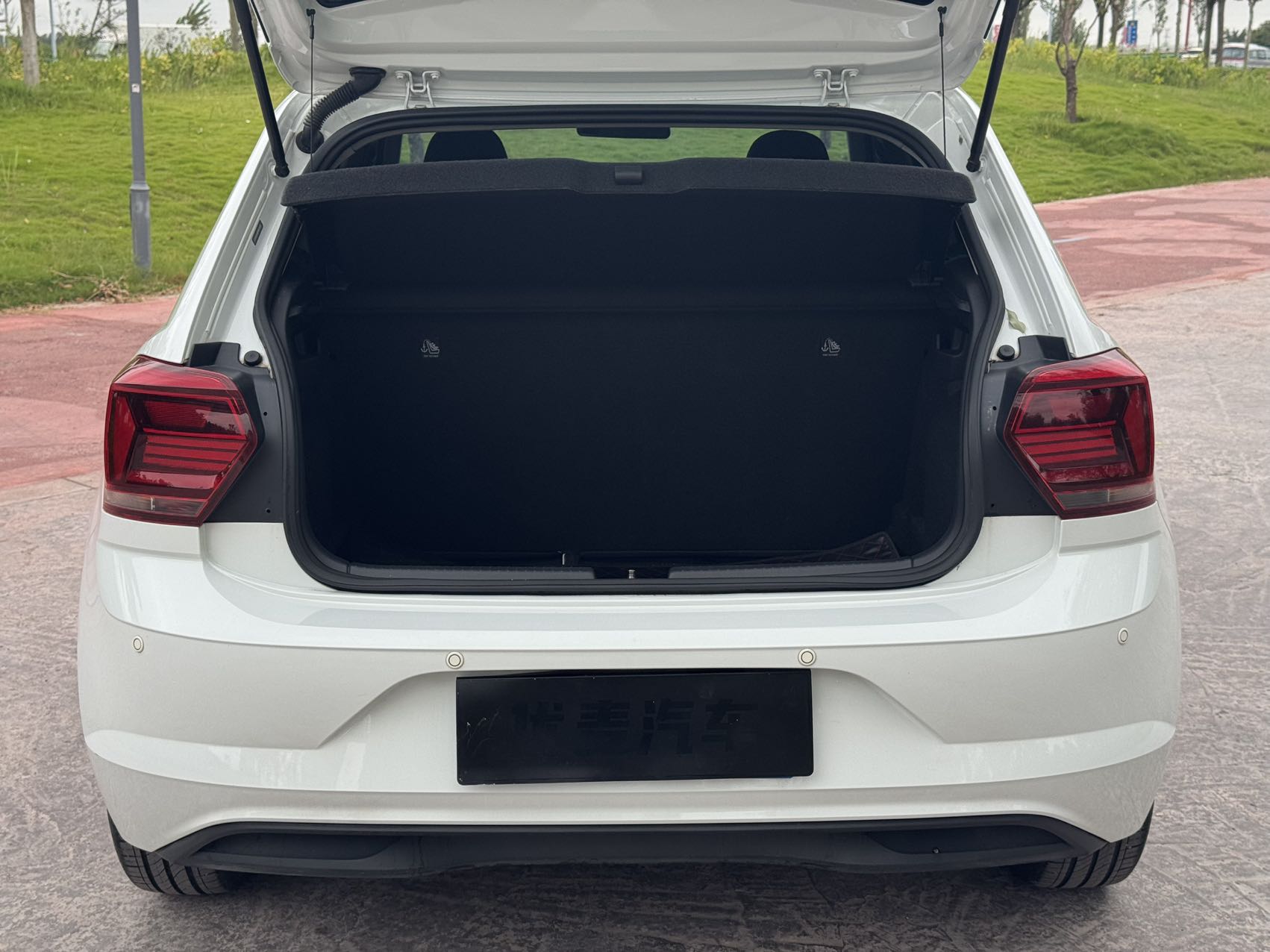
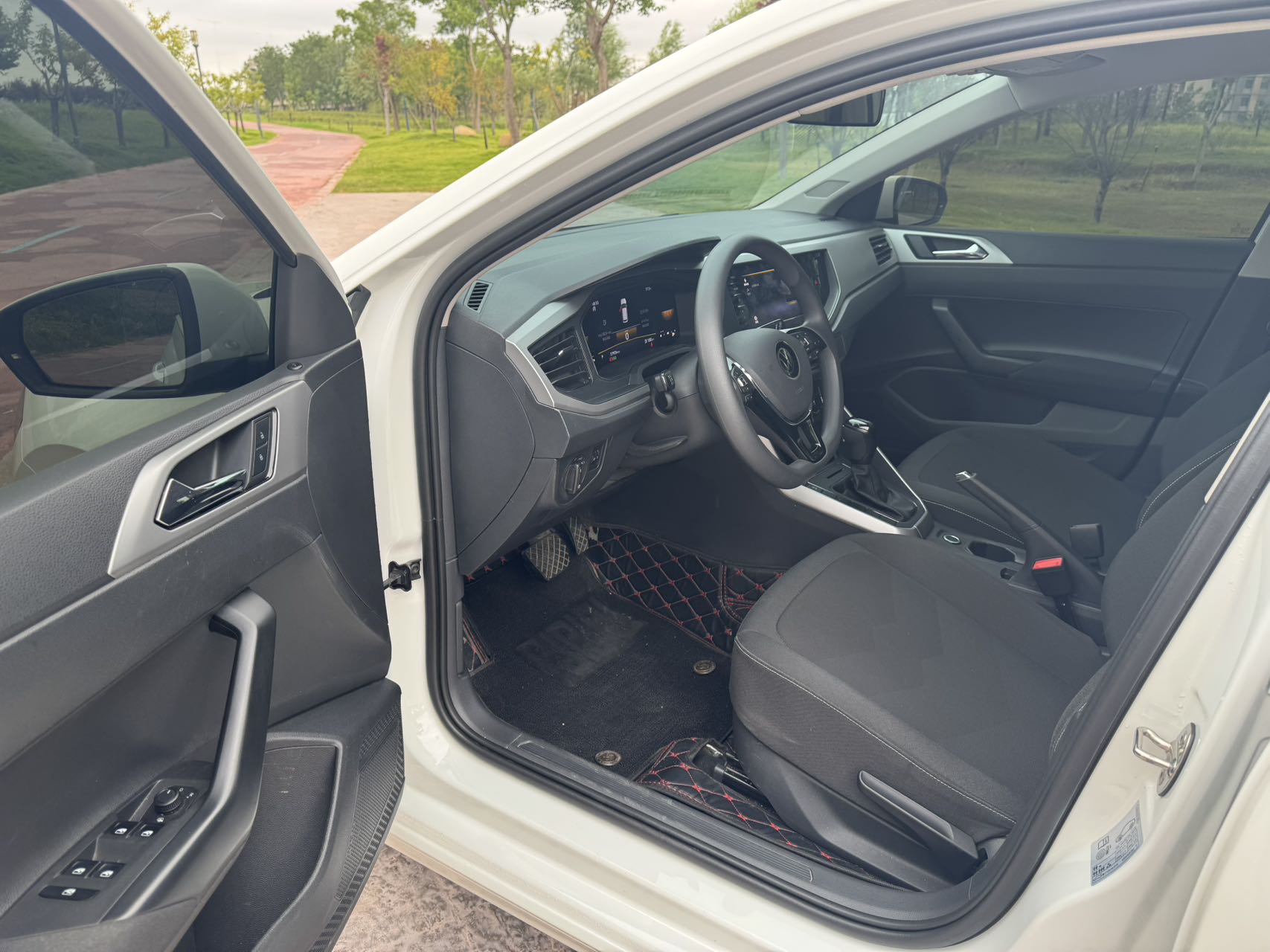
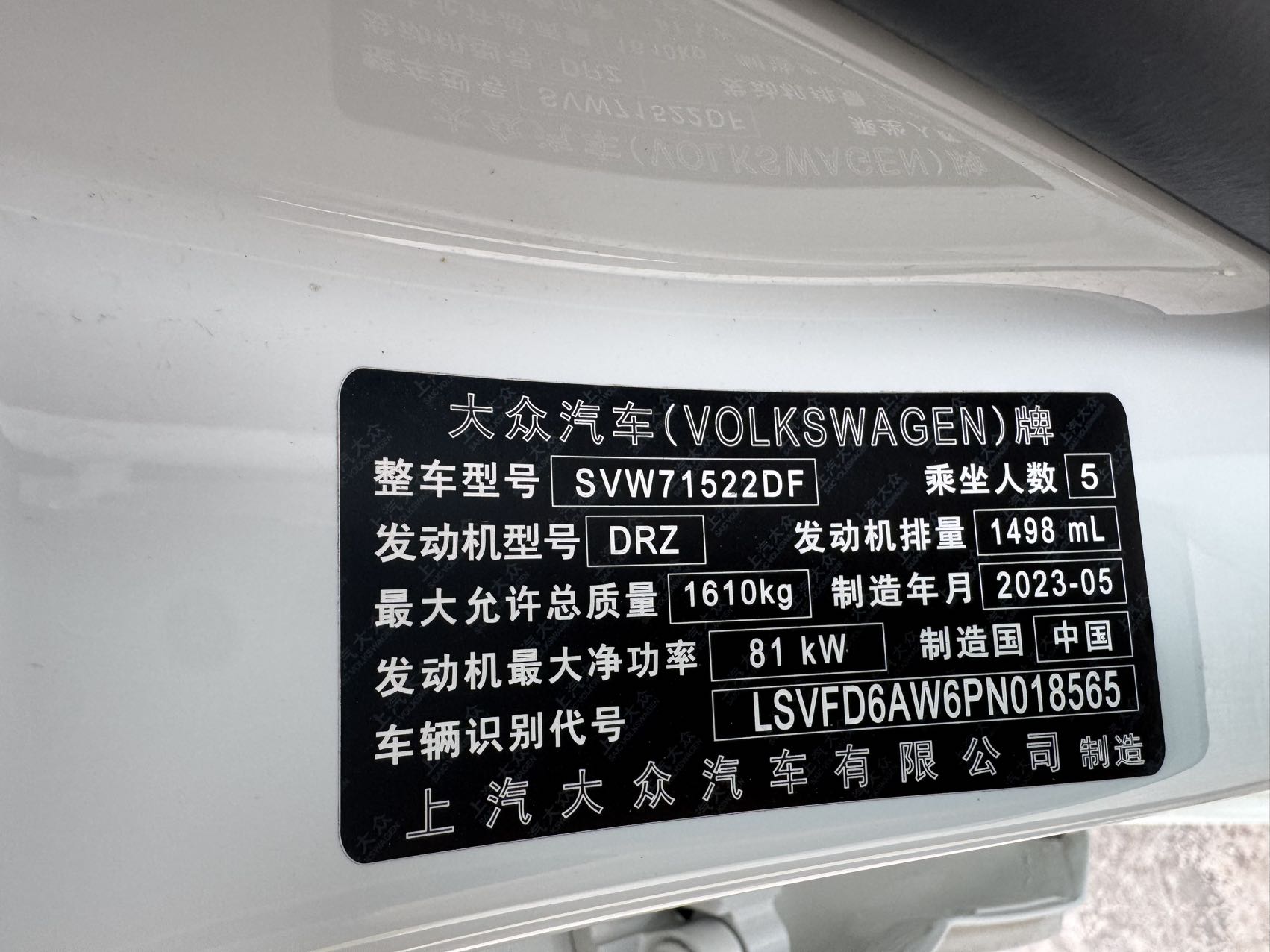
Basic Information

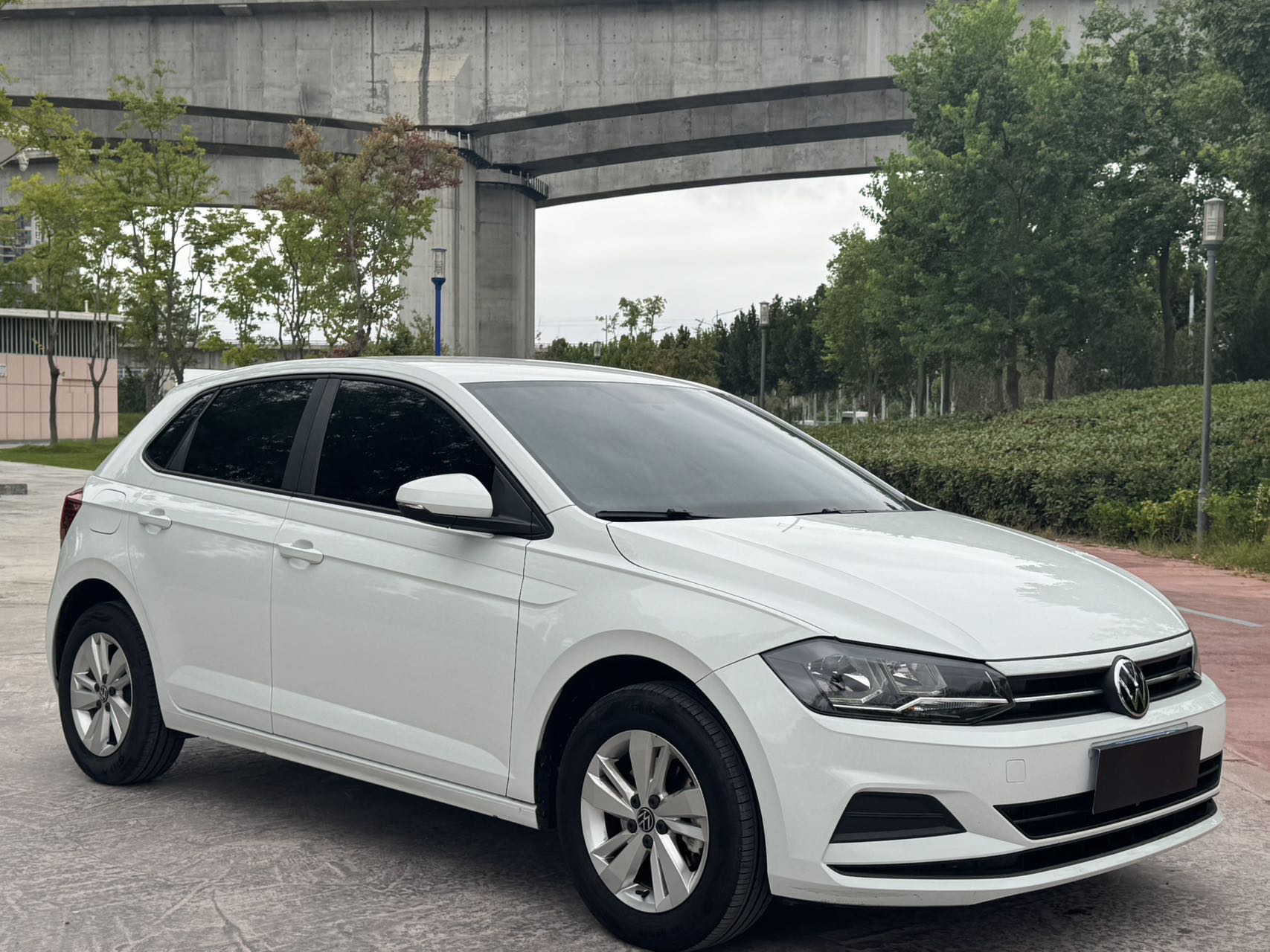
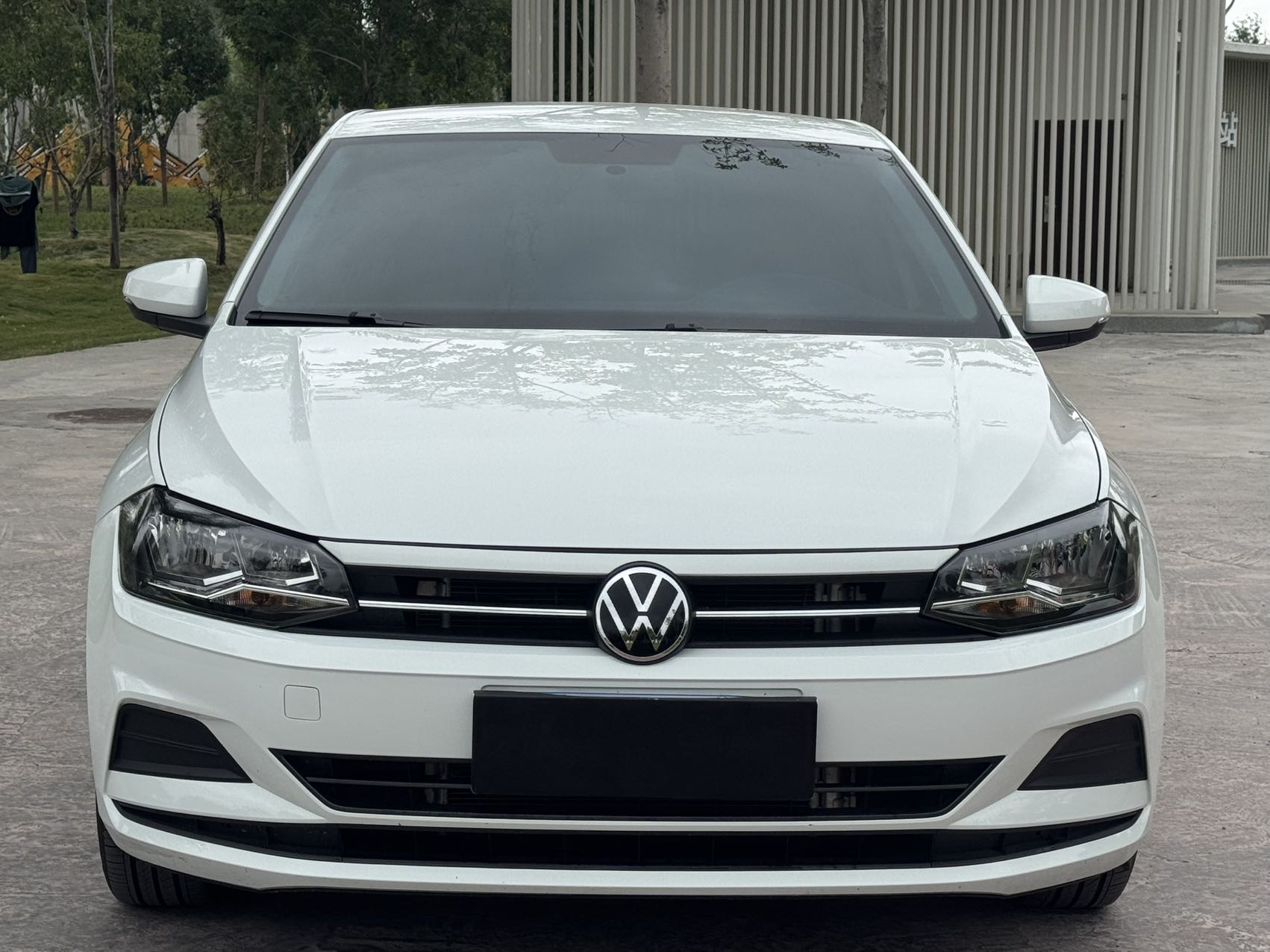
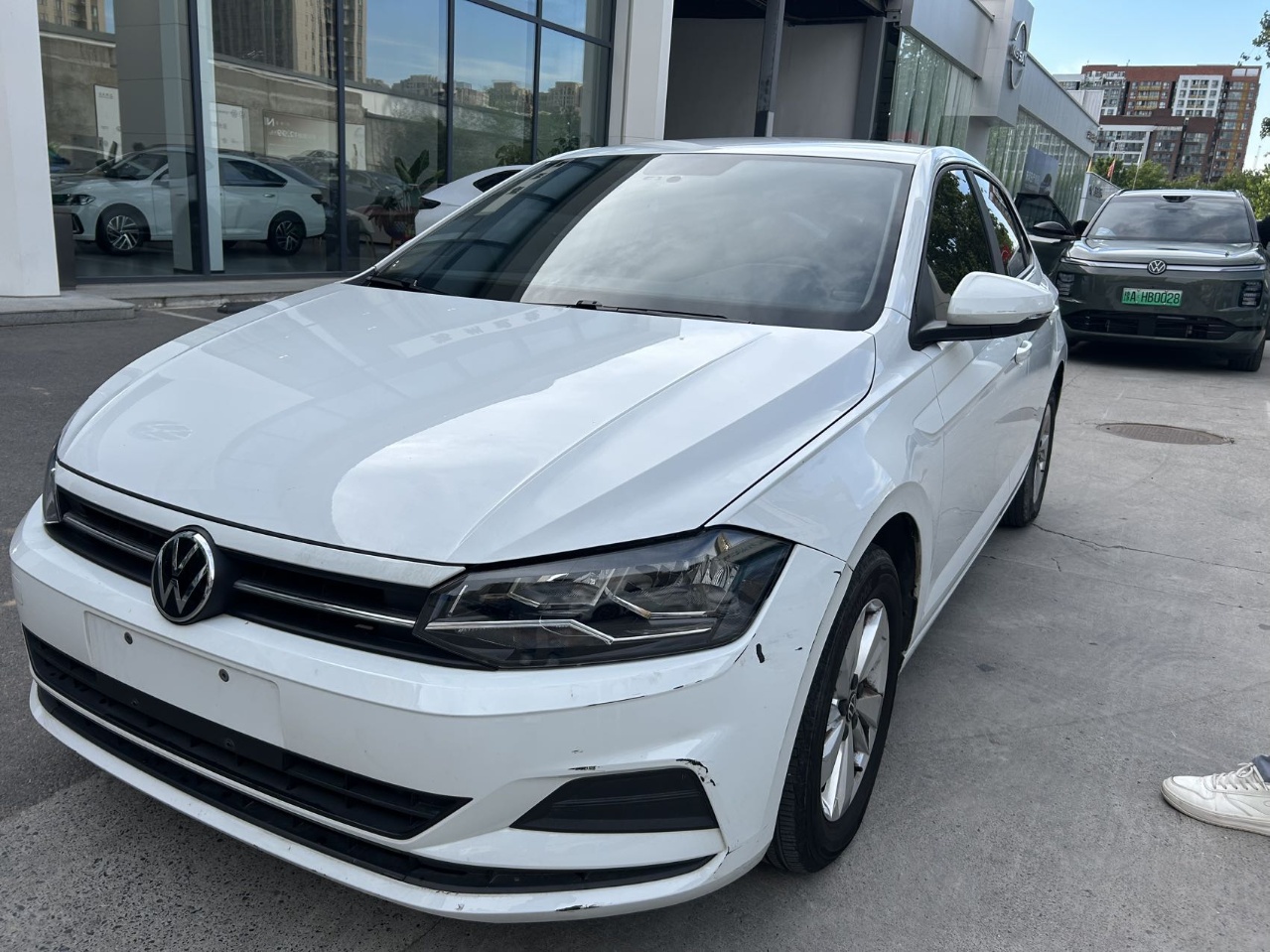
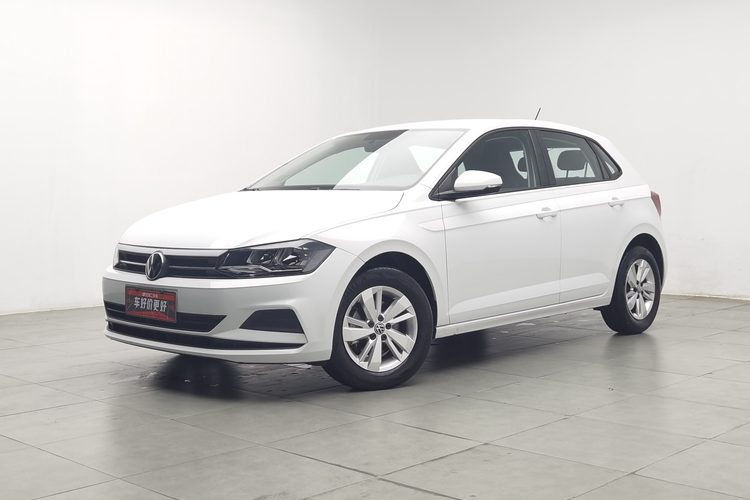
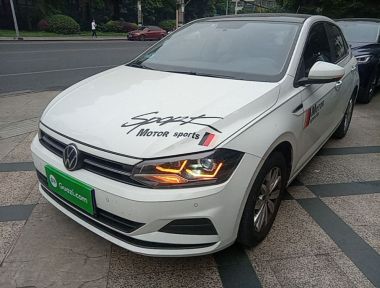
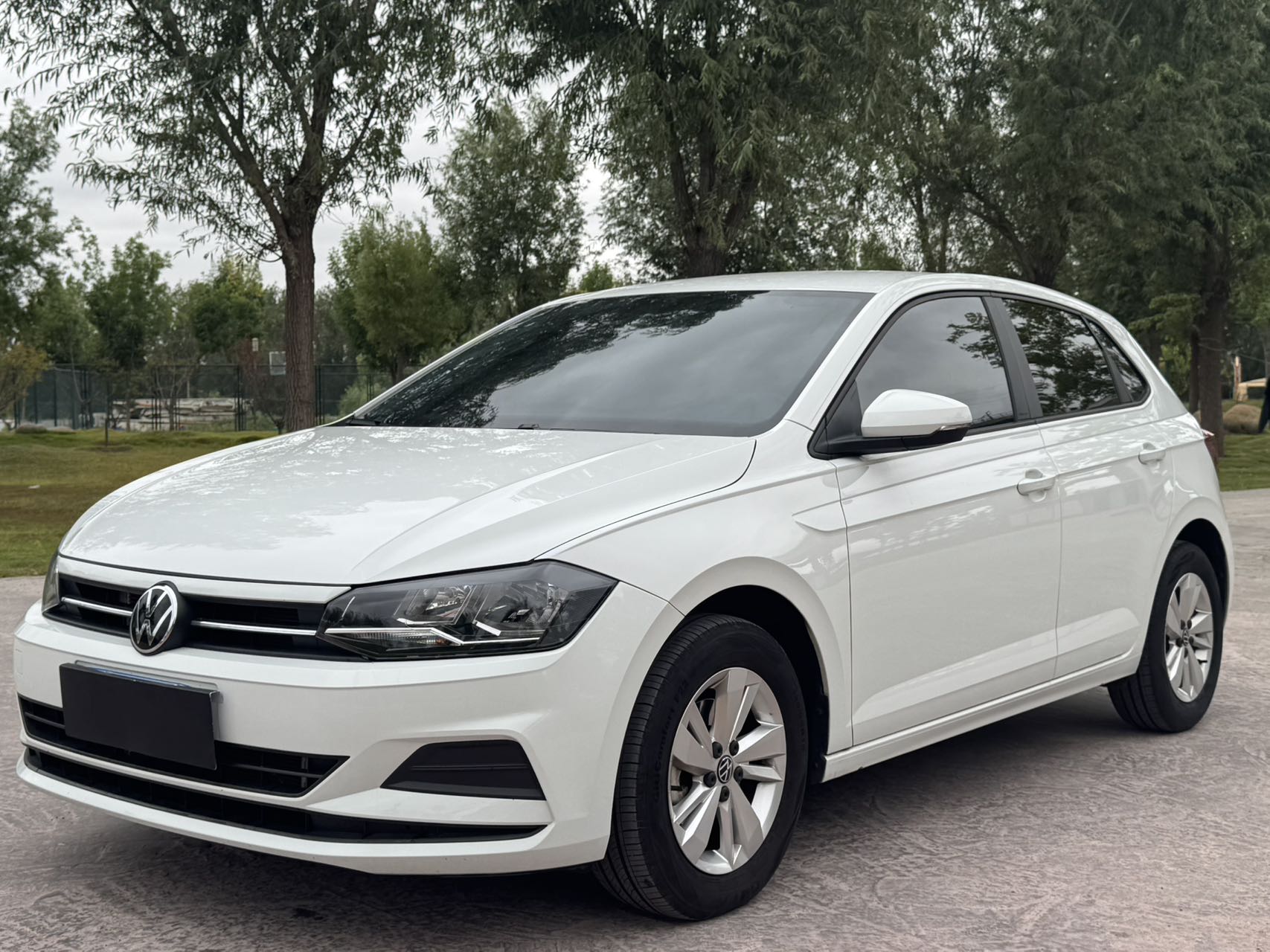
BrandVolkswagen
SeriesPolo
Year2023
First Registration2023/07
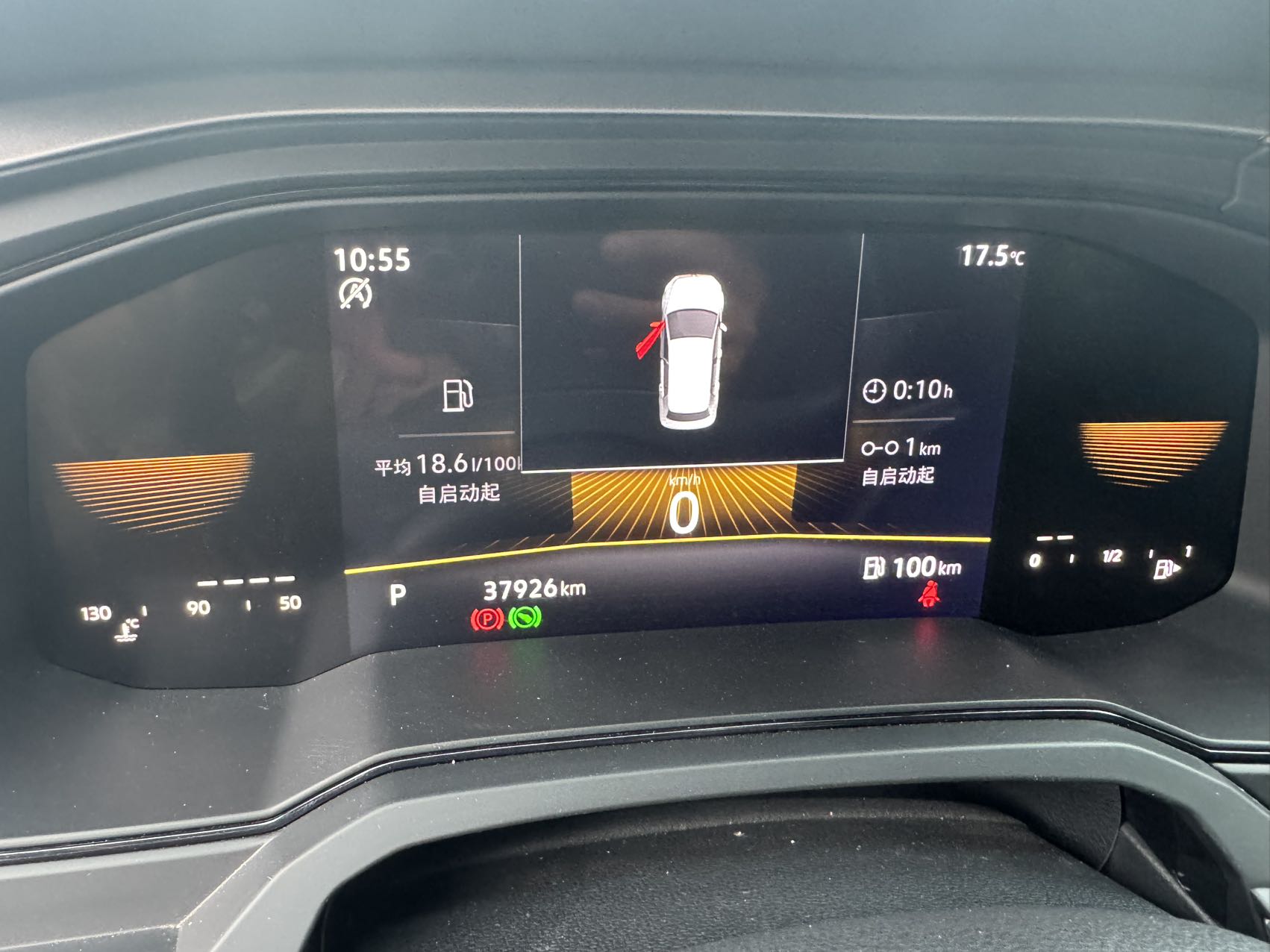
Mileage37,000km
Transfer Count0times
FuelGasoline
TransmissionManumatic
Engine1.5L 113 L4
ColorWhite
Seats-

Condition Description

Original paint, premium car

Q&A

More

After picking up the car, I found the tire pressure warning (TPMS). How can I reset the tire pressure sensor myself?

Temperature differences during sea transport can easily trigger the tire pressure warning. After inflating the tires to the standard pressure (usually 2.5 Bar), most vehicles will automatically clear the warning after driving a few kilometers; some models require manually clicking "Tire Pressure Reset" in the "Vehicle Settings" on the central screen.

What is a safe payment schedule when buying a used car from China, and why should I never pay 100% upfront?

The standard structure protects both sides and looks like this: Deposit: 20–30% after signing the contract and confirming the car's inspection report. This commits the exporter to reserve the car and start export procedures. Pay by bank transfer (T/T) to the company's corporate account — never to a personal account. Balance: 70–80% after the car is loaded on the vessel, against verifiable proof — the bill of lading copy, the booking confirmation, and ideally loading photos/video with the container or vessel number visible. Why not 100% upfront? Because once you pay in full, your only leverage is gone. Common real-world problems: the exporter ships a different car than inspected, delays shipment by months, or becomes unreachable. Withholding the balance until loading is documented keeps pressure on them to perform. Red flags: demands for full payment before inspection, 'discounts' for paying 100% immediately, requests to split payment between company and personal accounts, or pressure to use informal channels (crypto, gift cards, money transfer apps). For deals above $20,000, consider a letter of credit or an escrow service. The 1–3% extra cost is cheap insurance.
RoRo, container, or flat rack: which shipping method should I choose for a used car from China?

RoRo (roll-on/roll-off): the cheapest per car for running vehicles. Cars are driven onto the vessel and secured on decks. Transit to major ports (Jebel Ali, Rotterdam, Karachi) takes 15 to 35 days. Downside: cars are exposed to weather and salt air, and minor handling scratches happen occasionally. Container (20ft/40ft): one 40ft high-cube fits one car with parts, or two small cars with racking. Cost is higher than RoRo but cars are sealed and protected. Best for high-value vehicles, EVs (battery safety rules often require container), or when shipping spare parts together. Flat rack: for oversized vehicles (trucks, buses, modified cars). Priced per dimensions. Practical advice: for a standard used car to a port with RoRo service, choose RoRo and add marine insurance (0.3%–0.8% of value). If your destination lacks RoRo calls or you ship an EV, use a container. Always get the booking confirmation and bill of lading copy before paying the final balance.