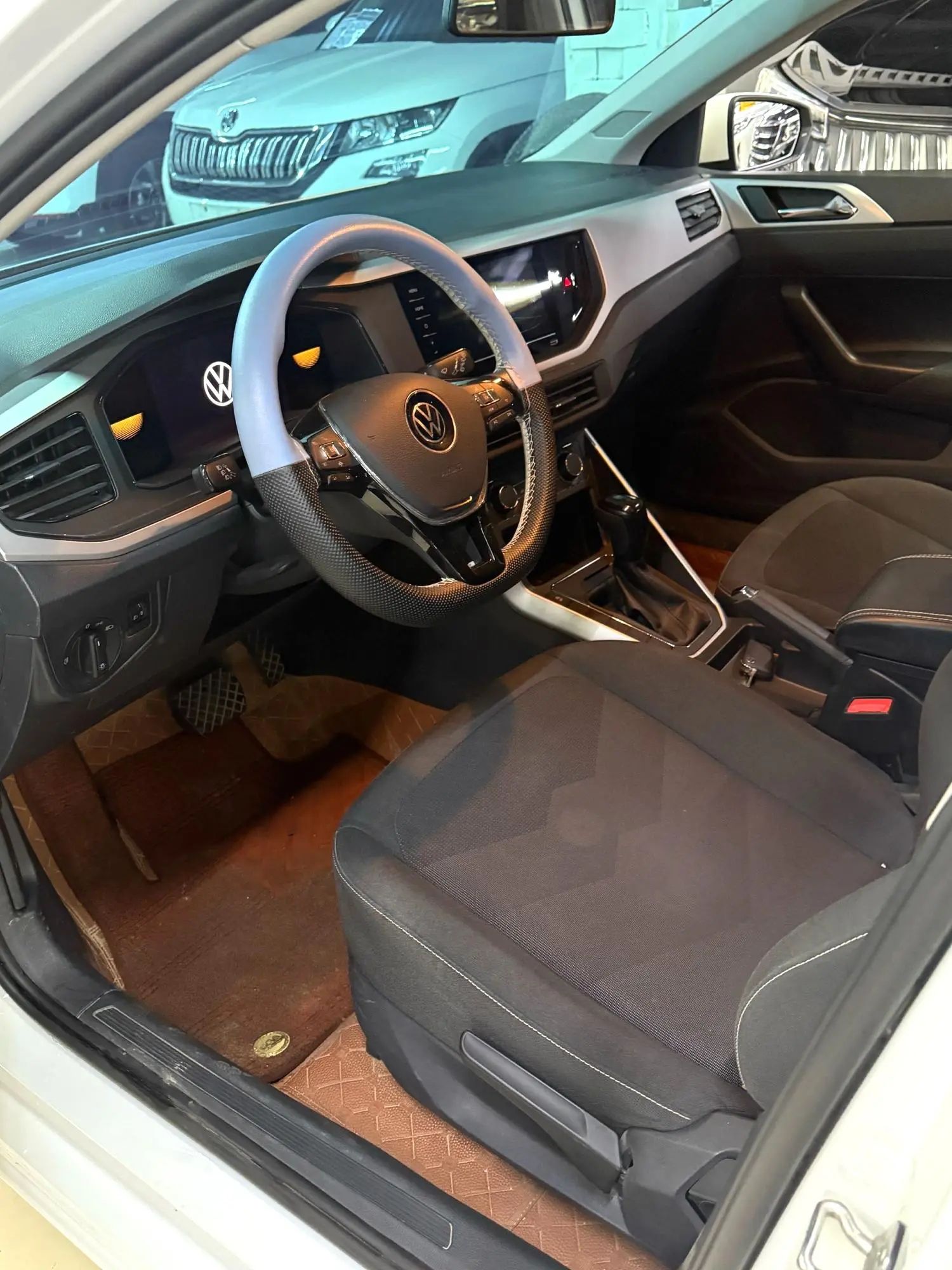
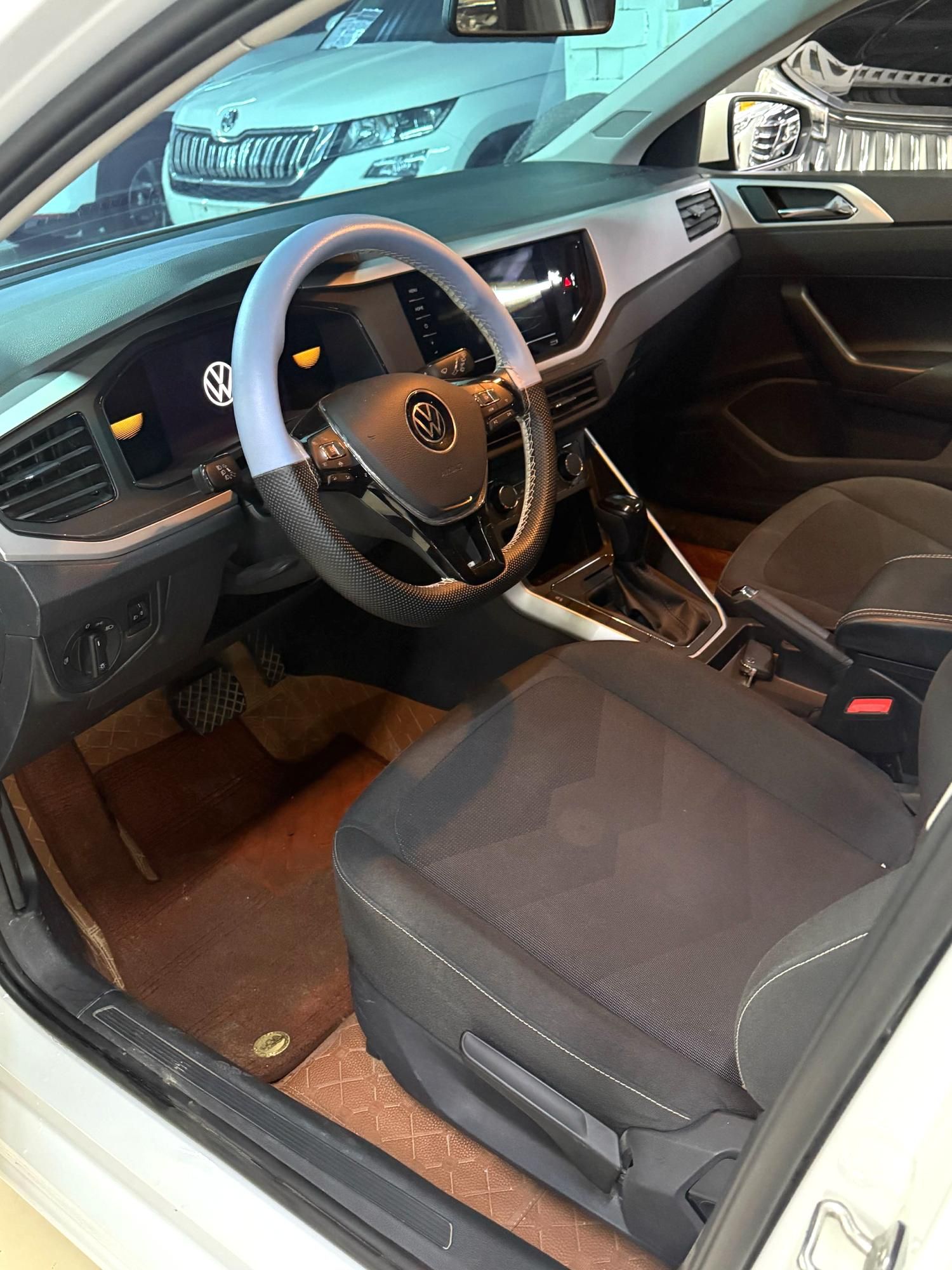



Stock

Basic Information

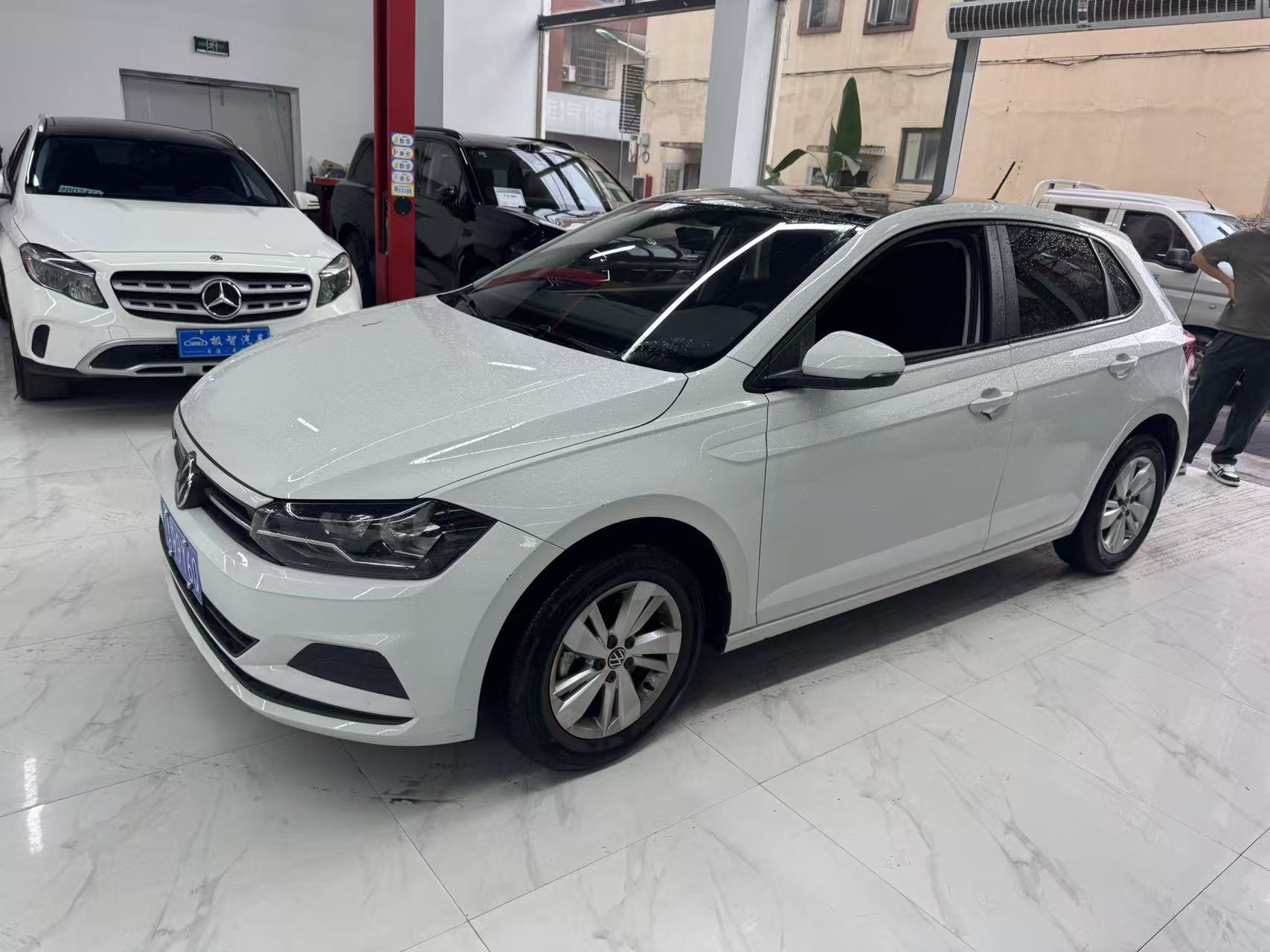
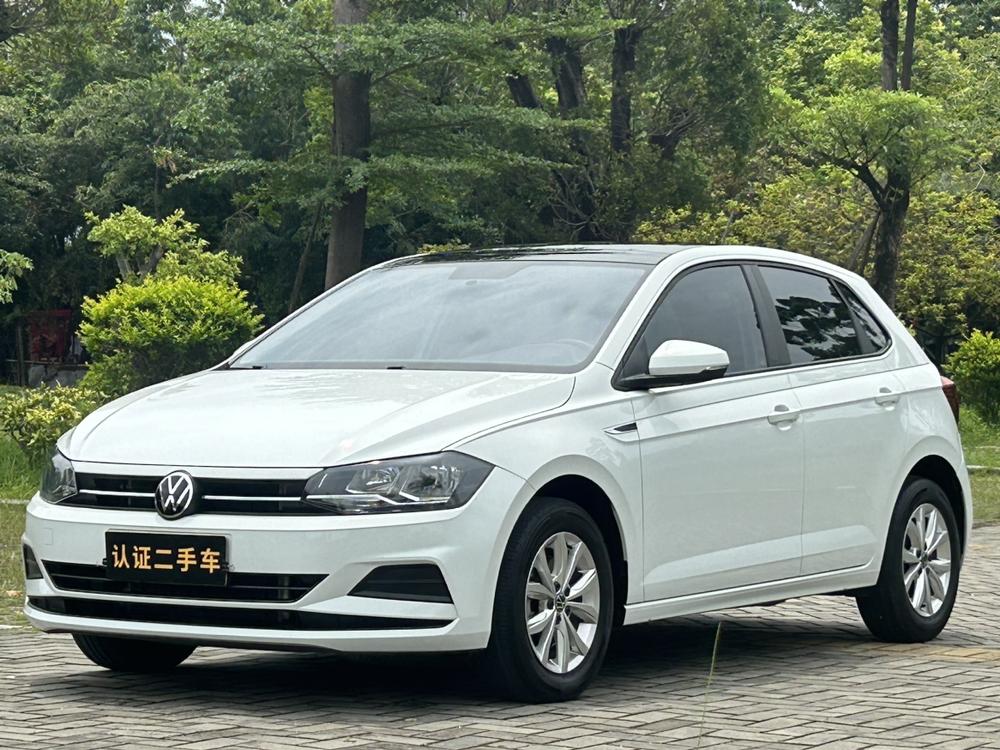
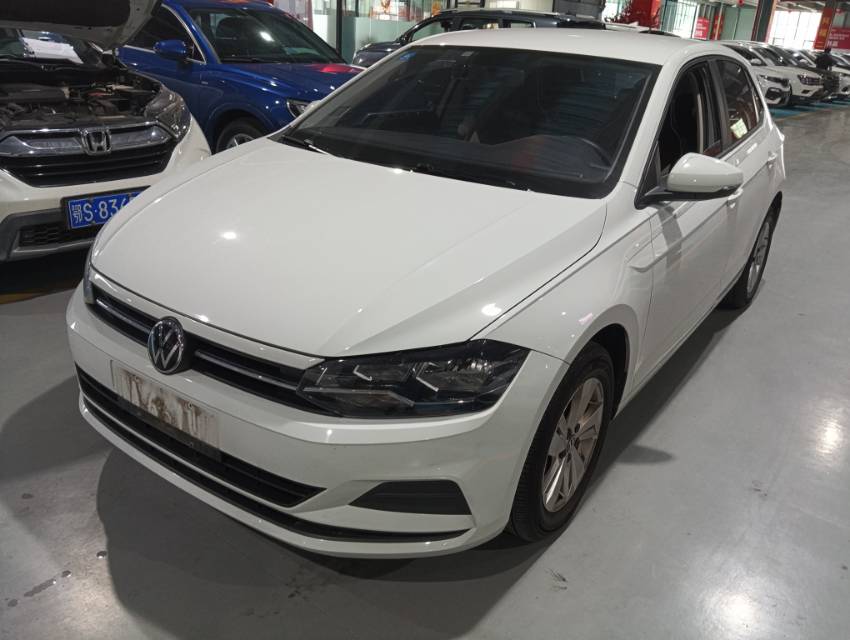
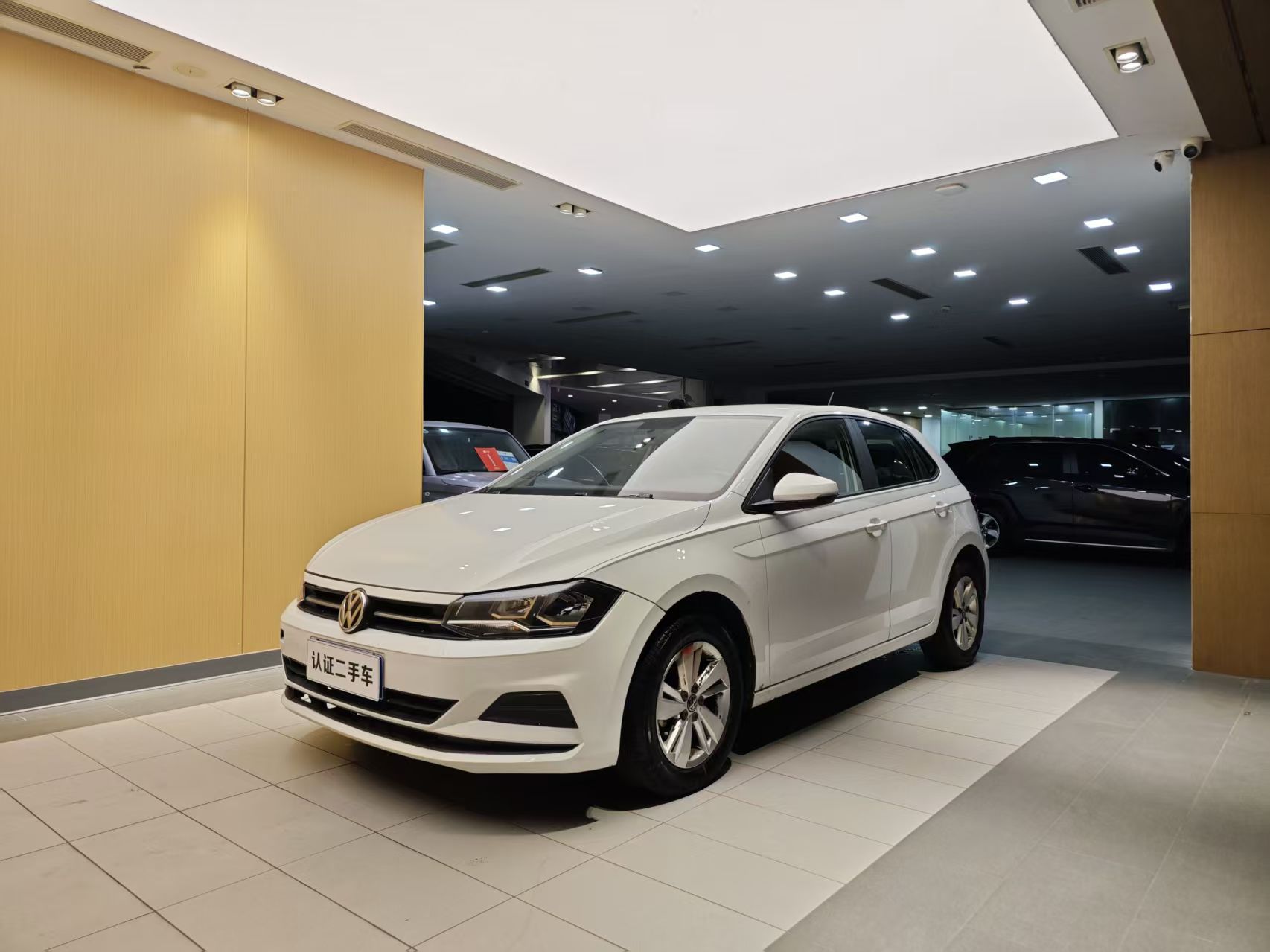
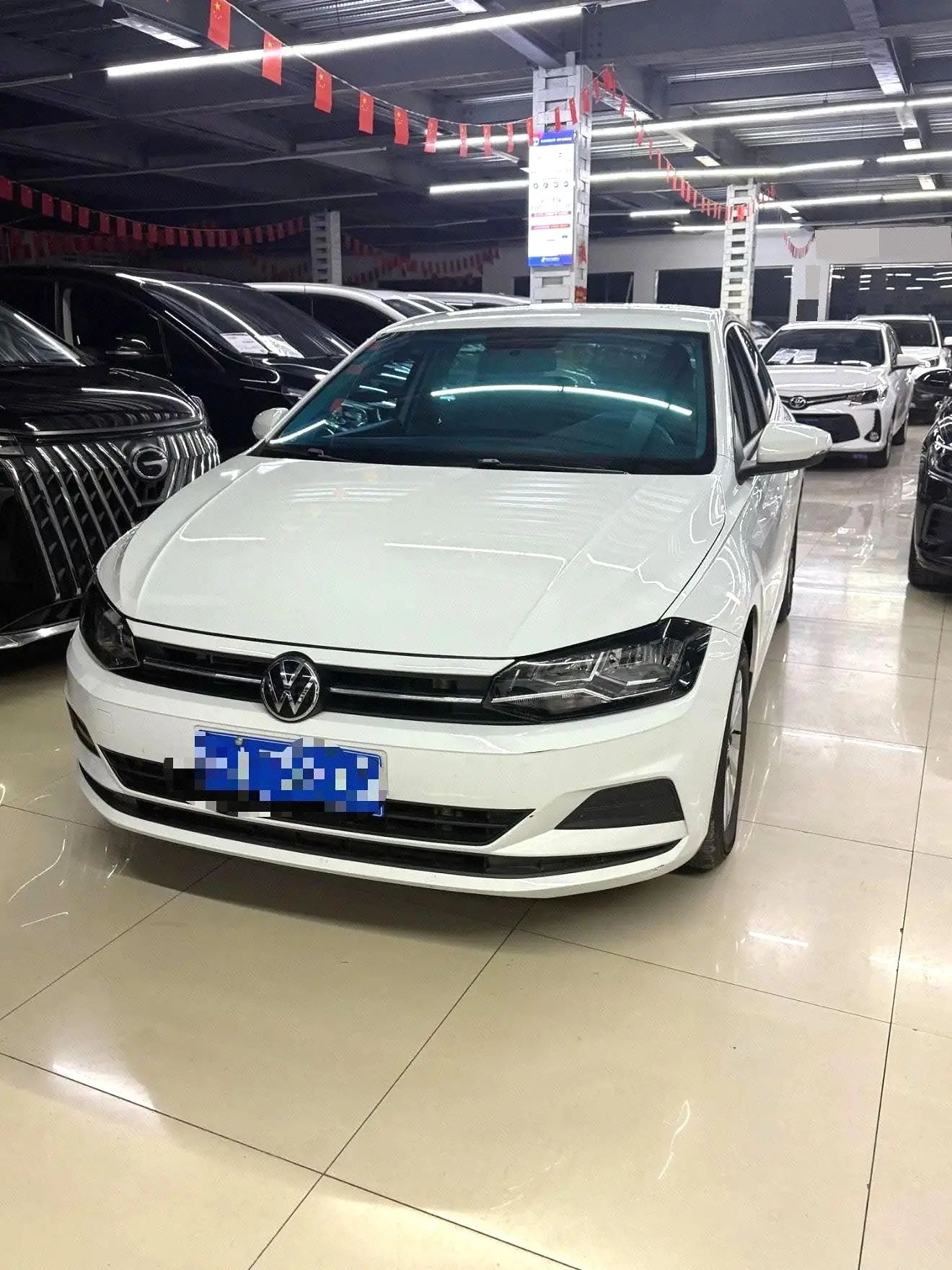
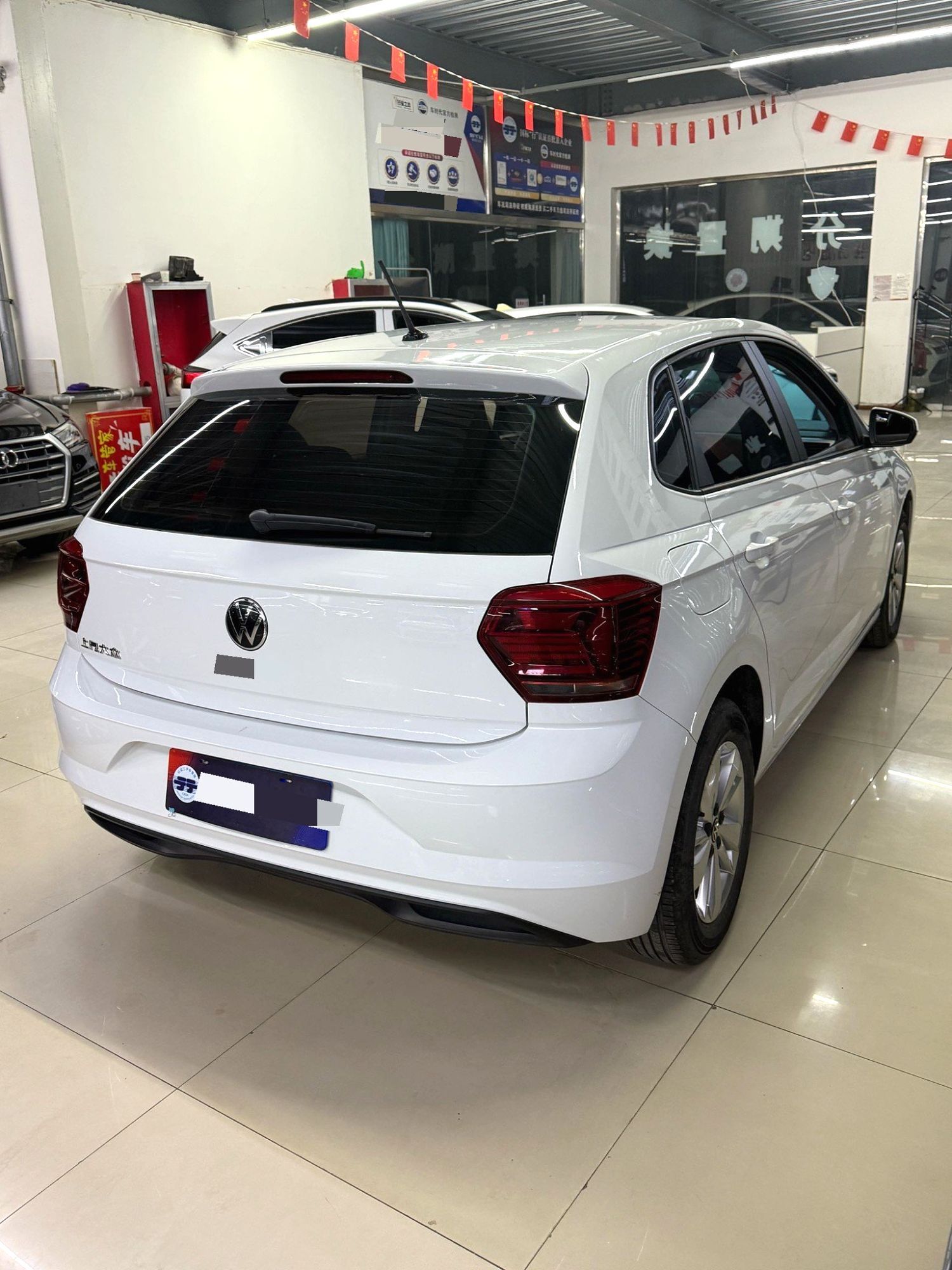
BrandVolkswagen
SeriesPolo
Year2024
First Registration2024/04
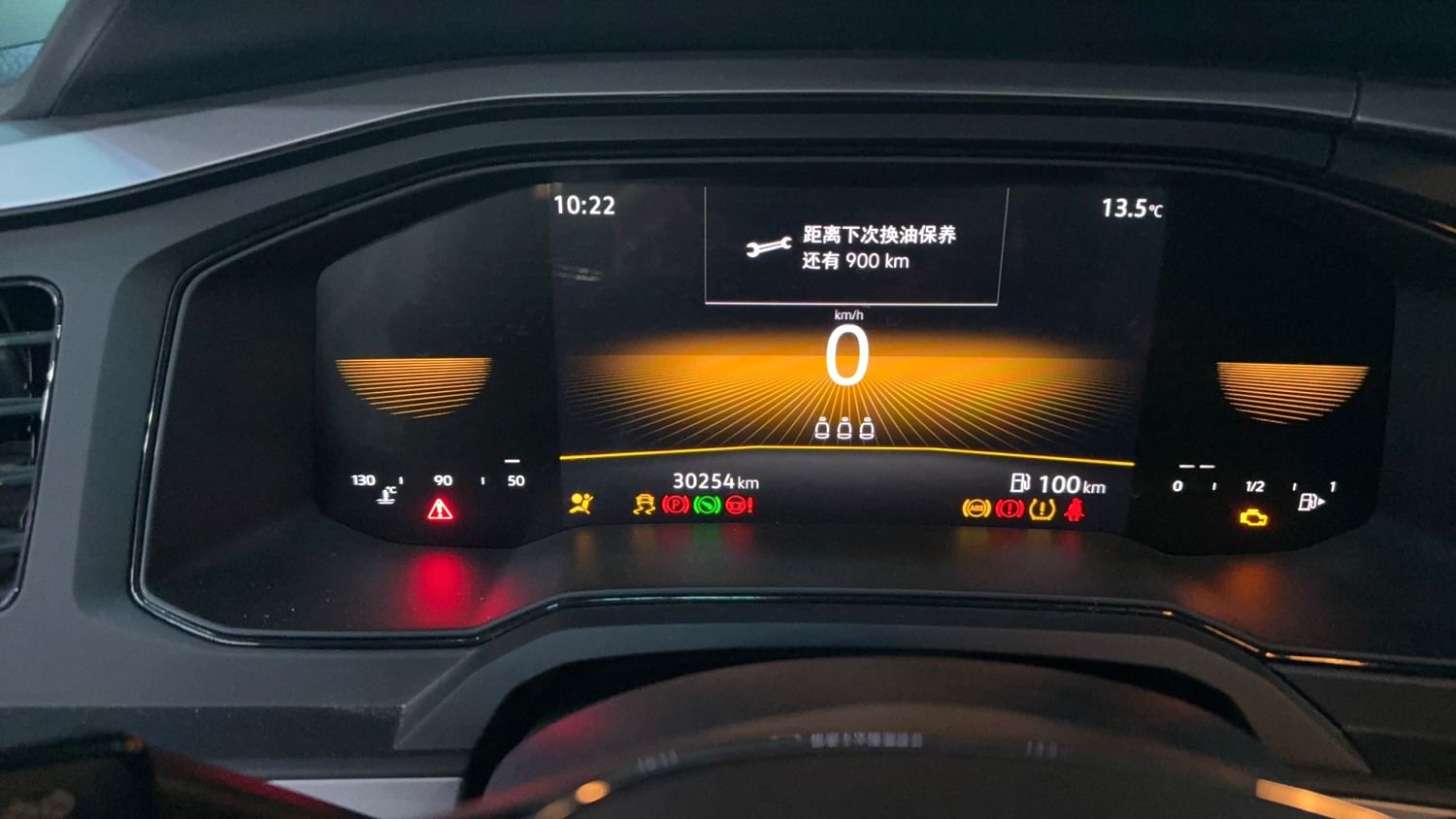
Mileage31,000km
Transfer Count0times
Fuel-
Transmission-
Engine-
ColorWhite
Seats-

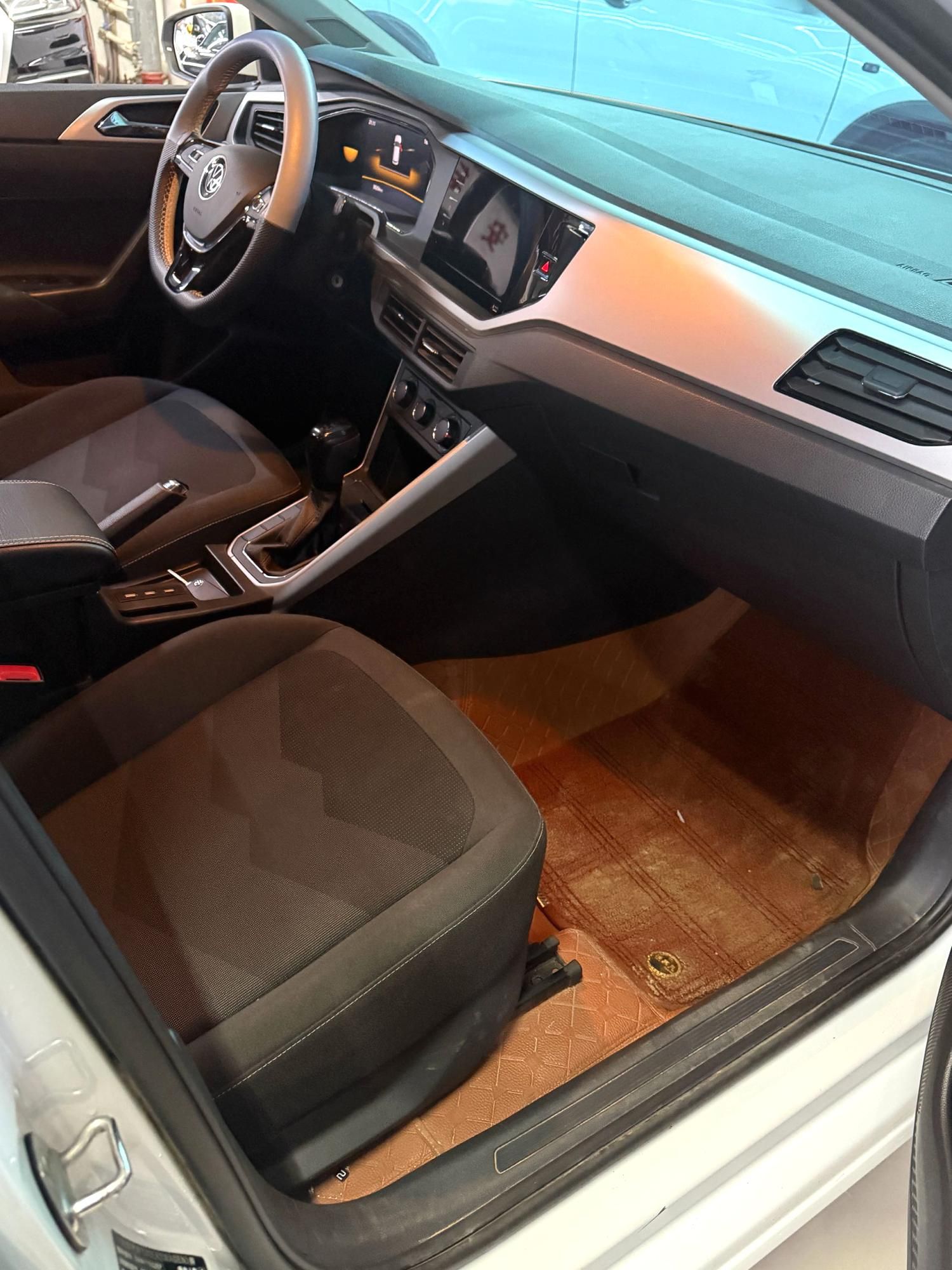
Condition Description

Original paint

Q&A

More

How can I check if a used car from China has been in a major accident, and what records actually exist?

China does not have a single public accident database like CARFAX, but you can still verify history from several sources. First, ask the exporter for the insurance claim records (出险记录). Major repairs go through insurance, and the claim history shows the date, amount, and damaged parts. A car with large claim amounts (over half its value) is effectively a total loss rebuild. Second, check the vehicle's registration certificate (机动车登记证书) for transfer history — multiple transfers in a short period often follow an accident. Third, run a VIN check through commercial platforms (paid, around 20-50 RMB) which aggregate insurance, maintenance, and auction data. Cross-check everything against a physical inspection: paint thickness readings on structural points, weld quality under the seals, and underbody photos. If the records and the physical condition do not match, walk away or demand a large discount.


How to manage overseas buyers' expectations for continuous software updates of Chinese new energy vehicles (especially from new car manufacturers)?

We repeatedly confirm and emphasize to buyers before sale: after leaving mainland China, most Chinese smart electric vehicle ecosystems (such as cloud voice assistants, online maps, OTA updates) will be permanently offline. You are purchasing a hardware platform with excellent mechanical quality and a three-electric system; please use it as a "standalone" vehicle. Do not trust false promises from other channels claiming "perfect overseas unlocking and continuous official OTA updates."

What charging adapters or equipment will I need to charge a used Chinese EV in my country?

Chinese EVs ship with GB/T charging ports, which are not used in Europe (Type 2/CCS2), North America (J1772/CCS1/NACS), or most of Latin America. Plan for these extras: 1. GB/T to local standard adapter or converter box: this lets you charge at public stations. A simple passive adapter works for AC charging; DC fast charging needs an active converter, which is expensive — many owners skip it and rely on AC. 2. Portable charger swap: the included travel charger has a GB/T plug. Buy a local wallbox or a portable EVSE with your country's plug instead. 3. Home electrical check: confirm your home circuit can handle 7–11 kW, and have an electrician install a dedicated line if needed. Ask the exporter for the car's charging port photos and on-board charger capacity before buying. Budget roughly a few hundred dollars for adapters and a wallbox. Without planning, you may end up with a car that can only trickle-charge from a wall socket.