48H

Basic Information

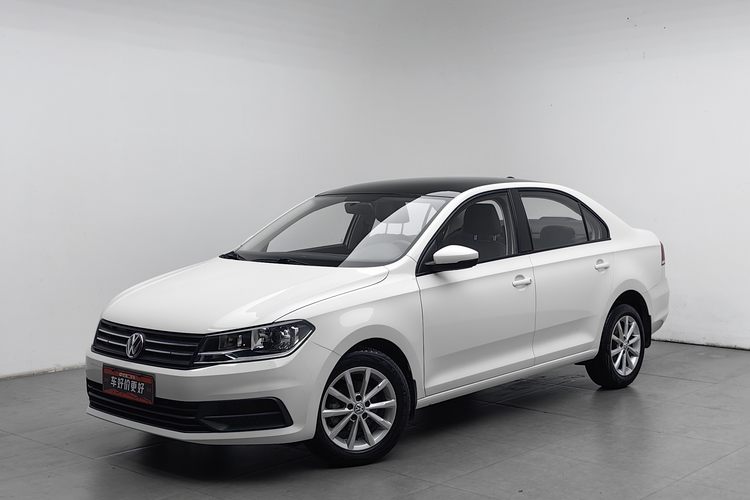
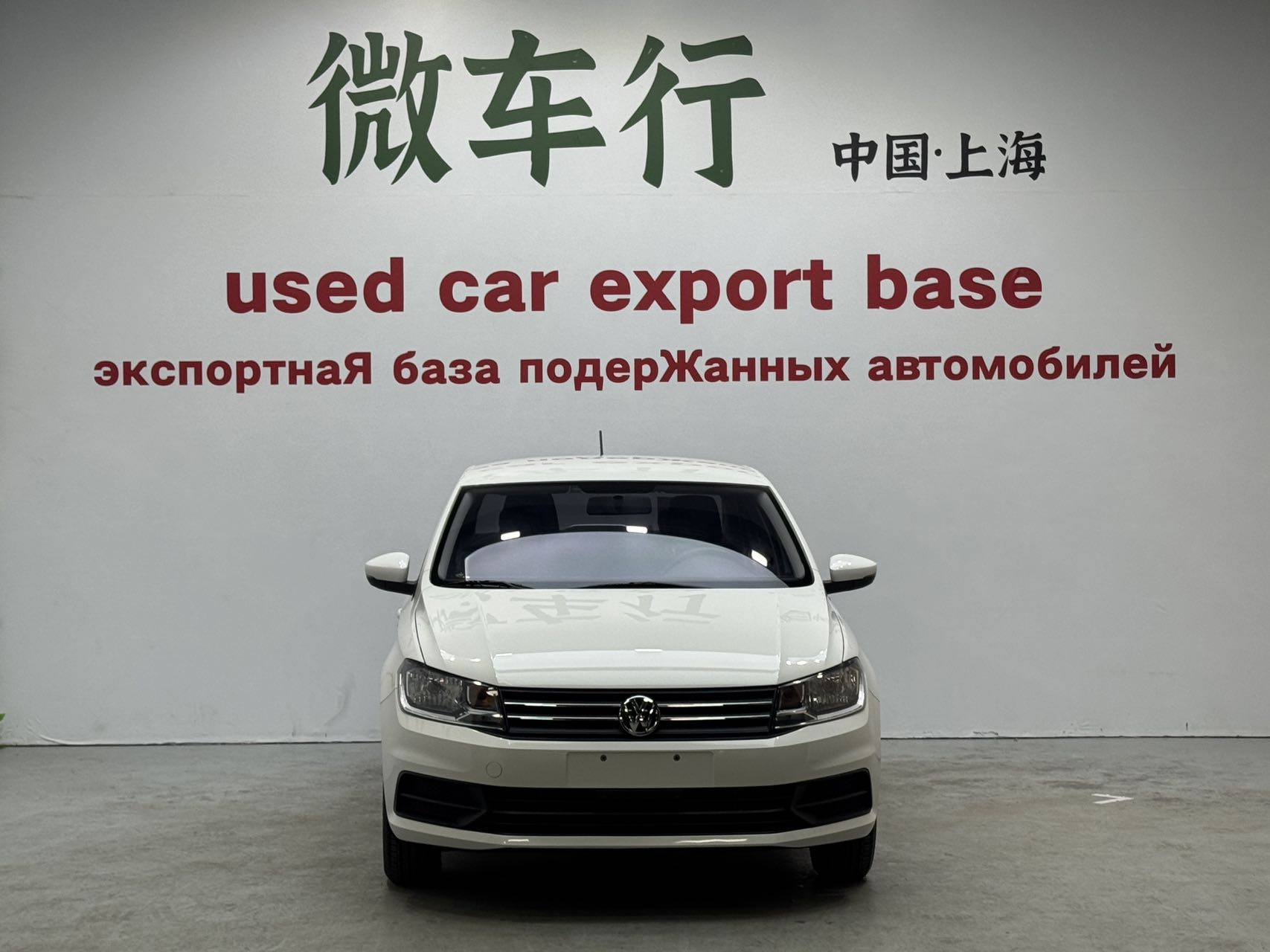
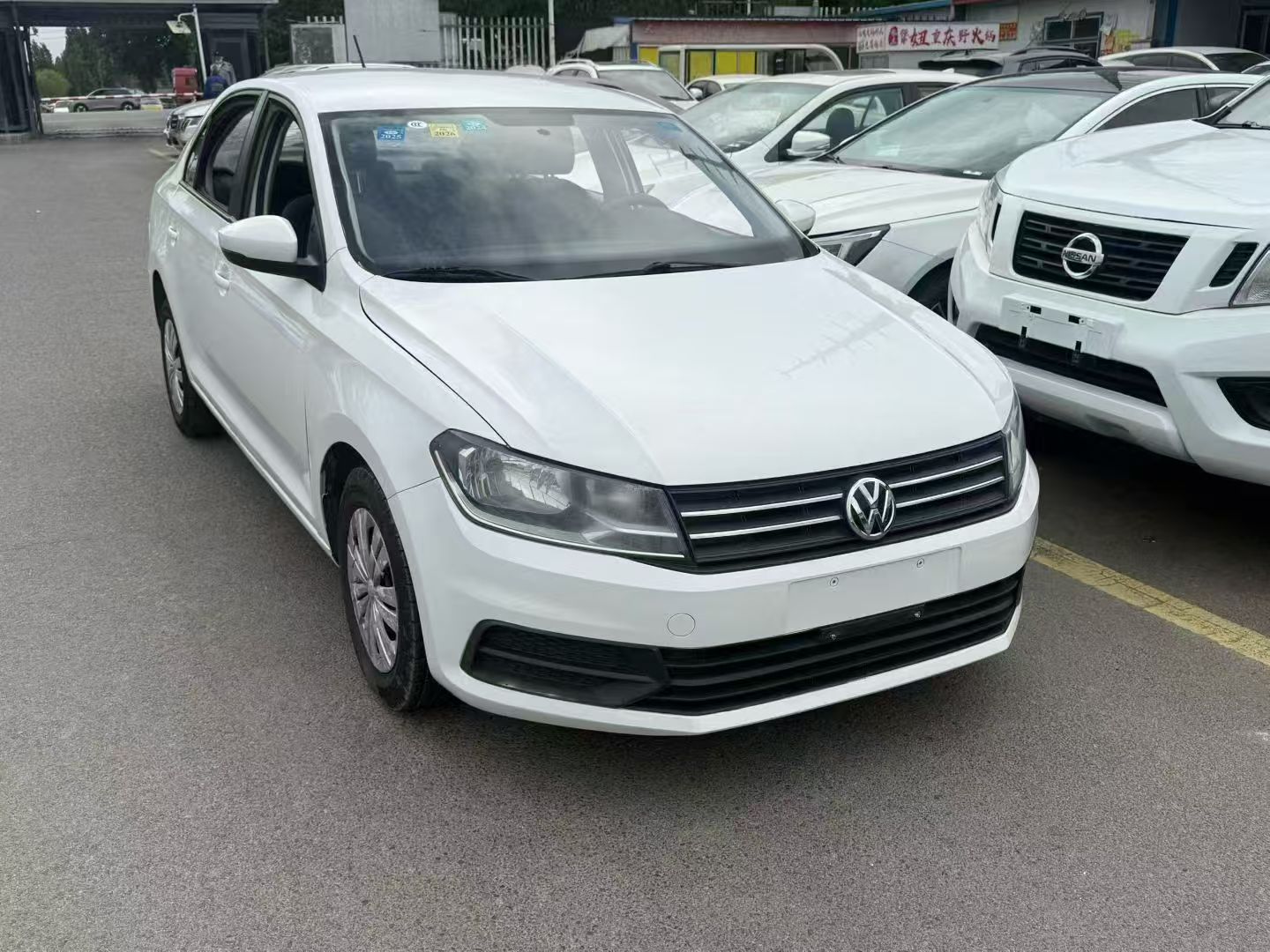
BrandVolkswagen
SeriesSantana
Year2014
First Registration2014/01
Mileage100,000km
Transfer Count0times
FuelGasoline
TransmissionAutomatic
Engine1.6L 110 L4
Color
Seats5seats

Condition Description

官方质检 · 60天全车质保· 7天无理由有偿退车

Configuration Highlights

✓上牌时间: 2014-01
✓表显里程: 10万公里
✓车源地: 佛山
✓排放标准: 国四
✓百公里加速: 11.8s
✓发动机: 1.6L
✓轴距: 2603mm
✓变速箱: 自动

Q&A

More

If a problem arises after the car arrives, how are disputes and claims typically handled with a Chinese exporter?

Handling claims with an overseas exporter works best when expectations are set before payment. Prevention: put the inspection standard, photo/video evidence requirements, and a dispute clause into the sales contract. Keep all chat records and payment receipts. Typical process if issues arise: 1) Notify the exporter within 48-72 hours of delivery with photos/videos as evidence. 2) Most disputes fall into two buckets: shipping damage (handled via marine insurance — this is why insurance matters) or undisclosed mechanical defects (handled per contract, often via partial refund, spare parts, or repair cost sharing). Realistic expectations: exporters rarely accept returns, so negotiate compensation instead. A reputable company will usually cover reasonable repair costs for defects confirmed to pre-exist shipment. Tip: for higher-value cars, hire a local third-party inspection at destination as final evidence — it strengthens any claim significantly.


When checking the history records, can you distinguish whether the vehicle was involved in a "single-vehicle accident (like hitting a wall)" or a "multi-vehicle rear-end collision"?

If insurance claims records are accessed, there will usually be notes like "the insured vehicle is fully responsible for hitting a fixed object" or "third-party liability insurance payment." We can roughly reconstruct the accident scene based on this and cross-verify the stress points on the vehicle's frame with paint thickness gauge data.

Which Chinese ports are best for exporting used cars, and how do I choose the right one for my destination?

The main export hubs are Shanghai, Guangzhou/Shenzhen, Qingdao, Tianjin, and Ningbo. Shanghai has the most RoRo and container sailings to Europe, Africa, and the Americas. Southern China (Guangzhou/Shenzhen) is best for Southeast Asia and Oceania. Qingdao and Tianjin serve Korea, Japan, and northern routes efficiently. Choose based on three factors: sailing frequency to your port (weekly is ideal), total inland logistics cost from the car's location to the port, and whether your exporter has used-car export qualification at that port—some only operate from one or two ports. Also confirm the terminal handles used-car export declarations, since not every port processes them. Your exporter should recommend the optimal port-to-port combination with a written quote breakdown.