


48H

Basic Information

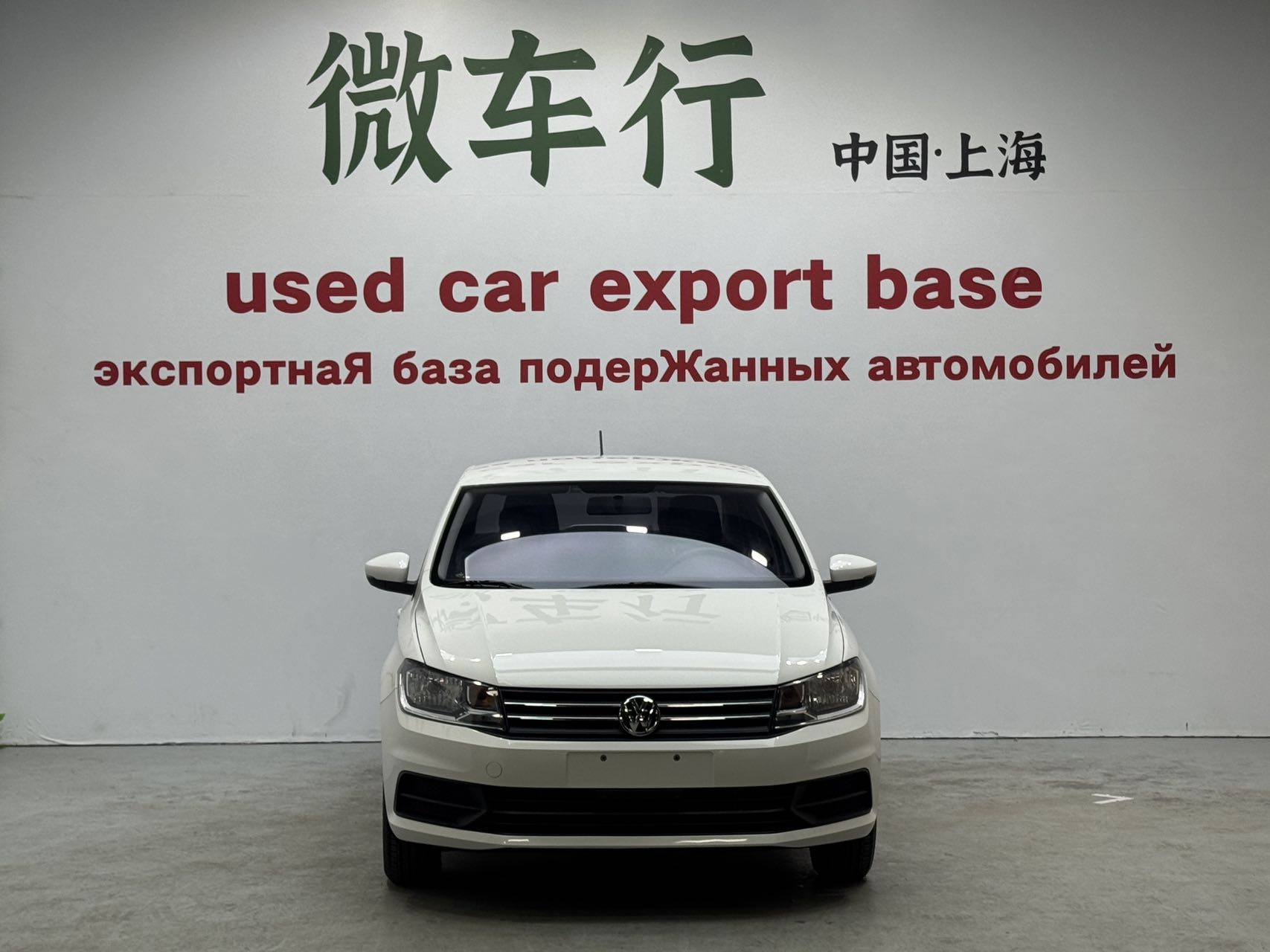
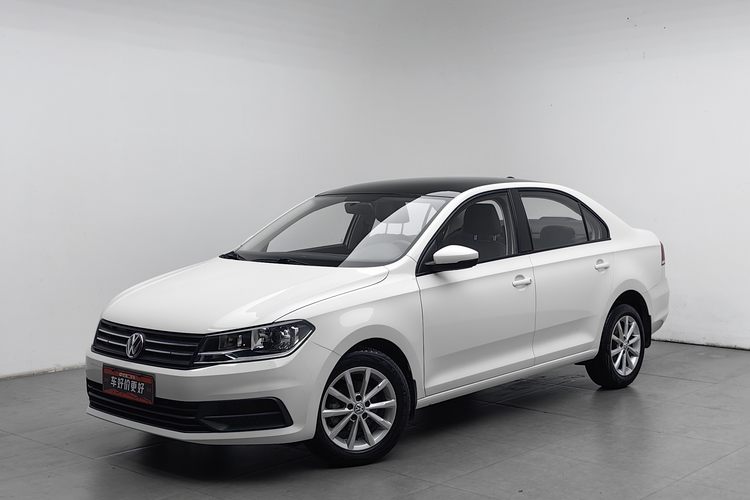
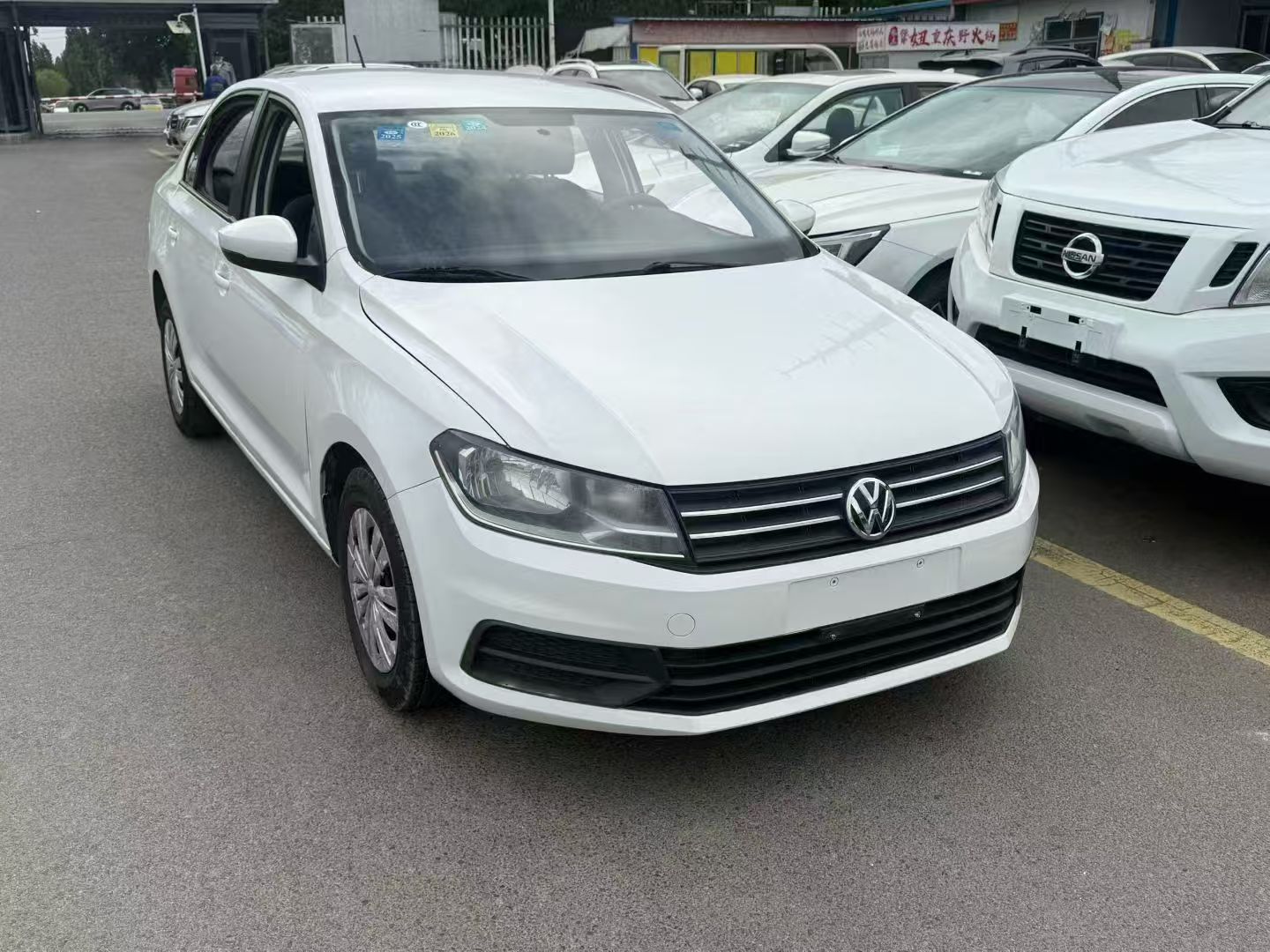
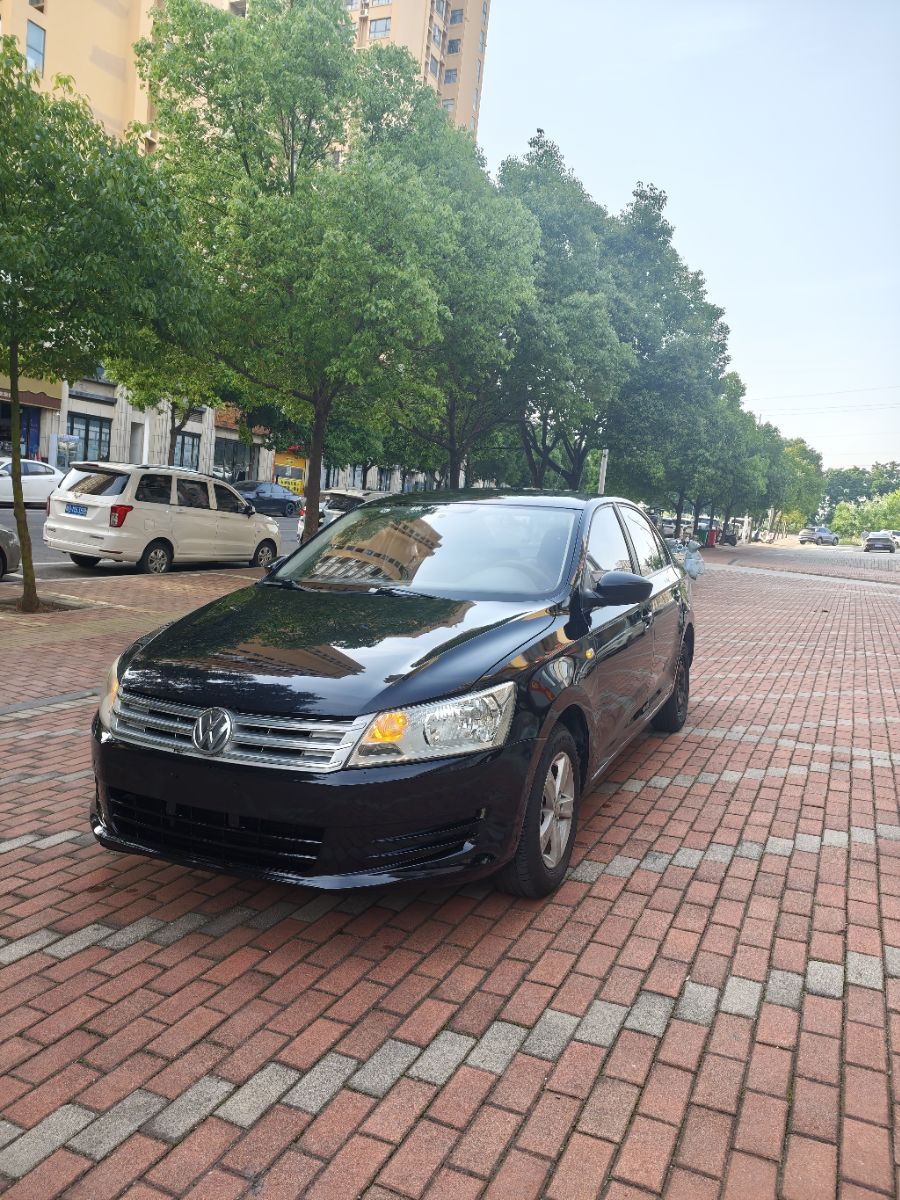
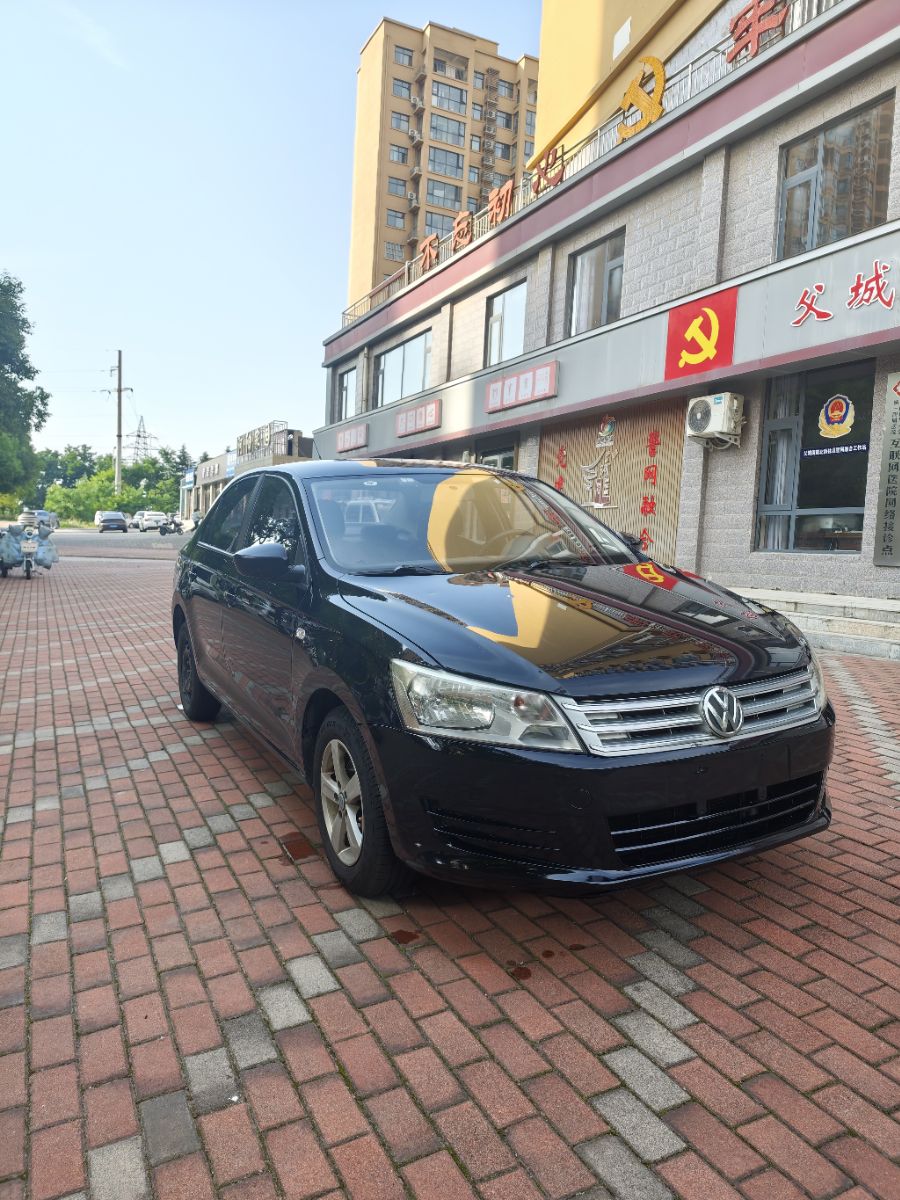
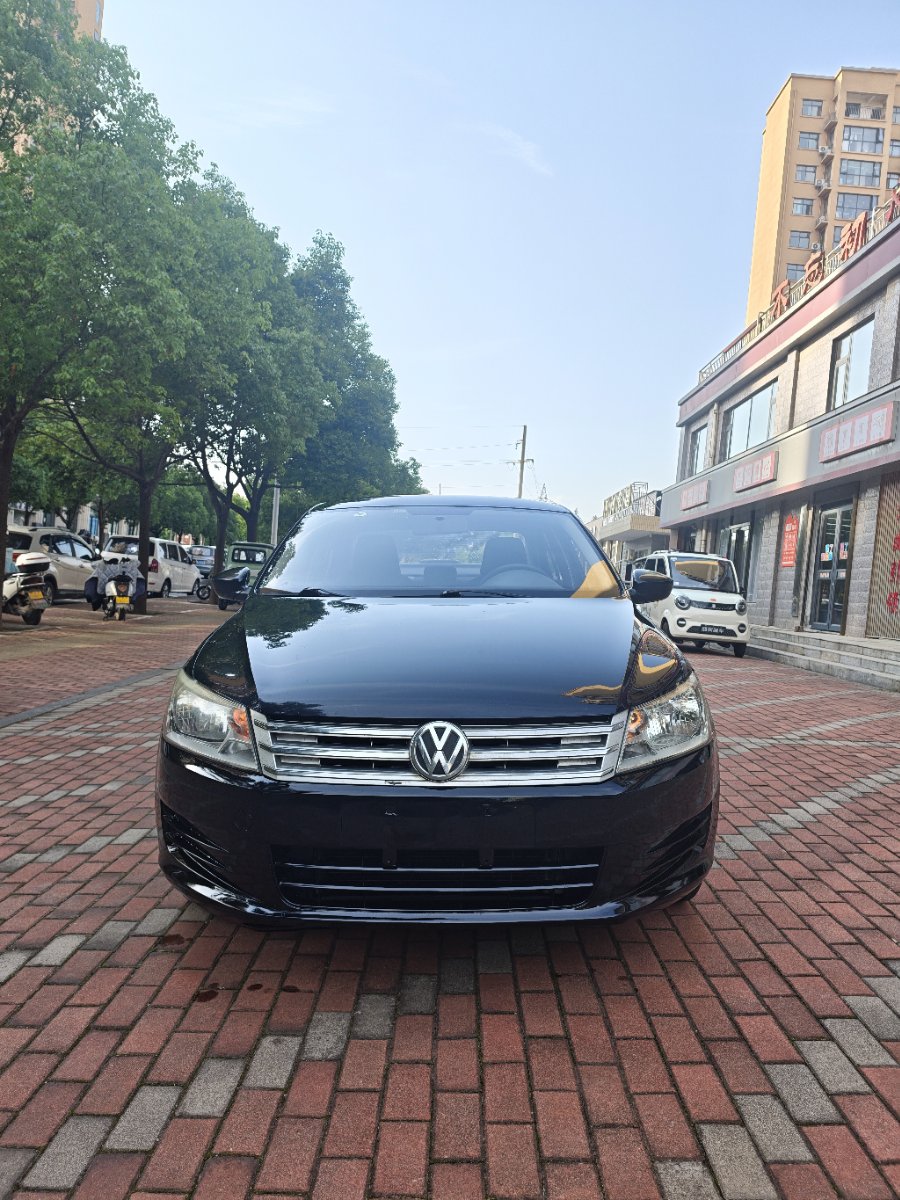
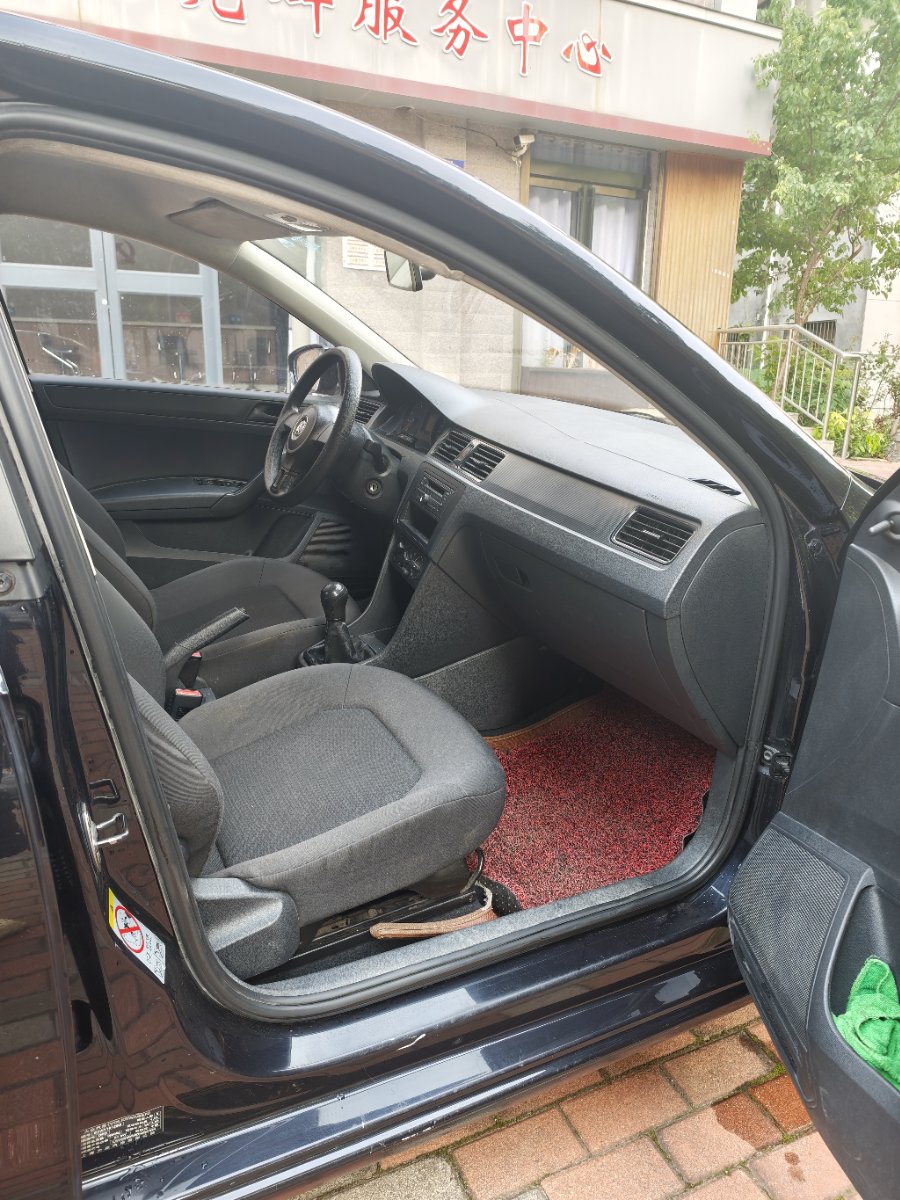
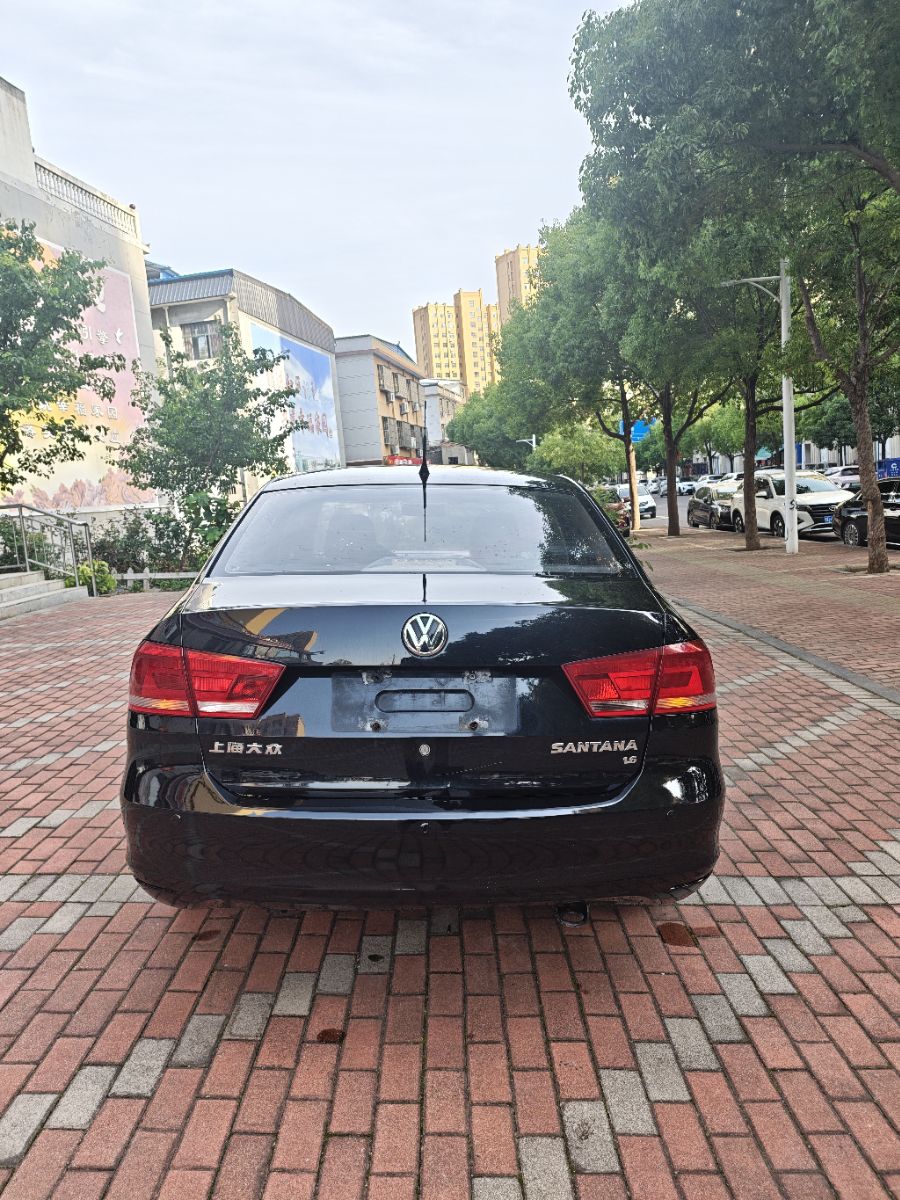
BrandVolkswagen
SeriesSantana
Year2013
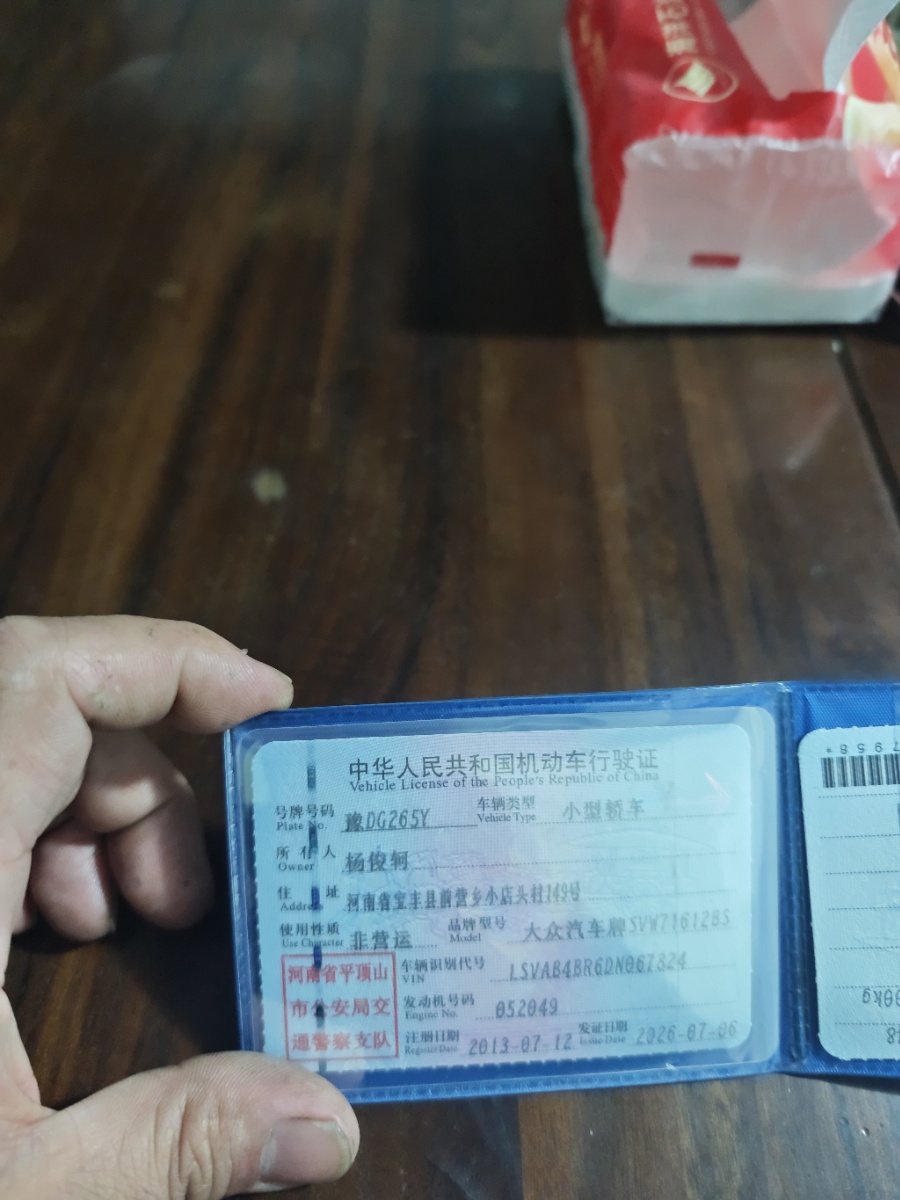
First Registration2013/07
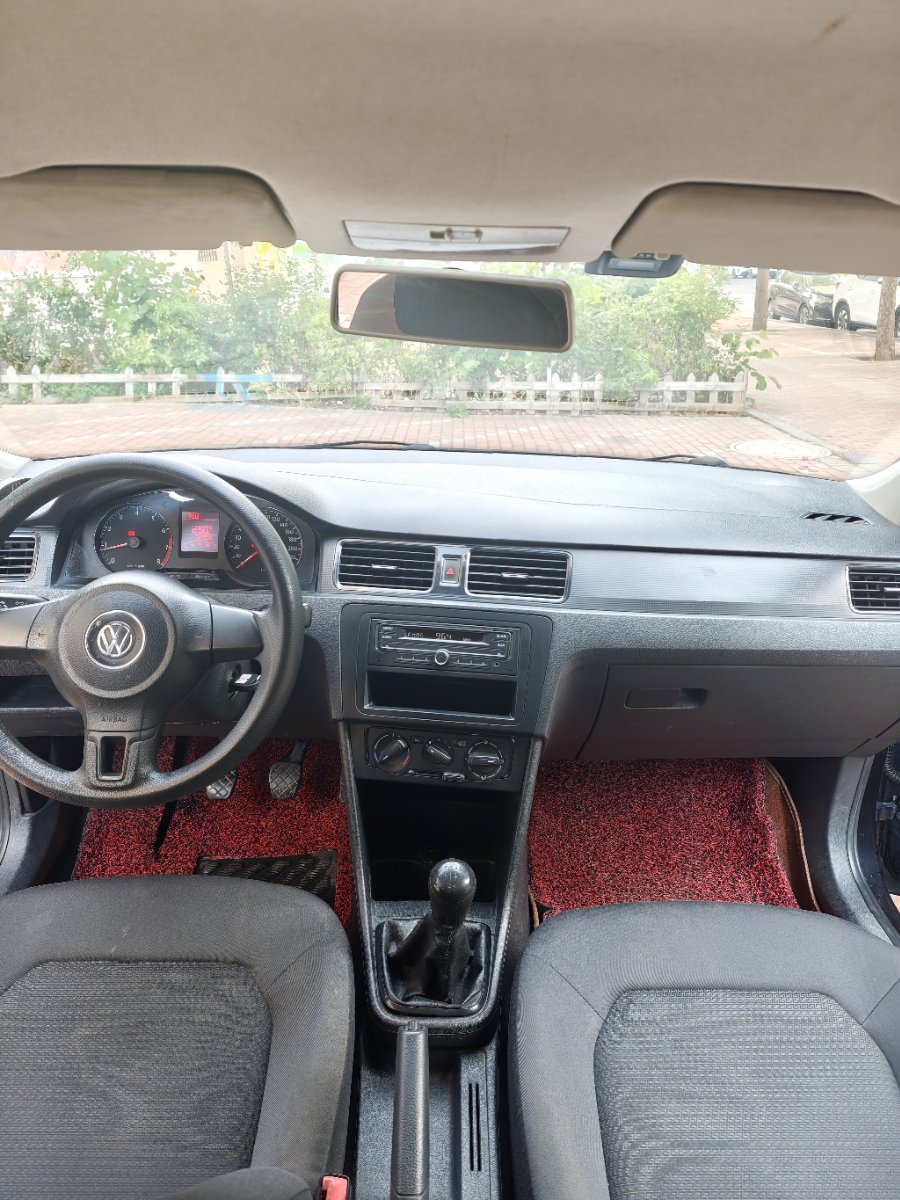
Mileage120,000km
Transfer Count1times
FuelGasoline
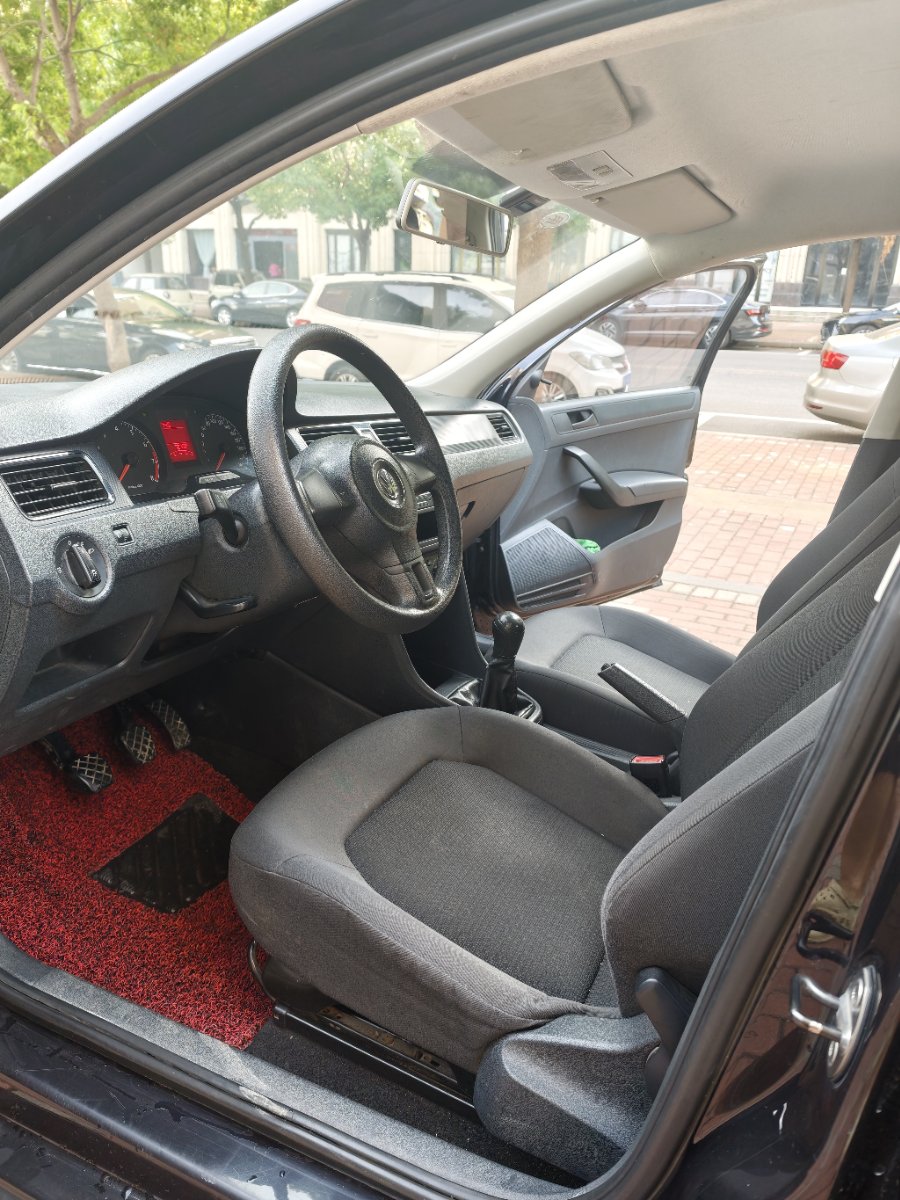
TransmissionManual
Engine1.6L 110 L4
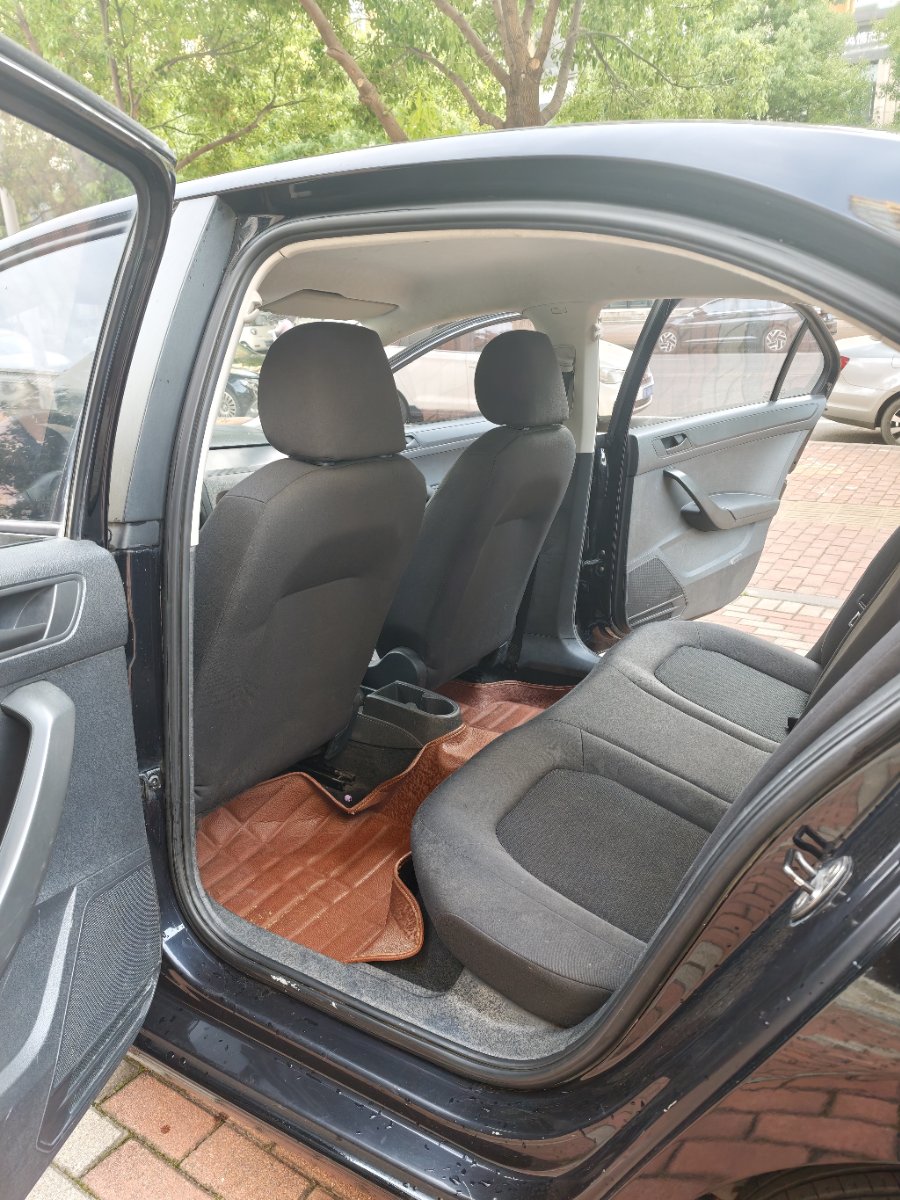
ColorBlack
Seats-

Condition Description

12万公里,审车到明年,保险到明年7月,四条新轮胎。

燃油车
轿车
手动
维保开放
事故开放
查验开放

Configuration Highlights

✓品牌: 大众
✓车系: 桑塔纳
✓车型: 2013款 1.6L 手动豪华版
✓车身类型: 轿车
✓座位数: 5
✓排量: 1.6L
✓变速箱: 手动
✓能源类型: 燃油车
✓VIN: LSVAB4BR6DN067824
✓搜索关键词: 大众桑塔纳 2013款桑塔纳1.6L手动豪华版

Document Information

Inspection Expiry Date2027/07
Warranty Expiry Date-
Insurance Expiry Date2027/07

Q&A

More

For countries with strict anti-dumping laws, do the low-priced used new energy vehicles you export face the risk of being confiscated by customs on the grounds of dumping?

This is a macro policy minefield. Although used cars are rarely classified as dumping, if your single import quantity is too large and the declared price is significantly lower than local similar products, it can easily trigger an investigation by the tax bureau. We strongly recommend B2B buyers to break down shipments into smaller batches and use multiple invoices for customs clearance.


How to ensure that the declared value on the export license matches the commercial invoice exactly to avoid allegations of underreporting for tax evasion?

Our legal red line is that the amounts on the China Customs declaration, export license, commercial invoice, and bank receipt must be consistent across all four documents. We firmly refuse to engage in the illegal act of issuing "false low-value invoices" to assist buyers in evading customs duties in the destination country.

What is a Certificate of Origin and why do I need one when importing a car from China?

A Certificate of Origin (C/O) is an official document stating where the vehicle was manufactured. Customs authorities use it to decide which tariff rates and trade agreements apply to your import. Why it matters: many countries offer preferential tariffs for certain origins. With a valid C/O, such as the ASEAN-China Form E or a GSP Form A, you may pay reduced or zero duty. Without it, you typically pay the standard, higher rate. The certificate must match the vehicle exactly: VIN, make, model and invoice details. It is usually issued by the China Council for the Promotion of International Trade (CCPIT) or customs authorities. Practical tips: request the C/O before shipment, because adding it later is slow; check that your country's customs accepts the specific C/O format; and confirm with your broker whether your vehicle category qualifies for preferential rates. This single document can save you thousands in duty.