


48H

Basic Information

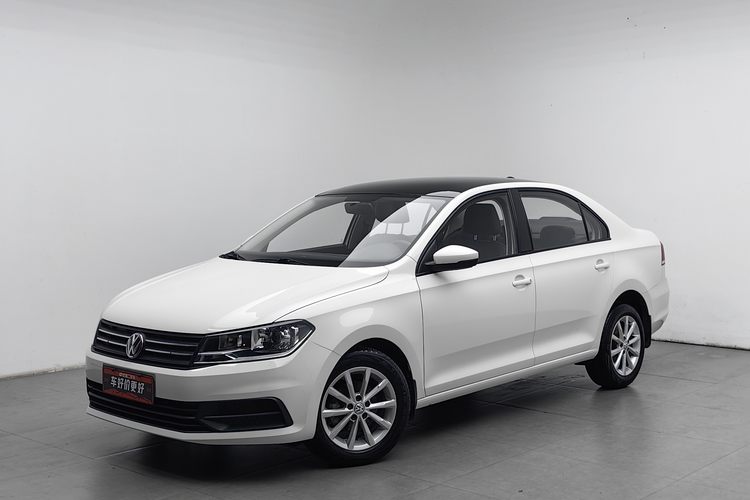
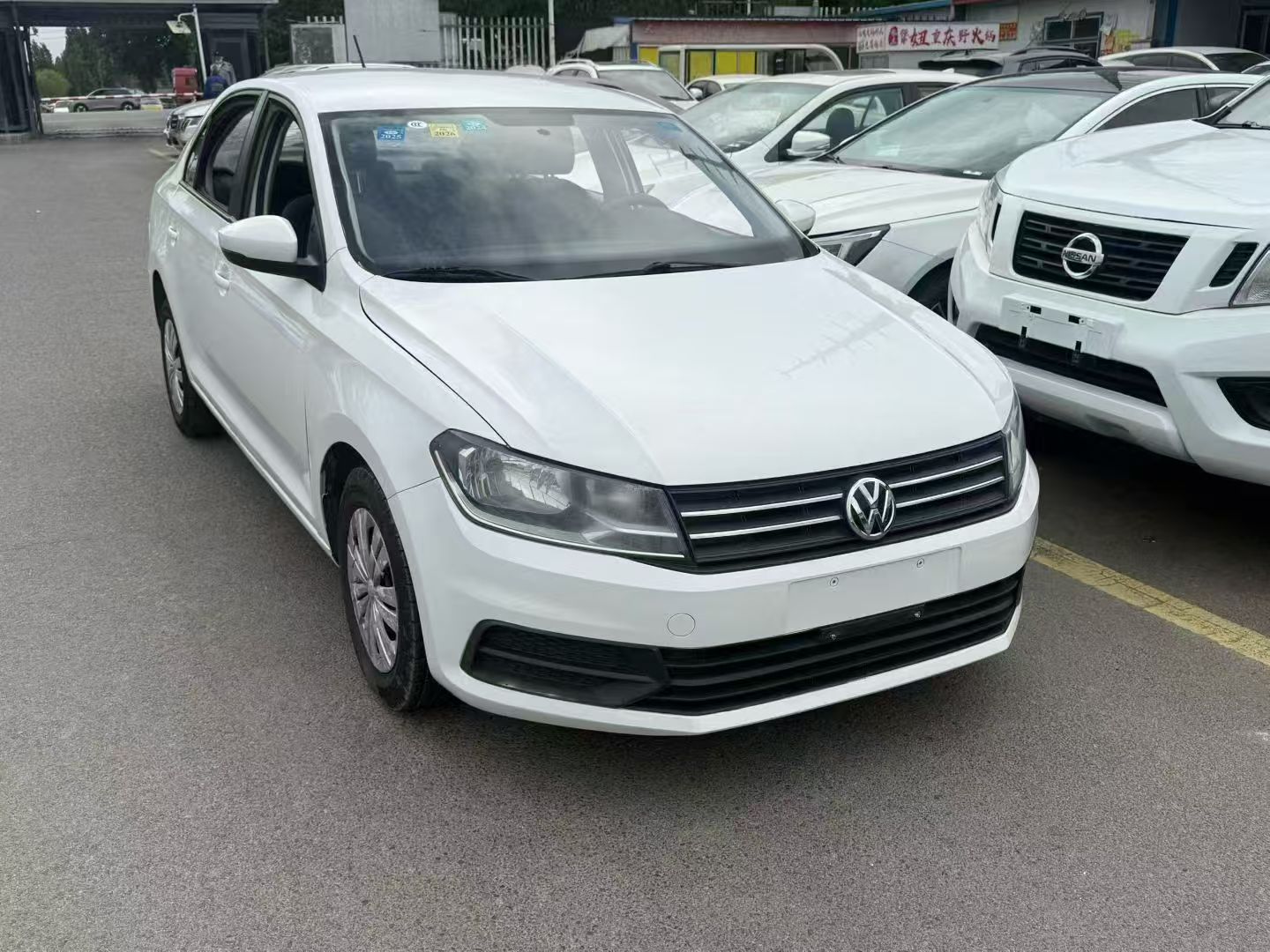
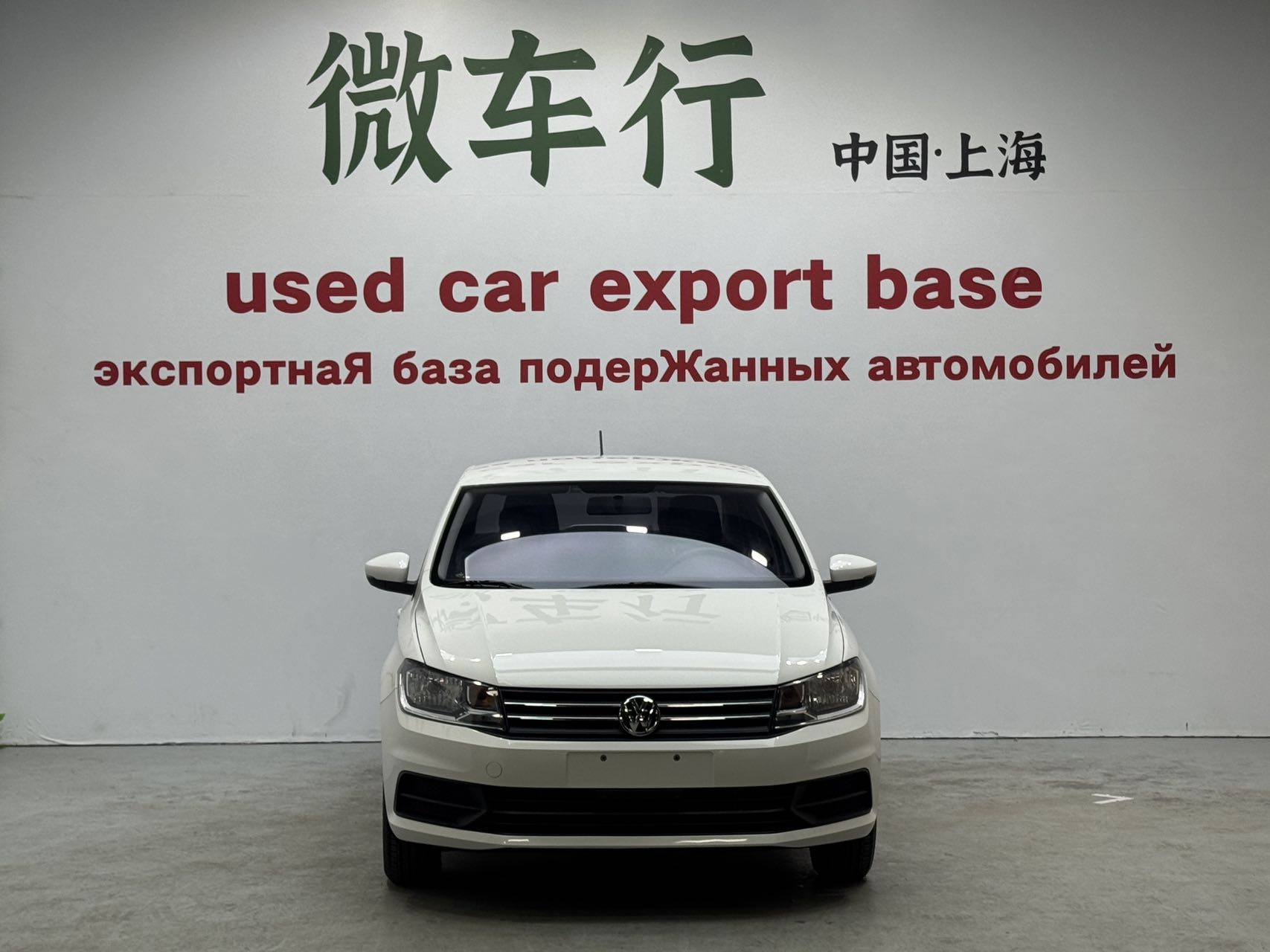
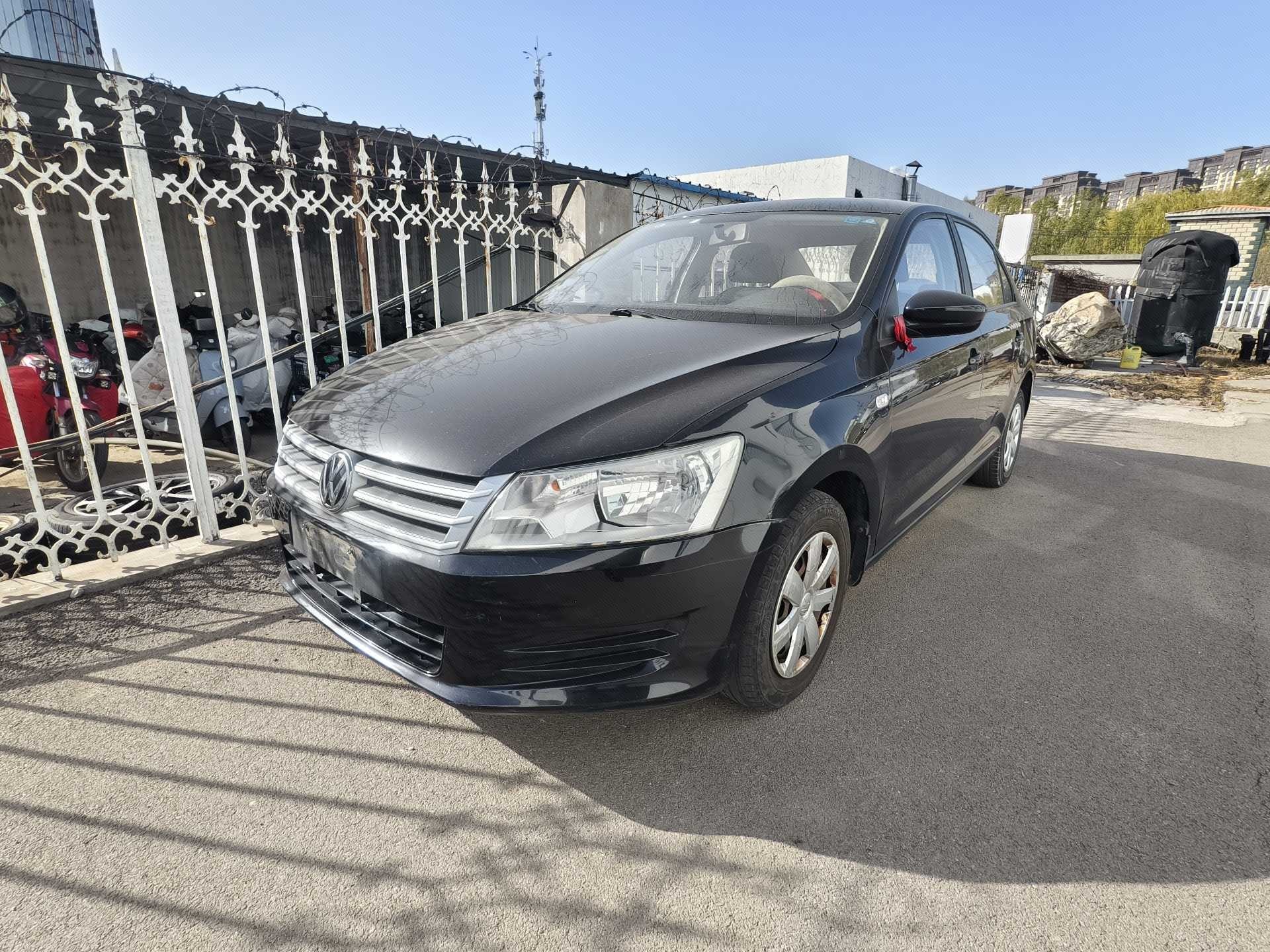
BrandVolkswagen
SeriesSantana
Year2013
First Registration2013/07
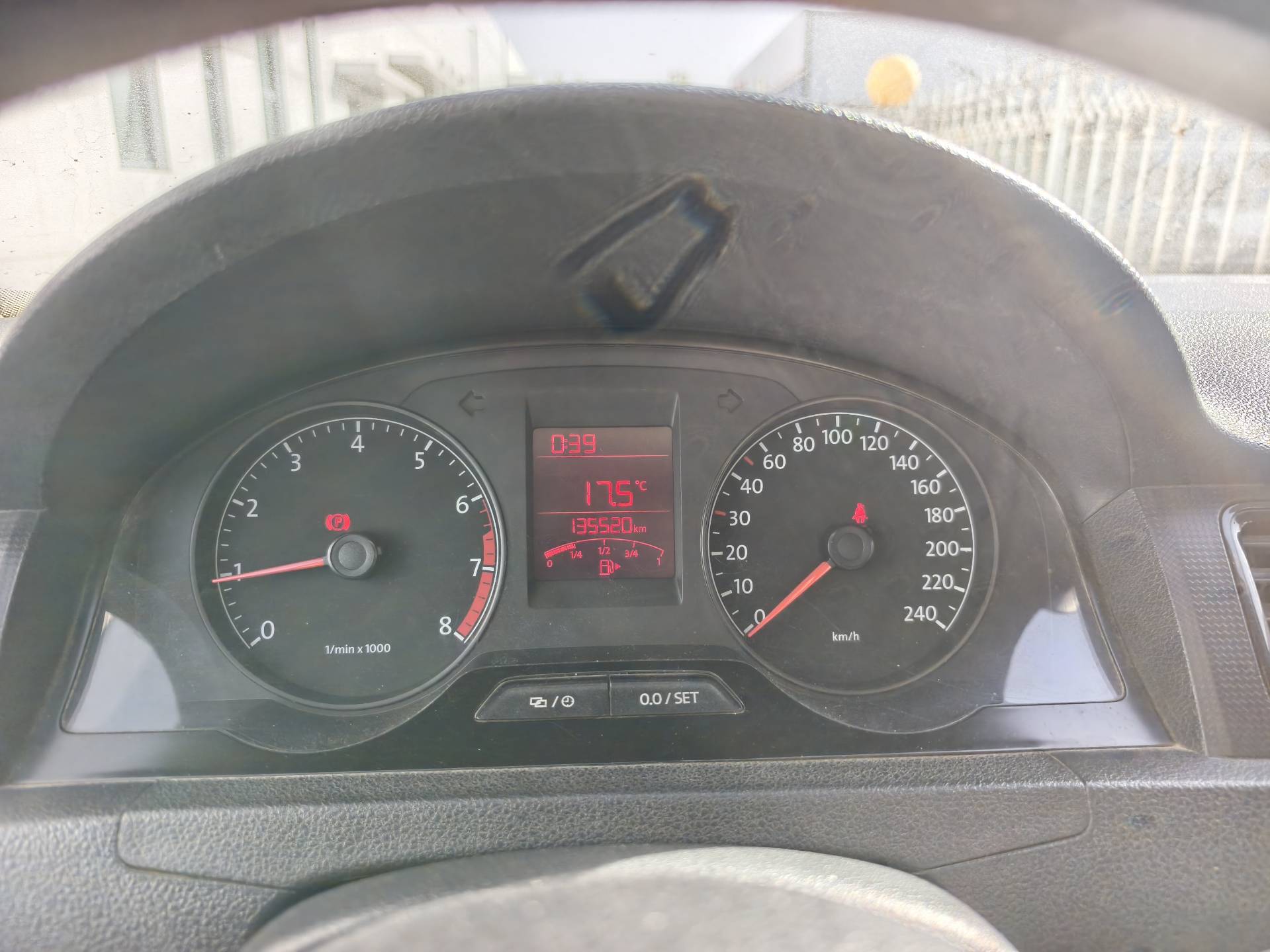
Mileage135,000km
Transfer Count0times
FuelGasoline
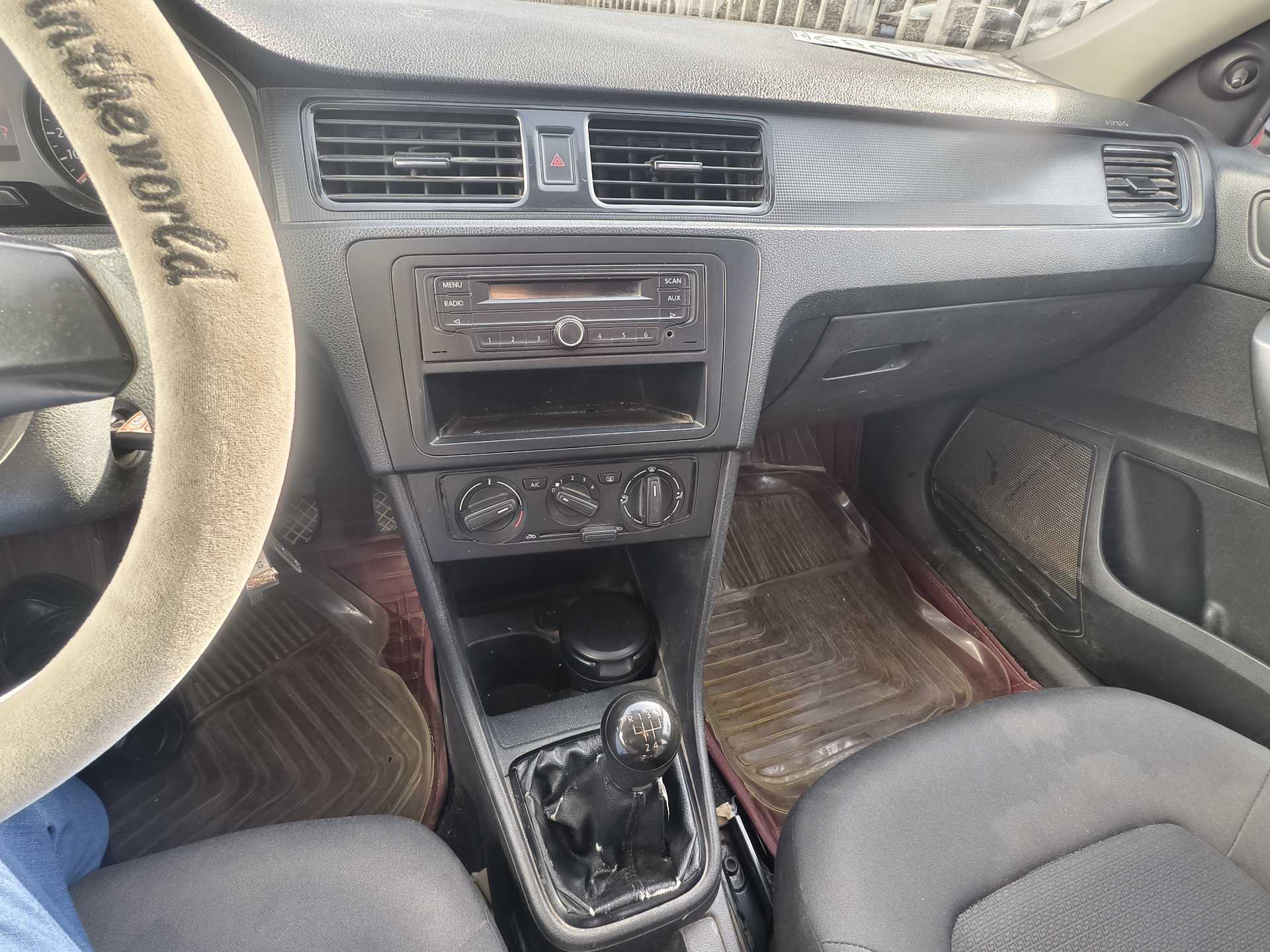
TransmissionManual
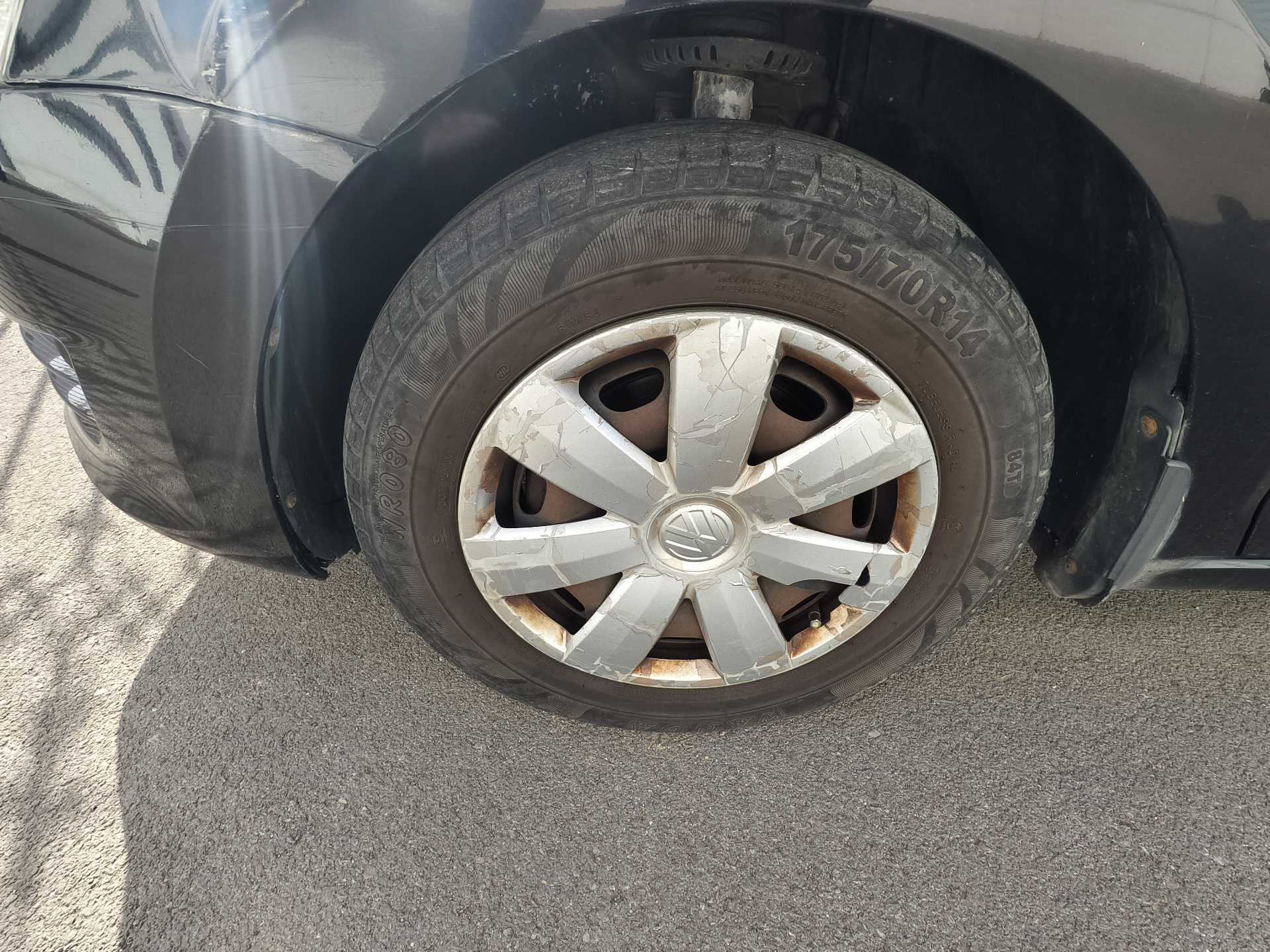
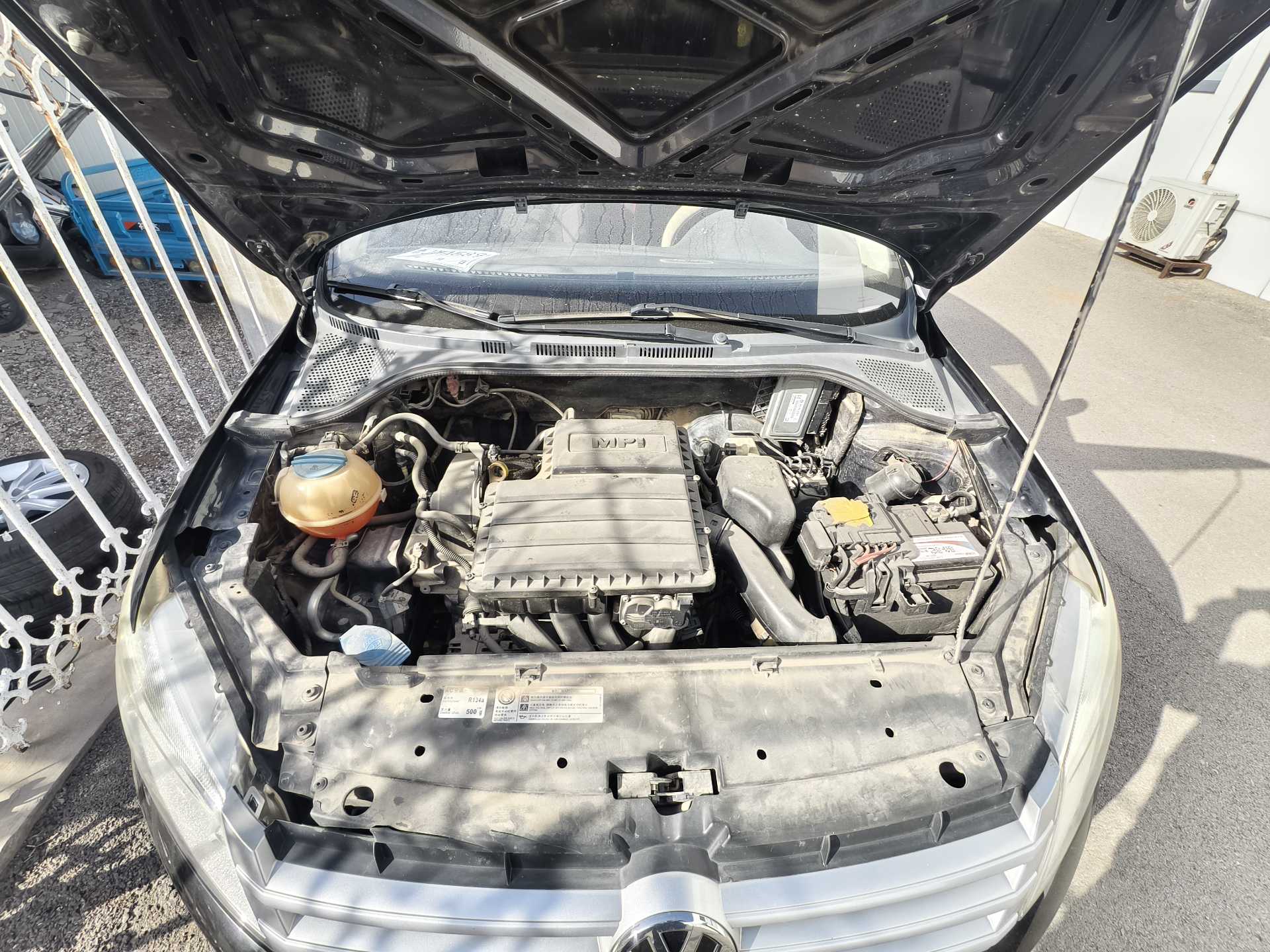
Engine1.6L 110 L4
ColorBlack
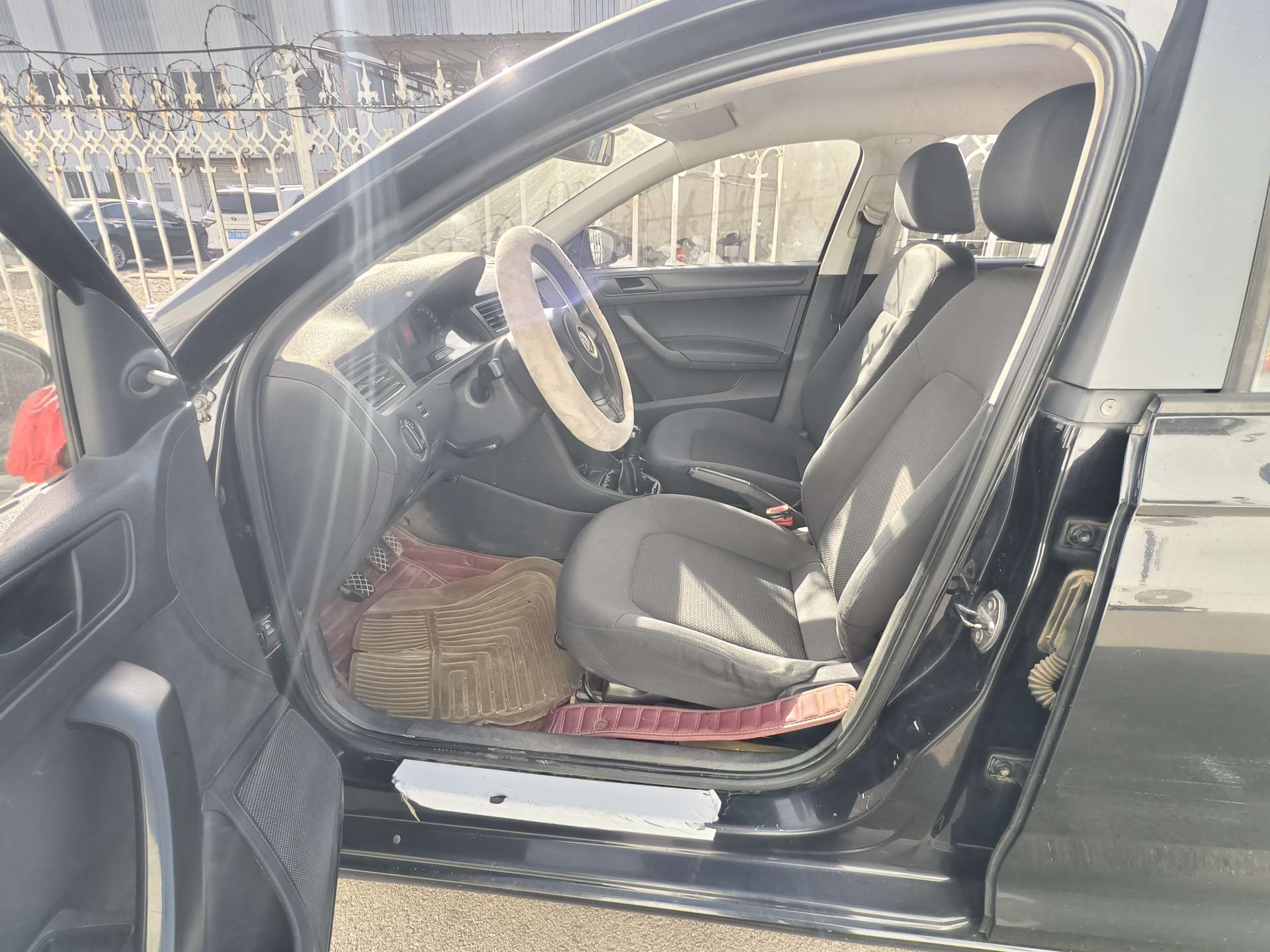
Seats5seats

Condition Description

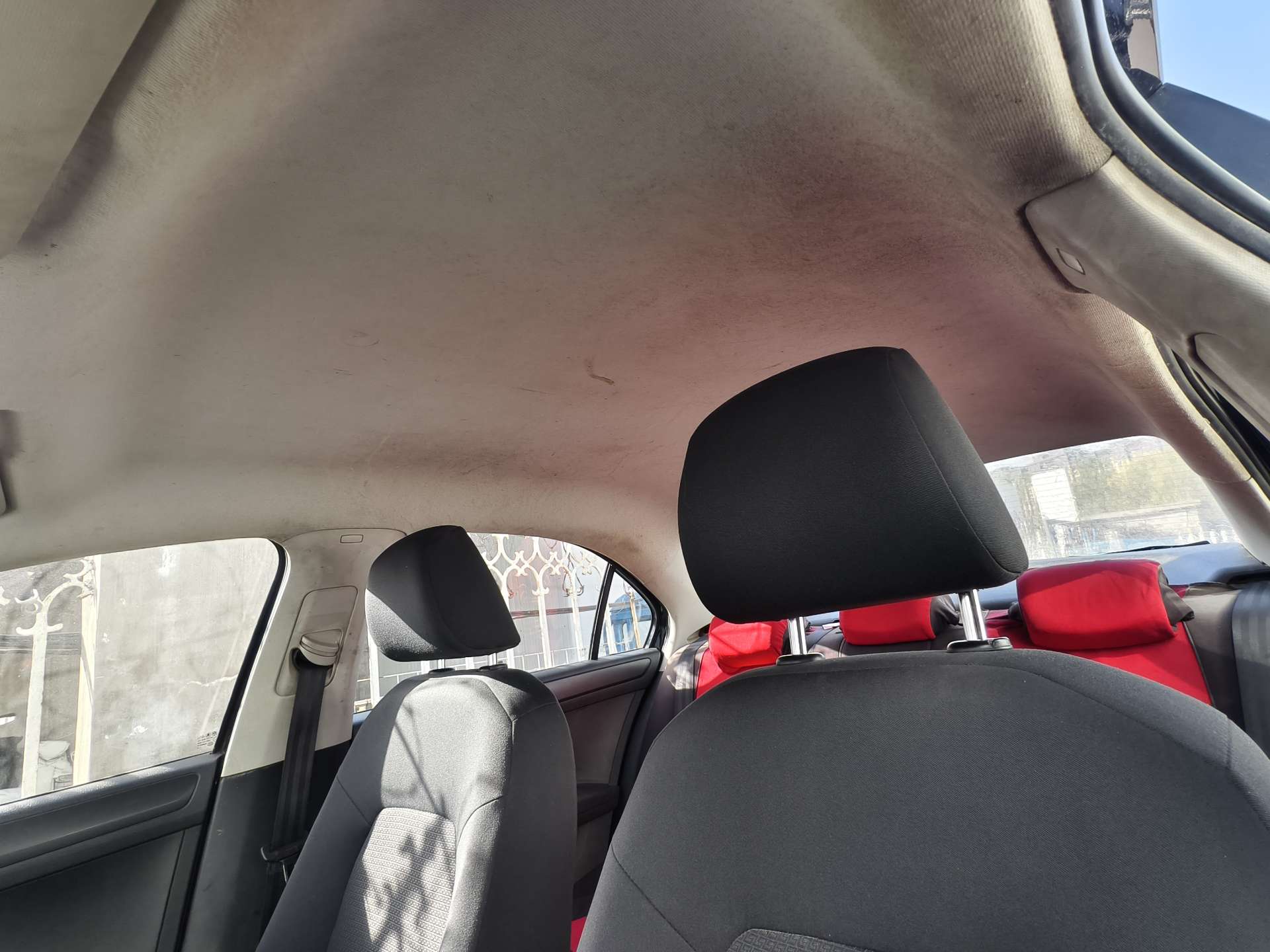
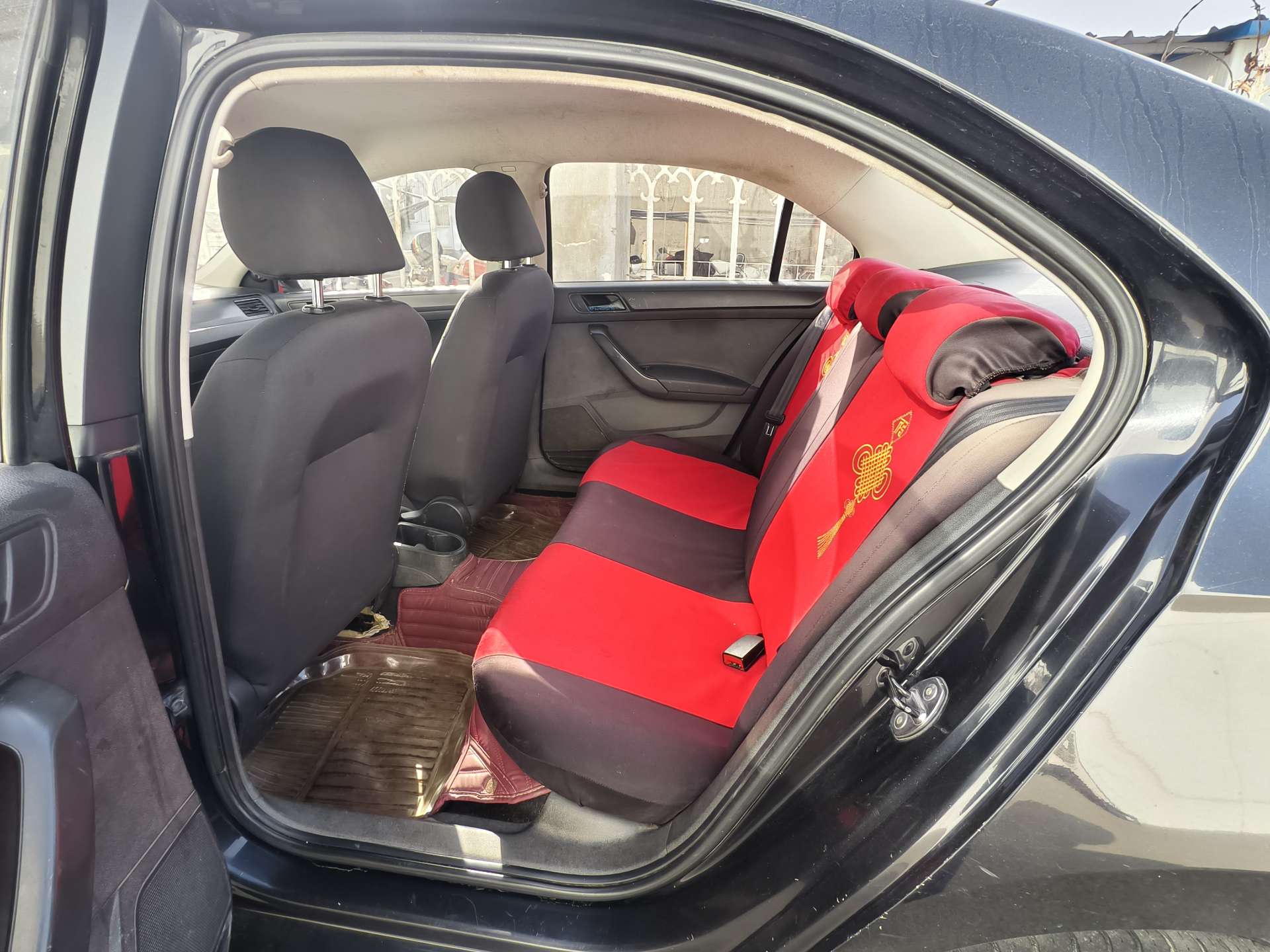
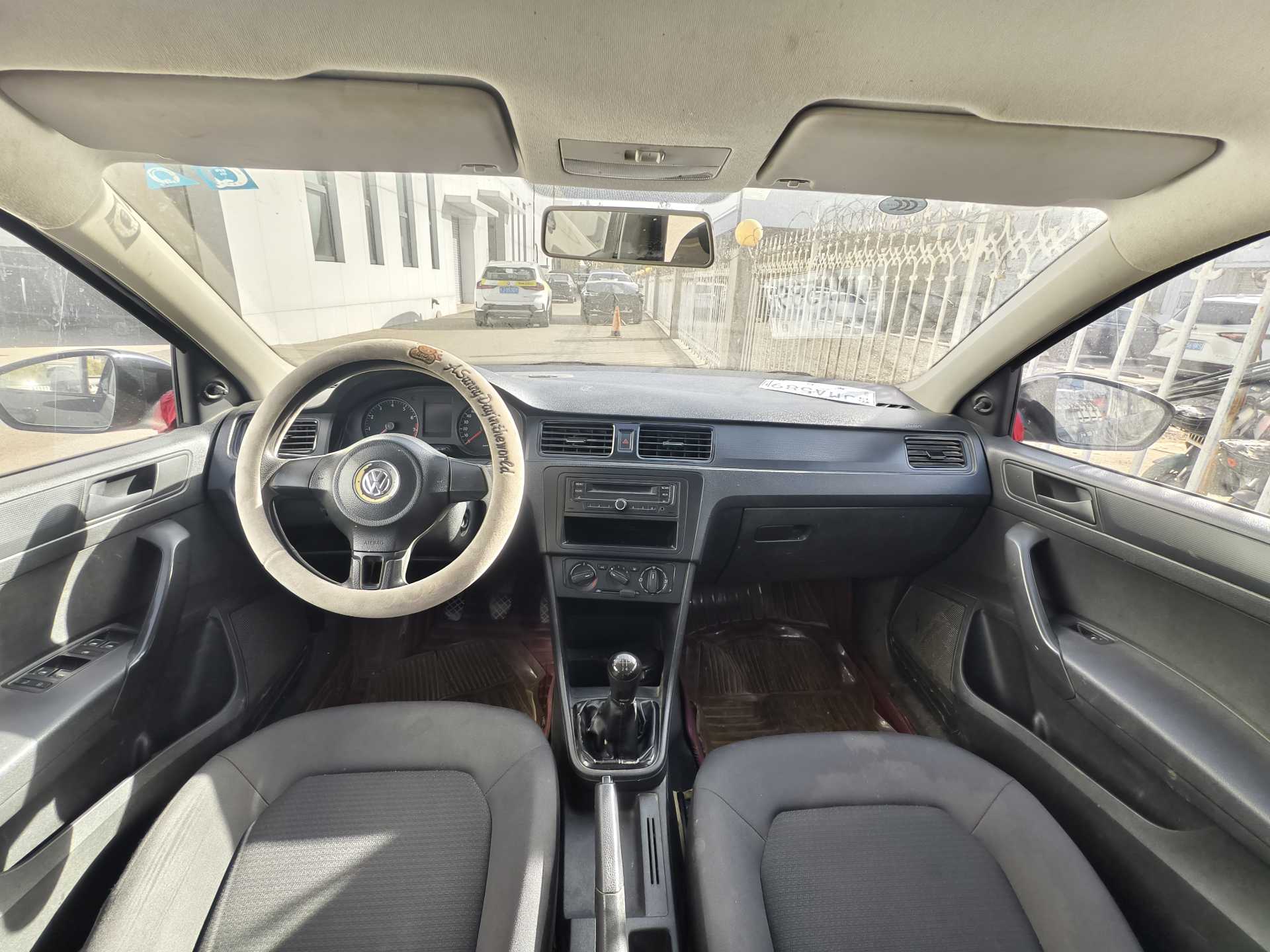
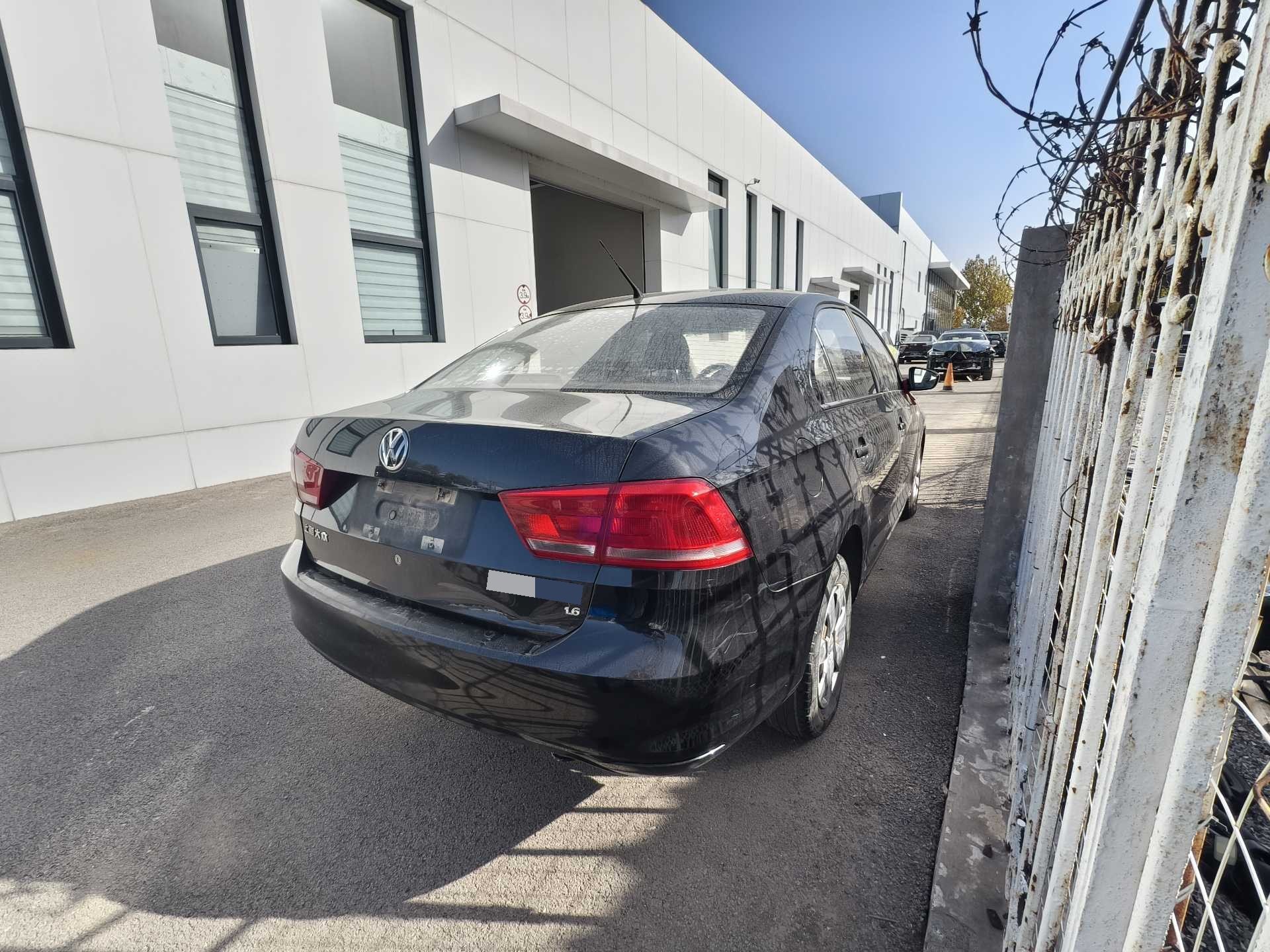
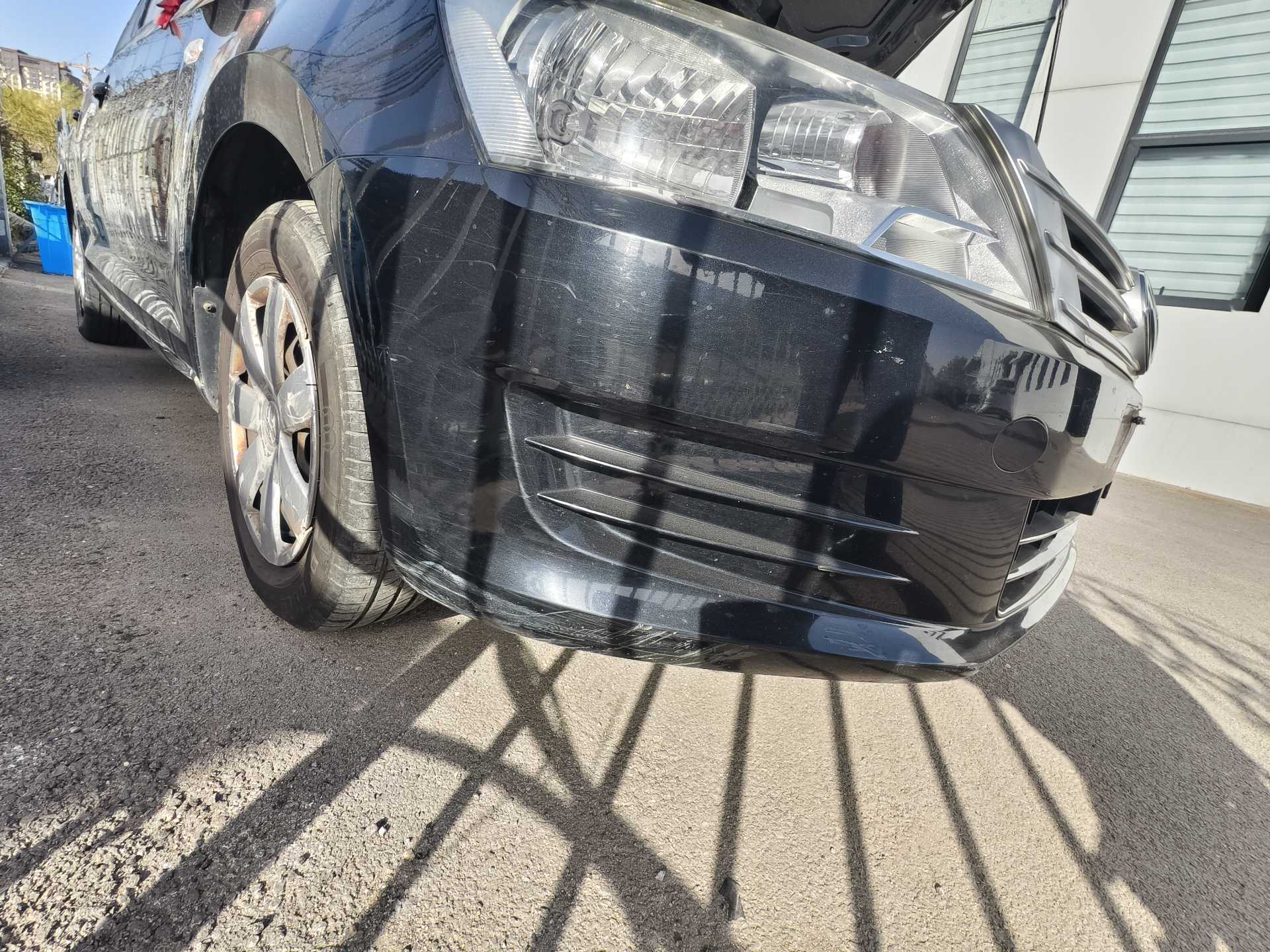
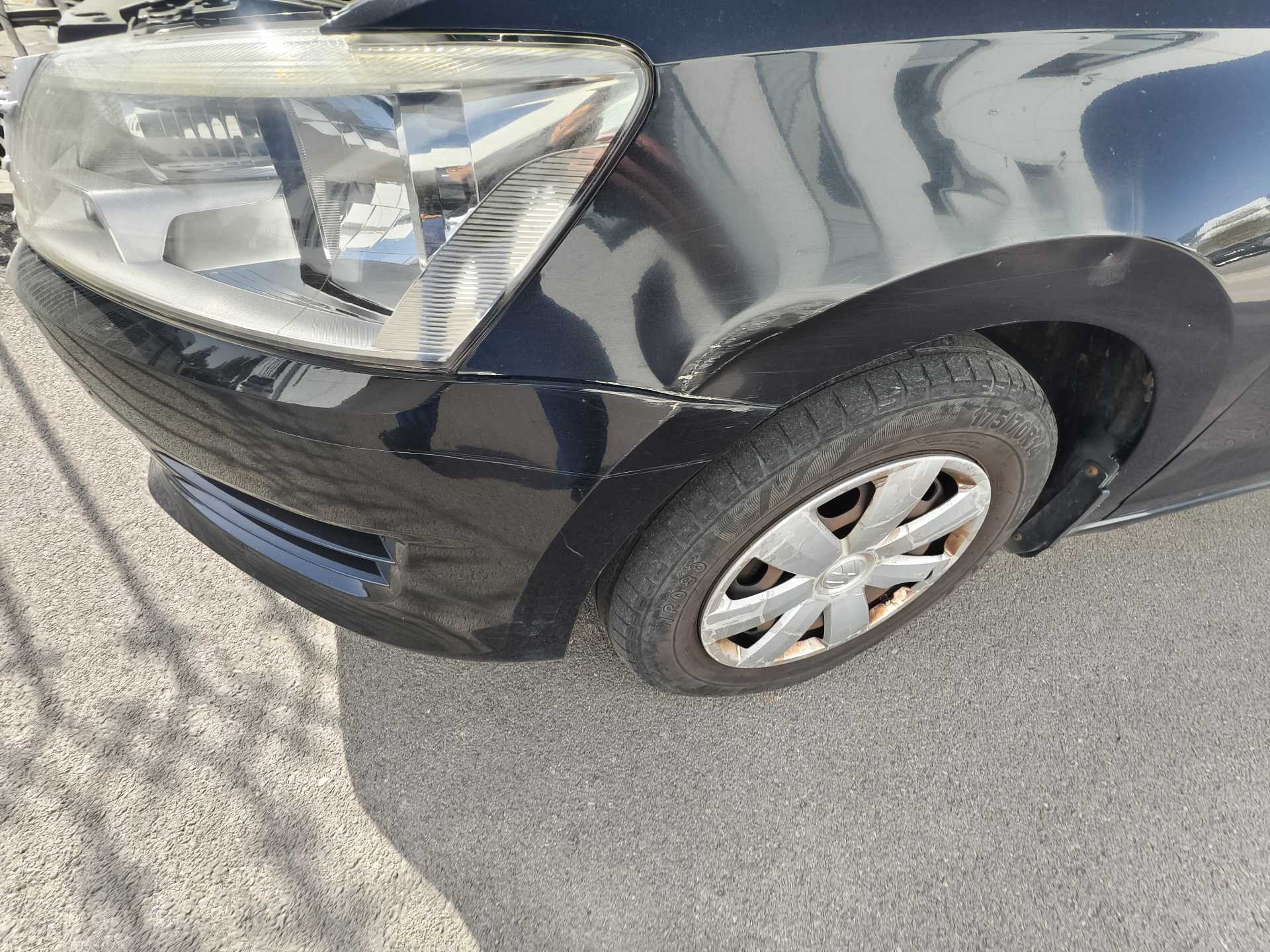
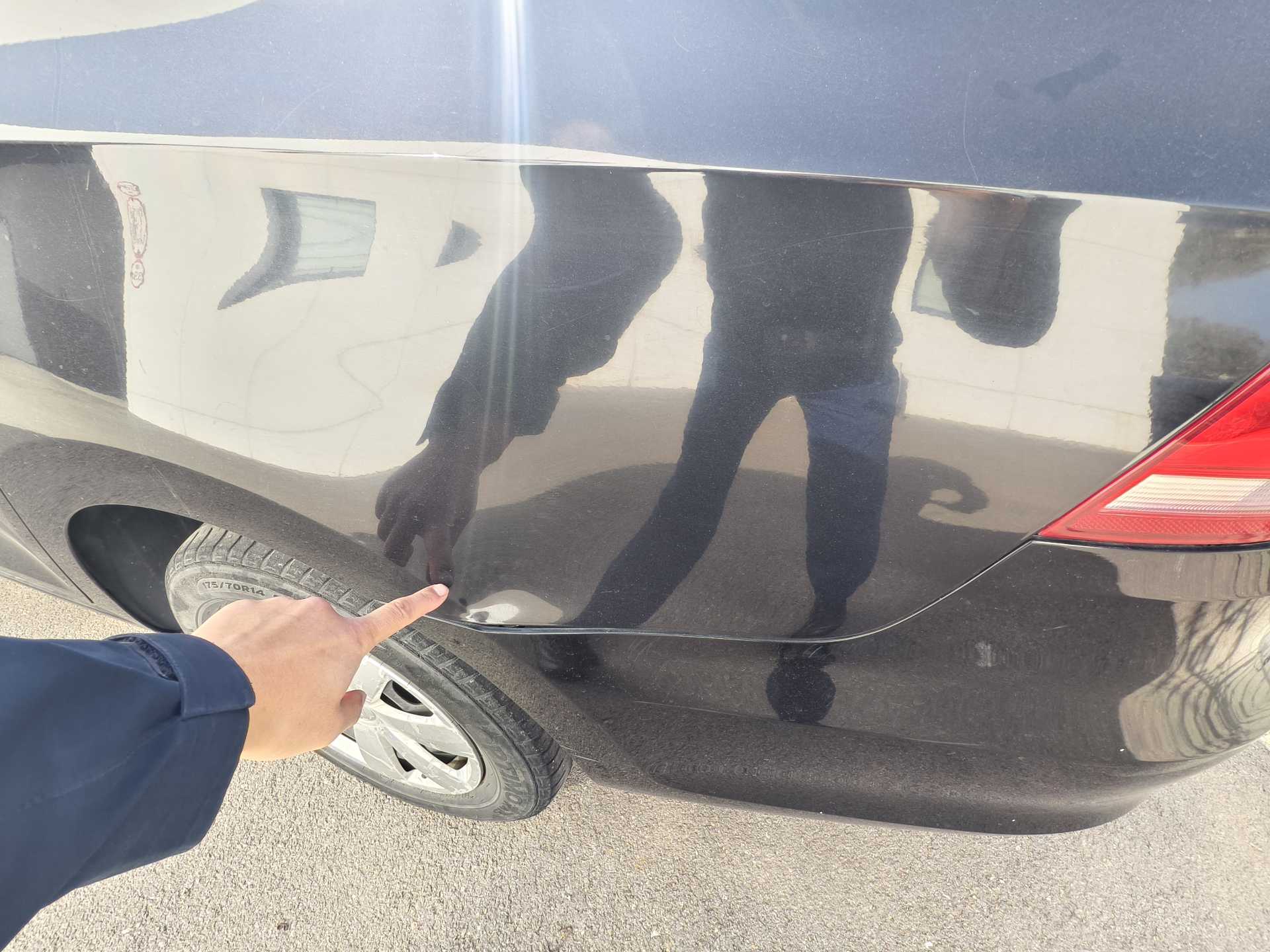
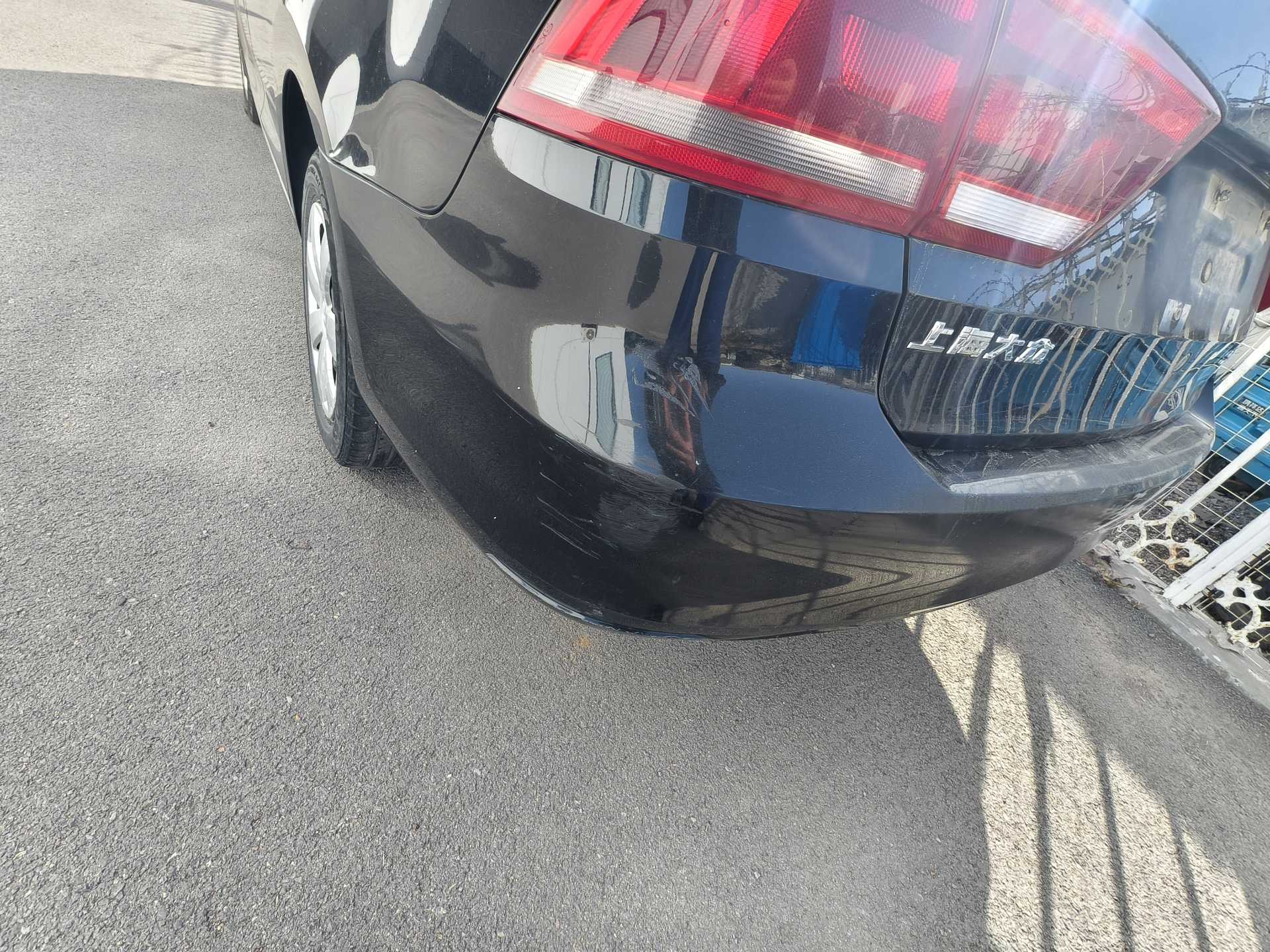
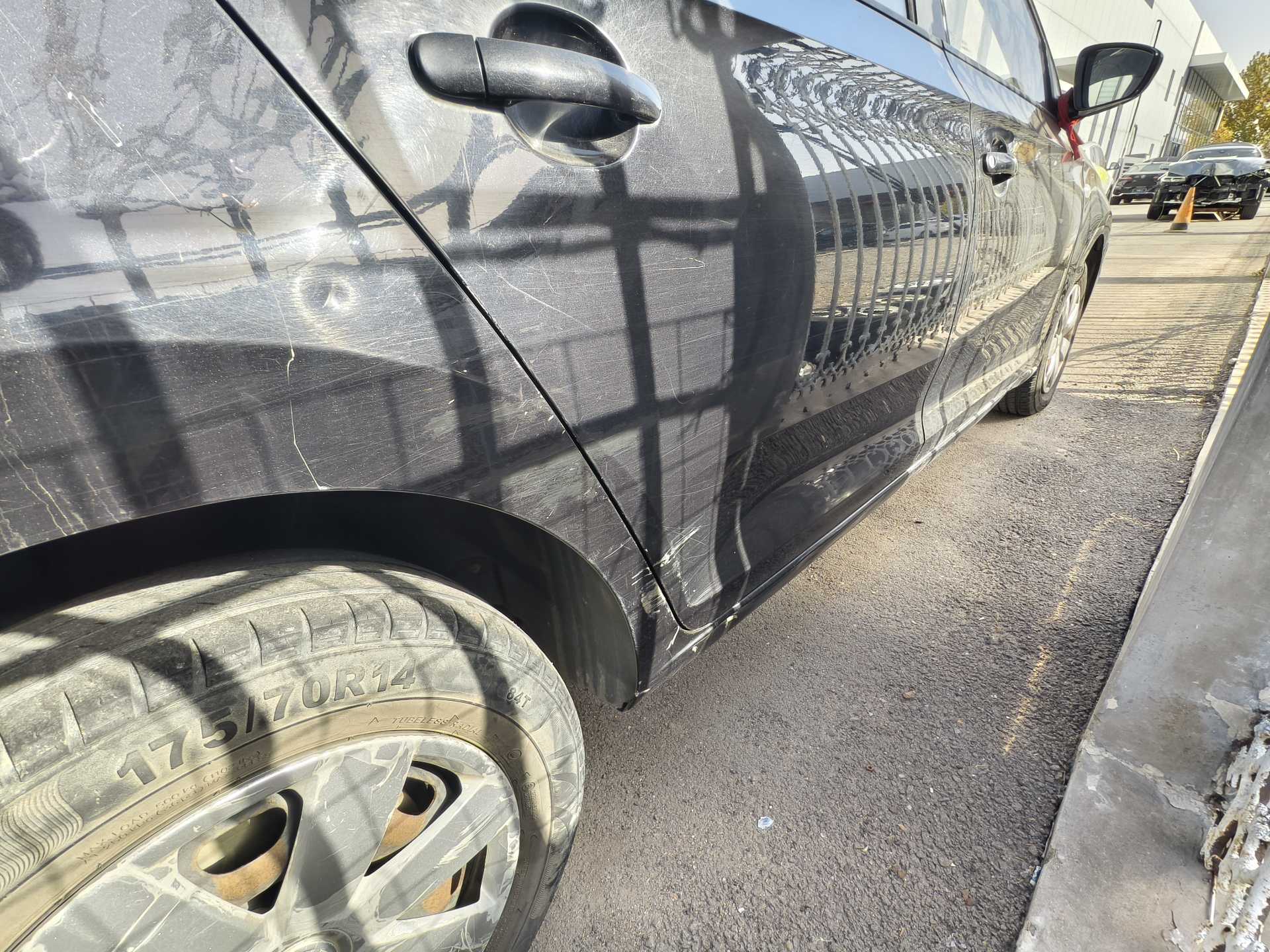
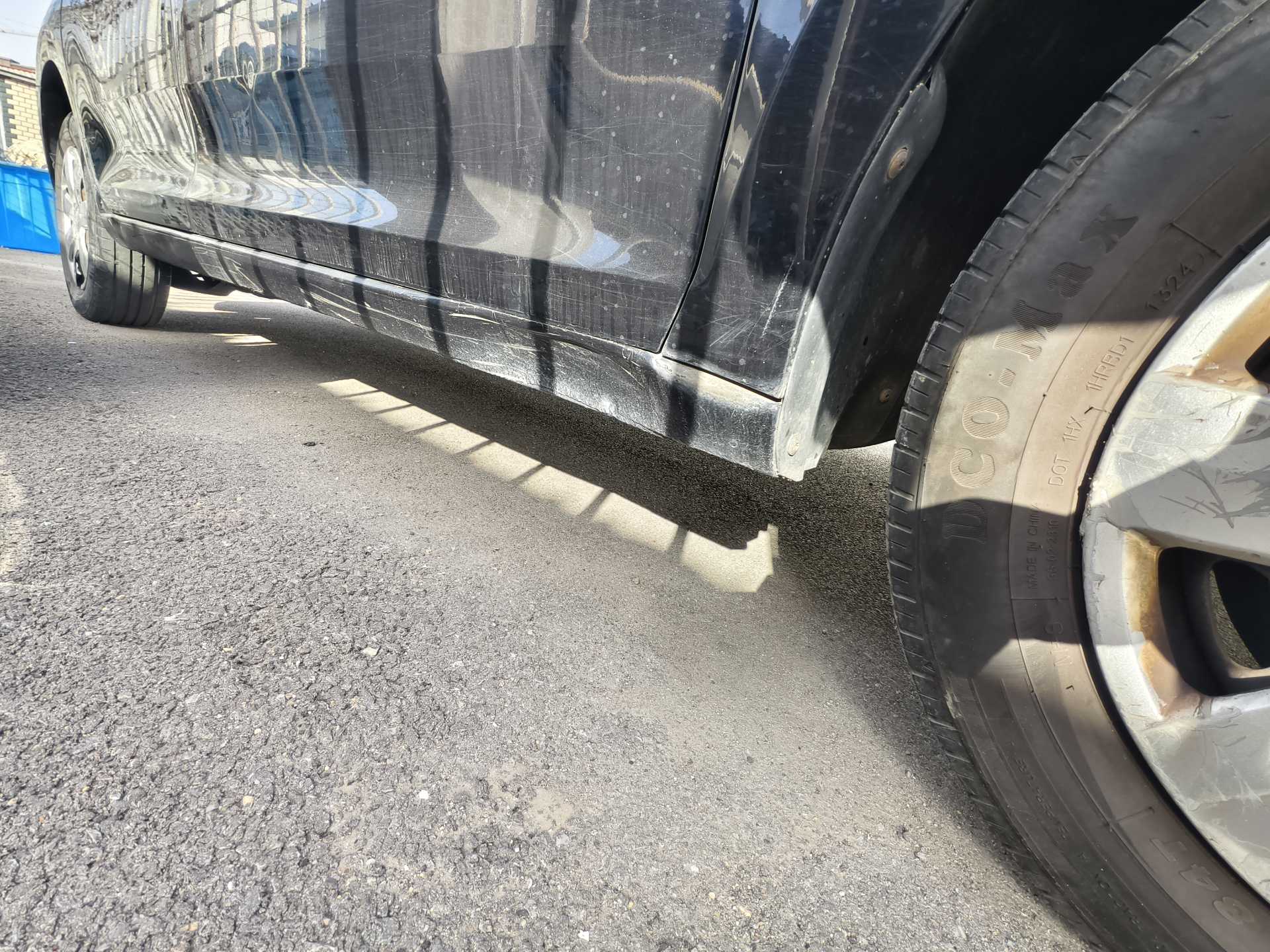
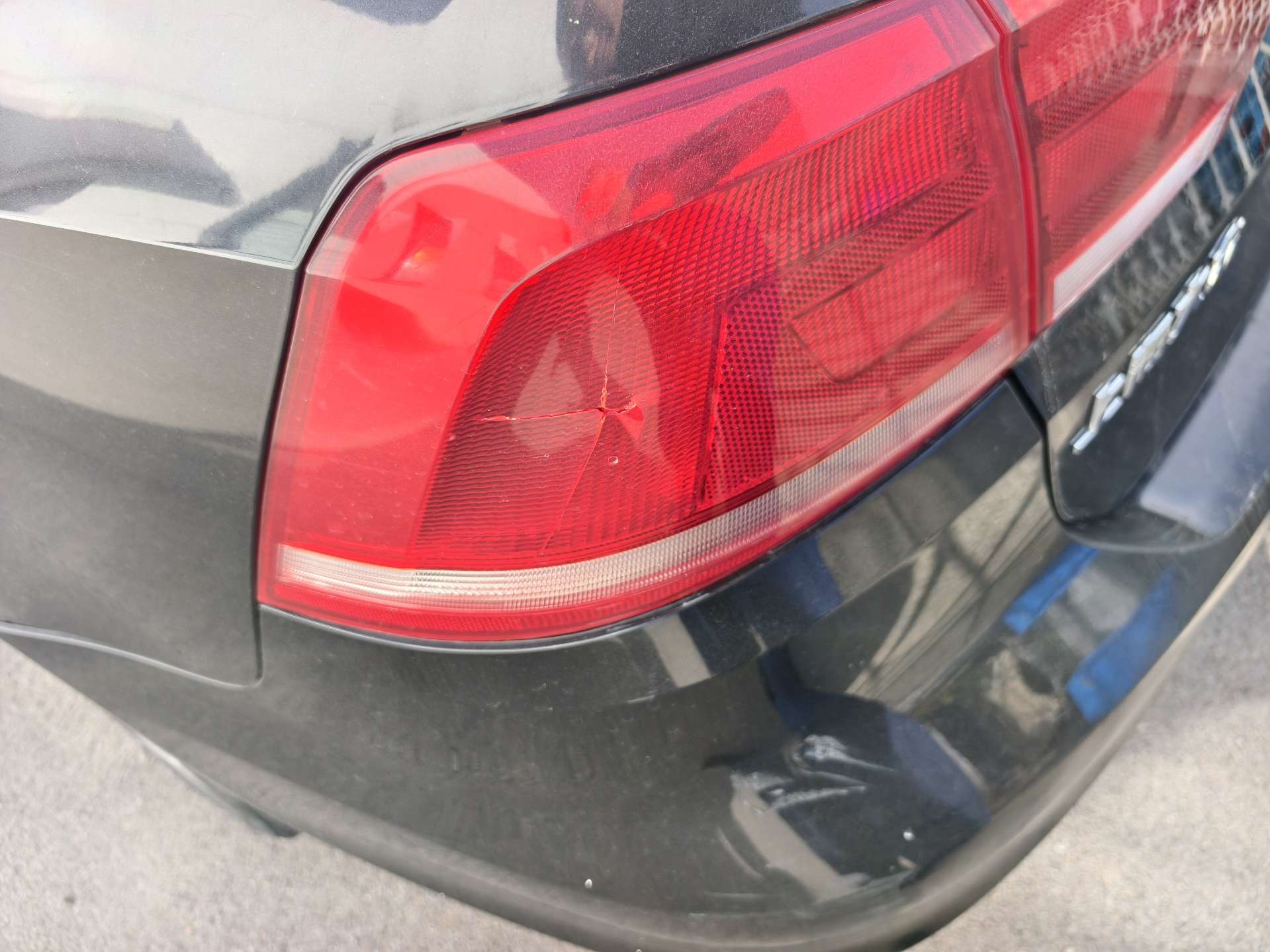
Previously converted to LPG, now restored to original. Original condition, mostly original paint. Multiple scratches requiring detailing. First owner, just transferred to company.

Document Information

Inspection Expiry Date-
Warranty Expiry Date-
Insurance Expiry Date2027/07

Q&A

More

What is a safe step-by-step process for buying a used car from a Chinese exporter without visiting in person?

1) Verify the company: business license, export track record, and a live video call where they show the actual car and its VIN. 2) Hire an independent pre-shipment inspection. 3) Sign a contract stating the VIN, specs, price, Incoterm, and refund conditions. 4) Pay a 20–30% deposit by bank transfer only after the contract is signed — never the full amount, and never to a personal account. 5) After the inspection passes, pay the balance against a copy of the bill of lading. 6) Track the shipment and prepare import documents. 7) Inspect the car on arrival before releasing any final documents. Each step is a checkpoint. Don't let the seller rush you past one.


How do I evaluate interior wear on a used car from China to estimate real mileage and usage intensity?

Interior wear is harder to fake than an odometer and often reveals true usage better than any document. Focus on high-contact points the seller rarely restores. The driver's seat bolster shows creasing and cracking by 80,000-100,000 km even with covers. Steering wheel leather polishes smooth and darkens with hand oils; a shiny wheel with low claimed mileage is a red flag. Pedal rubbers wear through at similar rates — check accelerator, brake, and clutch depth. Second-row wear patterns tell you how the car was used: heavy child-seat indentations suggest family use (usually gentler), while uniform rear wear with clean front suggests commercial or ride-hailing duty. Check seat rails for rust (indicates water ingress) and look under floor mats for moisture staining or musty smell — flood cars often hide it there. Also examine the infotainment and instrument cluster: Chinese EVs log usage data internally, and a dealer diagnostic readout can cross-check driving hours against mileage. Request close-up, well-lit photos of these specific points during your live video inspection rather than relying on the seller's gallery.

Which documents prove a used car exported from China is legal to import, and how do I verify them?

Key documents to request and verify: 1. Export declaration (报关单): proves the car legally left China. Check the VIN, model and exporter name match the car. 2. Commercial invoice: must match your payment amount; customs uses it to assess duties. 3. Bill of lading: confirm the consignee is you or your agent, and the VIN/container number is correct. 4. Certificate of origin: needed for tariff preferences in some markets. 5. Condition/inspection report: ideally from an independent third party, with photos and dates. Verification tips: cross-check the VIN on every document — any mismatch causes customs holds. Ask your destination customs broker to review scanned copies before the car ships, and release the final payment only after documents pass that review. A legitimate exporter will provide all of these without hesitation.